Loading subject page…

- Anatomy and Physiology
- Digestive System
- Other Disorders of Digestive System
Micro-course: Digestive System
89,748 views
Learn key concepts and earn your certificate.
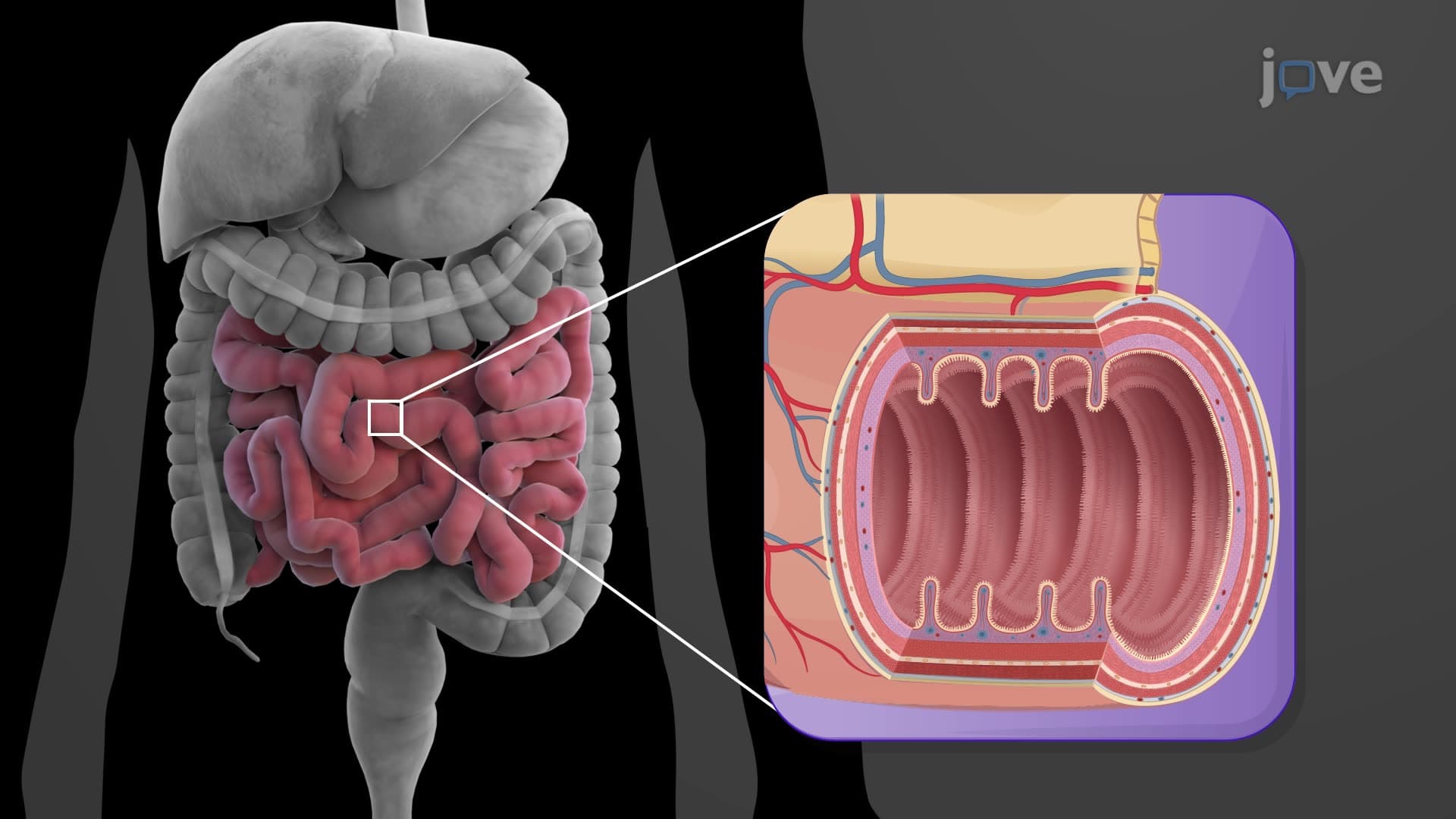

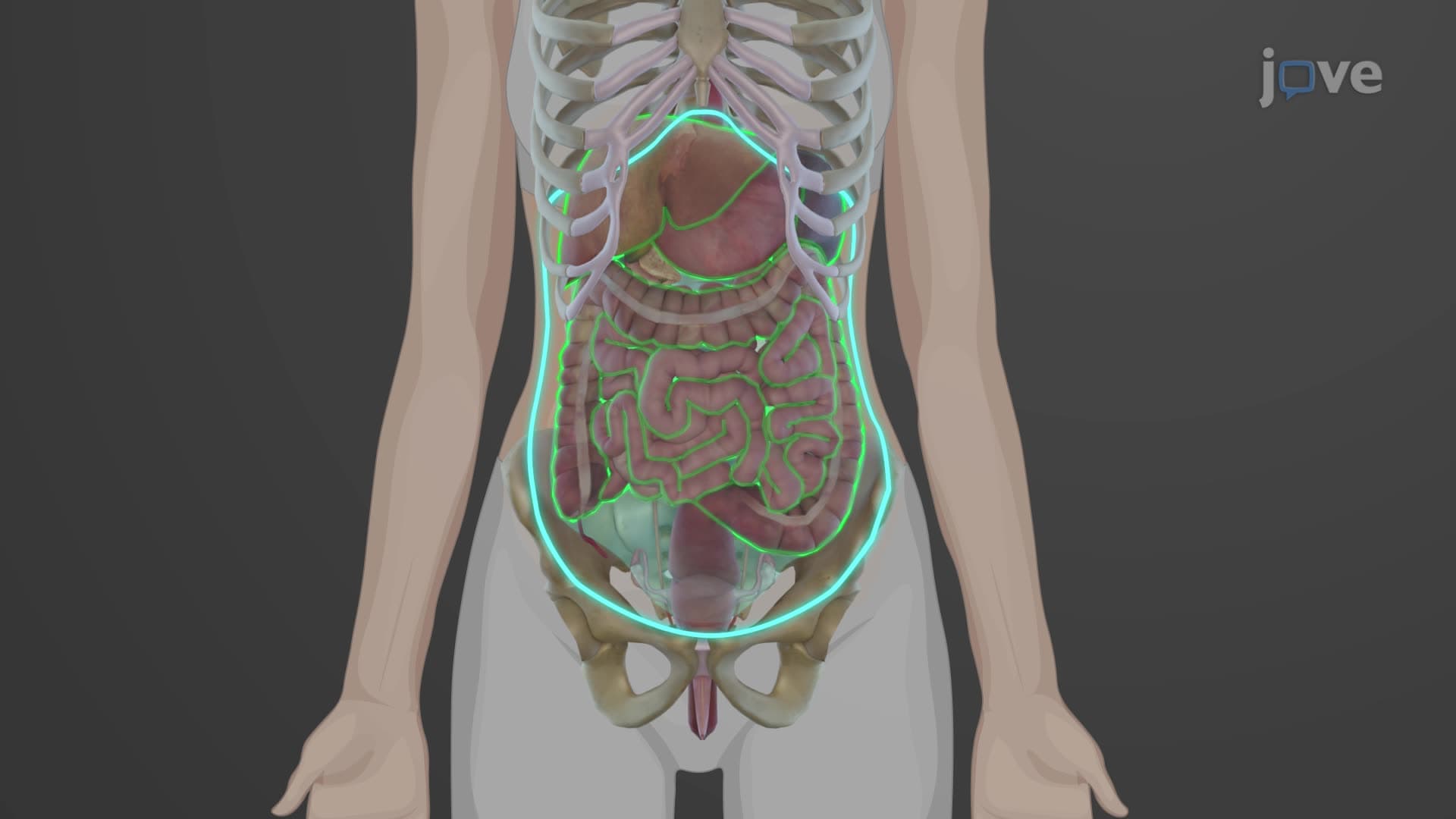
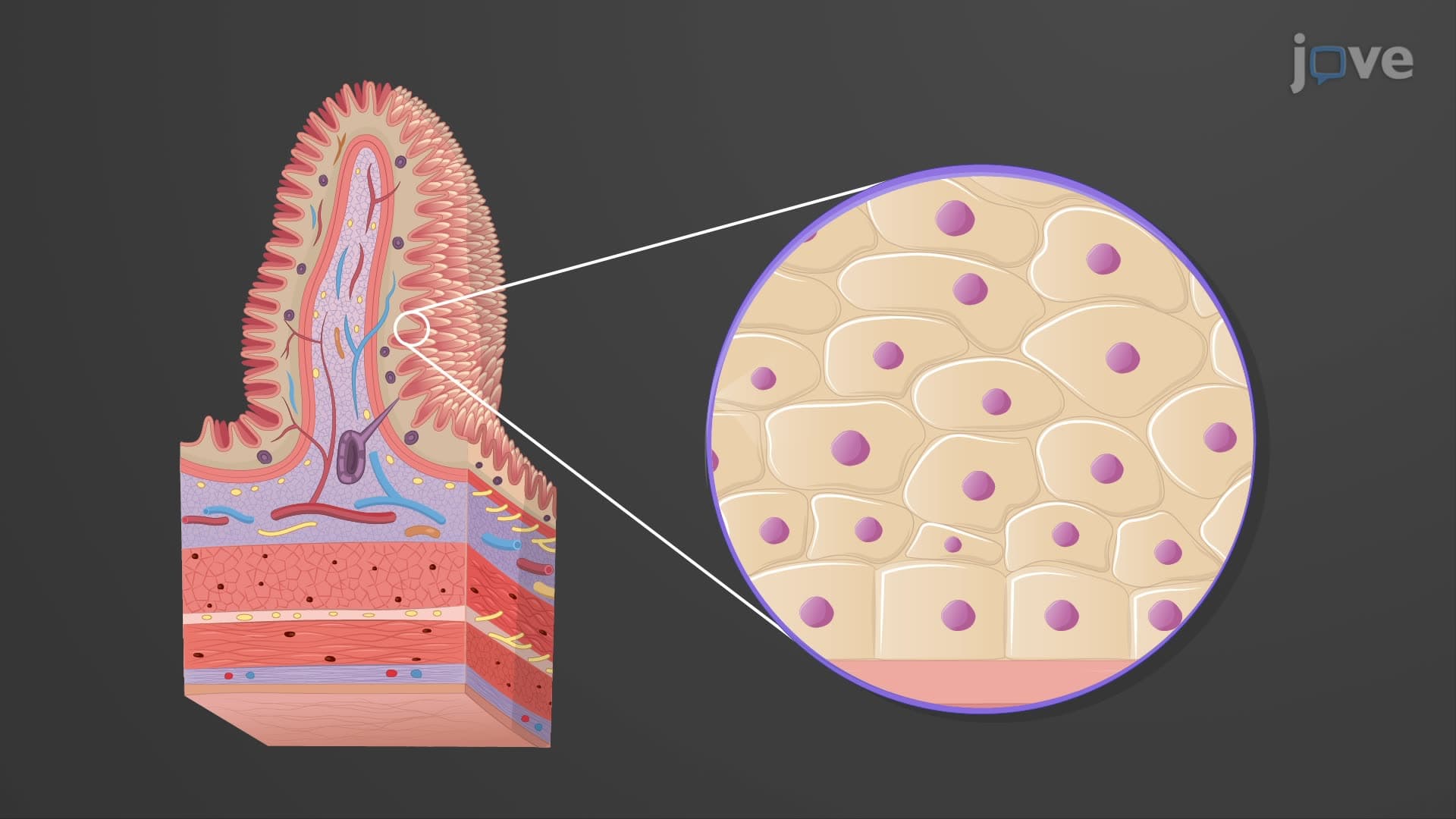
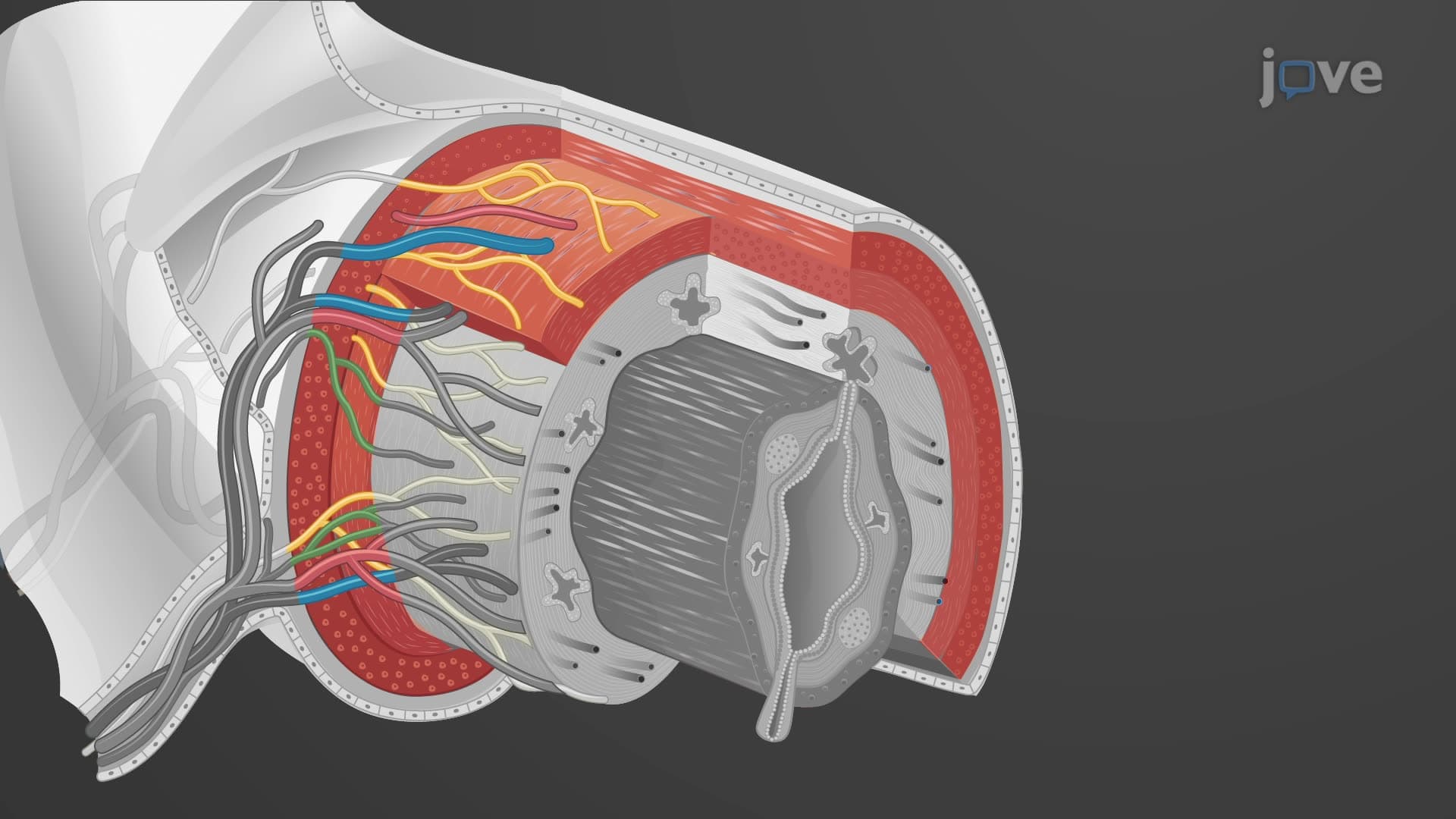

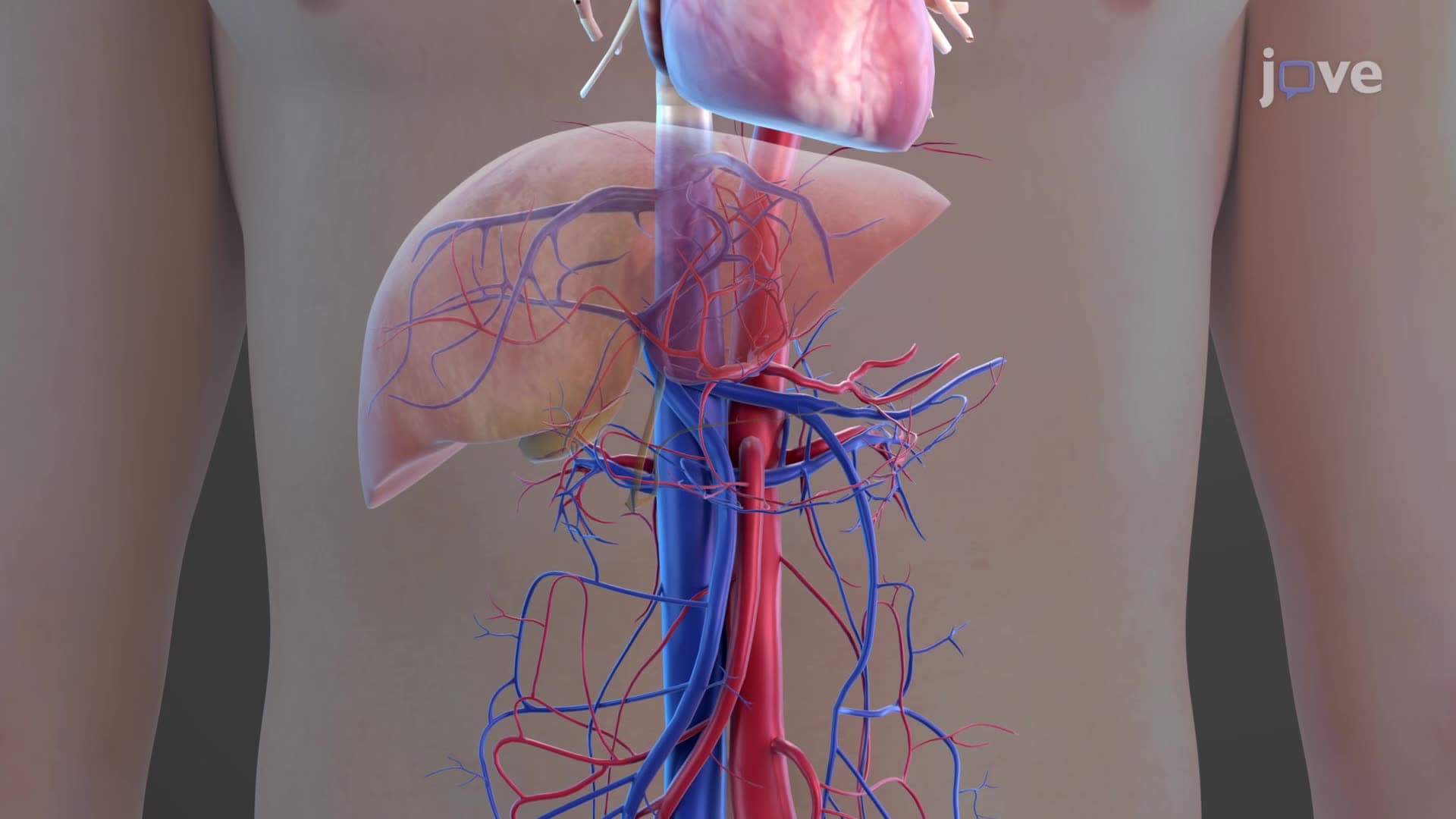
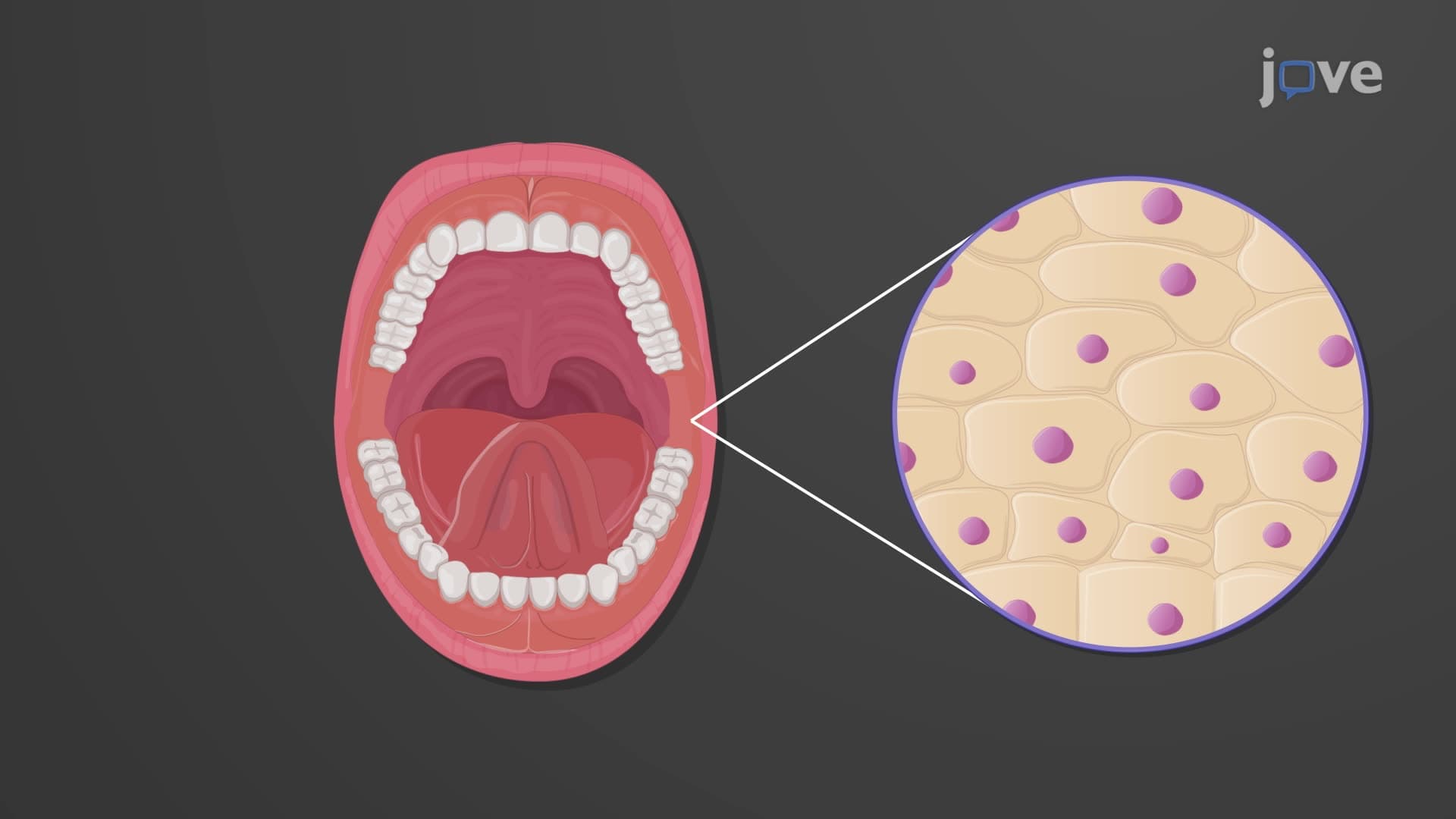
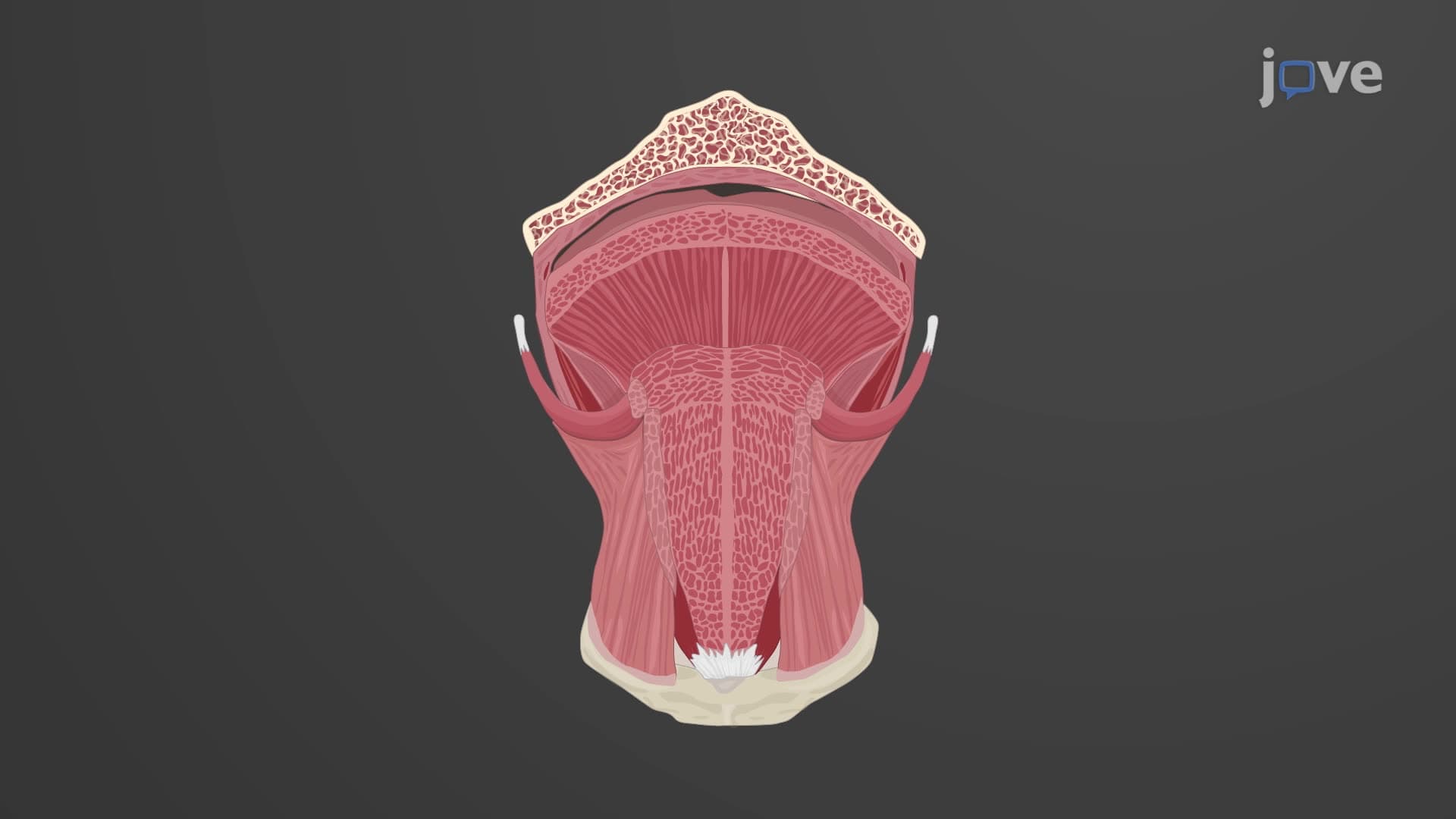

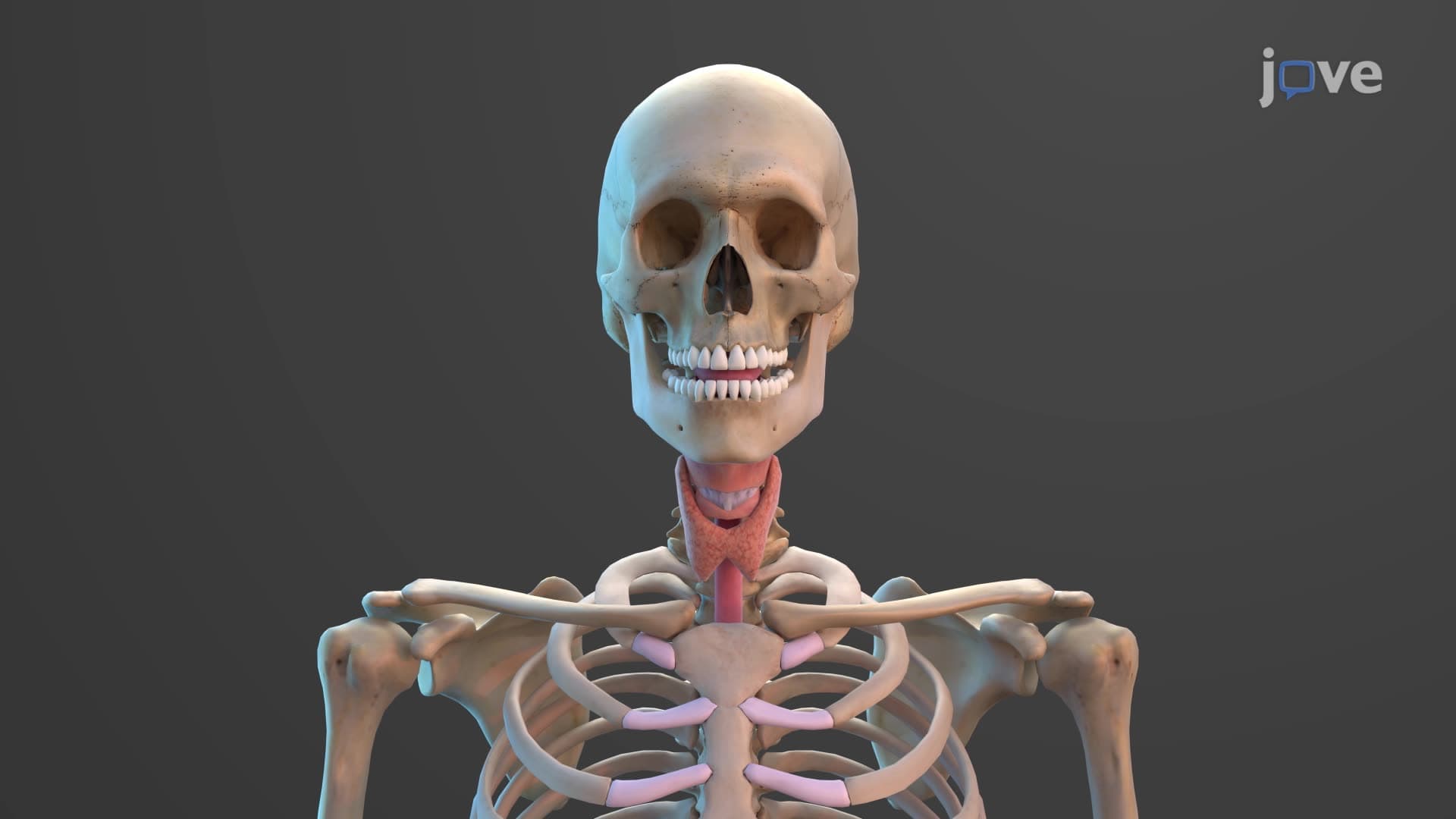
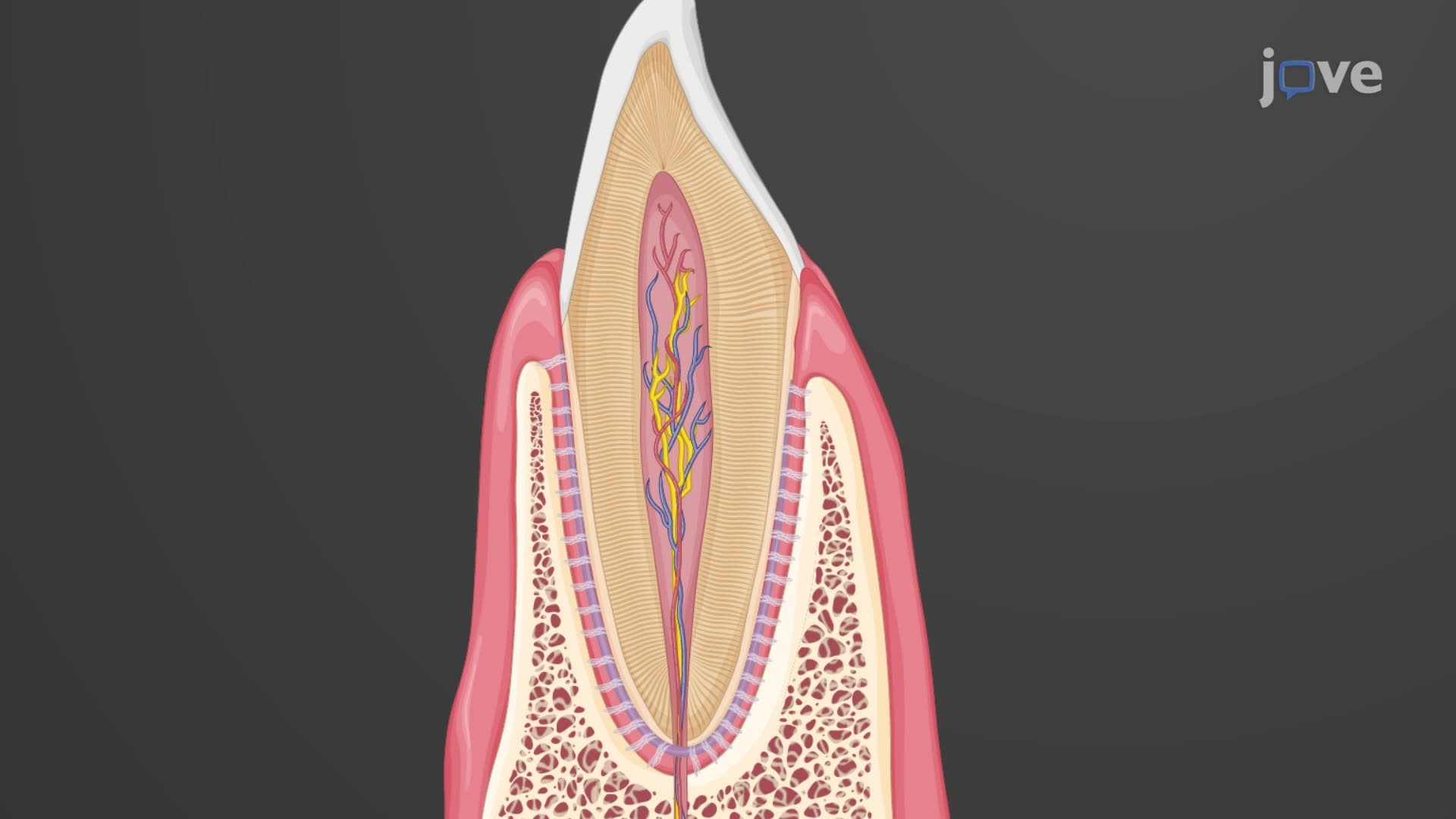
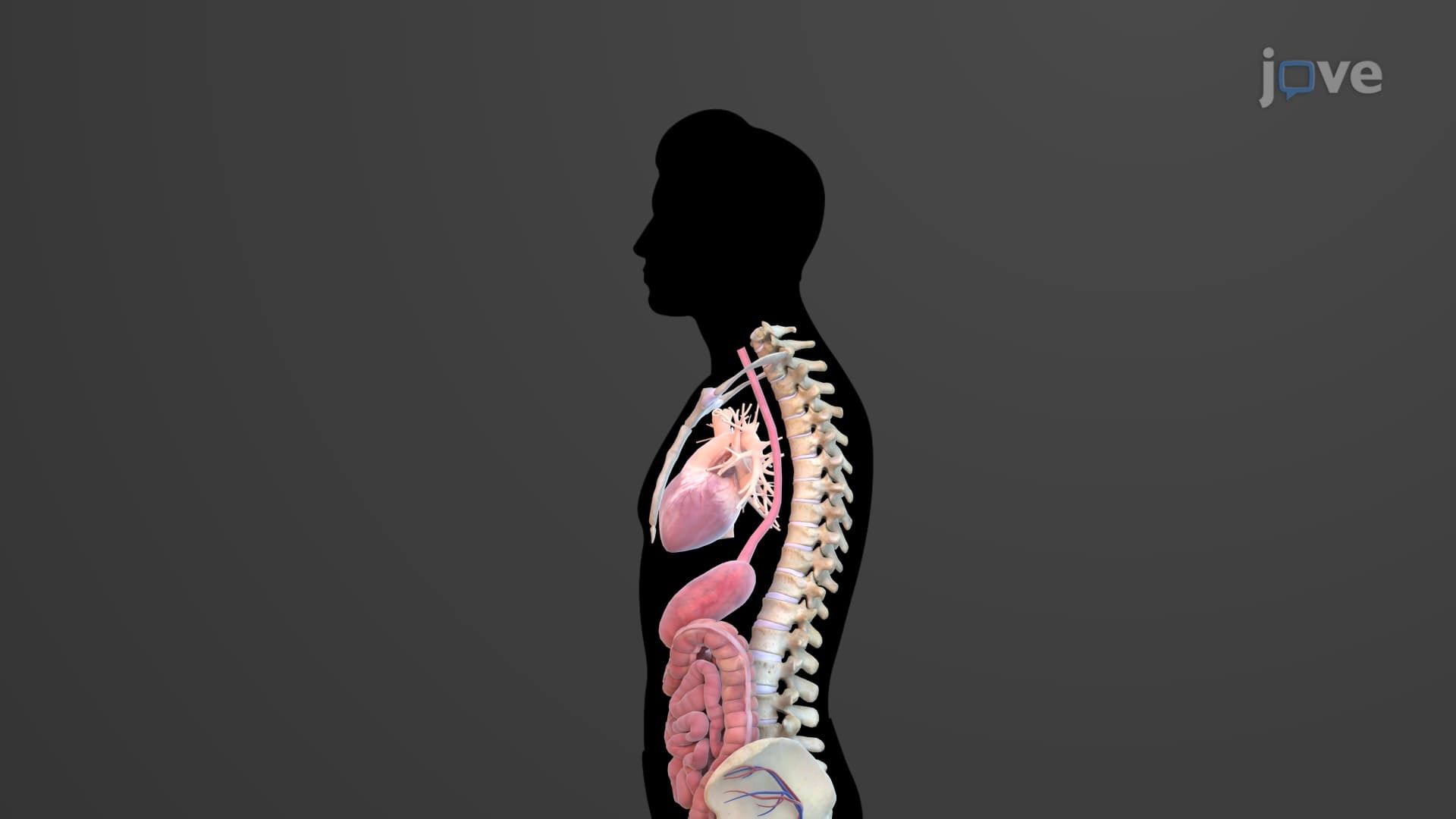
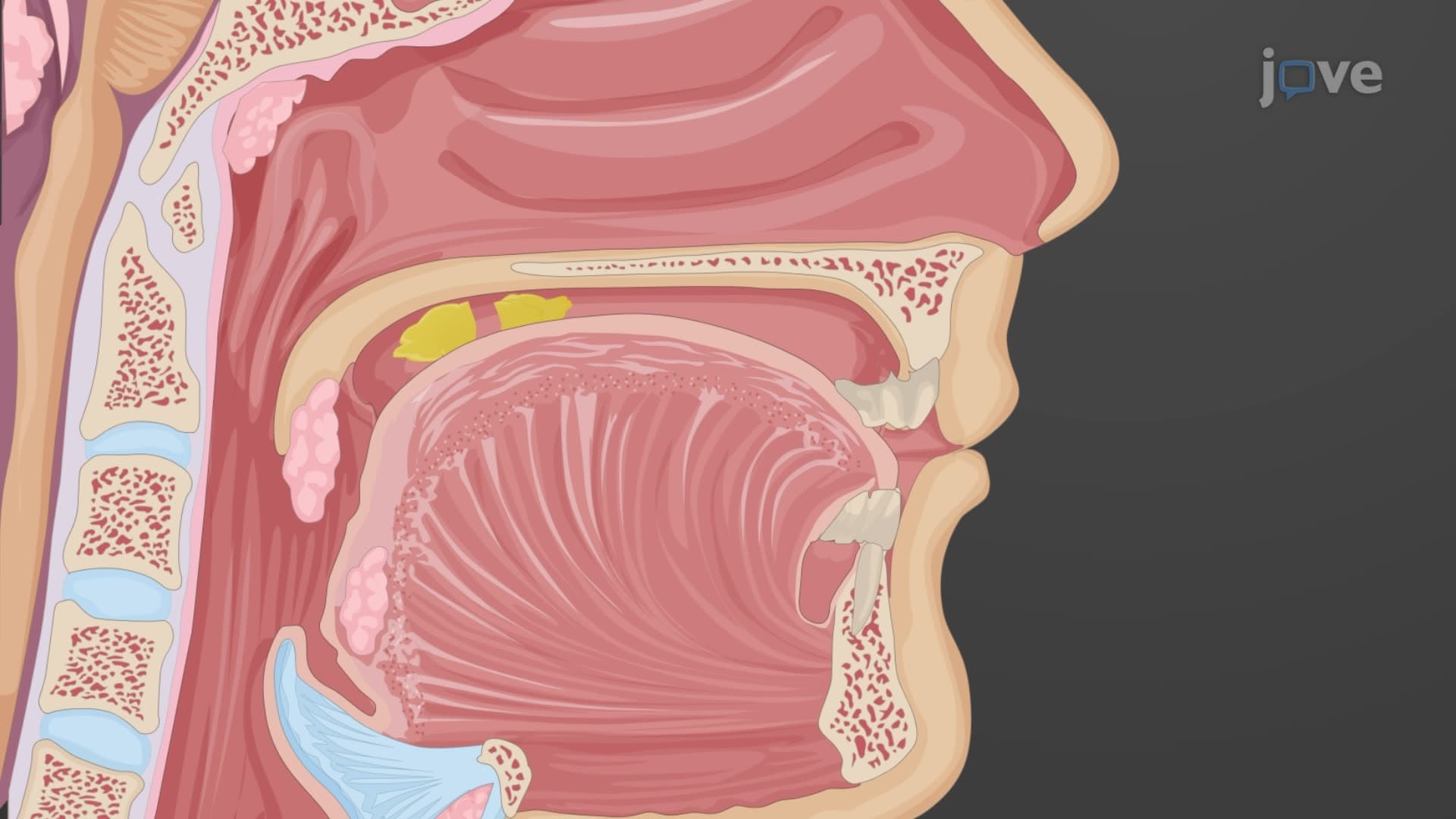
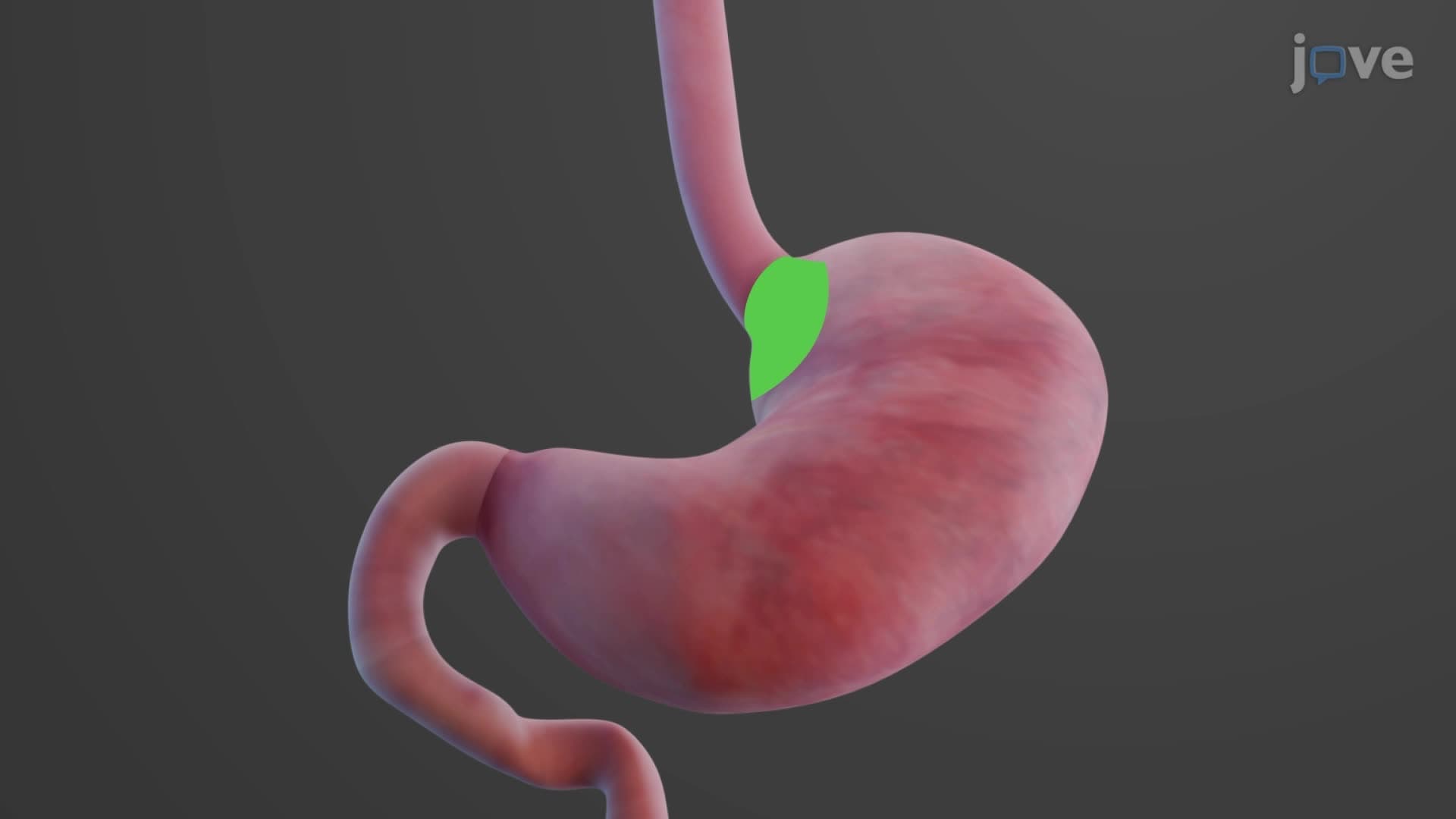
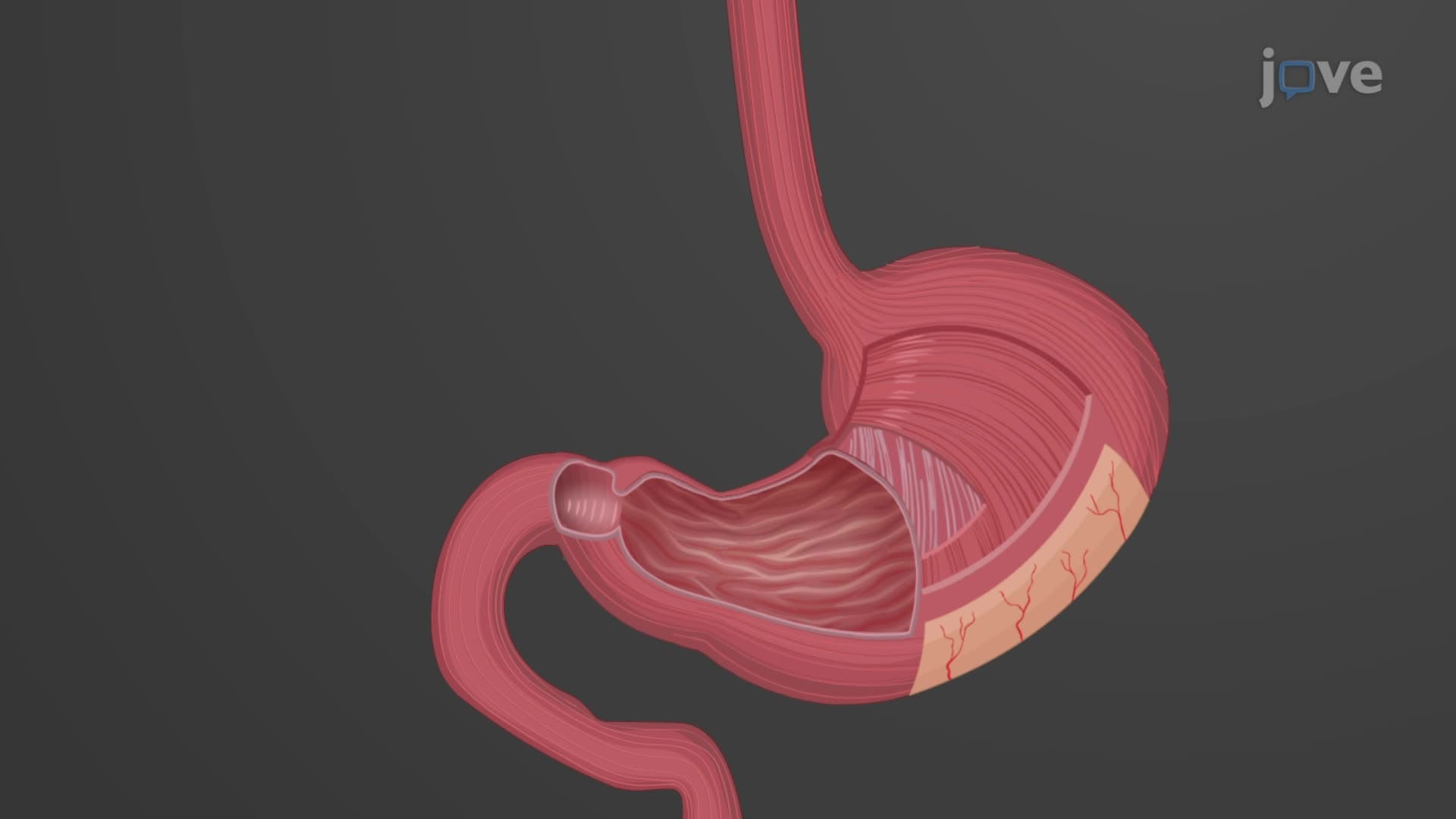
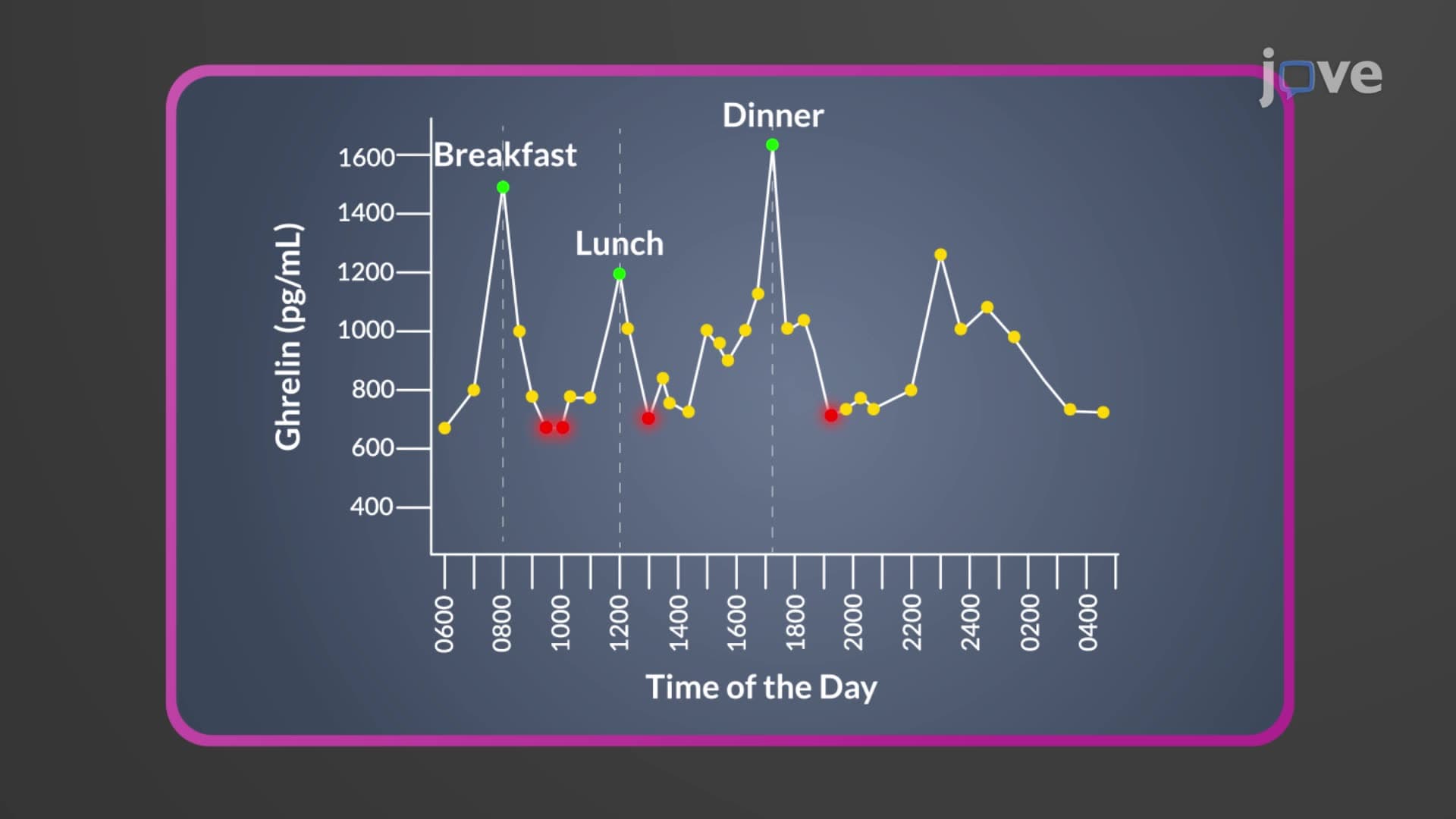
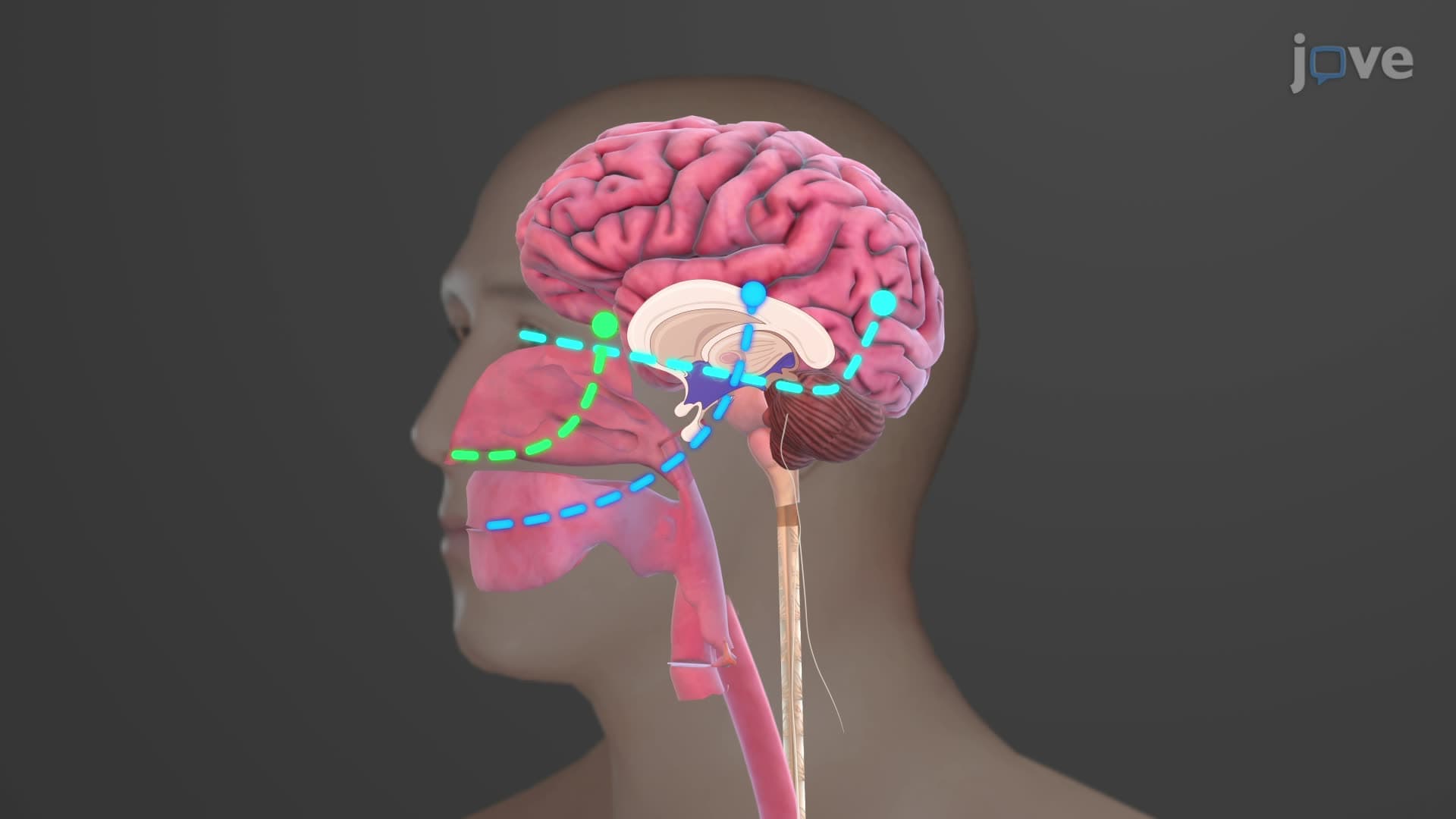
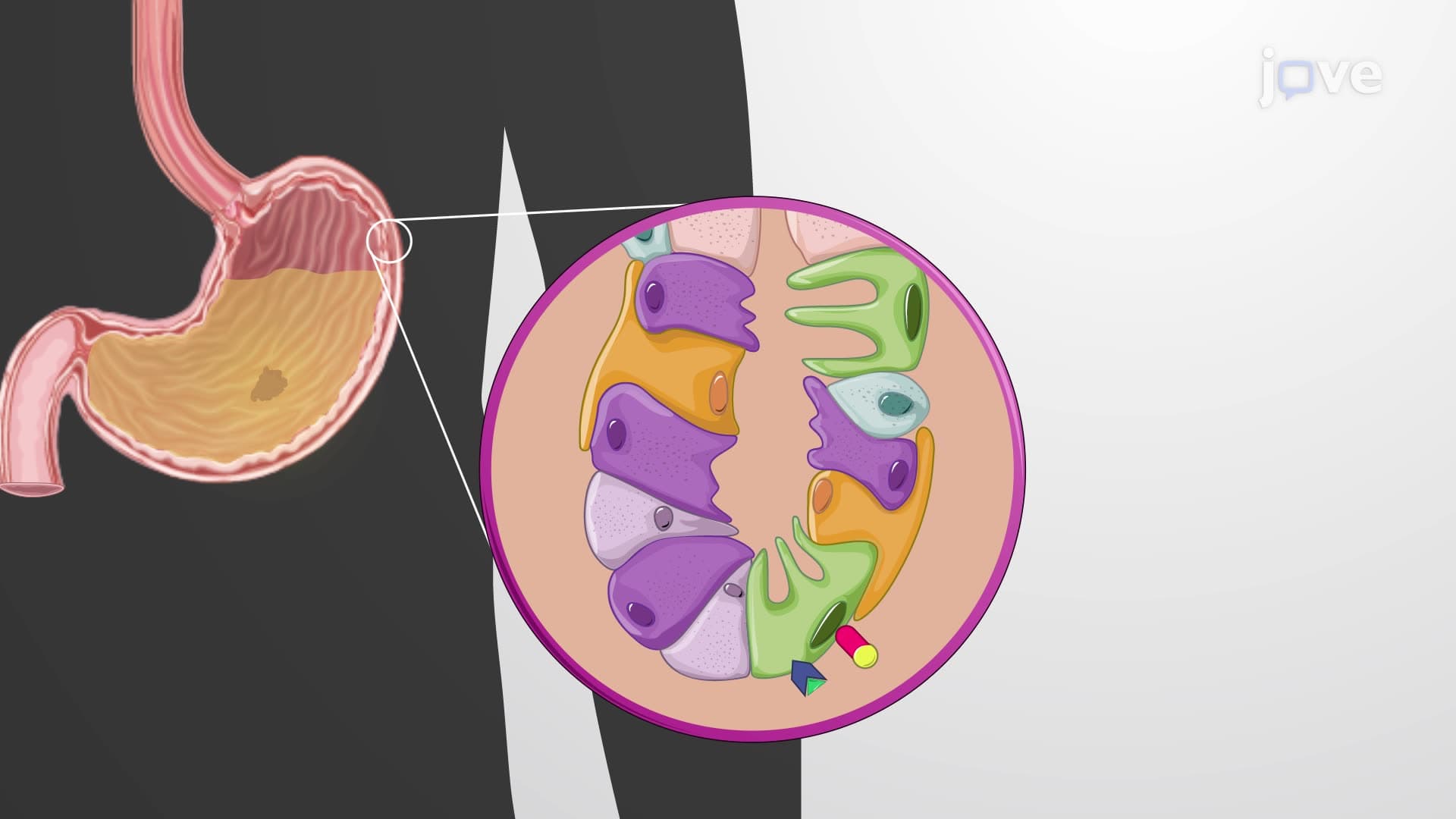

Other Disorders of Digestive System

00:00
01:30
Video Summary: Other Disorders of Digestive System Explained
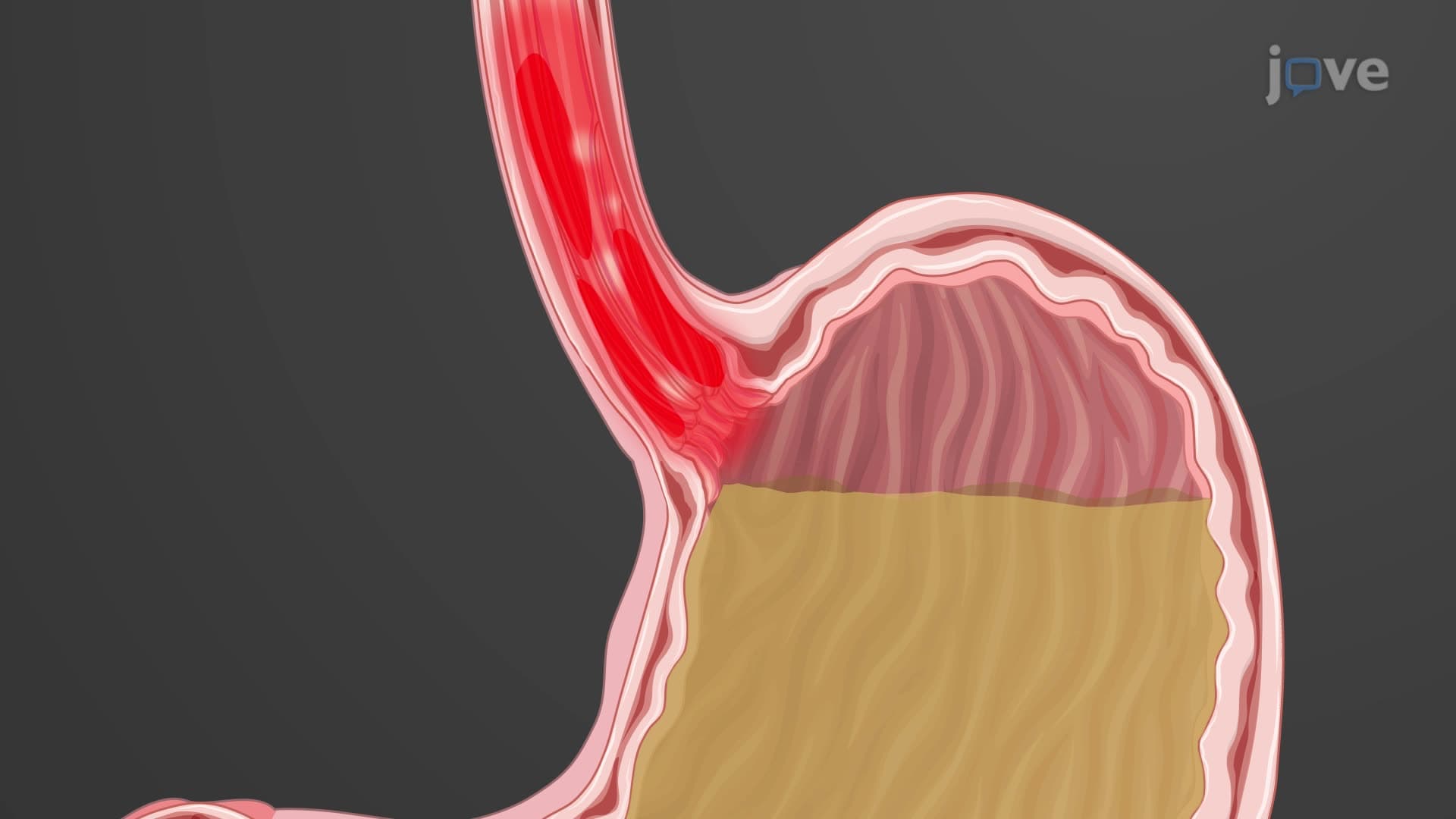
Did you know that approximately 60 million Americans experience heartburn at least once a month due to digestive system disorders biology affecting their esophageal sphincter? Other disorders of the digestive system extend far beyond simple stomach aches, encompassing complex conditions like GERD, peptic ulcers, celiac disease, and irritable bowel syndrome. The Mayo Clinic reports that IBS alone affects up to 15% of the US population, making these GI disorders a significant health concern. Watch the full video on JoVE Coach to master this concept with expert-led visuals and step-by-step explanations.
- Understand the pathophysiology behind other disorders of the digestive system and their impact on normal gastrointestinal function
- Identify the key symptoms and causes of GERD, gastritis, peptic ulcers, celiac disease, and irritable bowel syndrome
- Analyze how bacterial infections like H. pylori contribute to gastric mucosa damage and ulcer formation
- Compare autoimmune digestive disorders like celiac disease with functional disorders like IBS
- Evaluate the role of lifestyle factors, medications, and dietary triggers in digestive system pathology
- Apply knowledge of digestive disorder mechanisms to predict symptom patterns and complications
- Recognize the interconnected nature of digestive system anatomy and how sphincter dysfunction leads to disease
- Explore the relationship between stress, immune responses, and gastrointestinal motility disorders
Understanding Other Disorders of the Digestive System
The human digestive system's complexity makes it vulnerable to numerous pathological conditions that can significantly impact quality of life. These disorders range from mechanical failures like sphincter incompetence to autoimmune reactions triggered by dietary components. Understanding these conditions requires examining how normal physiological processes become disrupted, leading to the characteristic symptoms that affect millions of Americans annually.
GERD and Esophageal Dysfunction
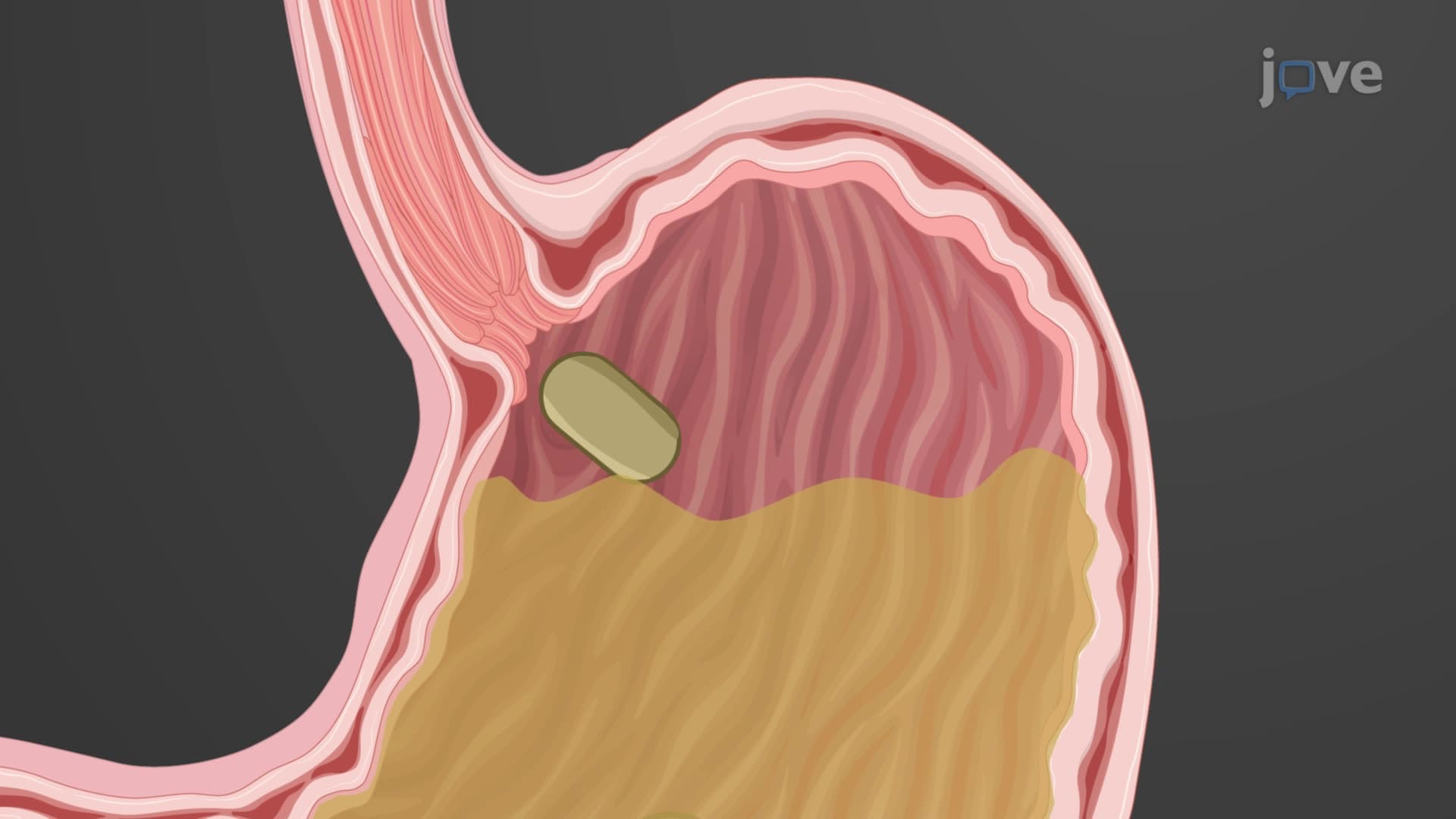
Gastroesophageal reflux disease (GERD) represents one of the most common digestive system disorders biology students encounter in their coursework. The lower esophageal sphincter (LES) normally maintains a pressure barrier preventing stomach acid backflow. When this sphincter becomes incompetent due to factors like hiatal hernia, obesity, or certain medications, acidic gastric contents reflux into the esophagus. The Cleveland Clinic estimates that over 20% of Americans experience weekly heartburn, with many developing complications like Barrett's esophagus or esophageal strictures. Students preparing for the MCAT or AP Biology exams should understand that GERD's pathophysiology involves both anatomical and physiological components, making it a favorite topic for testing comprehension of normal versus abnormal digestive function.
Gastric Disorders: From Inflammation to Ulceration
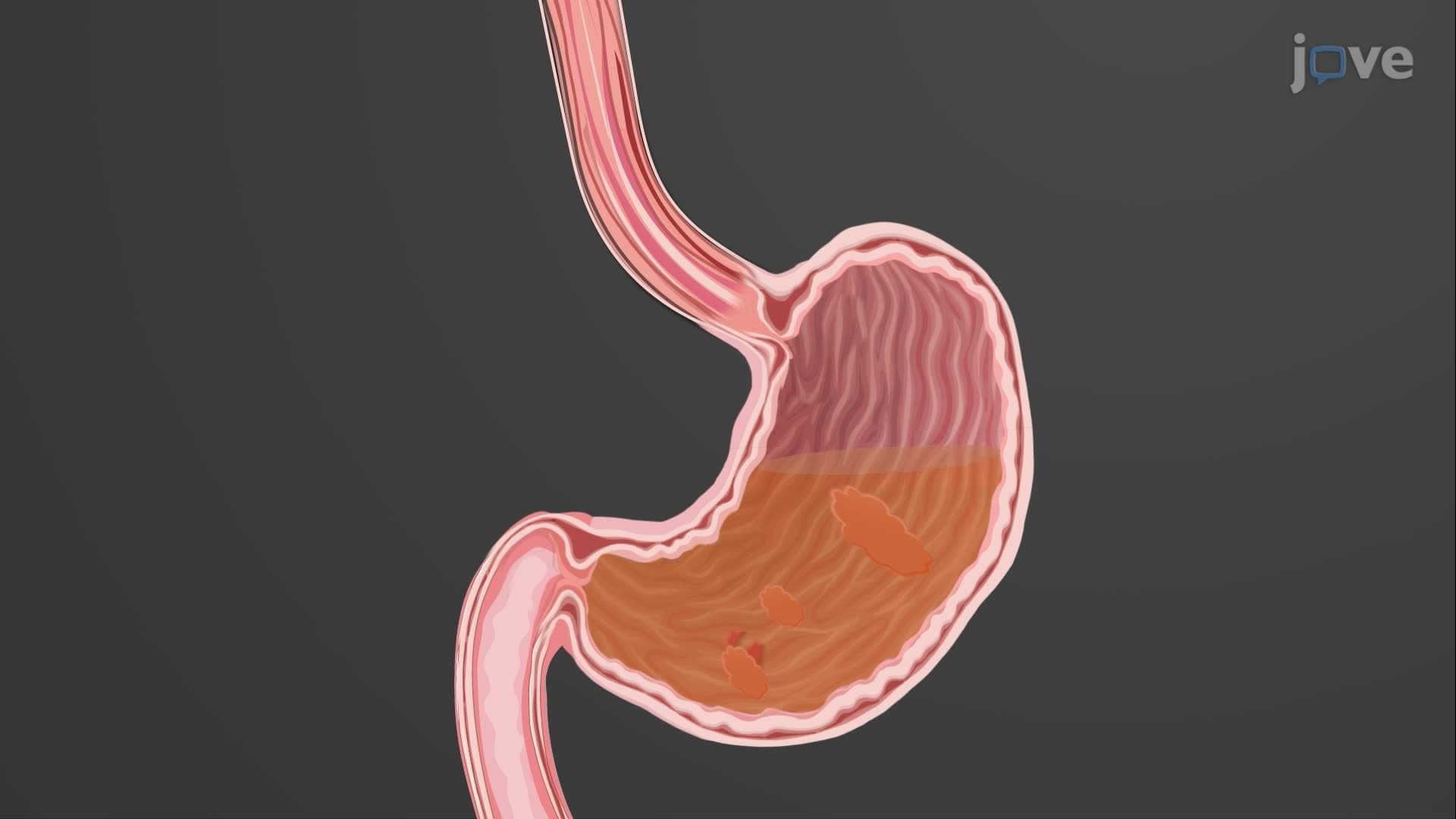
Gastritis and peptic ulcer disease demonstrate how multiple factors can converge to damage the protective gastric mucosa. Helicobacter pylori infection, discovered by Nobel Prize winners Barry Marshall and Robin Warren, revolutionized our understanding of gastric pathology. This spiral-shaped bacterium produces urease, creating an alkaline microenvironment that allows survival in acidic gastric conditions while simultaneously weakening mucosal defenses. NSAIDs like ibuprofen inhibit cyclooxygenase enzymes, reducing protective prostaglandin synthesis and predisposing patients to ulceration. The University of Pennsylvania's medical research shows that H. pylori infection combined with NSAID use increases ulcer risk exponentially, highlighting the importance of understanding multifactorial disease causation for college-level pathophysiology courses.
Autoimmune and Functional Digestive Disorders
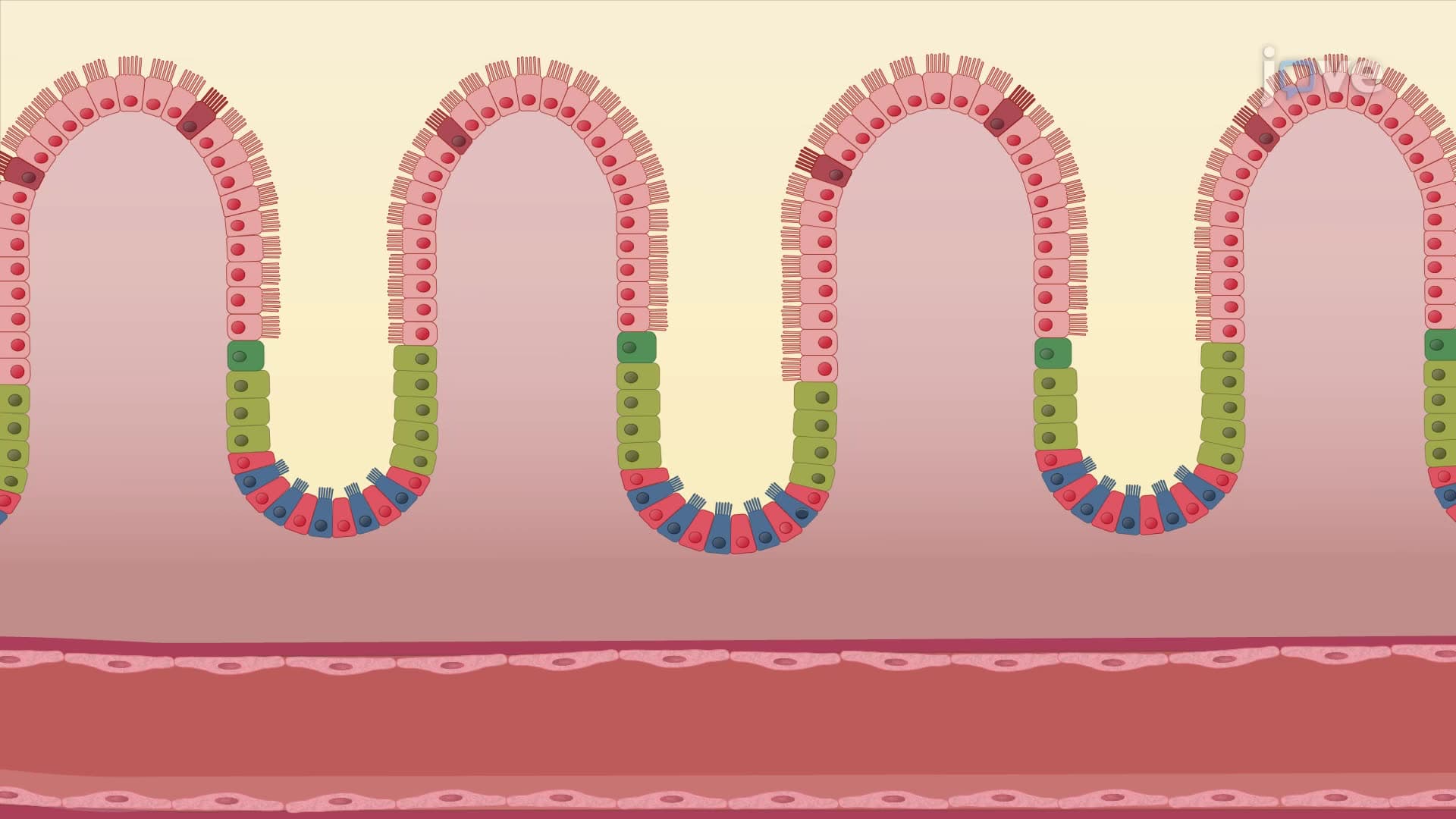
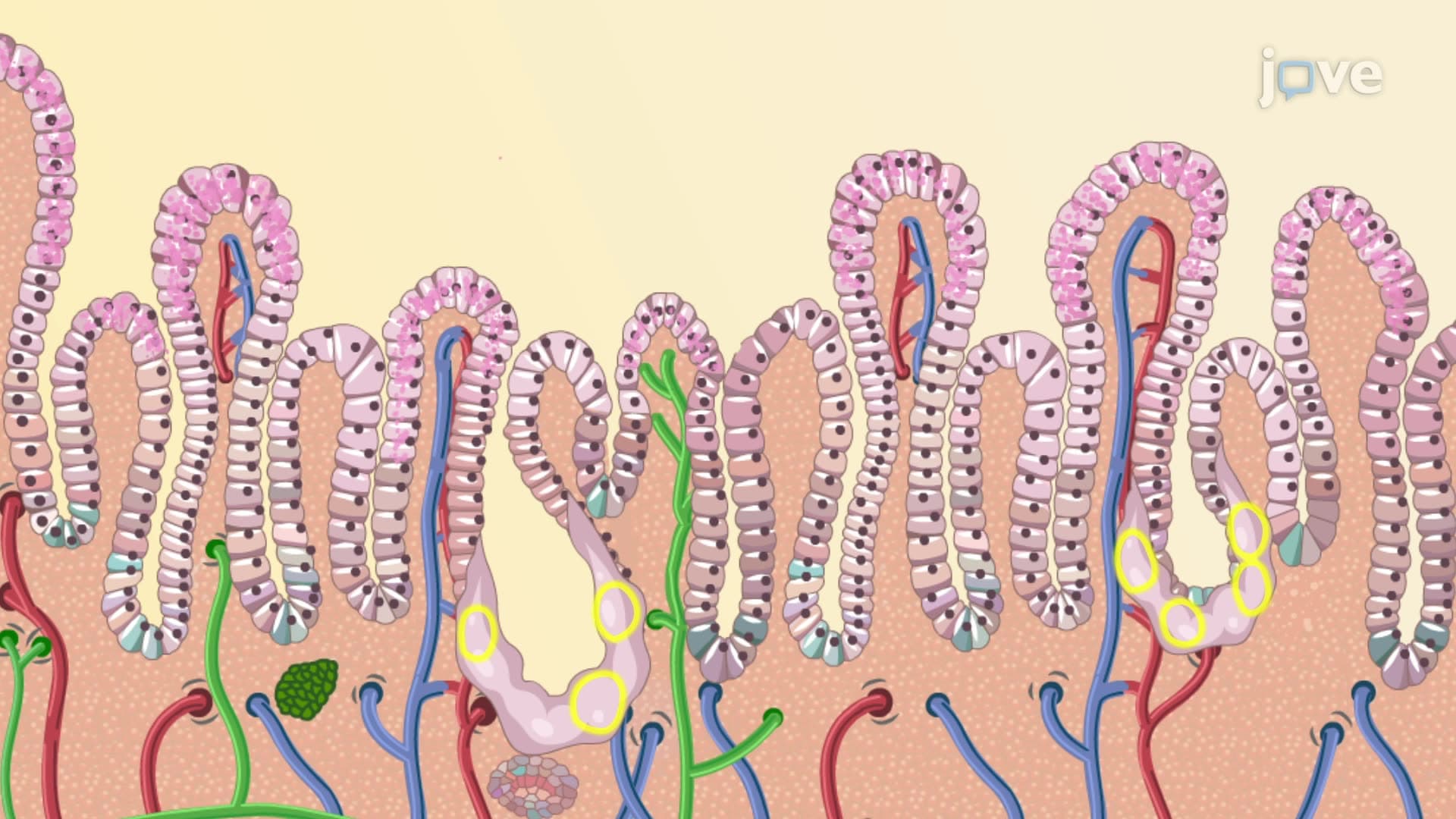
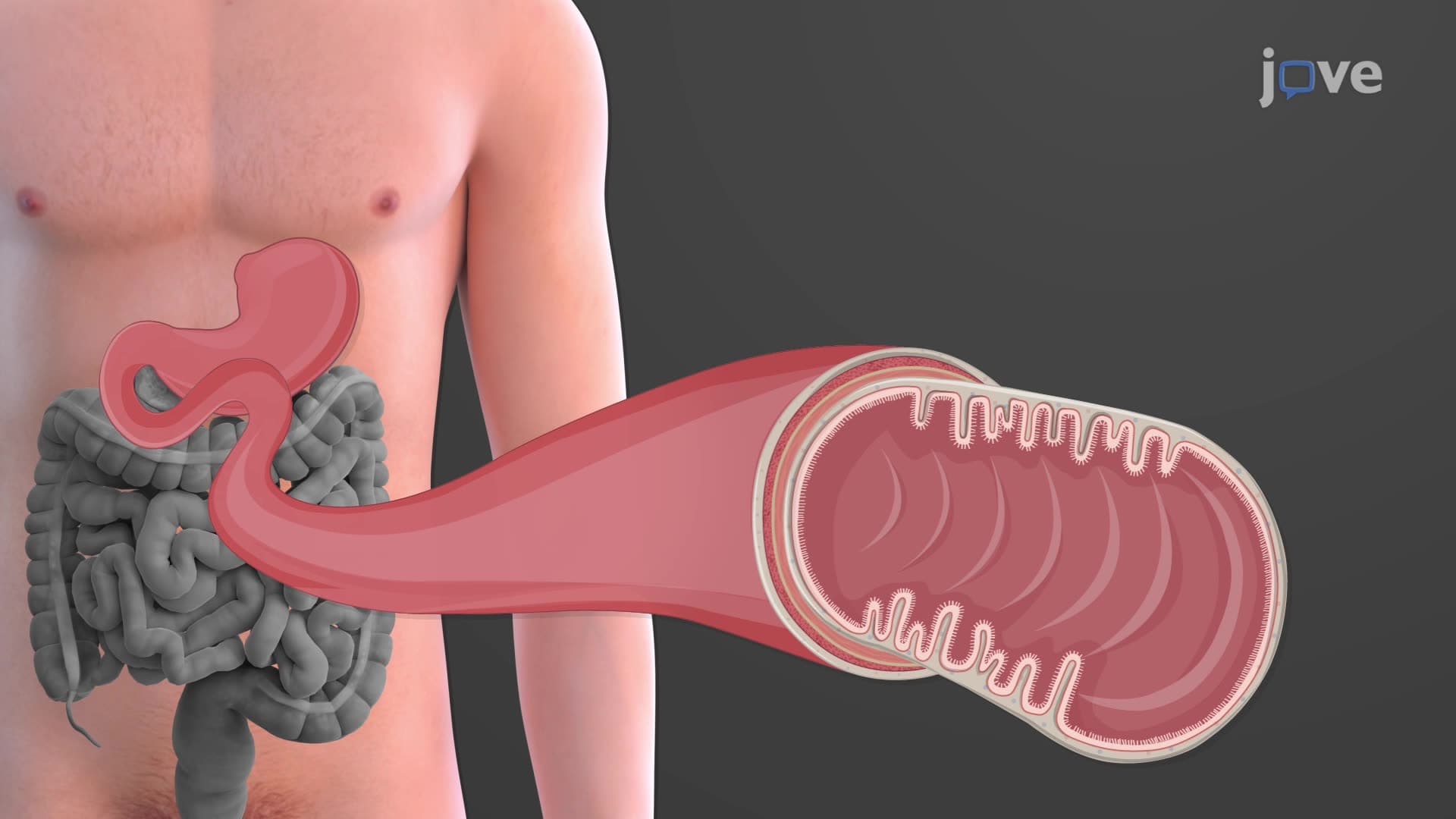
Celiac disease exemplifies how genetic predisposition and environmental triggers interact to produce autoimmune digestive pathology. This condition affects approximately 1% of Americans, with higher prevalence in those of European descent. Gluten proteins in wheat, barley, and rye trigger T-cell mediated immune responses in genetically susceptible individuals, leading to villous atrophy and malabsorption. Students should contrast this with irritable bowel syndrome (IBS), a functional disorder affecting gut-brain interactions without identifiable structural abnormalities. IBS demonstrates how stress, altered motility, and visceral hypersensitivity can produce significant symptoms despite normal endoscopic and histological findings, making it an excellent example for understanding the complexity of digestive system disorders biology encompasses.
Frequently Asked Questions
Other disorders of the digestive system include GERD (acid reflux), gastritis, peptic ulcers, celiac disease, and irritable bowel syndrome. These conditions affect different parts of the GI tract through various mechanisms including sphincter dysfunction, bacterial infections, autoimmune reactions, and altered motility patterns. Each disorder has distinct symptoms and underlying pathophysiology that students must understand for comprehensive digestive system knowledge.
The MCAT frequently tests GERD pathophysiology, H. pylori's role in ulcer formation, and celiac disease mechanisms within passages about digestive physiology. AP Biology exams often include questions about autoimmune responses in celiac disease and bacterial adaptation strategies like H. pylori's urease production. Students should focus on understanding cause-and-effect relationships rather than memorizing symptom lists for optimal exam performance.
Absolutely - digestive system pathology represents a significant portion of USMLE Step 1 content. Understanding GERD complications, peptic ulcer disease risk factors, and celiac disease diagnosis prepares students for clinical vignettes. The exam emphasizes mechanism-based questions, so knowing how H. pylori evades stomach acid or why NSAIDs cause ulcers provides essential foundation knowledge for medical school success.
At Johns Hopkins Hospital, gastroenterologists see thousands of GERD patients annually, with many requiring proton pump inhibitor therapy or surgical intervention like fundoplication. Celiac disease patients work with registered dietitians to maintain strict gluten-free diets, while IBS affects workplace productivity and quality of life for millions of Americans. These conditions represent major healthcare costs and demonstrate the practical importance of understanding digestive pathophysiology.
Basic high school chemistry provides sufficient background for understanding these concepts. You should know about pH, acids and bases, enzyme function, and protein structure, but complex biochemistry isn't required. Focus on understanding how stomach acid damages tissues, how antibodies work in autoimmune diseases, and how bacterial enzymes like urease function - all concepts accessible to students with standard chemistry coursework.
Create concept maps linking causes, mechanisms, and symptoms for each disorder rather than studying them in isolation. Practice drawing the digestive system and labeling where each condition occurs, then explain the pathophysiology out loud. Use clinical correlation by reading case studies from US medical schools, and always connect abnormal processes back to normal digestive system function for deeper understanding.
After mastering these fundamental disorders, explore inflammatory bowel diseases like Crohn's disease and ulcerative colitis, which involve more complex immune mechanisms. Study liver disorders including hepatitis and cirrhosis, and investigate the gut microbiome's role in digestive health. These advanced topics build naturally on the foundation provided by understanding basic digestive system disorders and their underlying mechanisms.
Related Micro-courses
25 Concepts

25 Concepts

20 Concepts