Loading subject page…


89,749 views

Video Summary: What are Diseases Liver and Gallbladder
Did you know that liver gallbladder diseases biology affects over 30 million Americans, with conditions ranging from fatty liver to painful gallstones? Understanding what are the diseases of the liver and gallbladder reveals how these interconnected organs can develop serious disorders like hepatitis, cirrhosis, and cholelithiasis that impact millions of patients in US hospitals daily. Watch the full video on JoVE Coach to master this concept with expert-led visuals and step-by-step explanations.
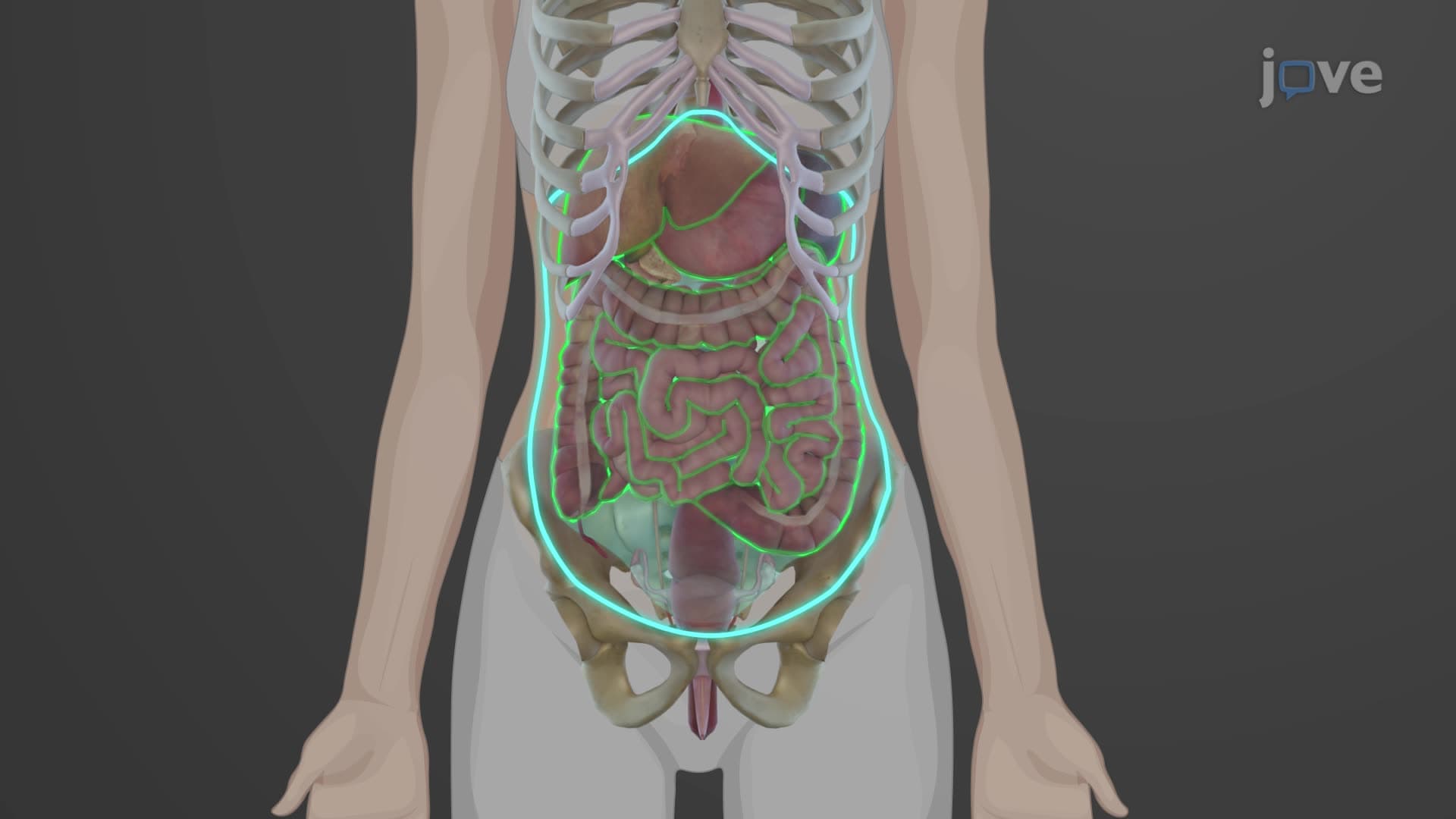
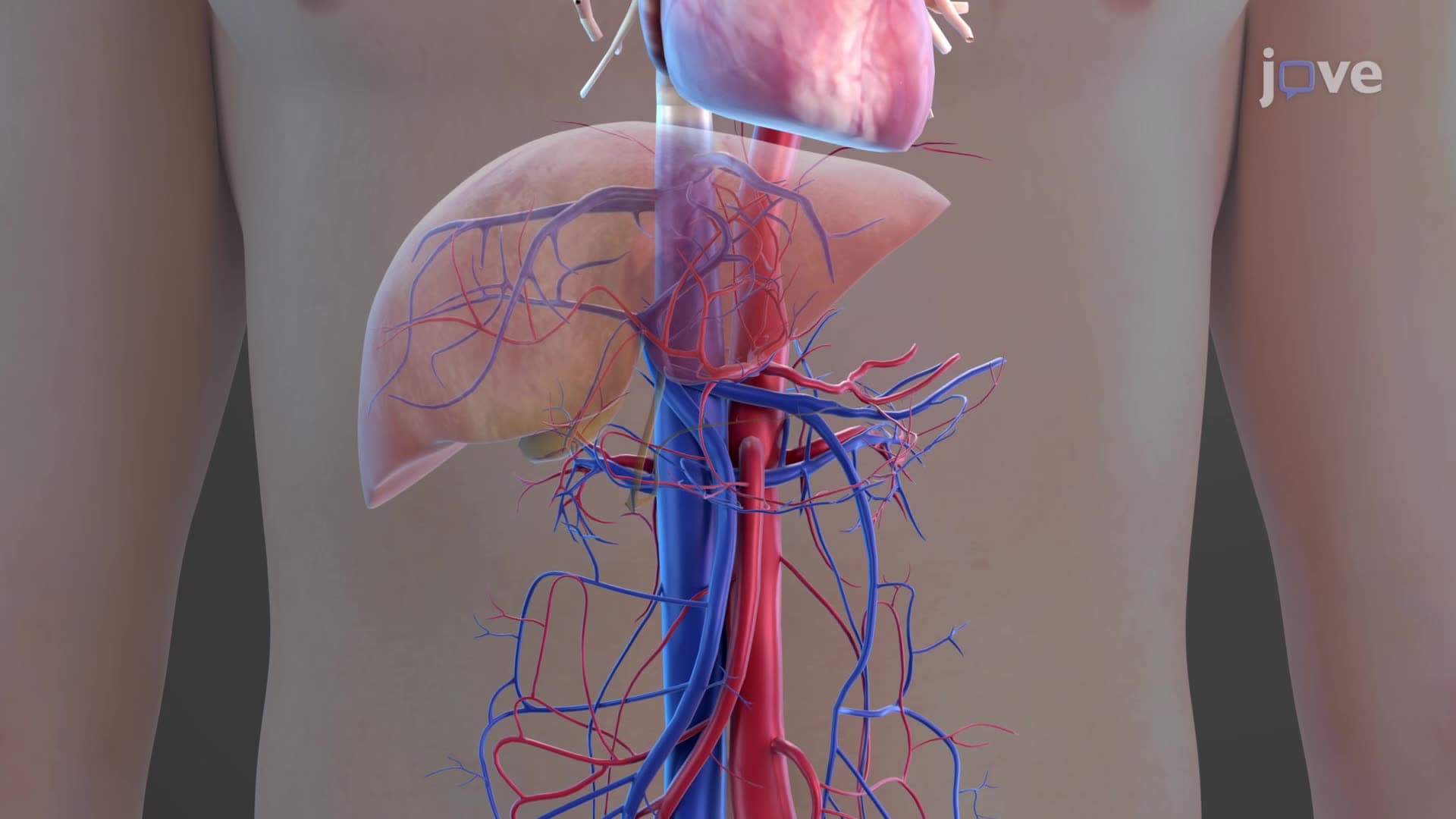
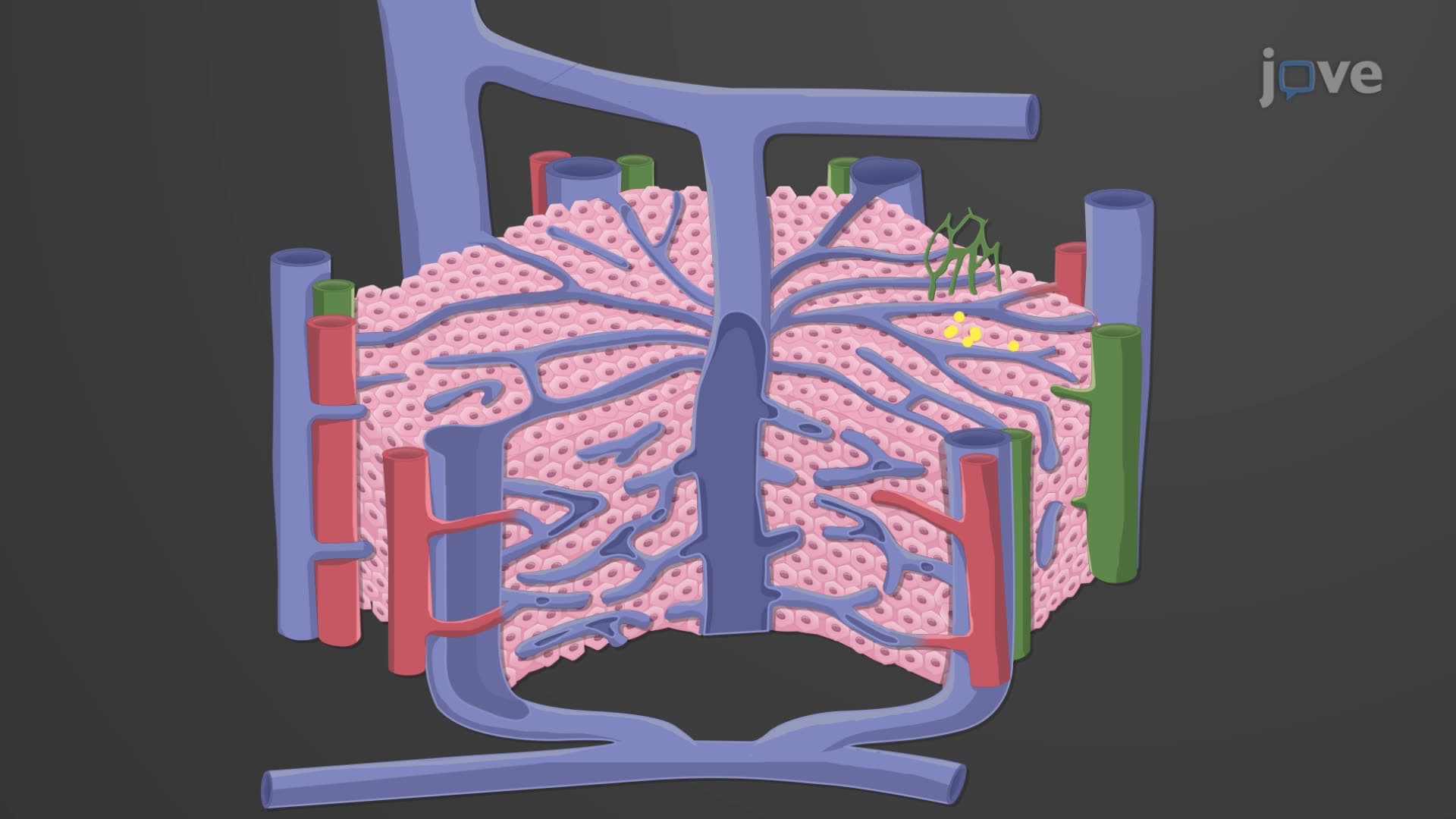
Liver and gallbladder diseases represent some of the most complex and clinically significant disorders in human medicine. These organs work synergistically in digestion, detoxification, and metabolism, making their pathological conditions particularly impactful on overall health. The liver processes over 500 functions daily, while the gallbladder stores and concentrates bile, creating multiple pathways for disease development.
Hepatitis liver disease encompasses various inflammatory conditions affecting hepatocytes. Viral hepatitis (A, B, C) remains prevalent across US populations, with Hepatitis C affecting approximately 2.4 million Americans according to the CDC. Drug-induced hepatitis from medications like acetaminophen causes thousands of emergency room visits annually. The inflammatory process can progress from acute hepatocellular damage to chronic fibrosis.
Cirrhosis liver disorder represents the end-stage of chronic liver damage, characterized by irreversible scarring and architectural distortion. In the United States, cirrhosis causes over 40,000 deaths yearly, with alcohol-related cirrhosis and non-alcoholic steatohepatitis (NASH) being primary contributors. The replacement of functional hepatic tissue with fibrous tissue disrupts portal circulation and synthetic functions.
Non-alcoholic fatty liver disease (NAFLD) has emerged as the most common liver condition in developed countries, affecting up to 25% of US adults. This condition parallels the obesity epidemic, with simple steatosis (NAFL) potentially progressing to inflammatory NASH. College students studying for MCAT and AP Biology exams should understand that NASH can advance to cirrhosis without alcohol consumption, representing a paradigm shift in hepatology.
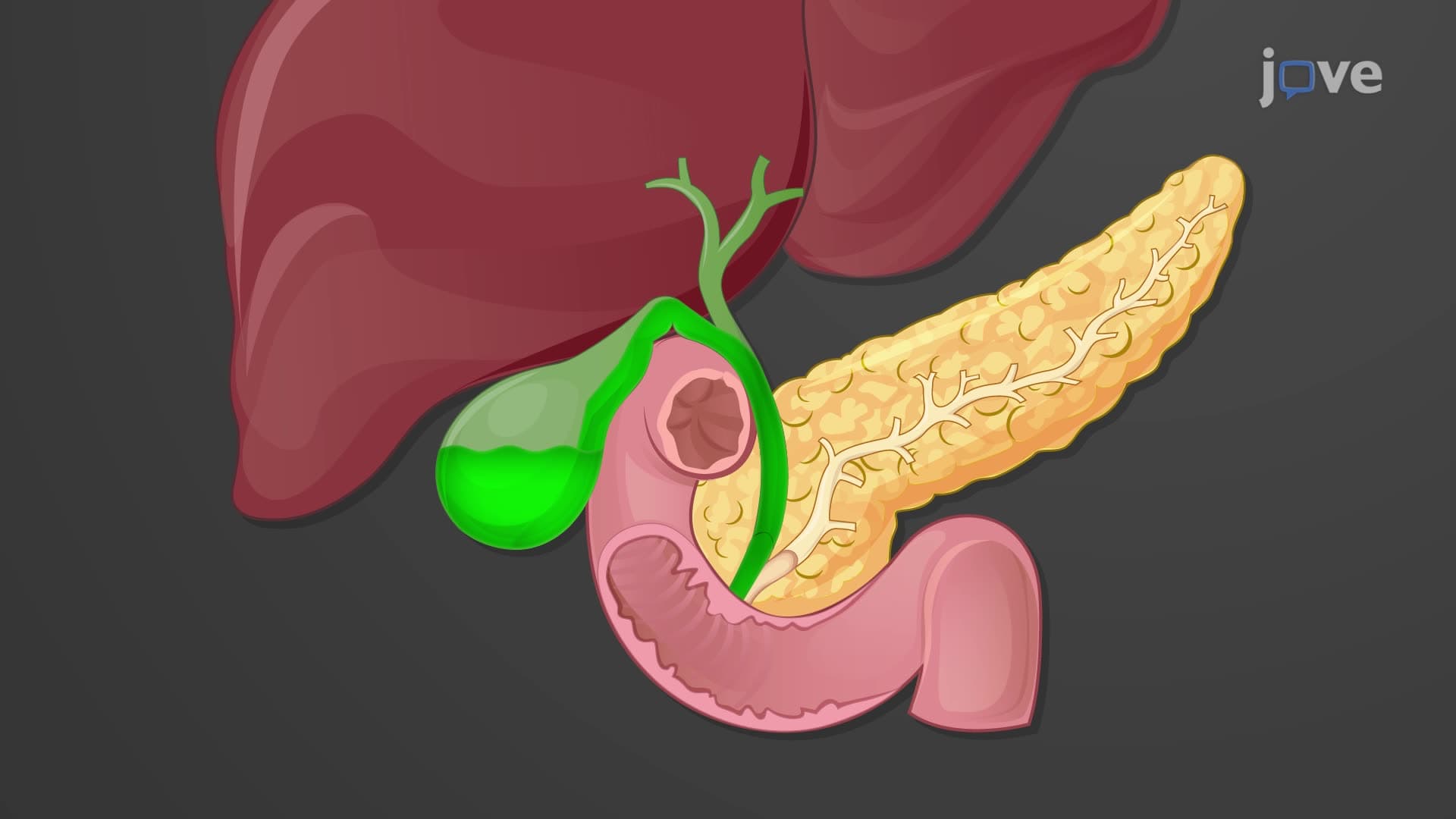
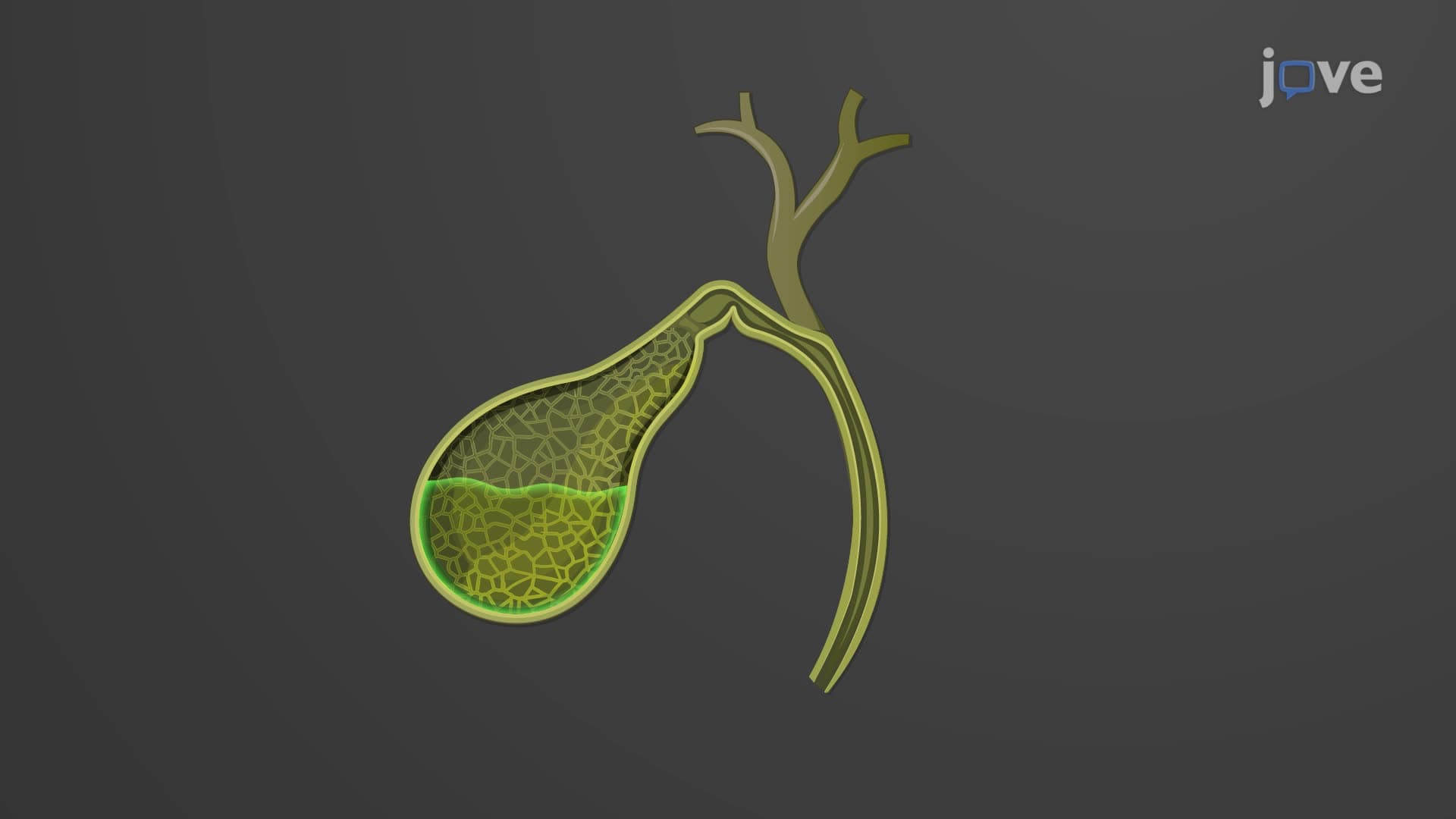
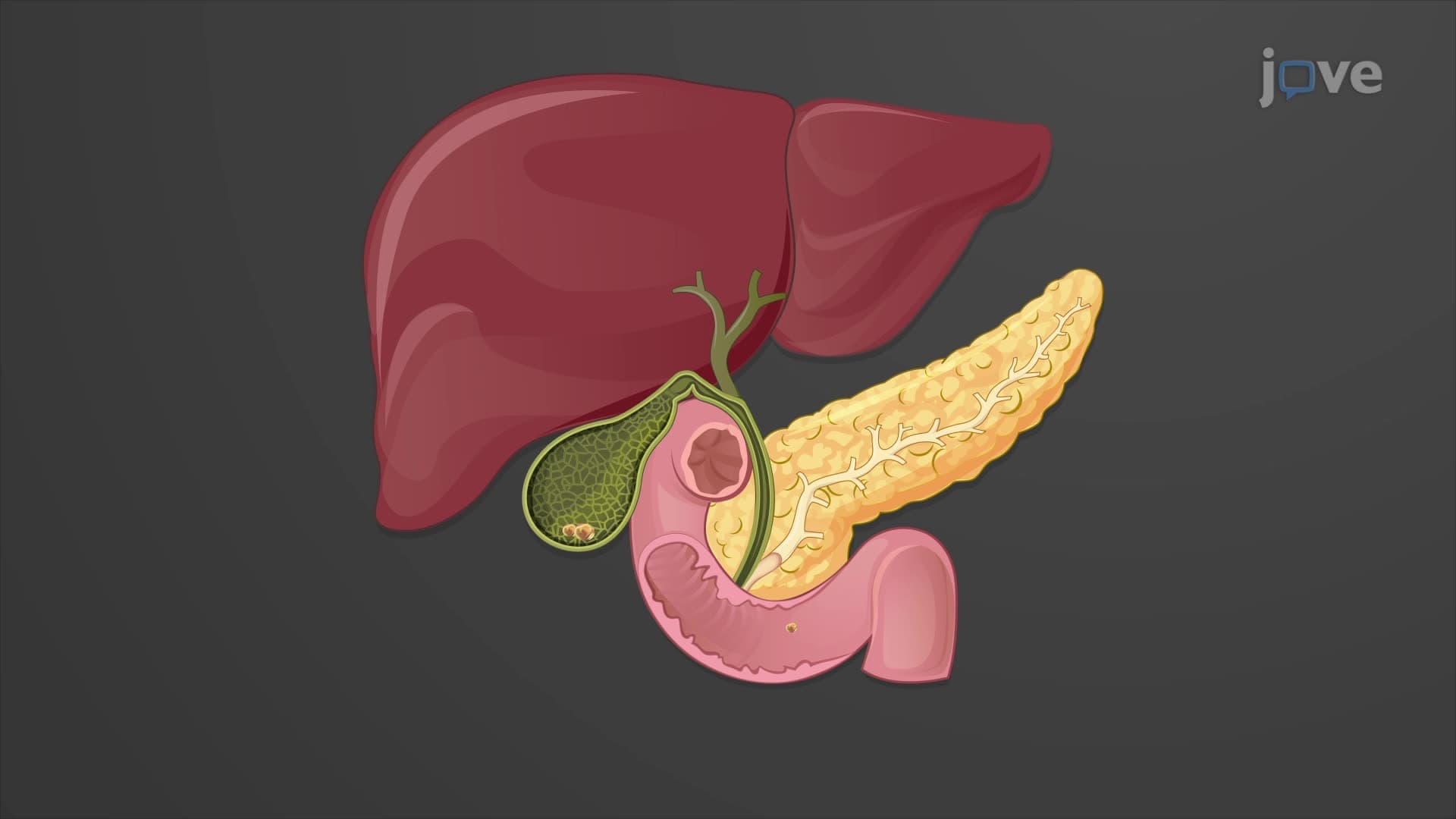
Gallstone cholelithiasis disease affects approximately 25 million Americans, with cholesterol stones being most common due to Western dietary patterns. Stone formation occurs when bile becomes supersaturated with cholesterol or lacks sufficient bile salts and lecithin. Larger stones can obstruct the cystic duct, leading to cholecystitis gallbladder inflammation requiring surgical intervention.
Students preparing for USMLE Step 1 should recognize that gallbladder disease often presents with Murphy's sign and right upper quadrant pain, distinguishing it from other abdominal pathologies commonly tested on medical licensing examinations.
Related Micro-courses