Loading subject page…


89,749 views
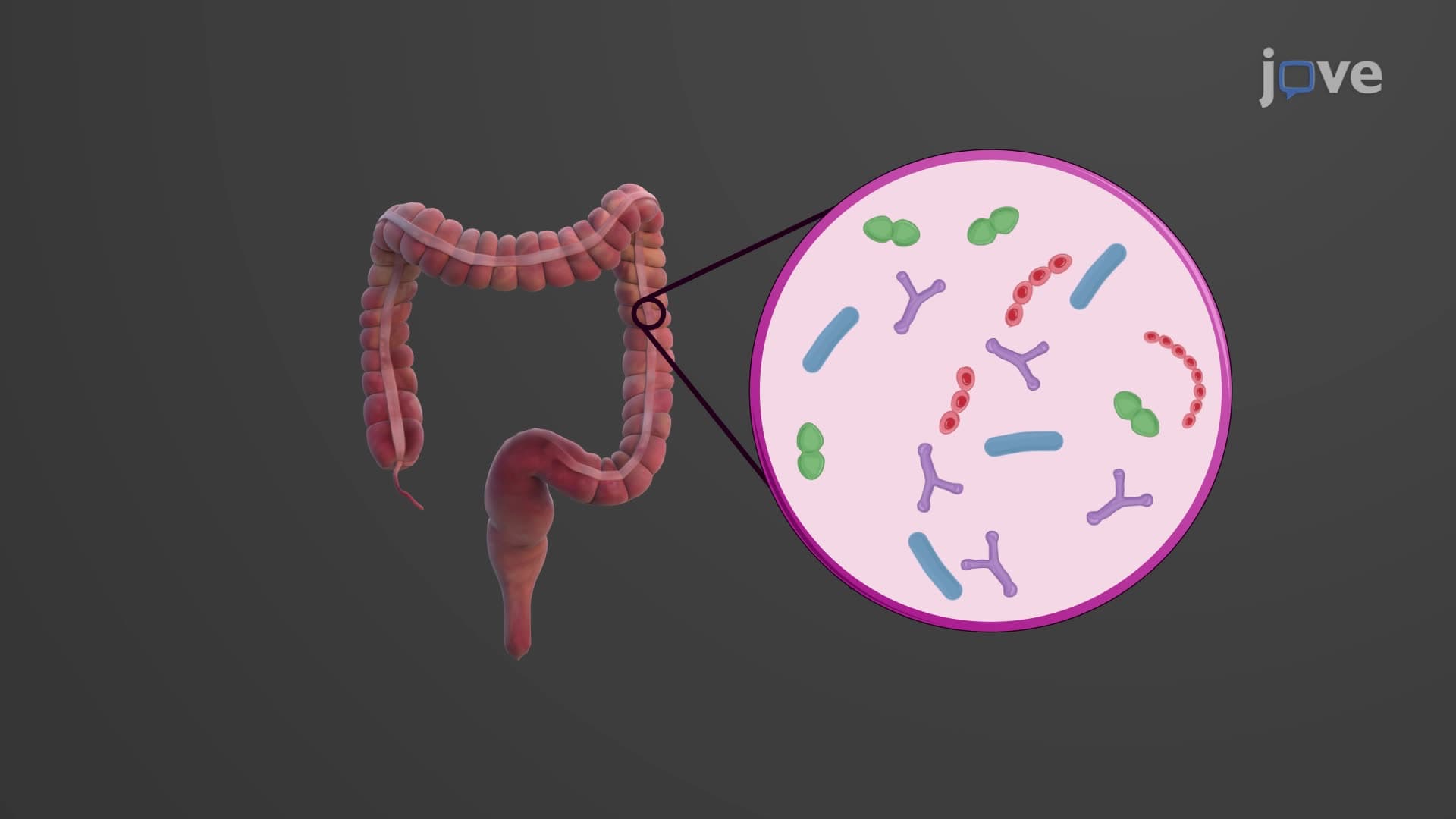

Video Summary: What Is Bacterial Flora Large Intestine
Did you know that trillions of bacteria in your colon produce the vitamin K your blood needs to clot? The large intestine bacterial flora represents a complex ecosystem of microorganisms that perform essential functions for human health. From helping University of California students digest their dining hall bean burritos to producing life-sustaining vitamins, understanding what is bacterial flora large intestine reveals how these microscopic allies keep us healthy. Watch the full video on JoVE Coach to master this concept with expert-led visuals and step-by-step explanations.
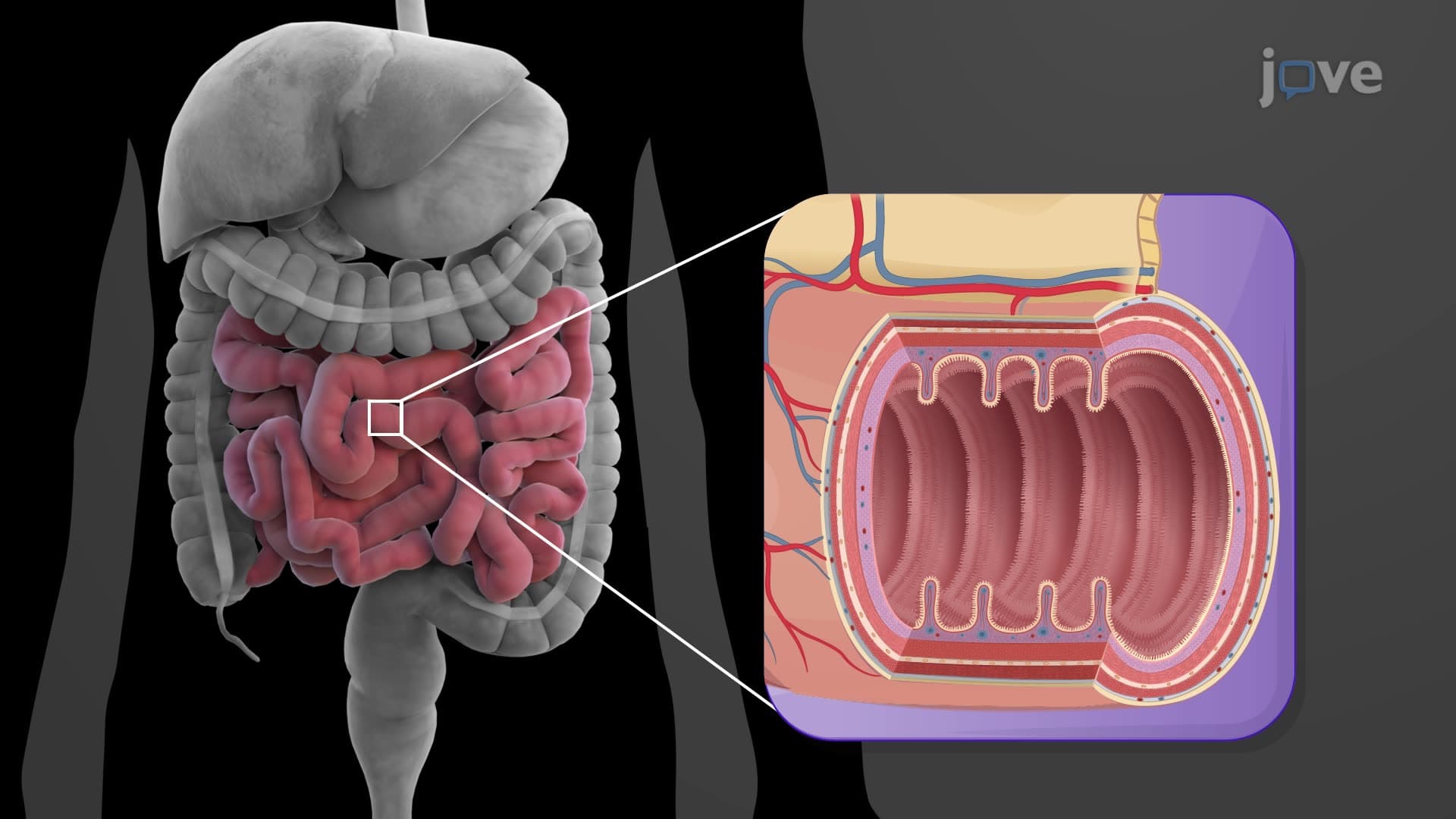
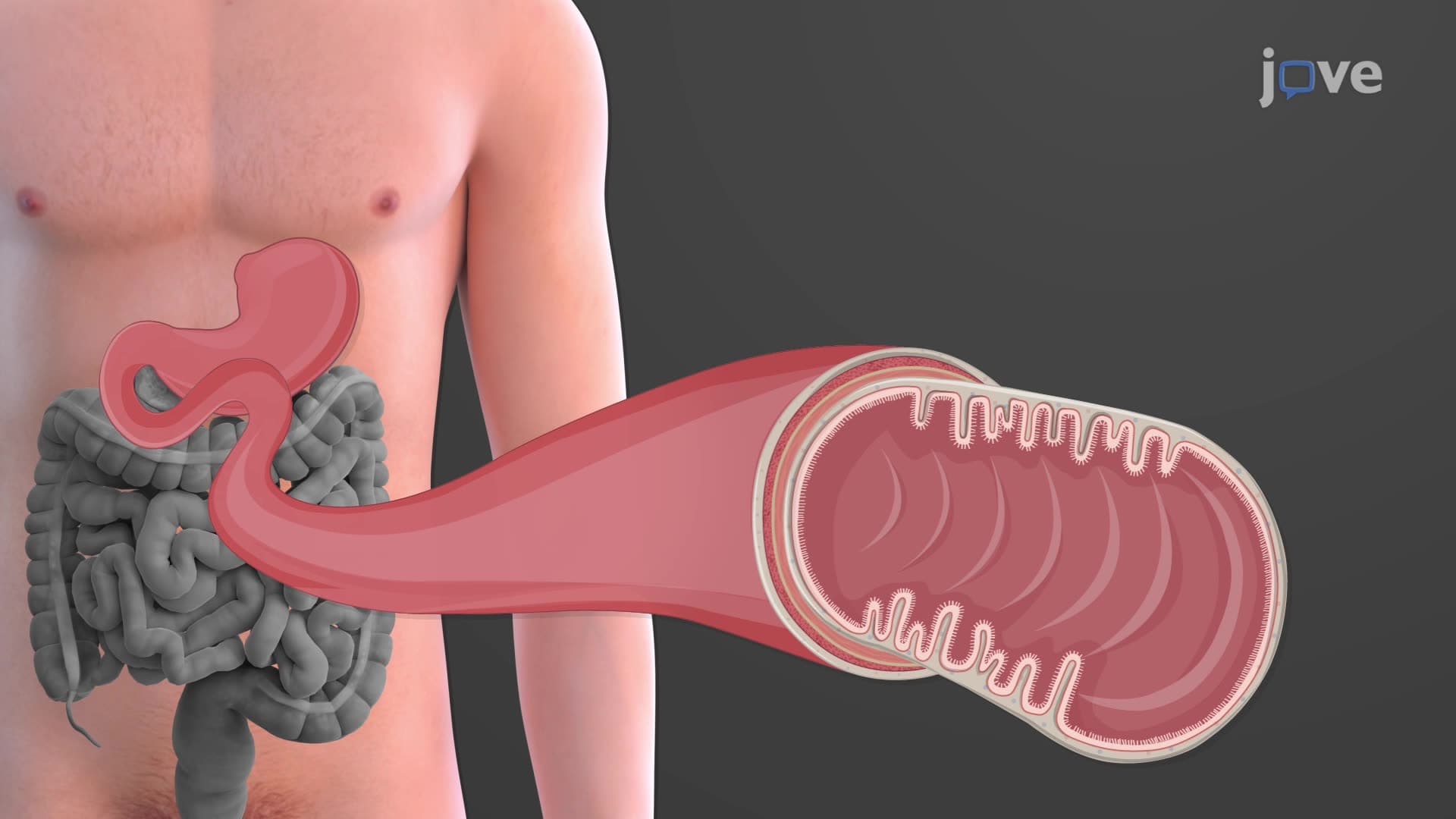
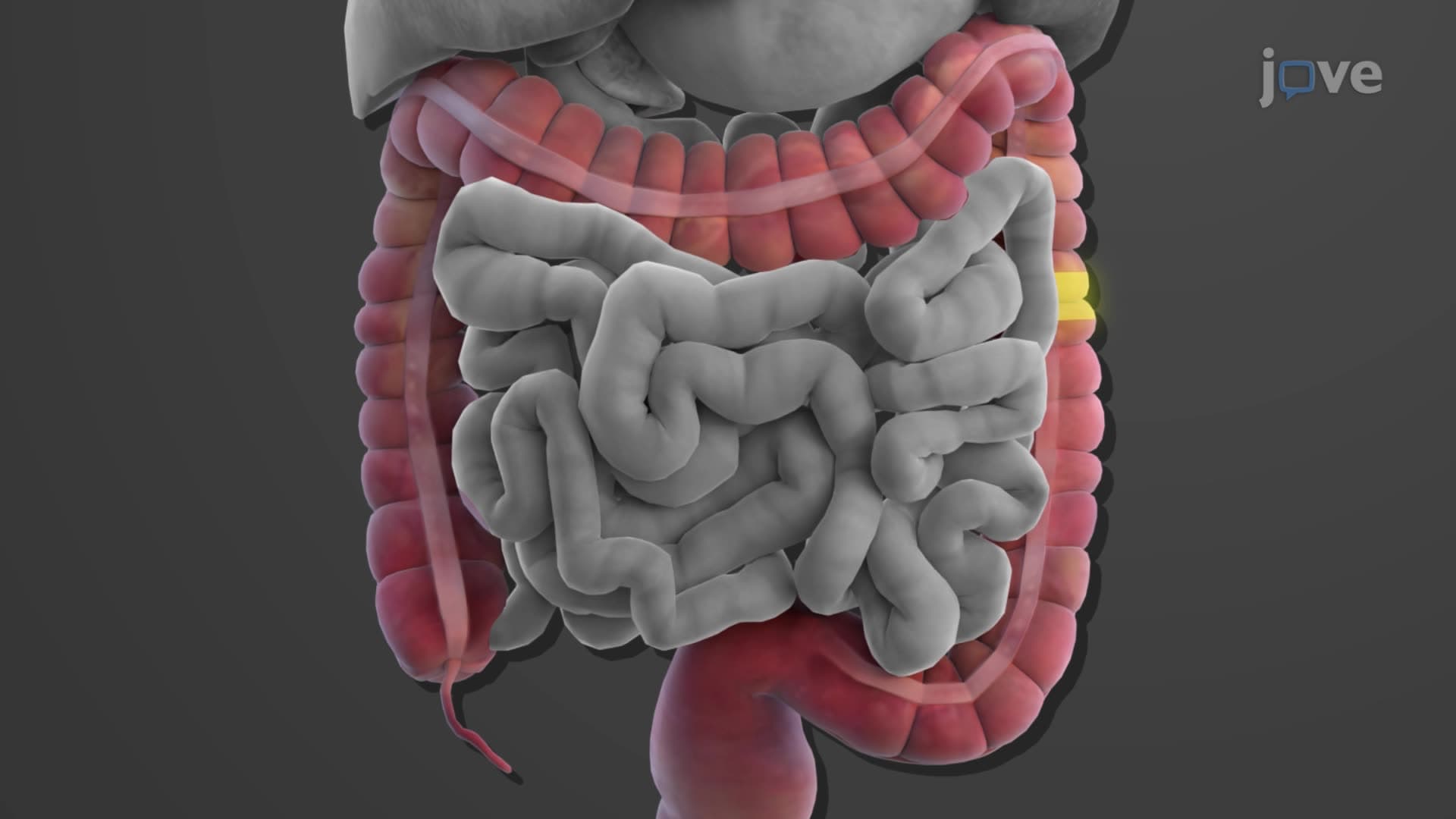
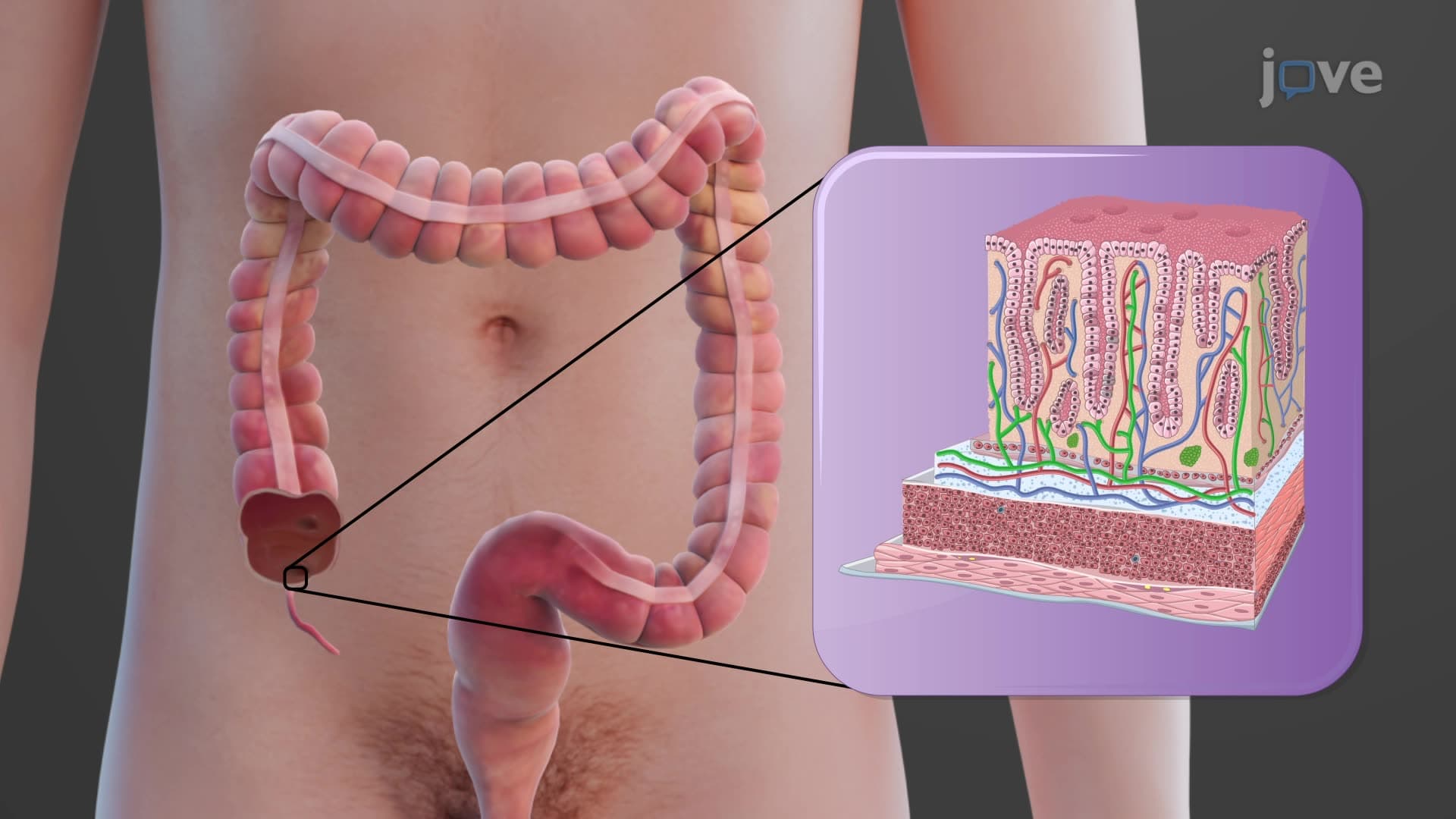
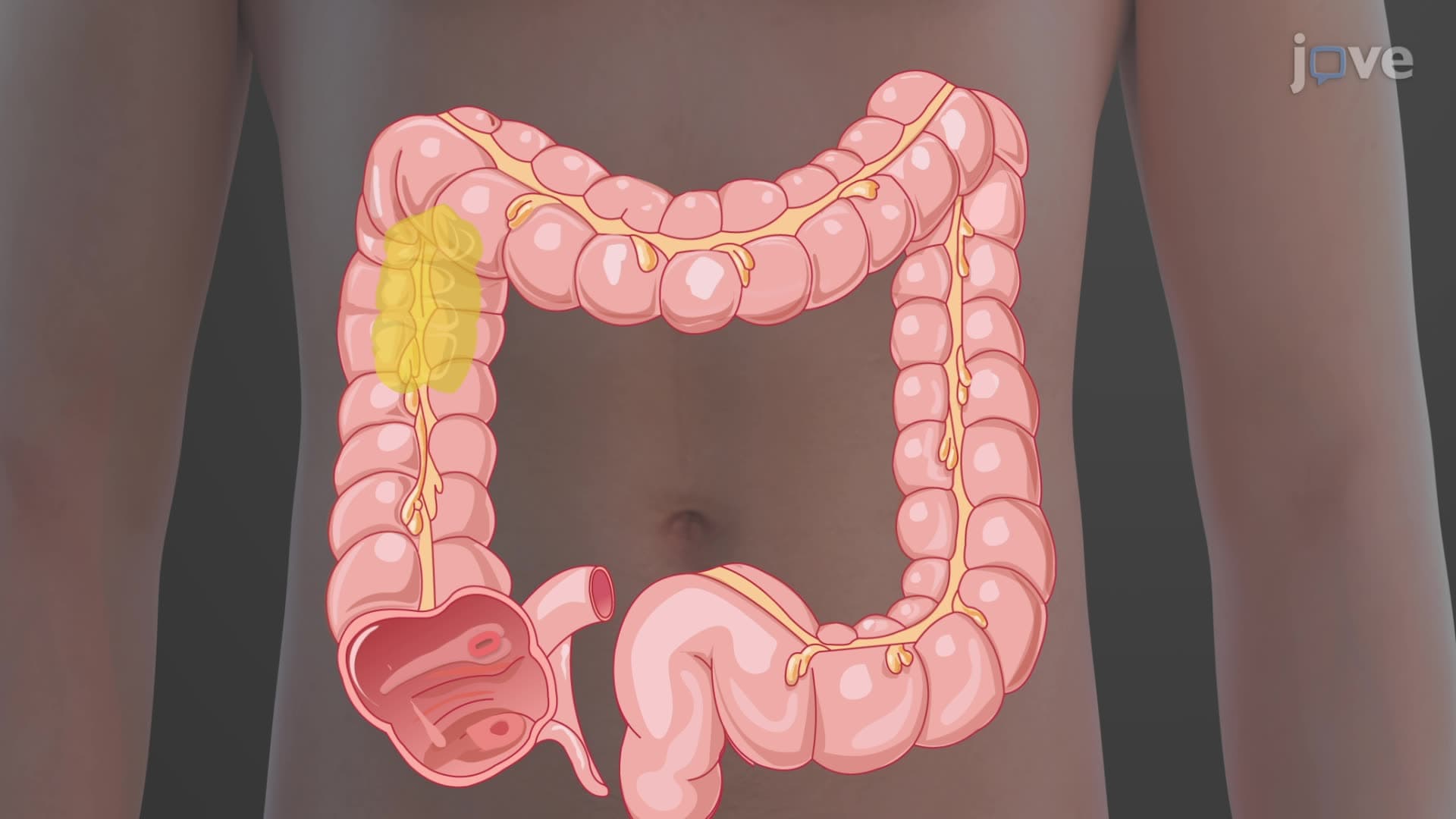
Large intestine bacterial flora represents one of the most densely populated microbial ecosystems on Earth, containing approximately 100 trillion bacteria per gram of colonic content. This gut microbiota colon explained begins establishing at birth when newborns acquire their first bacterial colonizers through vaginal delivery or environmental exposure. Throughout life, factors like diet, stress levels, antibiotic use, and geographic location continuously shape this microbial community.
The predominant bacterial families include Bacteroidetes and Firmicutes, which together comprise about 90% of the colon's microbial population. Students preparing for the MCAT or AP Biology exams should understand that these commensal bacteria large intestine maintain a delicate balance that directly impacts human health and disease susceptibility.
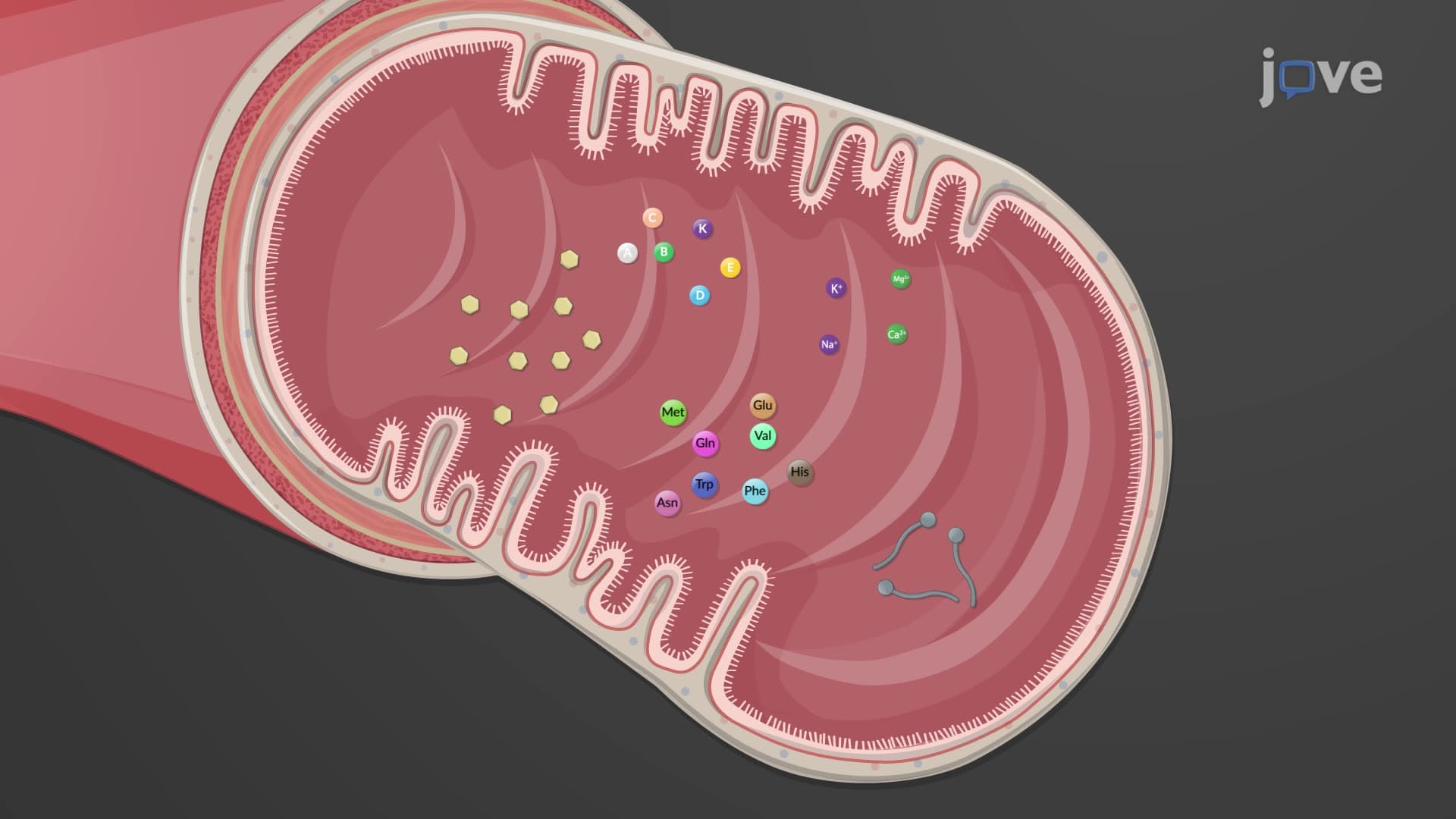
The vitamin K bacteria colon relationship exemplifies the mutualistic nature of human-bacterial interactions. Bacteria such as Bacteroides fragilis and various Escherichia coli strains synthesize vitamin K2 (menaquinone), which the liver converts into clotting factors II, VII, IX, and X. Without adequate bacterial vitamin K production, patients can develop serious bleeding disorders-a concept frequently tested on nursing entrance exams like HESI A2 and TEAS.
Additionally, these microorganisms produce vitamin B5 (pantothenic acid) essential for coenzyme A synthesis, and vitamin B7 (biotin) critical for fatty acid metabolism. Students at institutions like Johns Hopkins University studying biochemistry learn that antibiotic treatments can disrupt this vitamin production, necessitating dietary supplementation.
Intestinal flora fermentation transforms indigestible plant fibers and resistant starches into beneficial short-chain fatty acids (SCFAs) including butyrate, propionate, and acetate. This process occurs when students consume foods like beans, whole grains, and vegetables that escape small intestinal digestion. The fermentation produces characteristic intestinal gases: hydrogen sulfide (H2S), hydrogen (H2), nitrogen (N2), methane (CH4), and carbon dioxide (CO2).
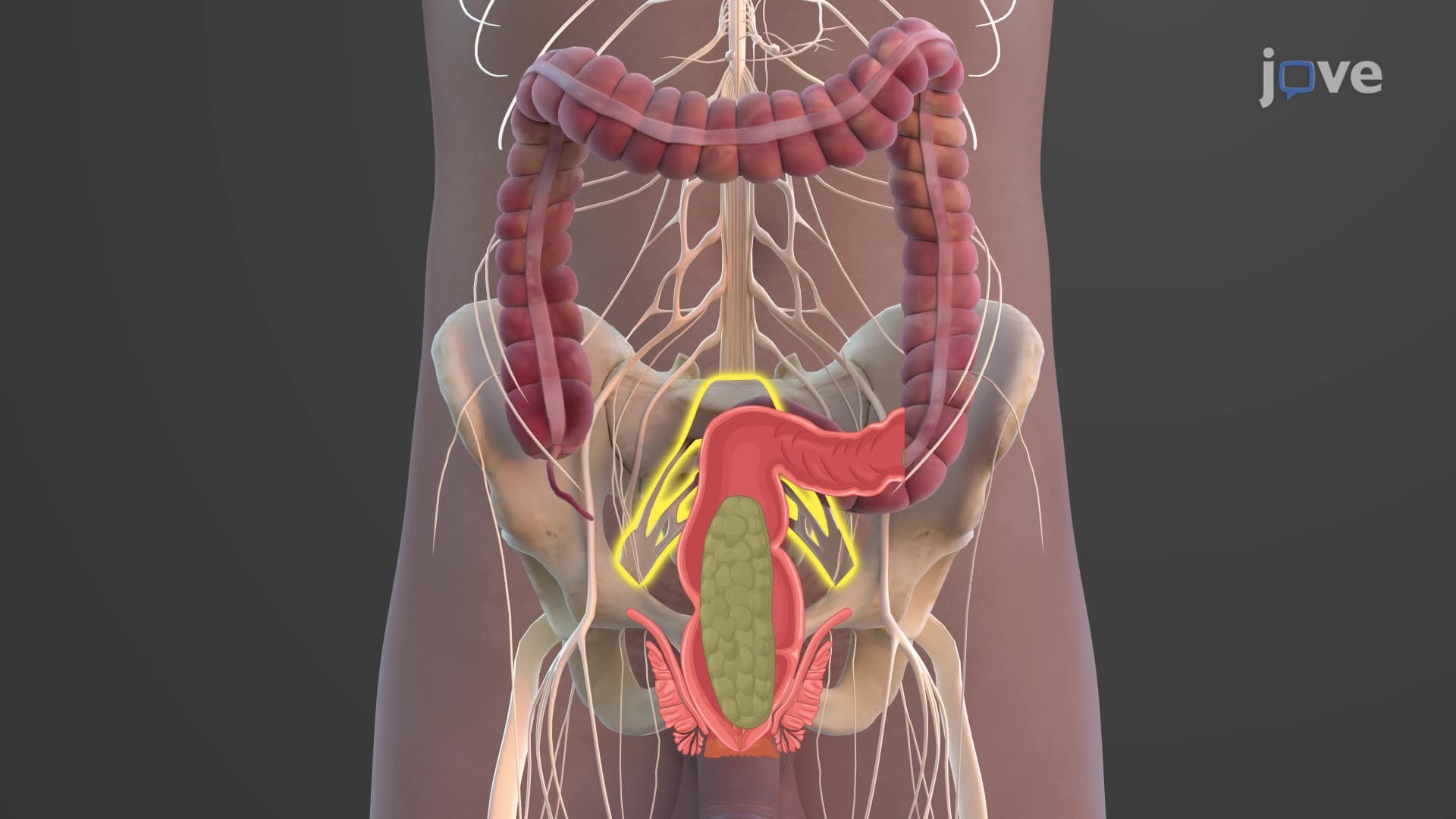
College students studying for organic chemistry exams should understand that bacterial enzymes also metabolize protein remnants, producing ammonia and aromatic compounds like indole and skatole responsible for fecal odor. This knowledge appears frequently on USMLE Step 1 questions about gastrointestinal physiology.
Colon microbiota health depends on maintaining bacterial diversity and preventing pathogenic overgrowth. Beneficial bacteria like Lactobacillus and Bifidobacterium species outcompete harmful organisms through competitive exclusion, pH modification, and antimicrobial compound production. This protective mechanism explains why Clostridioides difficile infections often occur following antibiotic treatment that disrupts normal flora-a concept central to medical school pathophysiology courses at institutions like Harvard Medical School and Stanford University.
Related Micro-courses