Loading subject page…


89,753 views

Video Summary: What Is Cephalic Phase of Digestion
Ever wonder why your mouth waters when you smell pizza before taking a bite? The cephalic phase digestion biology process begins this anticipatory response before food even reaches your stomach. When students at cafeterias across US high schools smell fresh-baked cookies, their brains trigger the what is the cephalic phase of digestion mechanism through sensory pathways. Watch the full video on JoVE Coach to master this concept with expert-led visuals and step-by-step explanations.
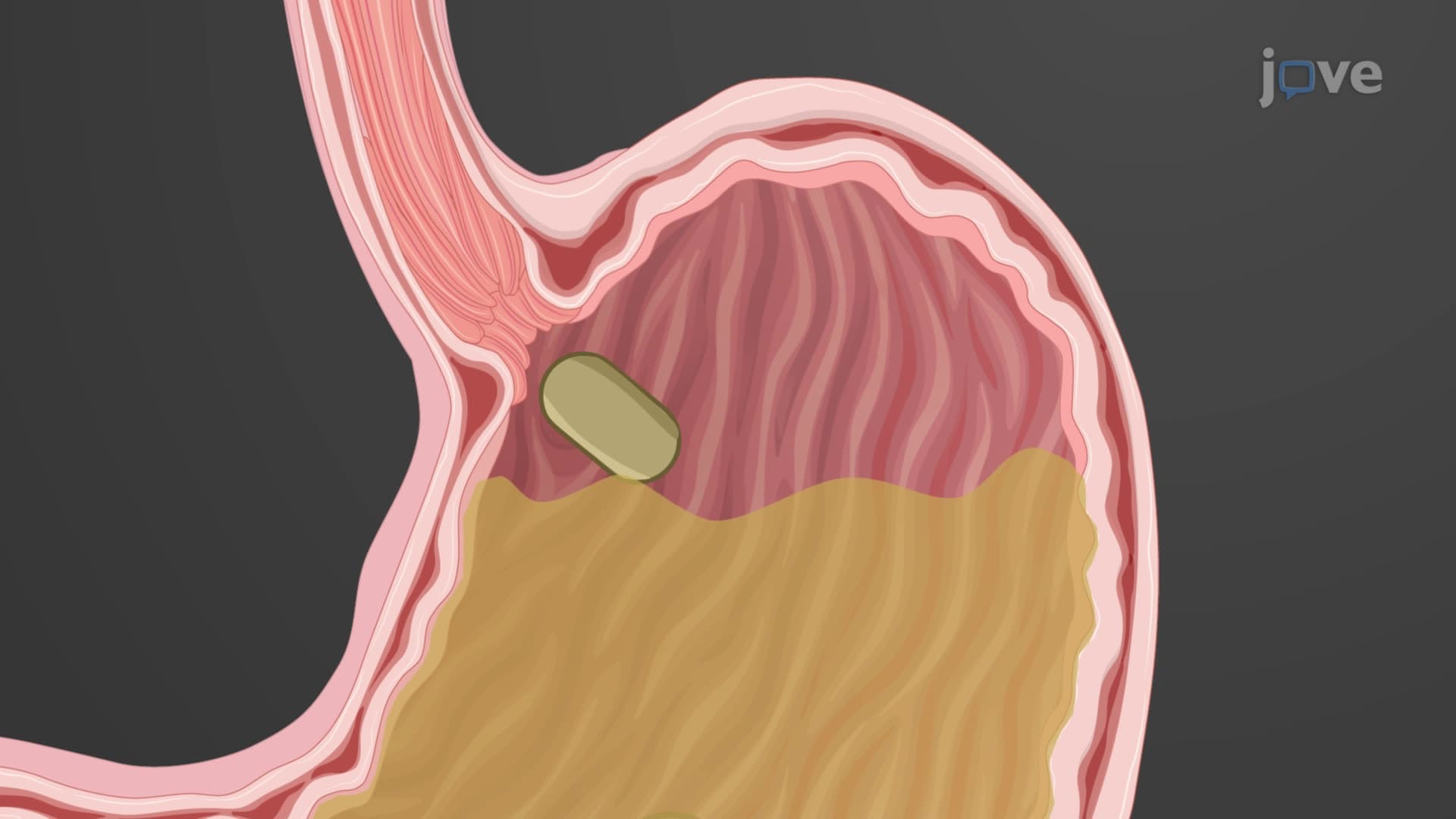
The cephalic phase of digestion represents the body's remarkable ability to prepare for food intake before swallowing occurs. This sophisticated biological system demonstrates how our nervous system anticipates nutritional needs, making digestion more efficient when food arrives in the stomach.
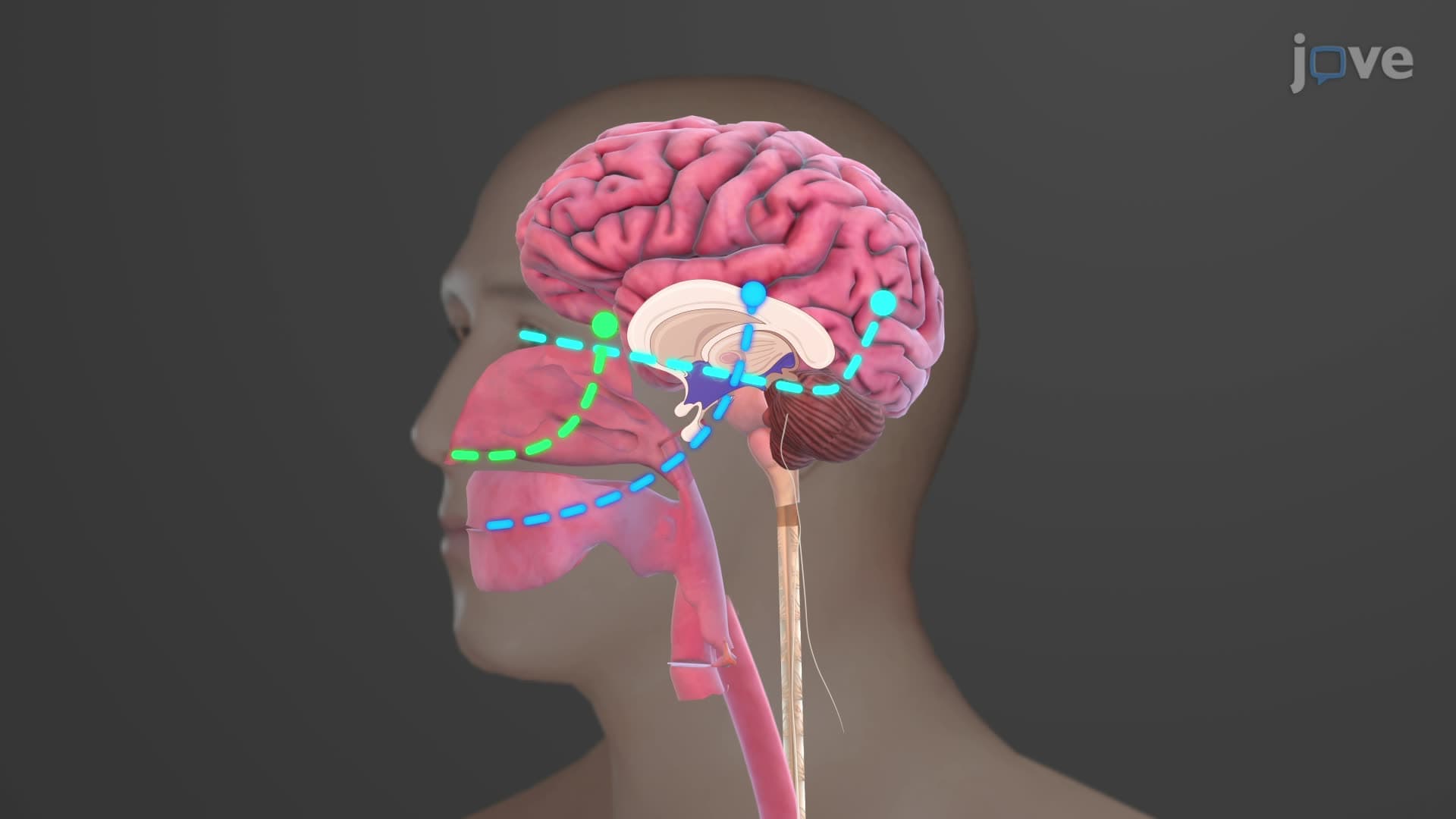
The head phase of digestion explained involves a complex network starting in the cerebral cortex. When sensory receptors detect food-related stimuli, signals travel to two critical brain regions: the hypothalamus and medulla oblongata. The hypothalamus, known for regulating hunger and satiety, processes emotional and cognitive aspects of eating. Meanwhile, the medulla controls the autonomic responses necessary for digestion.
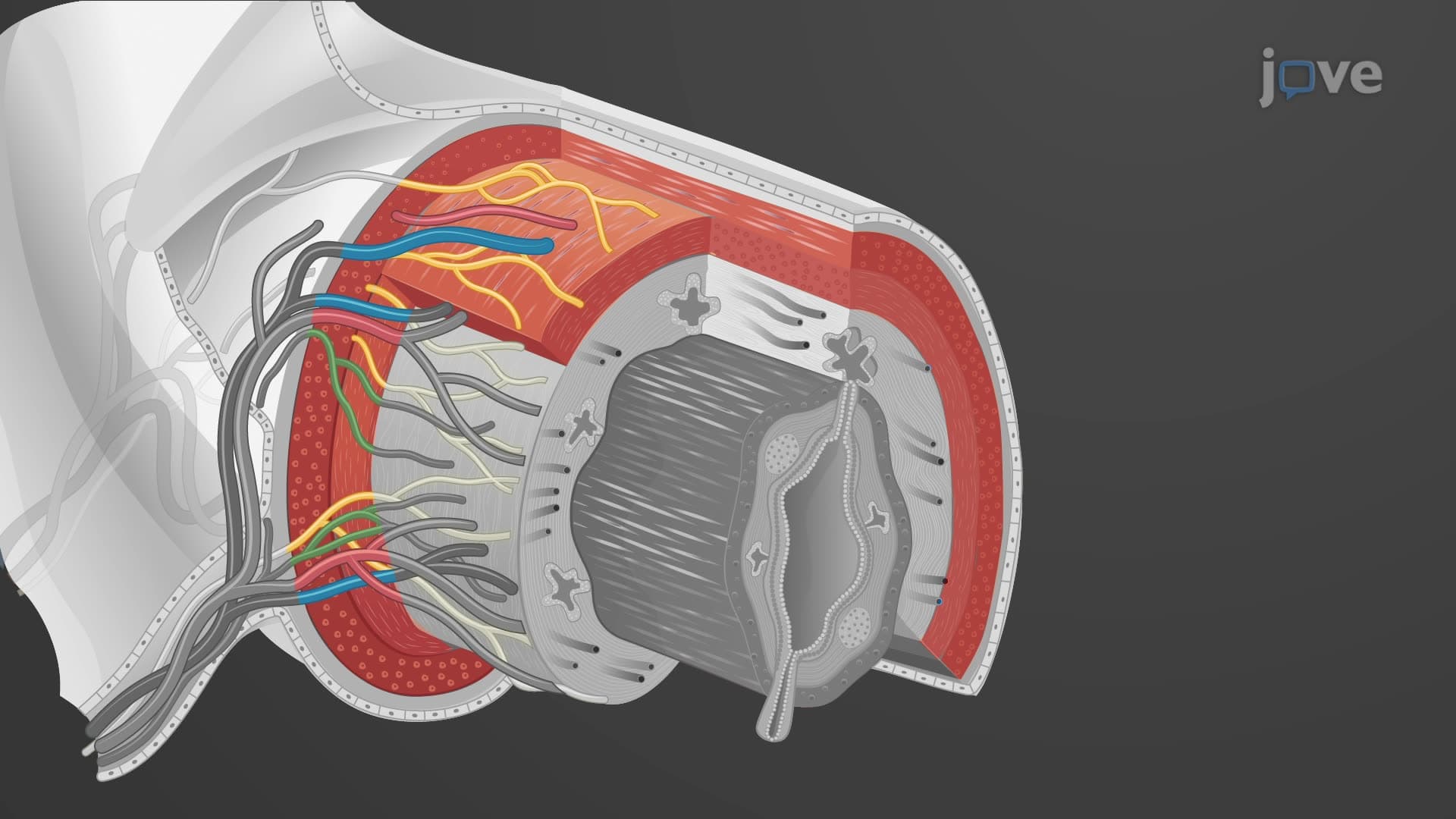
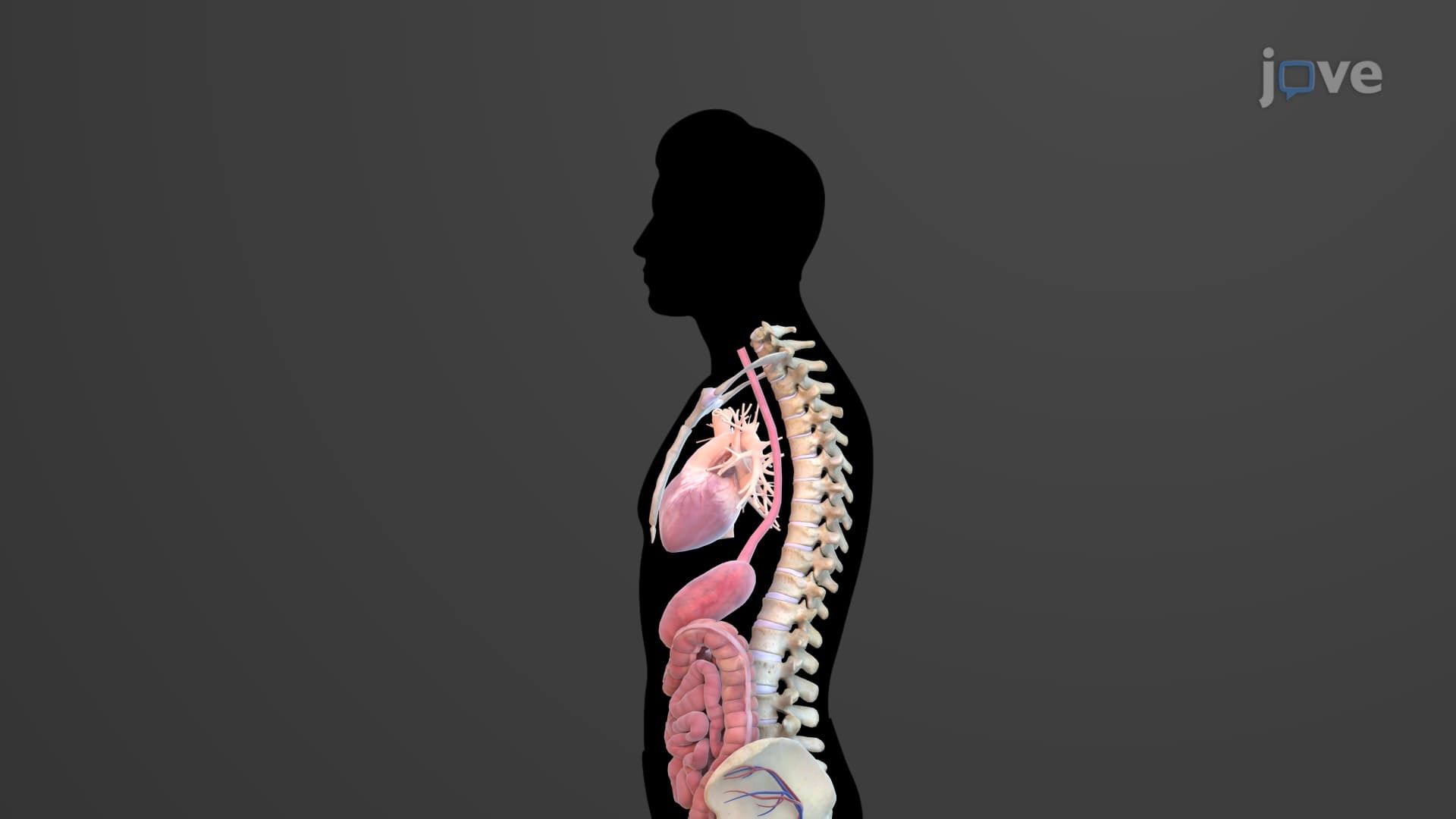
These brain regions coordinate through the vagus nerve, the longest cranial nerve extending from brainstem to abdomen. This vagal reflex cephalic phase activation stimulates gastric glands before food arrival, demonstrating the body's predictive capabilities.
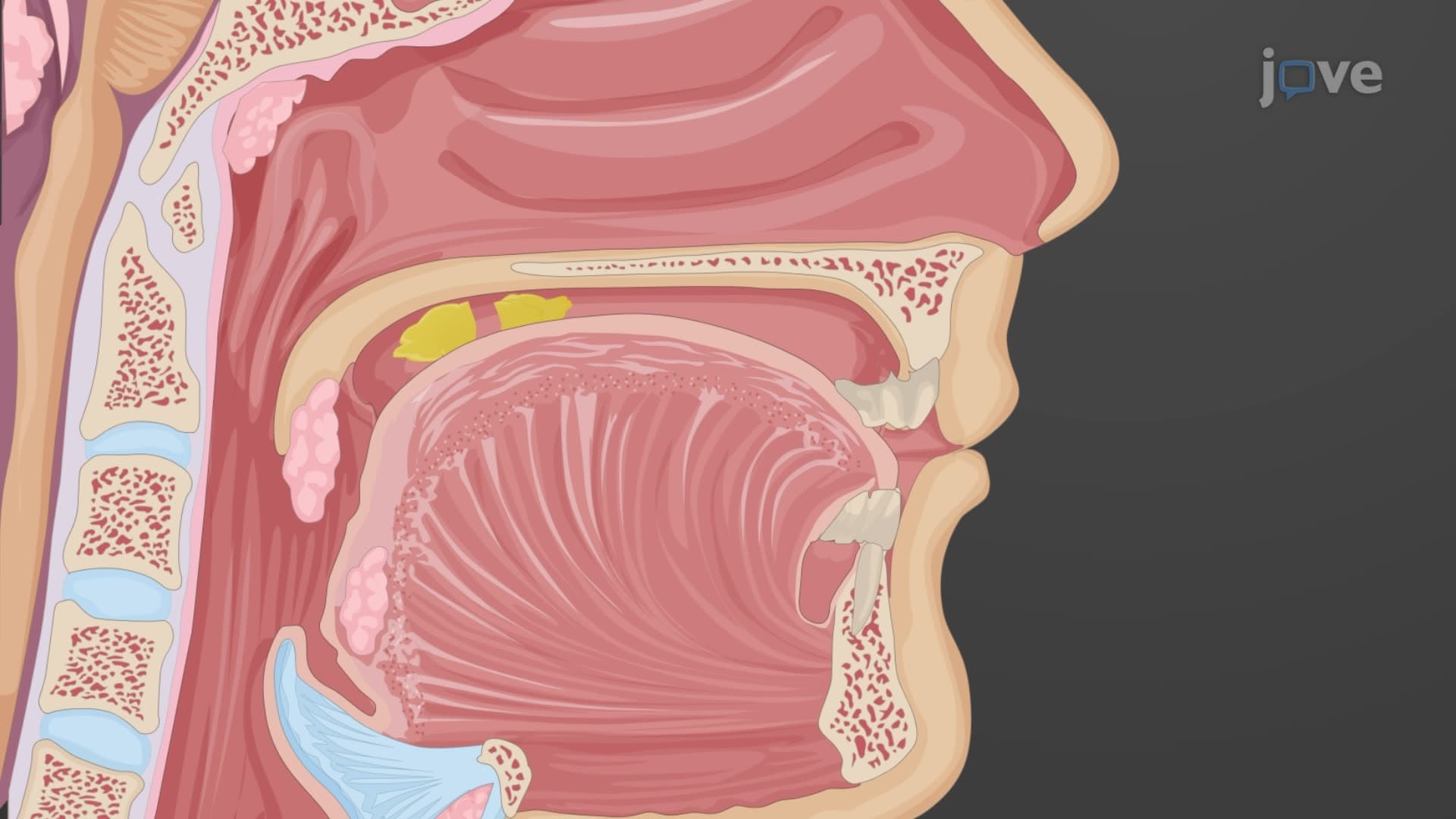
Sight smell food cephalic stimuli create powerful digestive preparation. Consider walking past a Subway restaurant - the aroma of baking bread triggers olfactory receptors, while visual cues of sandwich preparation activate visual cortex areas. These combined signals initiate anticipatory gastric secretion, preparing stomach acid and enzymes.
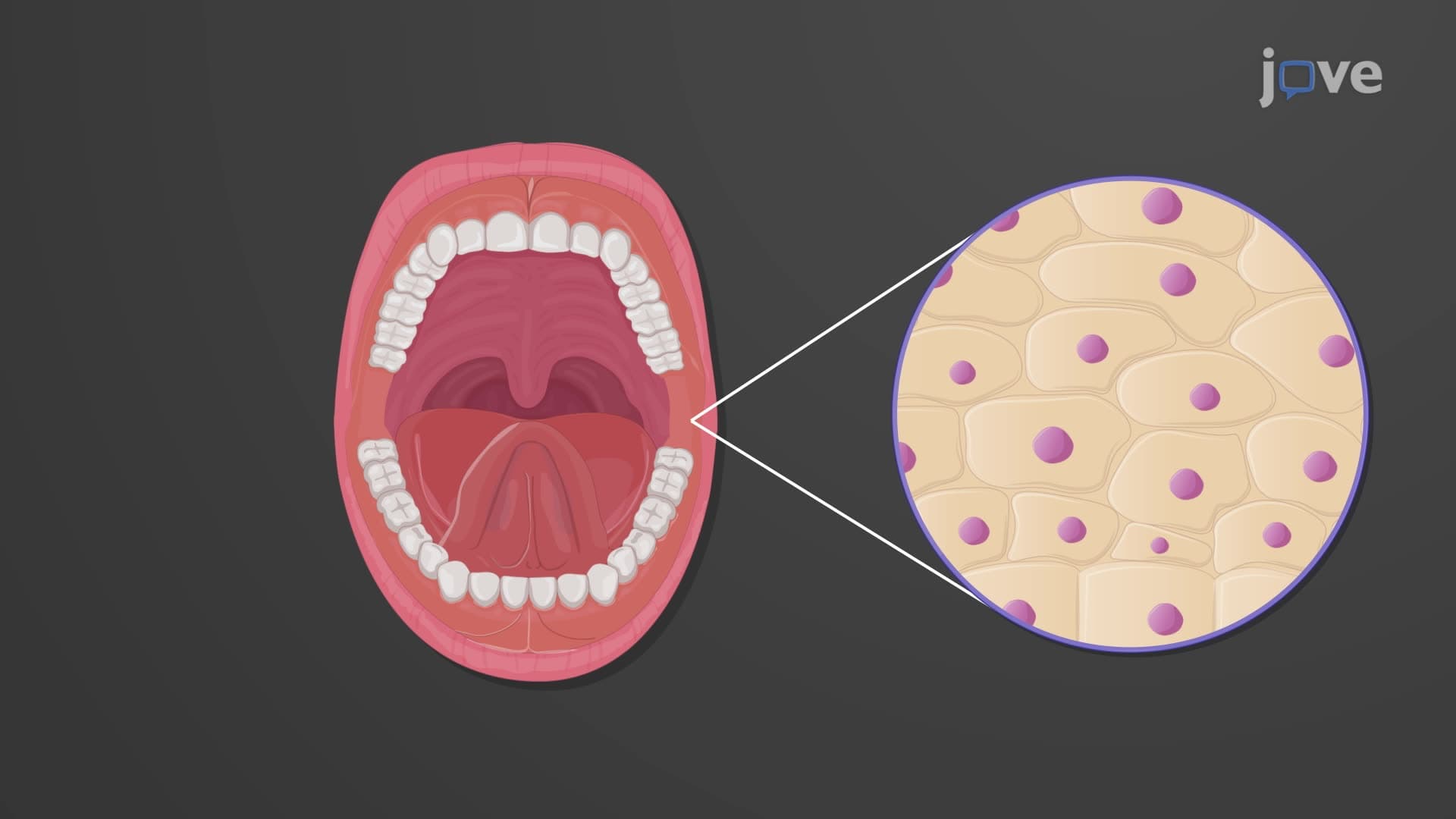
Taste intensifies these responses during eating. When college students taste their first bite of Thanksgiving dinner, taste buds send amplified signals through the vagus nerve, enhancing gastric juice production. This conditioned cephalic response can even occur through memory - thinking about favorite foods can trigger salivation and stomach preparation.
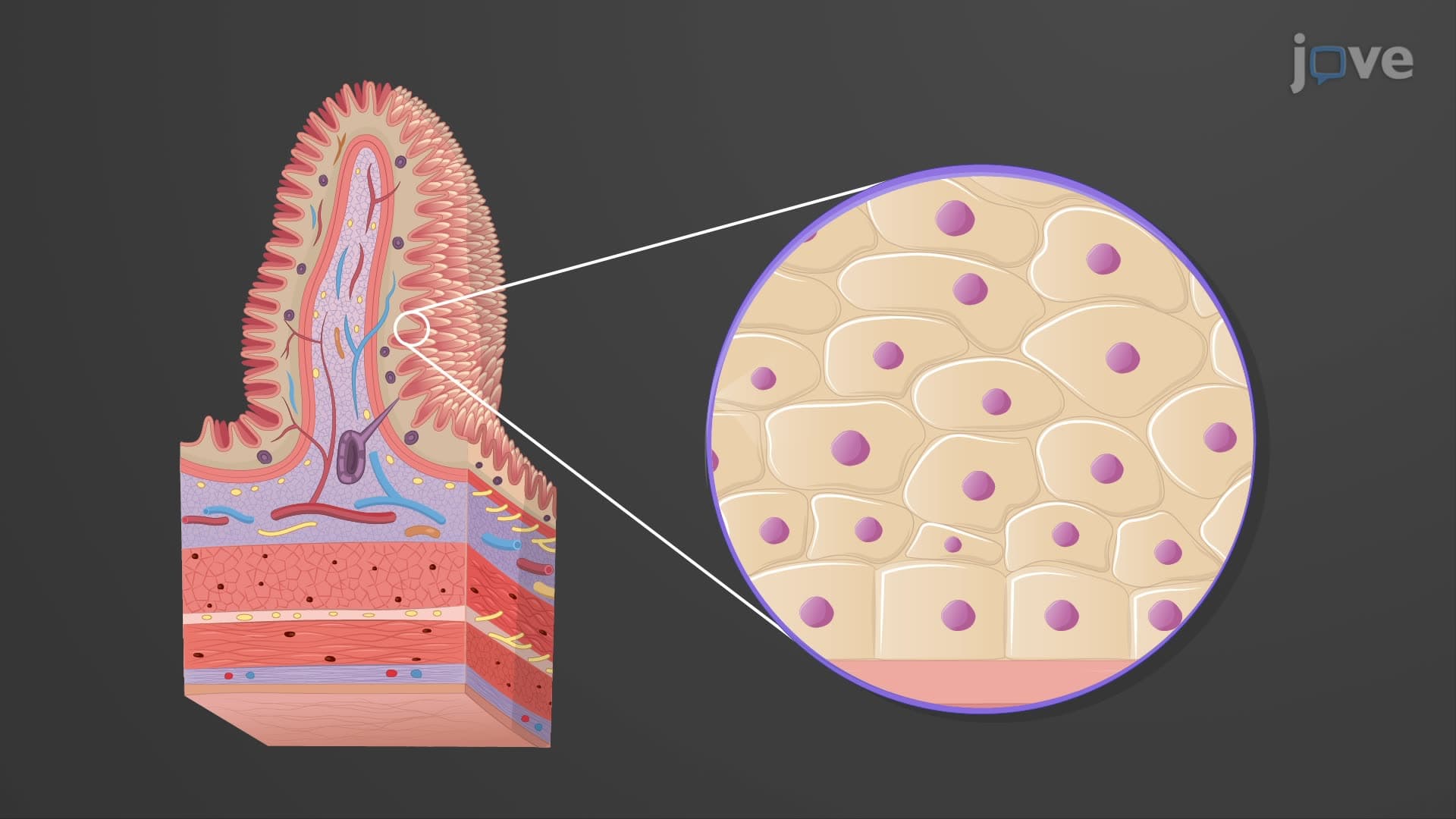
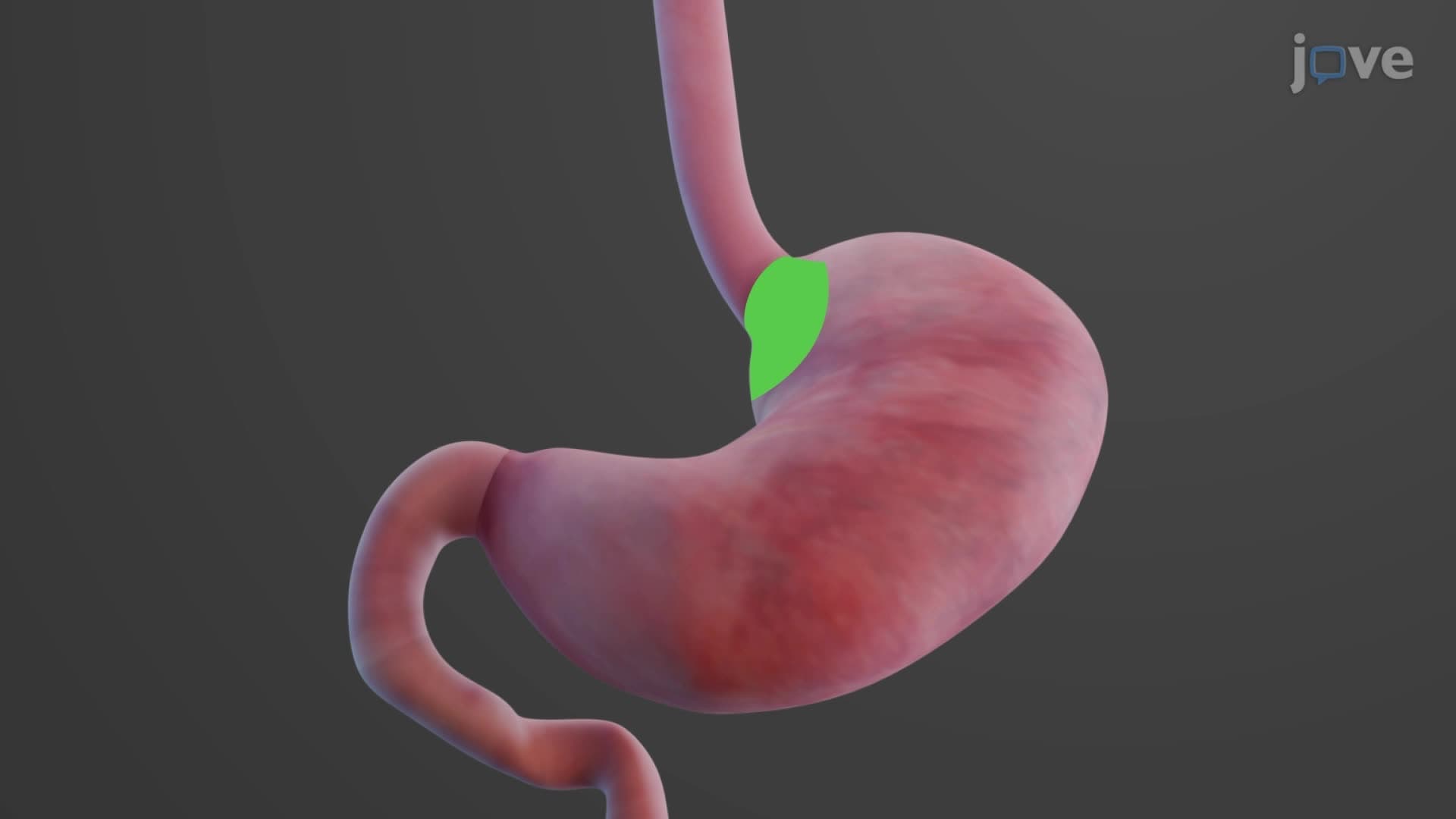
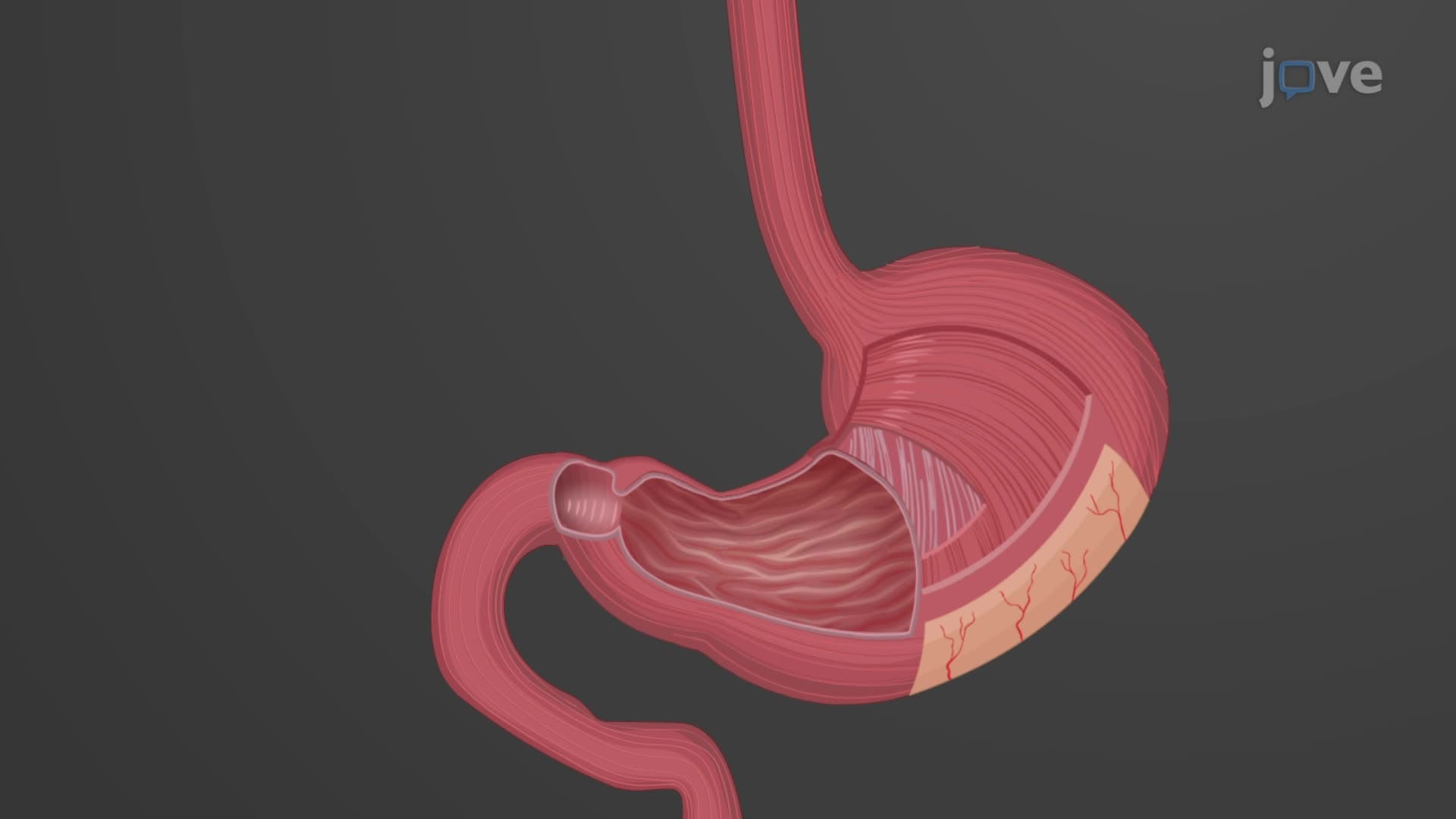
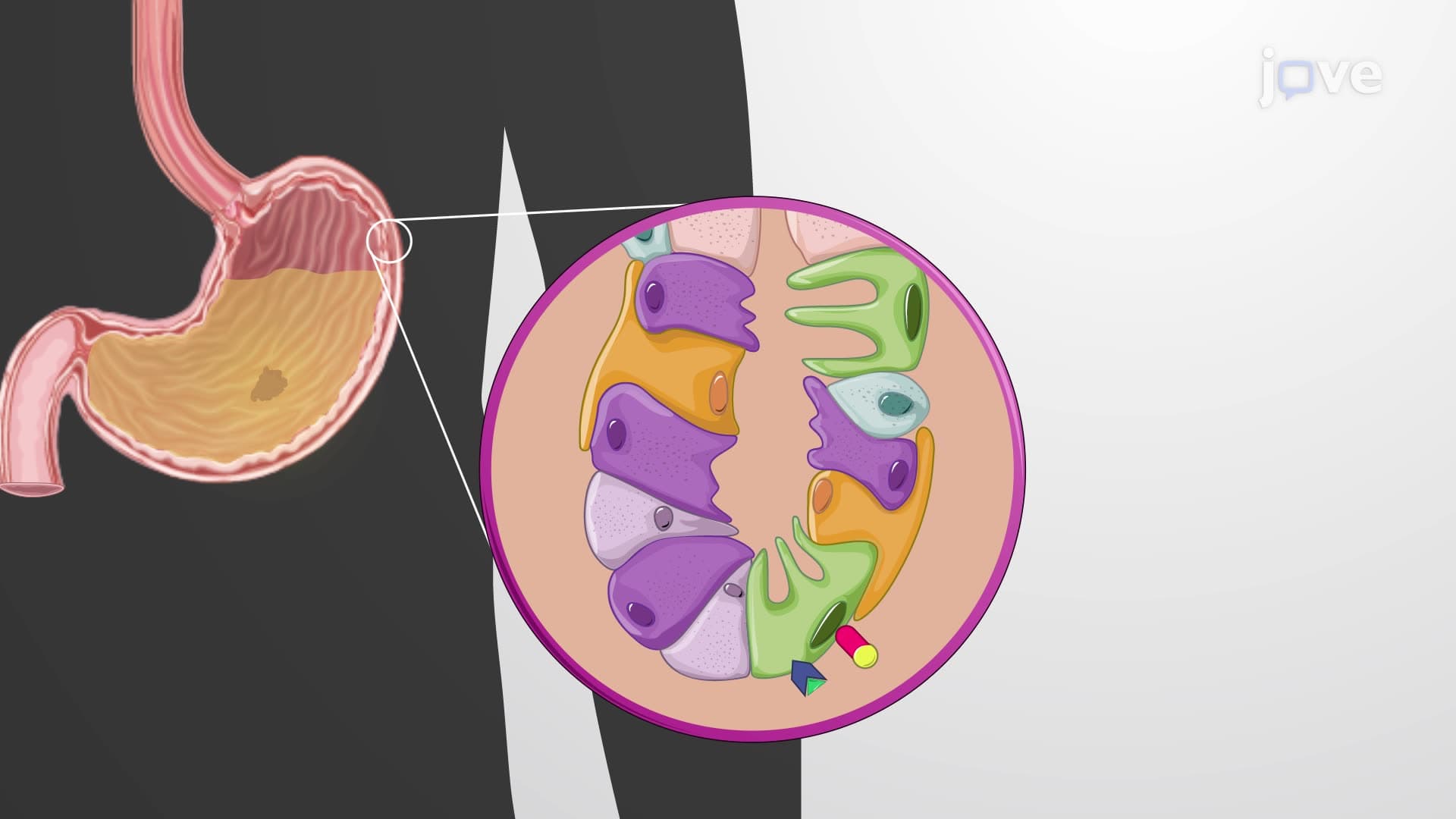
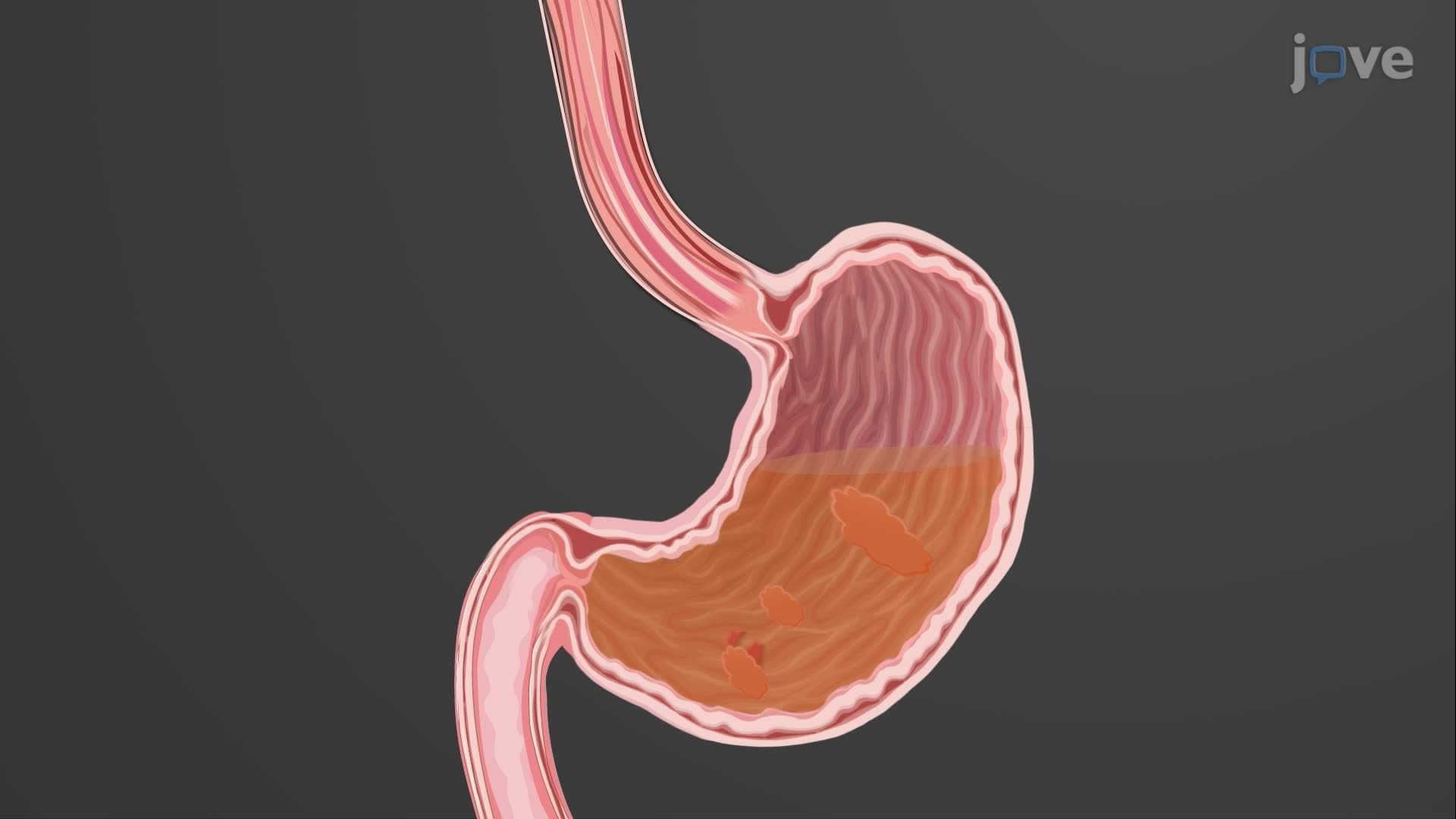
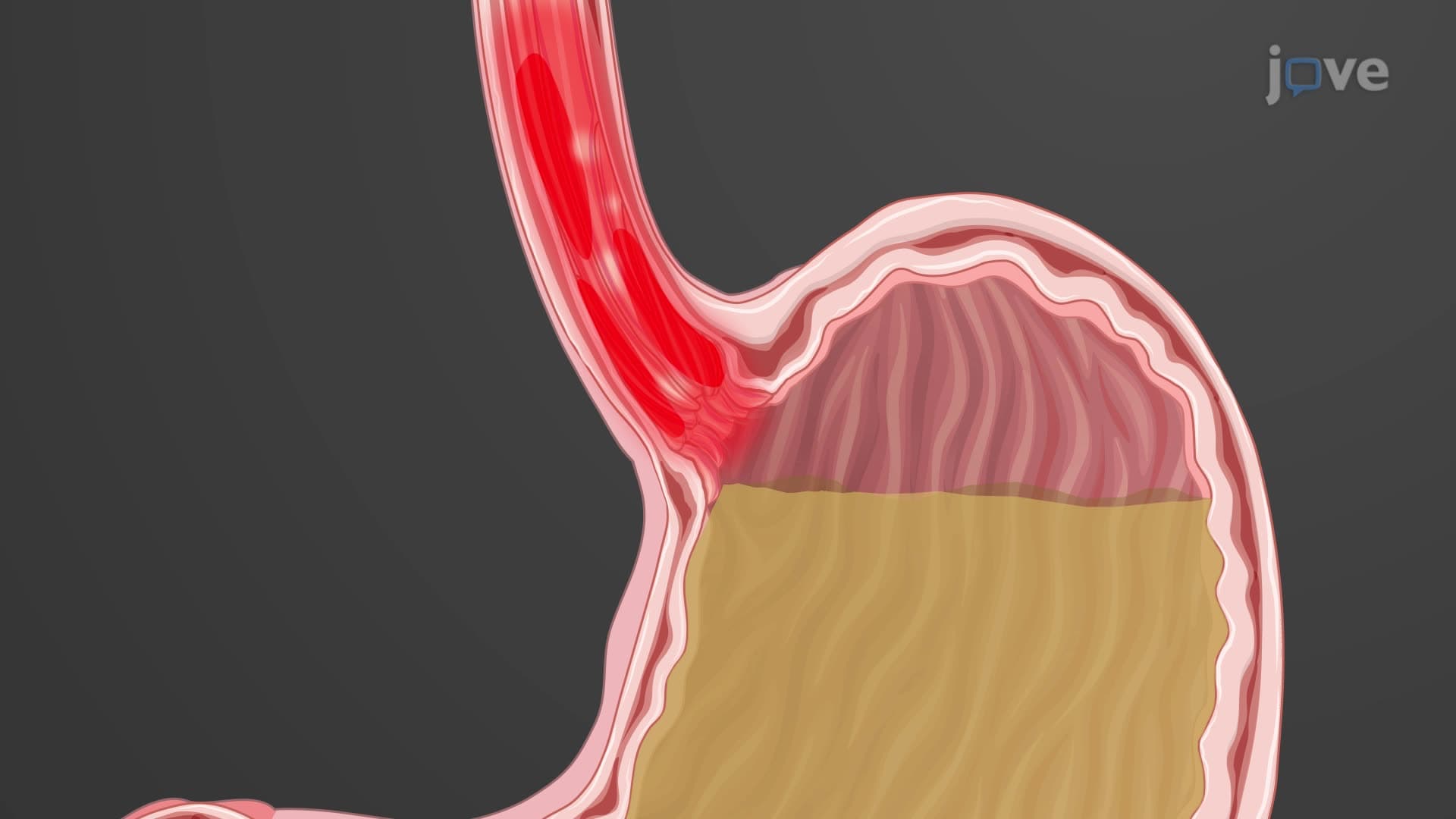
The cephalic digestive phase activates specific stomach cell types. G cells release gastrin hormone, stimulating both parietal cells (producing hydrochloric acid) and chief cells (secreting pepsinogen enzyme precursor). Mucous cells simultaneously produce protective mucus, creating optimal gastric juice composition before food arrival.
This preparation proves especially relevant for AP Biology students studying digestive physiology and MCAT examinees analyzing autonomic nervous system functions. Understanding these cellular interactions helps explain why stress affects digestion - chronic stress disrupts vagal stimulation, reducing cephalic phase effectiveness.
Related Micro-courses