Loading subject page…

- Anatomy and Physiology
- Digestive System
- Deglutition
Micro-course: Digestive System
89,747 views
Learn key concepts and earn your certificate.


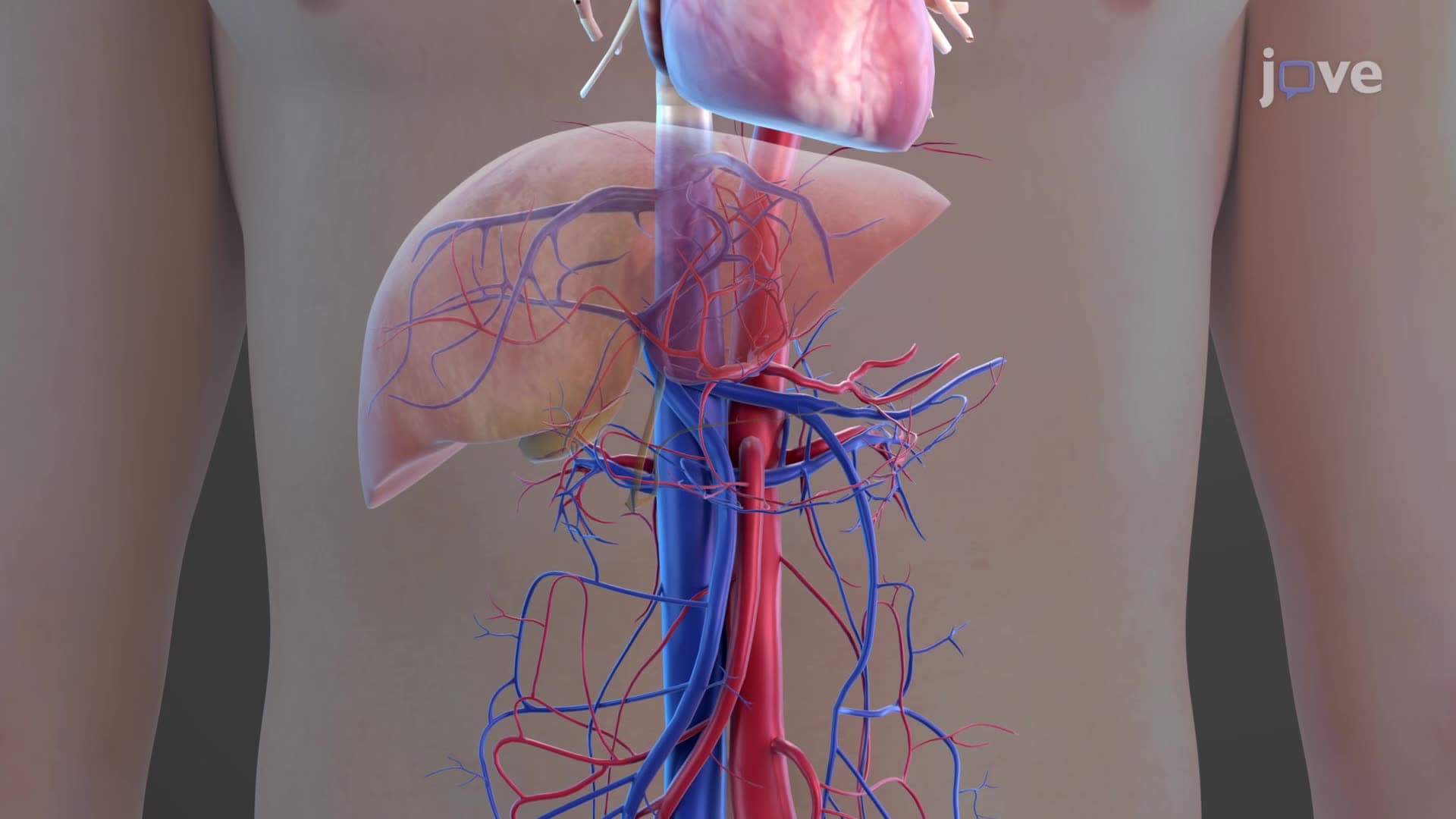
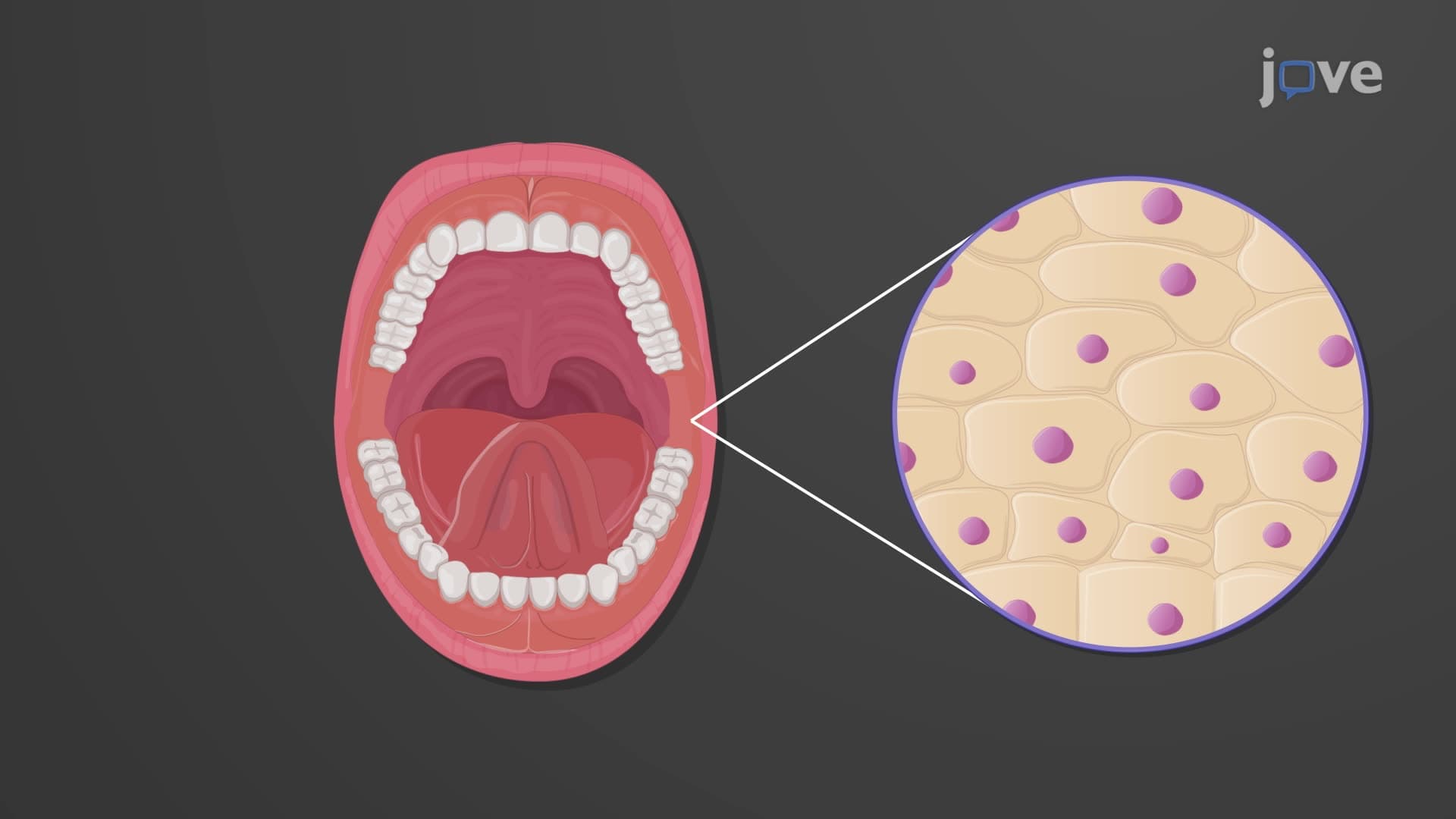
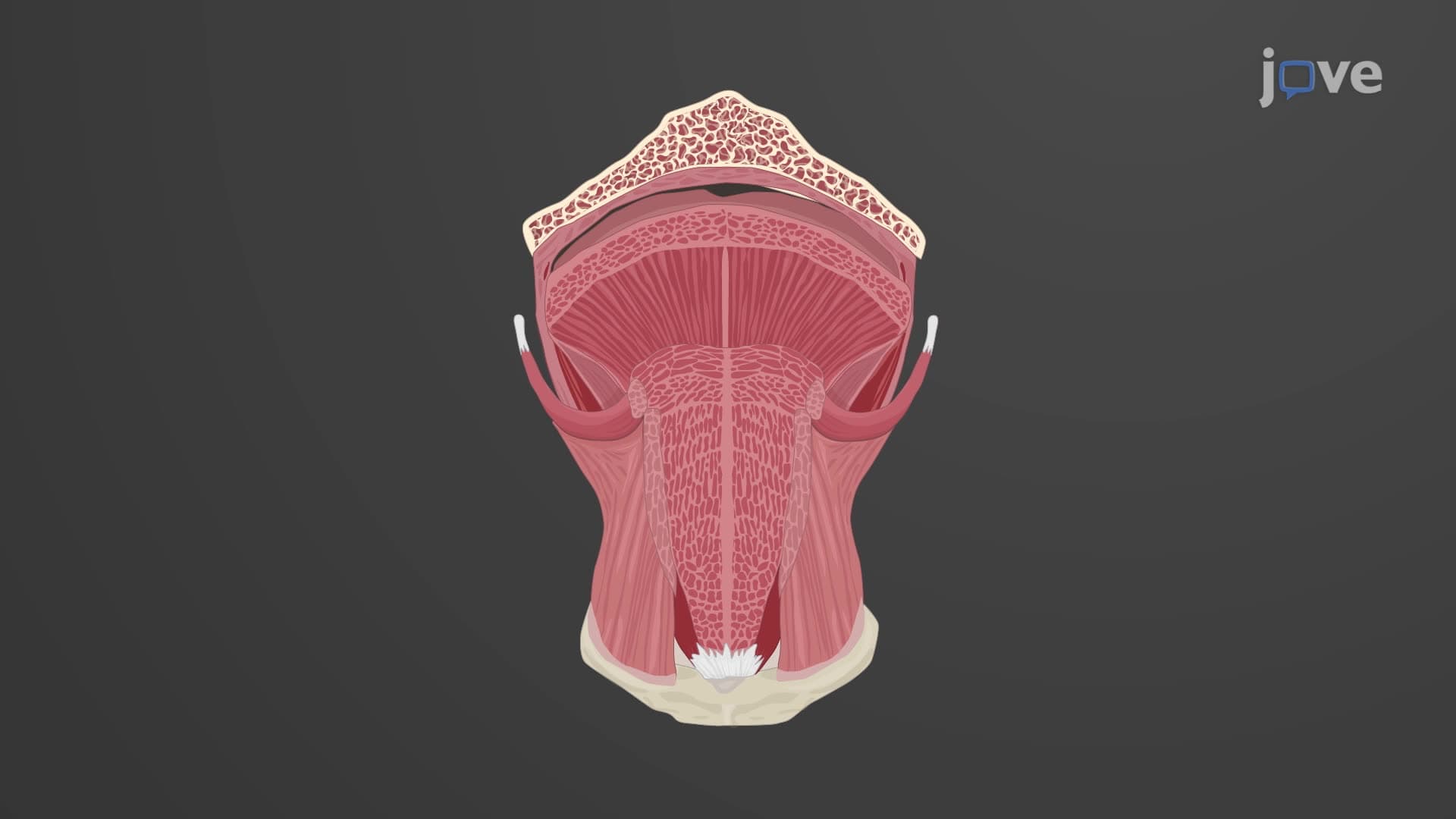

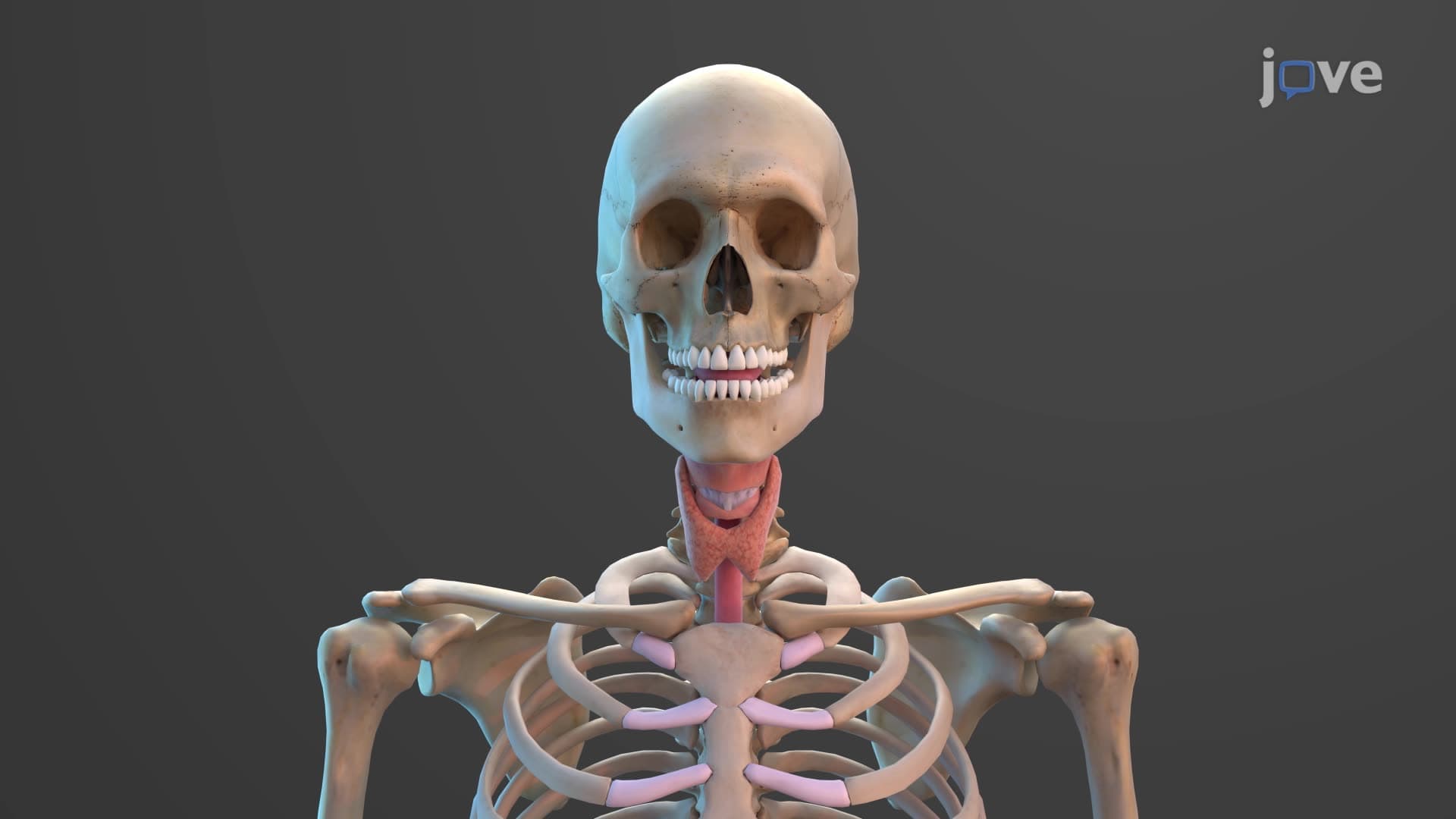
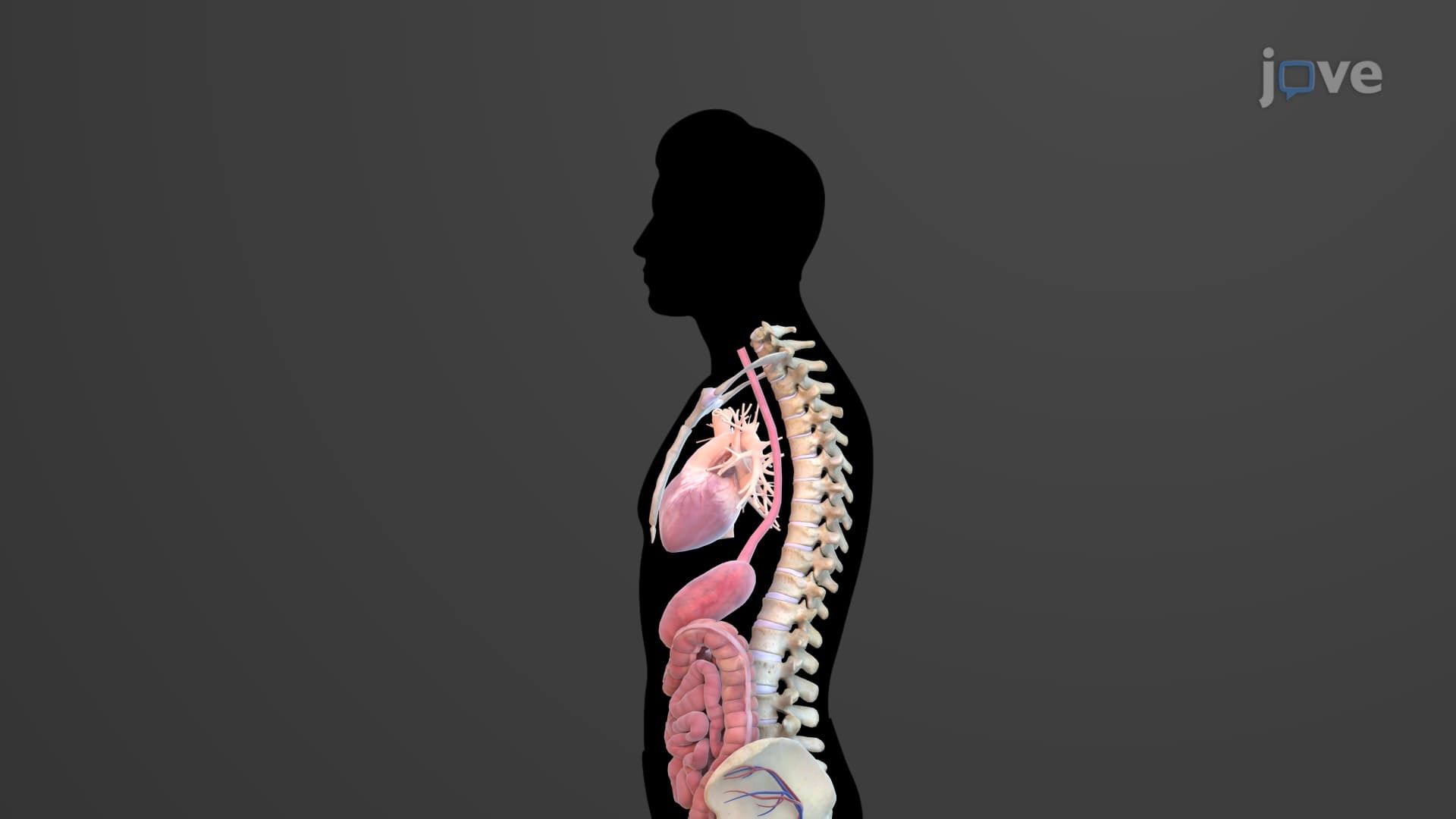
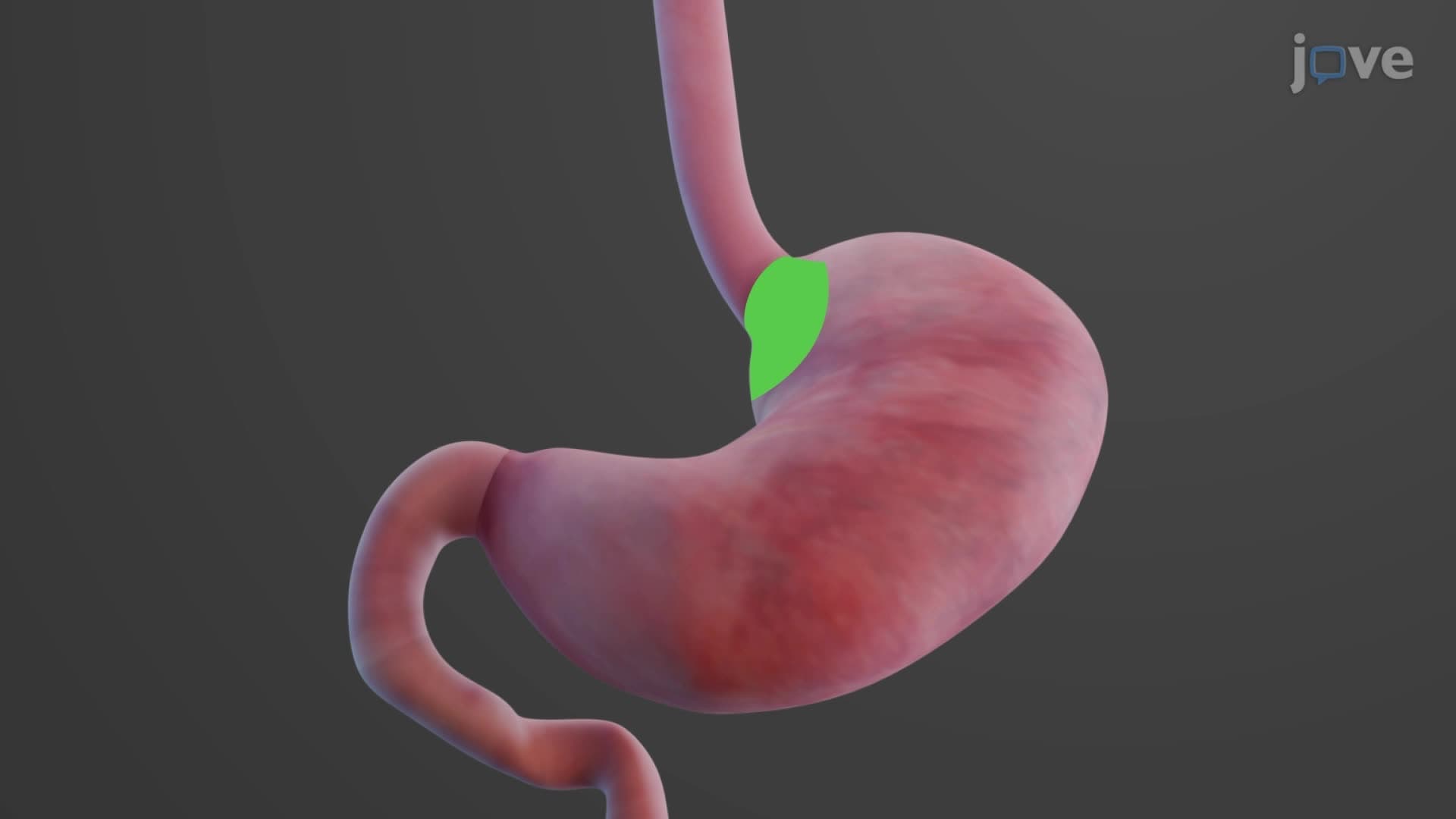

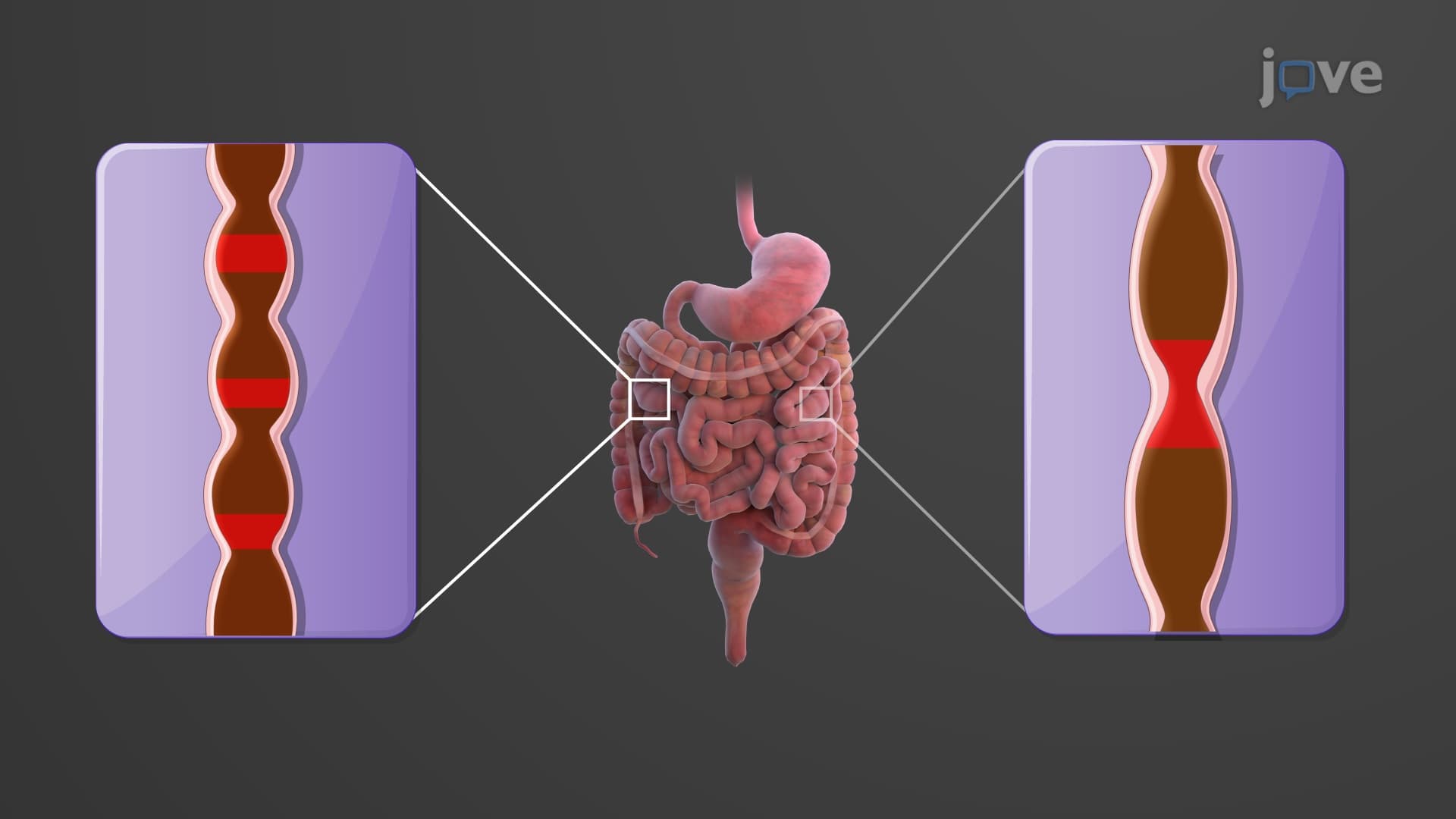
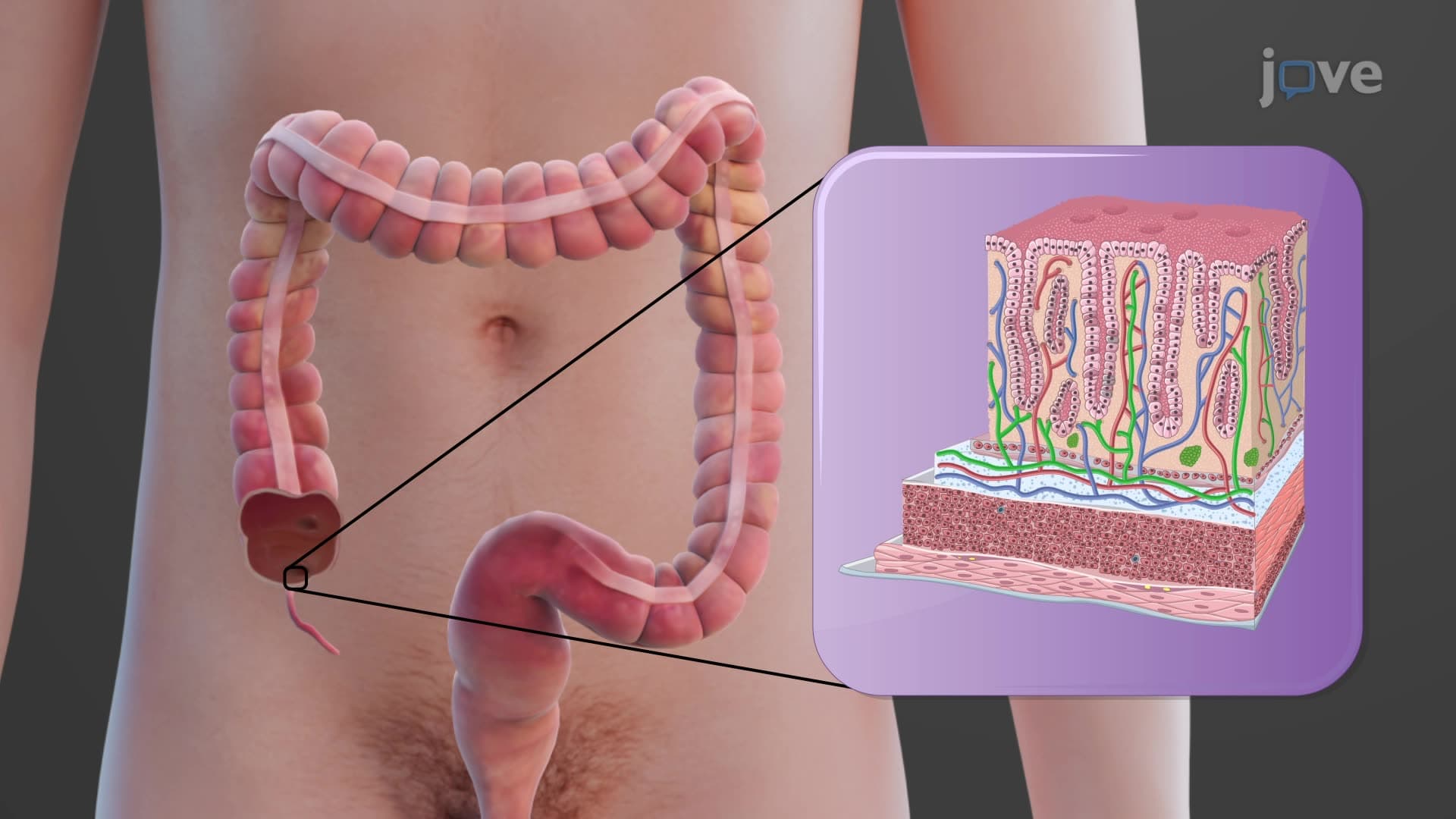
Deglutition

00:00
01:25
Video Summary: What Is Deglutition
Did you know that every time you swallow your morning orange juice, your body coordinates over 25 muscles in perfect sequence? Deglutition swallowing biology involves a sophisticated three-phase process that seamlessly transports food from mouth to stomach. Consider how patients recovering from stroke at Johns Hopkins Hospital must relearn this seemingly simple act-deglutition requires precise neurological control spanning voluntary and involuntary mechanisms. Watch the full video on JoVE Coach to master this concept with expert-led visuals and step-by-step explanations.
- Understand what is deglutition and its critical role in human digestive physiology
- Identify the three distinct phases of the swallowing process explained: oral, pharyngeal, and esophageal
- Analyze the transition from voluntary to involuntary control during swallowing reflex deglutition
- Compare the anatomical structures involved in each deglutition phases physiology
- Evaluate the protective mechanisms preventing aspiration during swallowing
- Apply knowledge of bolus swallowing pathway to clinical scenarios and exam questions
- Recognize the neurological control centers regulating oral pharyngeal esophageal phase coordination
- Explore connections between deglutition disorders and common medical conditions
Understanding Deglutition: More Than Just Swallowing
What is deglutition extends far beyond the simple act of swallowing-it represents one of the most precisely coordinated physiological processes in human biology. This complex mechanism ensures that food travels safely from the oral cavity to the stomach while simultaneously protecting the respiratory system from aspiration. For students preparing for the MCAT or AP Biology exams, understanding deglutition swallowing biology provides crucial insights into neuromuscular coordination and digestive system integration.
The Three-Phase Journey: Oral, Pharyngeal, and Esophageal Stages
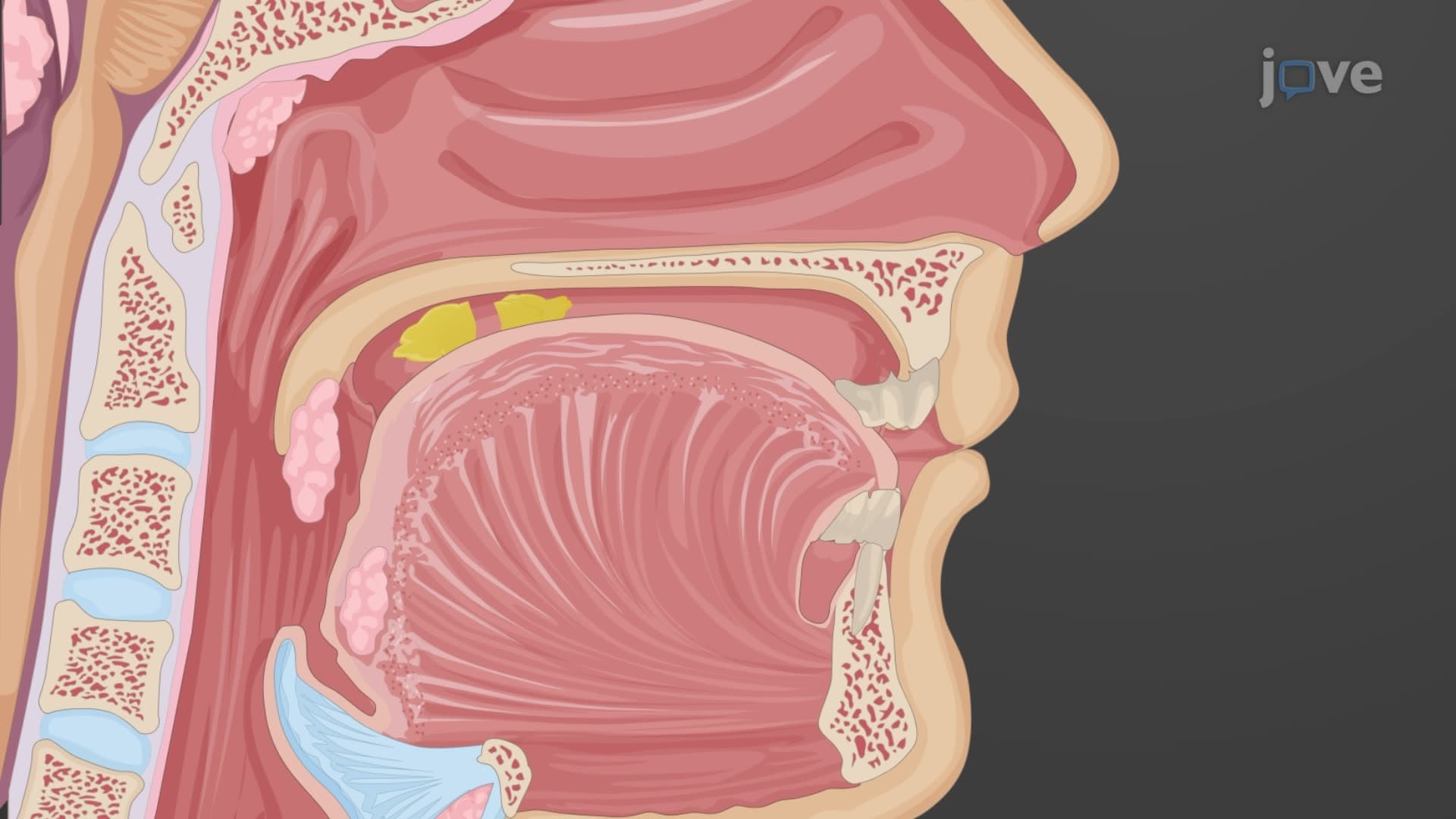
The swallowing process explained unfolds through three seamlessly integrated phases. The oral phase begins as a voluntary action where the tongue creates a coordinated wave-like motion, pressing the food bolus against the hard palate. This oral pharyngeal esophageal phase transition marks a critical shift from conscious control to involuntary reflex mechanisms.
During the pharyngeal phase, the swallowing reflex deglutition activates the medullary swallowing center, triggering multiple protective responses simultaneously. The soft palate elevates to seal the nasopharynx, while the larynx rises and the epiglottis tilts downward, creating a protective seal over the airway. At major medical centers like Mayo Clinic, speech-language pathologists regularly assess these mechanisms in patients with dysphagia, demonstrating the clinical importance of understanding voluntary involuntary swallowing transitions.
Neural Control and the Bolus Pathway
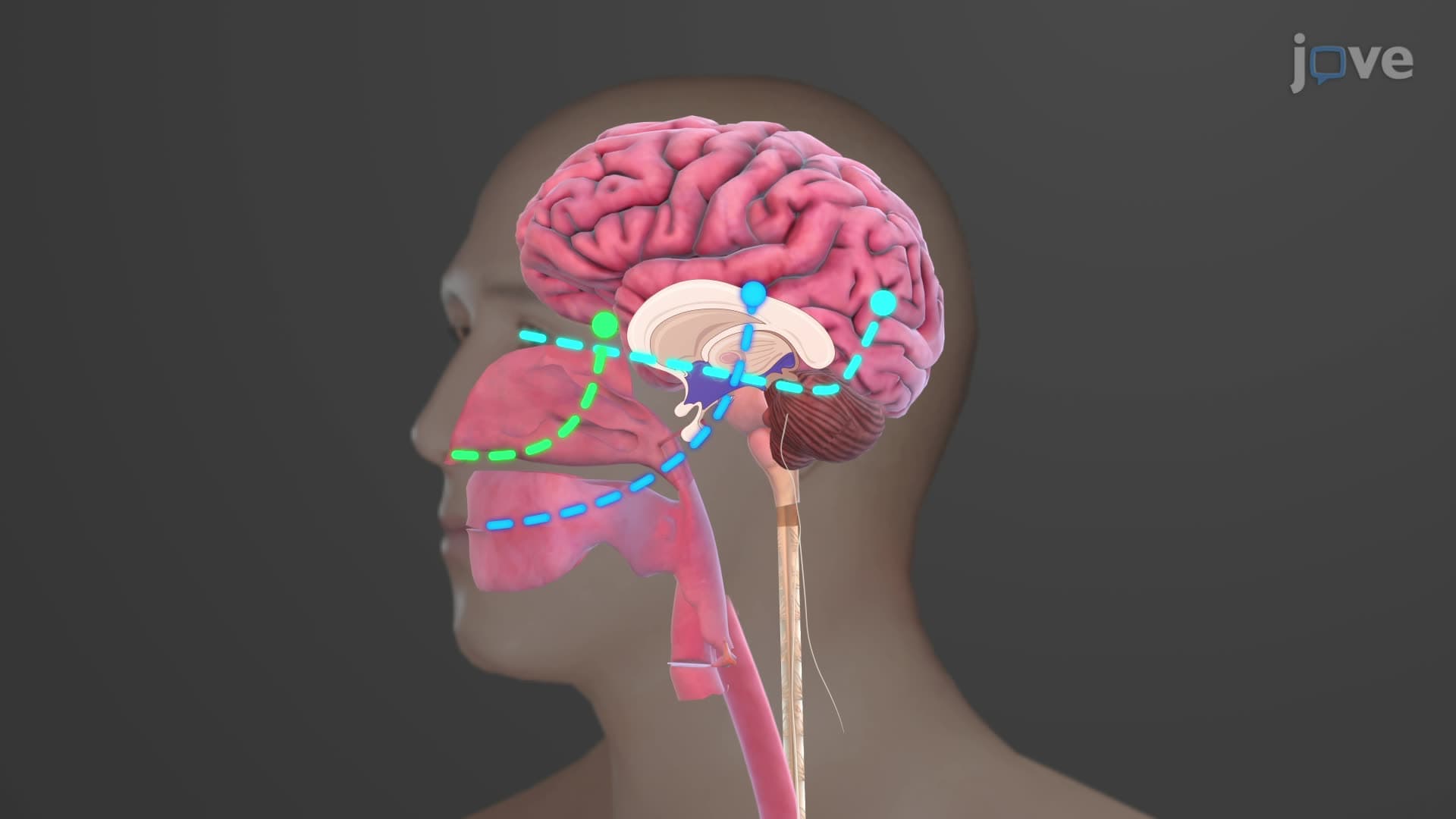
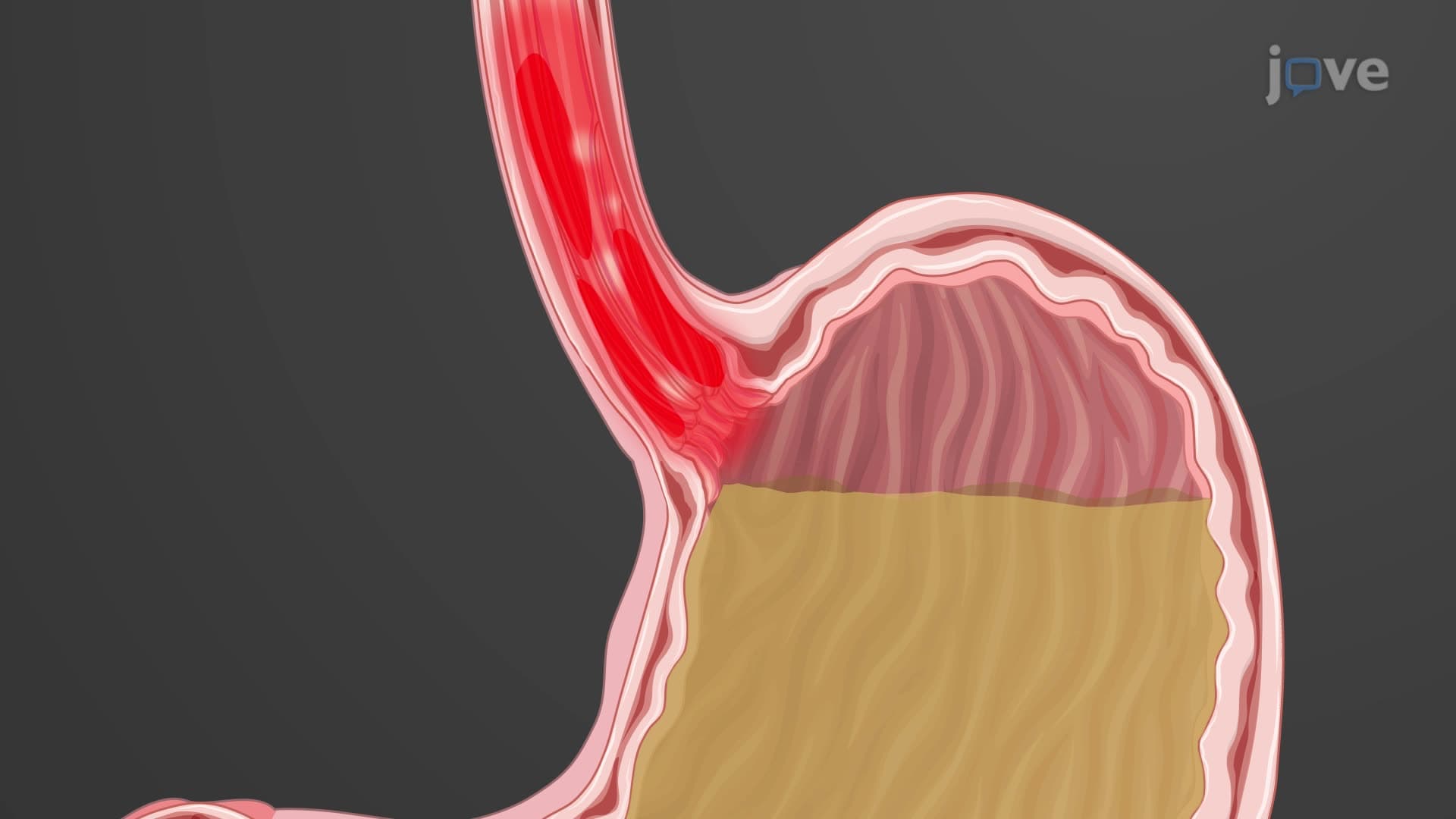
The bolus swallowing pathway involves sophisticated neural coordination between the brainstem and cranial nerves V, VII, IX, X, and XII. The deglutition phases physiology reveals how the medulla oblongata's swallowing center orchestrates this complex sequence. During the esophageal phase, peristaltic waves propel the bolus through sequential muscle contractions, demonstrating the elegant coordination between smooth and skeletal muscle systems.
For college anatomy and physiology students, understanding these mechanisms proves essential for courses at institutions like UCLA or University of Michigan, where digestive physiology forms a cornerstone of pre-health education. MCAT test-takers frequently encounter questions linking deglutition to broader physiological concepts, making this knowledge particularly valuable for exam preparation.
Frequently Asked Questions
Deglutition is the scientific term for swallowing-a complex three-phase process transporting food from mouth to stomach. It's crucial because it coordinates over 25 muscles while protecting your airway from food particles. This process involves both voluntary control (oral phase) and involuntary reflexes (pharyngeal and esophageal phases), making it essential for both nutrition and respiratory safety.
MCAT questions often focus on the neurological control mechanisms and the transition between voluntary and involuntary phases. AP Biology exams typically test the anatomical structures involved and the coordination between different organ systems. Students should understand the cranial nerve involvement, brainstem control centers, and protective mechanisms preventing aspiration.
The oral phase involves voluntary tongue movement pushing the bolus backward. The pharyngeal phase triggers involuntary reflexes-soft palate closes the nasopharynx, epiglottis covers the larynx, and the upper esophageal sphincter relaxes. The esophageal phase uses peristaltic waves to transport the bolus to the stomach through coordinated muscle contractions.
Stroke patients at centers like Cleveland Clinic often develop dysphagia (swallowing disorders), requiring speech therapy rehabilitation. Gastroesophageal reflux disease (GERD) affects the lower esophageal sphincter function. Understanding normal deglutition helps healthcare providers diagnose and treat these conditions affecting millions of Americans annually.
Not at all-while the coordination is complex, the basic concept builds on familiar experiences everyone has with swallowing. Students who understand basic anatomy and can visualize the mouth, throat, and esophagus can grasp these concepts. Breaking it into the three phases makes the process much more manageable to learn and remember.
Create a flowchart showing the three phases with key anatomical structures and neural controls for each step. Practice with clinical scenarios and MCAT-style questions linking swallowing to other physiological systems. Focus on understanding the transition points between phases and the protective mechanisms that prevent choking or aspiration.
Multiple cranial nerves coordinate deglutition: trigeminal (V) for jaw muscles, facial (VII) for taste and some mouth muscles, glossopharyngeal (IX) for pharyngeal sensation and swallowing reflex initiation, and vagus (X) for pharyngeal and esophageal muscle control. The hypoglossal nerve (XII) controls tongue movements crucial for the oral phase.
Deglutition connects to gastric function, neural control of digestion, and smooth muscle physiology throughout the GI tract. Students can explore esophageal motility disorders, the role of the enteric nervous system, and how swallowing integrates with broader digestive reflexes and hormonal controls.
Related Micro-courses
25 Concepts

25 Concepts

20 Concepts