Loading video…


 40 Concepts
 89.8K views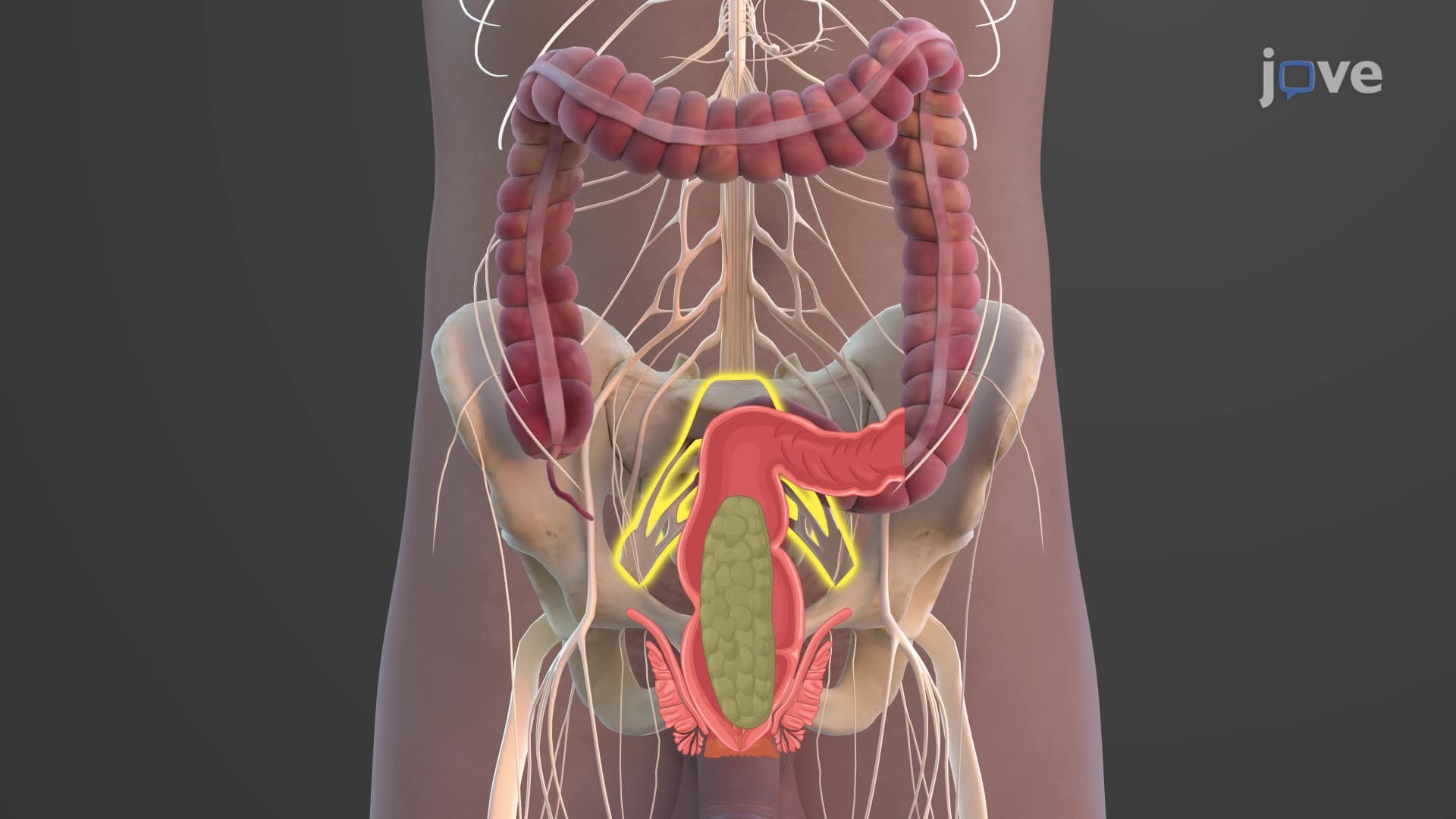

Video Summary: What Is Feces Formation and Defecation
Did you know the average American produces about 1 ounce of feces per 12 pounds of body weight daily? Understanding feces formation defecation biology reveals how your digestive system transforms liquid chyme into solid waste through precise water absorption and neural coordination. For instance, patients with spinal cord injuries at Johns Hopkins often struggle with defecation reflexes, highlighting the complex nervous system control involved in this essential biological process. What is Feces Formation And Defecation encompasses both the physical transformation of digestive material and the sophisticated reflex mechanisms that enable waste elimination. Watch the full video on JoVE Coach to master this concept with expert-led visuals and step-by-step explanations.
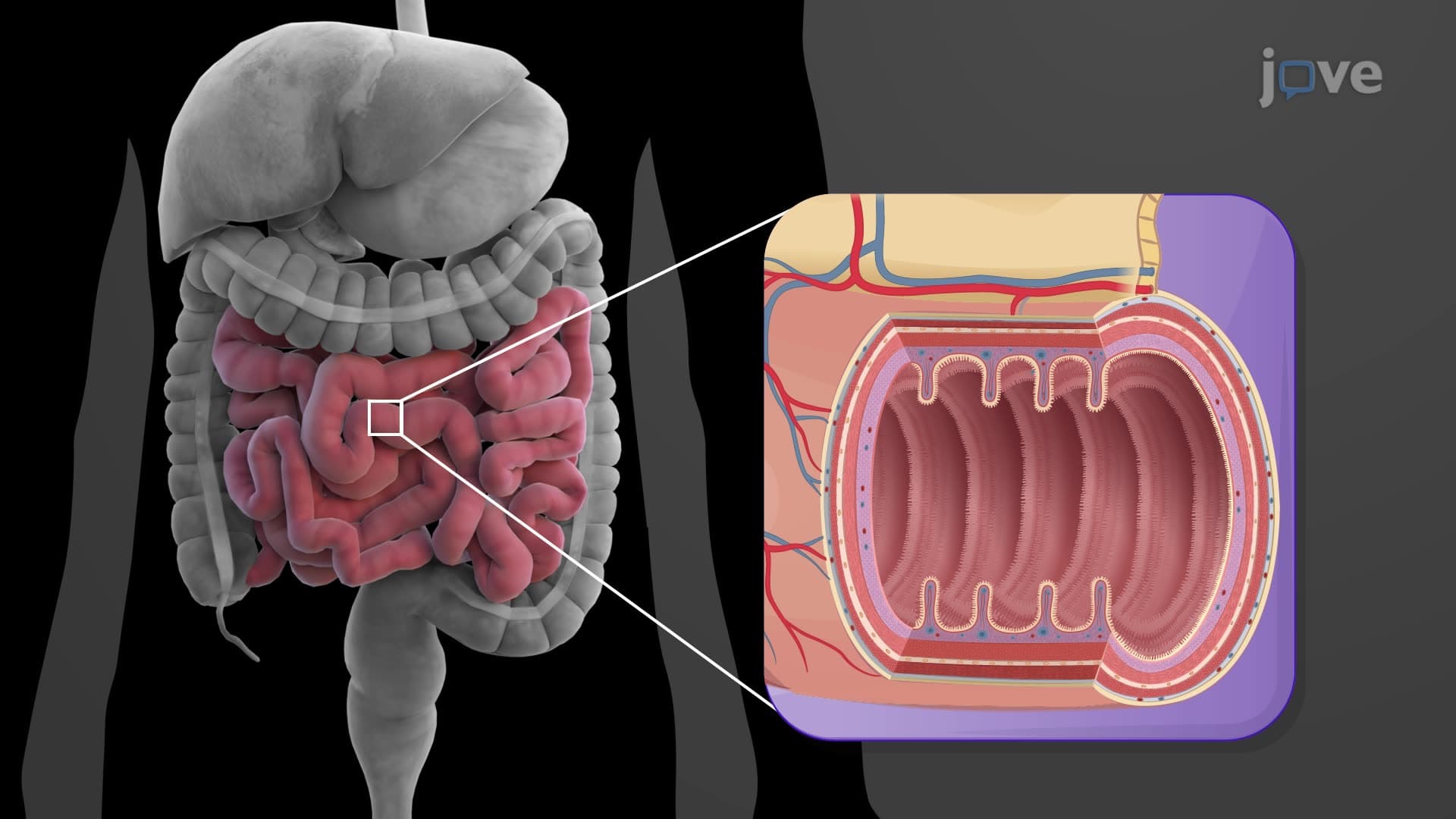
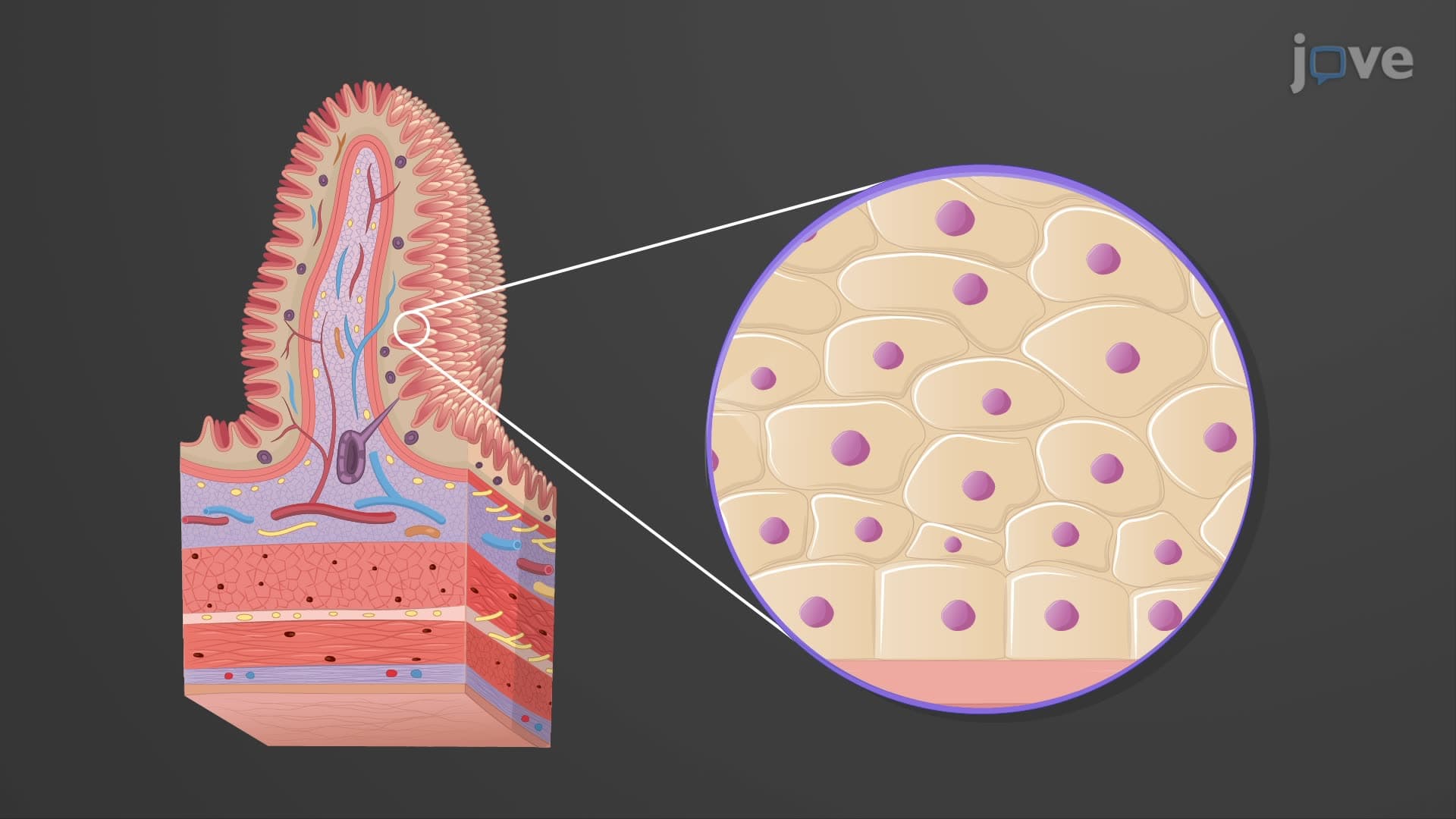
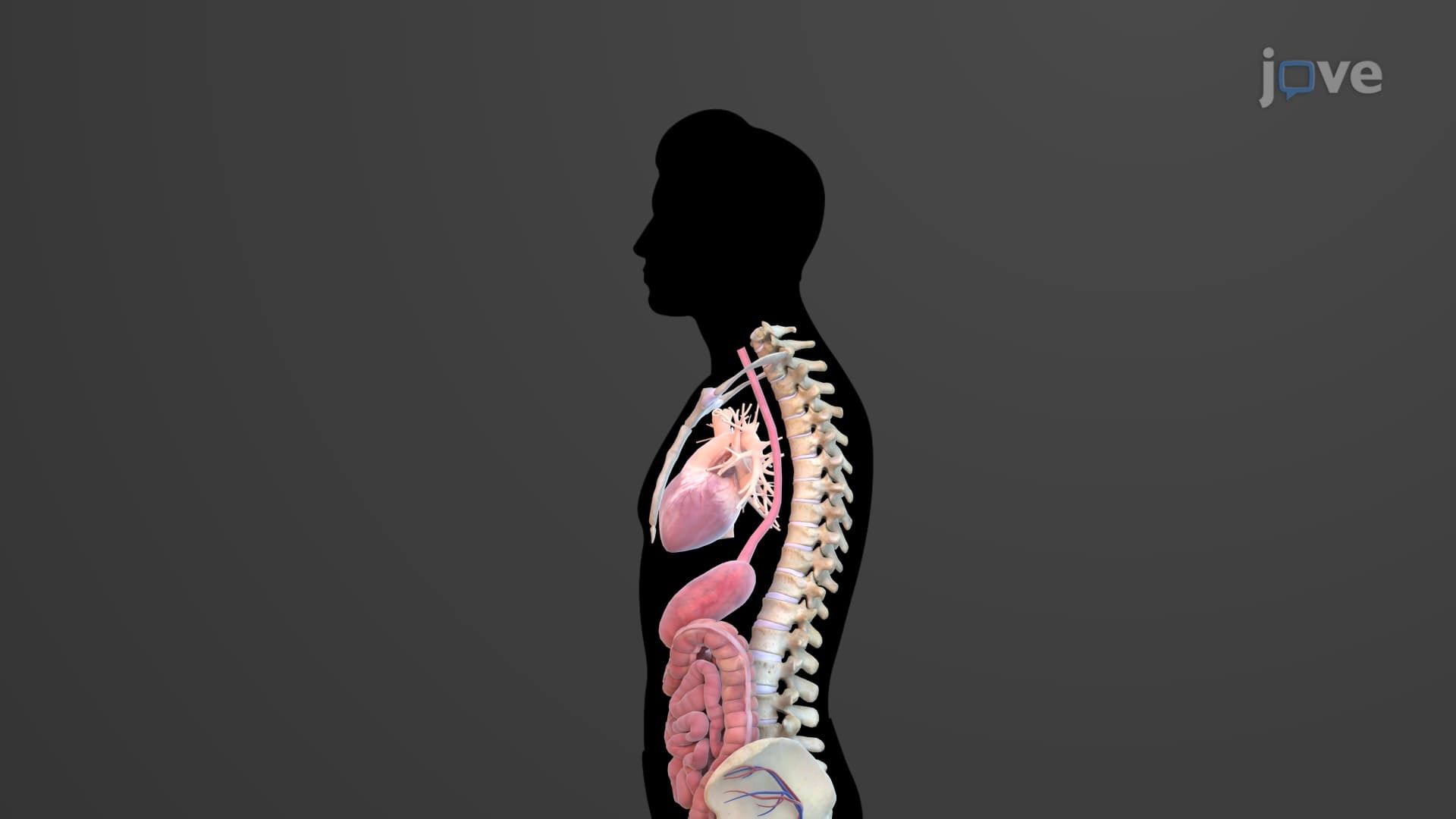
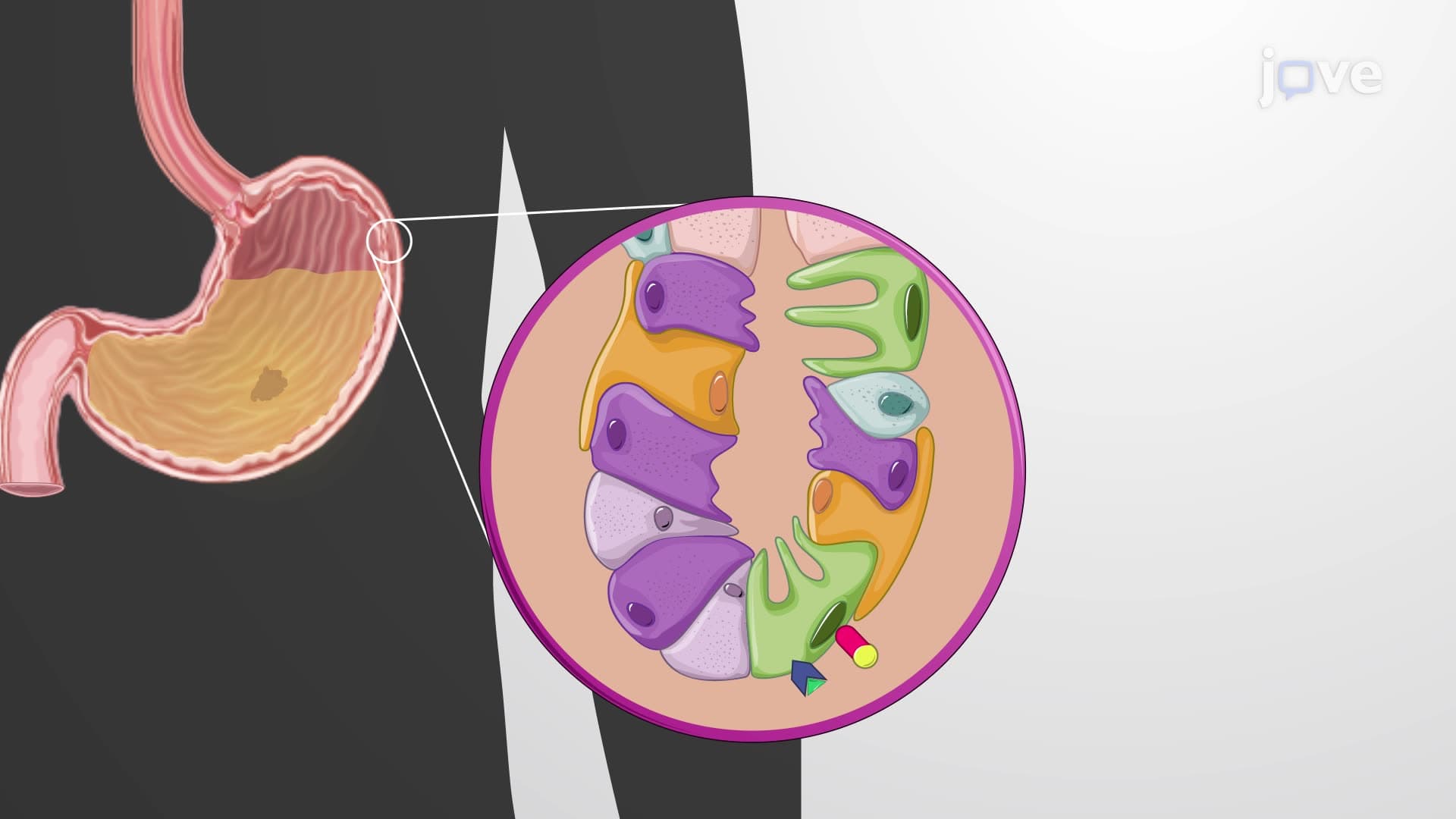
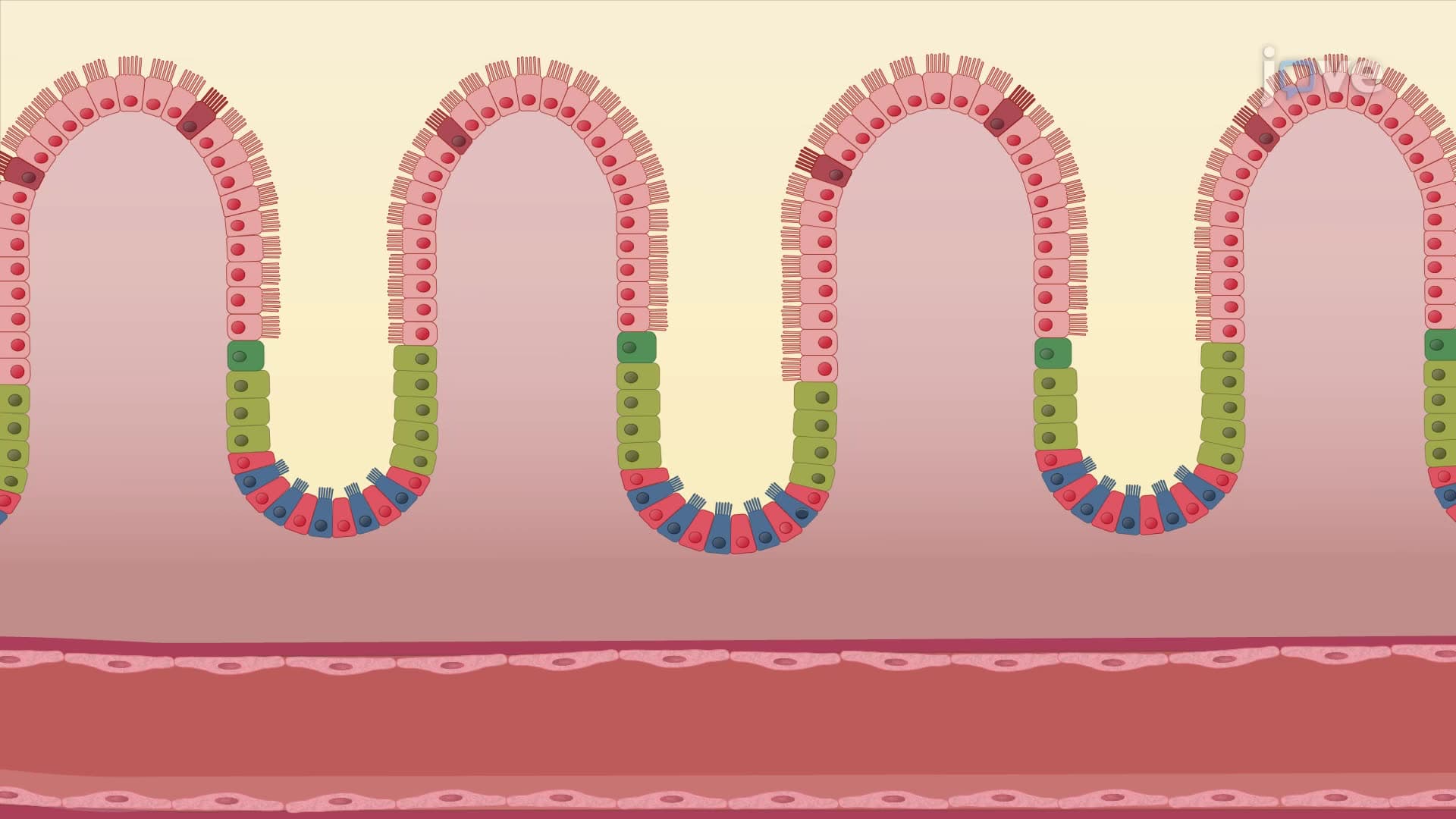
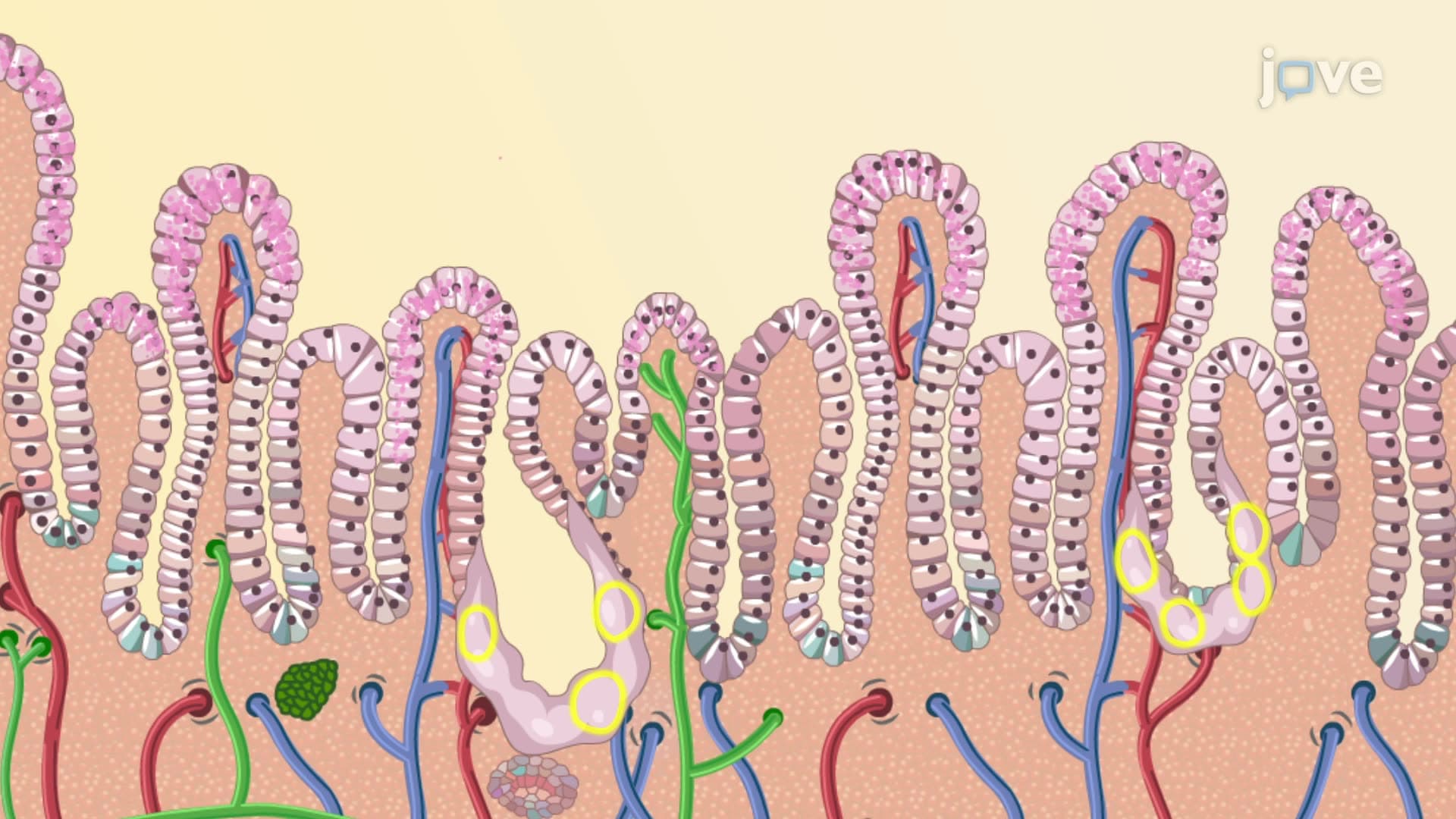
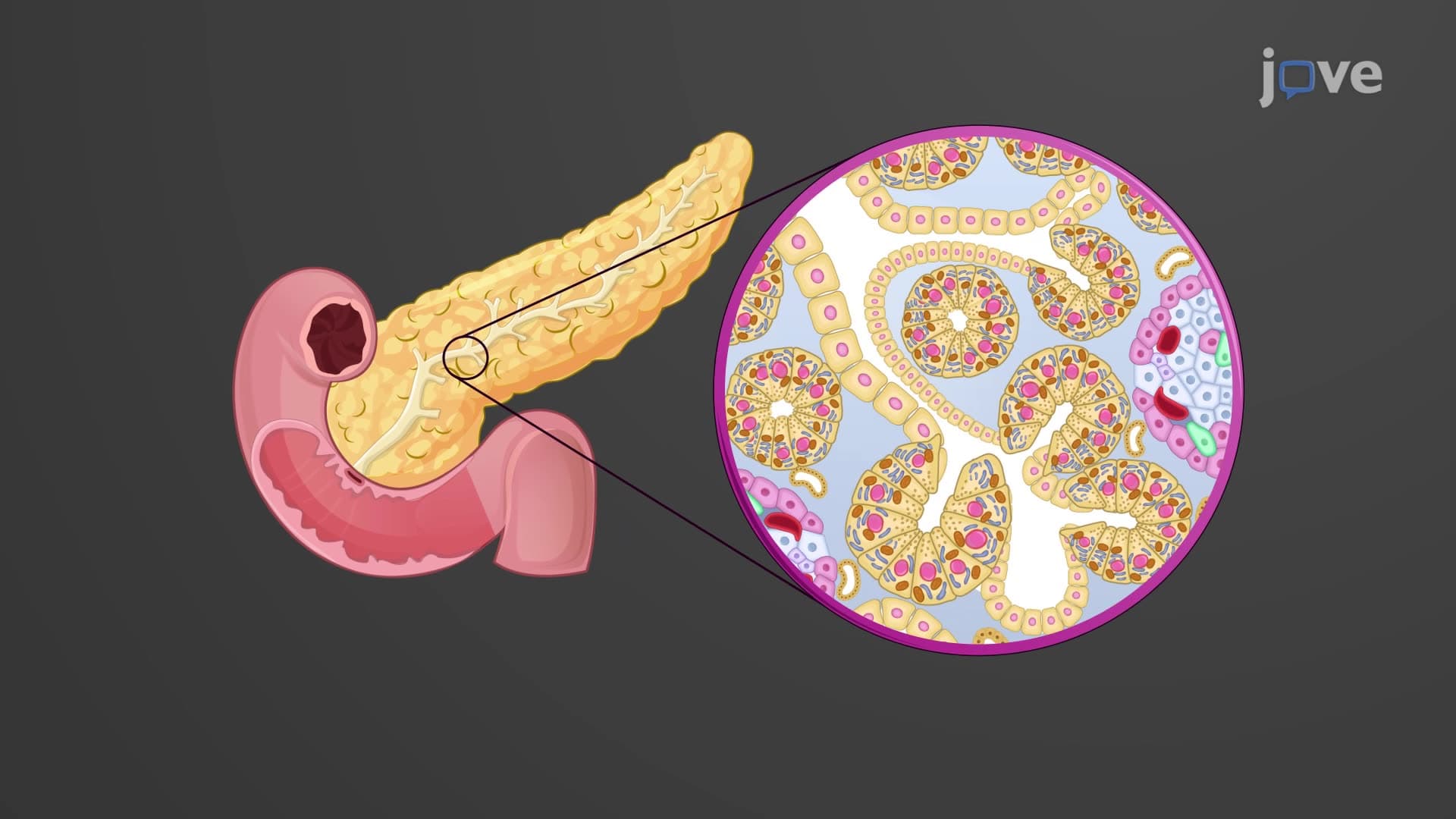
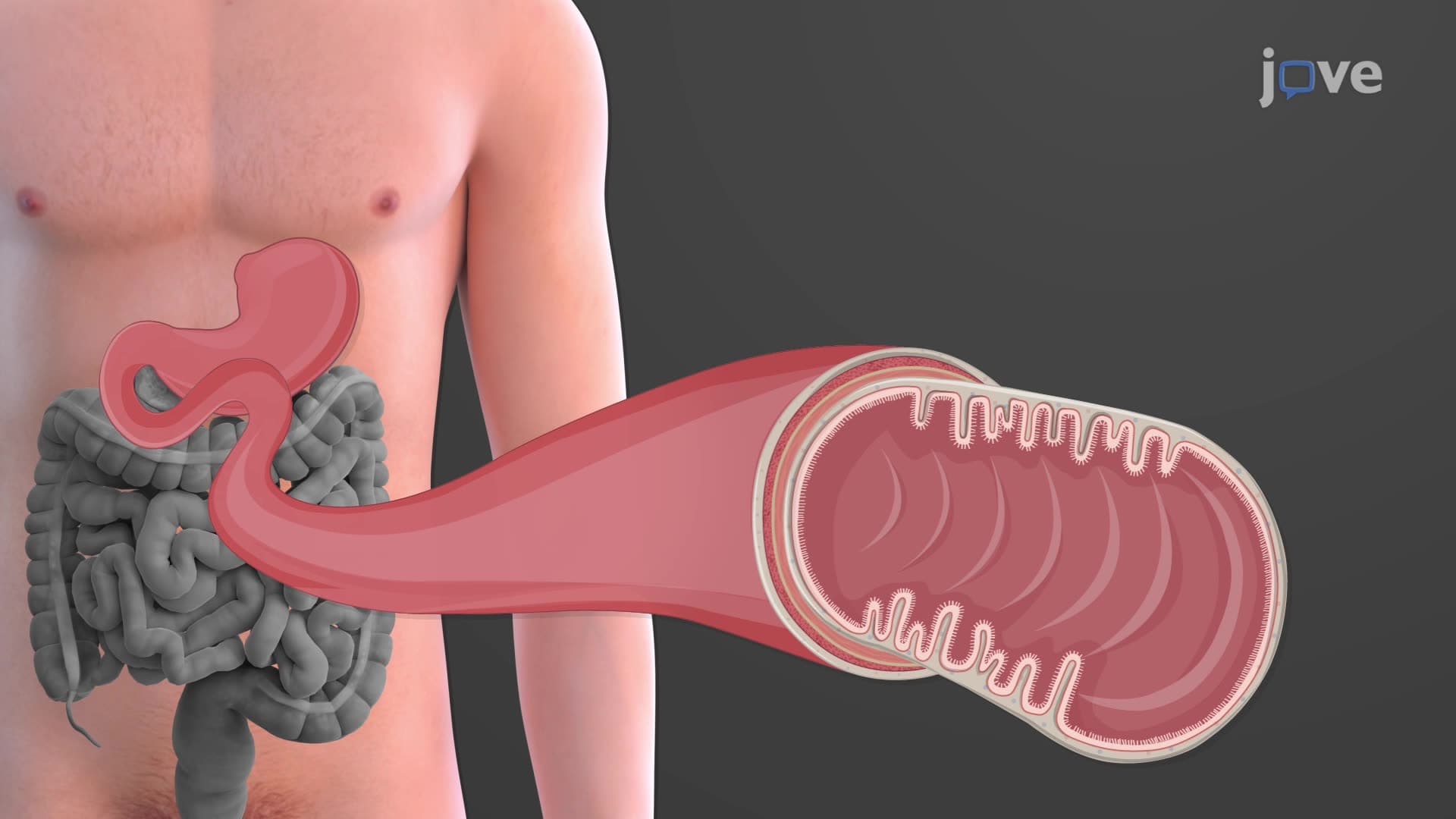
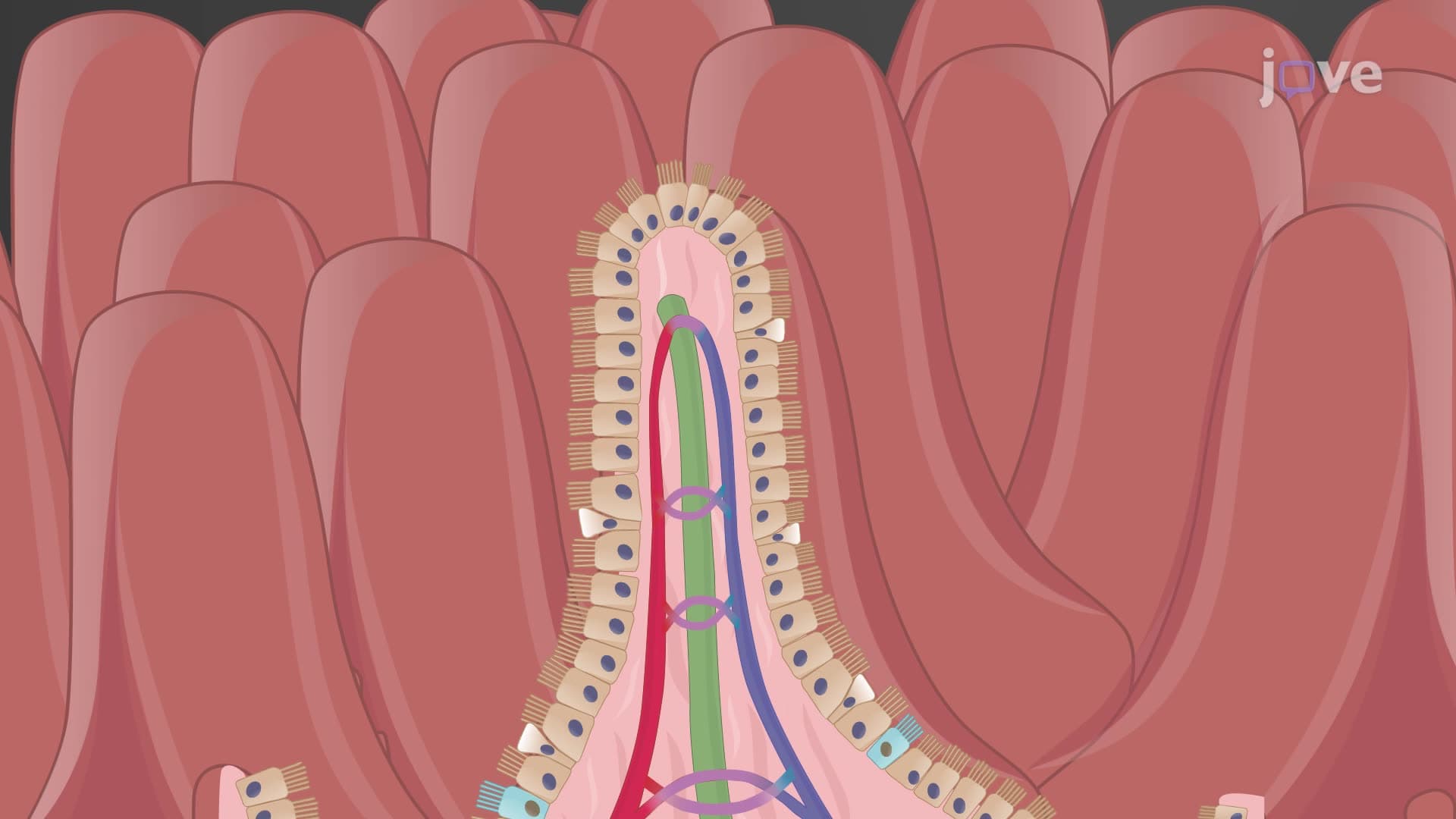
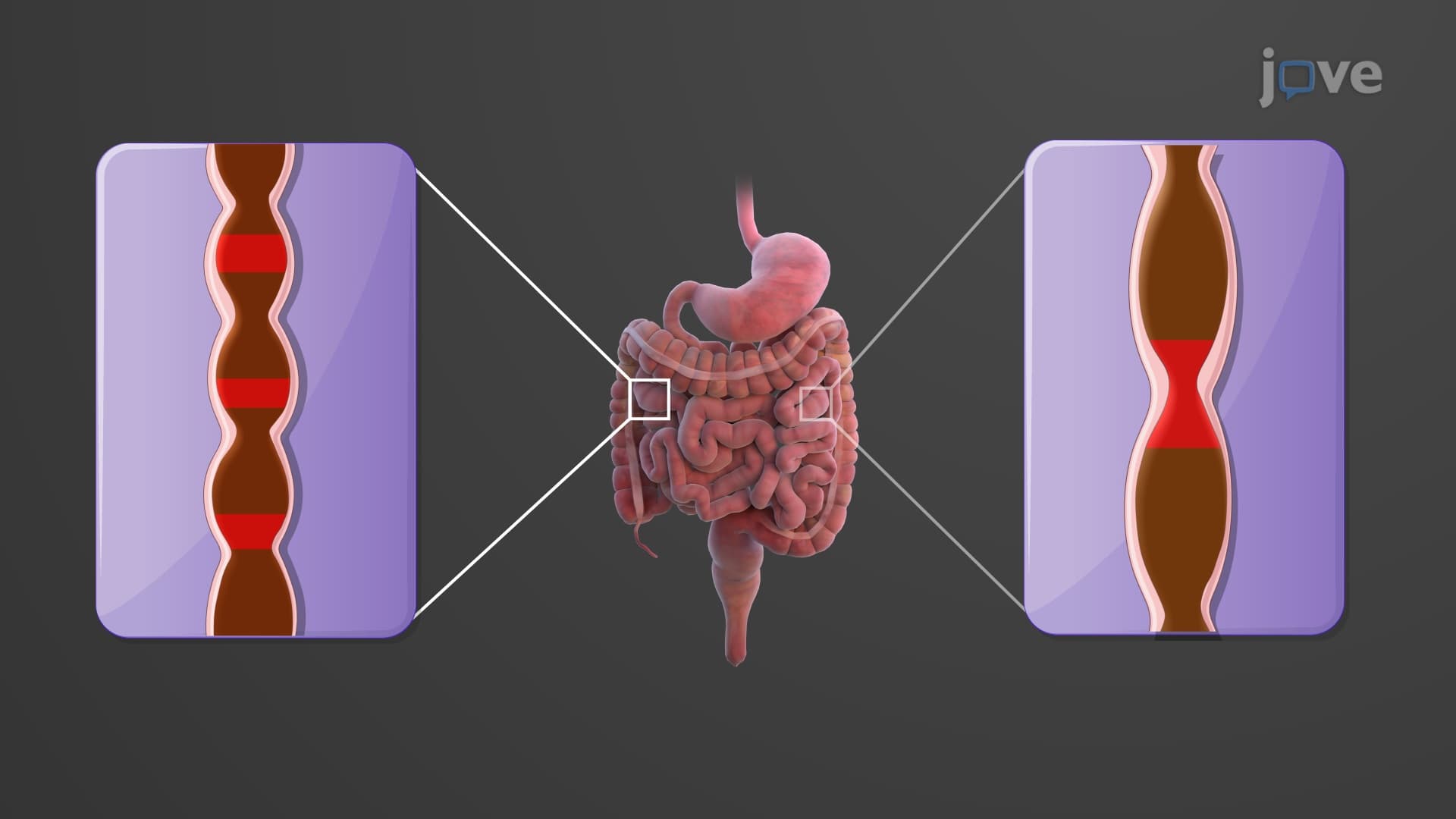
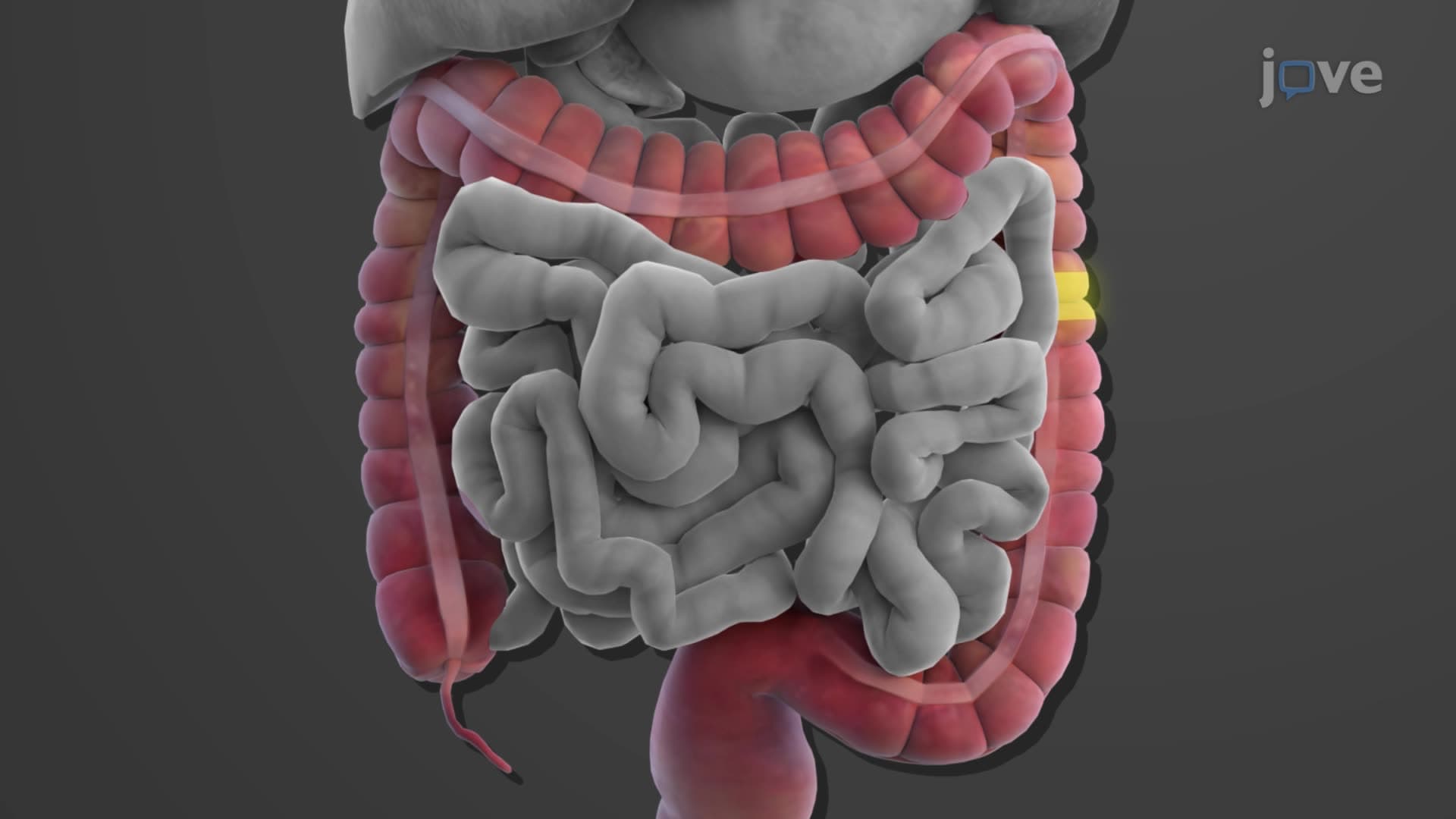
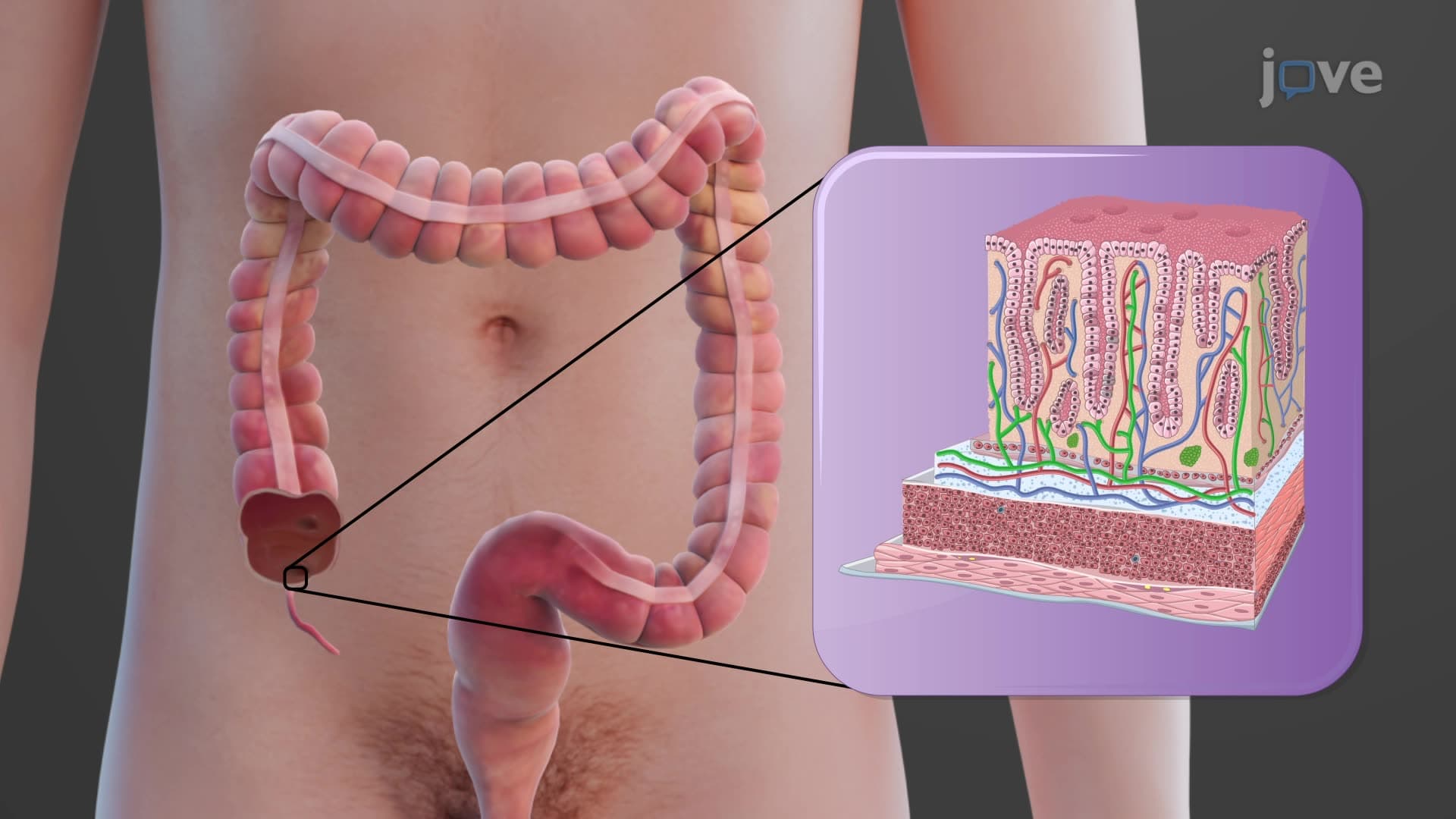
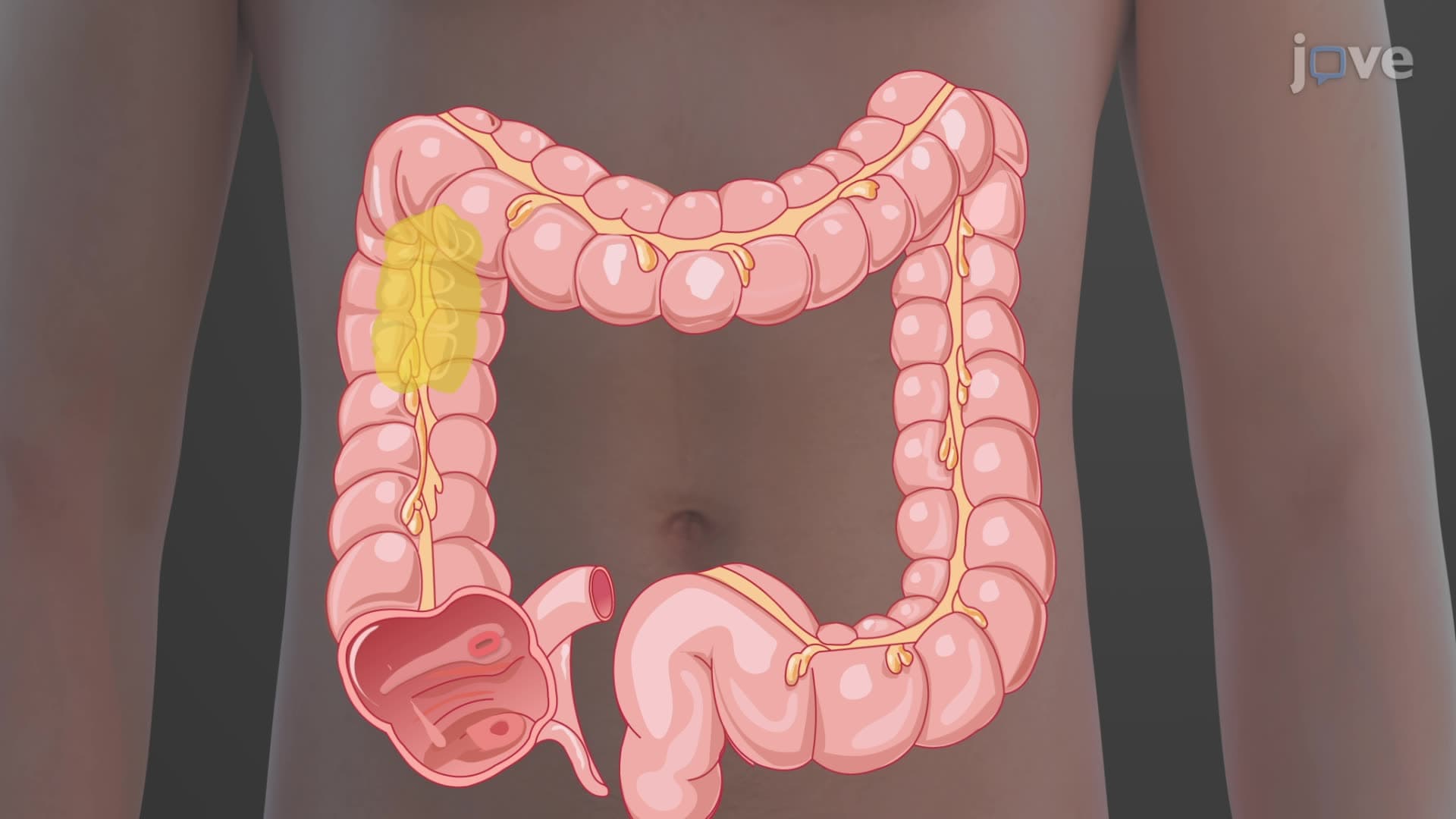
The transformation of liquid chyme into solid fecal matter represents one of the digestive system's most crucial functions. After spending 3-10 hours in the large intestine, chyme undergoes dramatic water reabsorption, losing approximately 80-85% of its fluid content. This process occurs primarily in the ascending and transverse colon, where specialized epithelial cells actively transport sodium and passively absorb water, concentrating the remaining material into the semisolid consistency we recognize as normal stool.
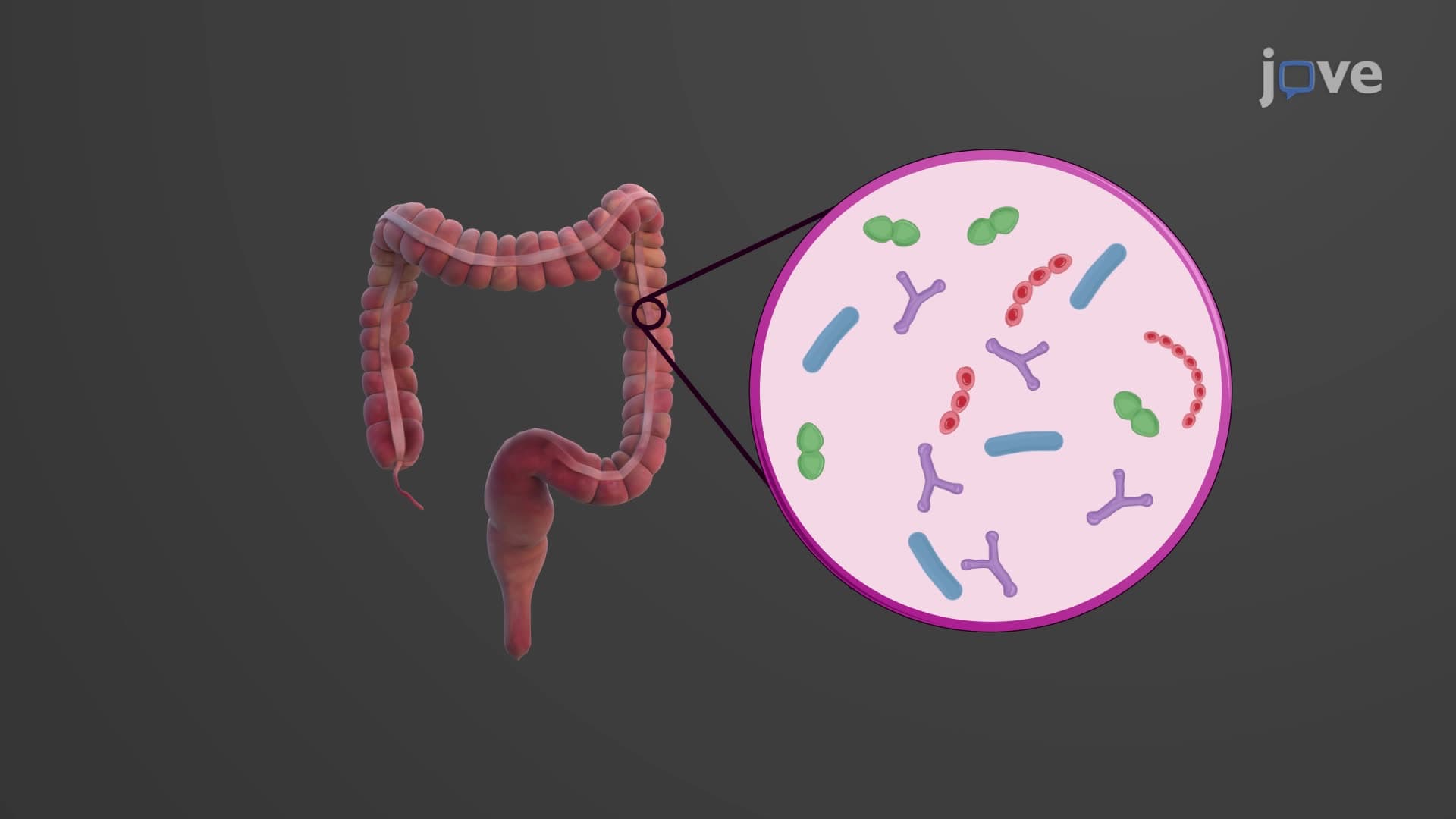
Fecal material water content varies between 60-75% in healthy individuals, with the remaining solid portion consisting of remarkable diversity. Undigested dietary fiber, particularly cellulose from plant cell walls, provides structural bulk that's essential for normal bowel movements. The Cleveland Clinic reports that approximately 25-30% of fecal dry weight consists of bacteria, highlighting the gut microbiome's substantial contribution to waste composition. Sloughed epithelial cells from the intestinal lining and mucus secretions complete the mixture, creating a complex ecosystem that reflects overall digestive health.
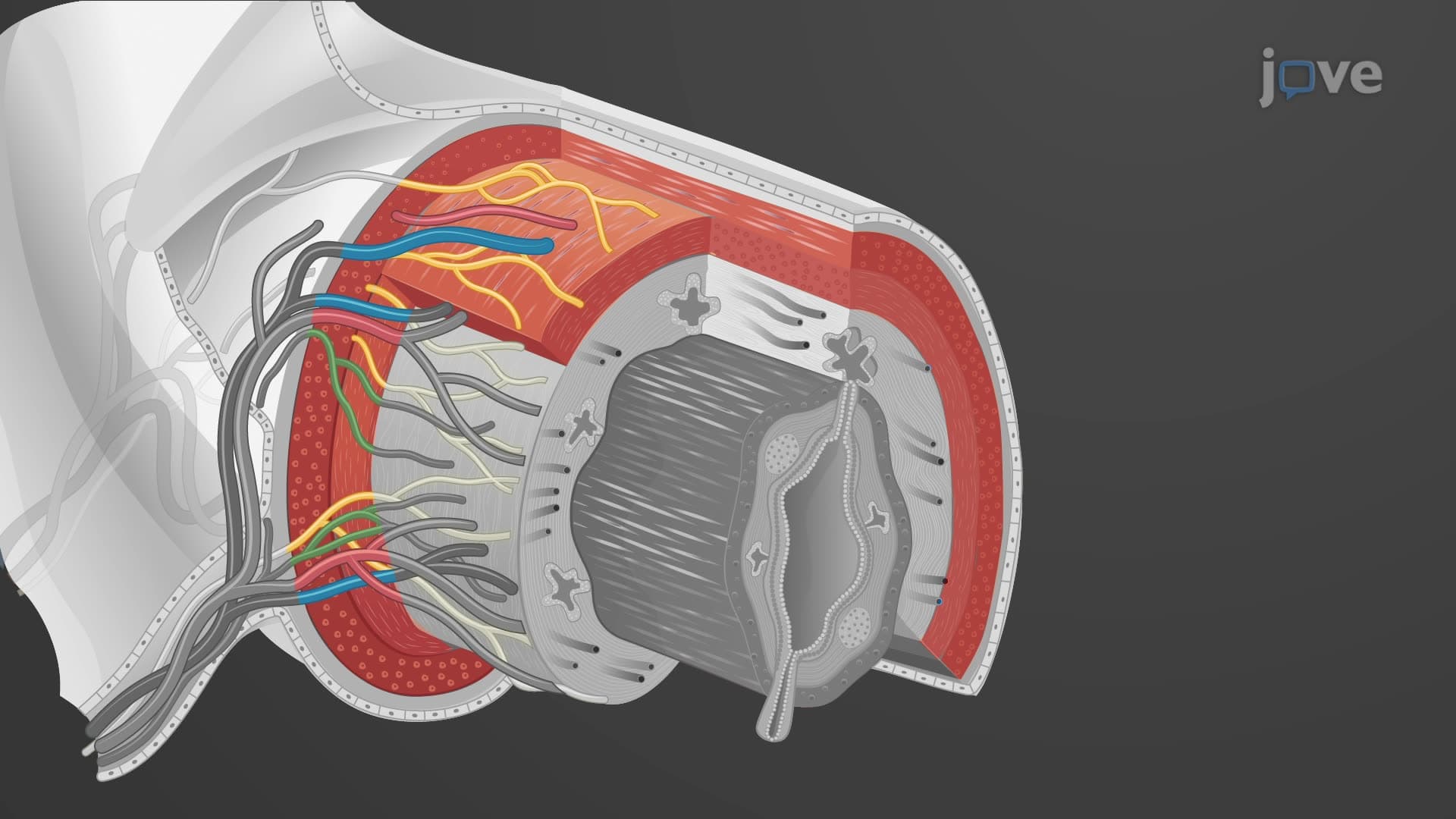
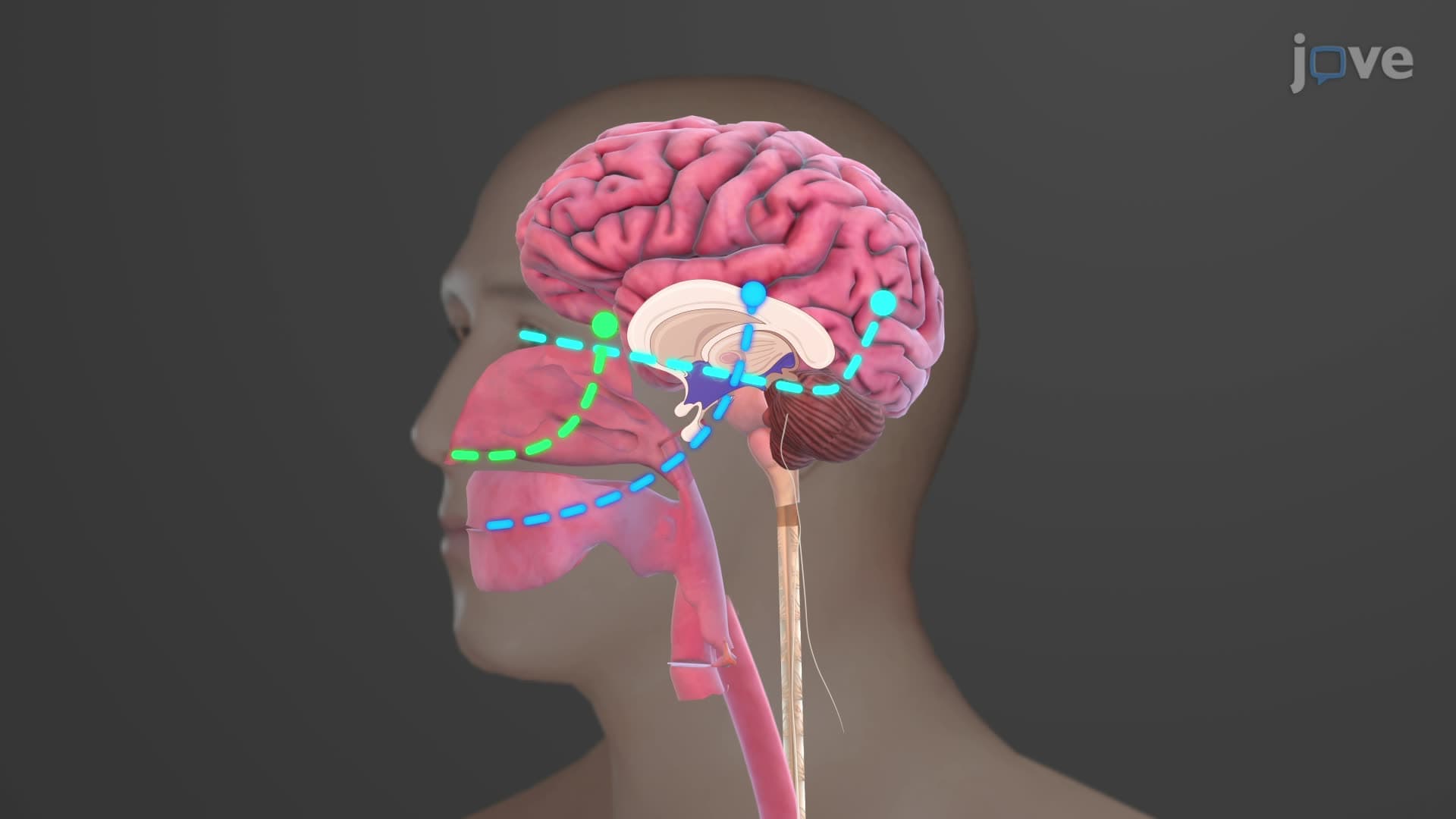
The defecation reflex mechanism involves sophisticated neural coordination between the enteric, parasympathetic, and somatic nervous systems. When fecal matter enters the normally empty rectum through mass movement defecation, stretch receptors in the rectal walls detect distension pressures around 15-20 mmHg. This triggers the short reflex through the myenteric plexus, stimulating local contractions in the sigmoid colon and rectum. Simultaneously, the long reflex activates parasympathetic motor neurons in the S2-S4 sacral segments, enhancing peristaltic waves throughout the lower colon.
Understanding the stool formation process proves essential for MCAT preparation, particularly in passages addressing gastrointestinal physiology and autonomic nervous system function. Medical students at institutions like Harvard Medical School frequently encounter defecation reflex questions on Step 1 USMLE exams, especially regarding the dual control of internal external sphincter function. The internal anal sphincter, composed of smooth muscle under involuntary control, relaxes reflexively during defecation. In contrast, the external anal sphincter consists of skeletal muscle innervated by pudendal nerves, allowing voluntary control over the timing of waste elimination-a distinction crucial for understanding fecal incontinence and constipation pathophysiology.
Related Micro-courses