Loading subject page…

- Anatomy and Physiology
- Digestive System
- Gastric Emptying
Micro-course: Digestive System
89,748 views
Learn key concepts and earn your certificate.
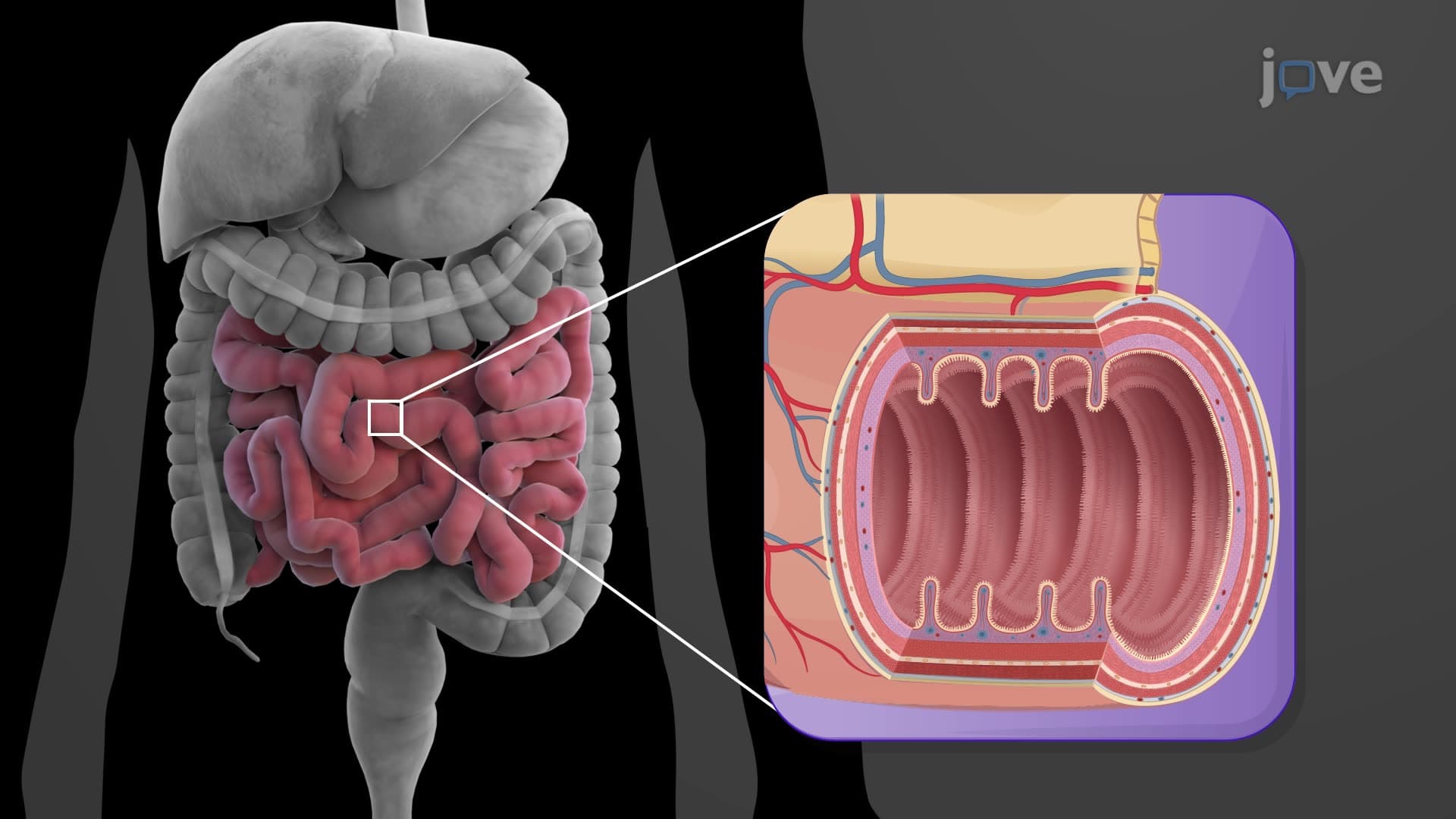

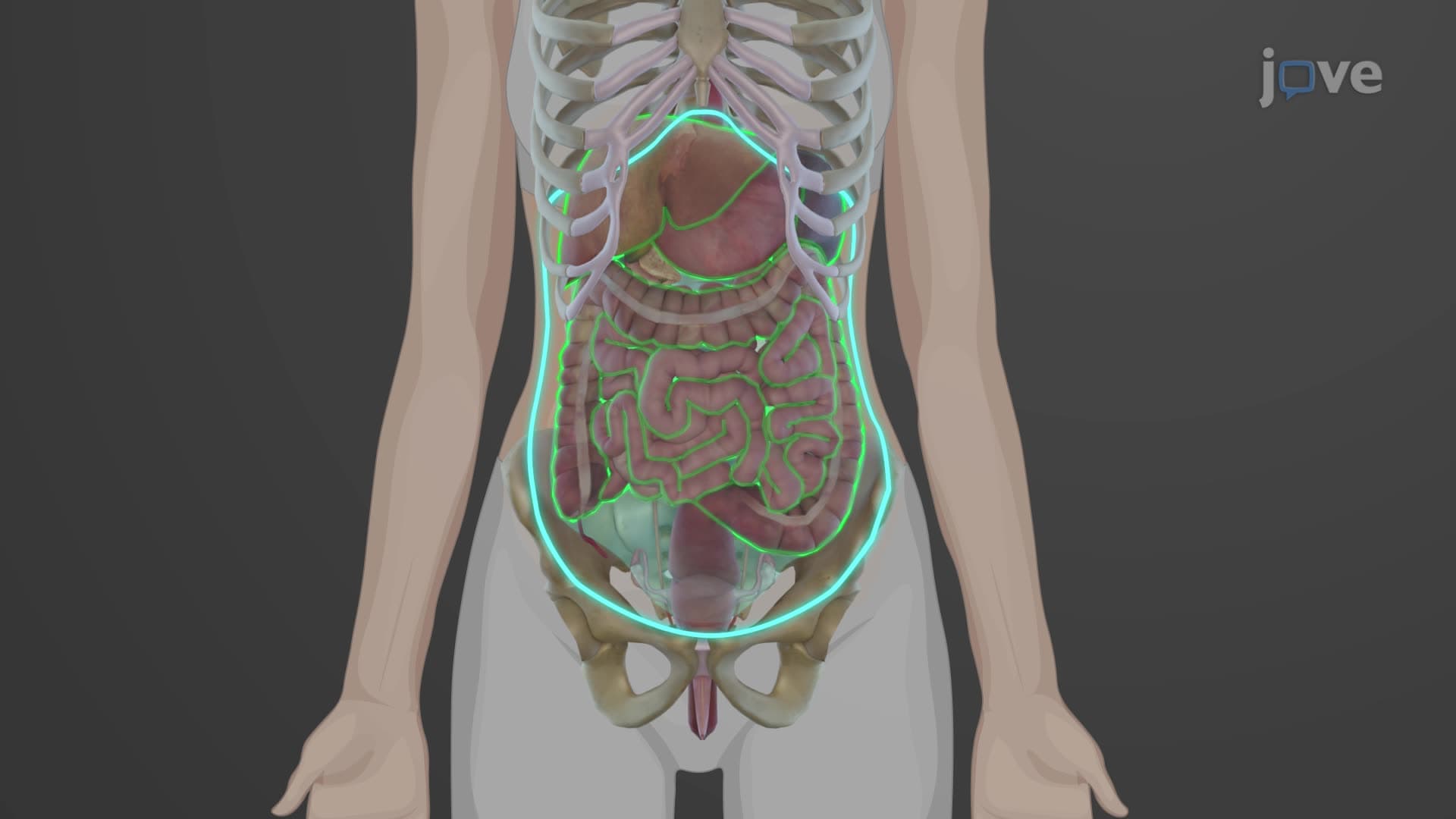
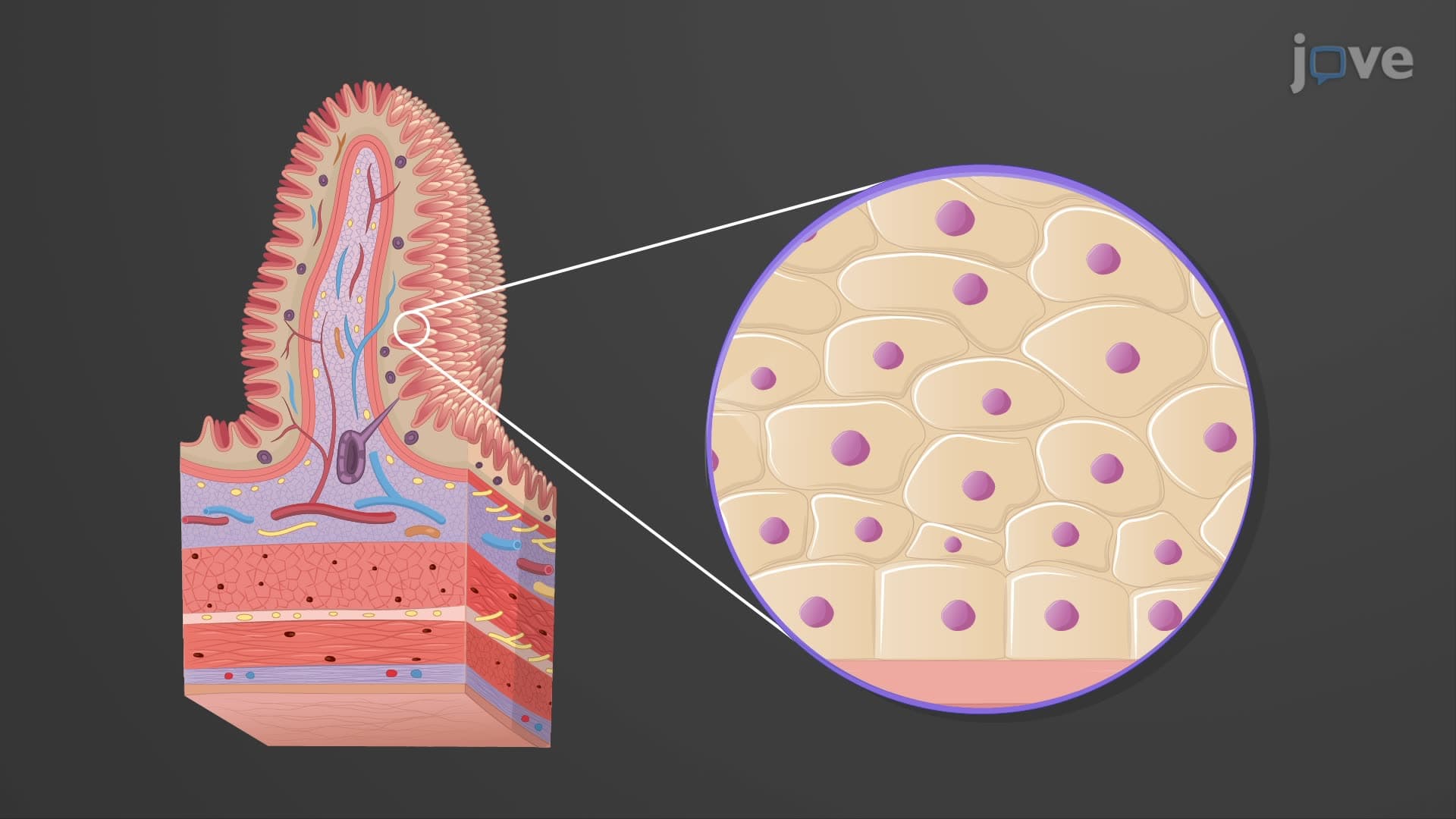
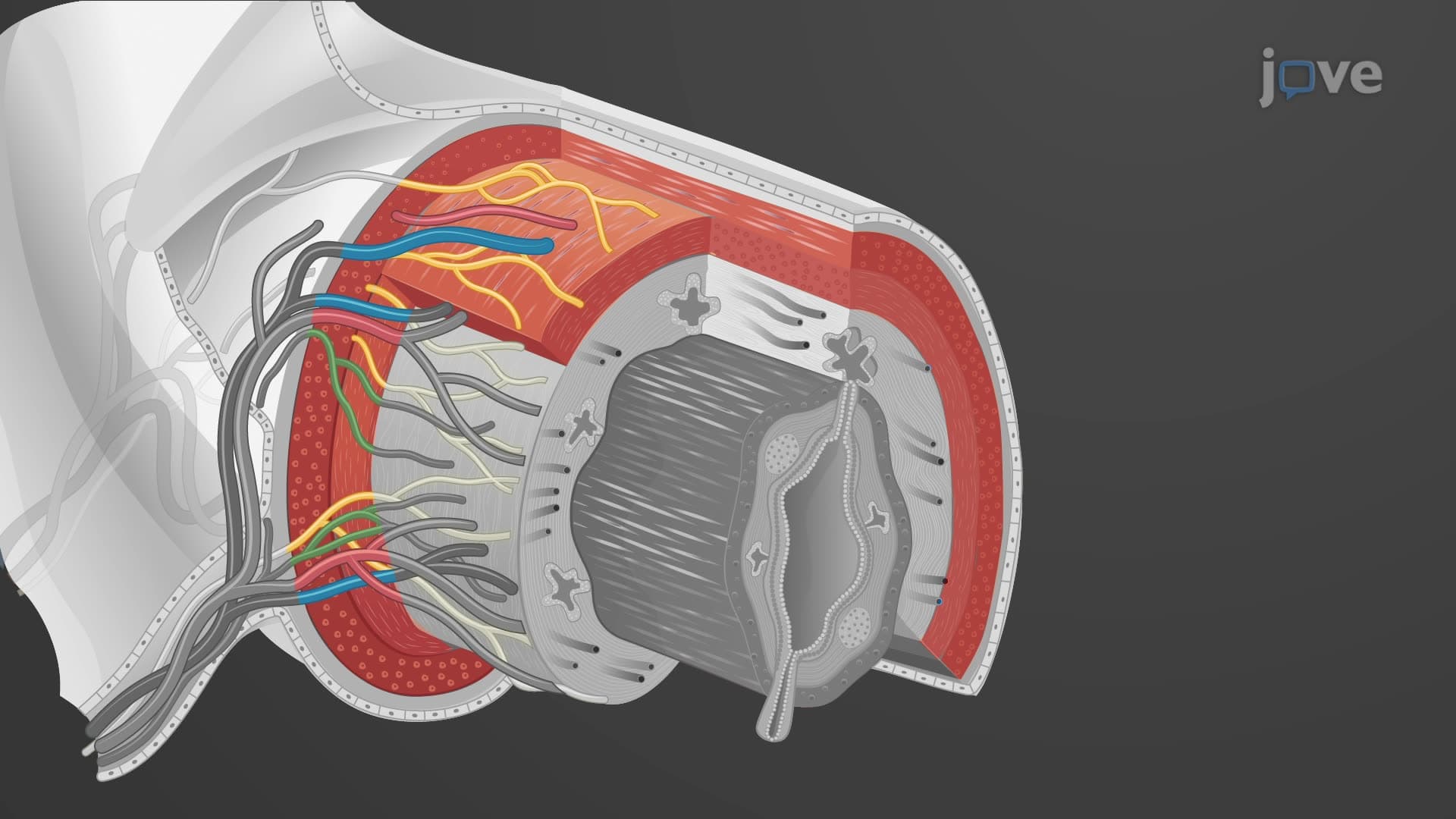

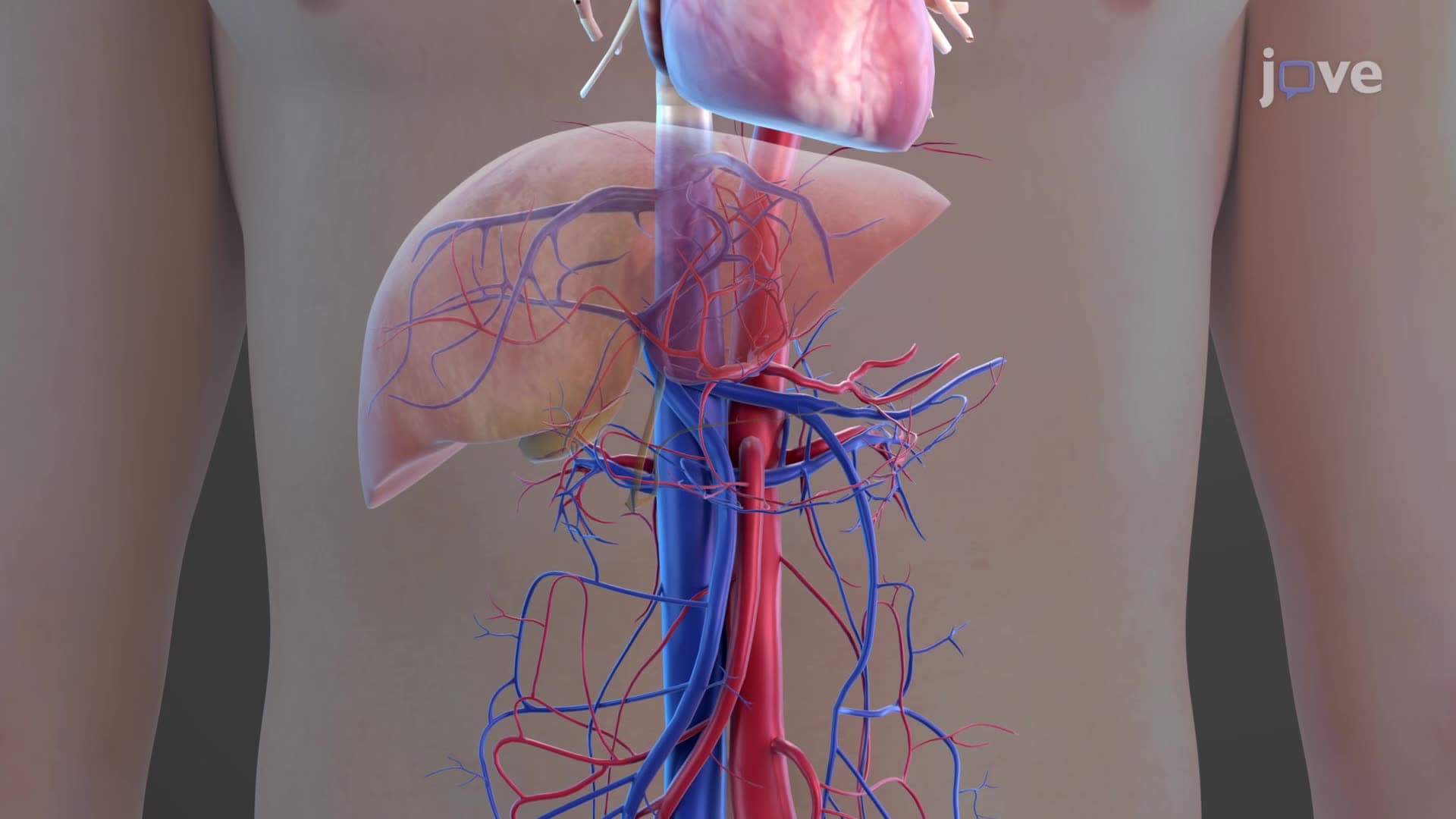
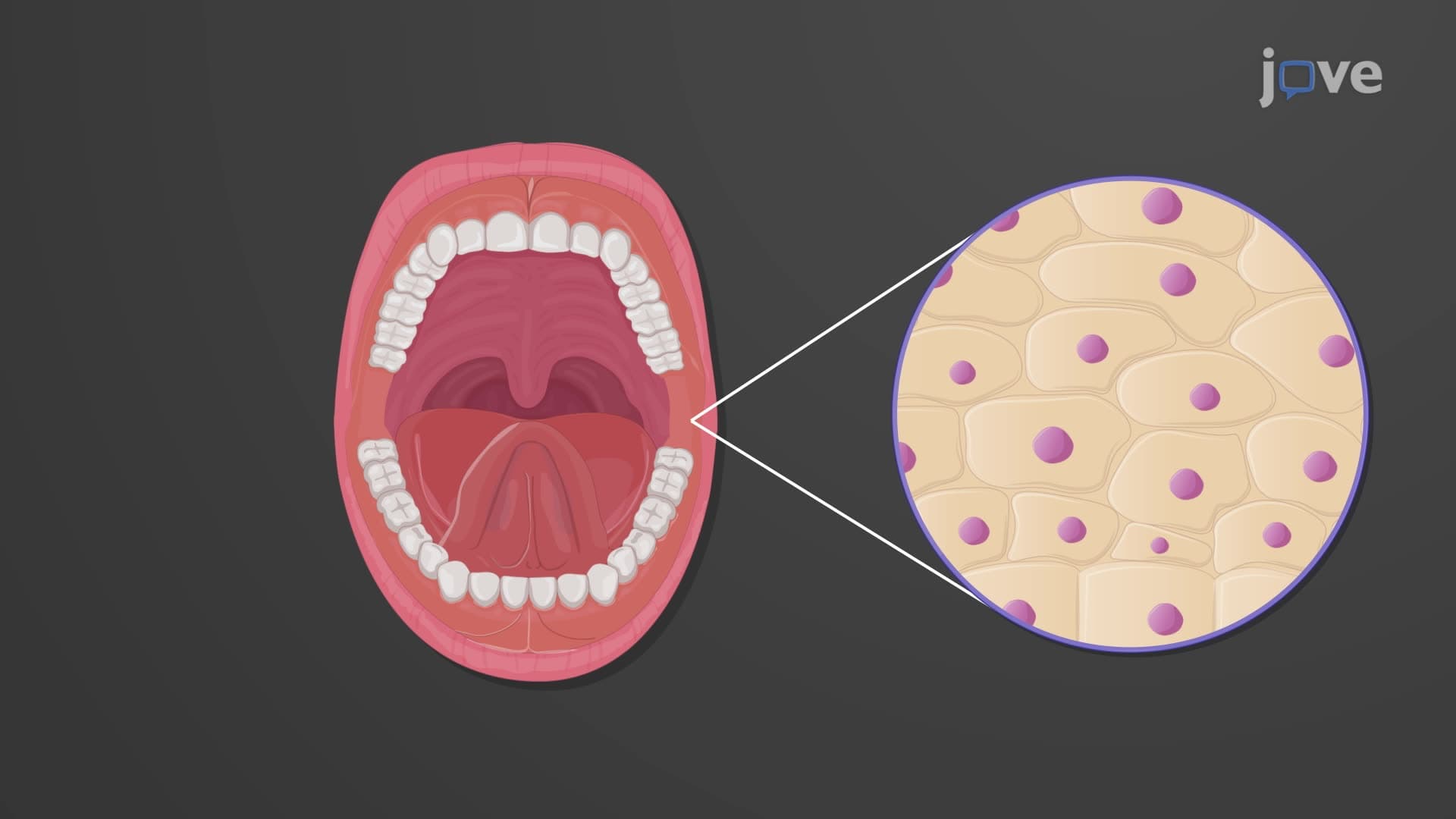
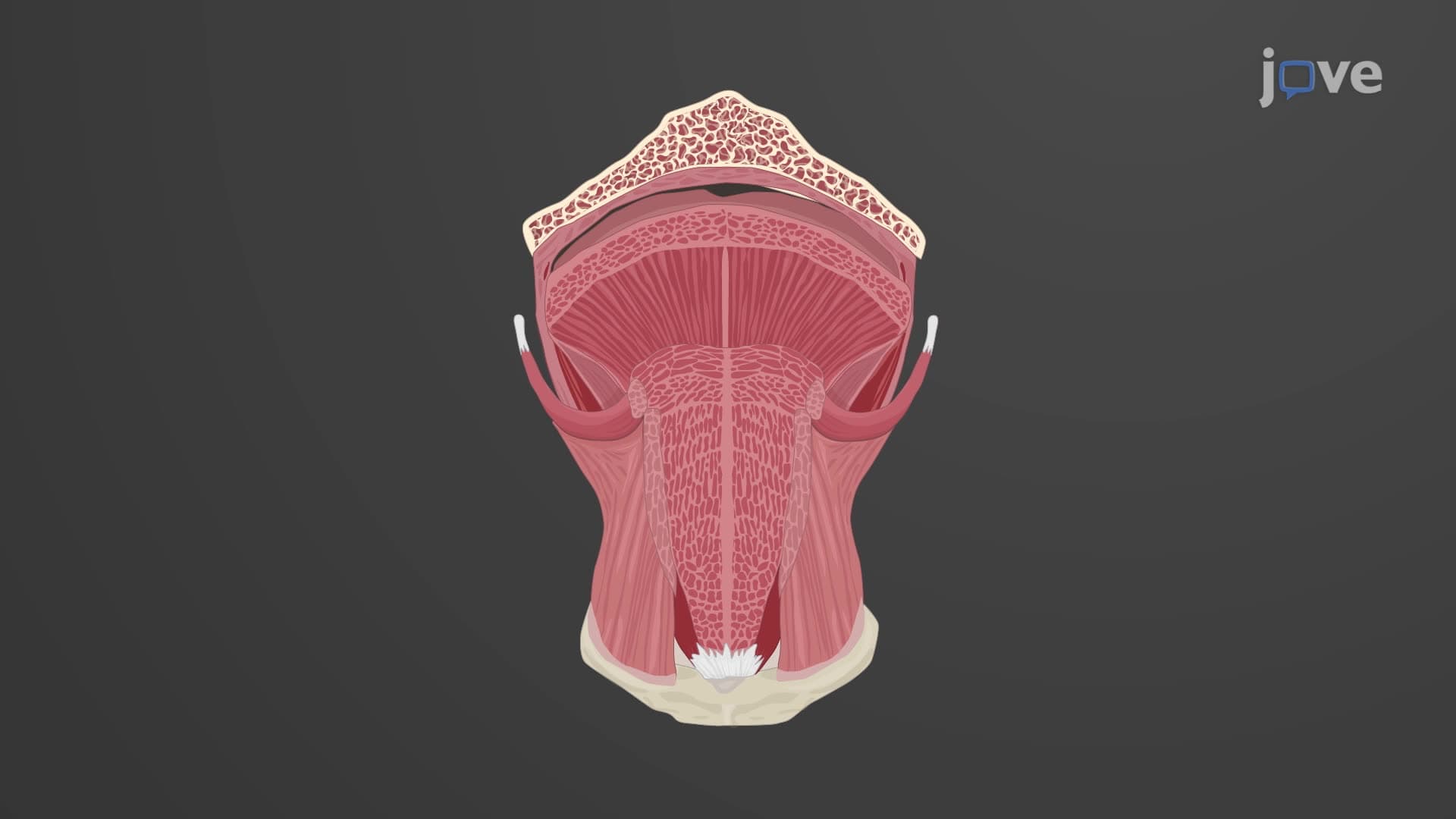

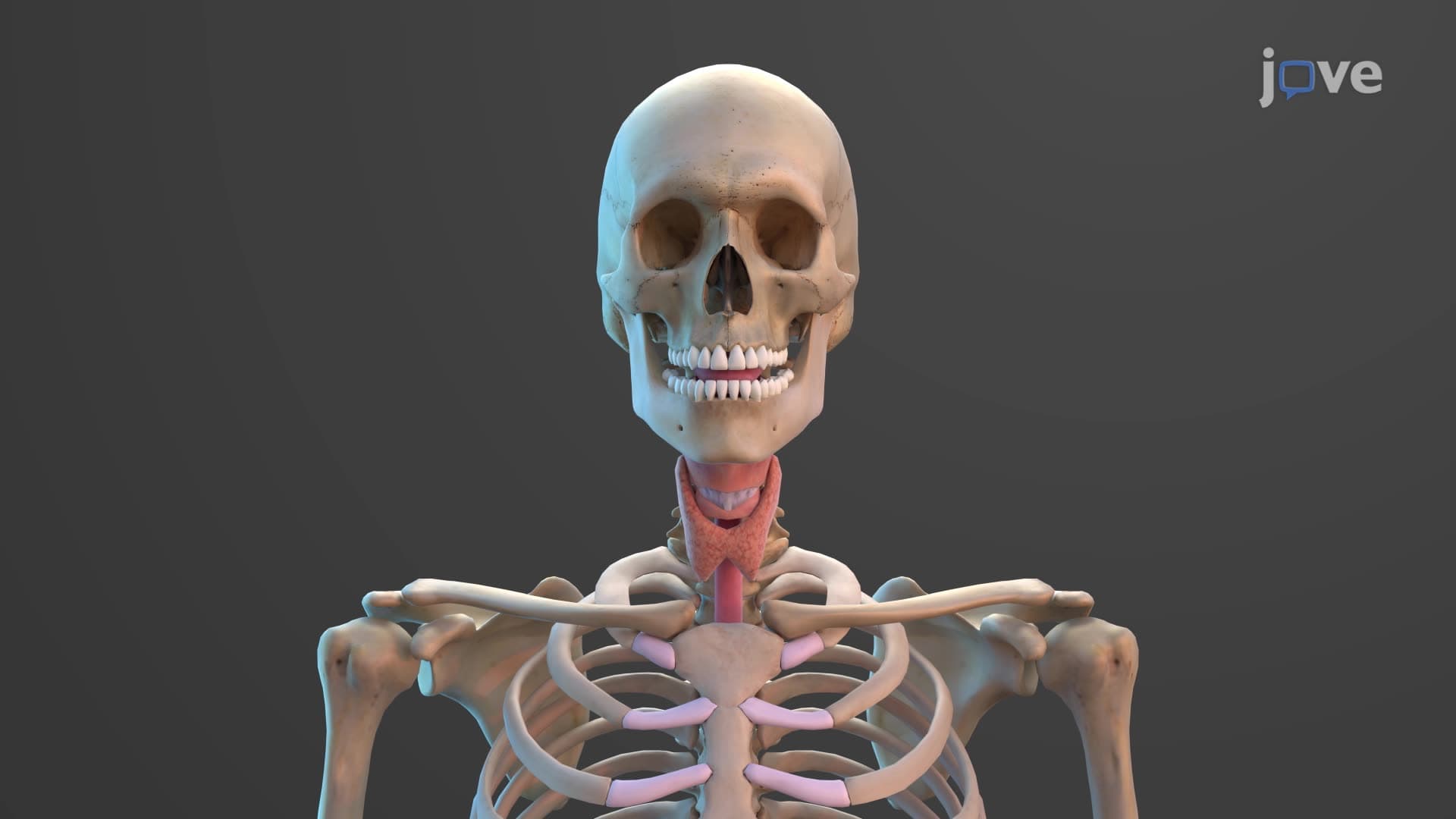

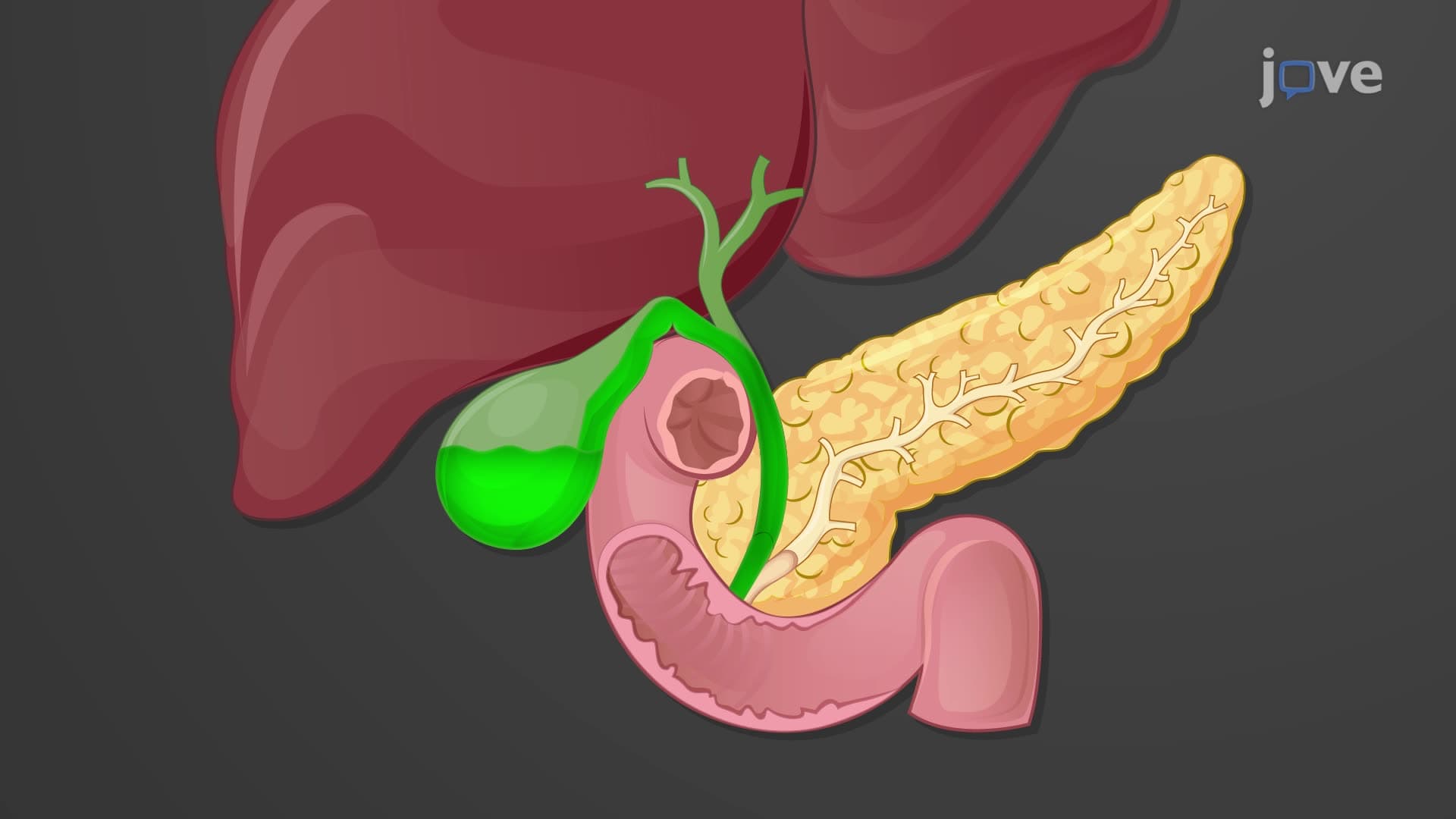
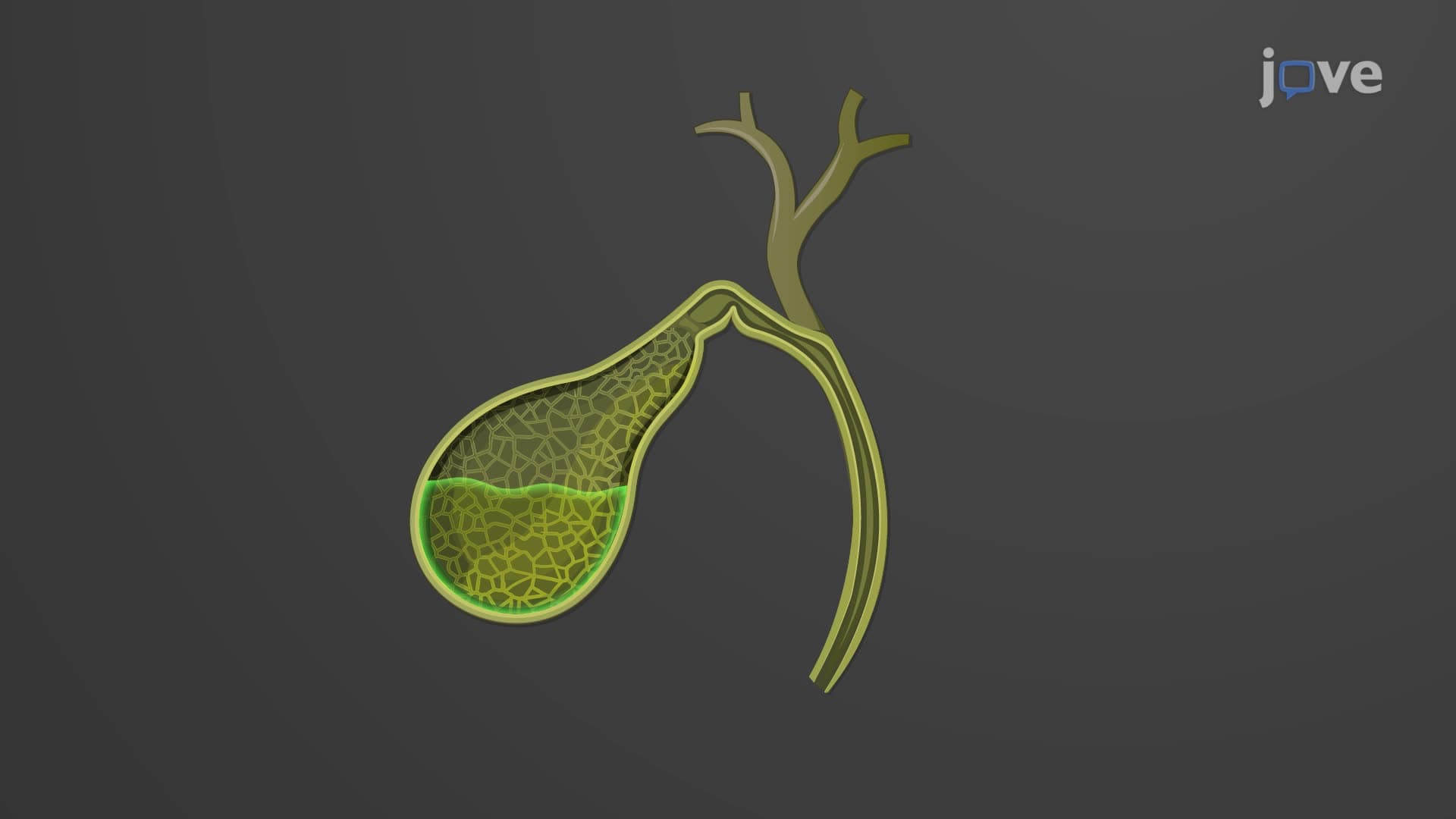
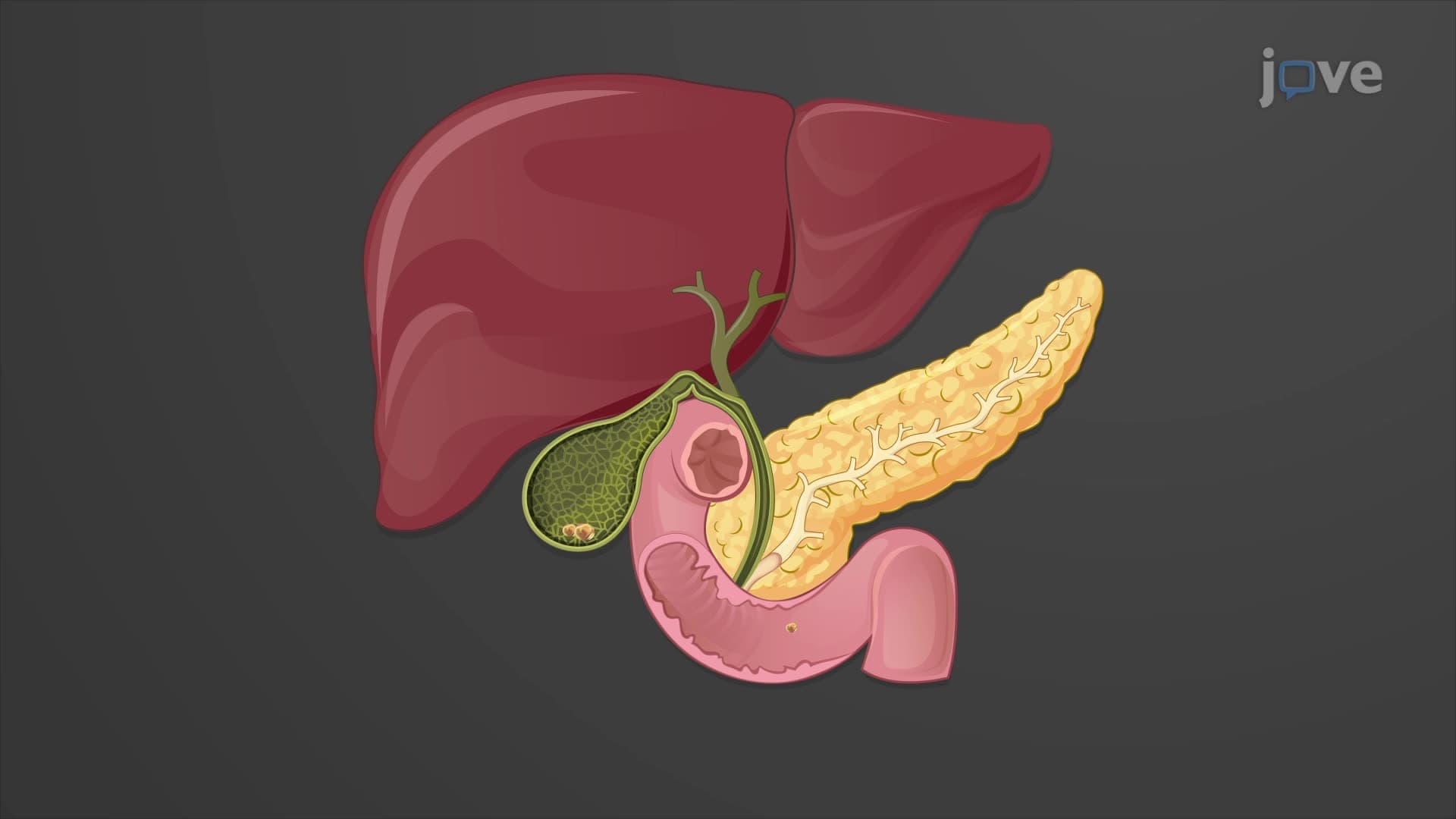
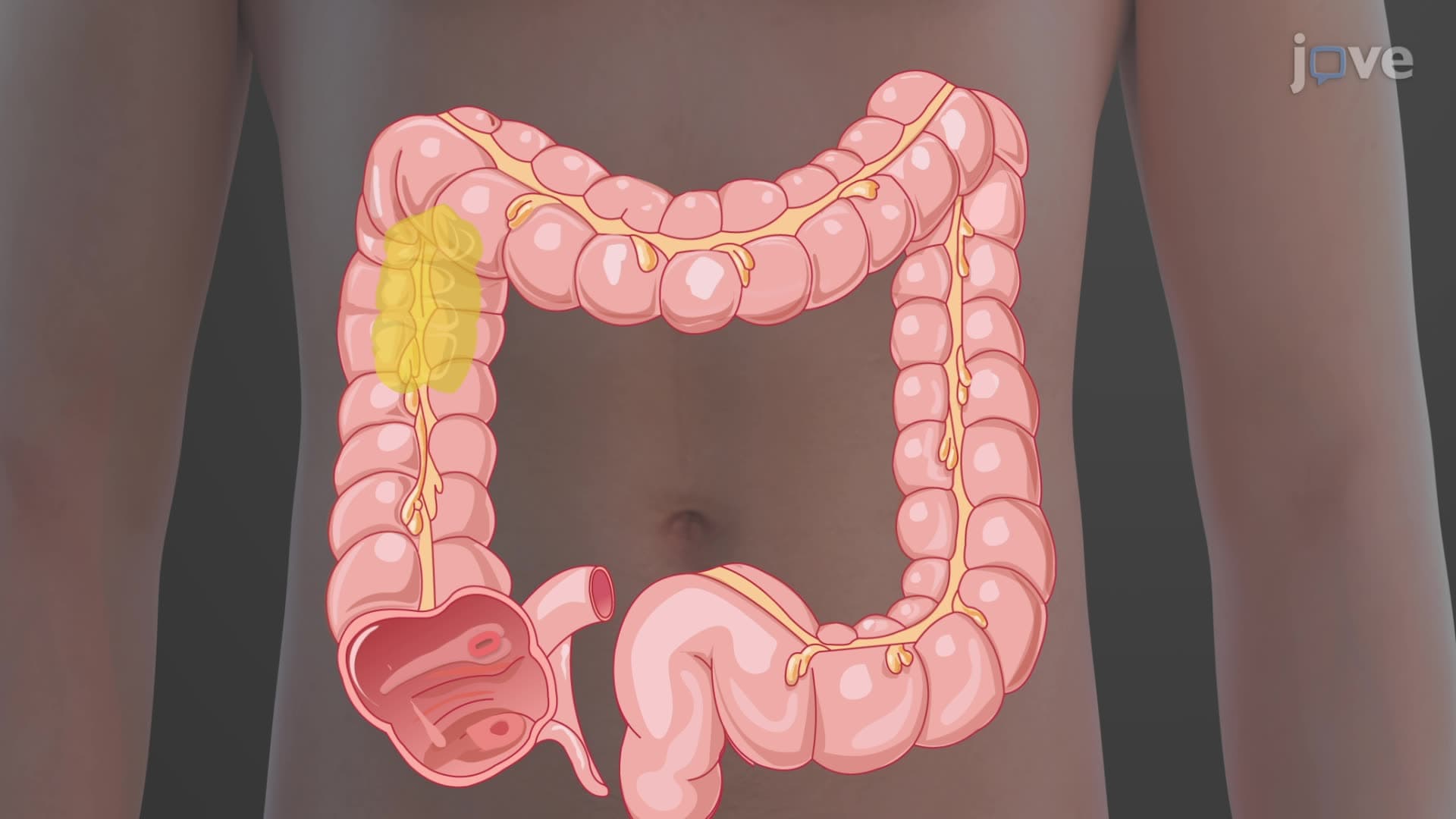
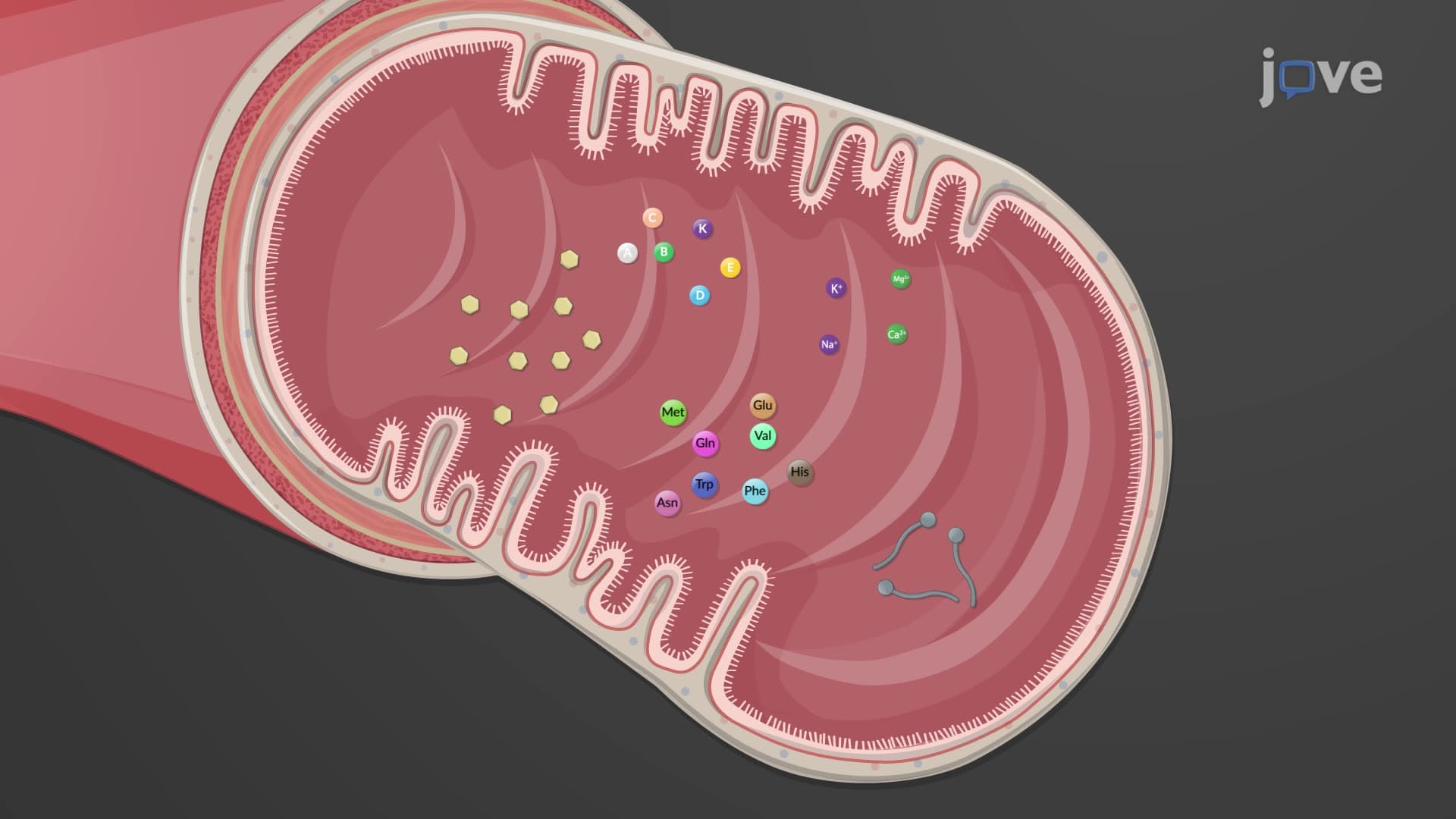
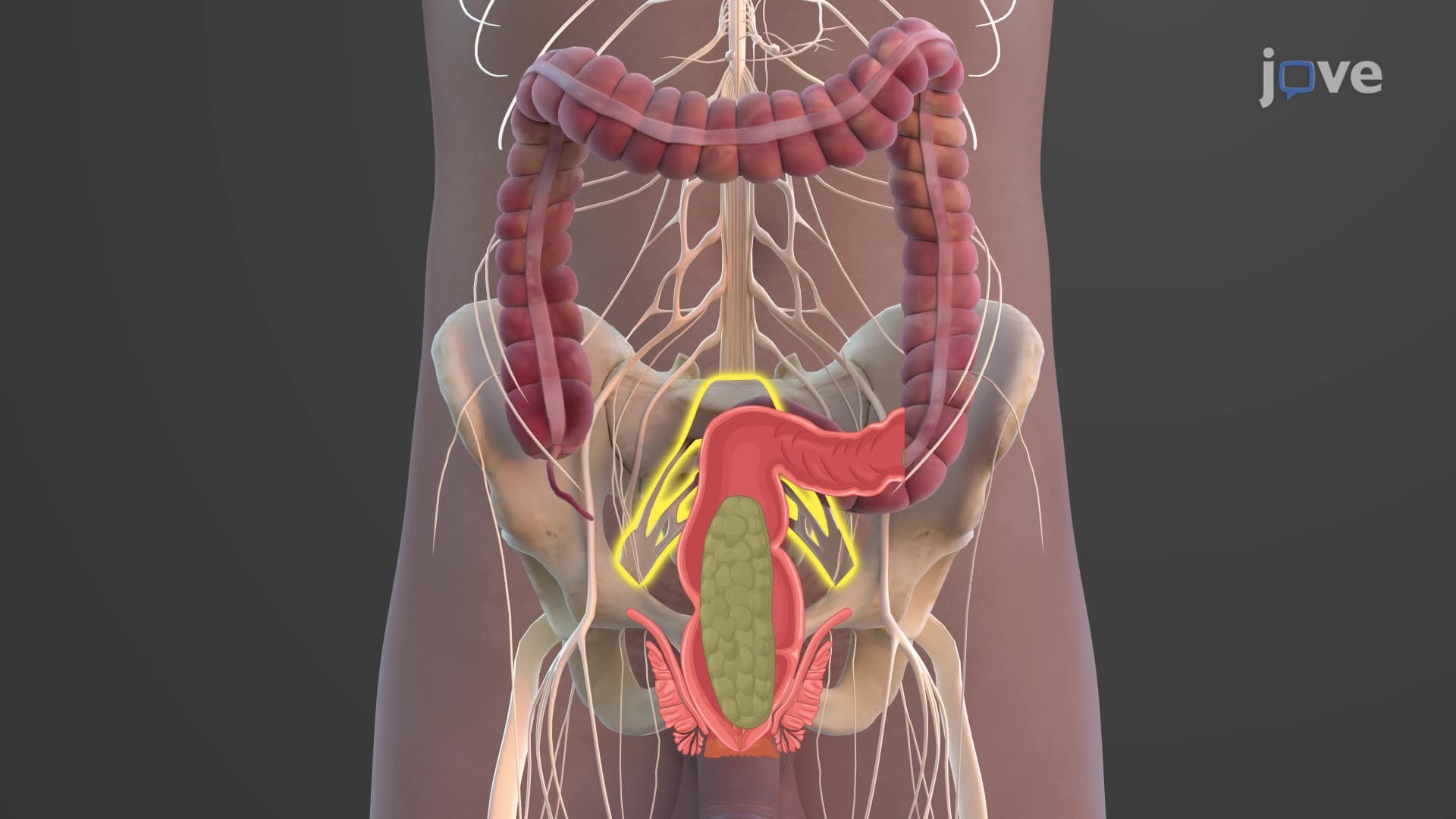
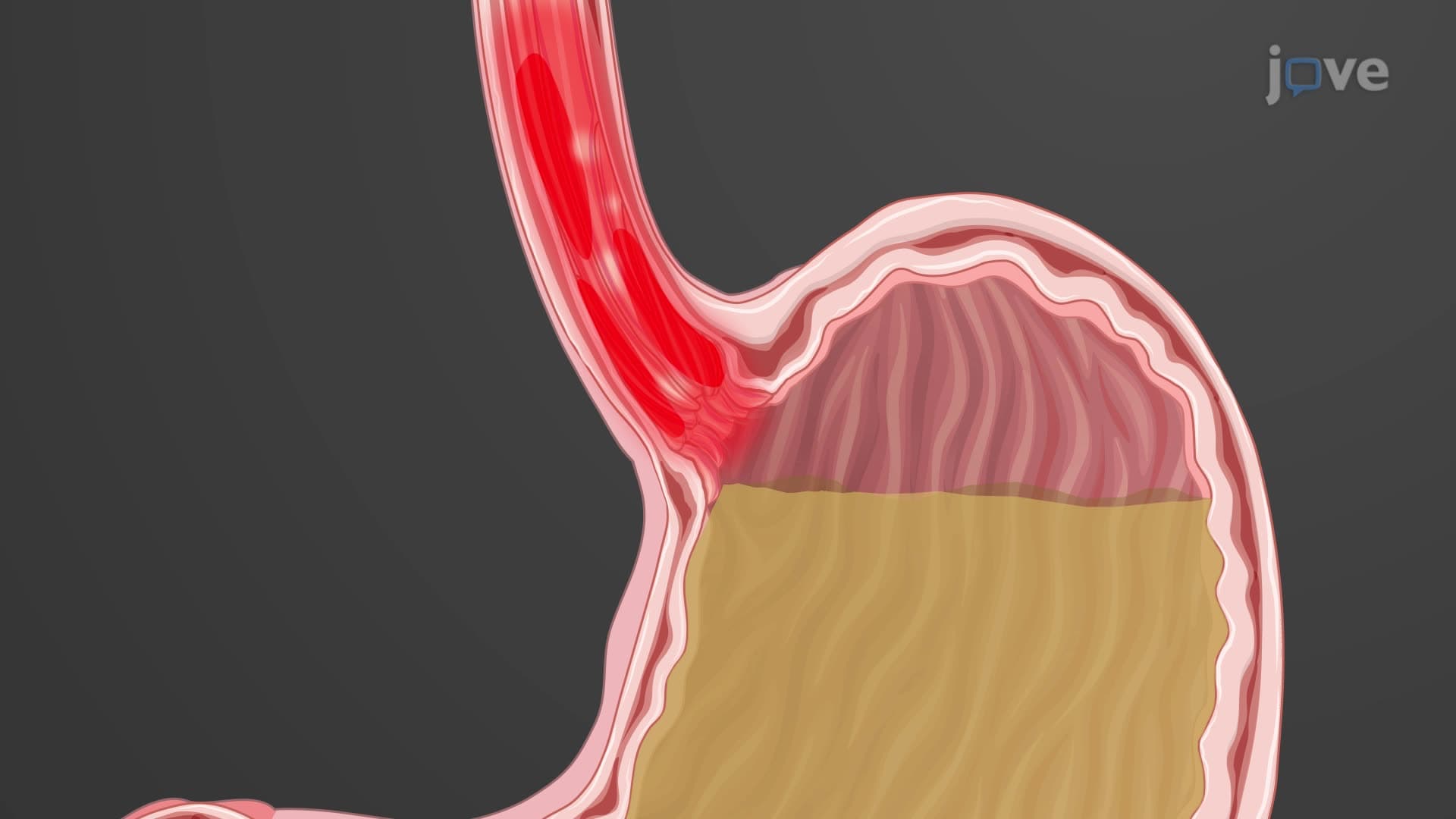
Gastric Emptying
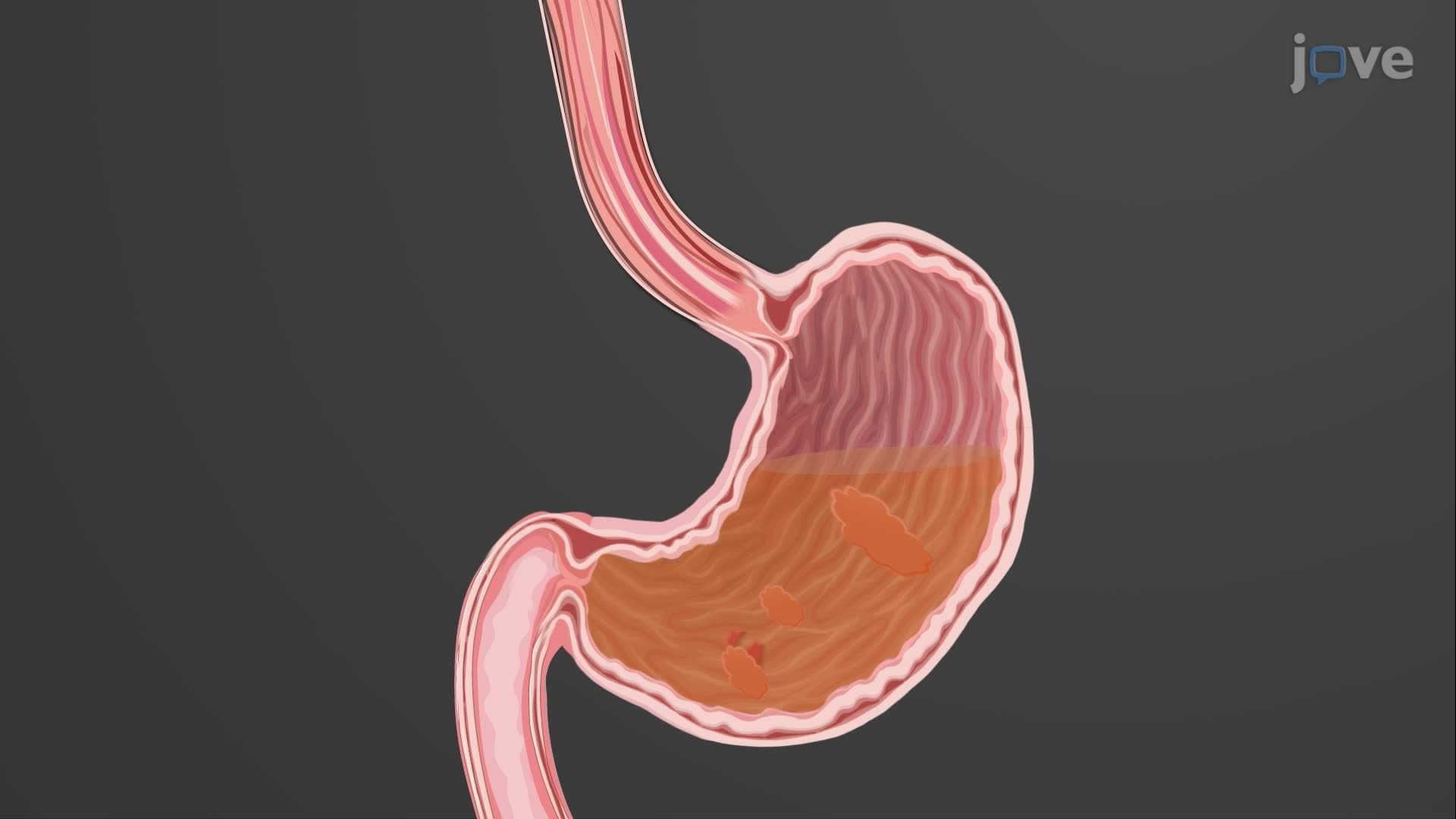

00:00
01:16
Video Summary: What Is Gastric Emptying
Ever wonder why you feel hungry again just two hours after eating cereal, but that Thanksgiving turkey dinner keeps you full for half the day? Gastric emptying physiology explains this fascinating difference in how our stomachs process and release different foods. In the United States, understanding what is gastric emptying helps explain why hospital patients receive specific dietary recommendations after gastrointestinal surgeries. Watch the full video on JoVE Coach to master this concept with expert-led visuals and step-by-step explanations.
- Understand what is gastric emptying and its role in the digestive process from stomach to duodenum
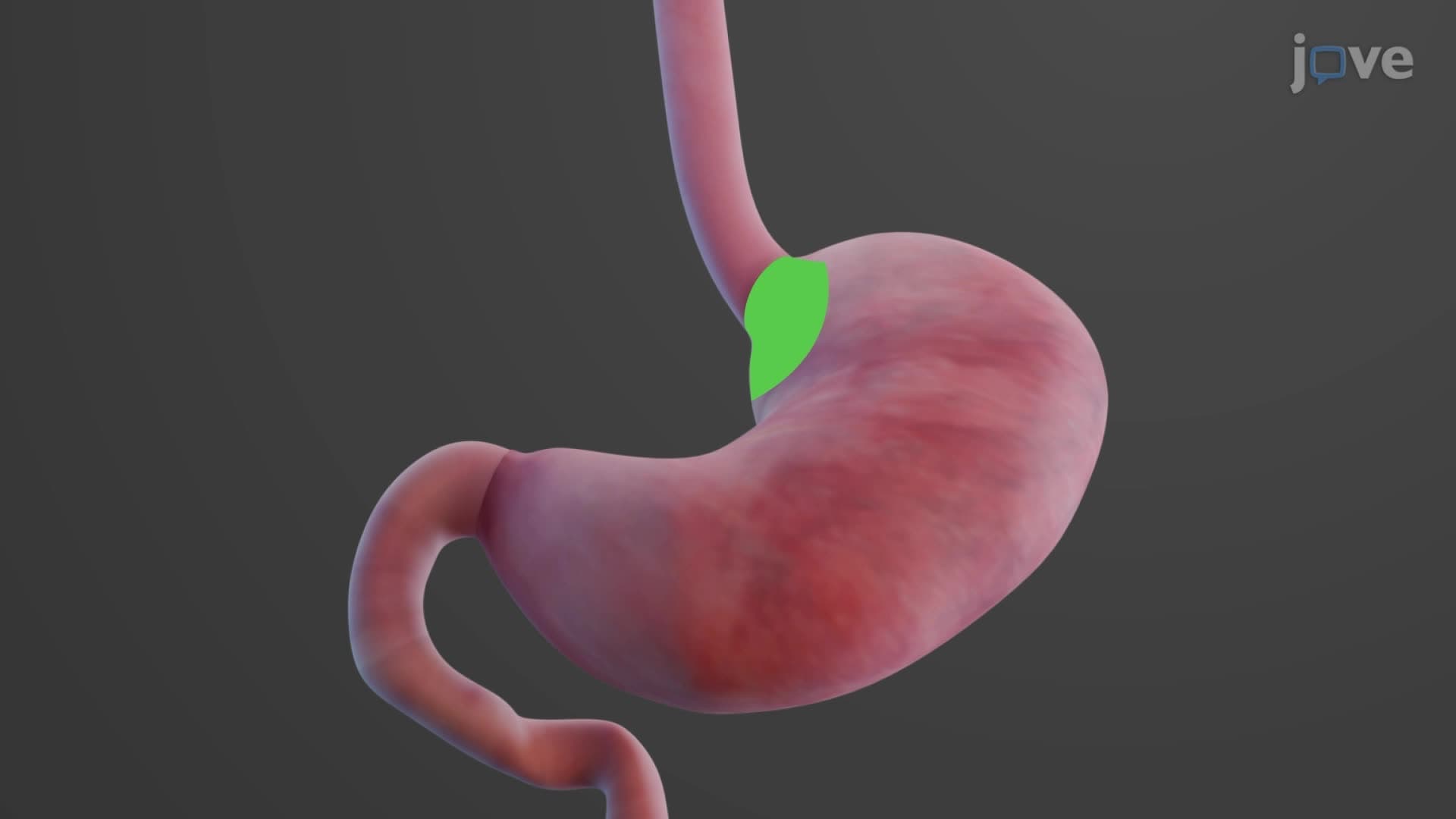
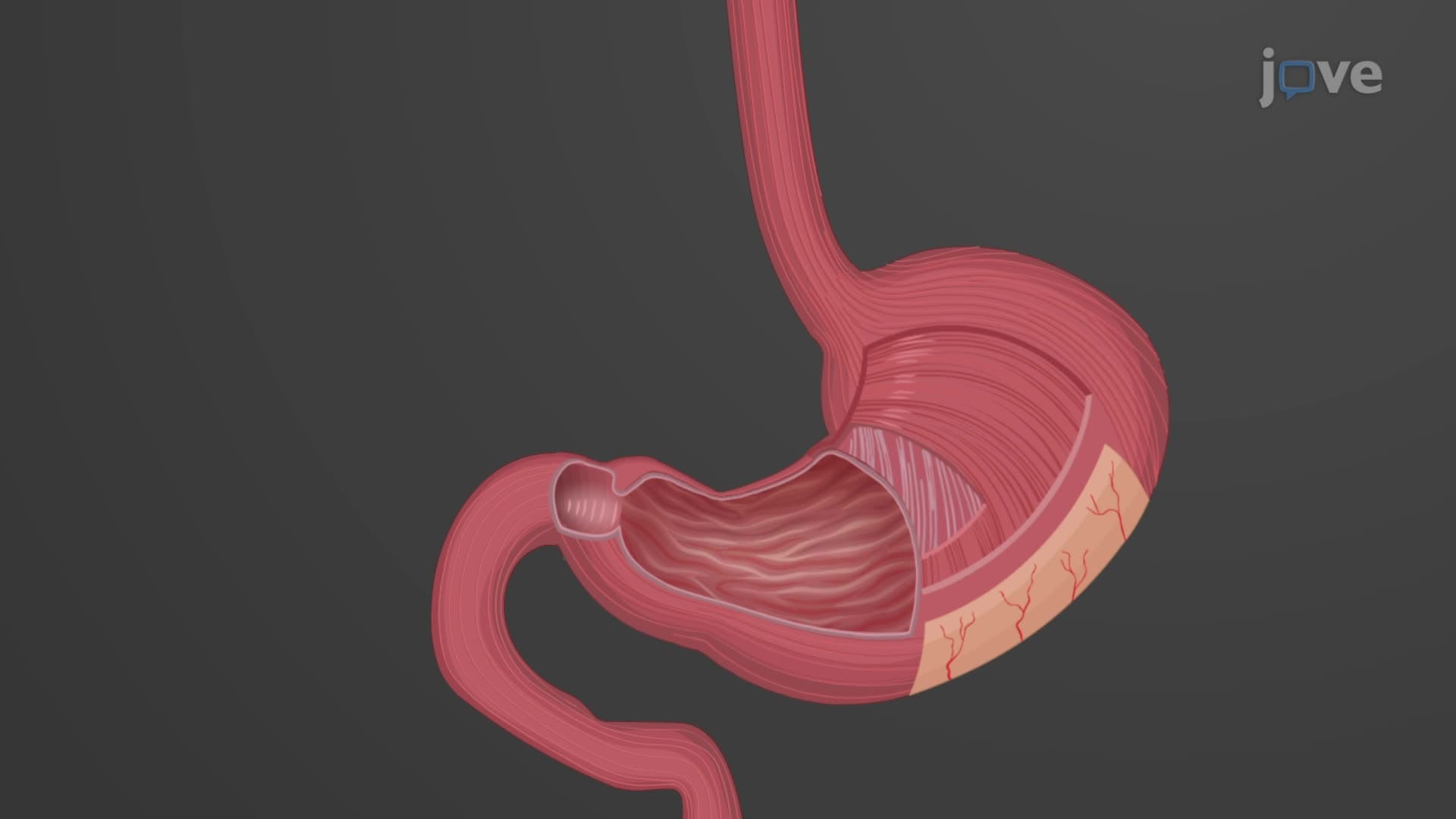
- Identify the key anatomical structures involved in gastric emptying, including the pyloric sphincter and antrum
- Analyze how gastrin and the gastroenteric reflex coordinate stomach contractions and chyme formation
- Compare liquid versus solid food emptying rates and explain the biological mechanisms behind these differences
- Evaluate how meal composition affects gastric emptying timing, from carbohydrates to fatty foods
- Apply knowledge of retropulsion to explain how the stomach mechanically breaks down large food particles
- Recognize the hormonal controls of gastric emptying, particularly cholecystokinin's inhibitory effects
- Explore the clinical significance of gastric emptying disorders in medical practice
What is Gastric Emptying: The Foundation of Digestion
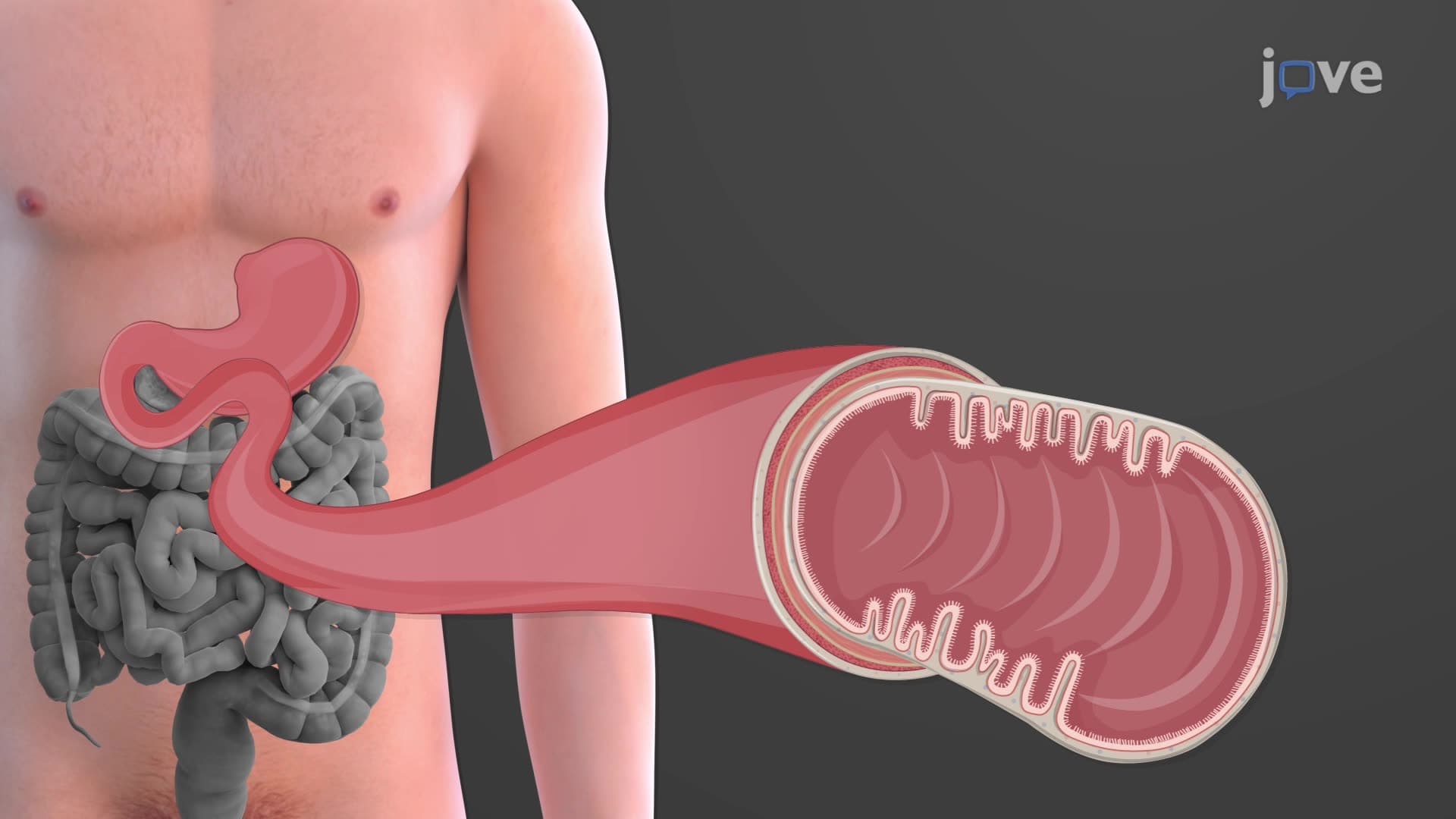
Gastric emptying physiology represents one of the most precisely controlled processes in human digestion. This complex mechanism ensures that partially digested food moves from the stomach to the small intestine at the optimal rate for nutrient absorption and metabolic efficiency. Understanding stomach emptying explained biology reveals how our bodies have evolved sophisticated control systems to maximize nutritional benefit from every meal.
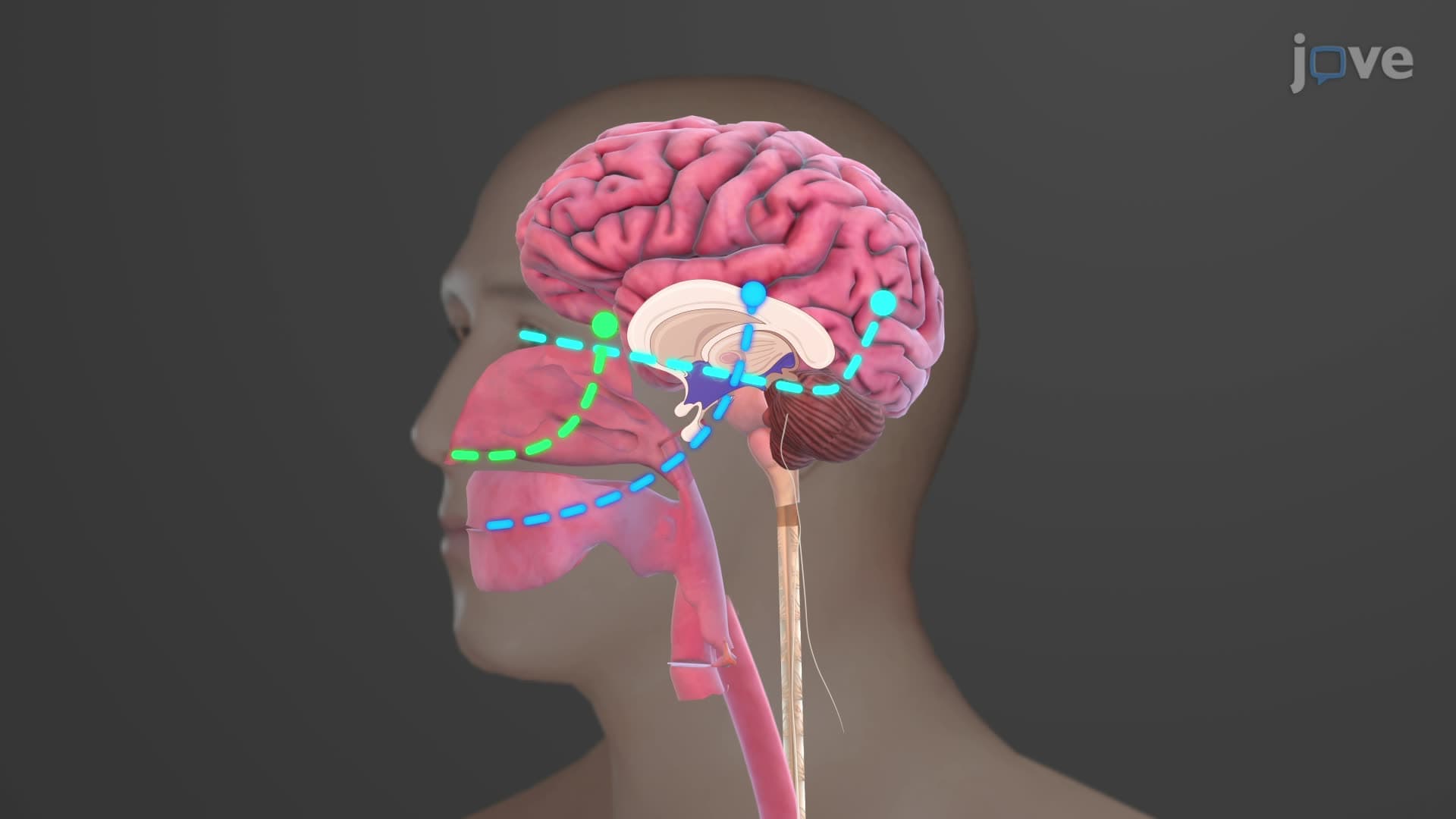
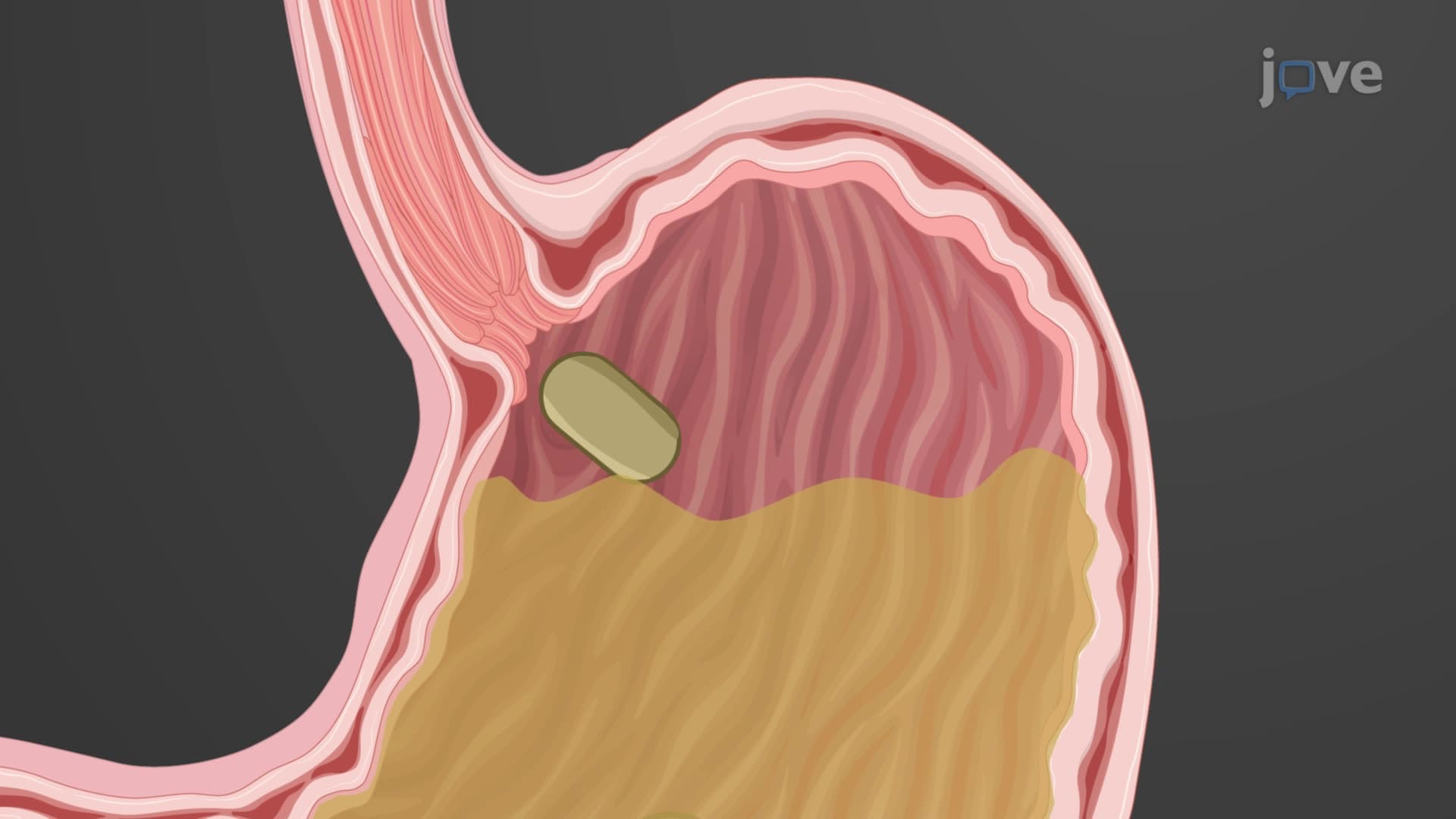
The process begins when food enters the stomach and causes distention of the gastric walls. This mechanical stretch activates specialized mechanoreceptors that trigger the gastroenteric reflex-a neural pathway that coordinates digestive activities throughout the gastrointestinal tract. Students preparing for the MCAT or AP Biology exams should note that this reflex exemplifies how the nervous system integrates with hormonal controls to regulate physiological processes.
Hormonal and Neural Control Mechanisms
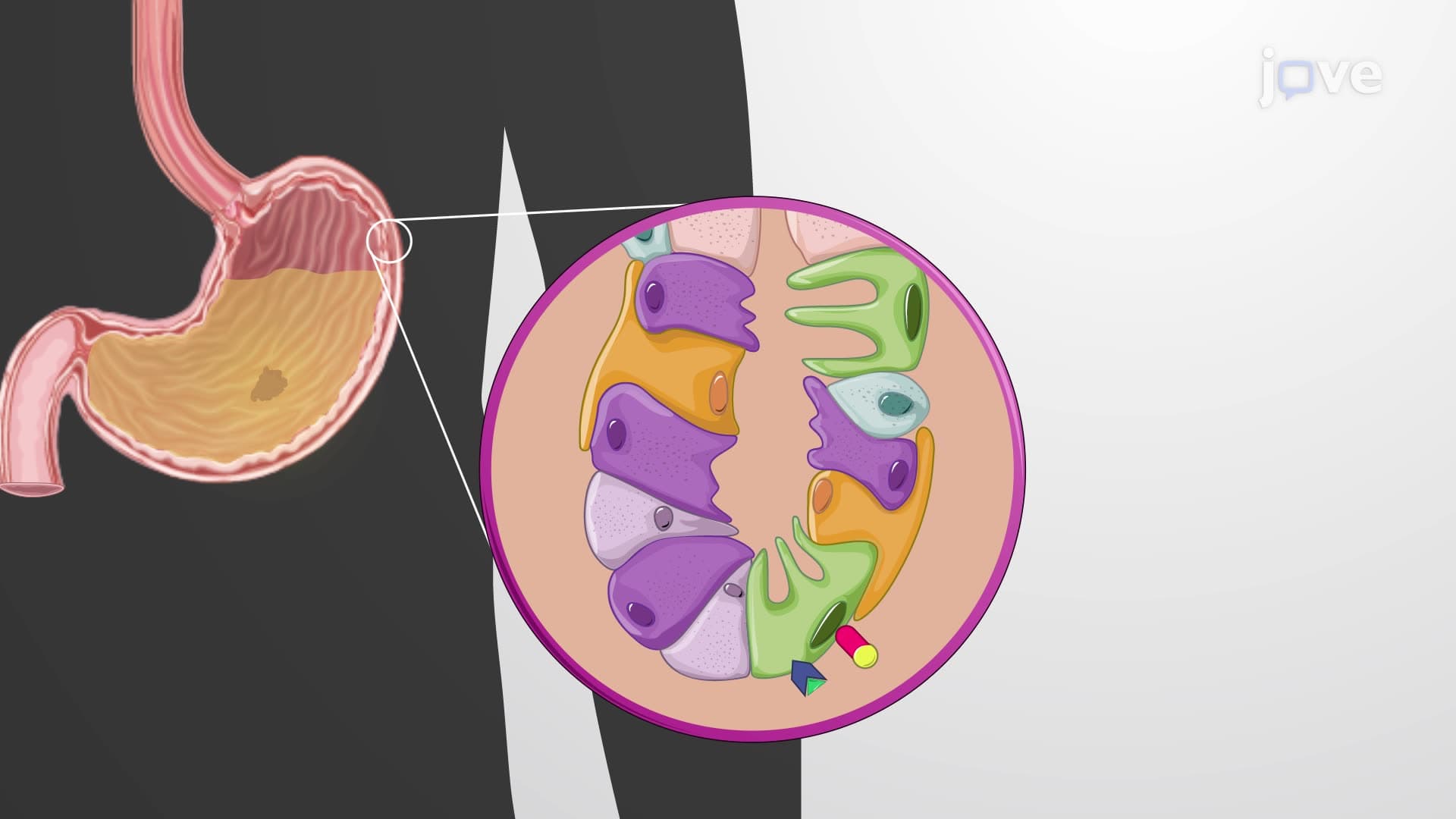
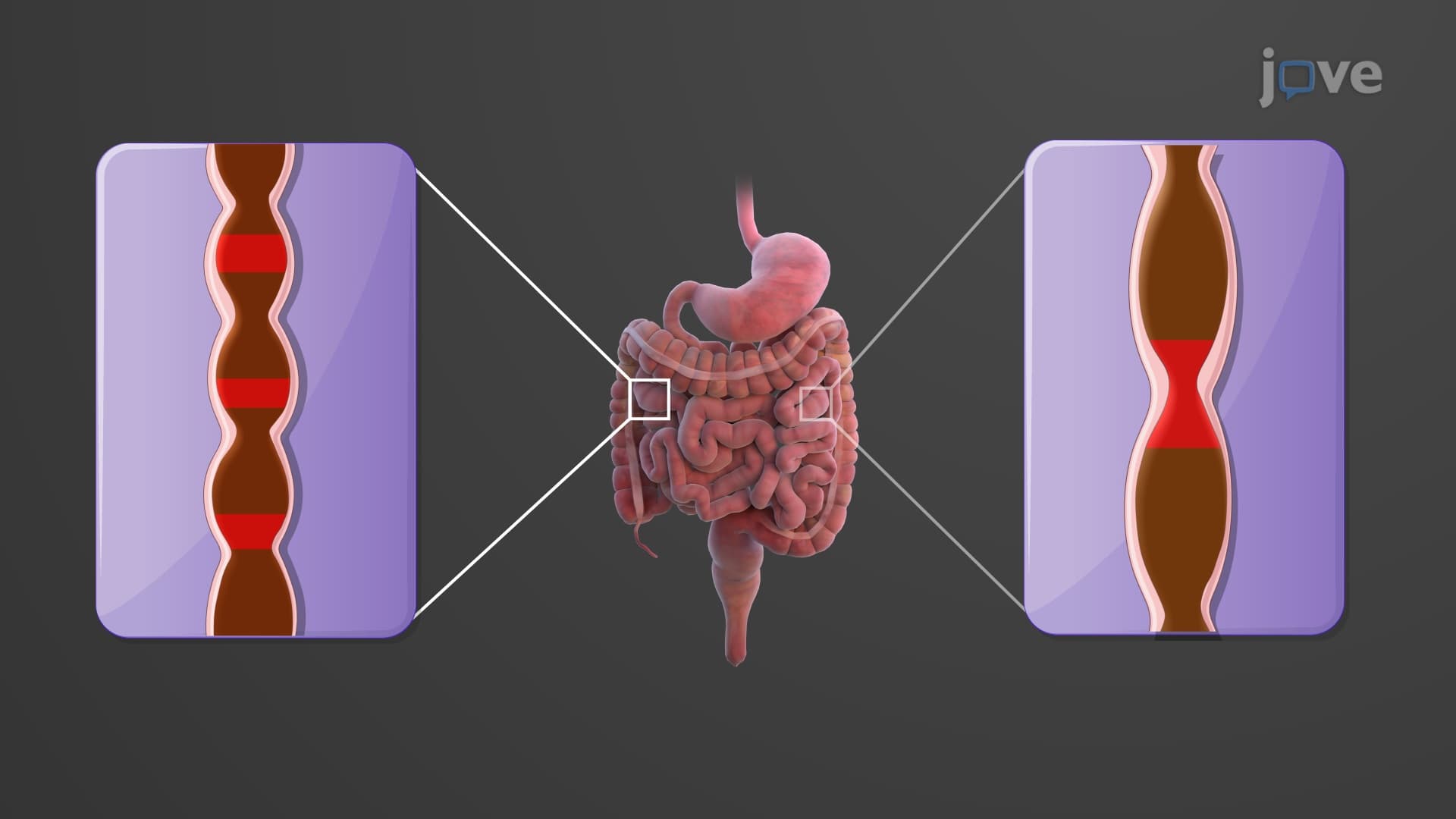
The hormone gastrin plays a central role in gastric emptying neural hormonal regulation. Released from G cells in the gastric antrum when the stomach stretches, gastrin stimulates both gastric acid secretion and peristaltic contractions. These rhythmic muscle contractions create powerful waves that mix food with digestive juices, forming the semi-liquid substance called chyme.
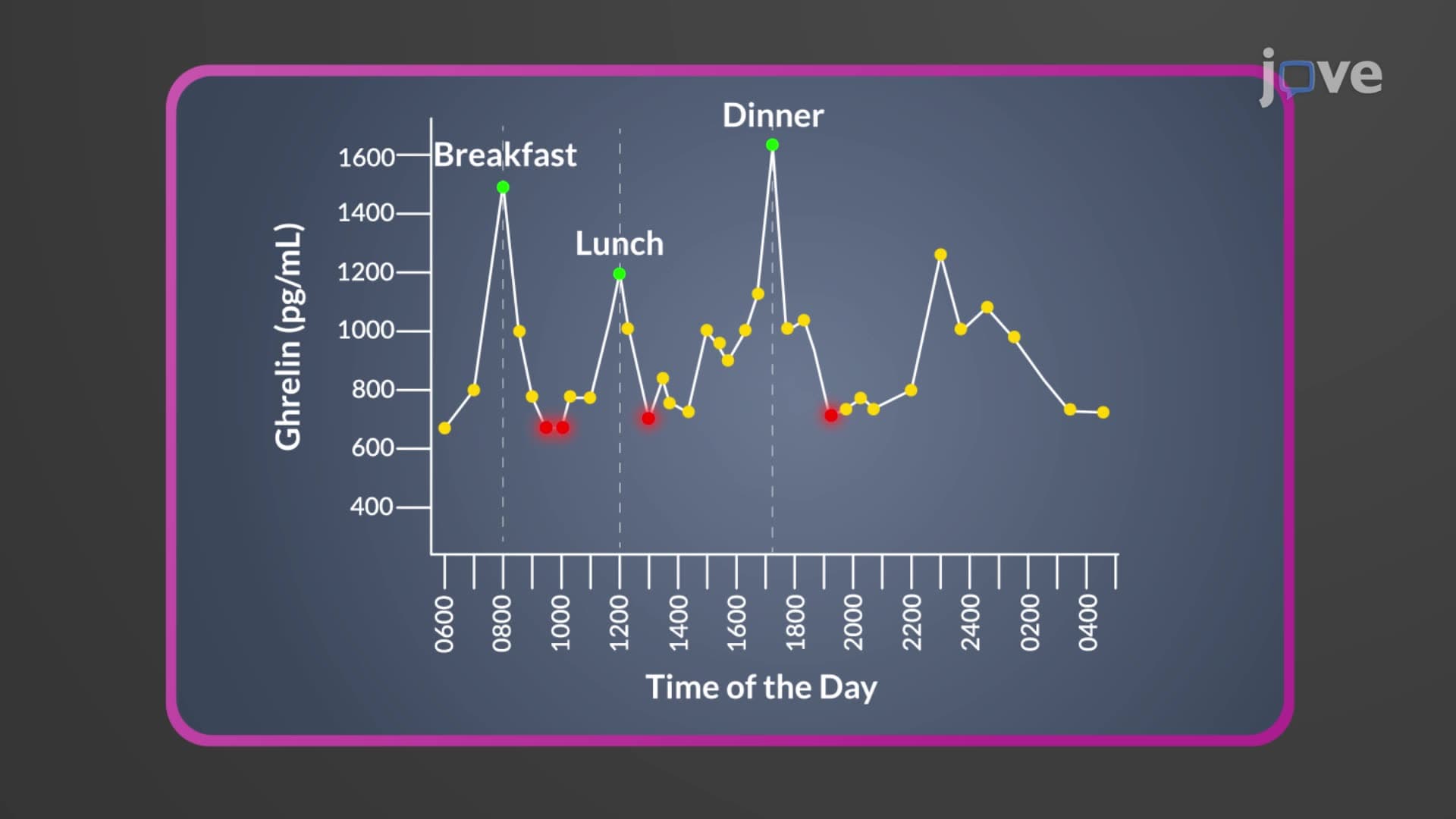
Cholecystokinin (CCK), released from the duodenum in response to fats and proteins, provides crucial negative feedback. This hormone slows gastric emptying when the small intestine needs more time to process nutrients-explaining why fatty meals from popular US restaurant chains like Five Guys keep you satisfied longer than a simple carbohydrate snack.
Mechanical Processing and Pyloric Regulation
Pyloric regulation emptying involves sophisticated mechanical sorting at the stomach's outlet. The pyloric sphincter acts like a selective gateway, remaining partially constricted to allow only liquids and particles smaller than 2-3 millimeters to pass into the duodenum. Larger food particles undergo retropulsion-a remarkable process where peristaltic waves force oversized chunks back into the stomach for additional grinding.
This liquid solid emptying rate difference has practical implications for athletes and patients. Sports nutritionists recommend liquid carbohydrate supplements because they empty rapidly, providing quick energy. Conversely, solid proteins empty slowly, supporting sustained muscle building-knowledge directly applicable to NCLEX nutrition questions and exercise physiology courses.
Clinical Applications and Timing Factors
Complete gastric emptying typically requires 3-4 hours, but individual variation is substantial. Medical professionals use gastric emptying studies to diagnose conditions like gastroparesis, particularly common in diabetes patients. Understanding chyme release gastric timing helps explain why medications should be taken with or without food, and why certain surgical patients require modified diets.
For college anatomy and physiology students, recognizing these gastric emptying rate control mechanisms provides essential foundation knowledge for advanced courses in pathophysiology, pharmacology, and clinical nutrition.
Frequently Asked Questions
Gastric emptying is the controlled release of partially digested food (chyme) from the stomach into the small intestine. This process ensures optimal nutrient absorption by regulating how quickly different foods reach the duodenum. Proper gastric emptying prevents overwhelming the small intestine while maximizing digestive efficiency and maintaining stable blood sugar levels.
MCAT questions often test gastric emptying within endocrine system passages, focusing on gastrin and CCK interactions. AP Biology typically includes gastric emptying in homeostasis units, emphasizing feedback mechanisms. Students should understand both the neural reflexes and hormonal controls, plus how meal composition affects emptying rates for optimal exam performance.
College courses emphasize that gastric emptying depends on meal composition (liquids empty faster than solids), particle size, osmolarity, and hormonal signals. pH levels, emotional stress, physical activity, and certain medications also influence emptying rates. Understanding these variables helps students analyze clinical scenarios and predict digestive responses to different foods.
Liquids empty from the stomach within 30 minutes to 2 hours, while solid foods require 3-4 hours for complete emptying. This explains why drinking a sports drink provides quick energy during marathons, while eating a protein bar sustains energy longer. US hospitals use this principle when scheduling procedures that require empty stomachs.
Not at all! While gastric emptying involves multiple systems, the basic concept builds on familiar experiences like feeling hungry at different rates after different meals. High school students already understand that some foods satisfy longer than others-gastric emptying simply explains the biological mechanisms behind these everyday observations.
Create a timeline showing the 4-hour emptying process, then map which hormones and reflexes activate at each stage. Practice drawing the stomach anatomy, especially the pyloric region. Use food examples to remember that carbohydrates empty quickly while fats empty slowly, and connect this to real-world scenarios you've experienced.
Next, explore small intestine absorption mechanisms, particularly how different nutrients require specific transport systems. Study pancreatic enzyme regulation and bile acid function, since these processes directly receive the chyme that gastric emptying delivers. Understanding liver metabolism and portal circulation will complete your digestive system knowledge foundation.
Related Micro-courses
25 Concepts

25 Concepts

20 Concepts