Loading subject page…

- Anatomy and Physiology
- Digestive System
- Gastric Motility
Micro-course: Digestive System
89,748 views
Learn key concepts and earn your certificate.
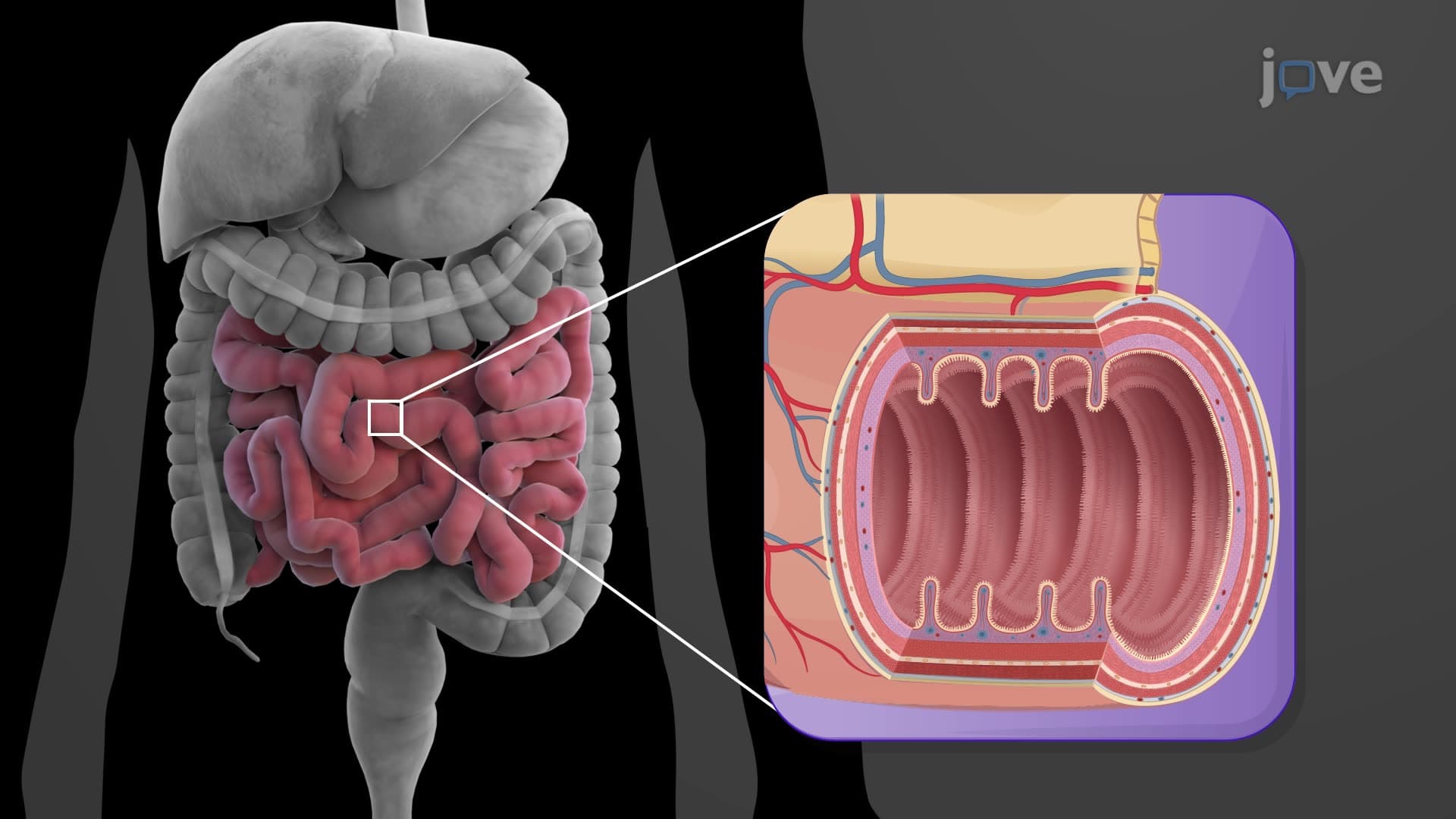

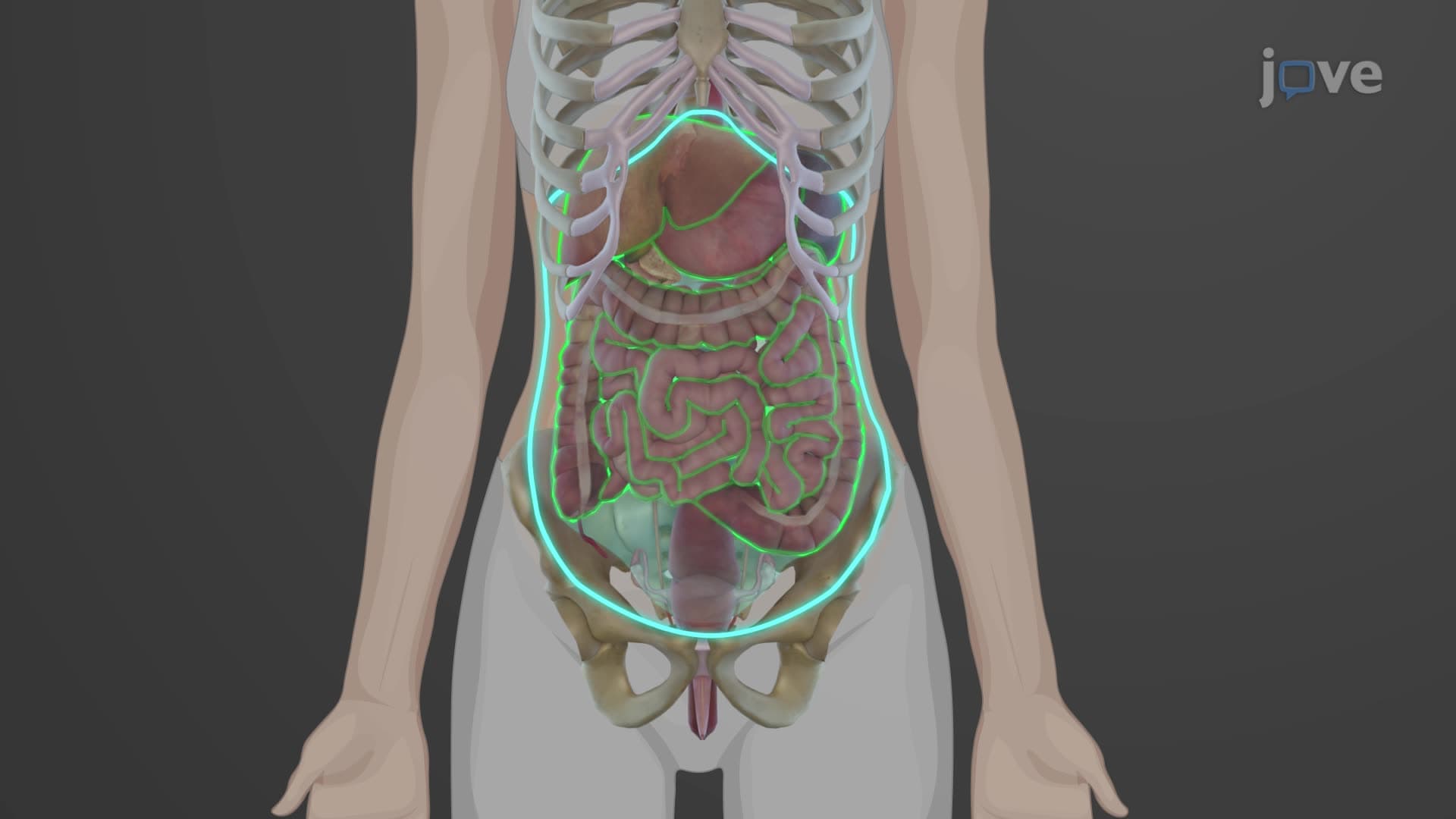
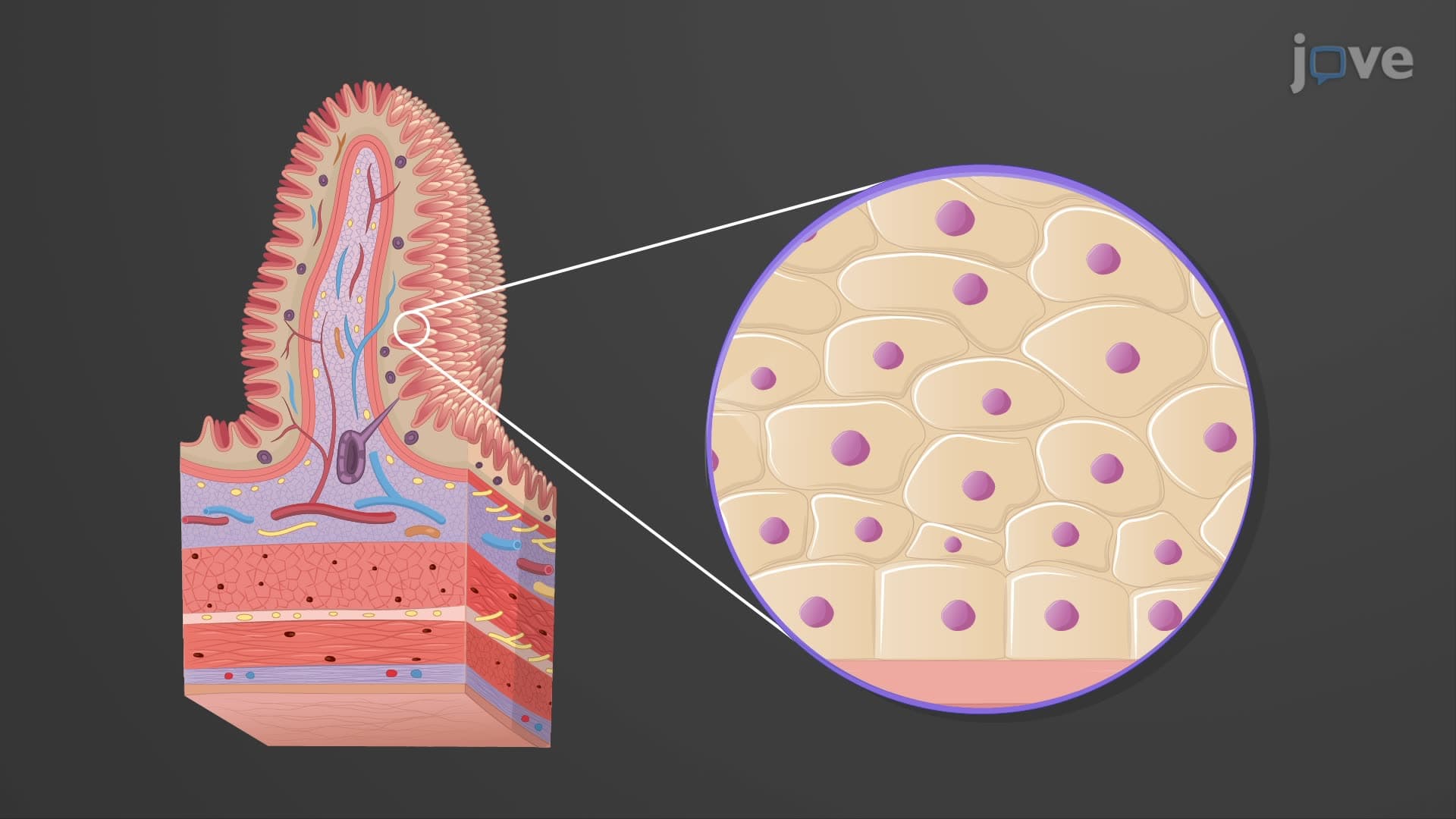
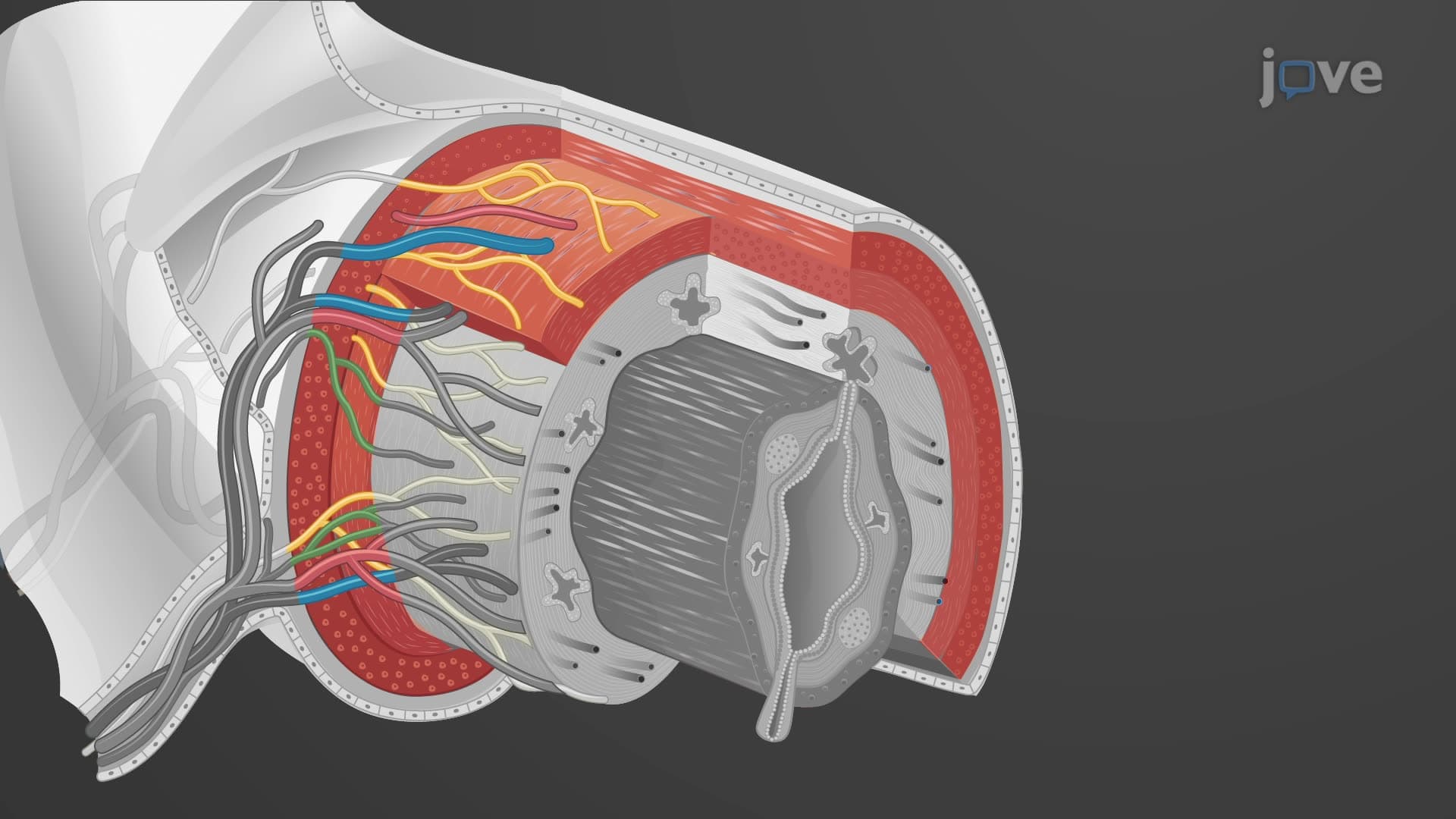

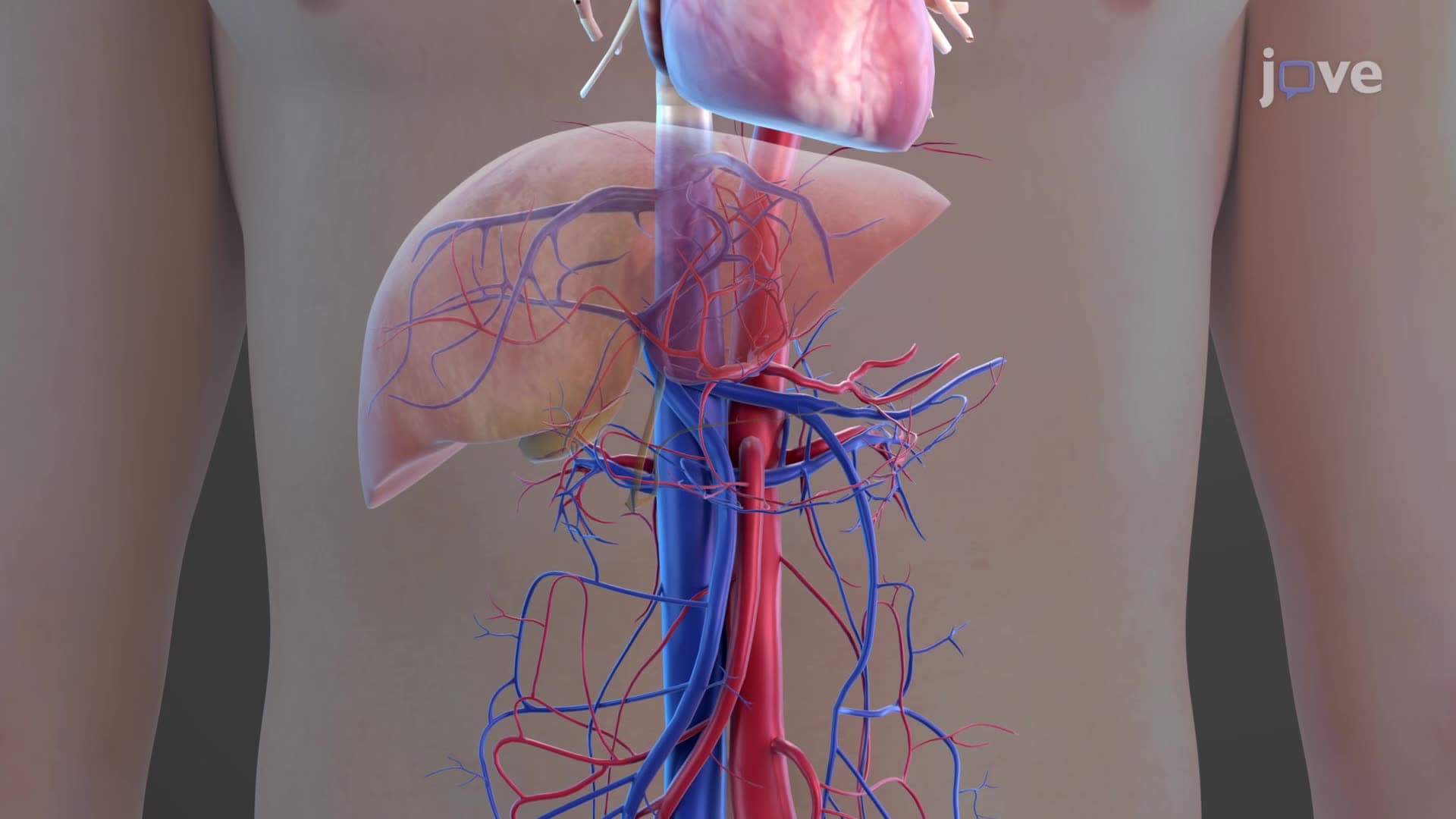
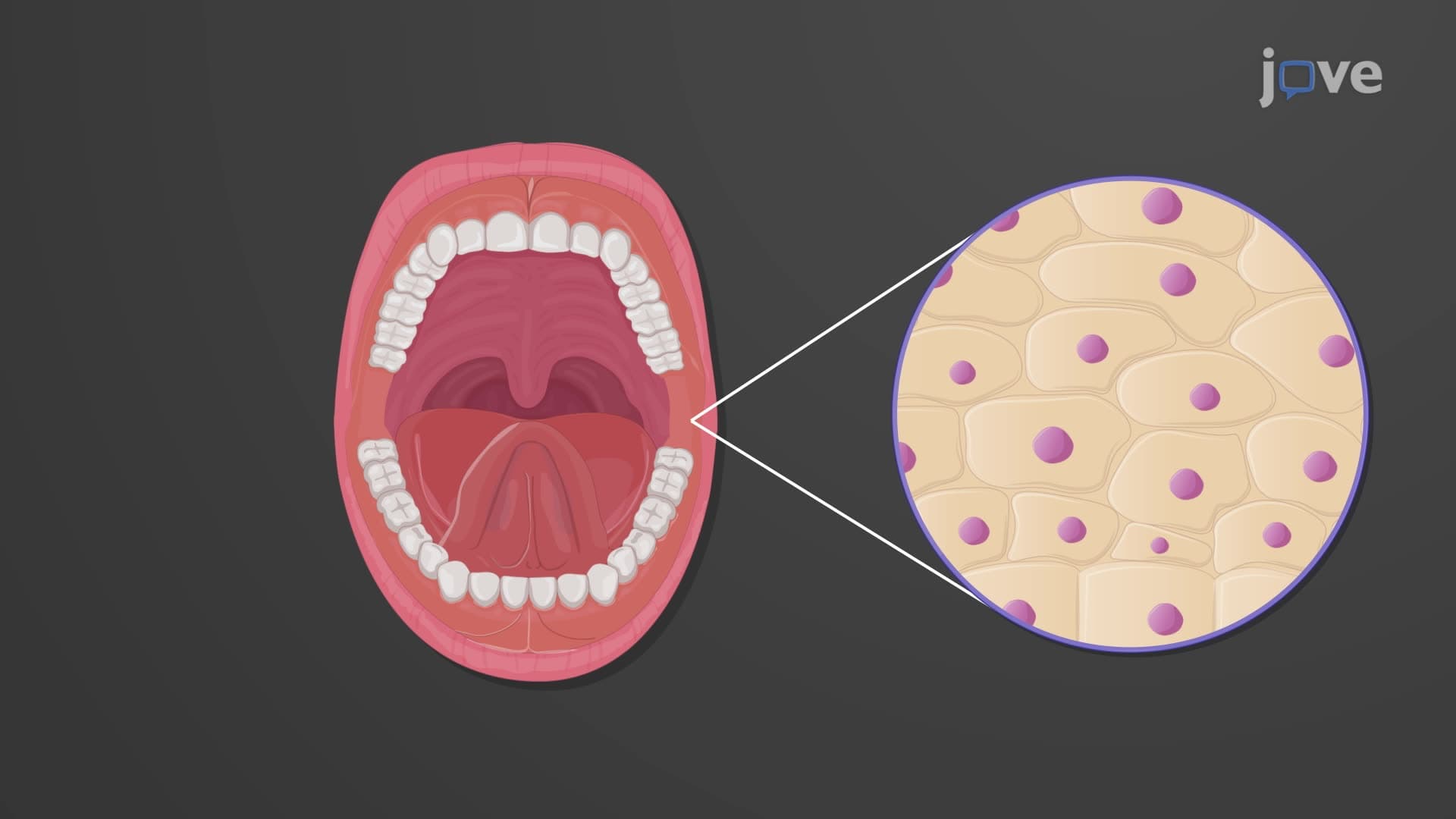
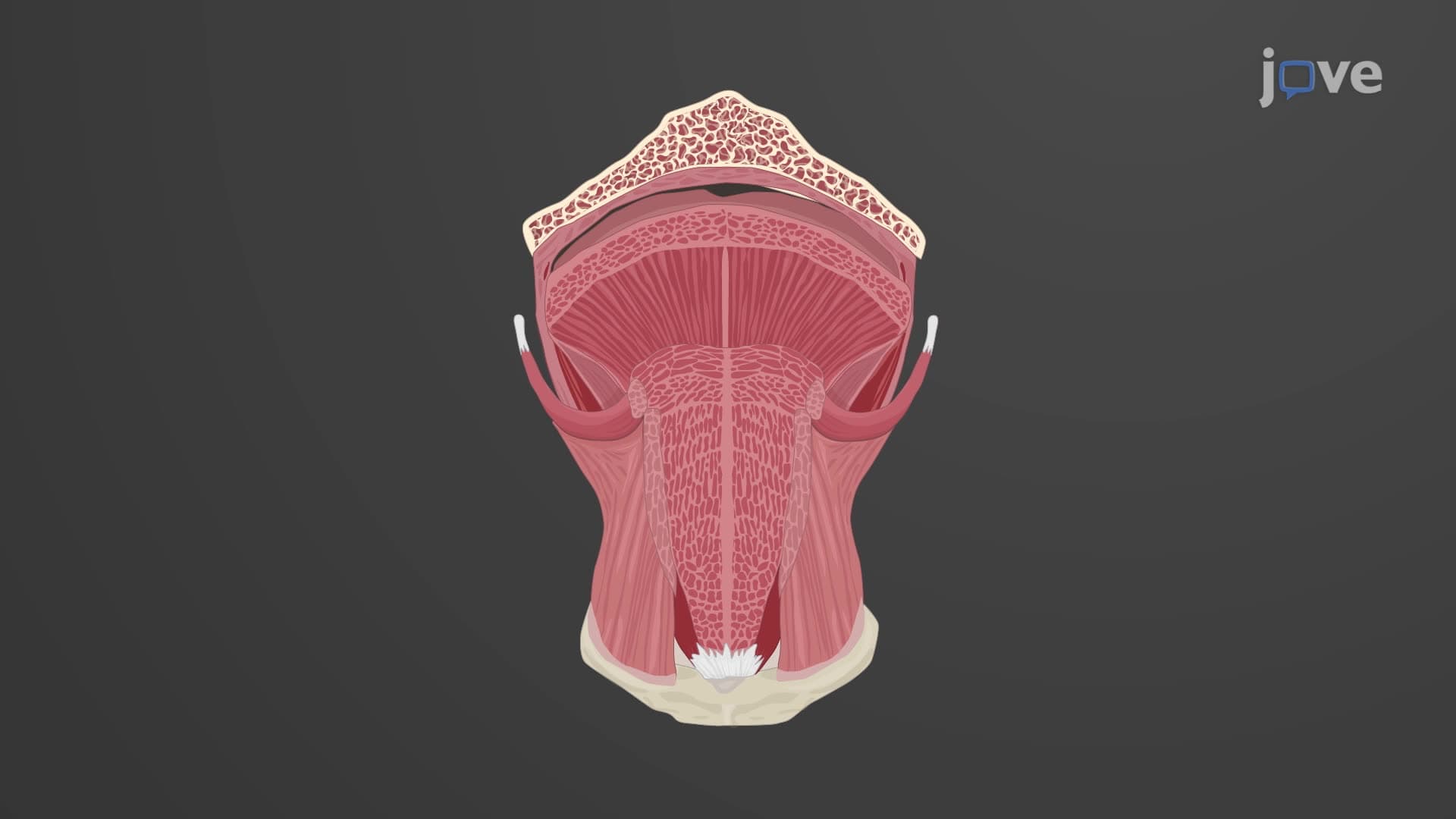

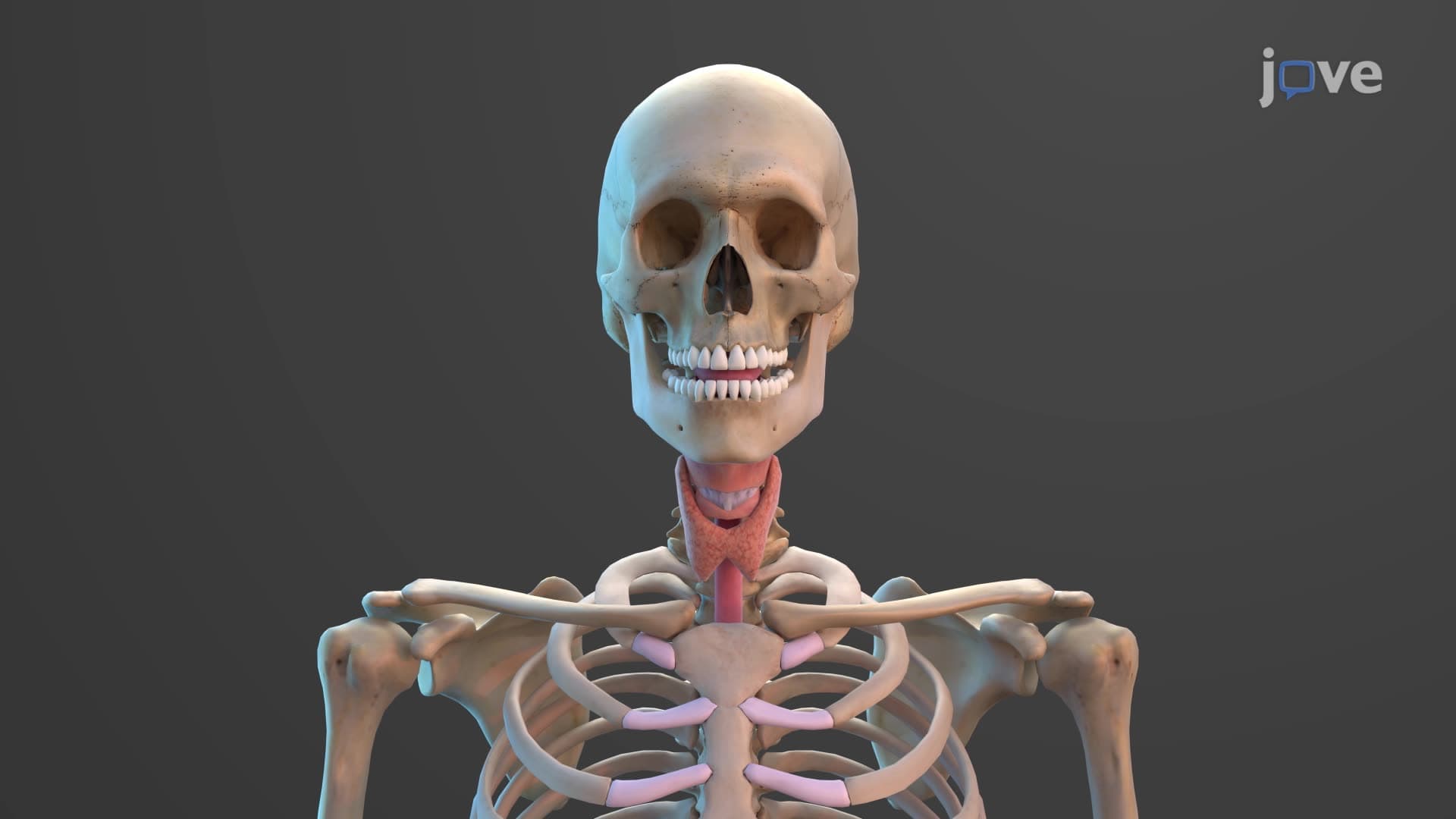

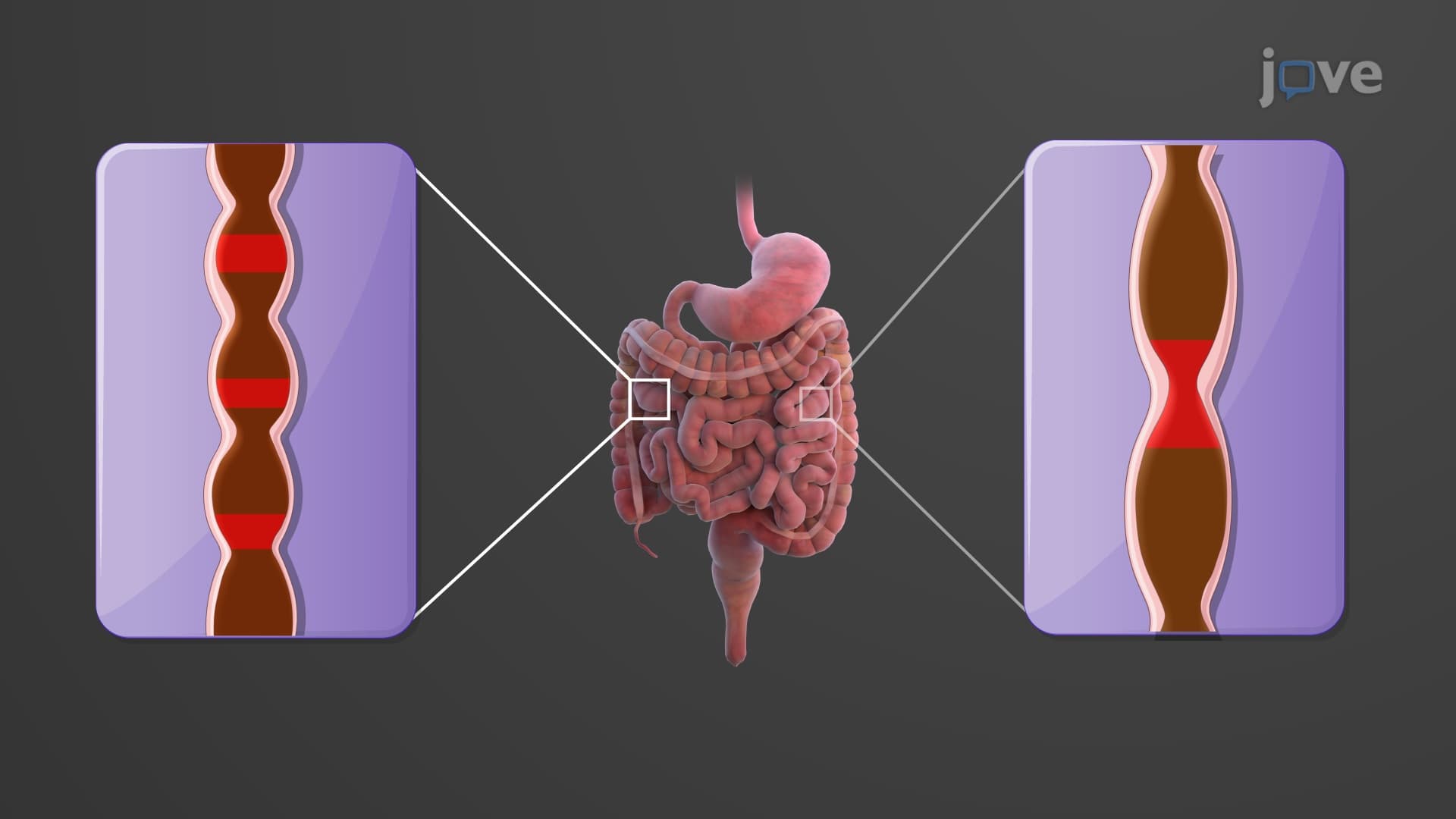
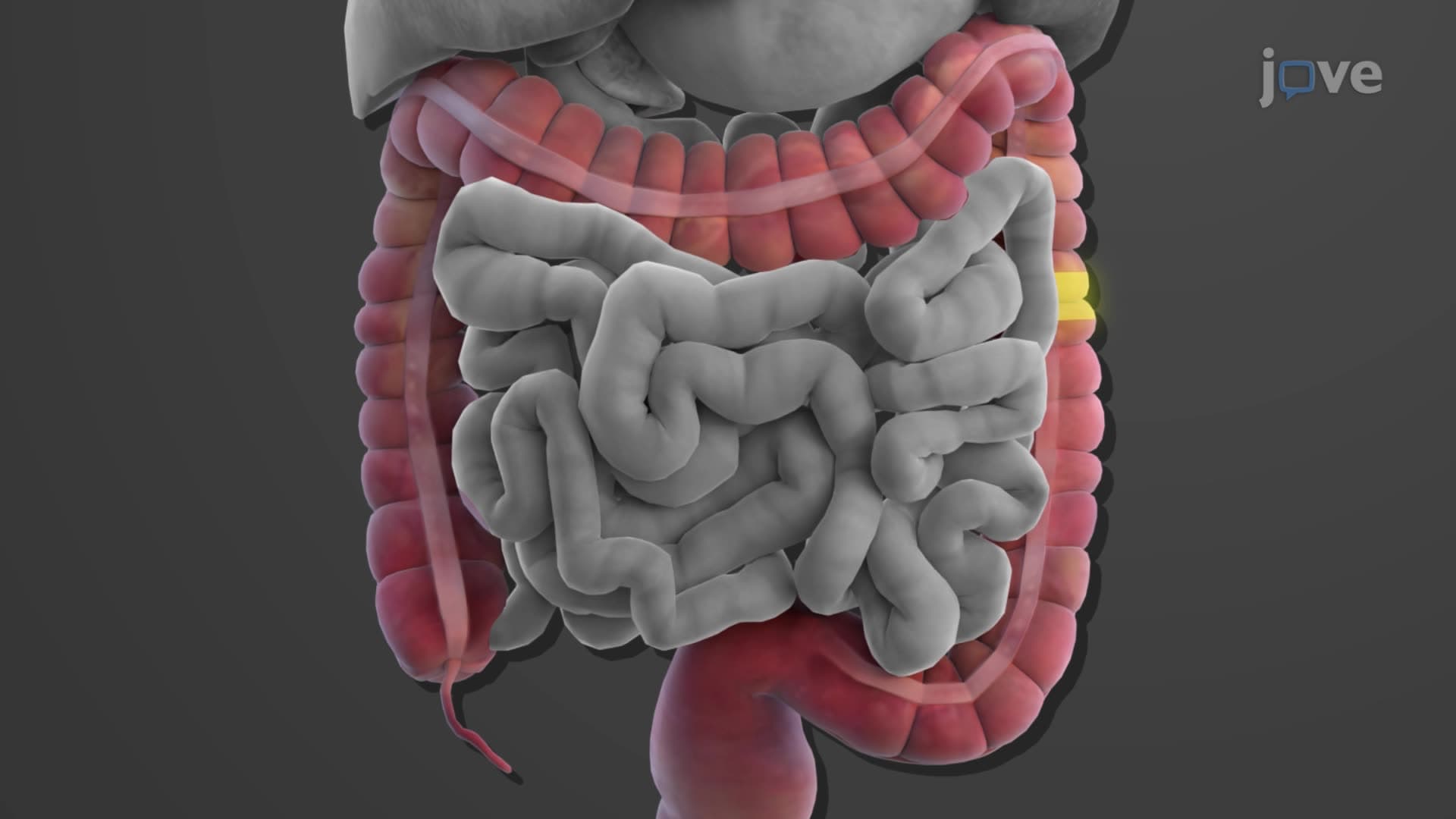
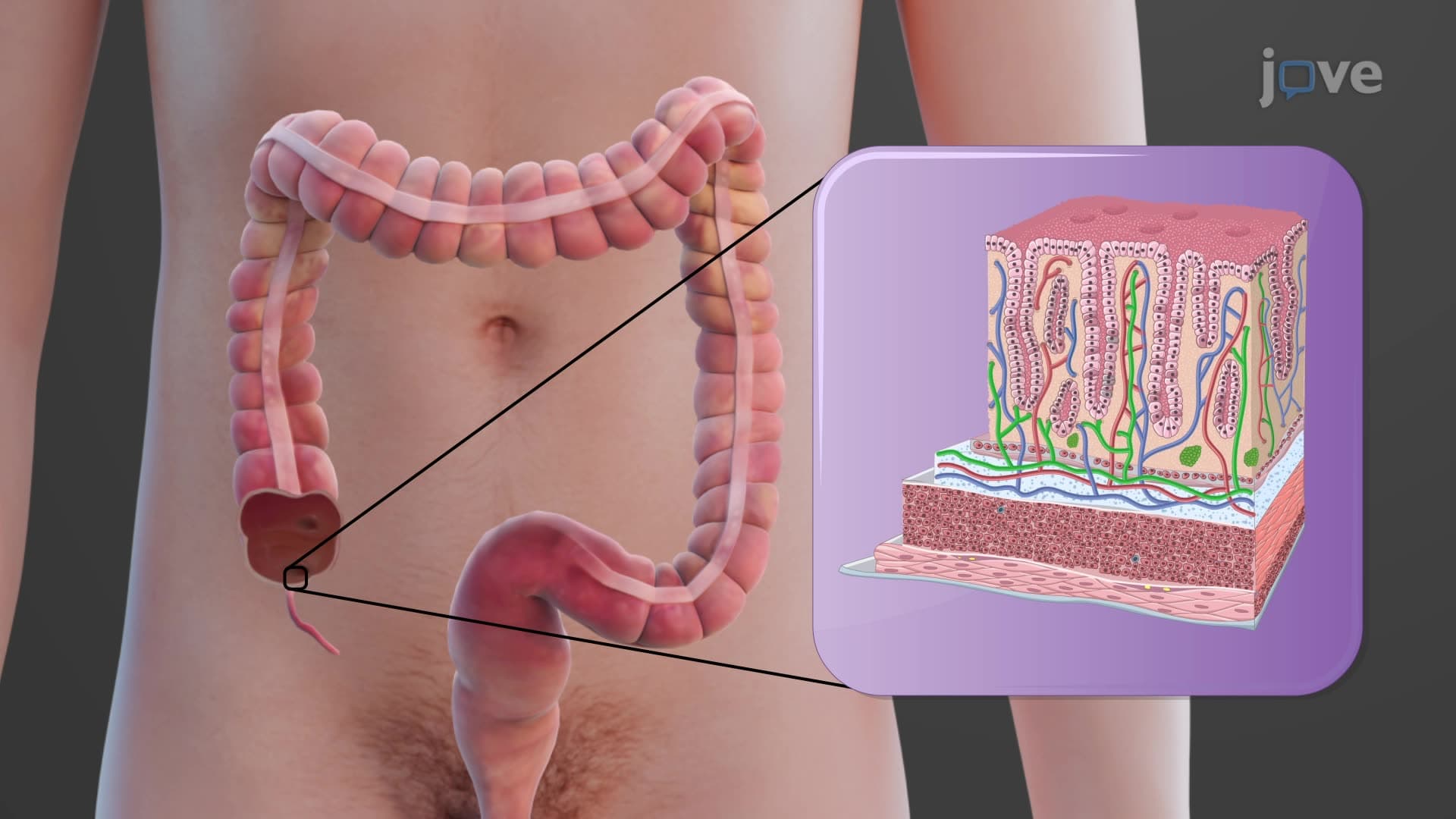
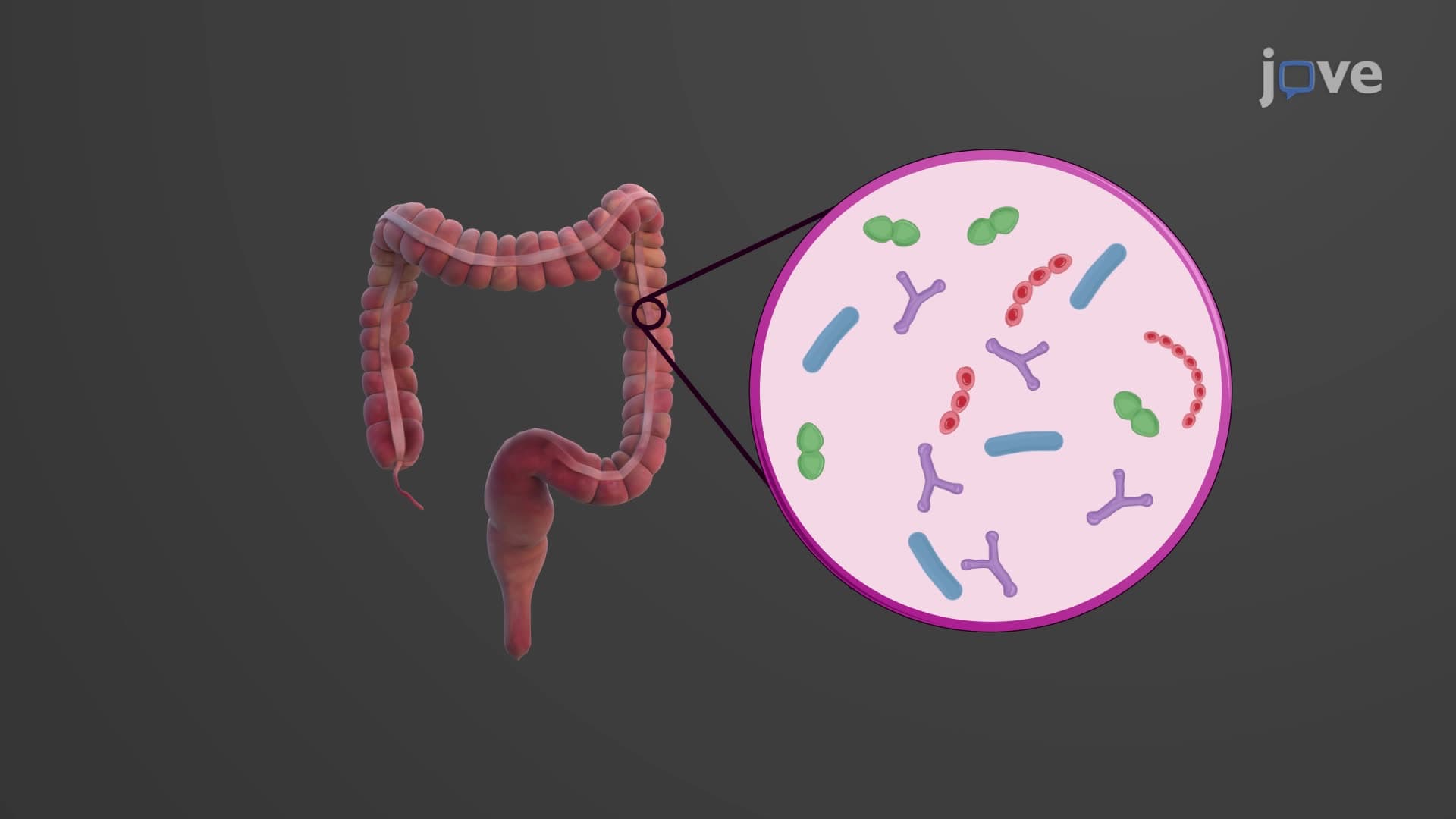
Gastric Motility

00:00
01:16
Video Summary: What Is Gastric Motility
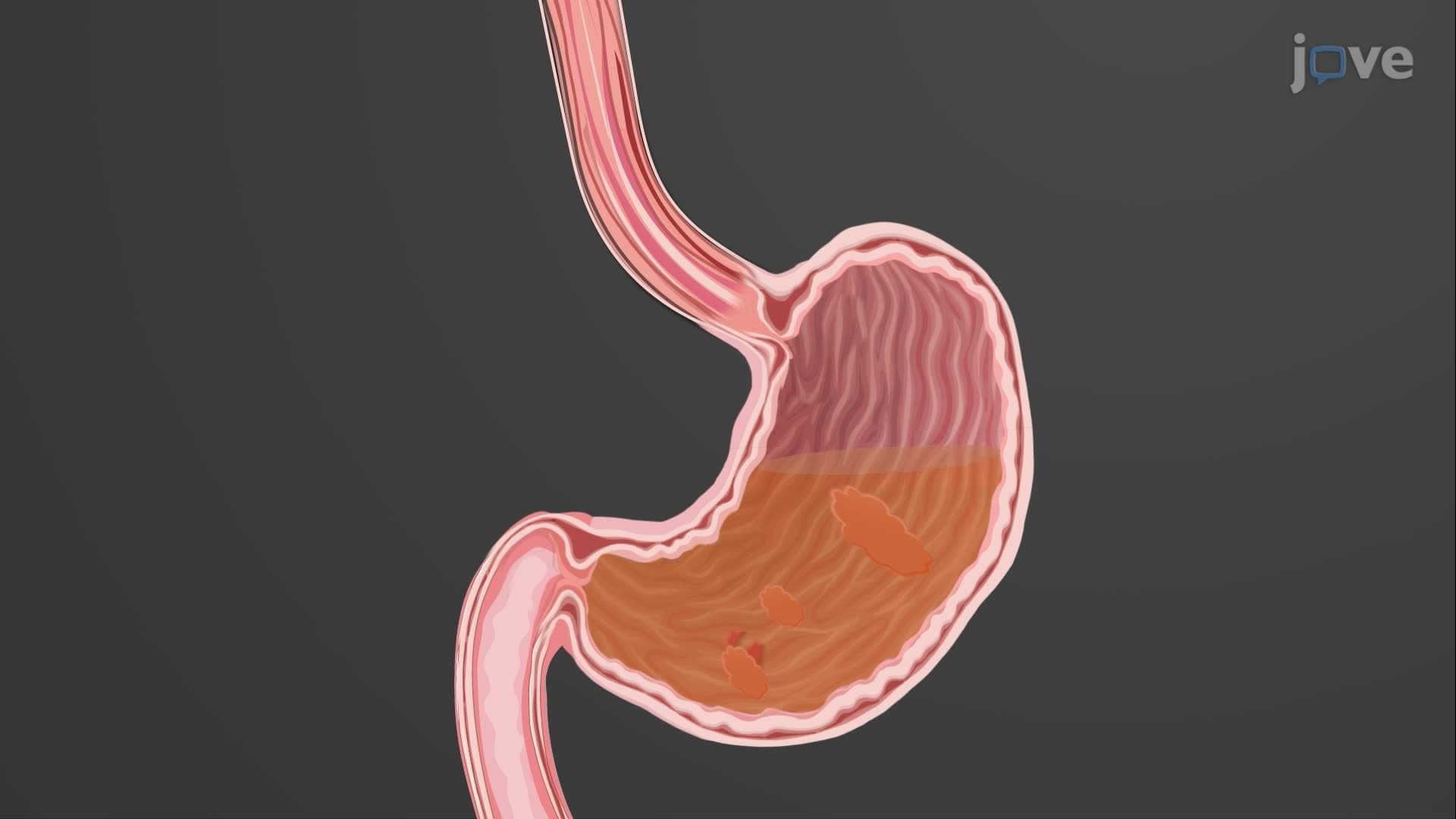
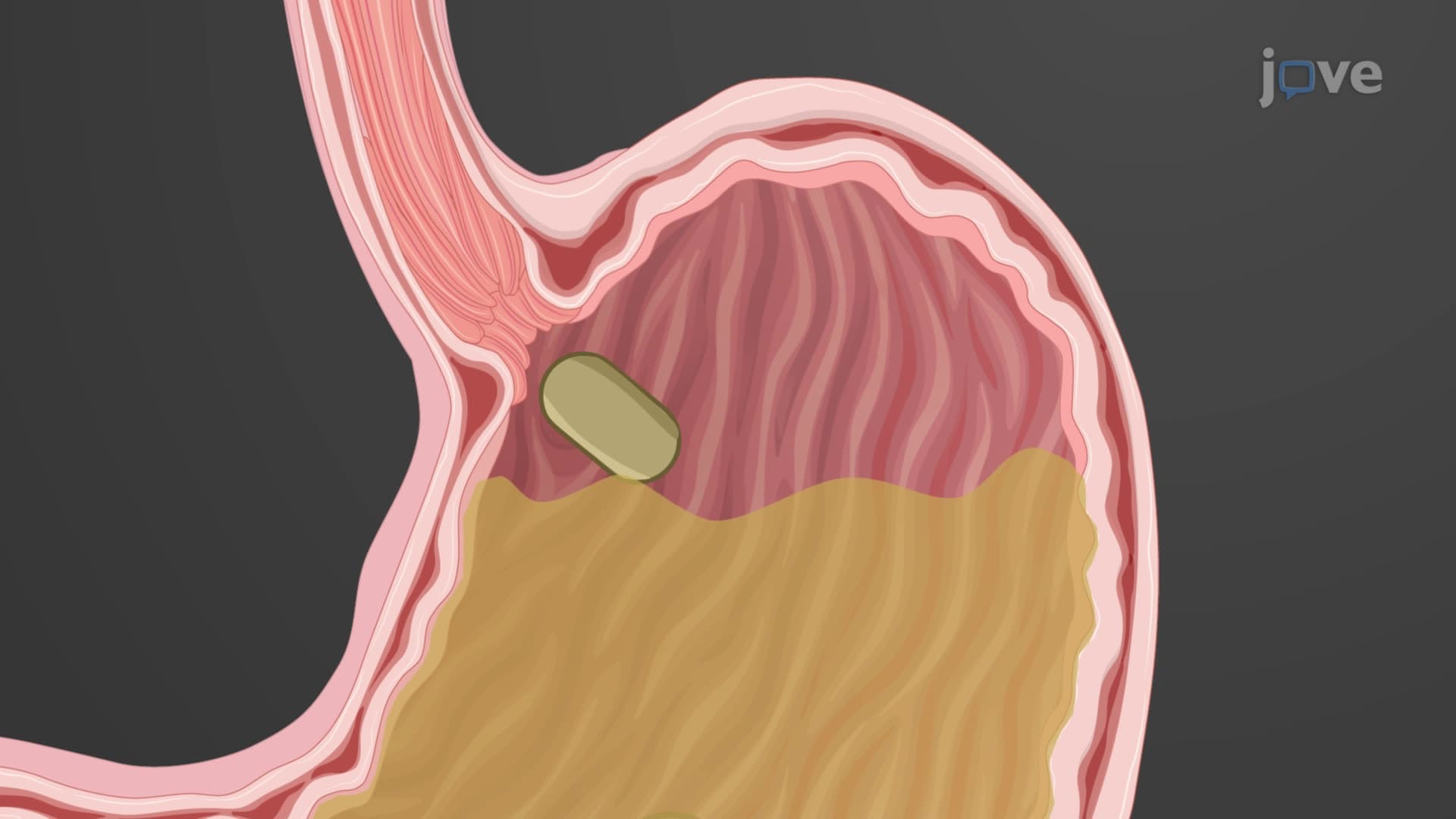
Ever wonder how your stomach can hold an entire Thanksgiving dinner? Gastric motility physiology involves coordinated muscle contractions that allow the stomach to expand like a balloon and then systematically break down food through rhythmic grinding motions. Consider how a typical American meal-like a burger, fries, and shake-gets transformed from solid chunks into liquid chyme through powerful pyloric contractions that work like a biological blender. What is gastric motility becomes clear when you understand these intricate stomach movements that prepare food for absorption. Watch the full video on JoVE Coach to master this concept with expert-led visuals and step-by-step explanations.
- Understand what is gastric motility and how coordinated stomach muscle contractions regulate food processing and movement through the digestive tract
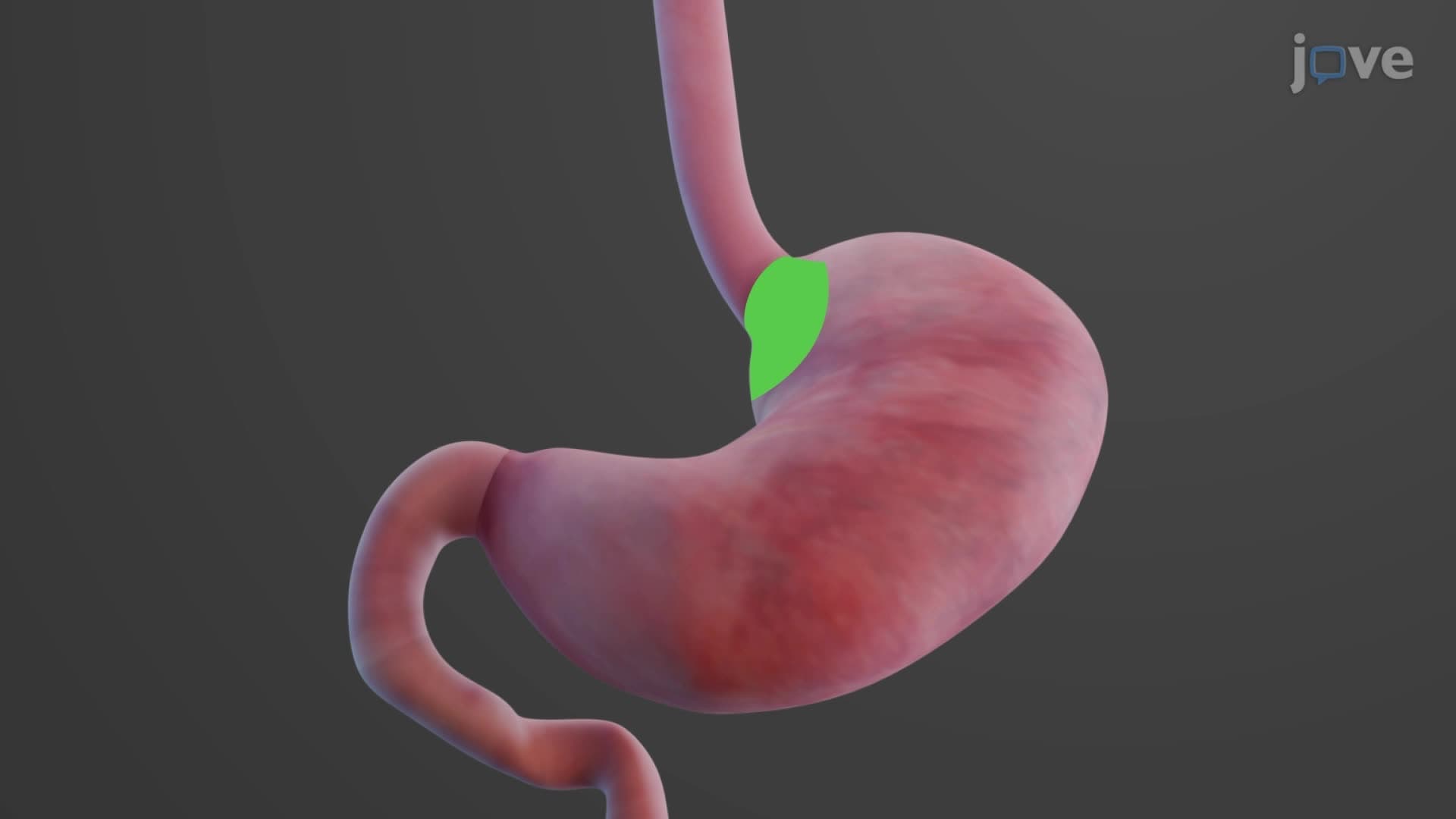
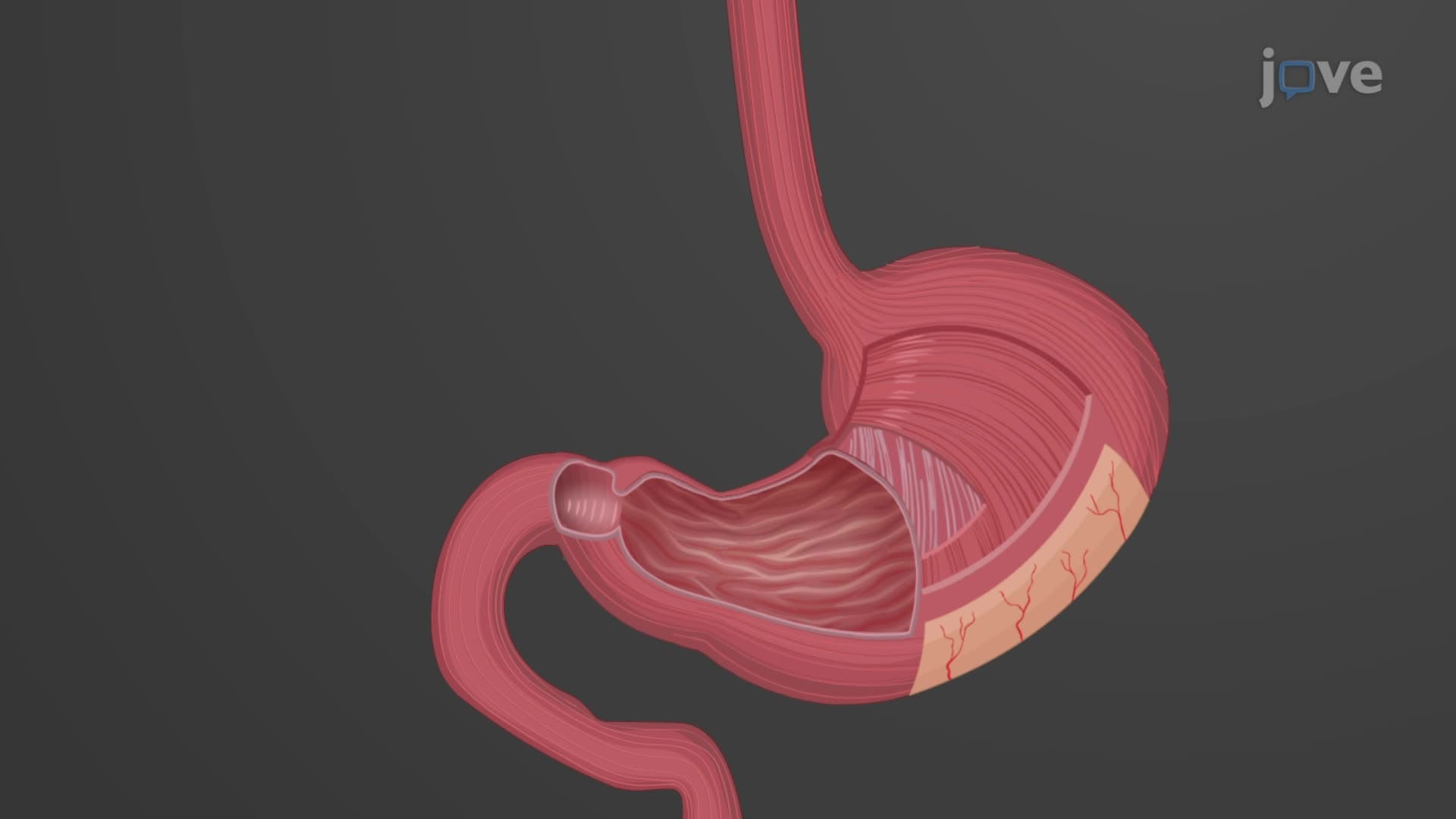
- Identify the anatomical regions involved in stomach movement, including the fundus, body, antrum, and pyloric sphincter's distinct motility patterns
- Analyze how peristaltic mixing gastric waves originate near the gastroesophageal junction and intensify toward the pylorus to create effective food grinding
- Recognize the role of enteric pacemaker cells in generating gastric slow wave rhythm that coordinates stomach contractions at 3 cycles per minute
- Evaluate how vagal nerve stimulation enables stomach relaxation and accommodation of up to 1.5 liters of food and liquid
- Apply knowledge of retropulsion mixing wave mechanisms to explain how the stomach creates thorough food-acid mixing without emptying prematurely
- Compare the different contractile patterns between the upper stomach (storage) and lower antrum (grinding) regions in digestive physiology
- Explore how pyloric sphincter motility regulates chyme release into the duodenum based on food particle size and consistency
Understanding Gastric Motility: The Stomach's Coordinated Dance
Gastric motility physiology represents one of the most sophisticated mechanical processes in human digestion. Unlike a simple storage bag, the stomach functions as a dynamic, multi-chambered processor that combines storage, mixing, grinding, and controlled release functions. This complex stomach movement explained biology involves precise coordination between neural, hormonal, and intrinsic muscle control systems.
Neural Control and Stomach Accommodation
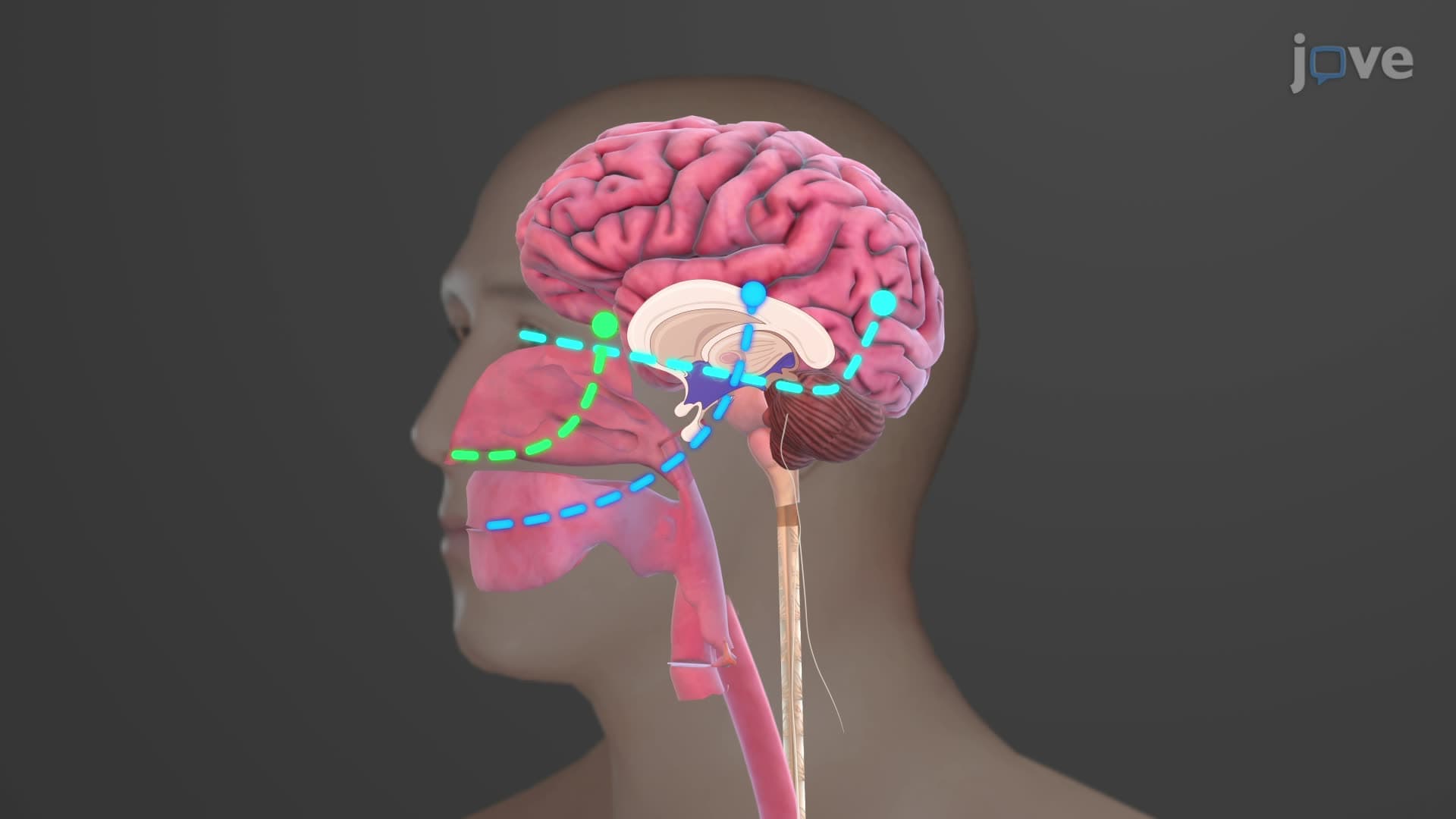
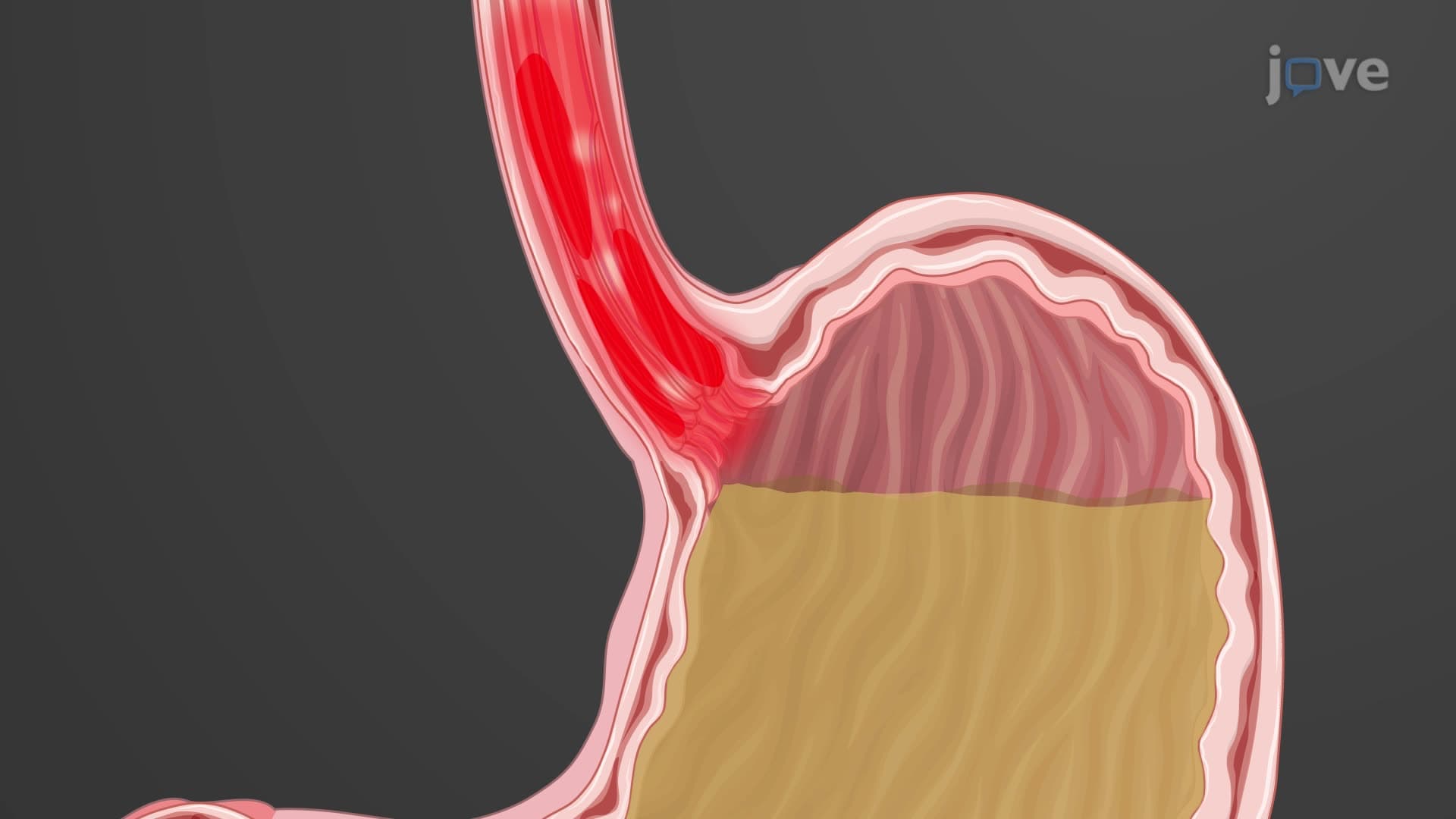
The process begins before food even reaches the stomach. When you smell pizza or hear a sizzling steak, the vagus nerve-cranial nerve X-prepares your stomach through a process called receptive relaxation. This gastric motility mechanism allows the fundus and upper body regions to dramatically expand without increasing internal pressure, accommodating volumes equivalent to a large sports drink bottle (approximately 1.5 liters). This accommodation is crucial for comfortable eating and prevents the uncomfortable bloating that would occur if stomach walls remained rigid.
Medical students studying for the MCAT frequently encounter questions about this vagal-mediated relaxation, as it demonstrates the parasympathetic nervous system's role in "rest and digest" functions. Understanding this concept is also essential for AP Biology students learning about homeostatic regulation in human body systems.
The Rhythm Makers: Enteric Pacemaker Cells
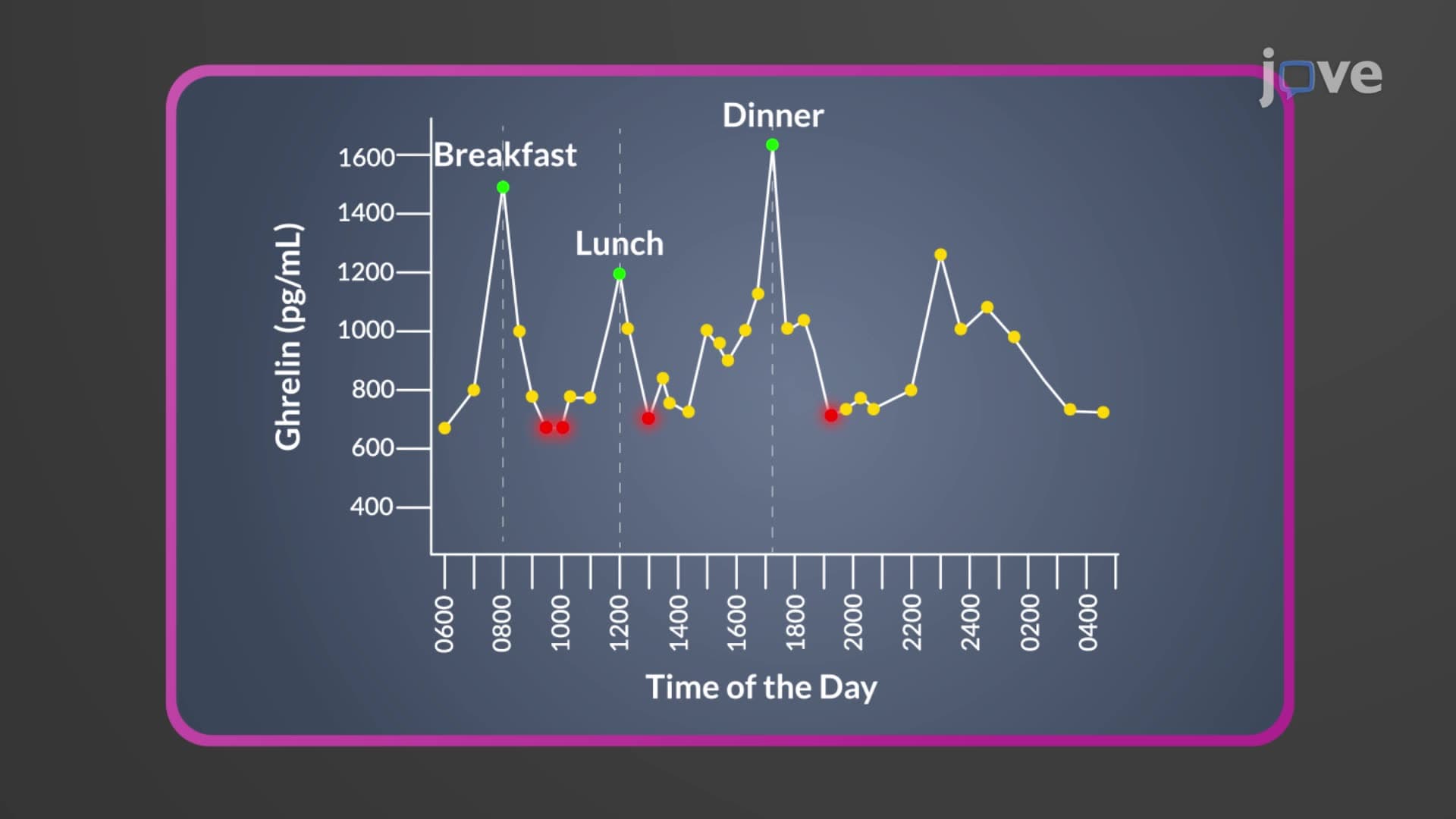
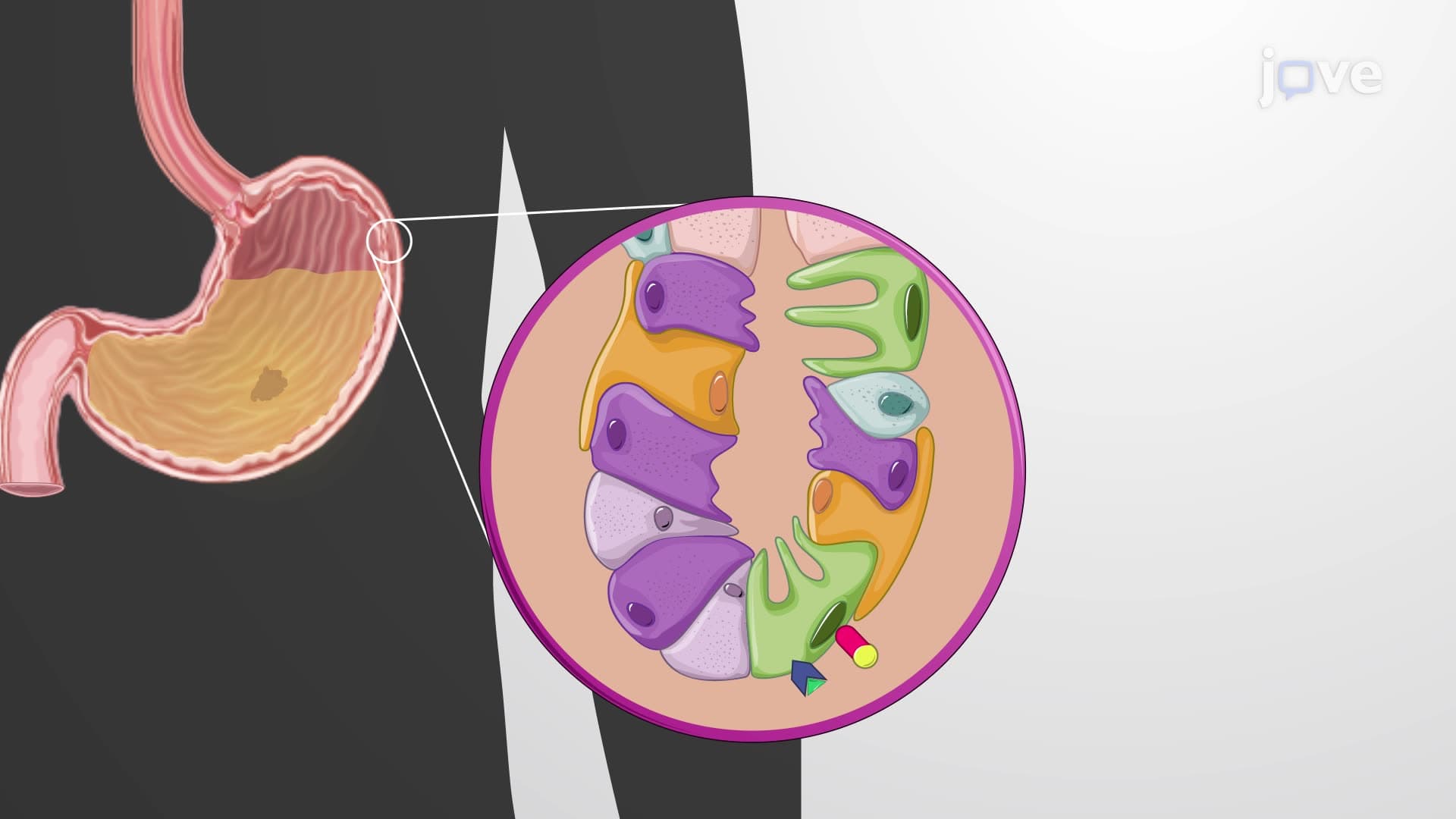
The stomach's contractile activity follows a precise electrical rhythm generated by specialized cells in the myenteric plexus. These pacemaker cells create gastric slow wave rhythm at approximately 3 cycles per minute, functioning like the stomach's internal metronome. Unlike cardiac pacemaker cells, gastric pacemakers don't always trigger contractions-they establish the timing when contractions can occur.
This electrical activity spreads through gap junctions, creating coordinated waves that sweep from the gastroesophageal junction toward the pylorus. College physiology students often compare this to a stadium wave, where each section of stomach muscle contracts in sequence, creating the peristaltic mixing gastric pattern essential for proper digestion.
Grinding and Mixing: The Antral Mill
The most dramatic stomach movement explained biology occurs in the pyloric antrum, where powerful contractions create what physiologists call the "antral mill." These forceful contractions, combined with retropulsion mixing wave activity, create a grinding action that reduces food particles to approximately 1-2 millimeters-small enough to pass through the pyloric sphincter.
Pyloric sphincter motility acts as a sophisticated gatekeeper, allowing only properly processed chyme to enter the duodenum while forcing larger particles back for additional processing. This mechanism prevents undigested food chunks from reaching the small intestine, where they could cause problems with enzyme action and absorption.
Students preparing for nursing entrance exams like the HESI A2 or TEAS should understand that disruptions in this grinding process can lead to conditions like gastroparesis, commonly seen in diabetic patients in US hospitals.
Frequently Asked Questions
Gastric motility is the coordinated contraction of stomach muscles that stores, mixes, and grinds food while controlling its release into the small intestine. This process is essential because it transforms solid food into liquid chyme, mixes nutrients with digestive acids, and ensures proper particle size for optimal enzyme action in the small intestine. Without effective gastric motility, digestion becomes inefficient and can lead to malabsorption problems.
MCAT questions frequently test the neural control of gastric motility, particularly vagal stimulation and enteric nervous system function. AP Biology exams often focus on the relationship between structure and function in digestive physiology, asking students to explain how peristaltic waves relate to food processing. You'll also see questions connecting gastric motility to homeostasis and feedback mechanisms in digestive regulation.
USMLE Step 1 extensively covers gastric motility in gastrointestinal pathophysiology, including gastroparesis, pyloric stenosis, and Hirschsprung disease. Step 2 focuses on clinical presentations of motility disorders, diagnostic approaches using gastric emptying studies, and pharmacological treatments like prokinetic agents. Understanding normal motility is essential for recognizing abnormal patterns in clinical vignettes.
Diabetic gastroparesis affects approximately 5-12% of diabetic patients in US healthcare systems, causing delayed gastric emptying and poor blood sugar control. Post-surgical ileus commonly occurs after abdominal operations, requiring healthcare providers to monitor gastric motility recovery. Emergency departments frequently see patients with gastroparesis complications, making this knowledge essential for nursing students taking the NCLEX exam.
Not at all-gastric motility builds on basic concepts you already know about muscle contraction and nervous system control. If you understand how your heart beats in rhythm or how peristalsis moves food through your esophagus, you have the foundation for gastric motility. The key is visualizing the stomach as having different regions with specialized functions, like different players on a sports team working together toward a common goal.
Focus on drawing the process step-by-step, from vagal stimulation through chyme formation. Create a timeline showing how pacemaker cells generate slow waves, how these waves coordinate peristalsis, and how the pyloric sphincter regulates emptying. Practice explaining the difference between accommodation (storage) and propulsion (grinding) phases. Many students find success using analogies-compare the stomach to familiar mechanical processes like a washing machine or food processor.
Build on this foundation by exploring small intestinal motility, including the migrating motor complex and segmentation contractions. Study how gastric motility integrates with hormonal controls like gastrin, cholecystokinin (CCK), and gastric inhibitory peptide (GIP). This knowledge connects directly to clinical topics like irritable bowel syndrome and inflammatory bowel disease commonly tested in advanced healthcare exams.
NCLEX frequently tests nursing interventions for patients with gastric motility disorders, including proper positioning, medication administration, and monitoring for complications. Understanding normal gastric motility helps you recognize abnormal findings like gastric distension, delayed gastric emptying symptoms, and appropriate use of nasogastric decompression. This knowledge is particularly important for medical-surgical and critical care nursing questions.
Related Micro-courses
25 Concepts

25 Concepts

20 Concepts