Loading subject page…


89,755 views

Video Summary: What Is Gastric Phase of Digestion
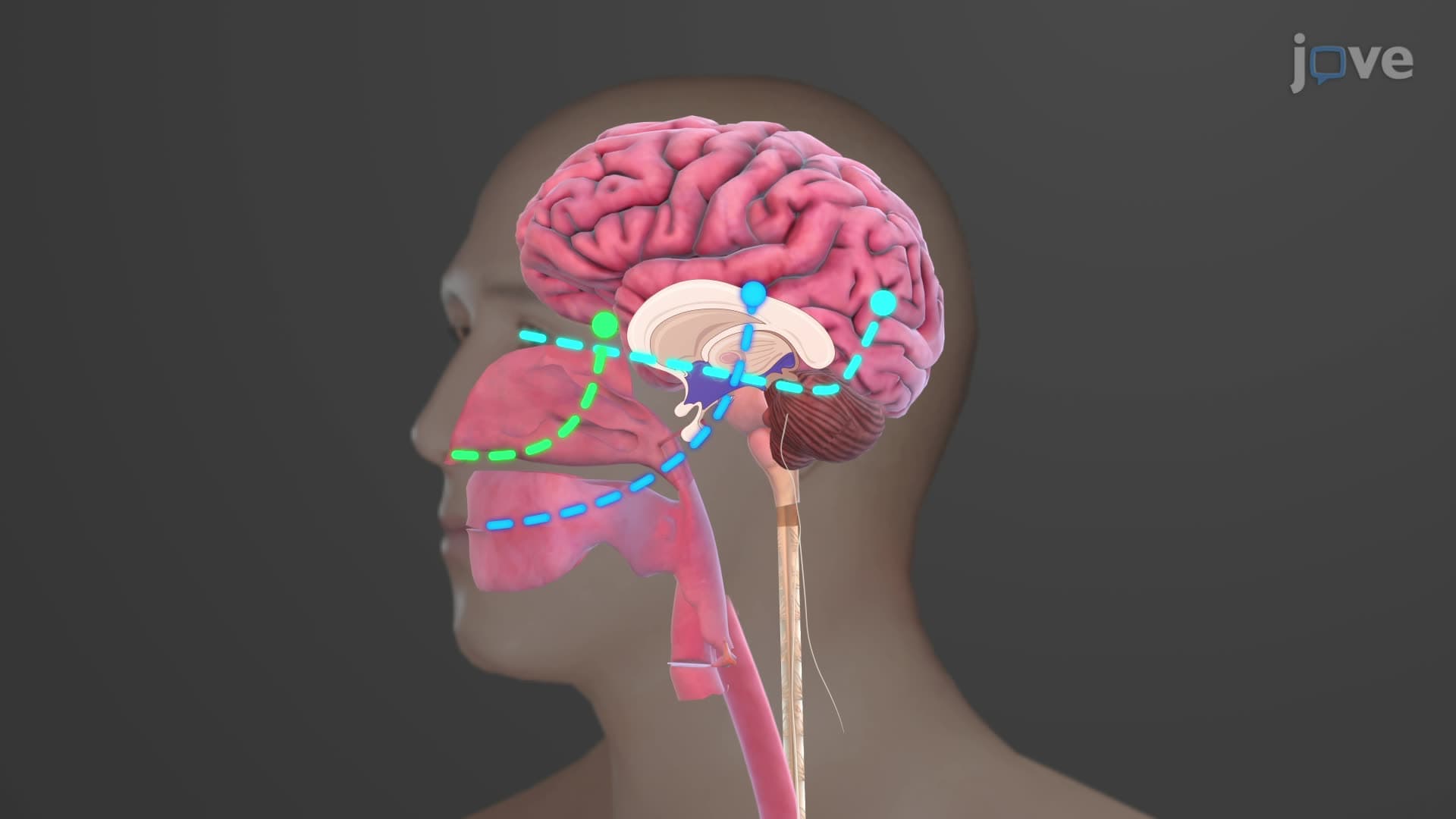
Ever wonder why your stomach growls loudly during a quiet exam at your local high school? The gastric phase digestion biology involves complex mechanisms that activate when food enters your stomach, lasting 3-4 hours and triggering powerful digestive processes. During this phase, your stomach produces up to 3 liters of gastric juice daily-enough to fill a large soda bottle! Understanding what is the gastric phase of digestion reveals how your body transforms a sandwich into nutrients your cells can use. Watch the full video on JoVE Coach to master this concept with expert-led visuals and step-by-step explanations.
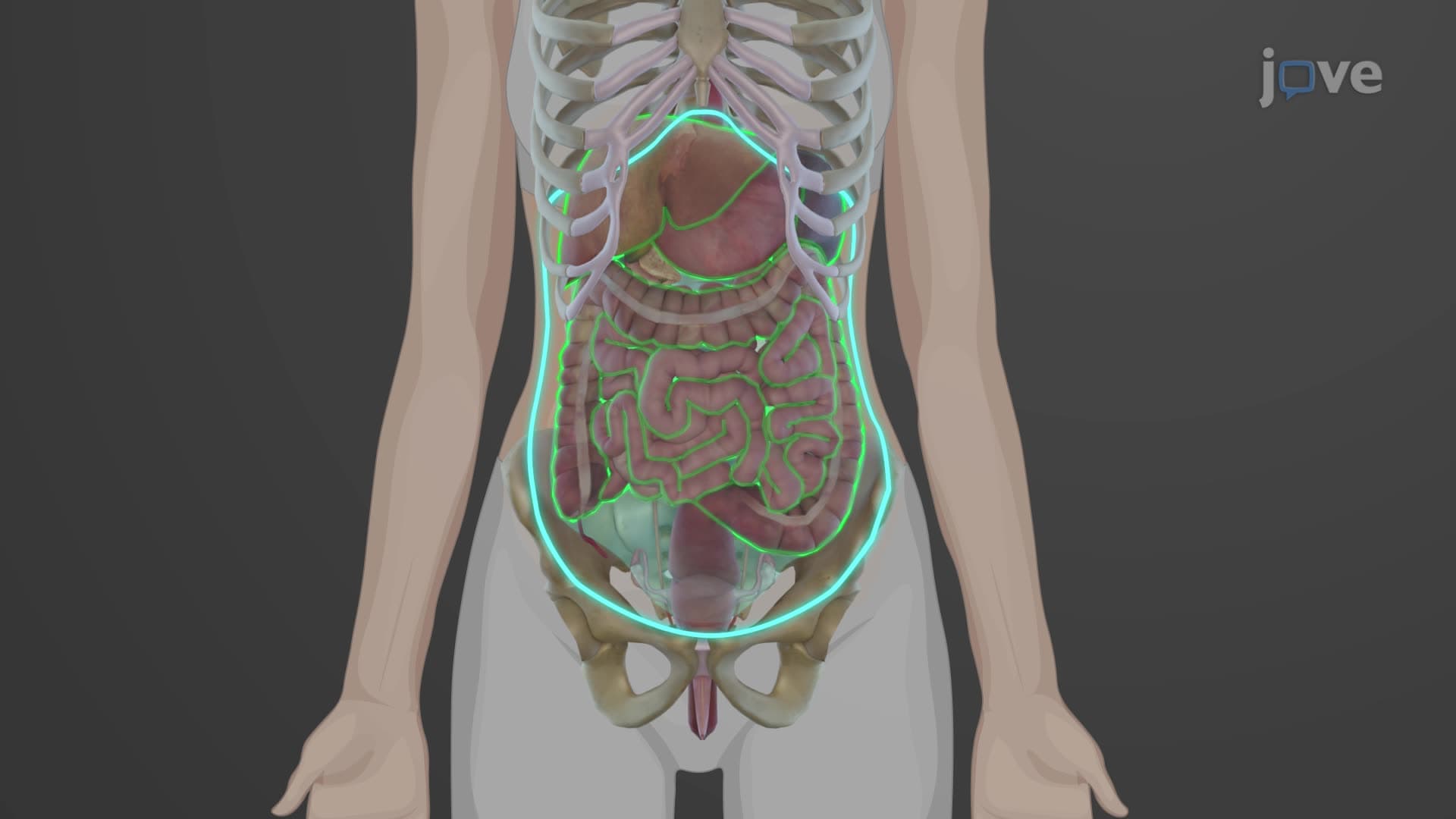
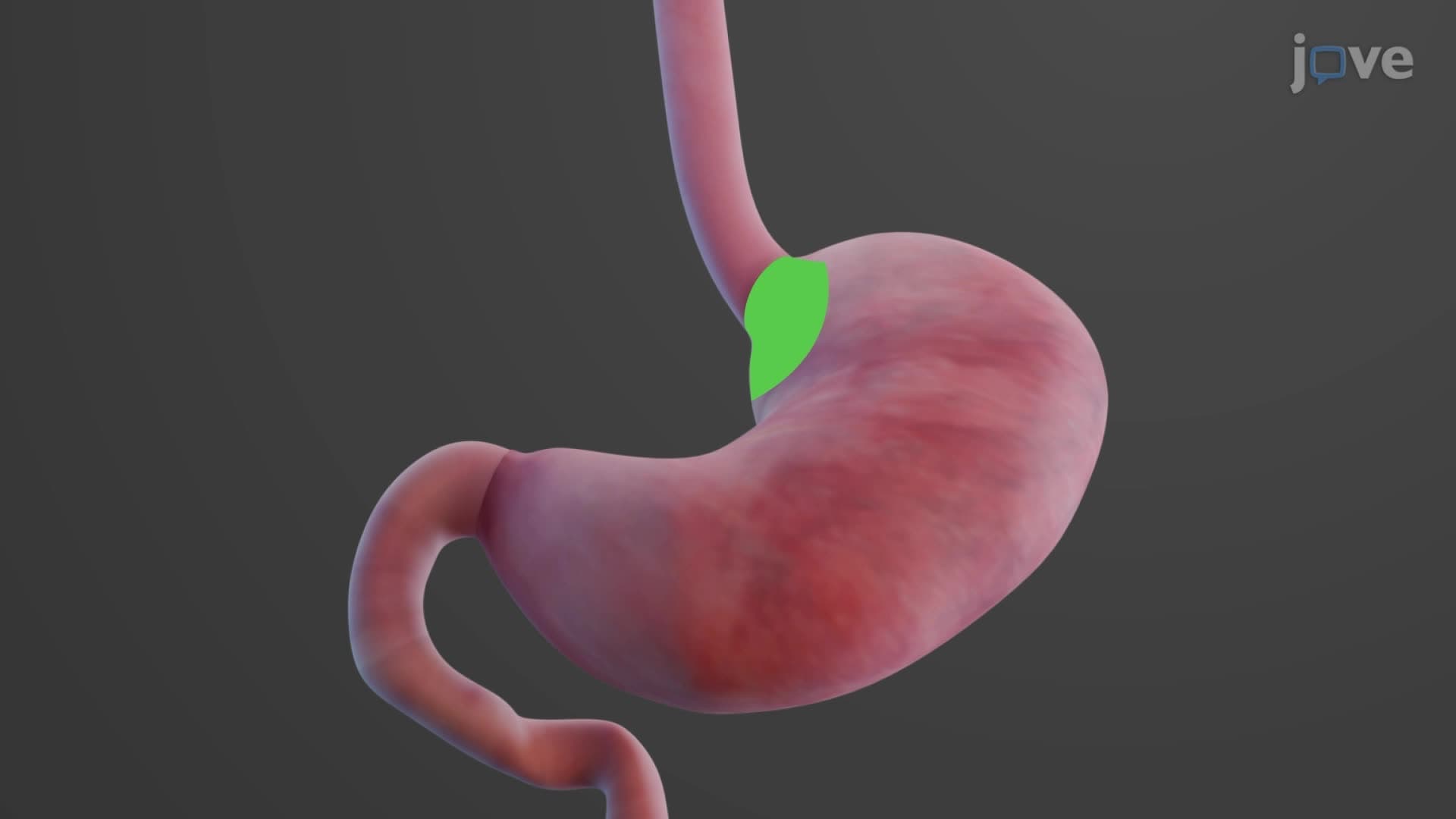
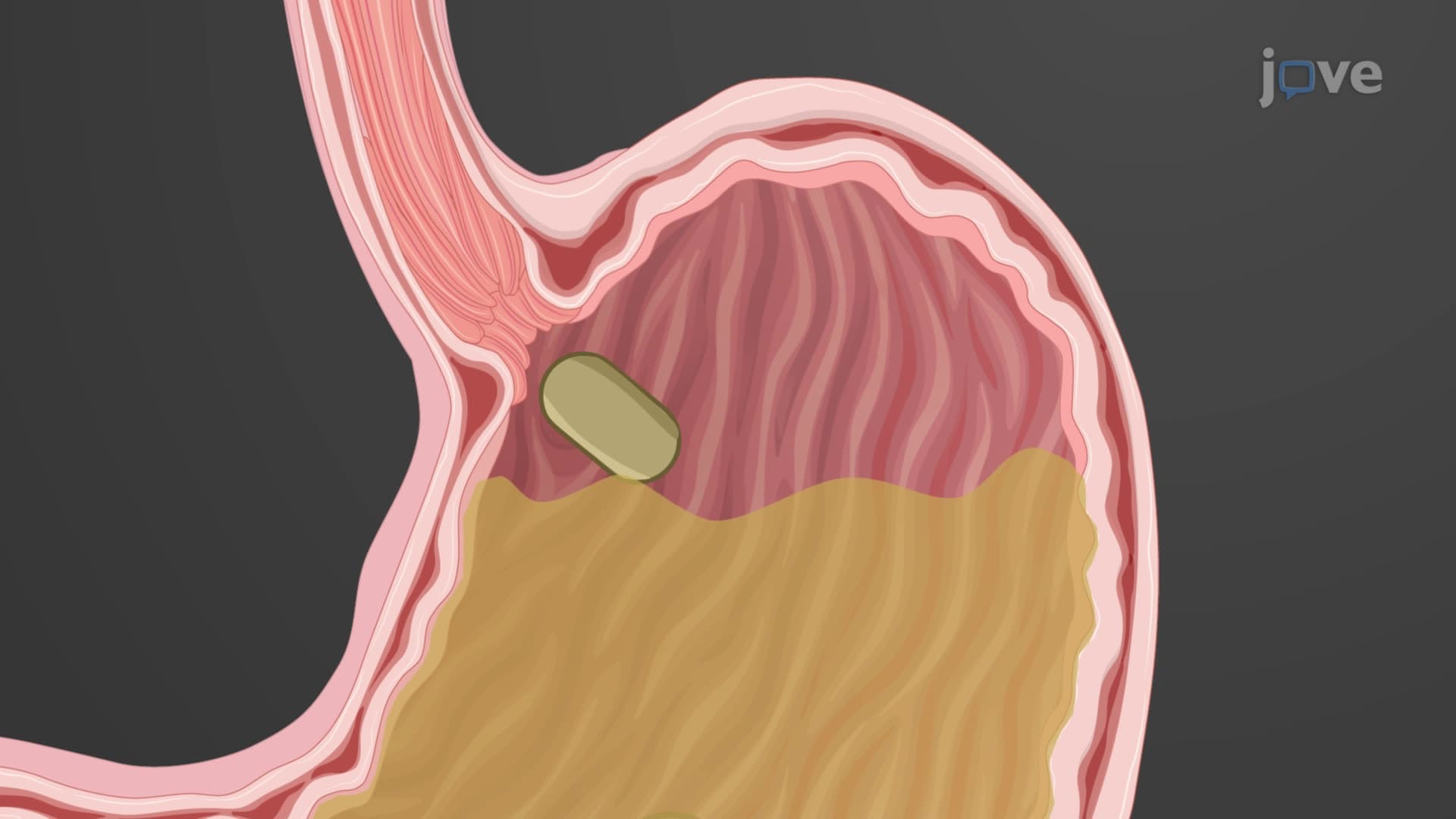
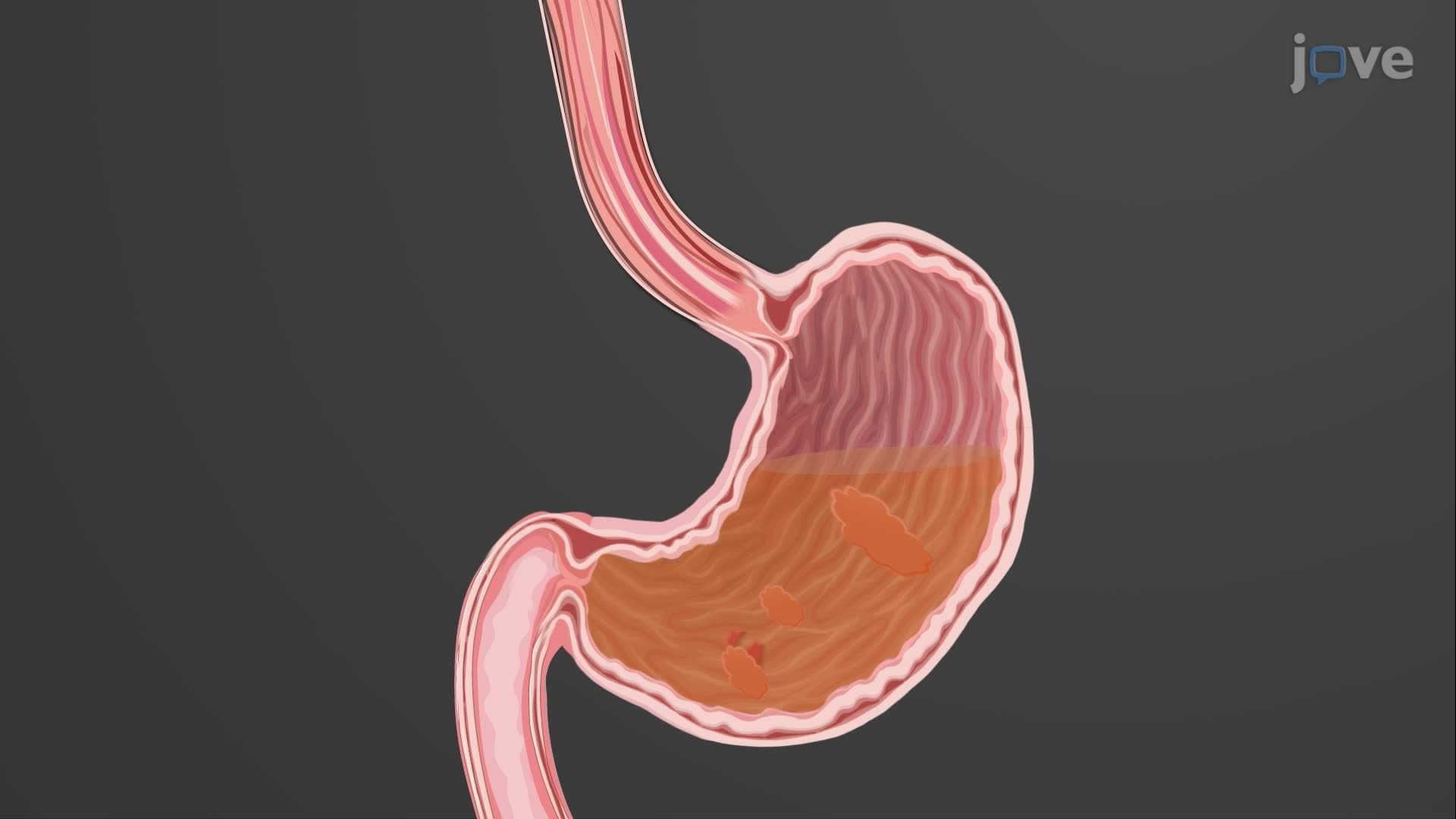
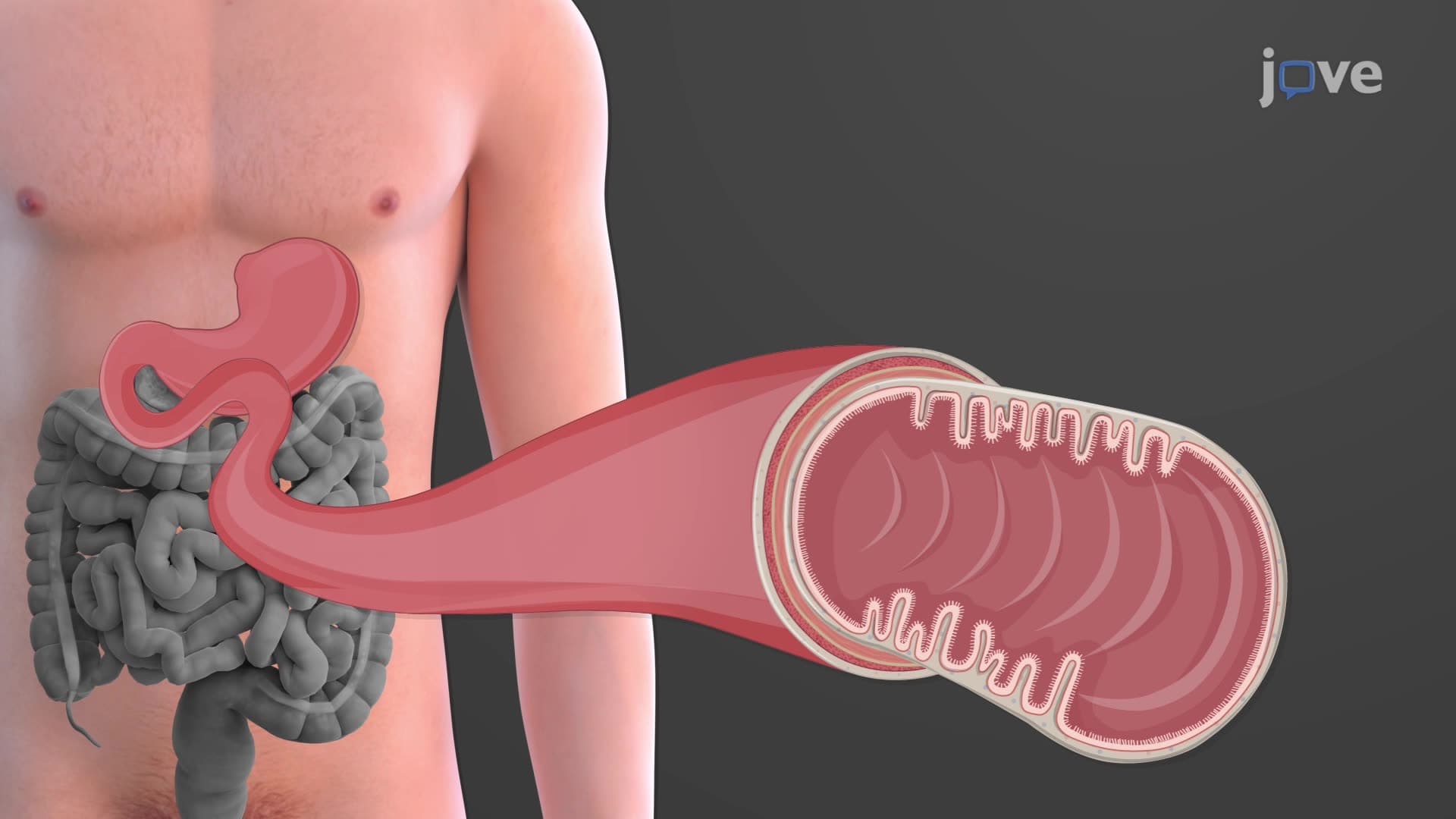
The gastric phase digestion biology represents the most active period of stomach function, beginning when food enters the stomach and continuing for approximately 3-4 hours. This phase involves sophisticated coordination between mechanical, chemical, and hormonal processes that transform ingested food into a semi-liquid mixture called chyme. Unlike the brief cephalic phase triggered by sight and smell, the gastric phase provides sustained digestive activity essential for proper nutrient breakdown.
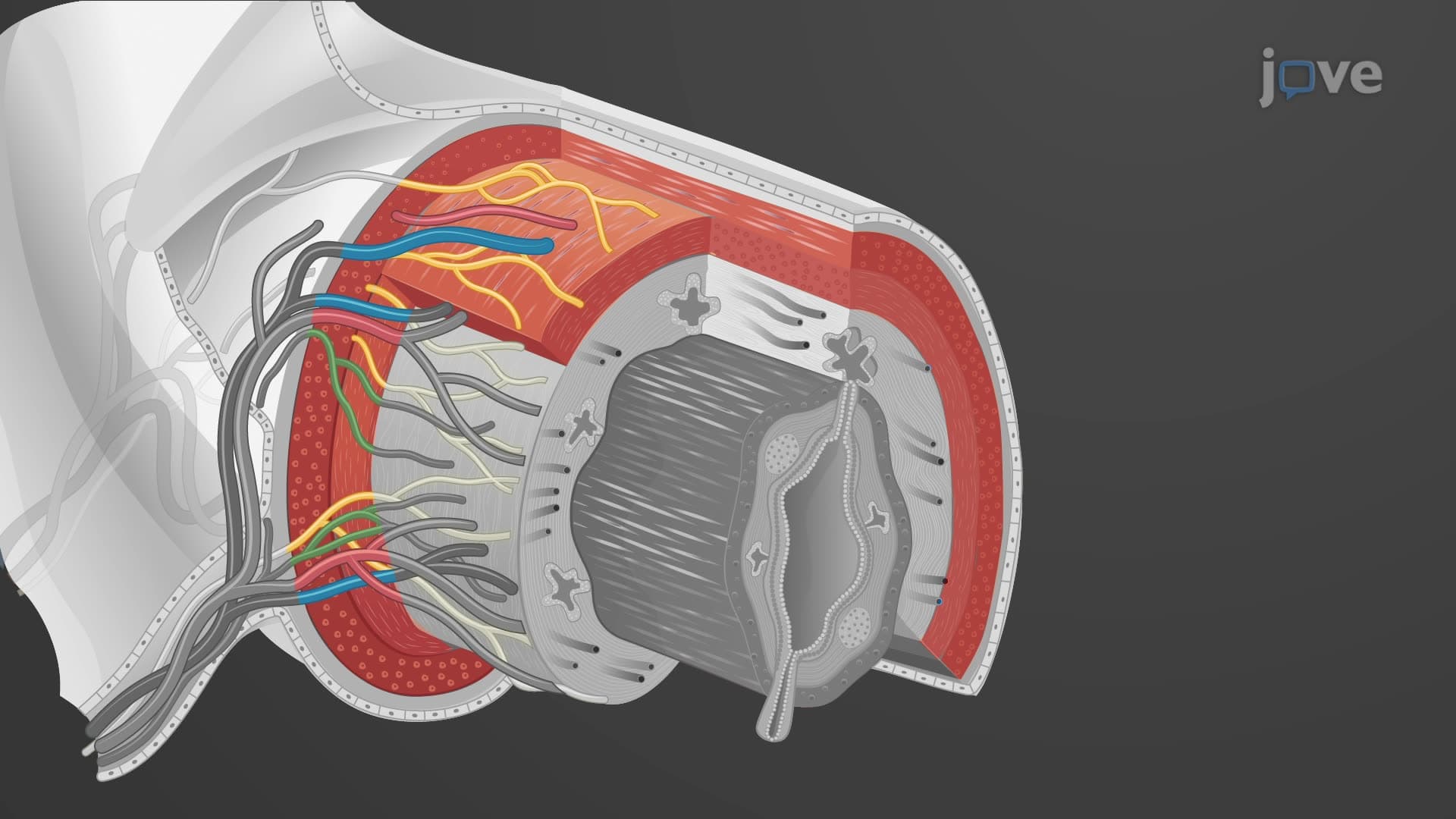
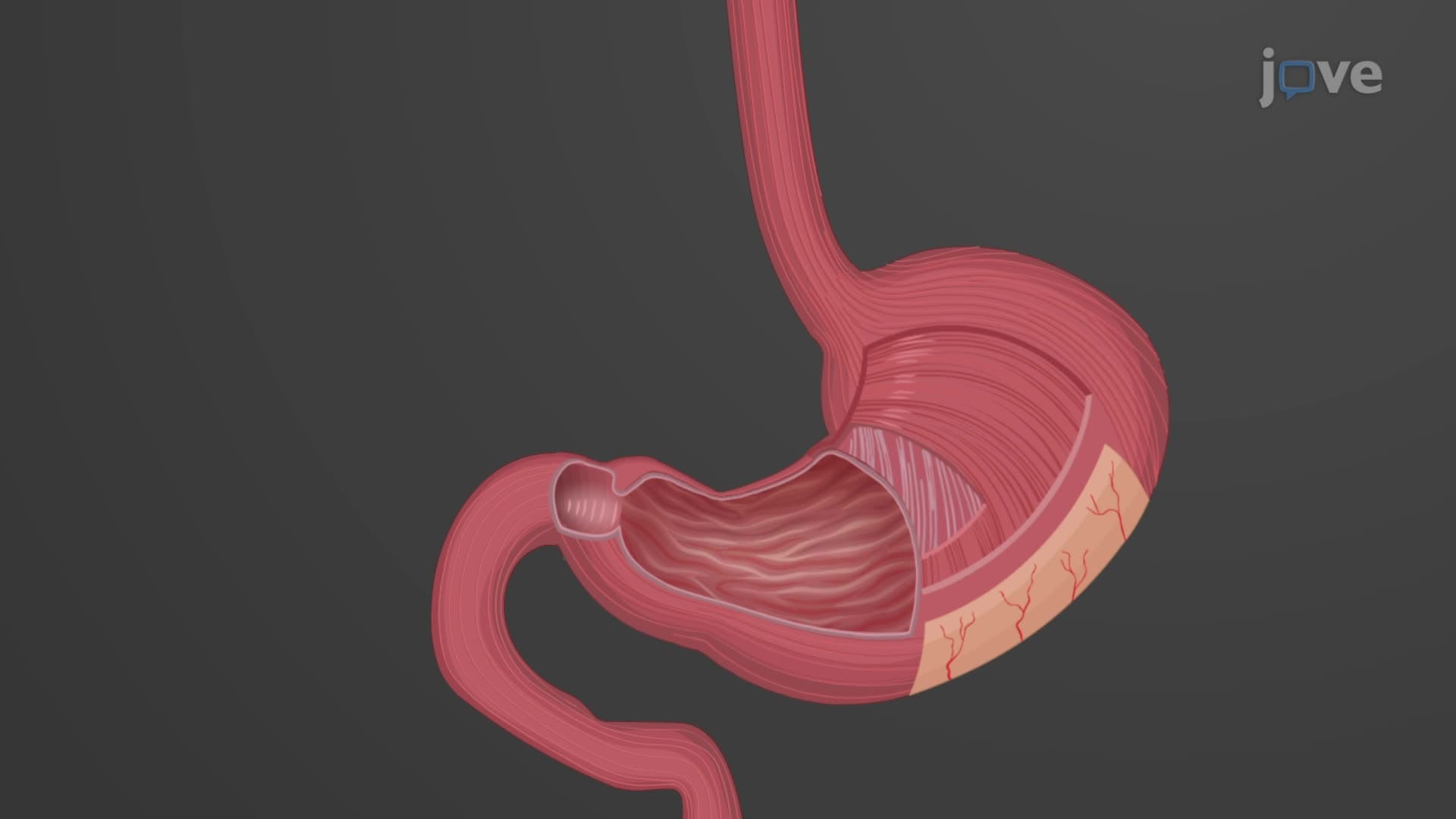
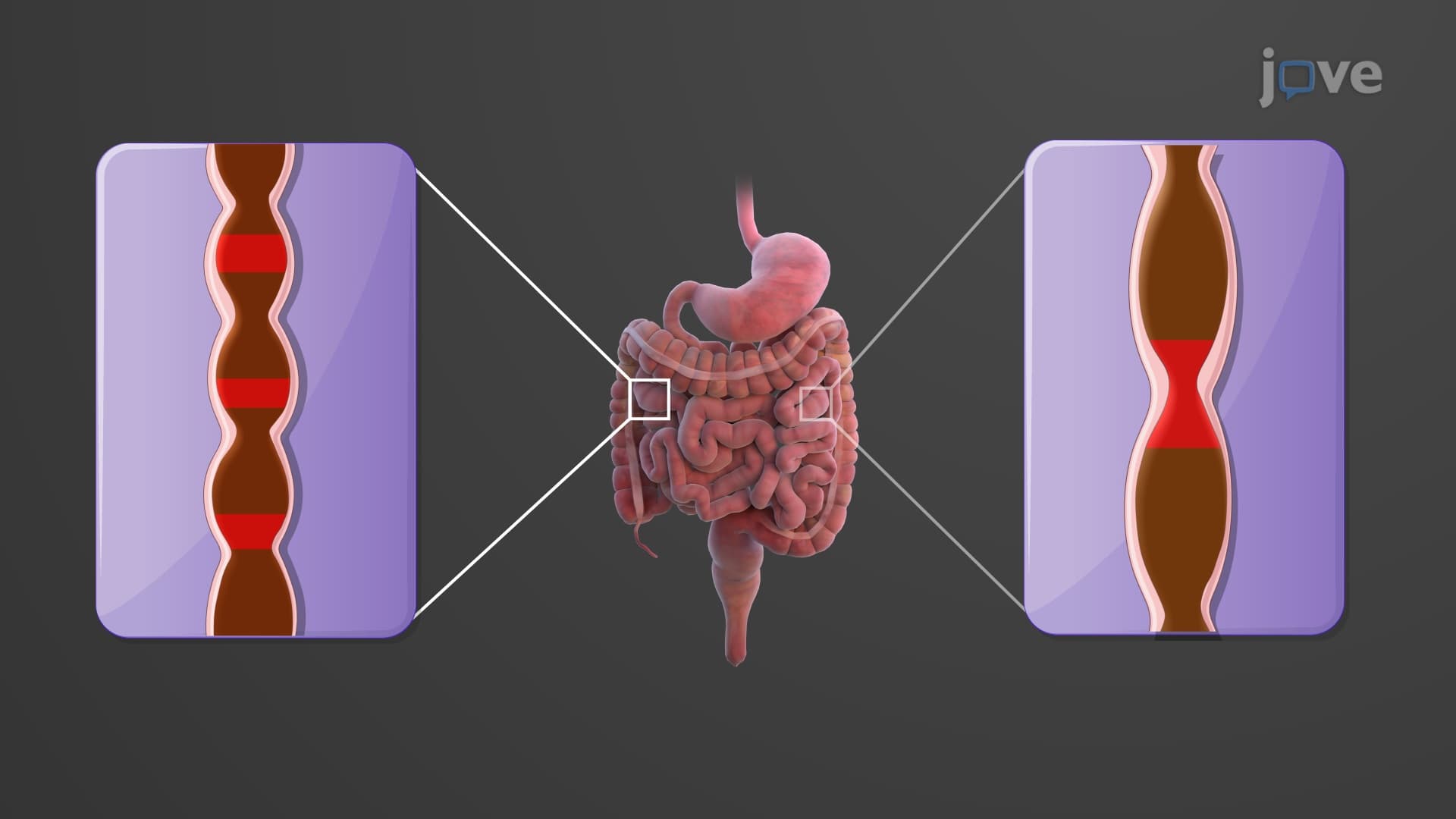
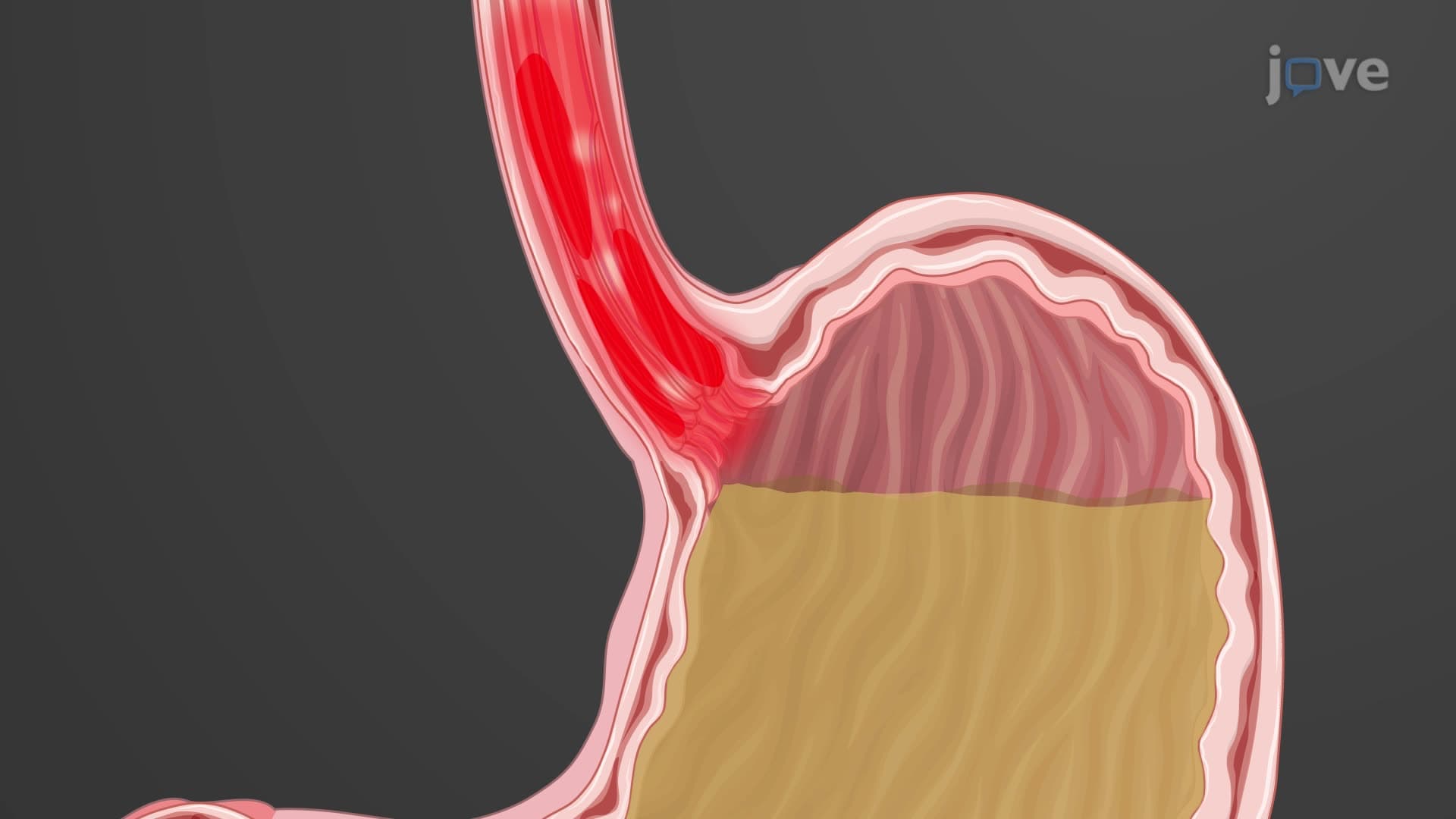
When food stomach gastric phase interaction begins, incoming food causes significant stomach wall distension. This physical stretching activates specialized stretch receptors embedded in the stomach wall, which immediately trigger local short reflexes through the enteric nervous system. The submucosal plexus controls secretory functions, while the myenteric plexus coordinates powerful muscular contractions called mixing waves. These waves occur every 15-25 seconds, creating a churning action that mechanically breaks down food particles-similar to how a washing machine agitates clothes during a wash cycle.
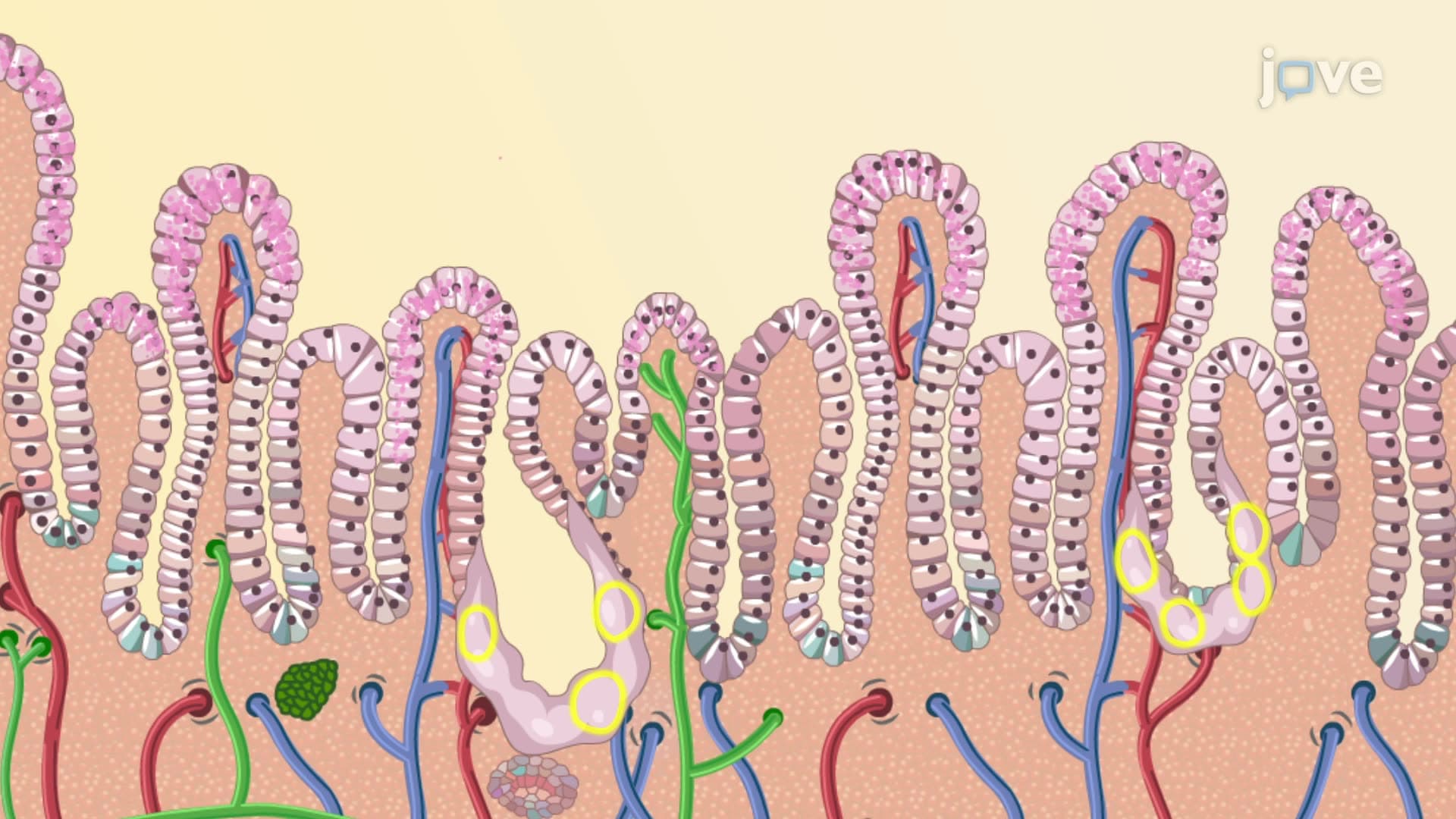
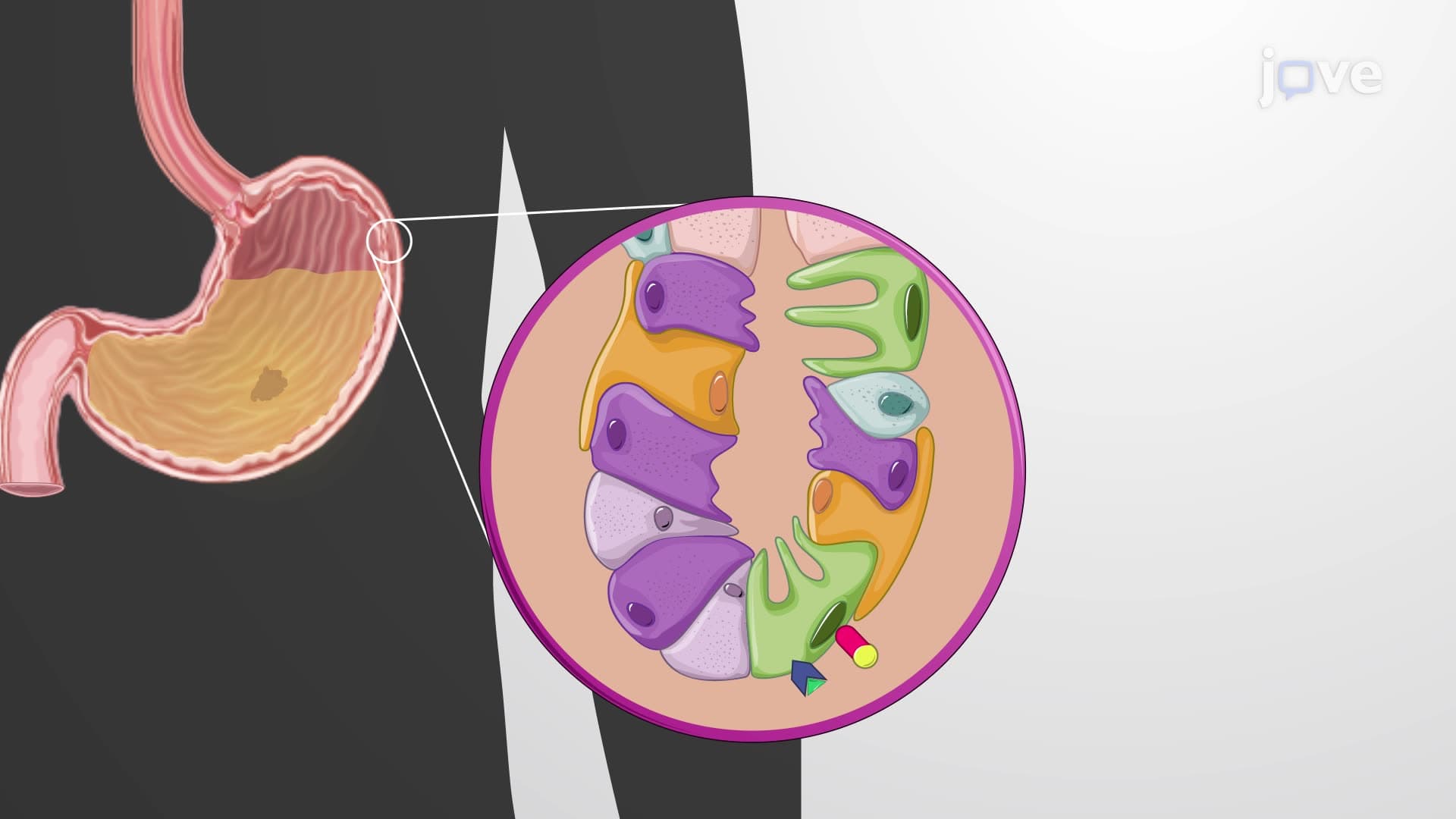
The gastrin secretion gastric phase mechanism represents one of the most important hormonal control systems in digestion. G cells located in the stomach antrum detect chemical changes including pH alterations and the presence of partially digested proteins (peptides). These stimuli trigger gastrin release into the bloodstream, which then stimulates enterochromaffin-like (ECL) cells to produce histamine. This histamine directly activates parietal cells, initiating the production of hydrochloric acid-a process crucial for AP Biology and college-level physiology courses.
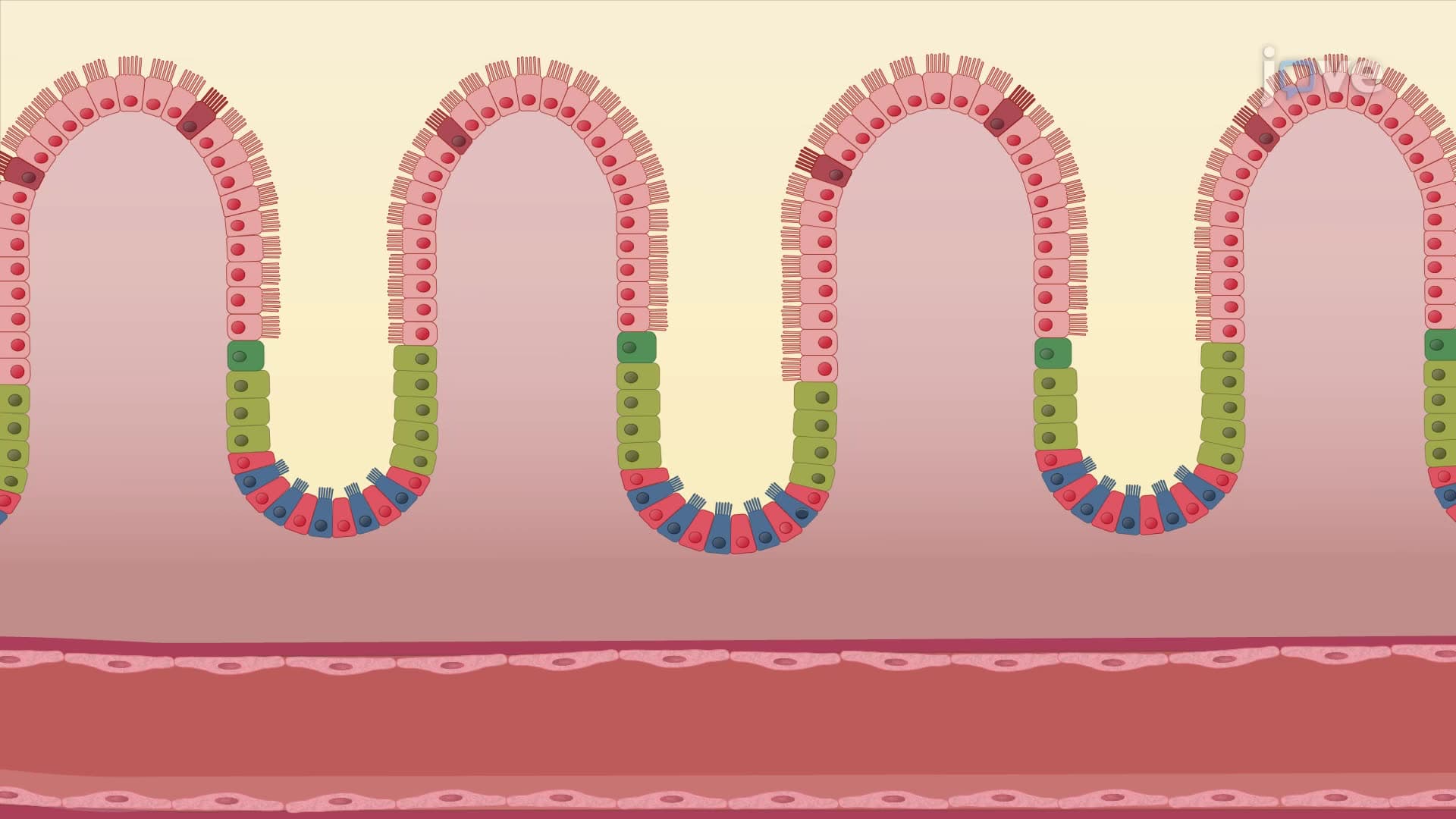
The gastric HCl pepsin secretion process involves multiple cell types working in coordination. Parietal cells produce hydrochloric acid, which serves three critical functions: destroying harmful bacteria, partially denaturing proteins to make them more accessible to enzymes, and converting inactive pepsinogen into active pepsin. Chief cells simultaneously release pepsinogen, while mucous cells secrete protective mucus. This combination creates gastric juice with a pH of 1.5-2.0-more acidic than lemon juice. Students preparing for the MCAT should note that pepsin works optimally in this highly acidic environment, breaking proteins into smaller peptide fragments that can be further processed in the small intestine.
Related Micro-courses