Loading subject page…


89,753 views

Video Summary: What Is Gross Anatomy Stomach
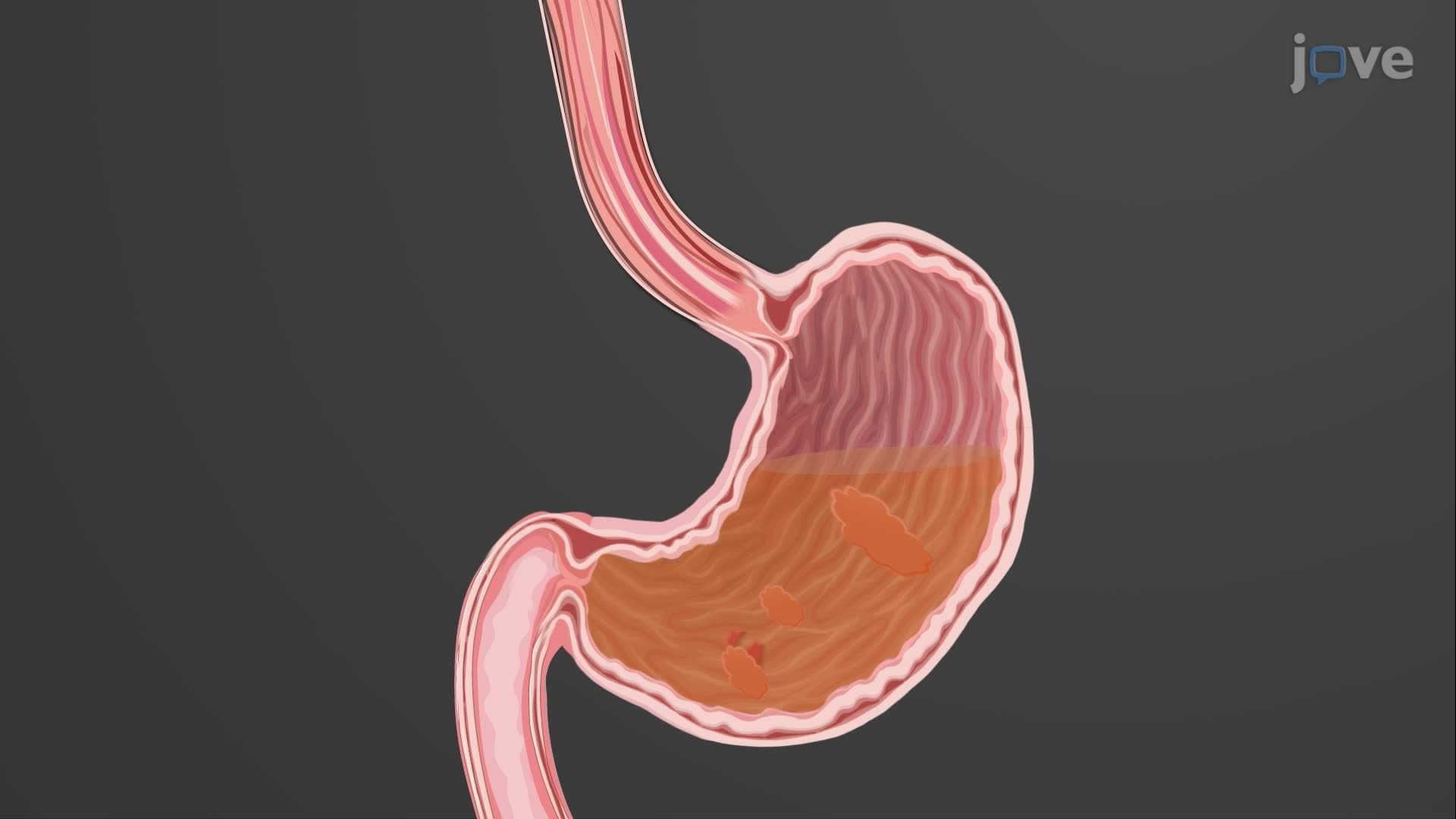
Ever wondered why your stomach gross anatomy biology allows you to eat a Thanksgiving feast yet feel hungry again hours later? The stomach's unique J-shaped structure and expandable design enable it to hold up to 1.5 liters of food-equivalent to a large soda bottle. Understanding what is the gross anatomy of the stomach reveals how this remarkable organ connects your esophagus to your small intestine through four distinct regions, each with specialized functions for digestion. Watch the full video on JoVE Coach to master this concept with expert-led visuals and step-by-step explanations.
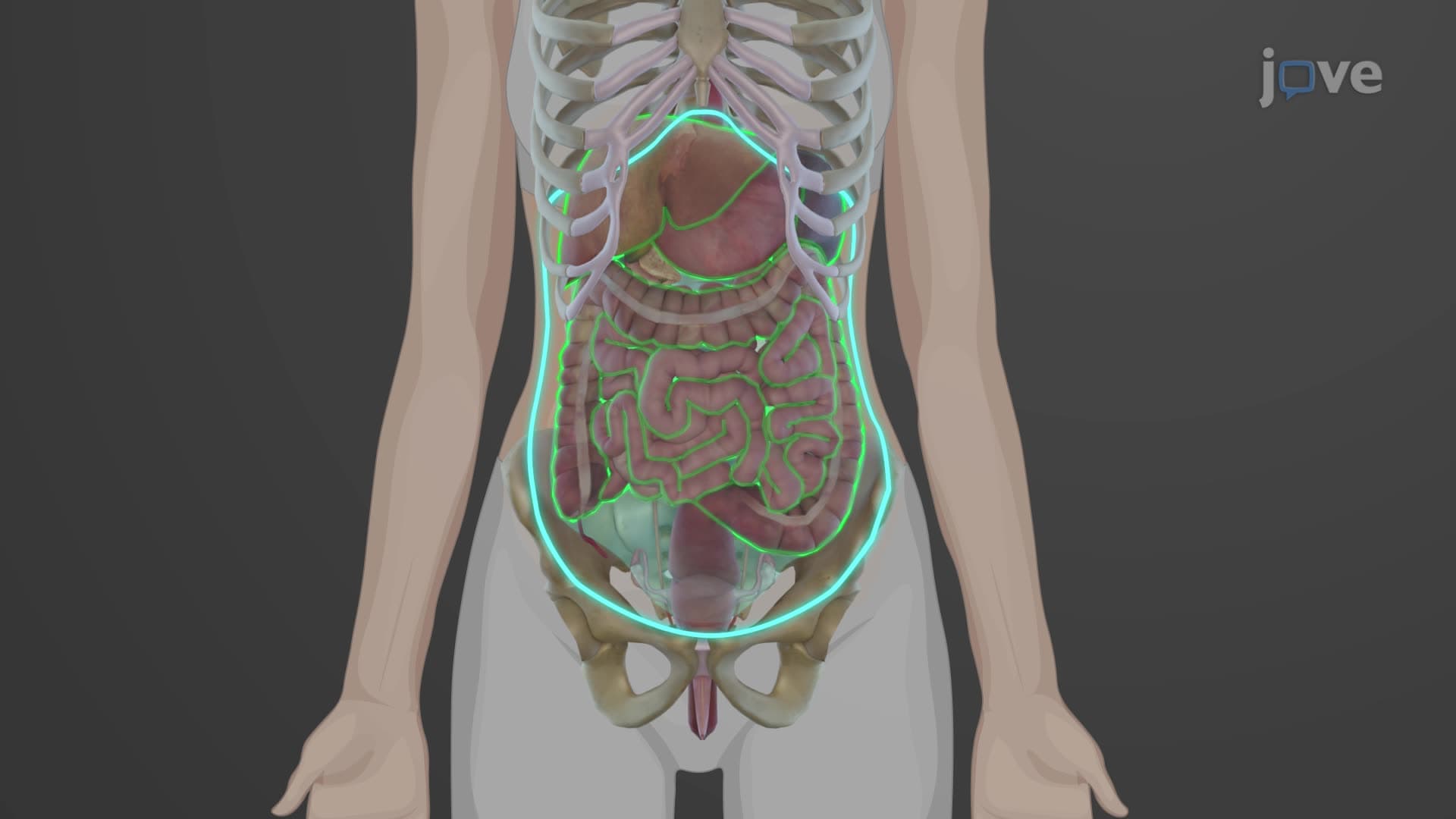
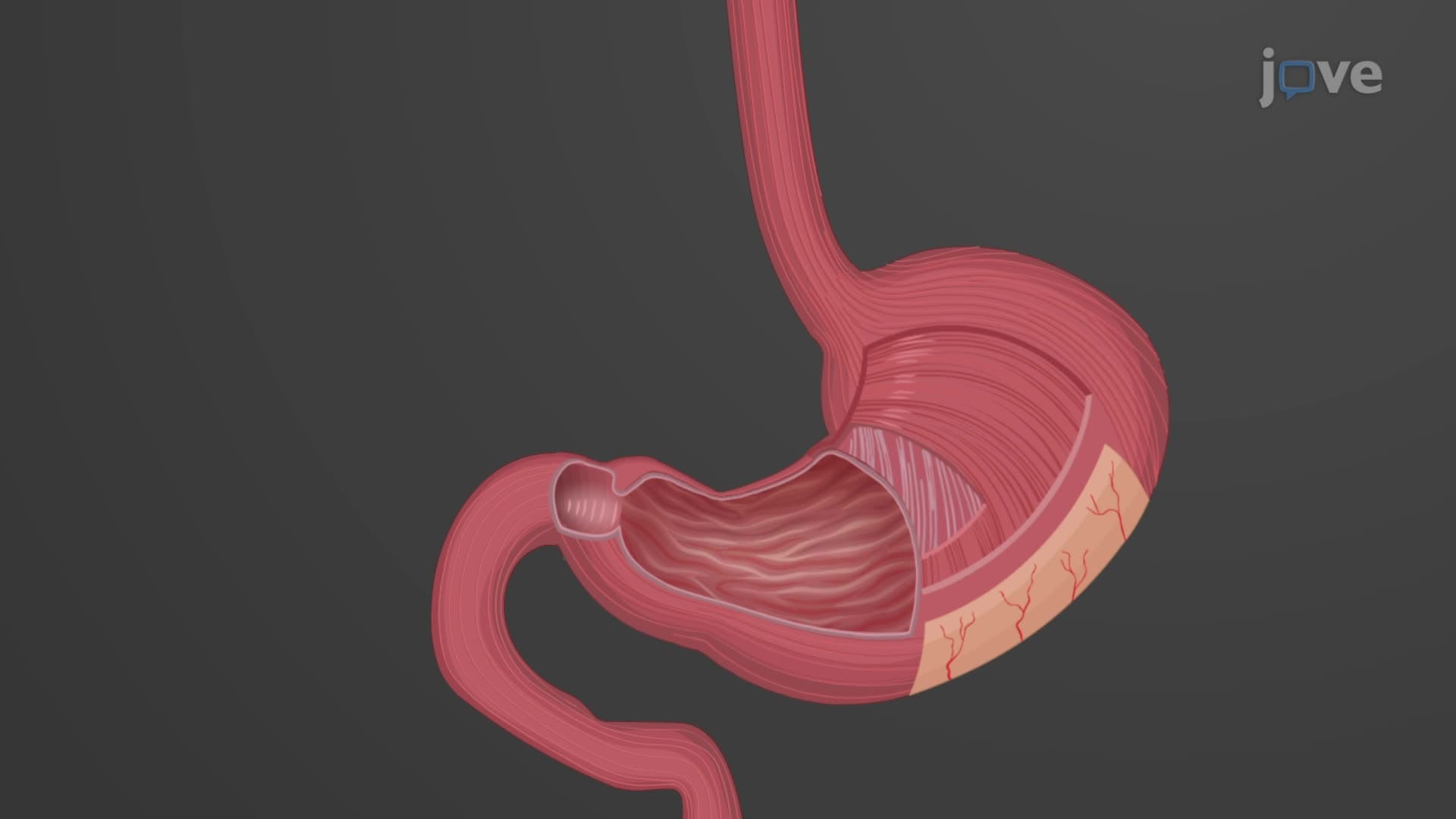
The stomach gross anatomy biology represents one of the most fascinating examples of form following function in human anatomy. This muscular sac serves as a temporary storage and initial processing center for food, strategically positioned between the esophagus and small intestine in the upper left quadrant of the abdominal cavity.
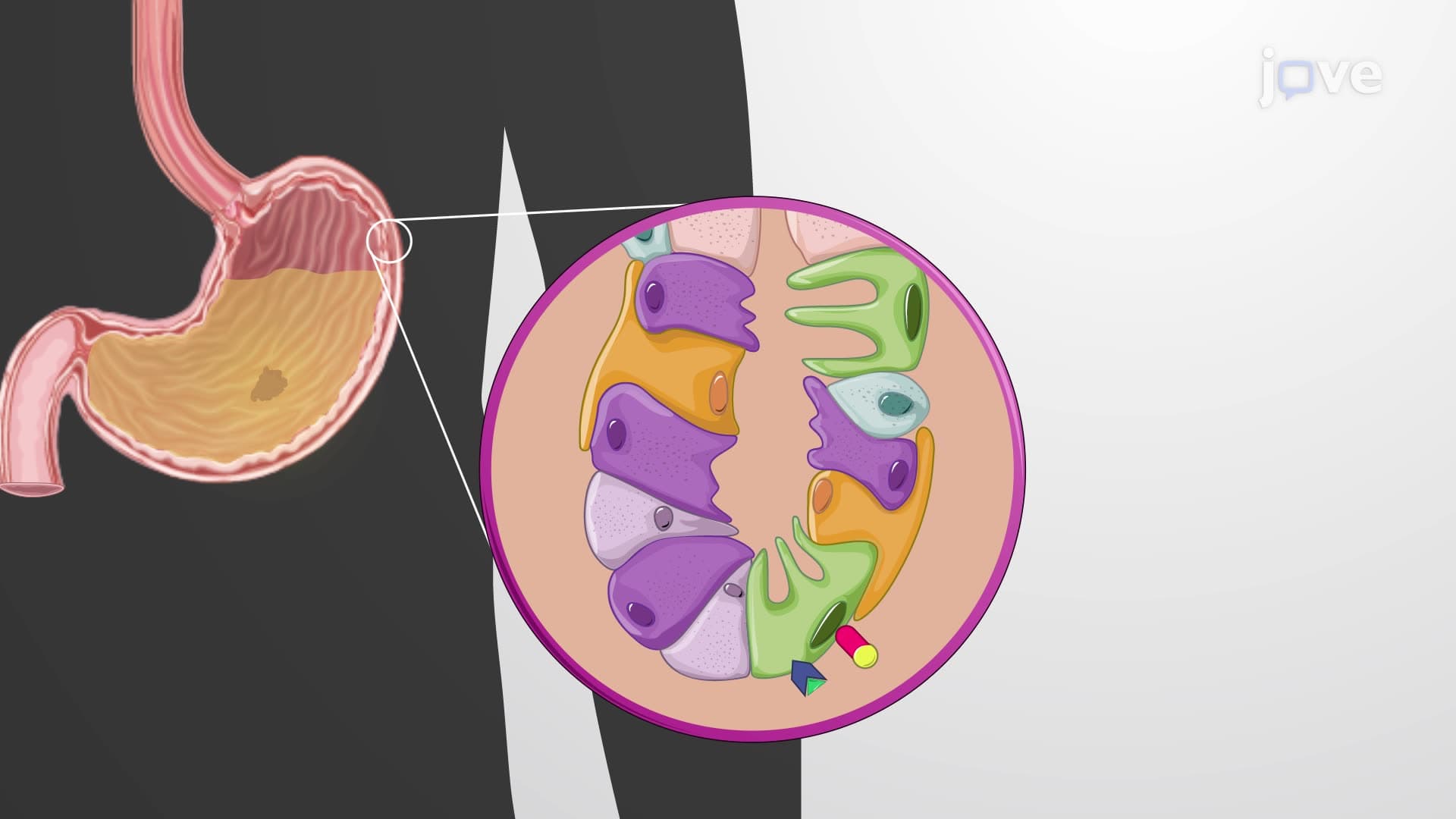
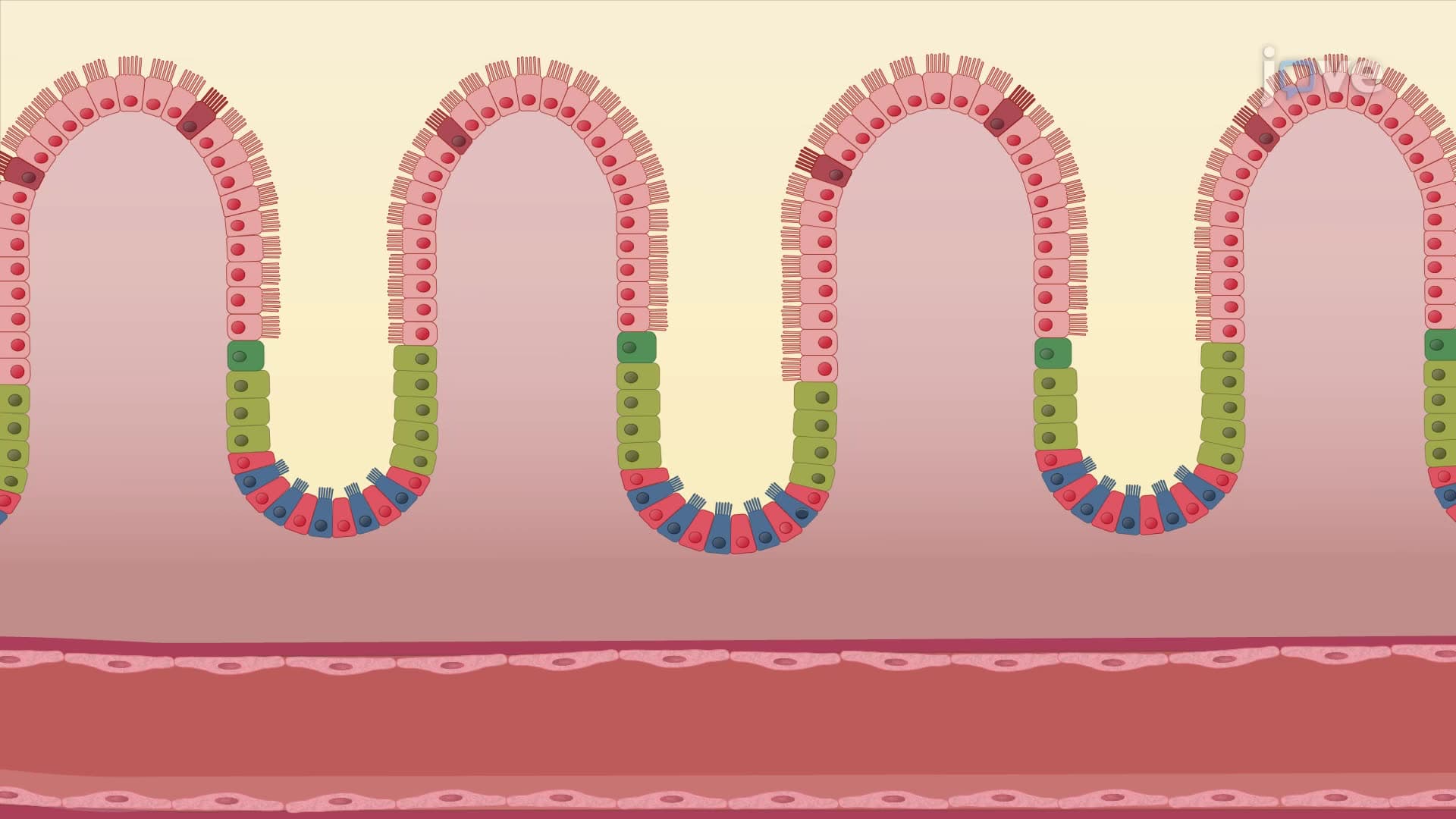
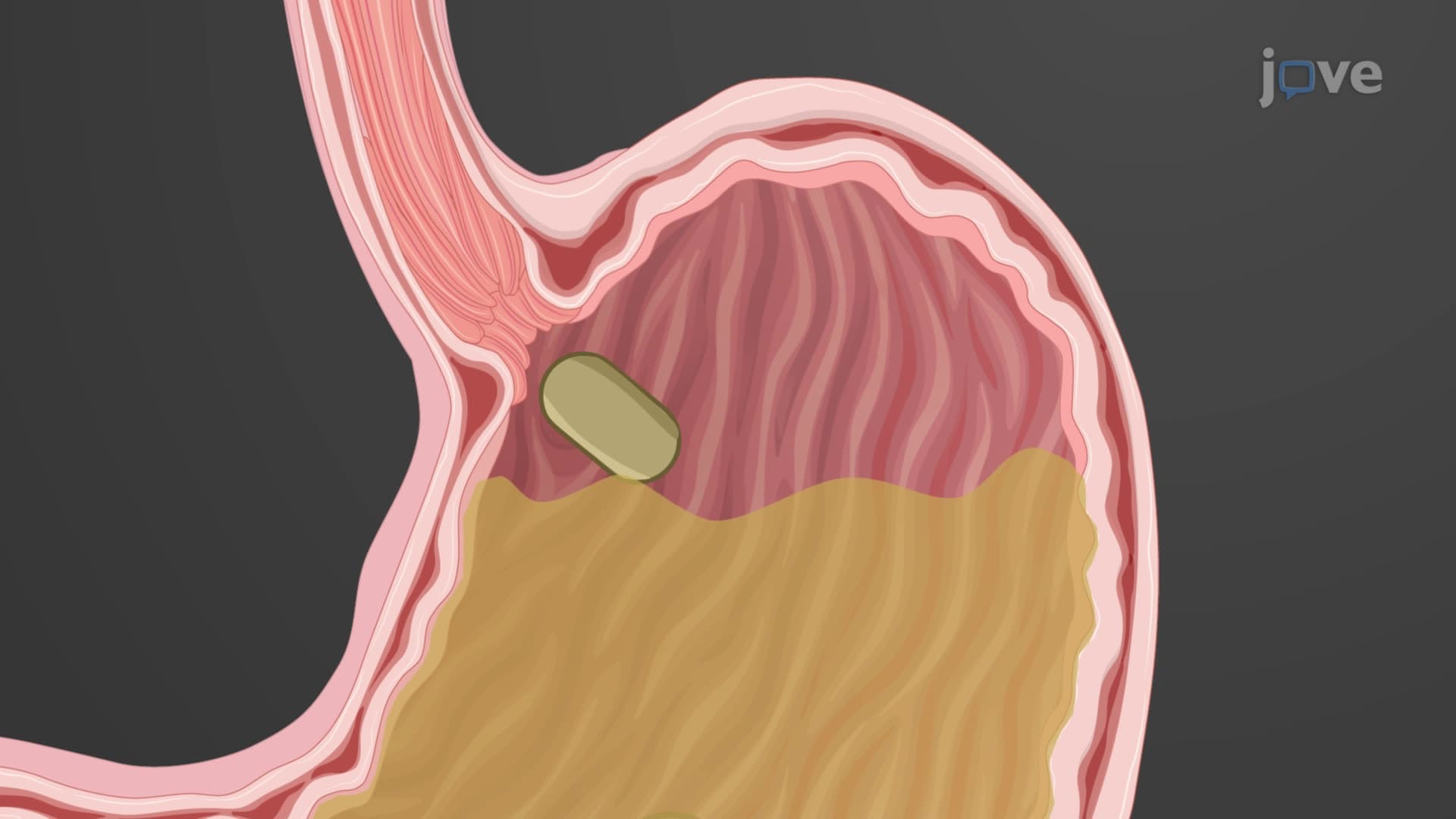
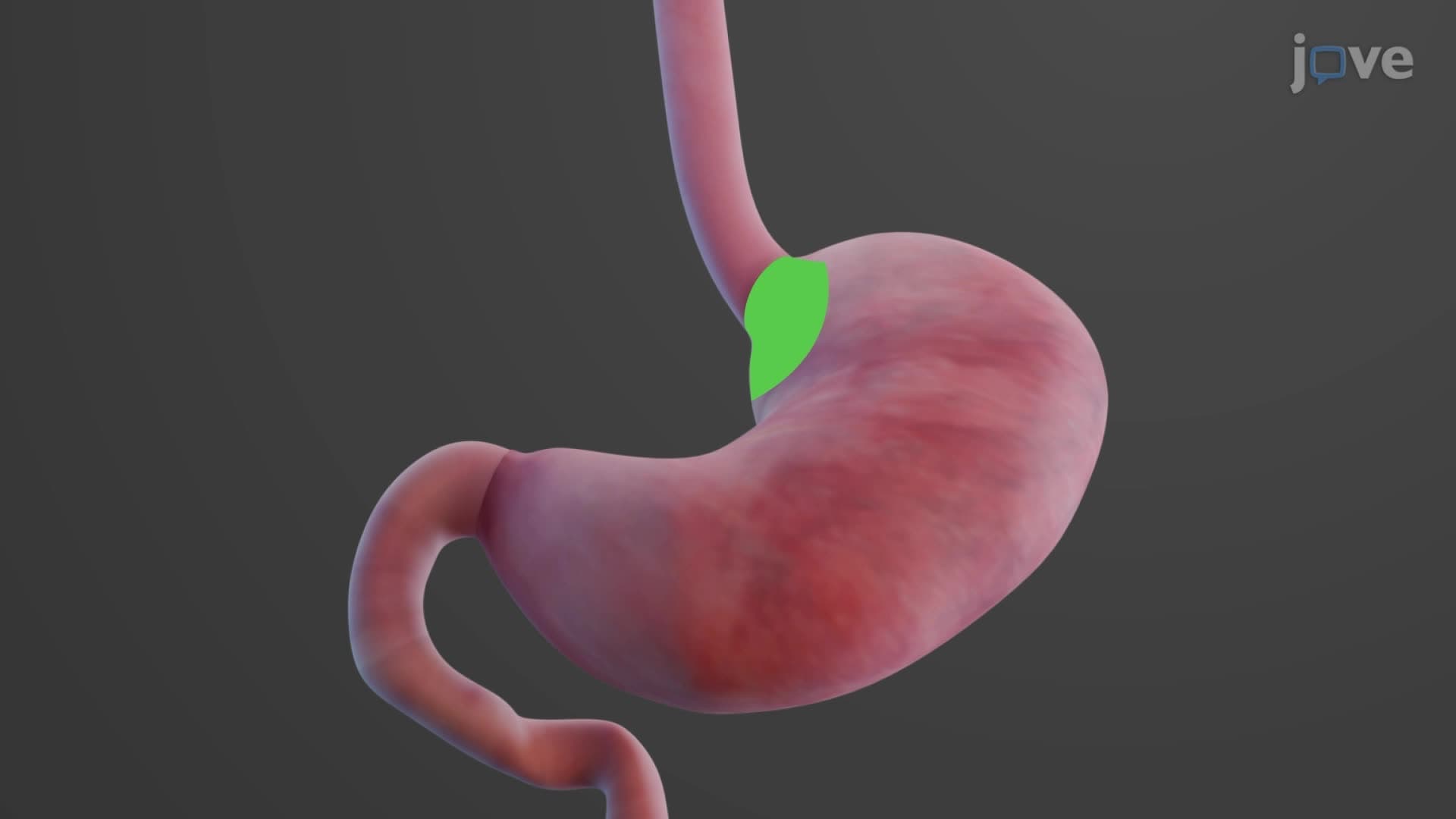
The stomach anatomy overview explained begins with understanding its four primary regions. The cardia acts as the entry point where food from the esophagus enters through the gastroesophageal junction. Above this lies the fundus, a dome-shaped region that serves as a temporary storage area and produces gastric gases. The body represents the largest portion, housing the majority of gastric glands that secrete hydrochloric acid and pepsinogen. Finally, the pyloric region functions as a muscular funnel, featuring the crucial pyloric sphincter that controls chyme release into the duodenum.
Medical students preparing for the MCAT often encounter questions about how these regions coordinate during digestion. For instance, the fundus can accommodate large volumes through receptive relaxation, while the antrum (part of the pyloric region) performs grinding motions to break down food particles to approximately 2mm-the optimal size for duodenal processing.
The greater lesser curvature stomach design maximizes both storage capacity and functional efficiency. The greater curvature extends along the lateral and inferior borders, measuring approximately 40cm in adults, while the lesser curvature runs along the medial border at about 12cm. This asymmetrical design allows the stomach to expand preferentially toward the left side of the abdominal cavity.
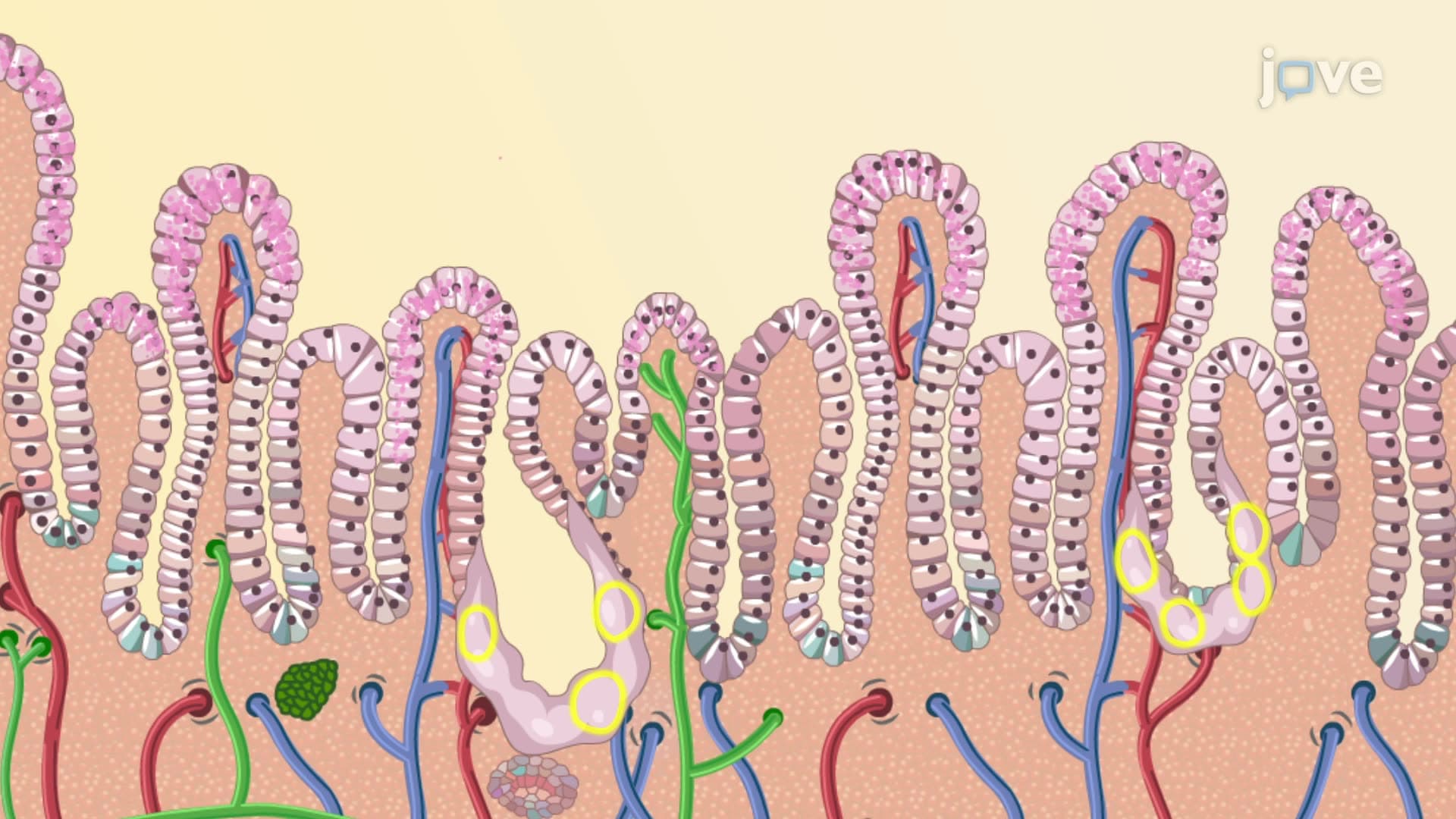
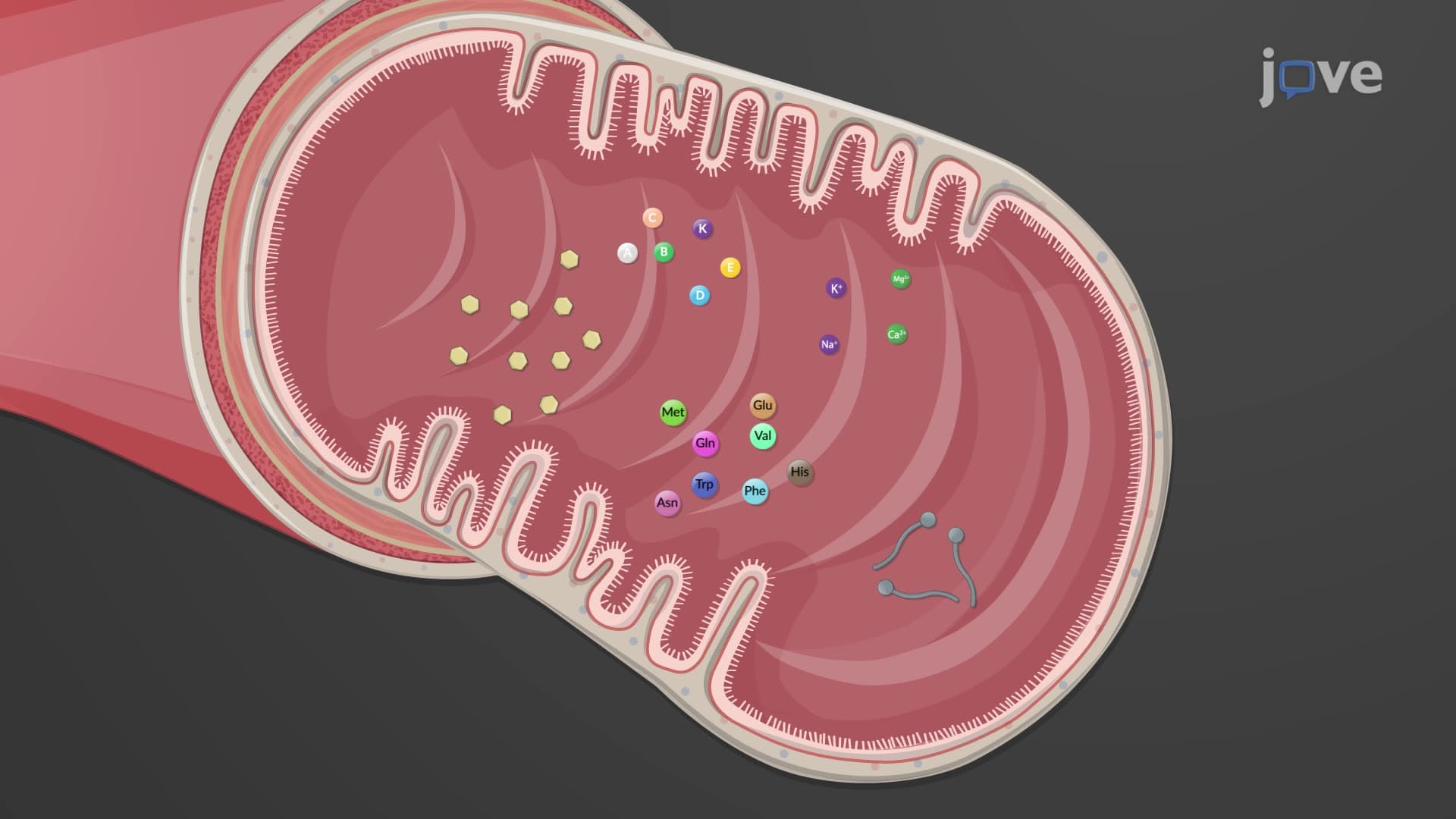
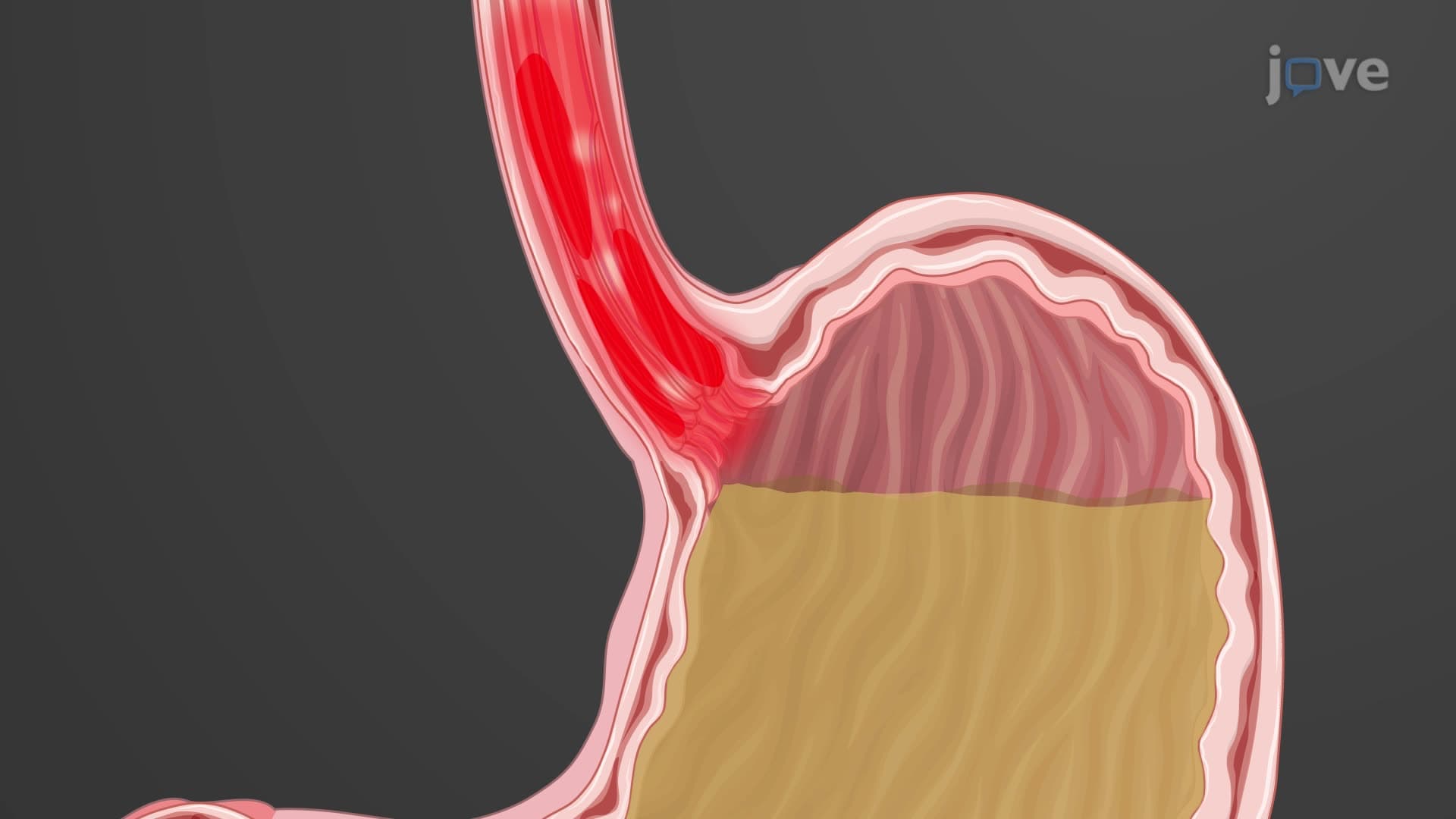
Gastric rugae stomach folds represent another crucial architectural feature. These longitudinal folds disappear when the stomach fills, allowing expansion from roughly 50ml when empty to 1,500ml when full-a 30-fold increase that's essential for accommodating typical American meal portions.
Understanding pyloric sphincter anatomy becomes critical when studying conditions like pyloric stenosis, commonly tested on nursing exams like NCLEX and HESI A2. This muscular valve's dysfunction can lead to projectile vomiting in infants or delayed gastric emptying in adults. AP Biology students frequently encounter stomach anatomy in the context of enzyme action and pH regulation, particularly how the stomach maintains an acidic environment (pH 1.5-3.5) essential for protein denaturation and mineral absorption.
Related Micro-courses