Loading subject page…


89,753 views

Video Summary: What Is Intestinal Phase of Digestion
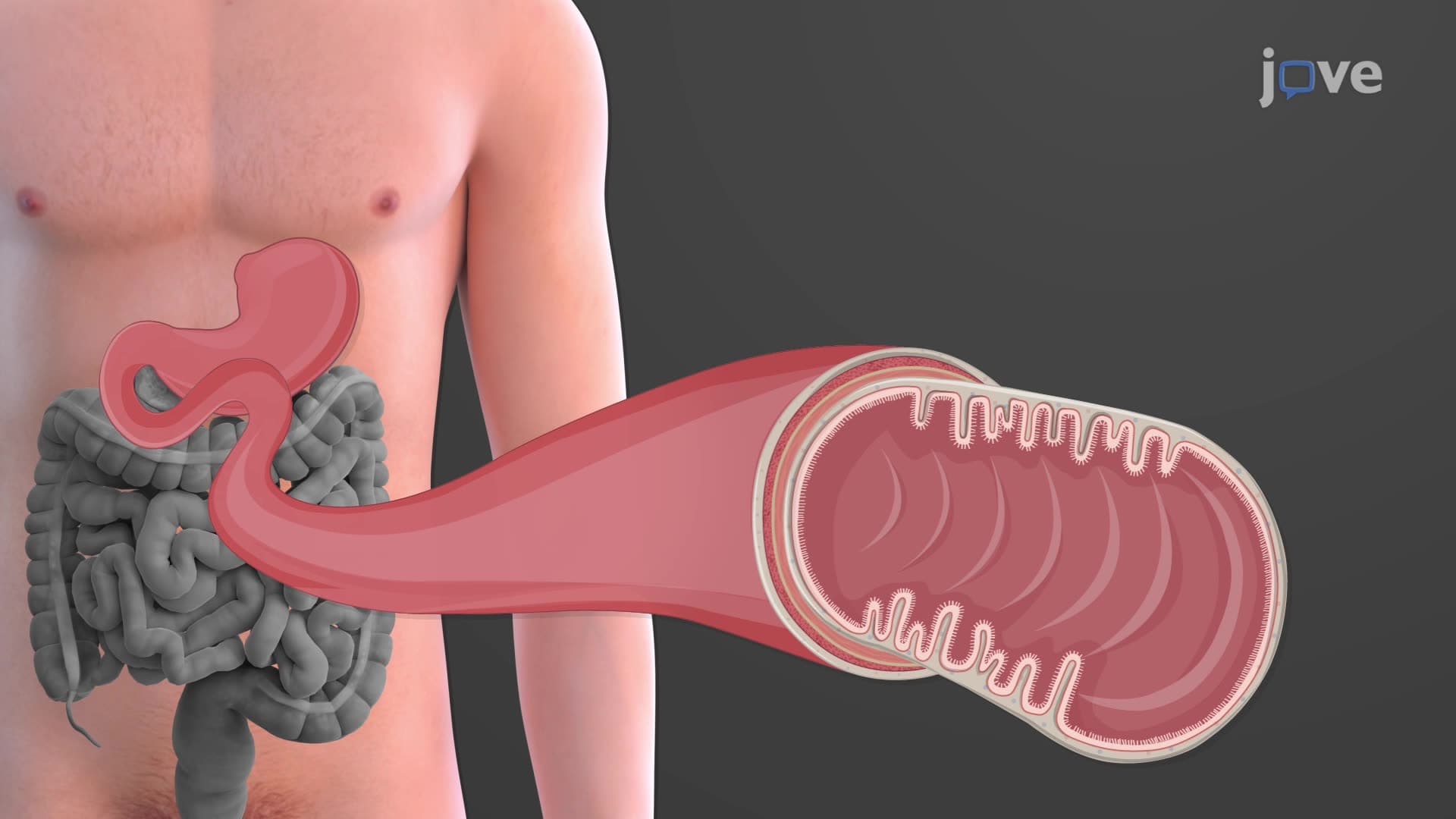
Did you know that after you eat a large burger, your small intestine actively communicates with your stomach to slow down digestion? The intestinal phase digestion biology involves sophisticated feedback mechanisms that prevent digestive overload. When students at UCLA dining halls consume heavy meals, their duodenum releases hormones like CCK and secretin to coordinate optimal nutrient processing. Understanding what is the intestinal phase of digestion reveals how your body maintains digestive balance through the enterogastric reflex and hormonal signals. Watch the full video on JoVE Coach to master this concept with expert-led visuals and step-by-step explanations.
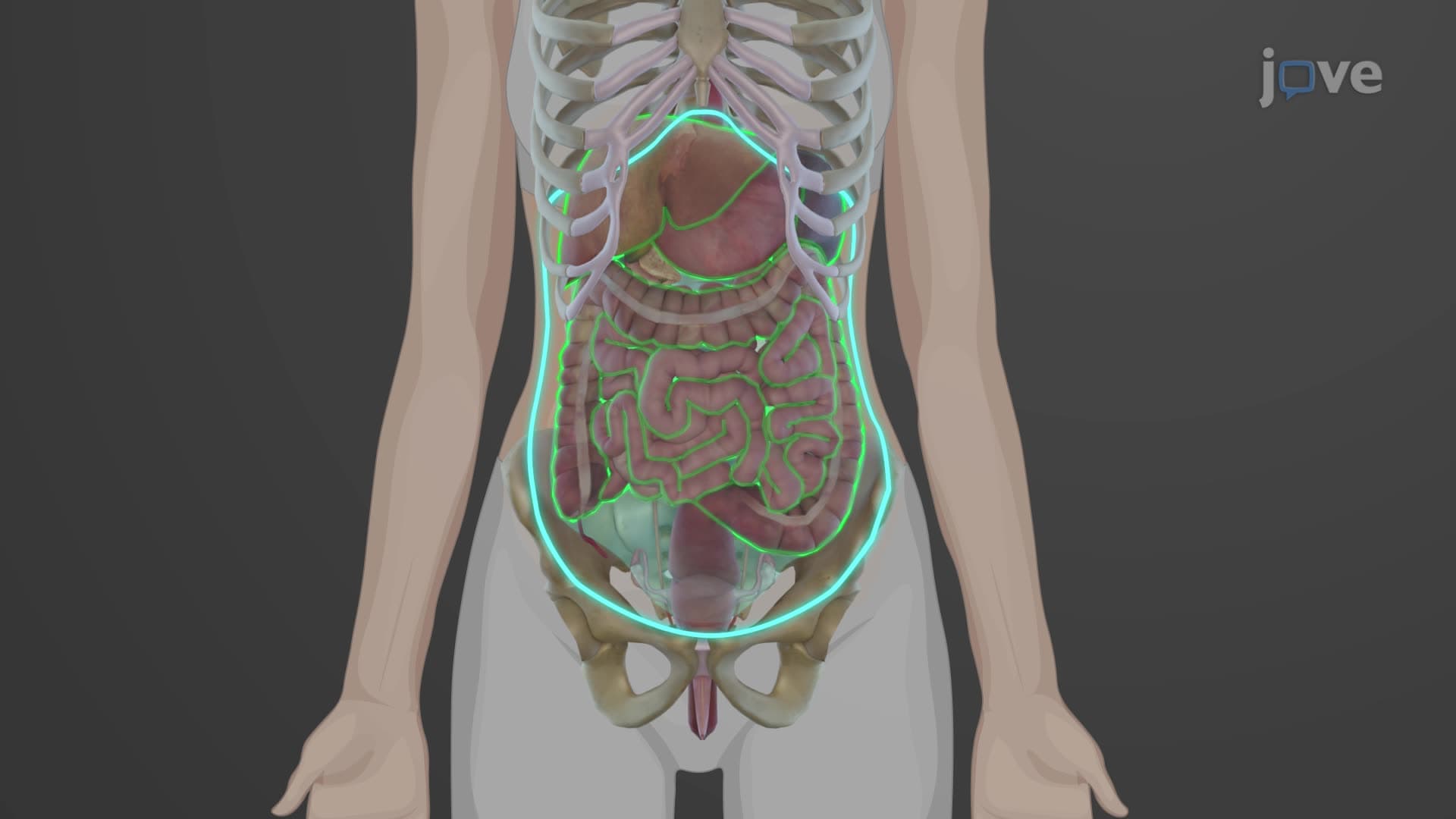
The intestinal phase of digestion represents the body's sophisticated quality control system, ensuring optimal nutrient processing while preventing digestive overwhelm. Unlike the gastric phase, which accelerates digestion, this phase applies the brakes when chyme enters the small intestine. This regulatory mechanism proves essential for students studying for the MCAT or AP Biology exams, as it demonstrates homeostatic principles in action.
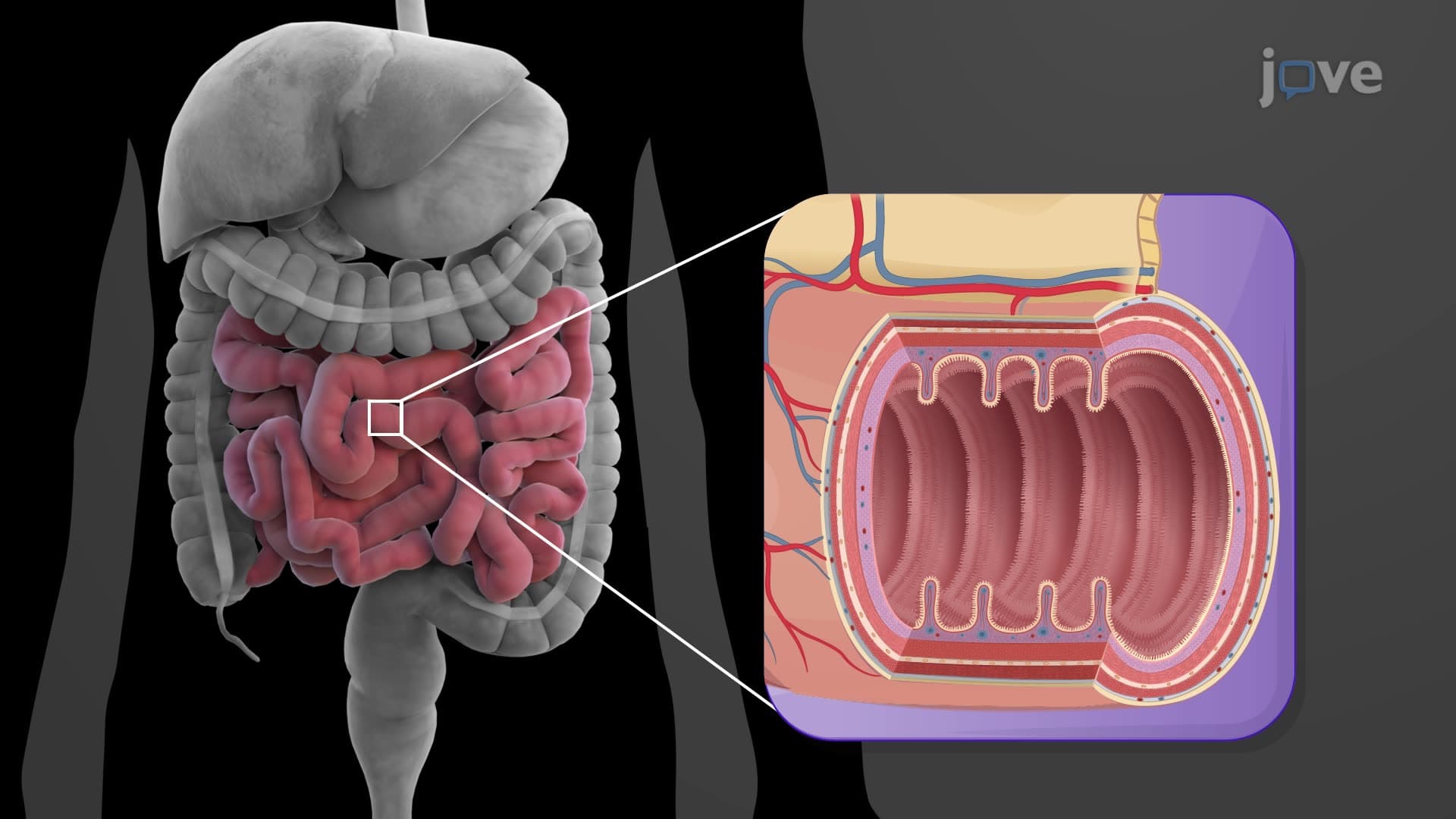
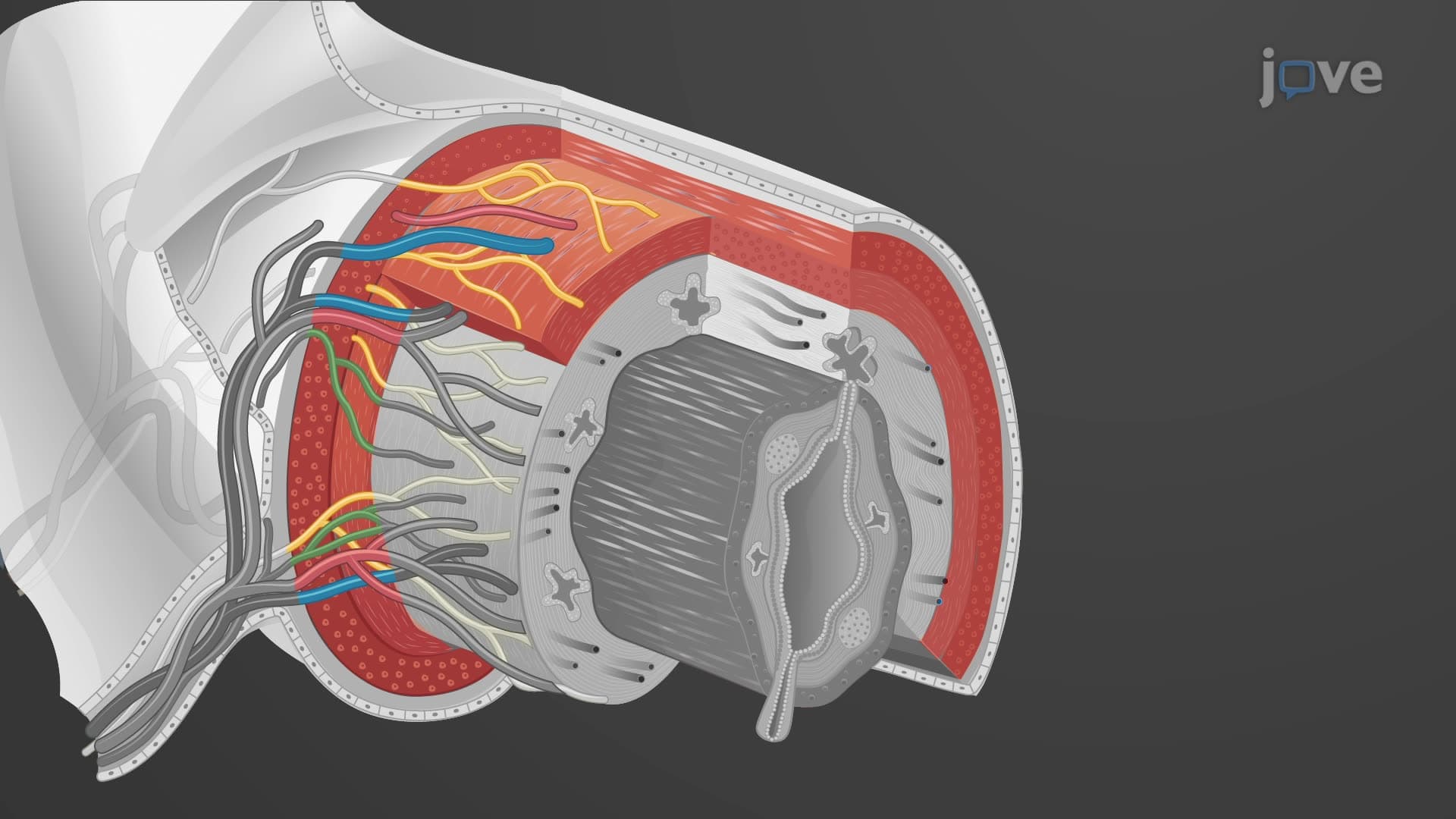
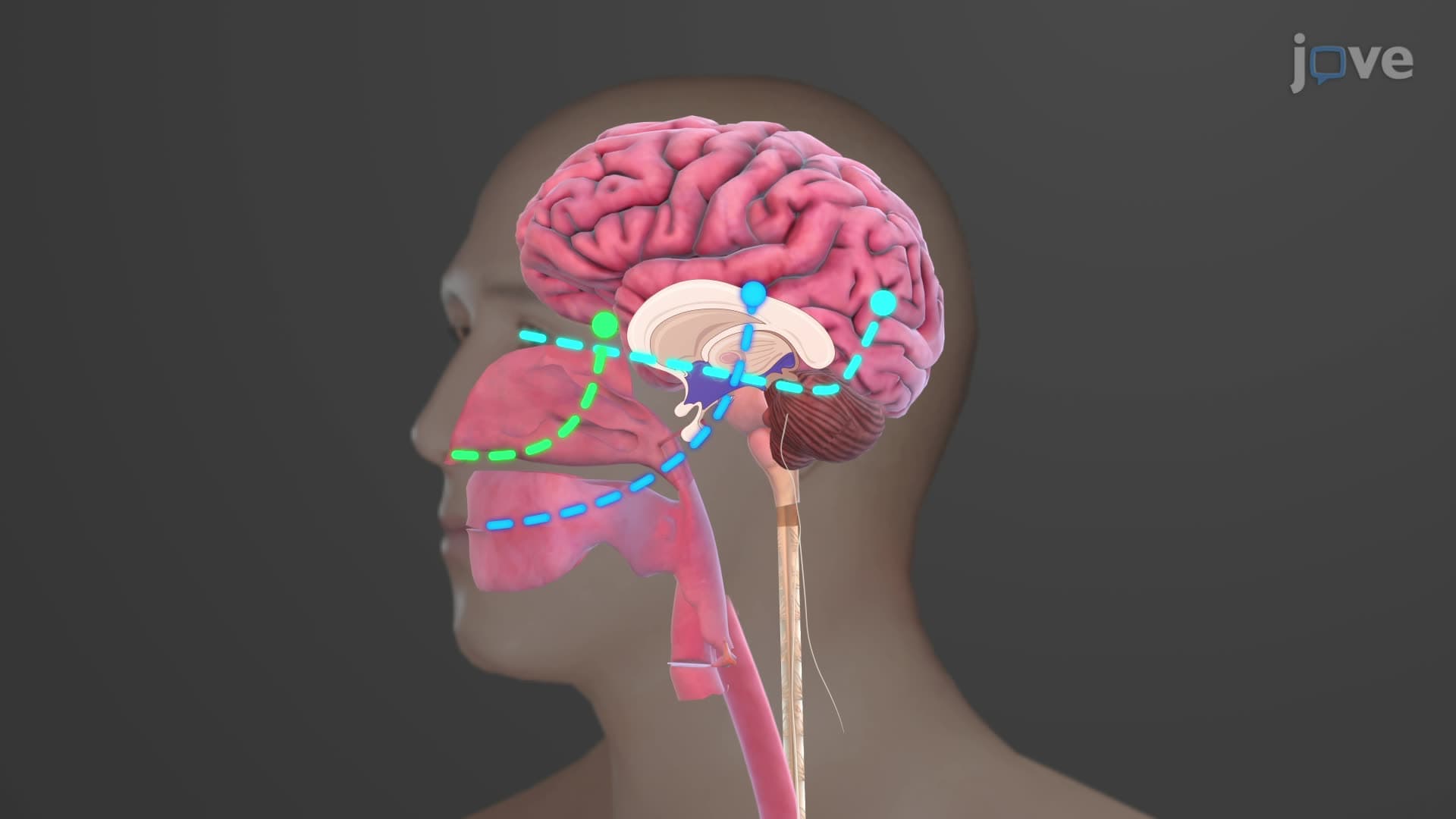
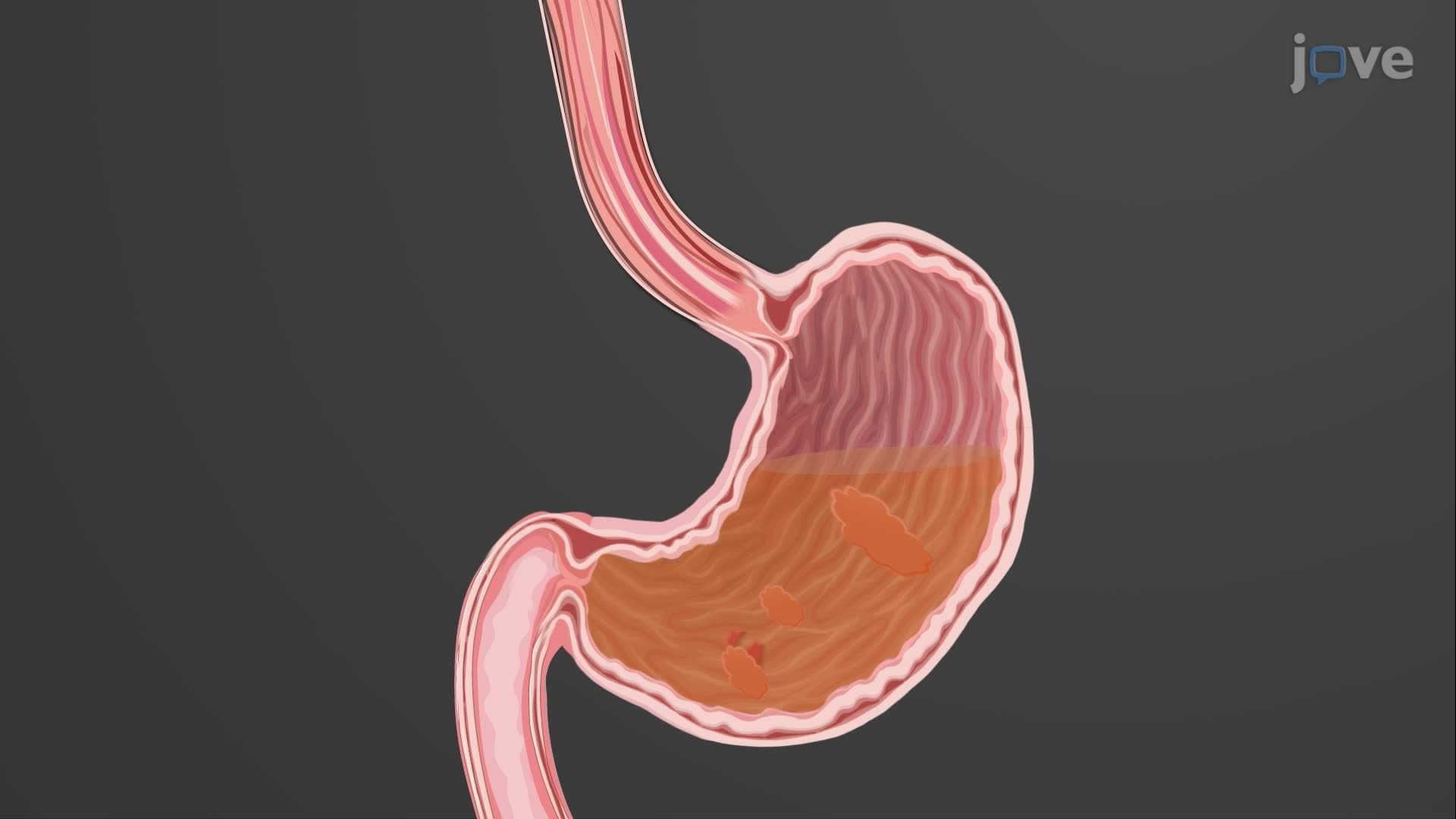
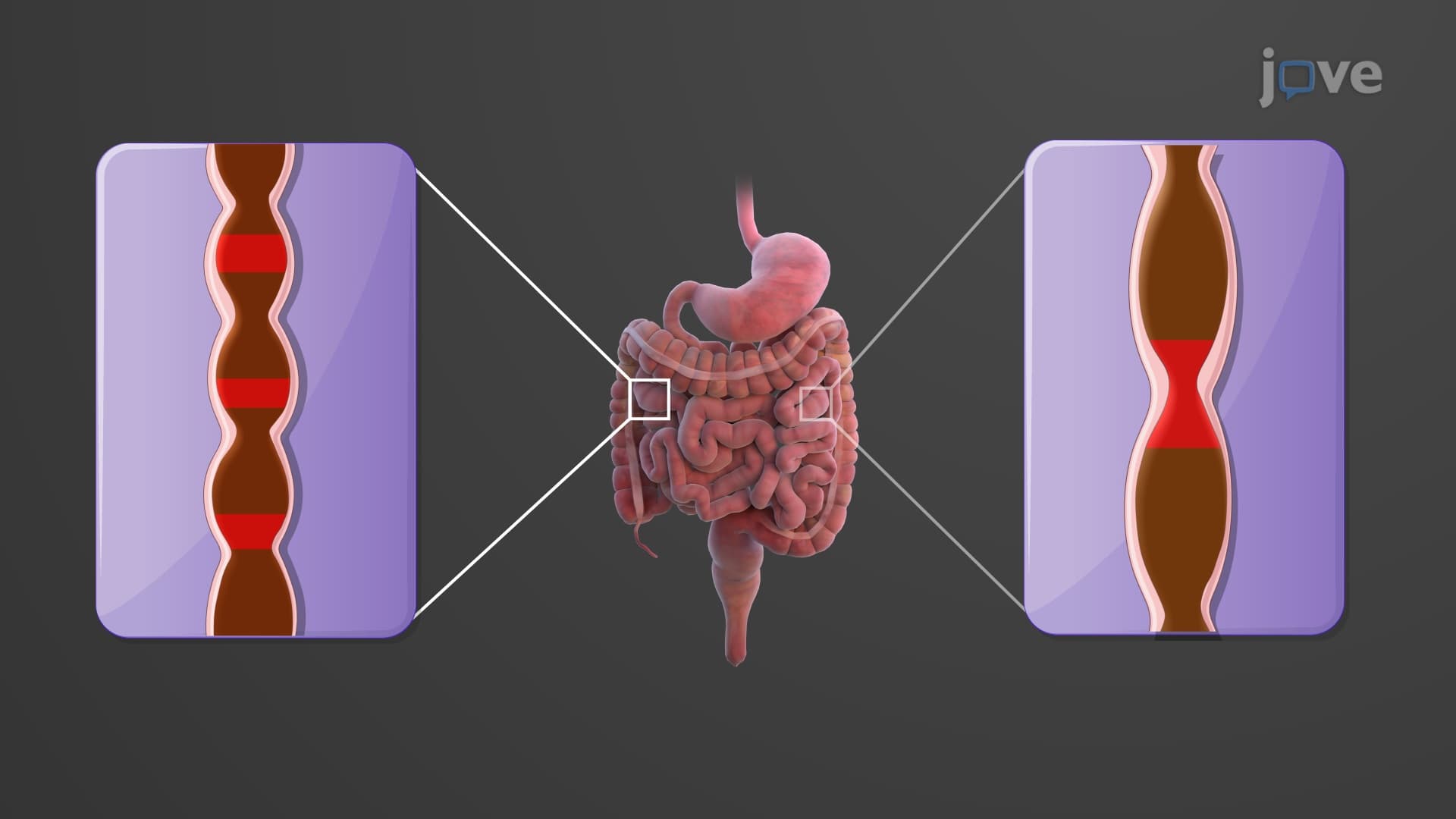
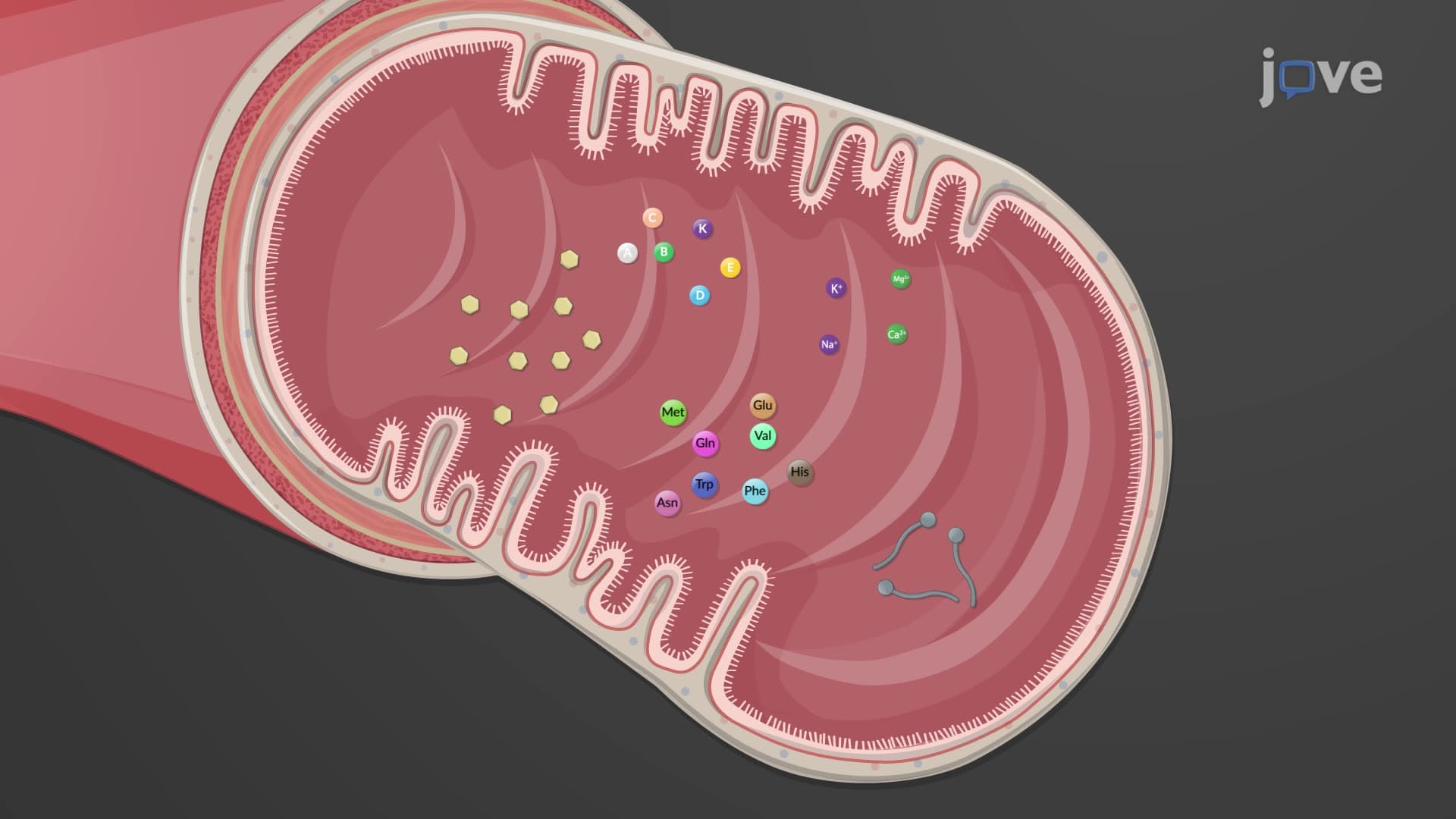
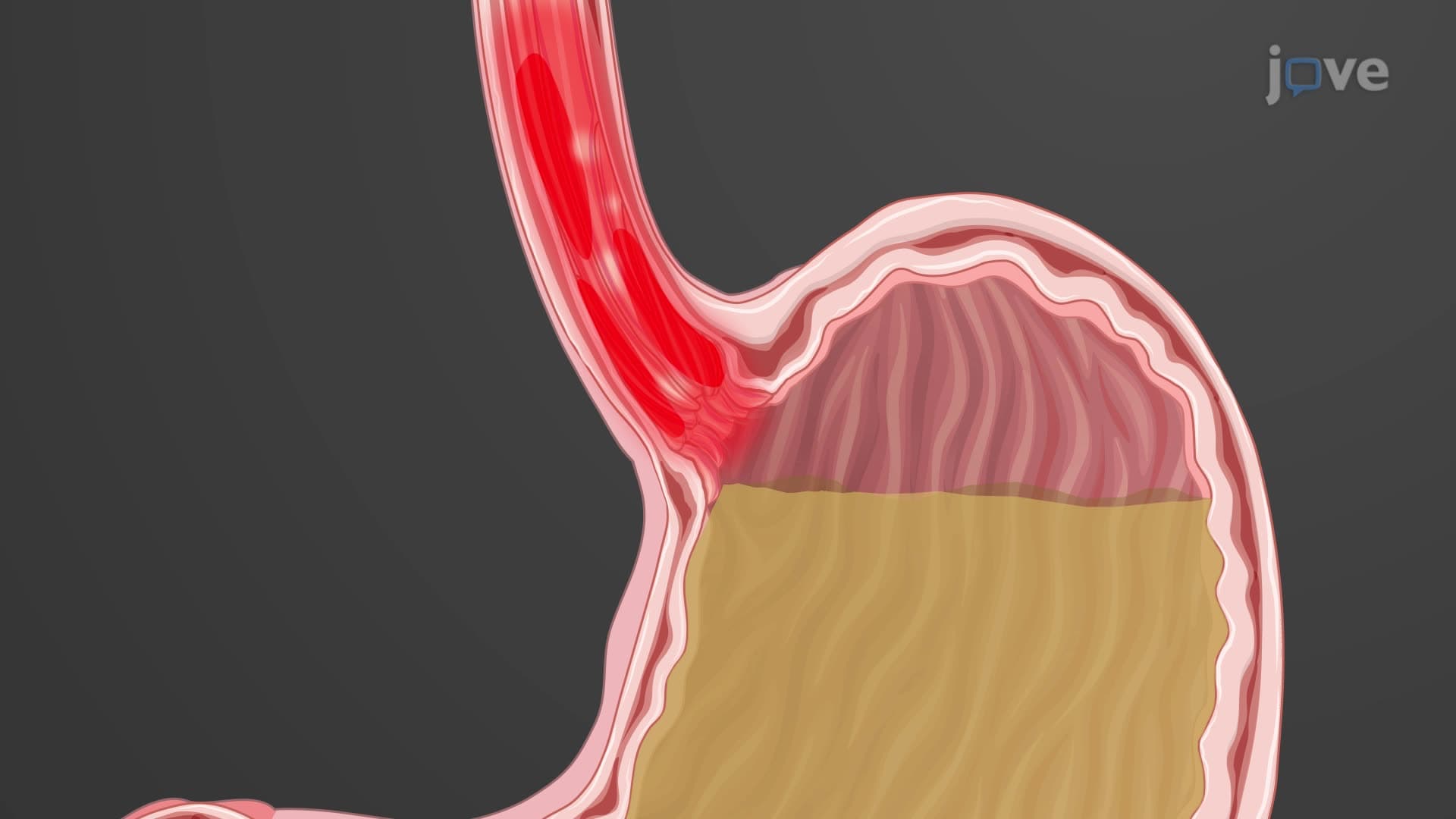
When chyme distends the duodenum, stretch receptors and chemoreceptors initiate the enterogastric reflex-a neural pathway that communicates "slow down" signals back to the stomach. This reflex operates through the submucosal and myenteric plexuses (the enteric nervous system) and involves parasympathetic inhibition via the medulla. Students preparing for college anatomy courses should understand this represents local neural control, distinct from central nervous system regulation. The result: reduced gastrin production, decreased gastric contractions, and pyloric sphincter contraction-effectively creating a "traffic light" system for digestive flow.
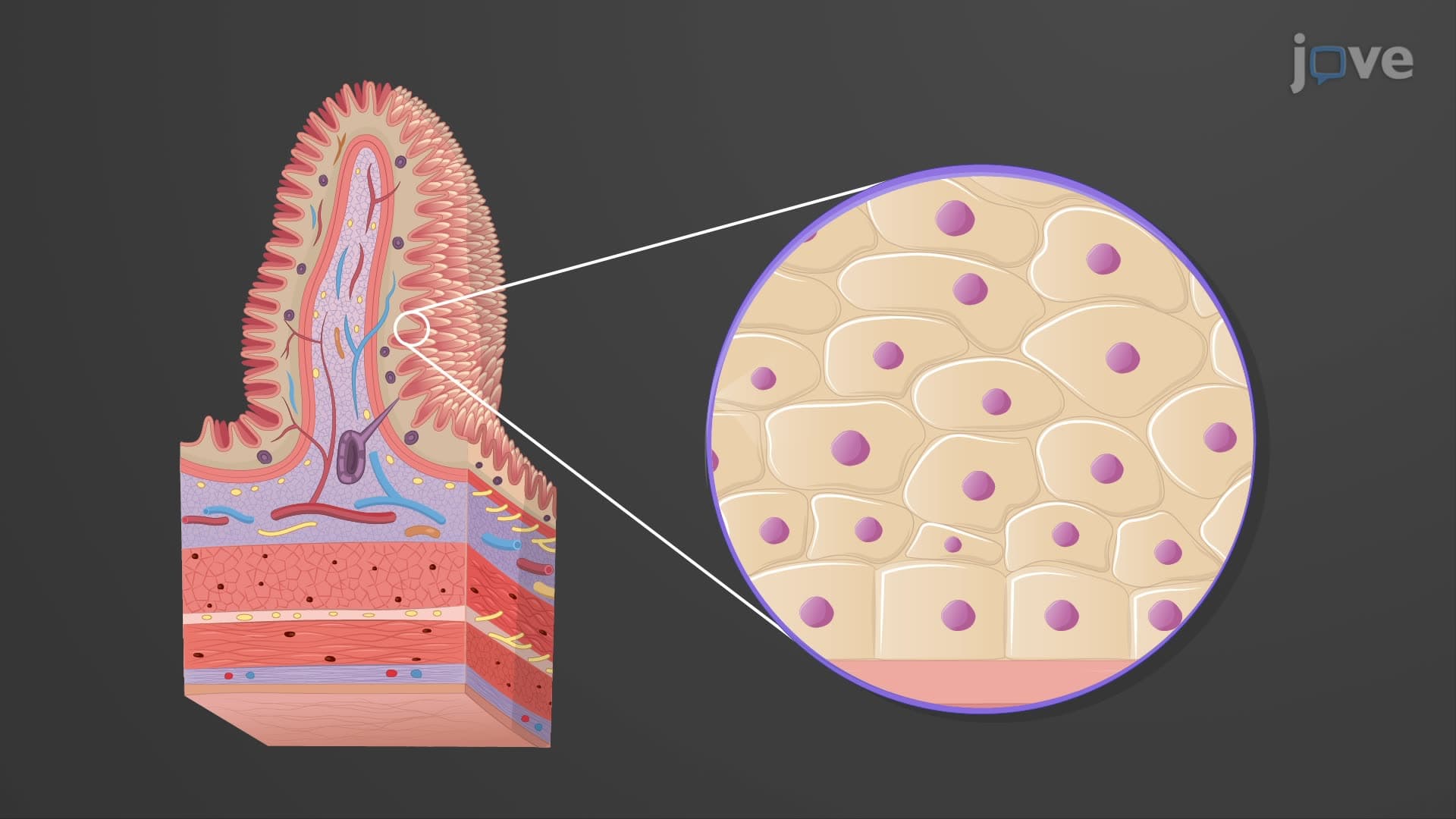
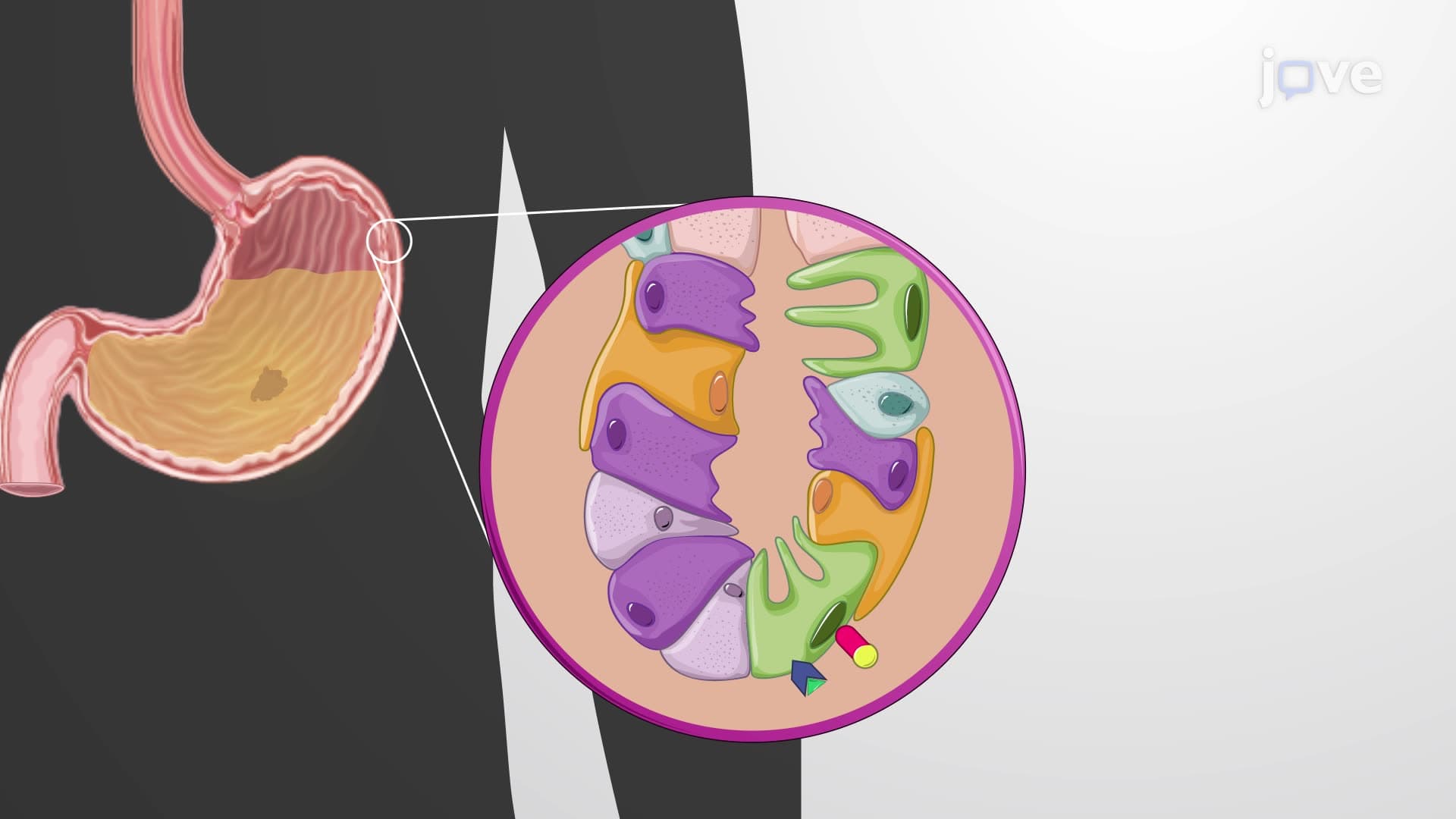
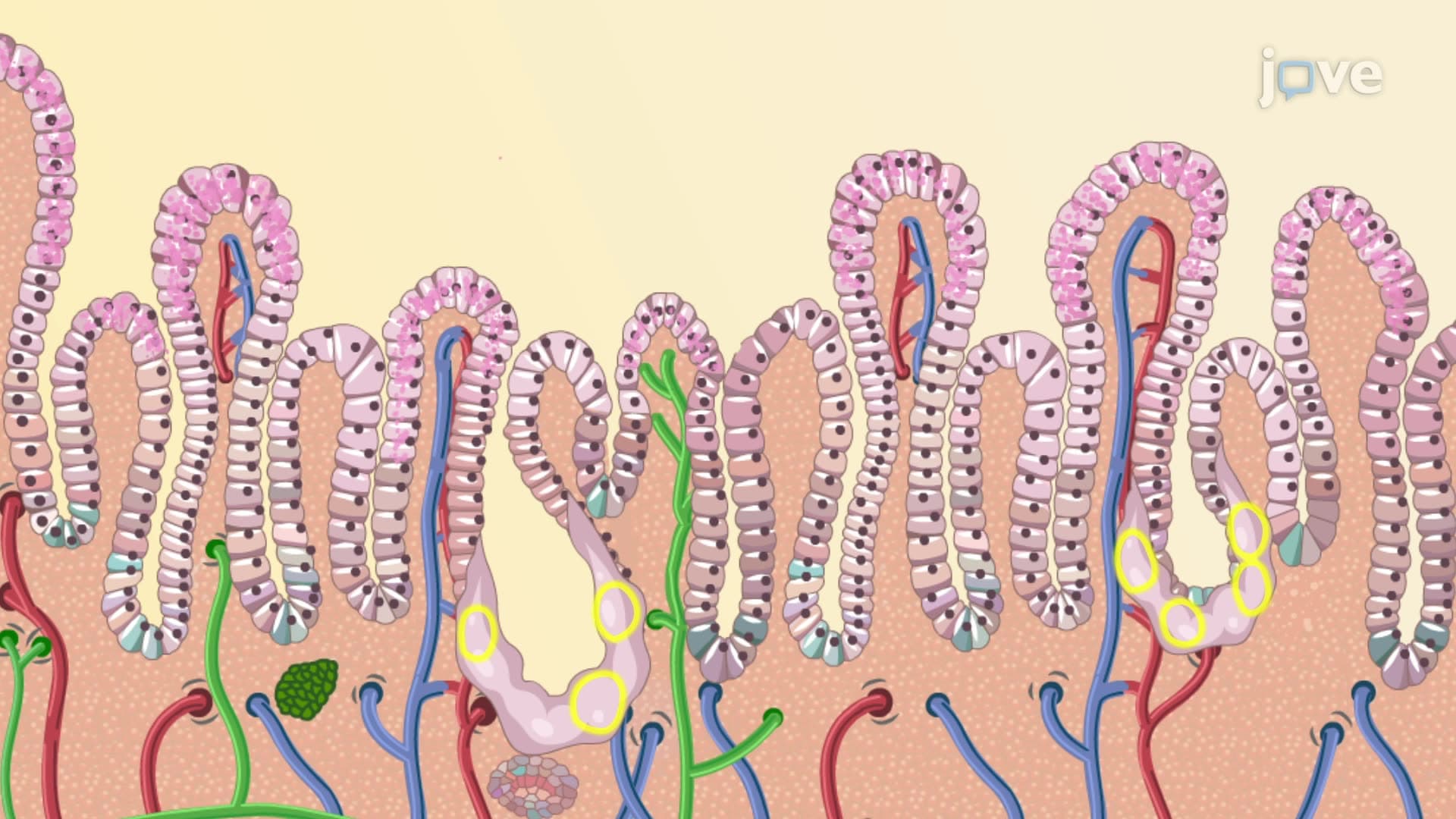
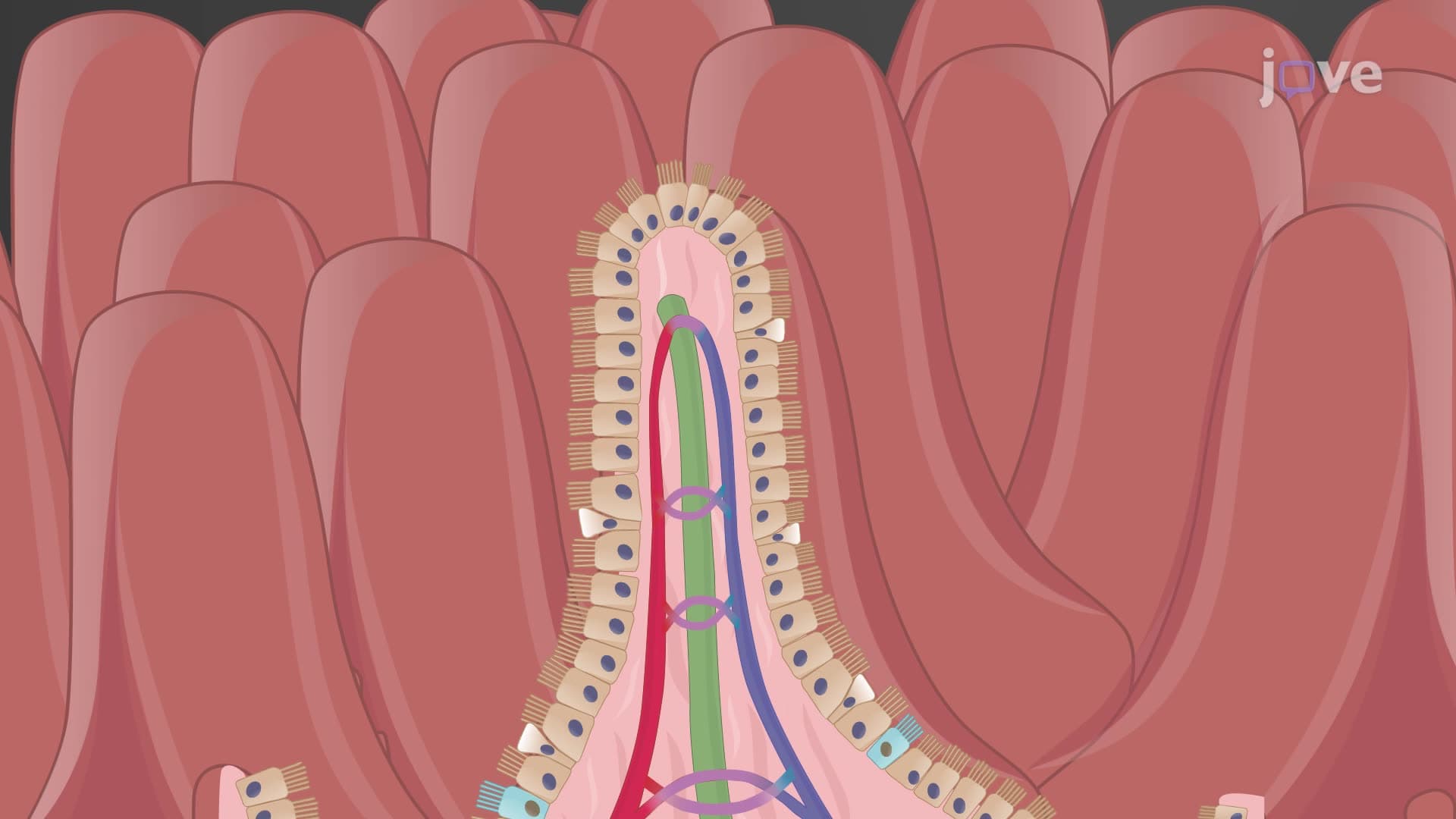
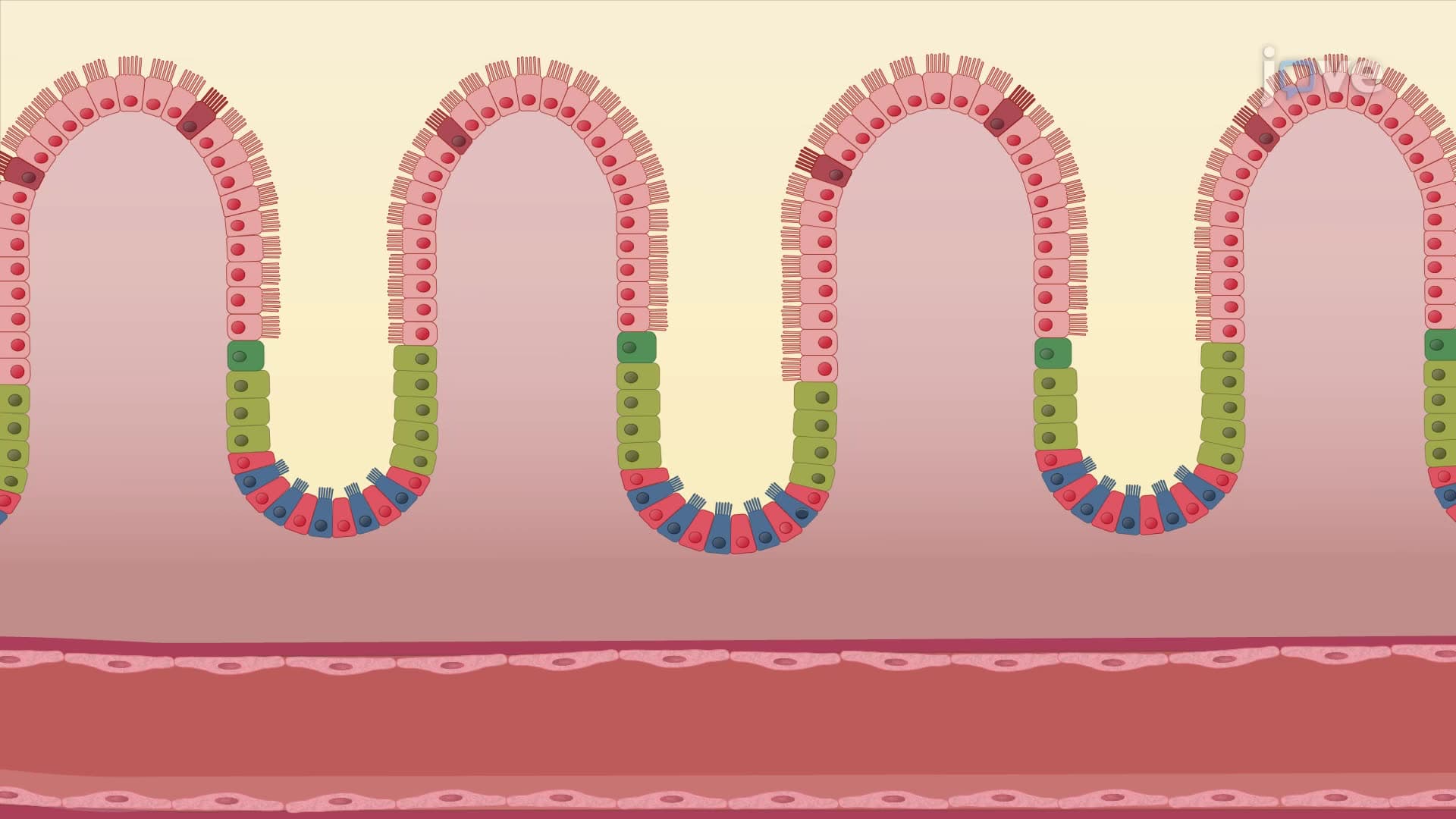
The small intestine digestion phase showcases remarkable hormonal coordination through enteroendocrine cells in the duodenal mucosa. These specialized cells release different hormones based on chyme composition:
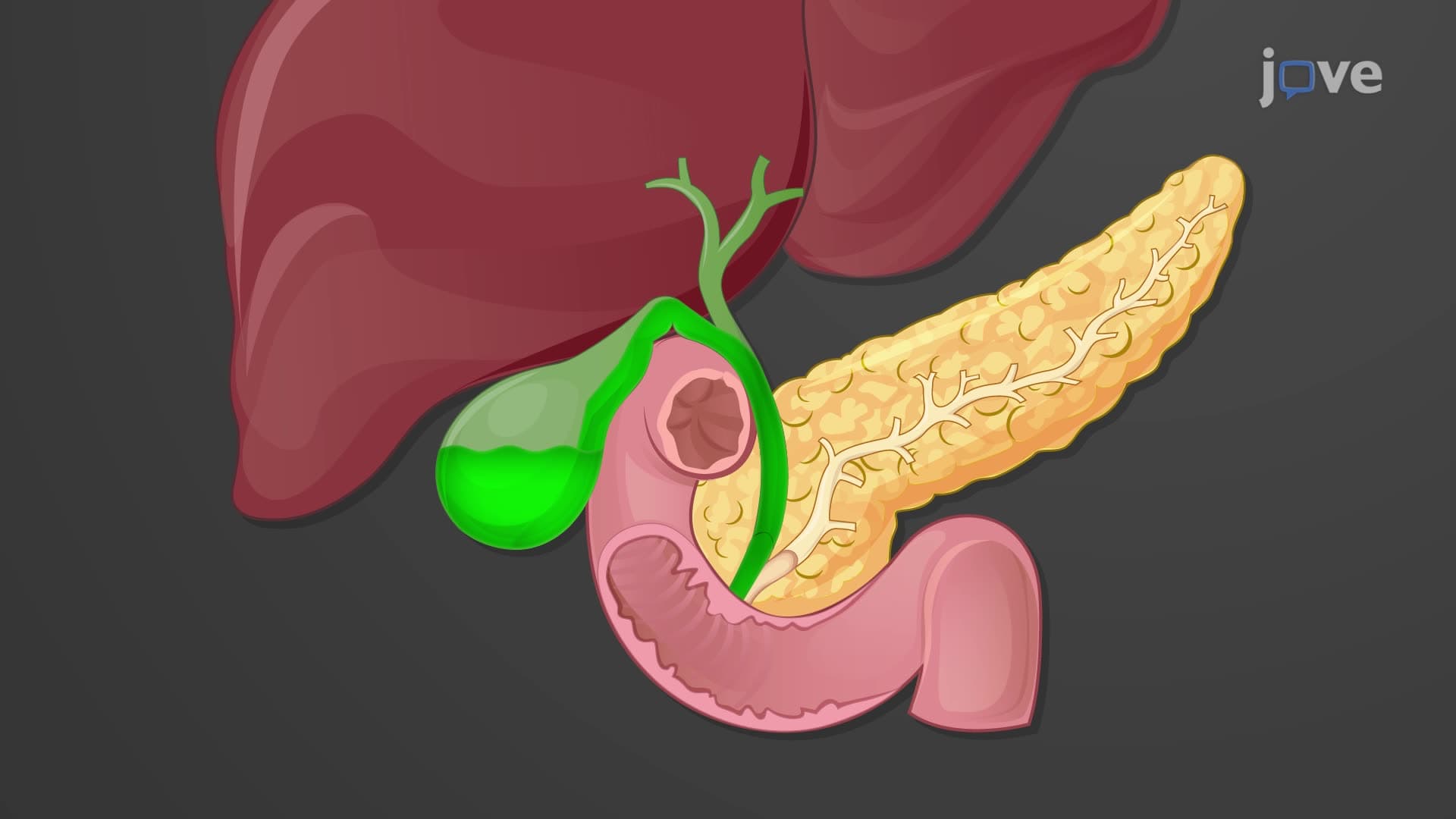
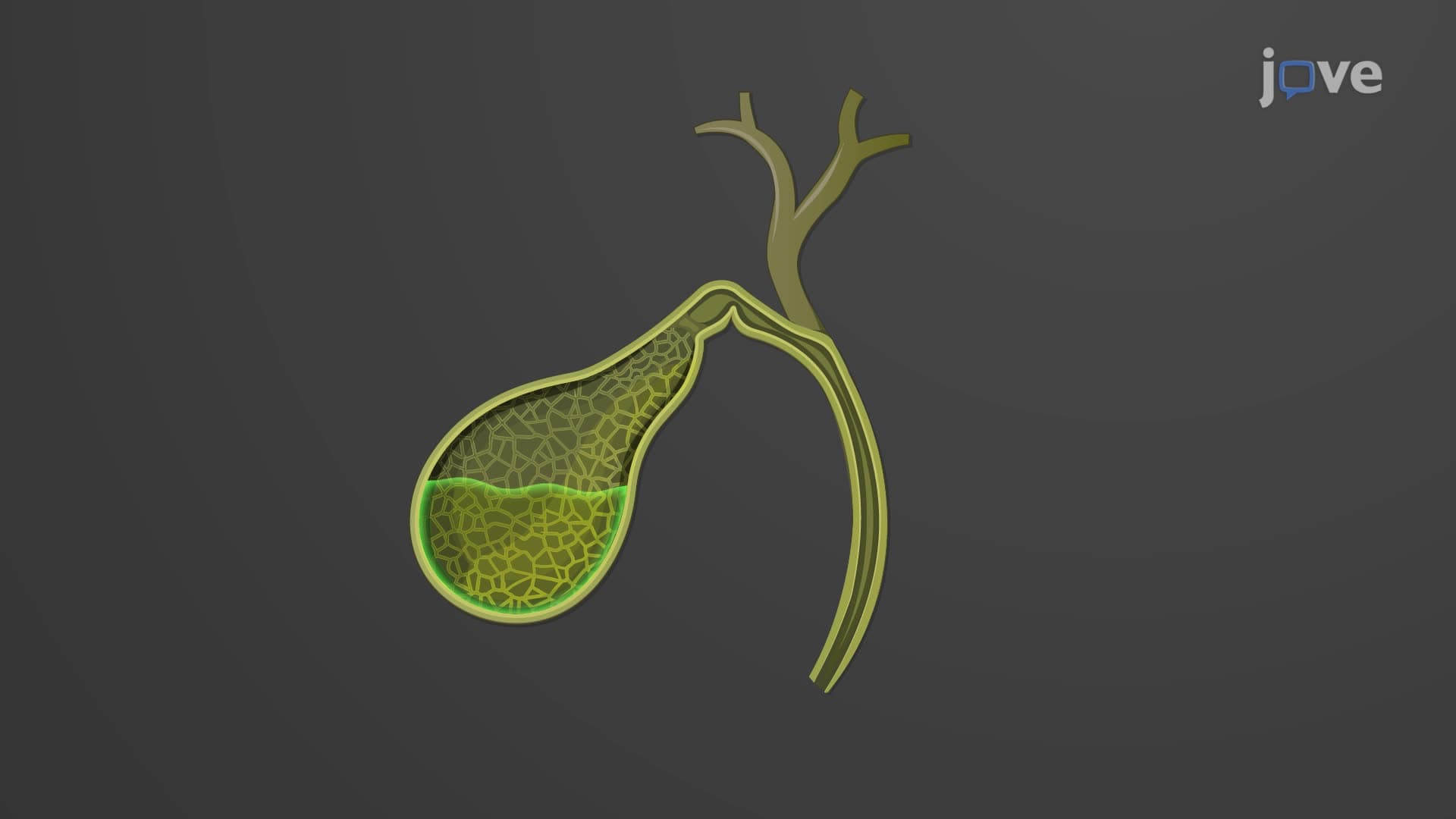
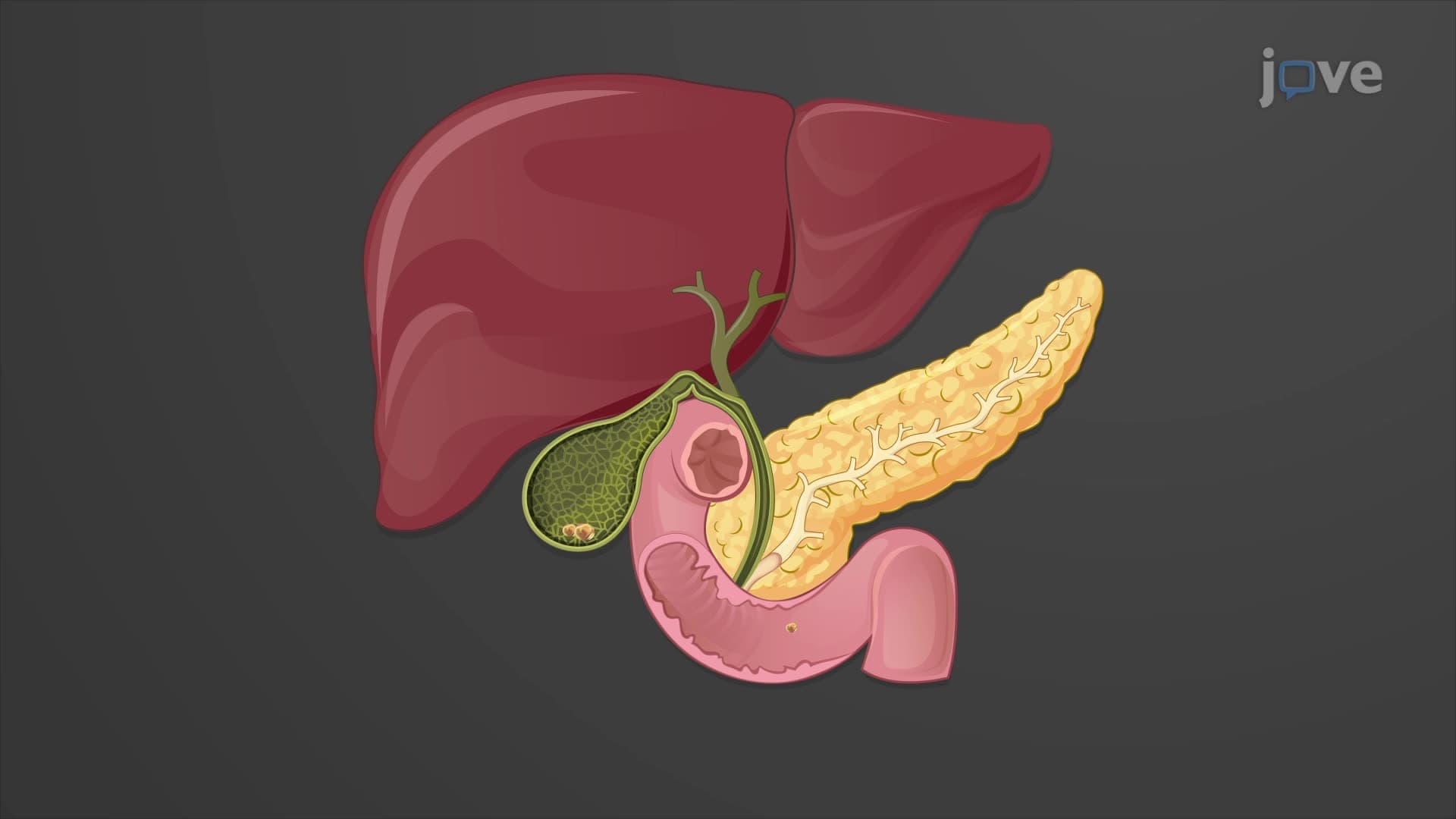
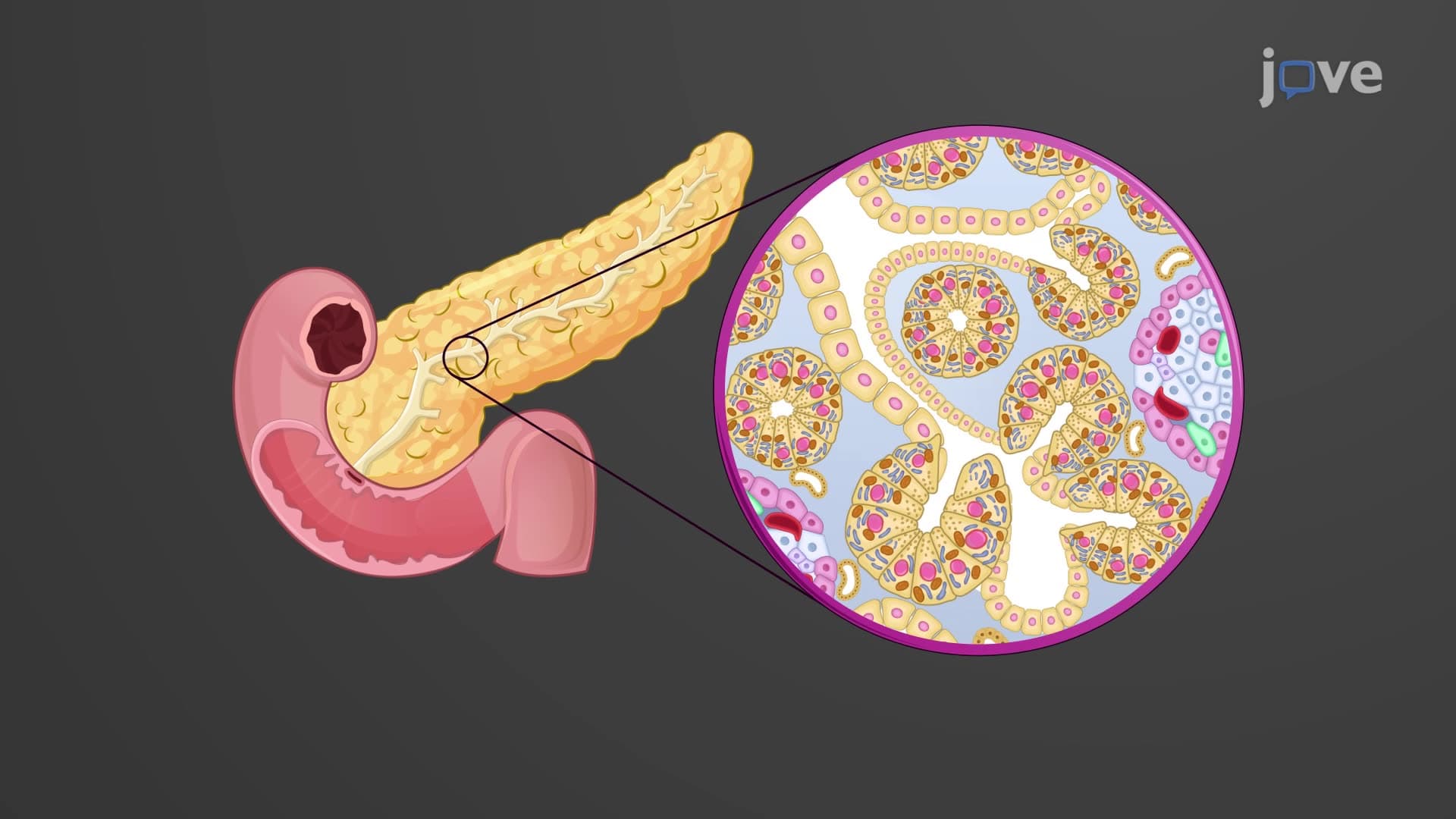
Cholecystokinin (CCK) responds to lipids and proteins, triggering pancreatic enzyme release and gallbladder contraction while inhibiting gastric activity. Students studying for the USMLE should remember CCK's dual role: promoting small intestine digestion while inhibiting stomach function.
Secretin responds specifically to acidic chyme (pH below 4.5), stimulating pancreatic bicarbonate secretion to neutralize stomach acid. This pH regulation proves crucial for enzyme function-a concept frequently tested in college biochemistry courses.
Gastric Inhibitory Peptide (GIP) responds to glucose and fats, inhibiting gastric secretions while promoting insulin release, linking digestion to metabolic regulation.
Understanding intestinal gastric inhibition helps explain common digestive experiences. When students consume high-fat meals before exams, the prolonged intestinal phase can cause feelings of sluggishness as the body diverts energy to digestion. This knowledge also proves fundamental for pre-health students, as dysregulation of these mechanisms contributes to conditions like gastroparesis and functional dyspepsia-topics covered in medical school pathophysiology courses.
Related Micro-courses