Loading subject page…

- Anatomy and Physiology
- Digestive System
- Liver Physiology
Micro-course: Digestive System
89,747 views
Learn key concepts and earn your certificate.
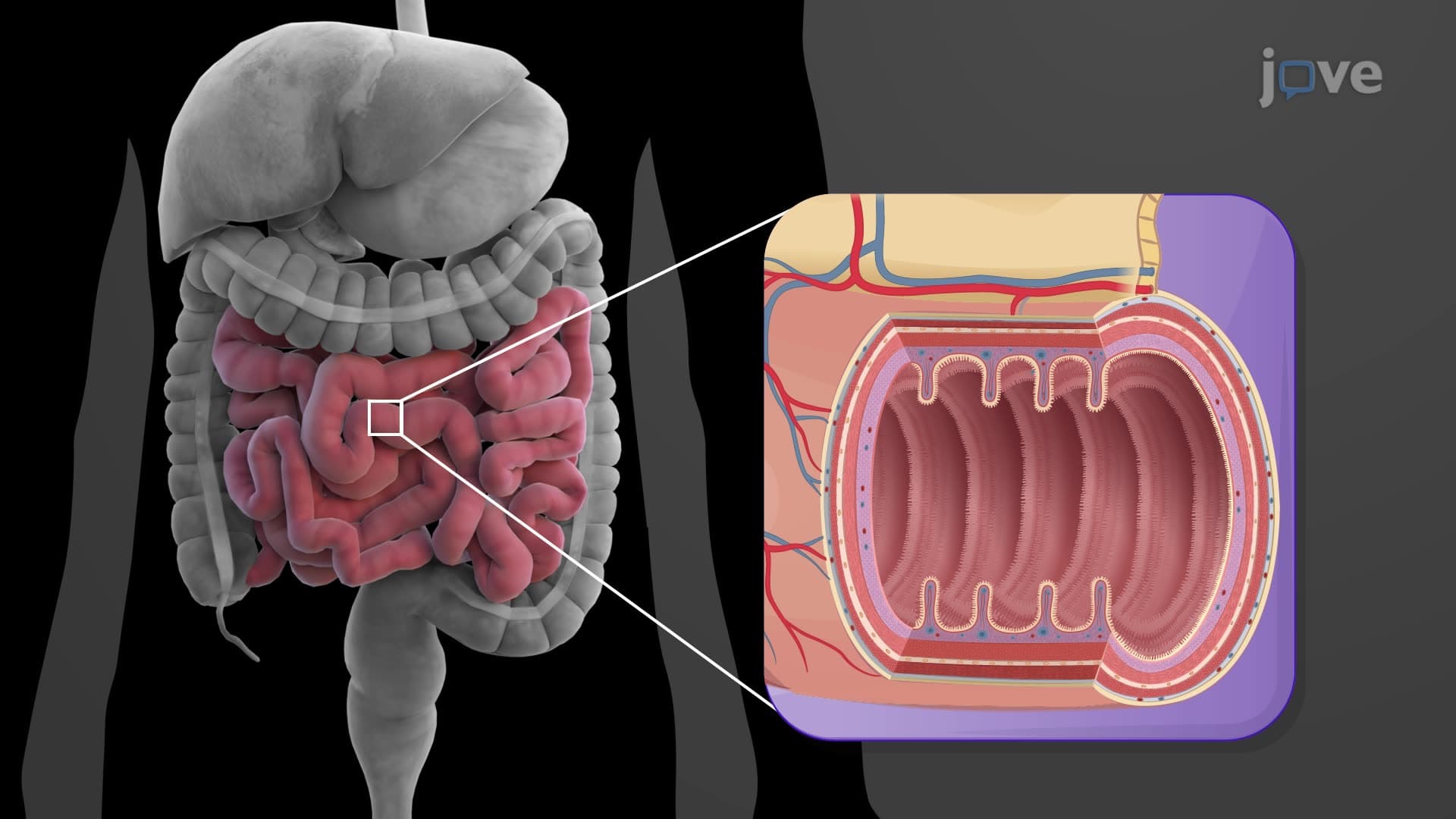

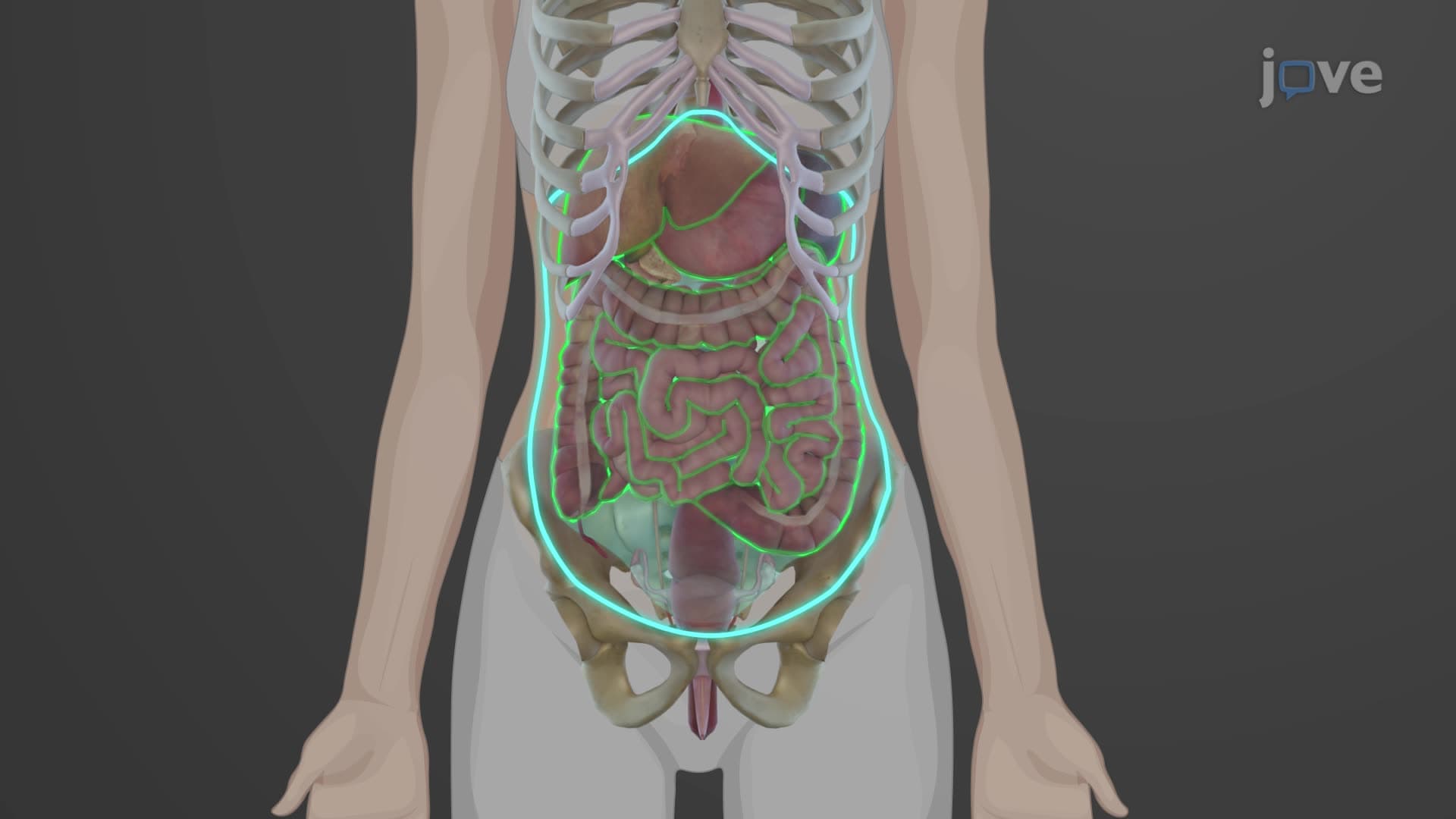
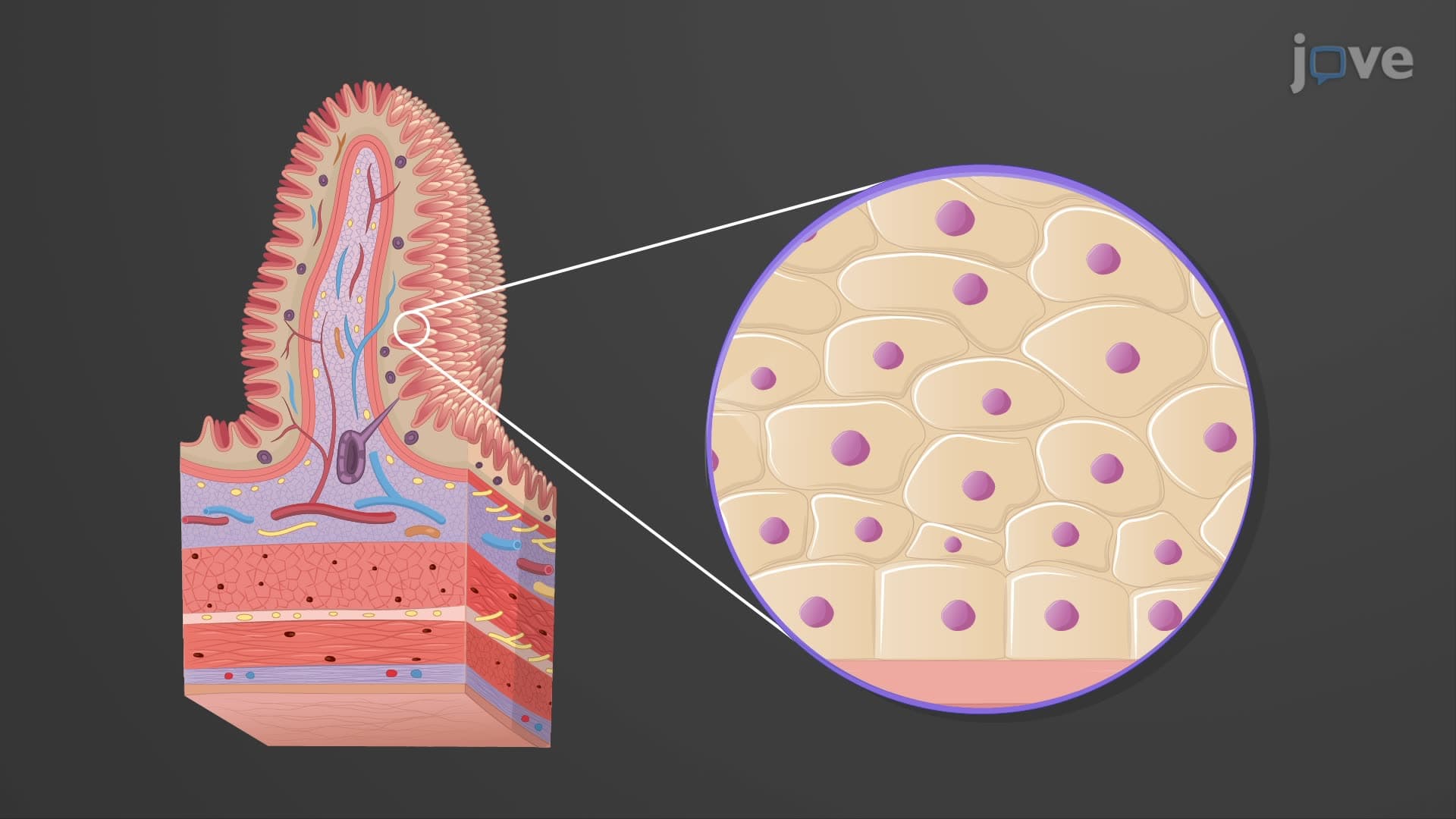
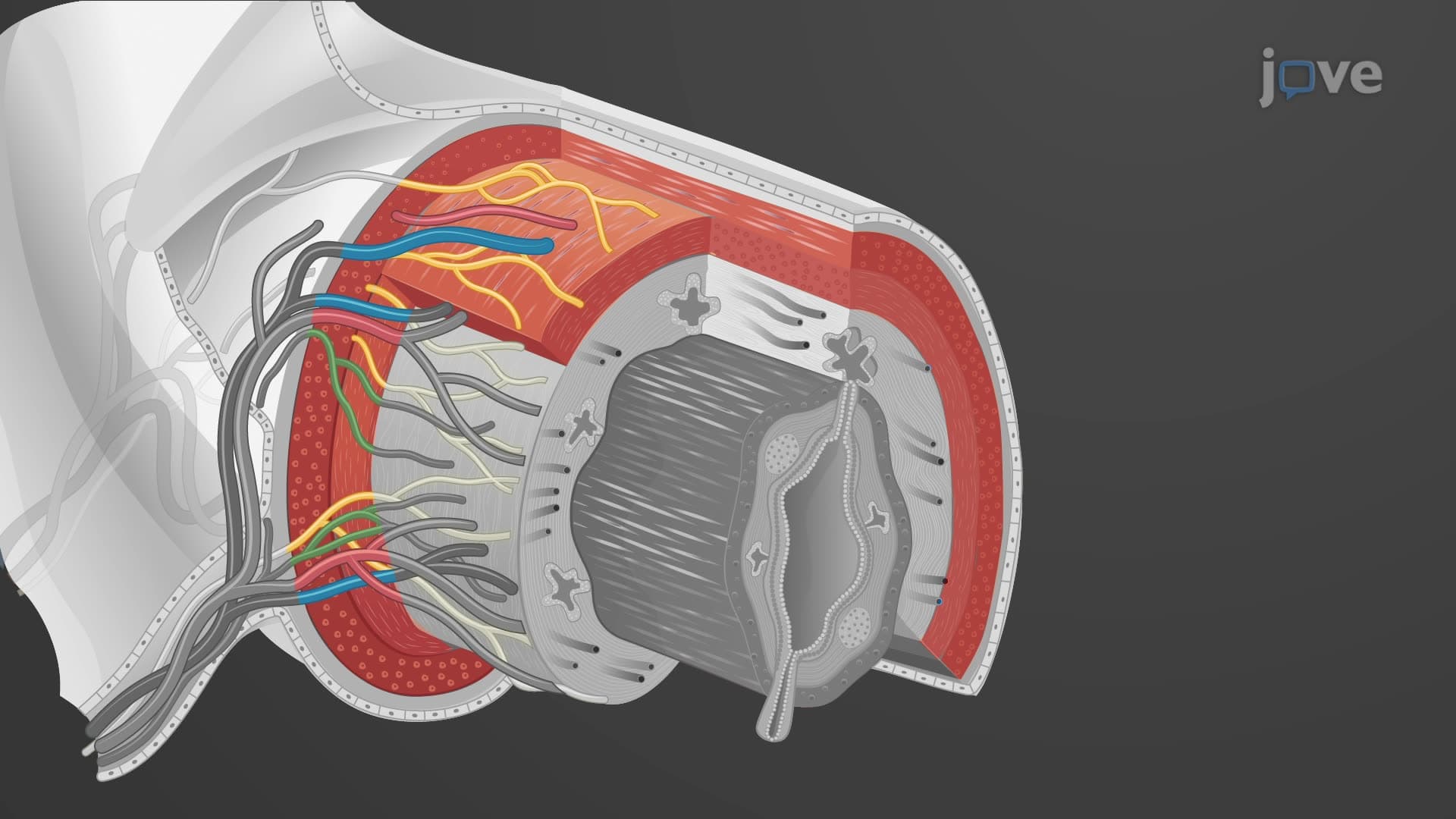


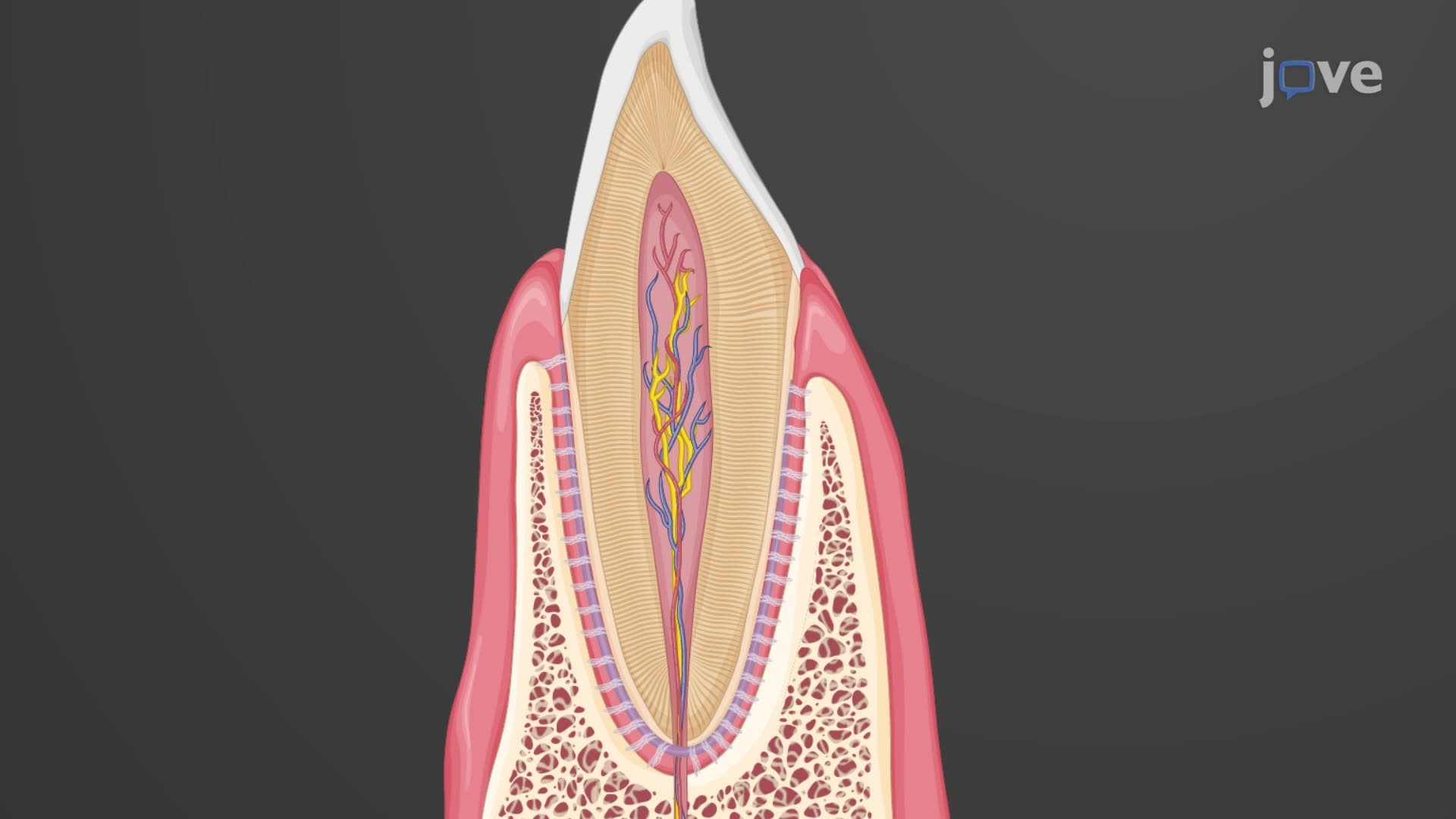
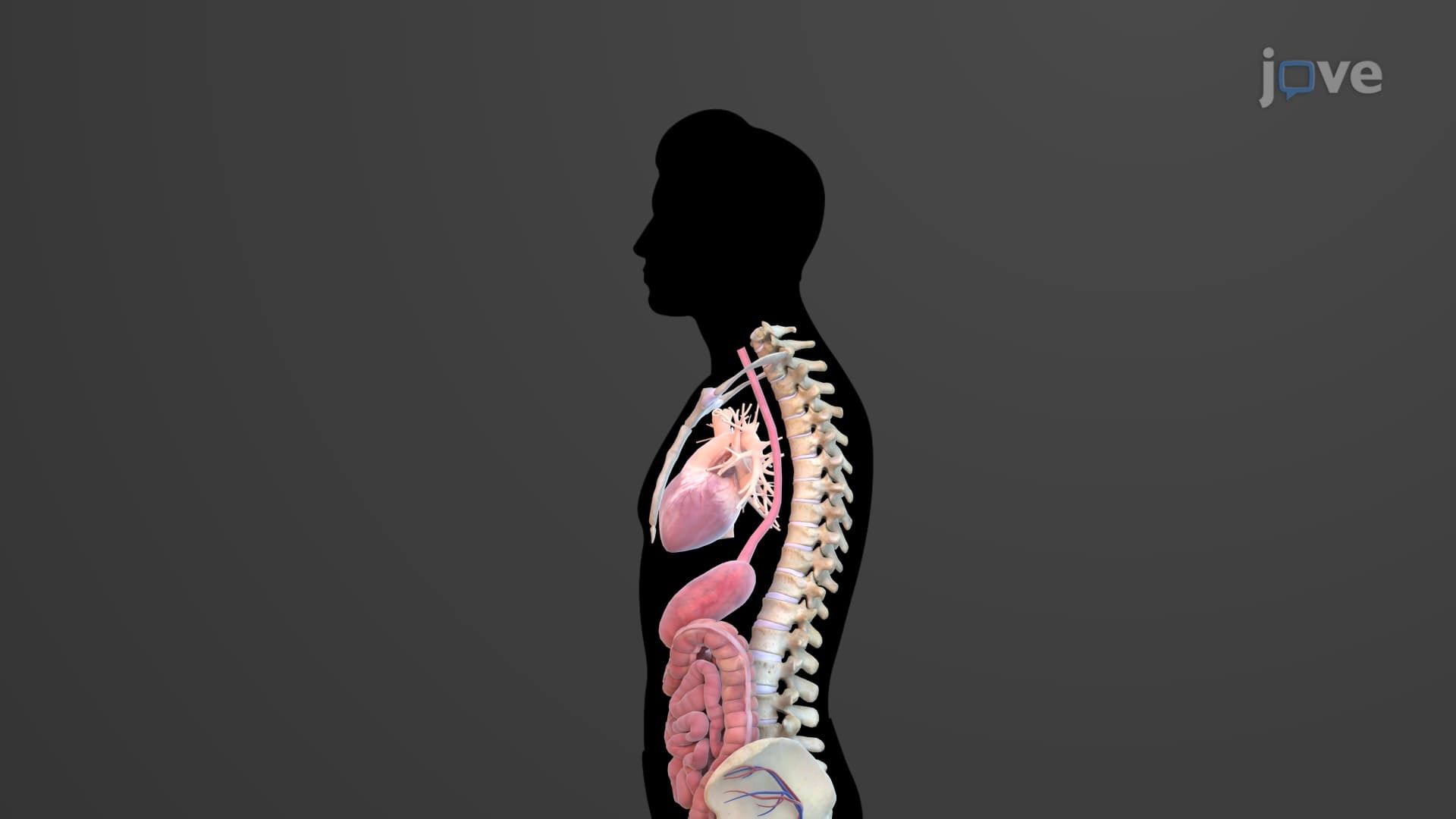
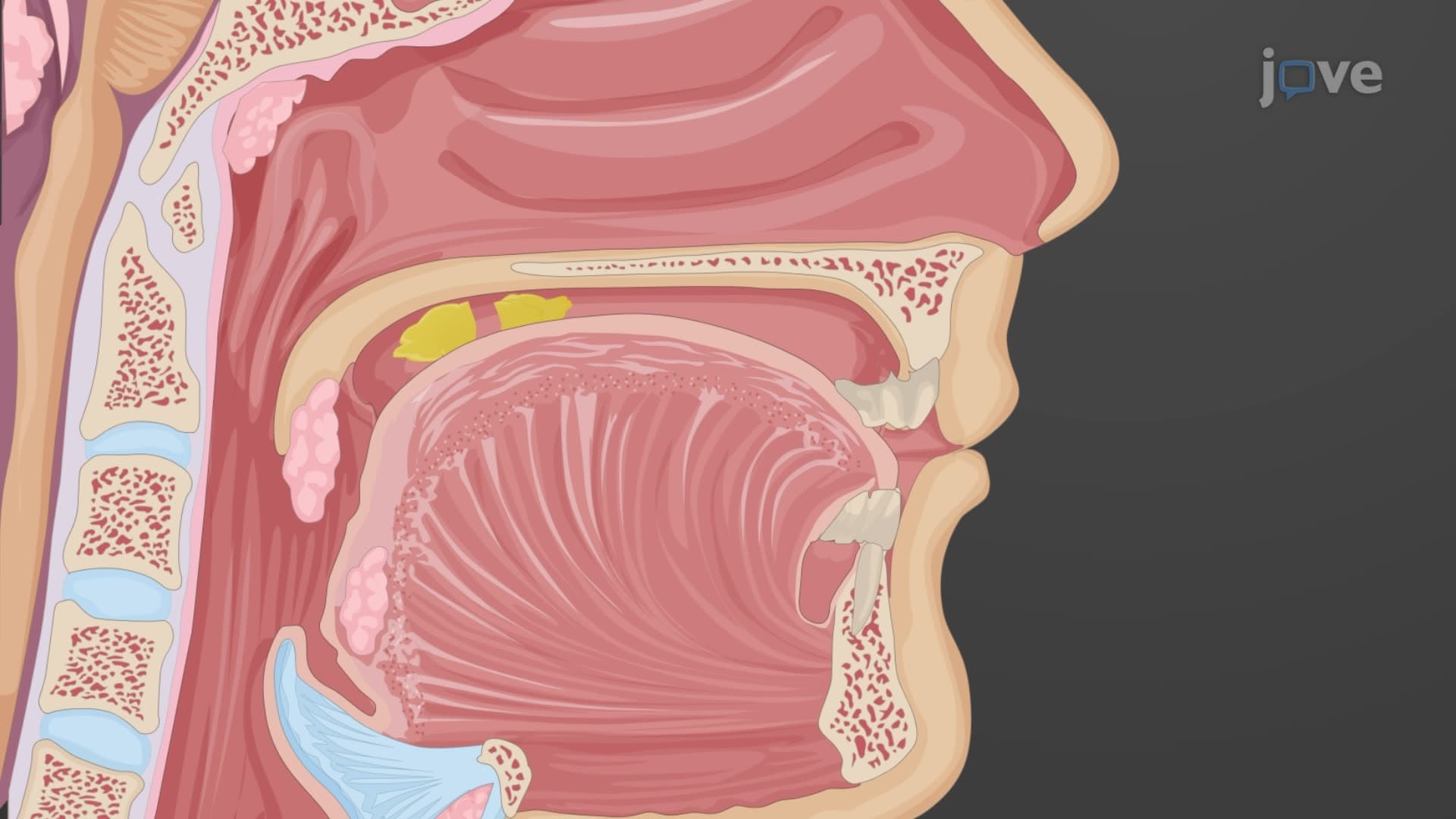
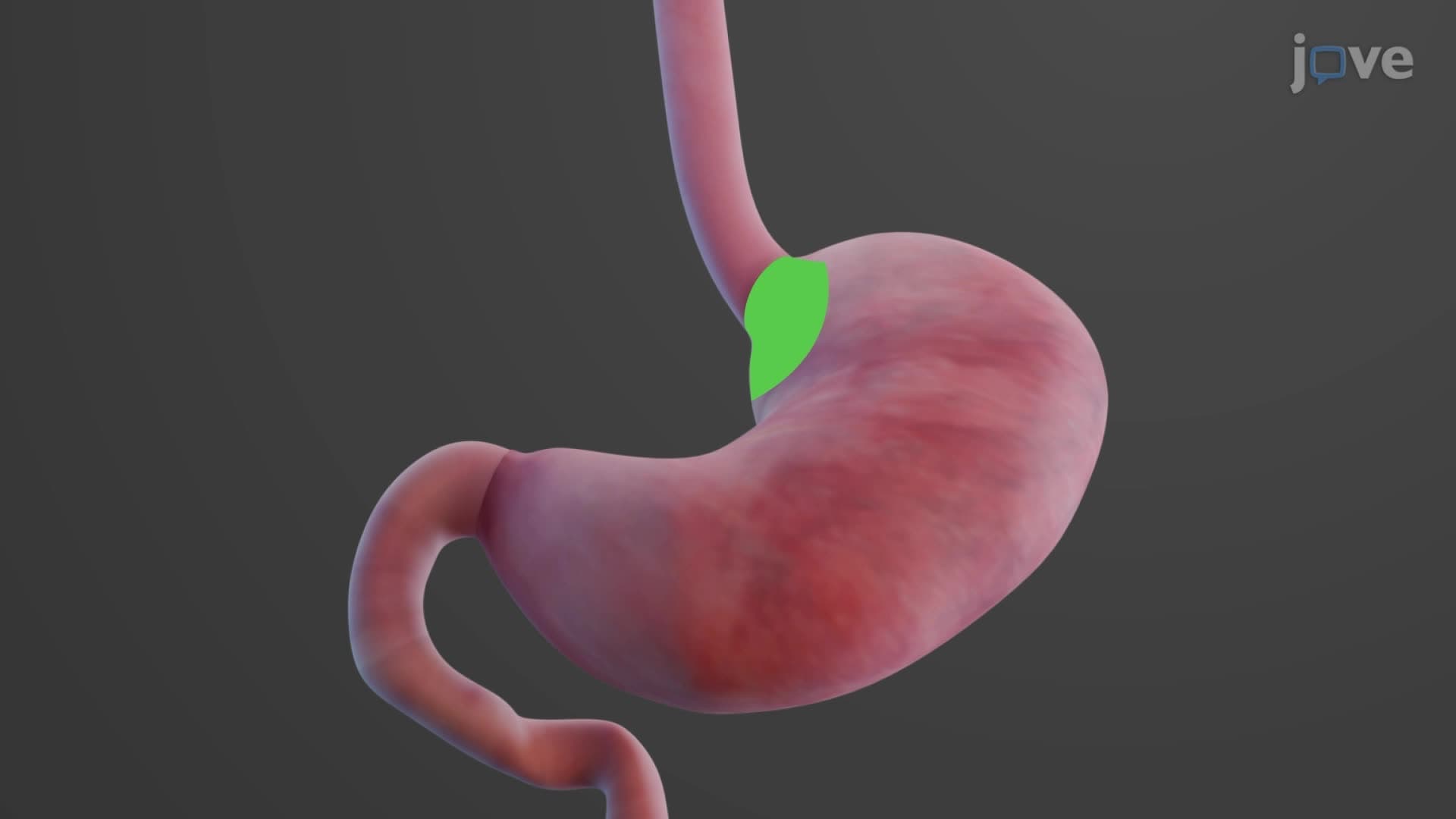

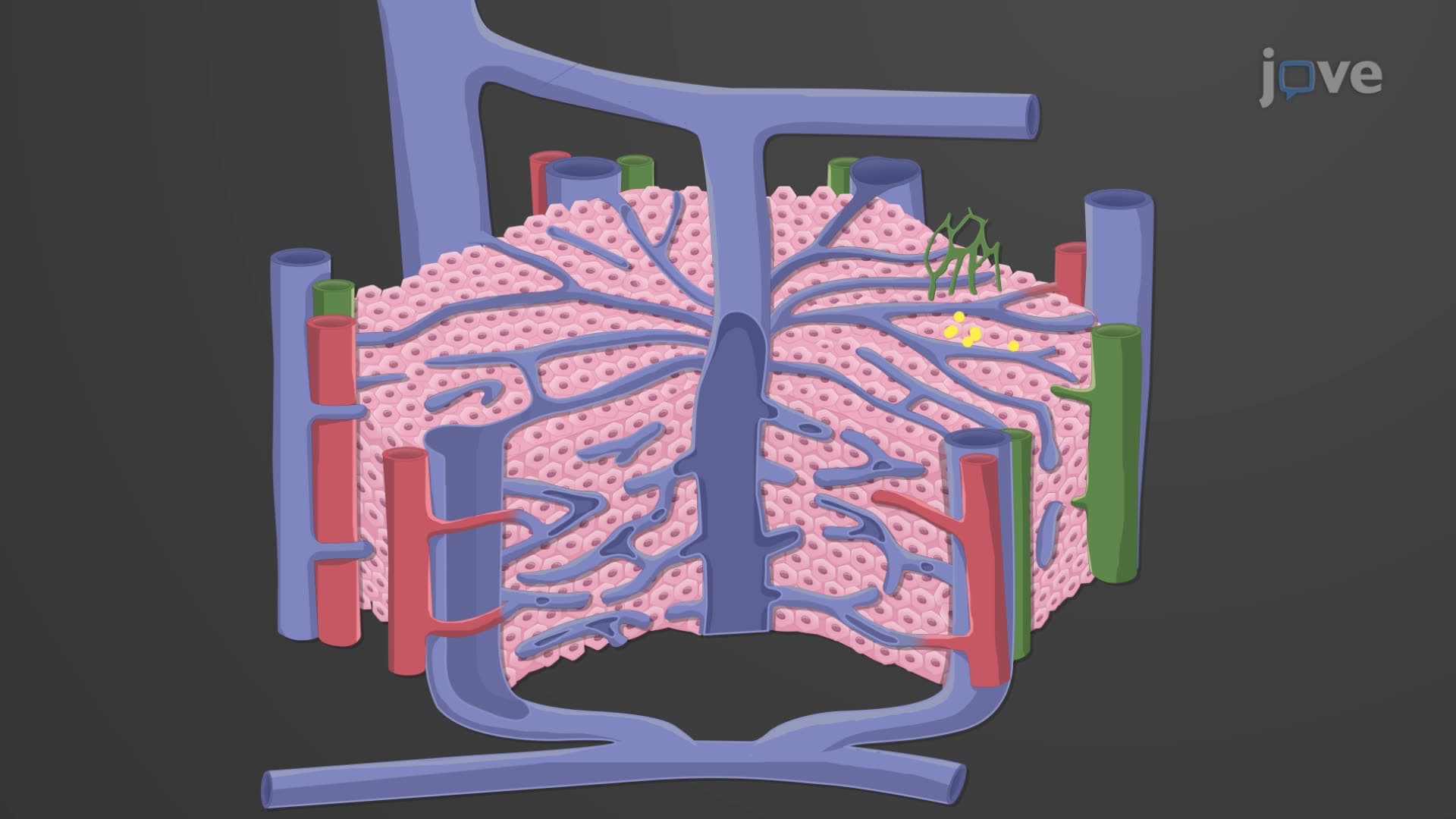
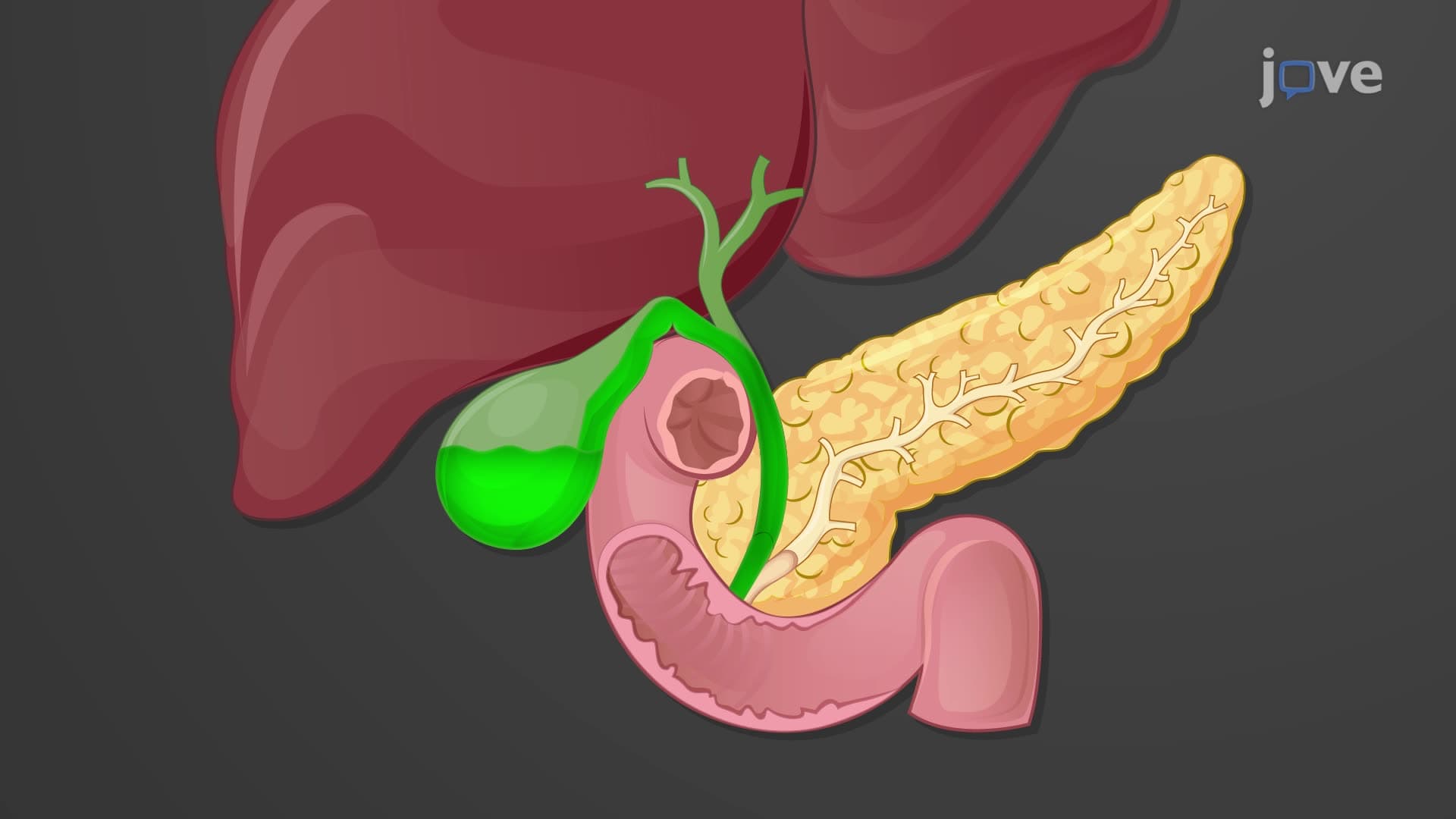
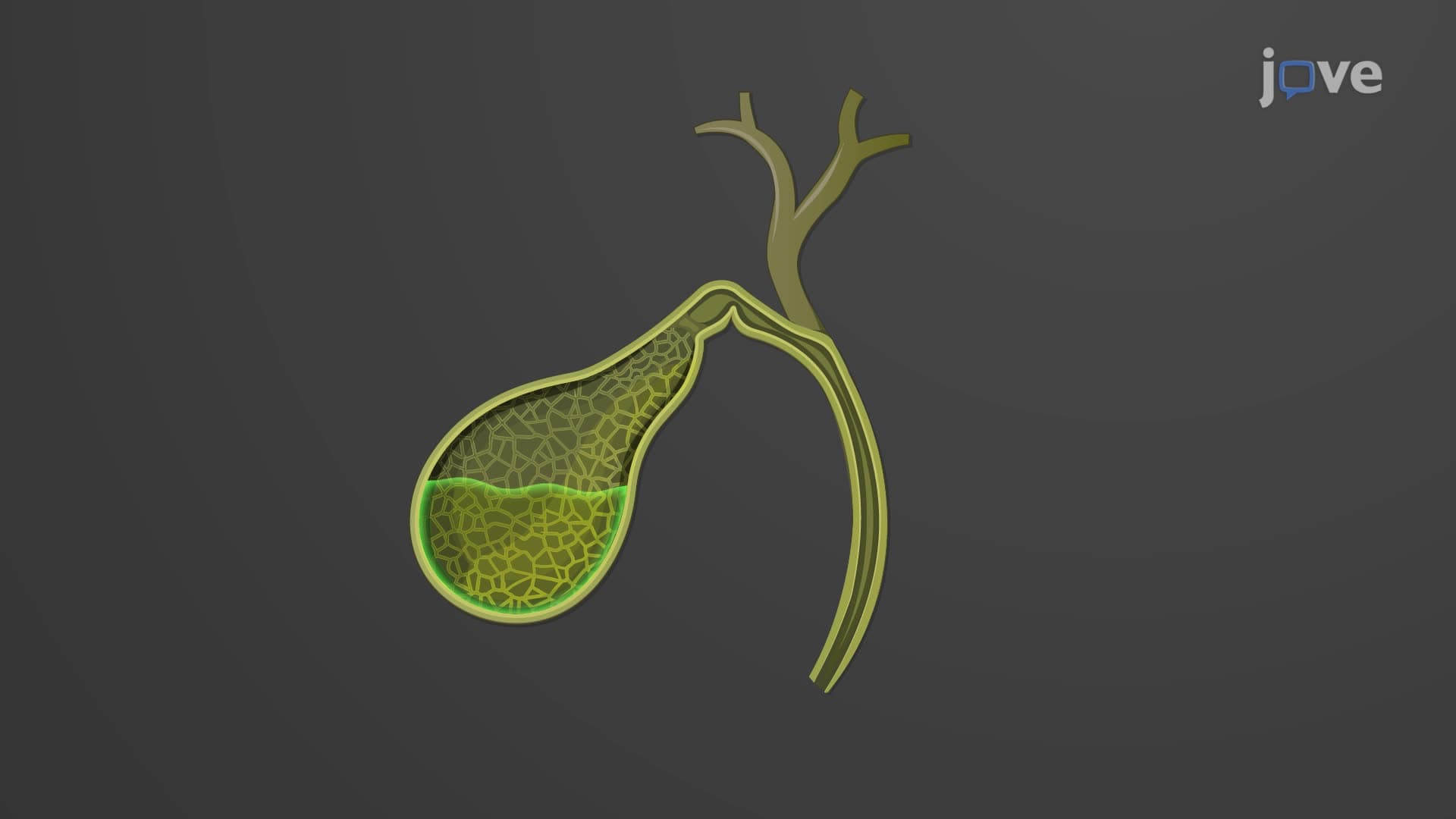
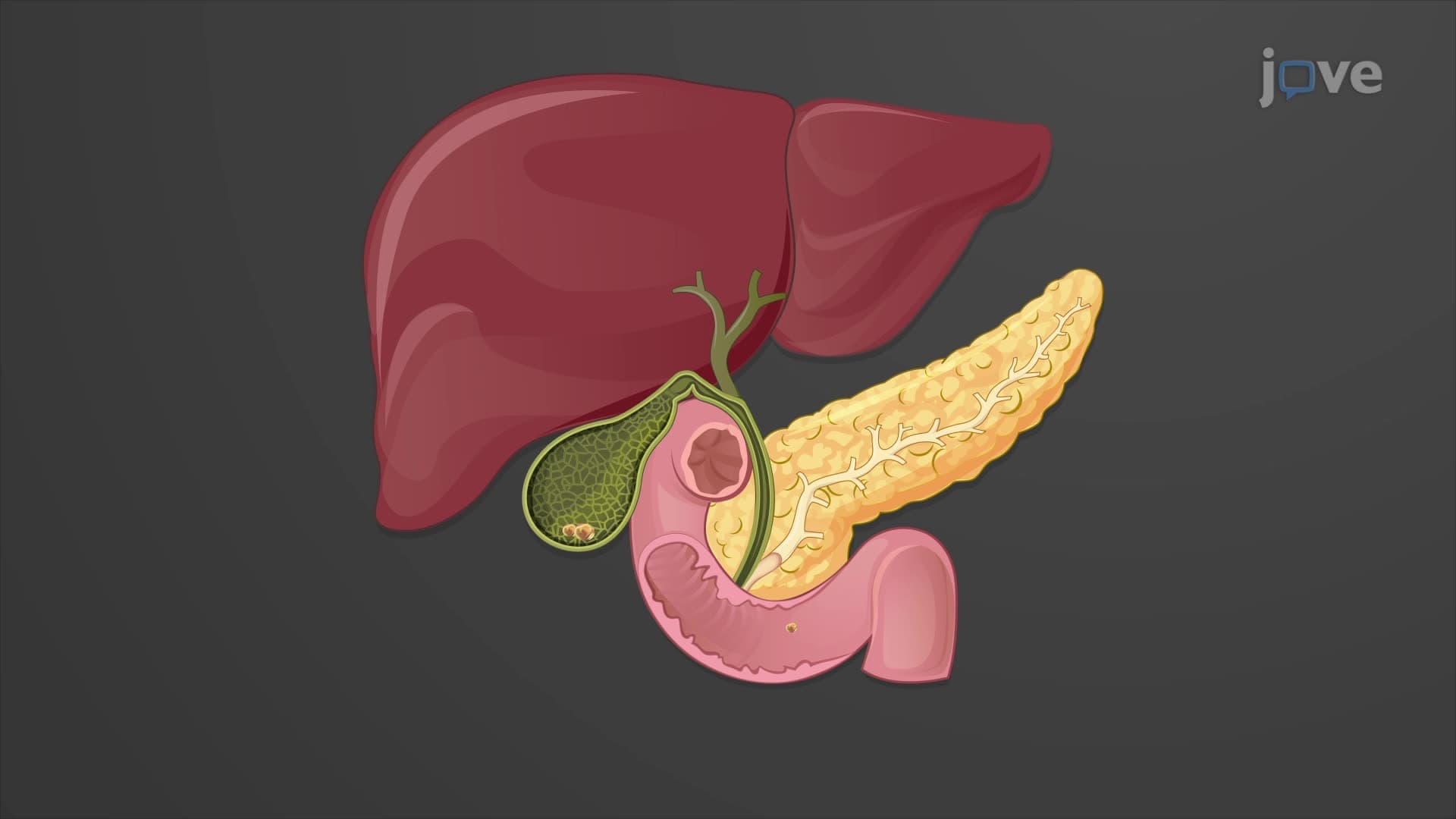
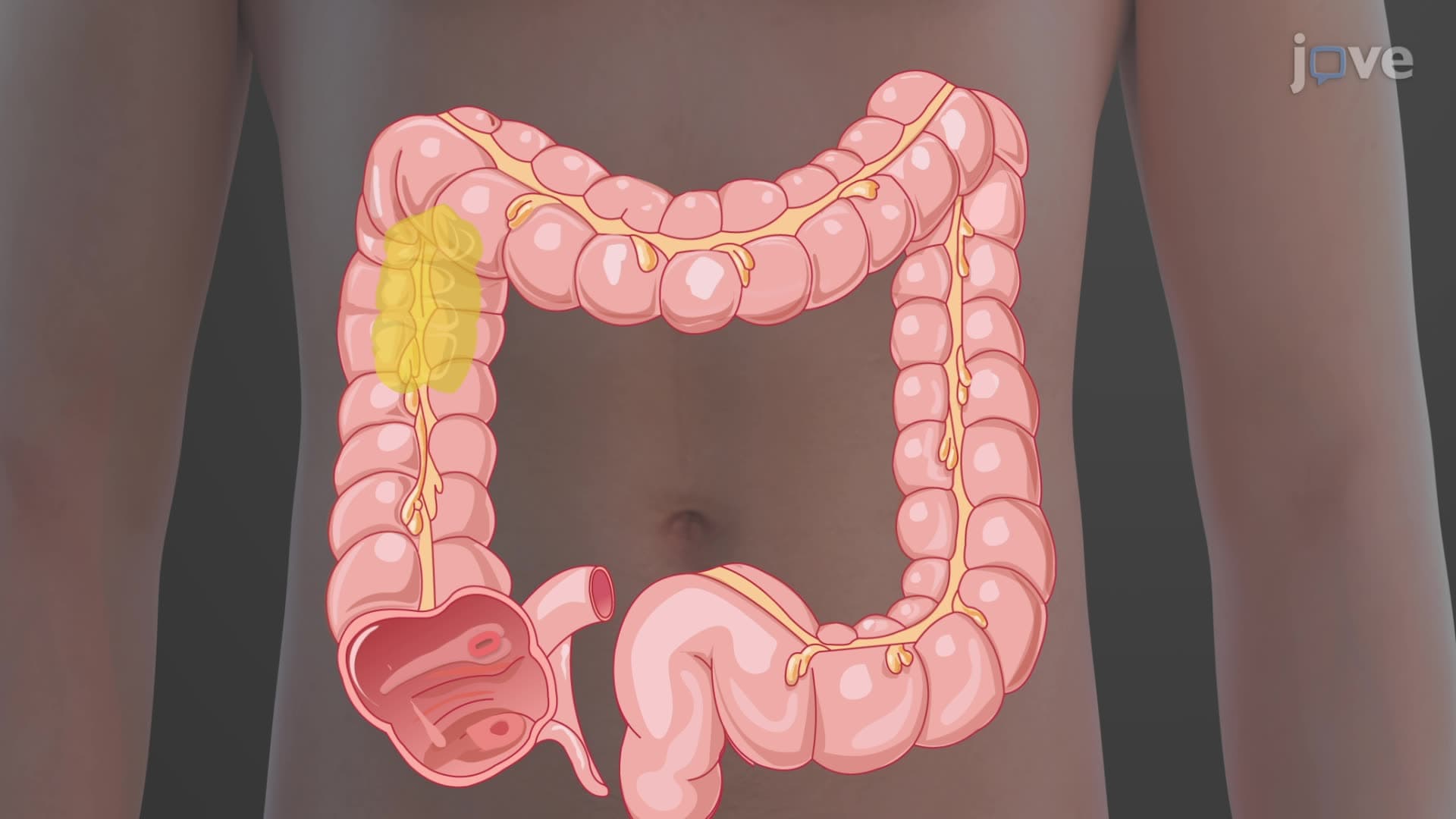
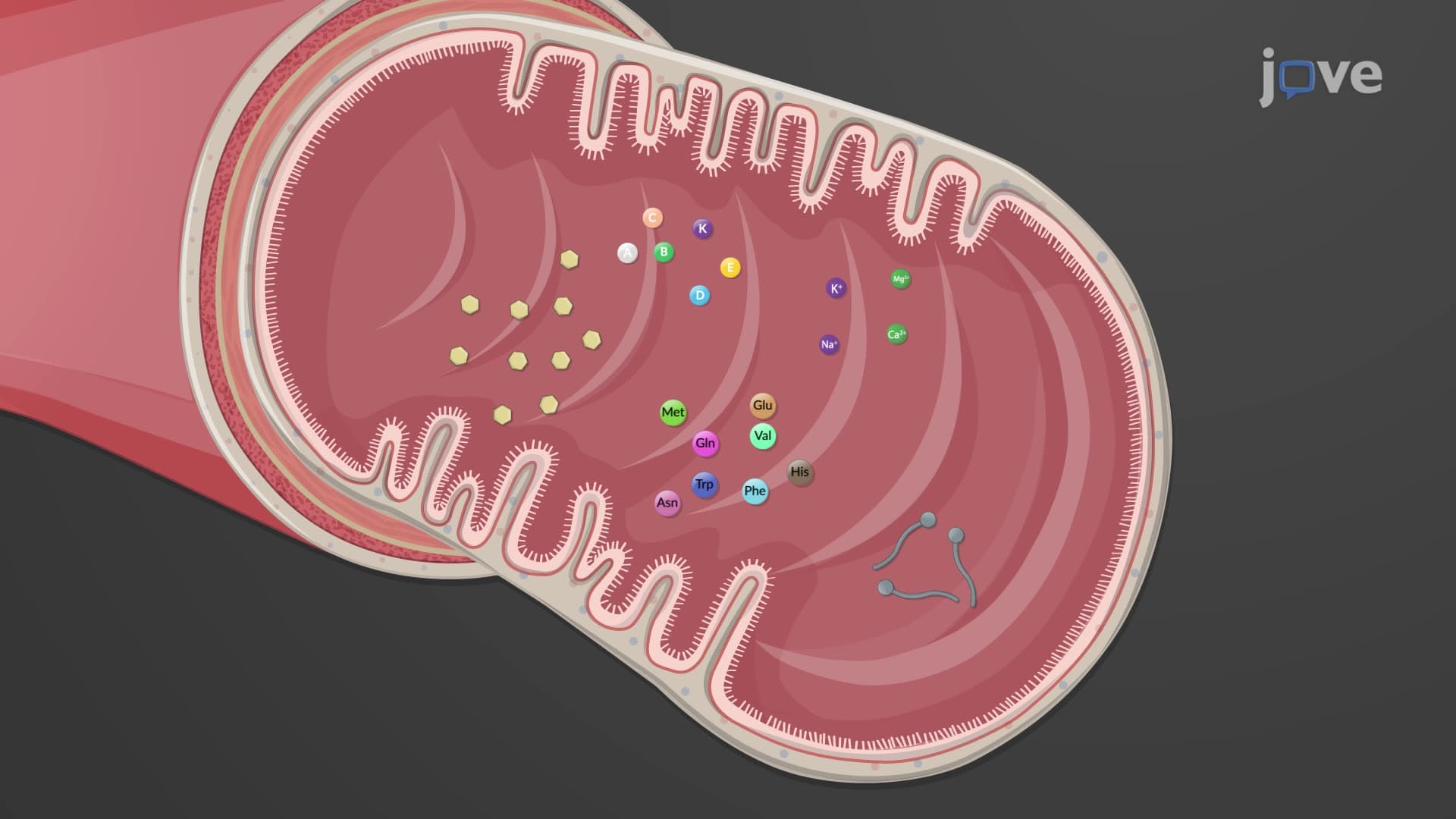
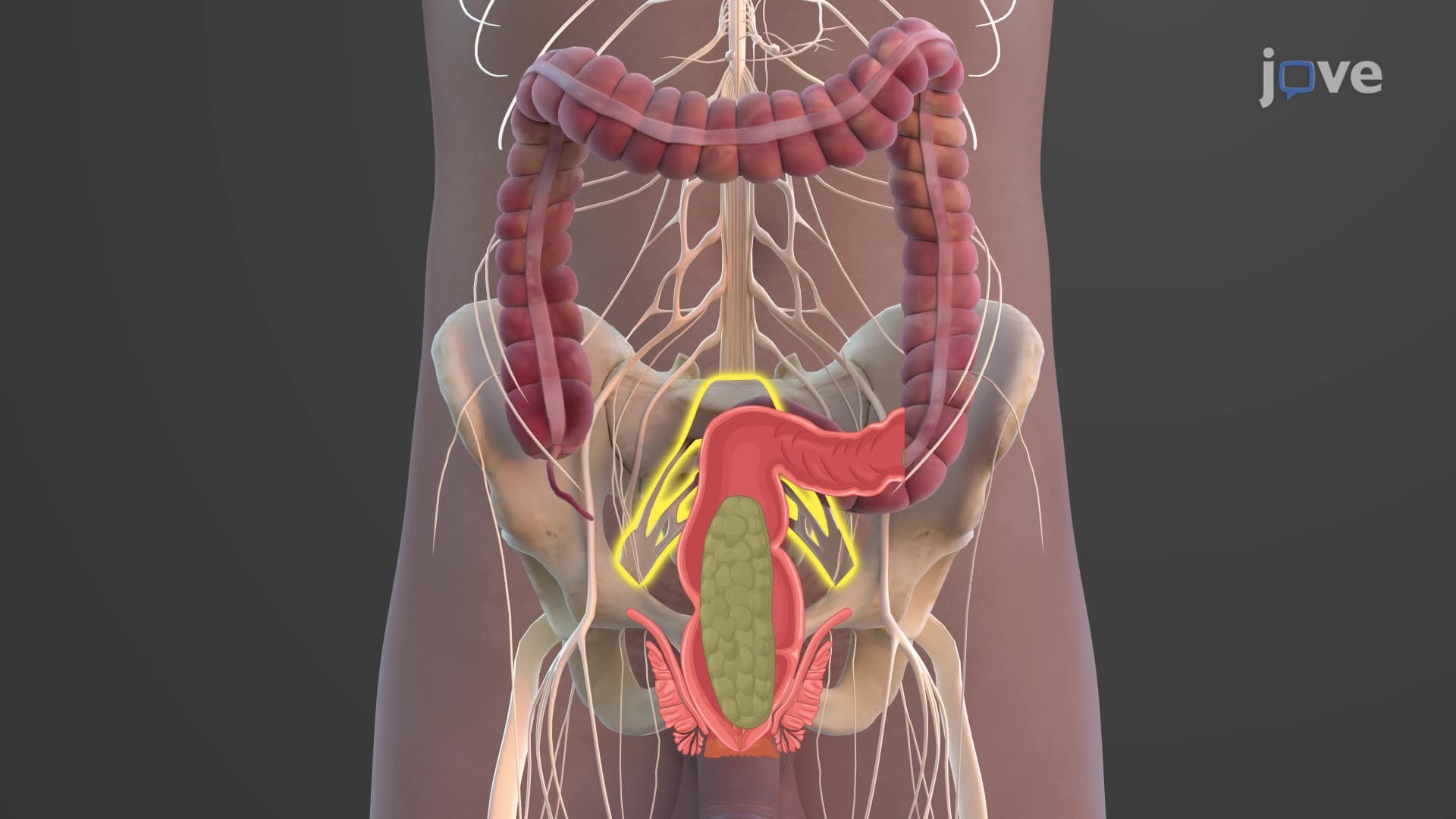
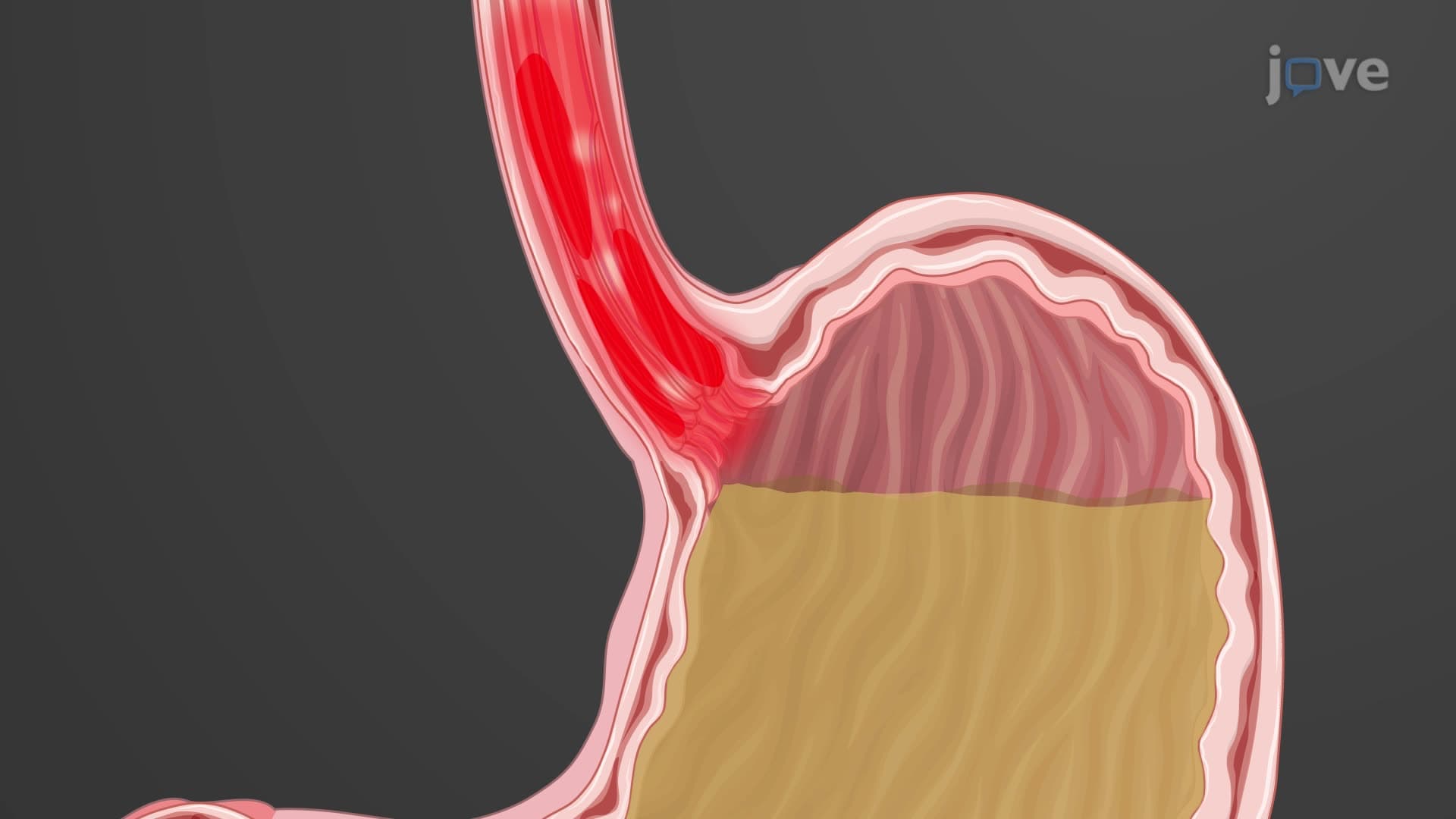
Liver Physiology

00:00
01:30
Video Summary: What Is Liver Physiology
Ever wonder why your liver can regenerate after injury while other organs cannot? Liver physiology functions encompass over 500 distinct biochemical processes that keep your body balanced every second. From a college student processing caffeine from their morning coffee to diabetic patients relying on hepatic glucose regulation, understanding what is liver physiology reveals how this remarkable organ performs metabolic miracles daily. Watch the full video on JoVE Coach to master this concept with expert-led visuals and step-by-step explanations.
- Understand what is liver physiology and identify the three primary functional categories: metabolic regulation, detoxification, and hematological processes
- Analyze how gluconeogenesis liver function maintains blood glucose homeostasis during fasting states and metabolic stress
- Recognize the role of hepatic metabolism detoxification in processing medications, toxins, and metabolic waste products
- Evaluate bile production liver mechanisms and their critical importance in lipid digestion and cholesterol regulation
- Apply knowledge of plasma protein liver synthesis to understand how hepatocytes produce albumin, clotting factors, and transport proteins
- Compare different metabolic pathways the liver uses to process carbohydrates, proteins, and lipids
- Identify clinical implications of liver physiological role dysfunction in common diseases like hepatitis and cirrhosis
- Explore connections between liver function and other organ systems, particularly pancreatic insulin regulation and intestinal absorption
Understanding What is Liver Physiology: The Body's Metabolic Command Center
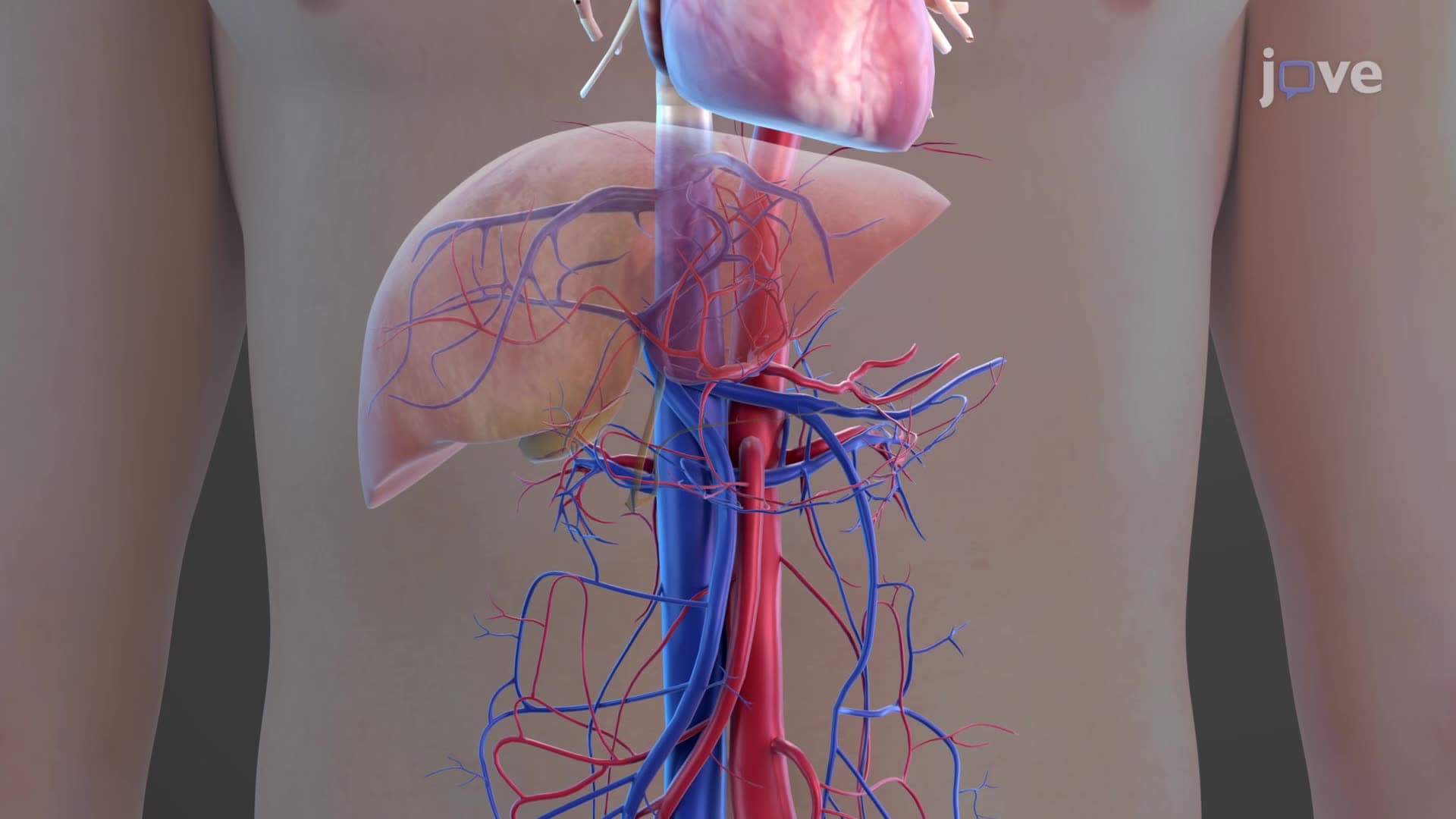
What is liver physiology encompasses the complex interplay of biochemical processes that make the liver humanity's most versatile organ. Unlike single-function organs, the liver simultaneously manages metabolism, detoxification, and blood regulation-earning its designation as the body's "metabolic headquarters." For students preparing for AP Biology or college anatomy courses, mastering liver physiology provides essential foundation knowledge for understanding human homeostasis.
Hepatic Metabolism Detoxification: Your Body's Ultimate Filter
The liver's detoxification capabilities rival any industrial filtration system. Hepatic metabolism detoxification occurs through two primary phases: Phase I reactions modify toxins through oxidation, while Phase II reactions conjugate these modified compounds for easier elimination. Consider acetaminophen (Tylenol)-a medication millions of Americans use daily. The liver processes acetaminophen through cytochrome P450 enzymes, demonstrating how liver function physiology explained reveals life-saving biochemical pathways. Students studying for the MCAT will encounter detailed questions about these detoxification mechanisms, particularly regarding drug interactions and hepatotoxicity.
Gluconeogenesis Liver Function: Maintaining Energy Homeostasis
Gluconeogenesis liver function represents one of metabolism's most critical safety nets. During overnight fasting or intense exercise, when blood glucose drops, hepatocytes synthesize glucose from non-carbohydrate sources like amino acids and lactate. This process ensures your brain-which requires approximately 120 grams of glucose daily-never runs out of fuel. For college students pulling all-nighters, understanding this mechanism explains why skipping meals affects cognitive performance and why the liver works overtime during exam stress.
Bile Production Liver and Plasma Protein Liver Synthesis
Bile production liver function extends far beyond simple fat digestion. Hepatocytes produce 800-1000mL of bile daily, containing bile salts that emulsify dietary fats and enable fat-soluble vitamin absorption (A, D, E, K). Simultaneously, plasma protein liver synthesis generates albumin-maintaining blood volume and pressure-plus clotting factors preventing hemorrhage. Students preparing for nursing exams like NCLEX or HESI A2 must understand how liver disease disrupts these functions, leading to conditions like ascites and bleeding disorders commonly seen in US hospitals.
Frequently Asked Questions
Liver physiology encompasses over 500 distinct biochemical functions including metabolism, detoxification, and blood regulation. The complexity arises because hepatocytes simultaneously perform multiple metabolic pathways while adapting to constantly changing physiological demands. This makes the liver unique among human organs for its versatility and regenerative capacity.
MCAT questions frequently test liver metabolism, particularly gluconeogenesis, fatty acid oxidation, and detoxification pathways. Understanding these processes helps answer complex biochemistry passages about metabolic disorders, drug processing, and hormonal regulation. Many students find liver physiology appears in 15-20% of metabolism-related MCAT questions.
AP Biology emphasizes glucose homeostasis, including gluconeogenesis and glycogen storage, plus basic detoxification concepts. Students should focus on how the liver responds to insulin and glucagon, and understand bile's role in lipid digestion. These topics frequently appear in free-response questions about homeostasis and organ system integration.
Diabetic patients experience dysregulated gluconeogenesis, where the liver continues producing glucose even when blood sugar is elevated. This explains why Type 2 diabetics often have high morning glucose levels despite overnight fasting. Understanding this helps patients work with healthcare providers to optimize medication timing and dietary strategies.
Absolutely not! While liver physiology involves complex biochemistry, breaking it into three main categories-metabolism, detoxification, and blood regulation-makes it manageable. Students with basic chemistry knowledge can understand these concepts, especially when connected to real-world examples like caffeine processing or vitamin storage.
Create flowcharts showing Phase I and Phase II detoxification pathways, then practice with specific drug examples like acetaminophen or alcohol. Use active recall by explaining how different toxins are processed, and connect this knowledge to clinical scenarios involving liver disease or drug interactions commonly tested in health science courses.
Bile production directly impacts digestive system function, particularly fat-soluble vitamin absorption and cholesterol regulation. This knowledge connects to cardiovascular health (cholesterol metabolism), endocrine function (steroid hormone synthesis), and gastrointestinal physiology (nutrient absorption), making it essential for understanding integrated body system function.
Pre-med students should investigate hepatic circulation patterns, including portal blood flow and the dual blood supply system. Additionally, explore molecular mechanisms of liver regeneration, genetic regulation of metabolic enzymes, and clinical correlations with liver function tests commonly used in medical practice.
Related Micro-courses
25 Concepts

25 Concepts

20 Concepts