Loading subject page…

- Anatomy and Physiology
- Digestive System
- Major Organs of the Digestive System
Micro-course: Digestive System
89,747 views
Learn key concepts and earn your certificate.

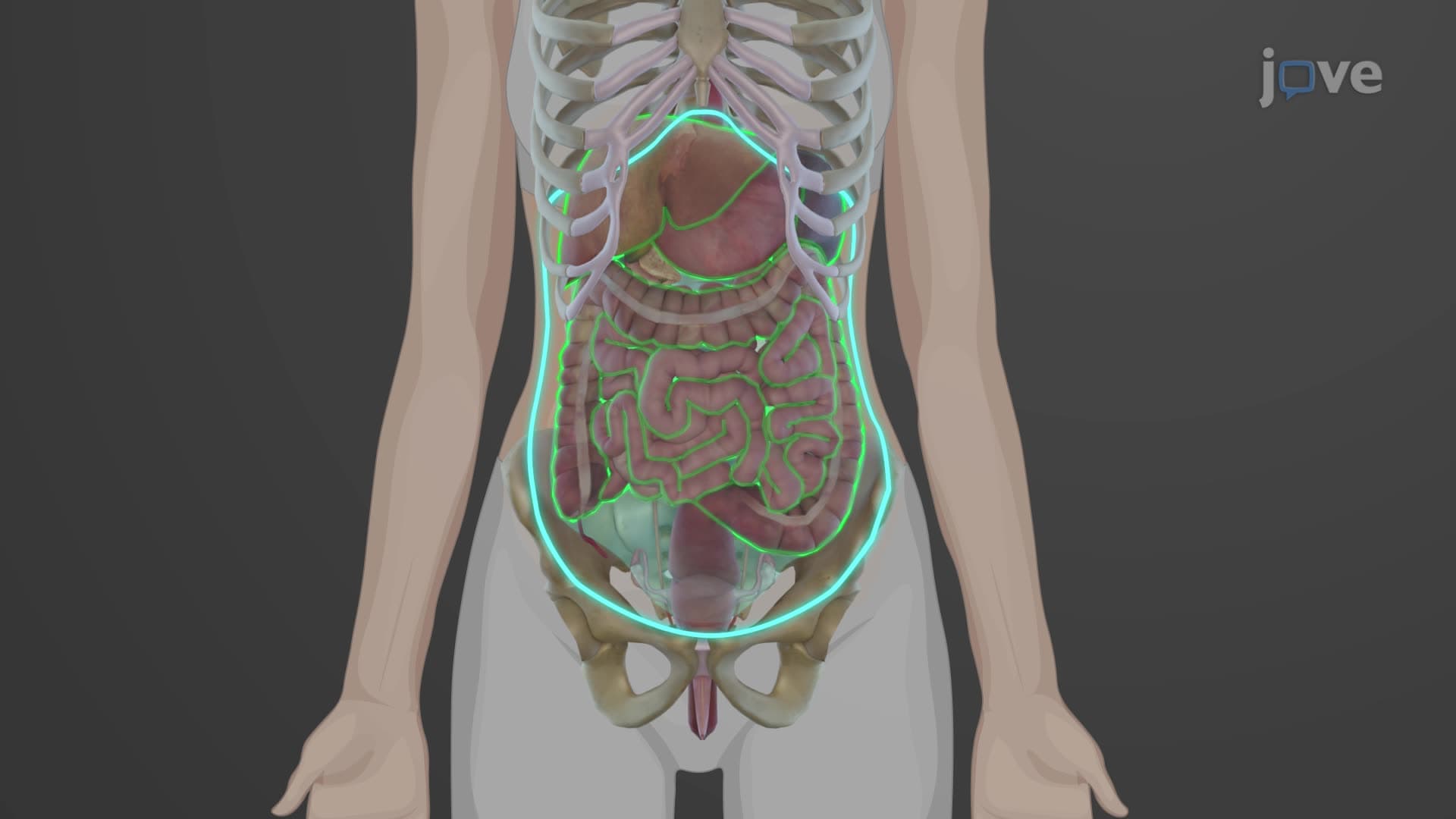
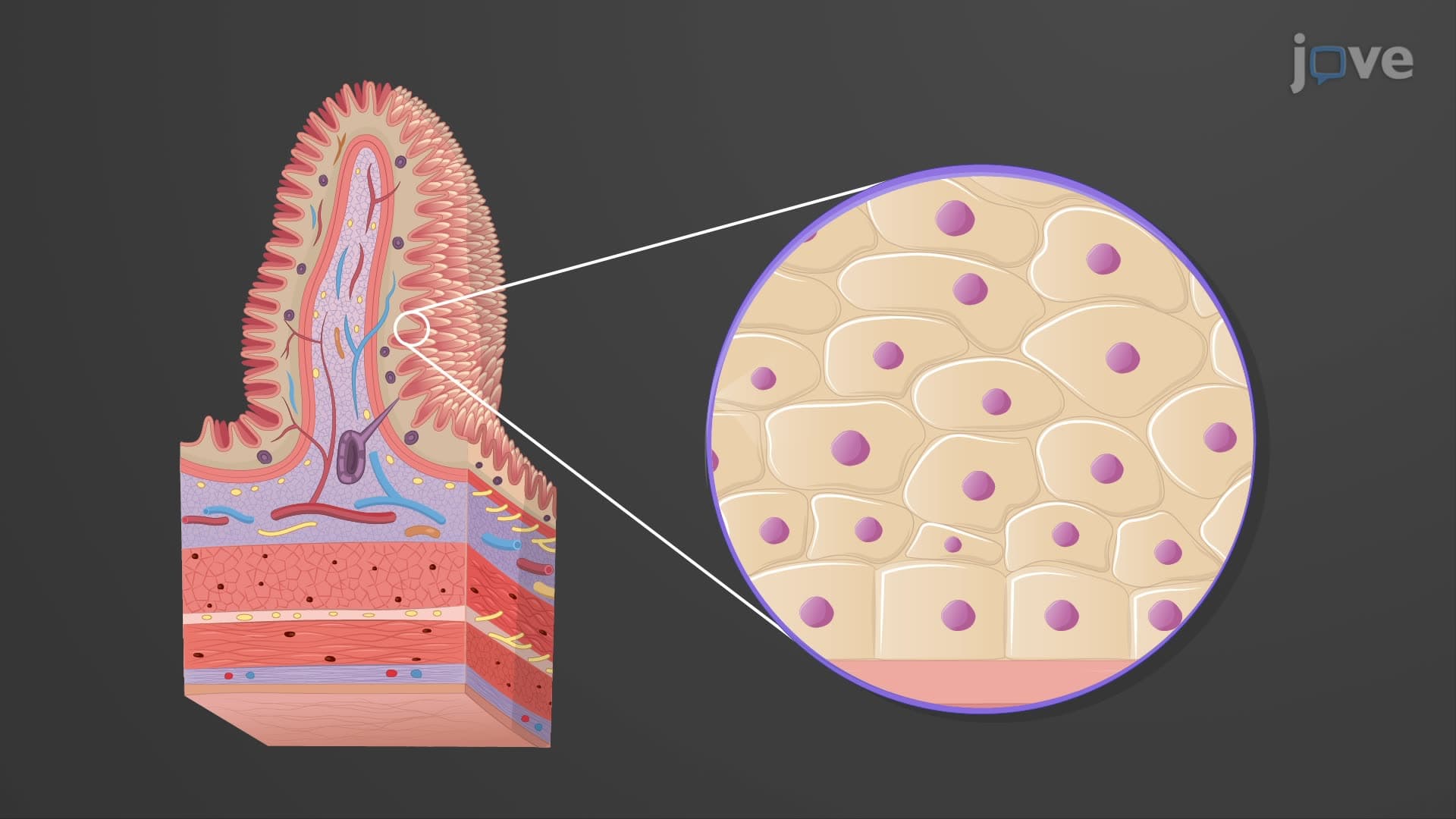
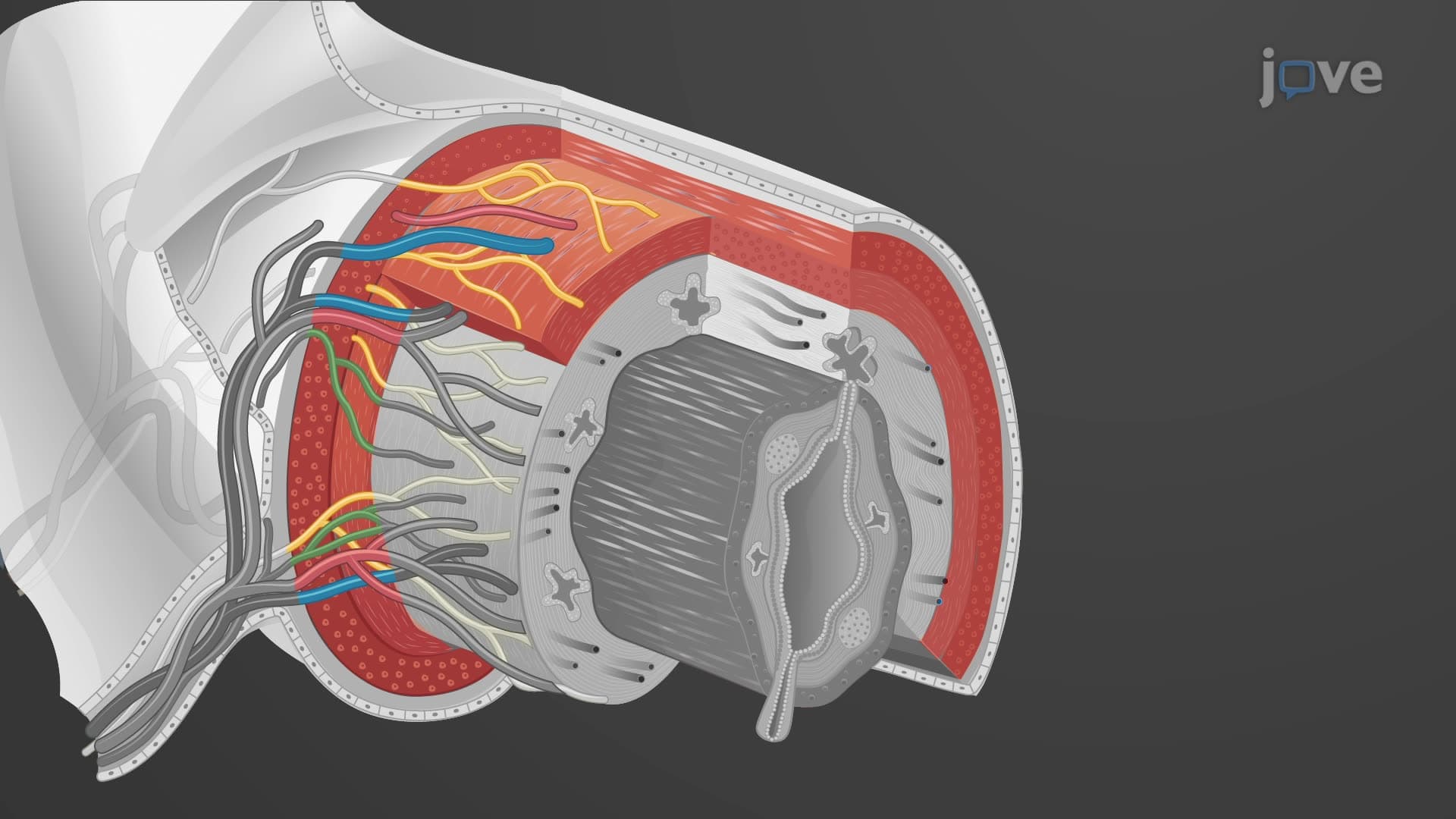

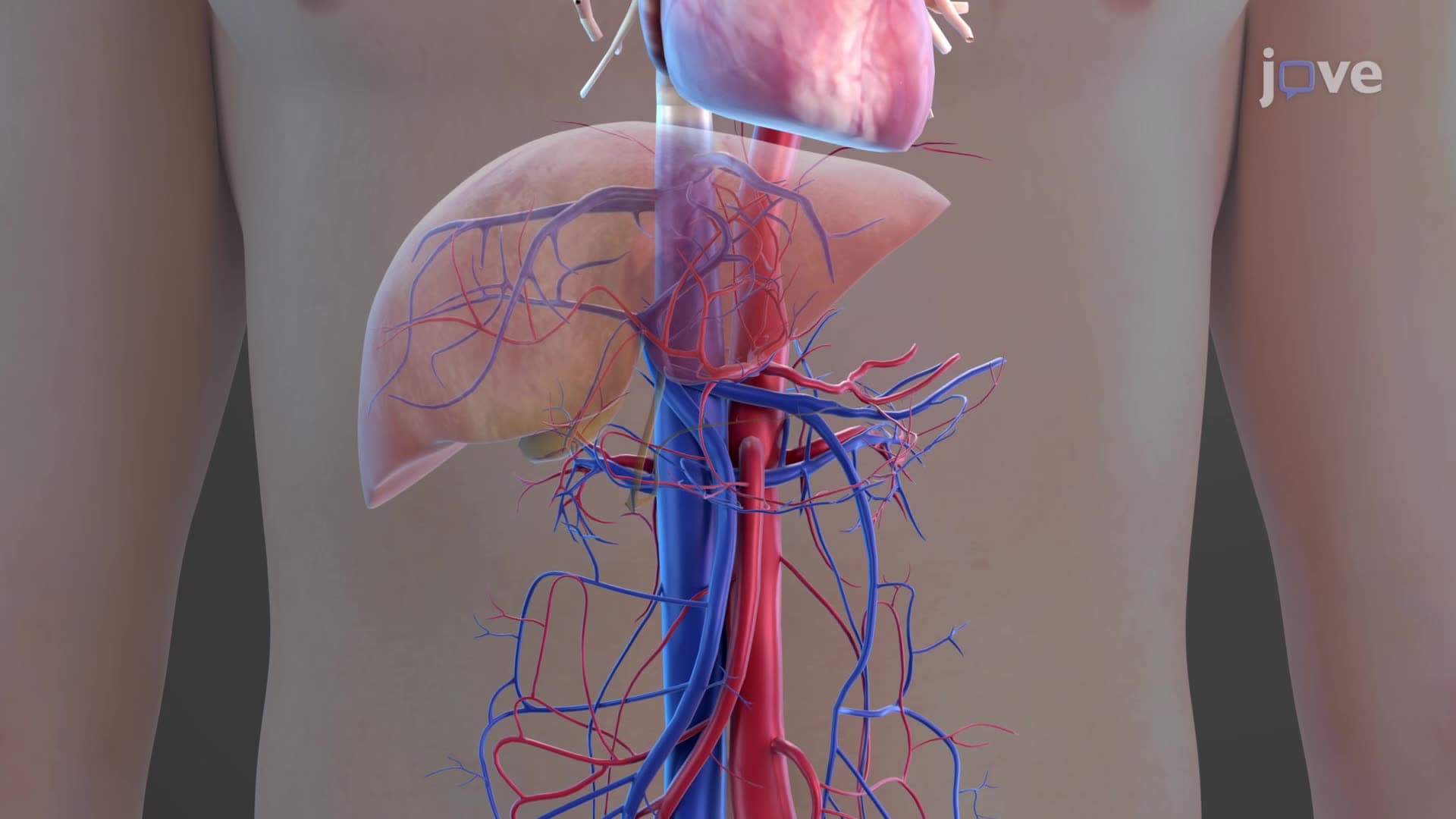

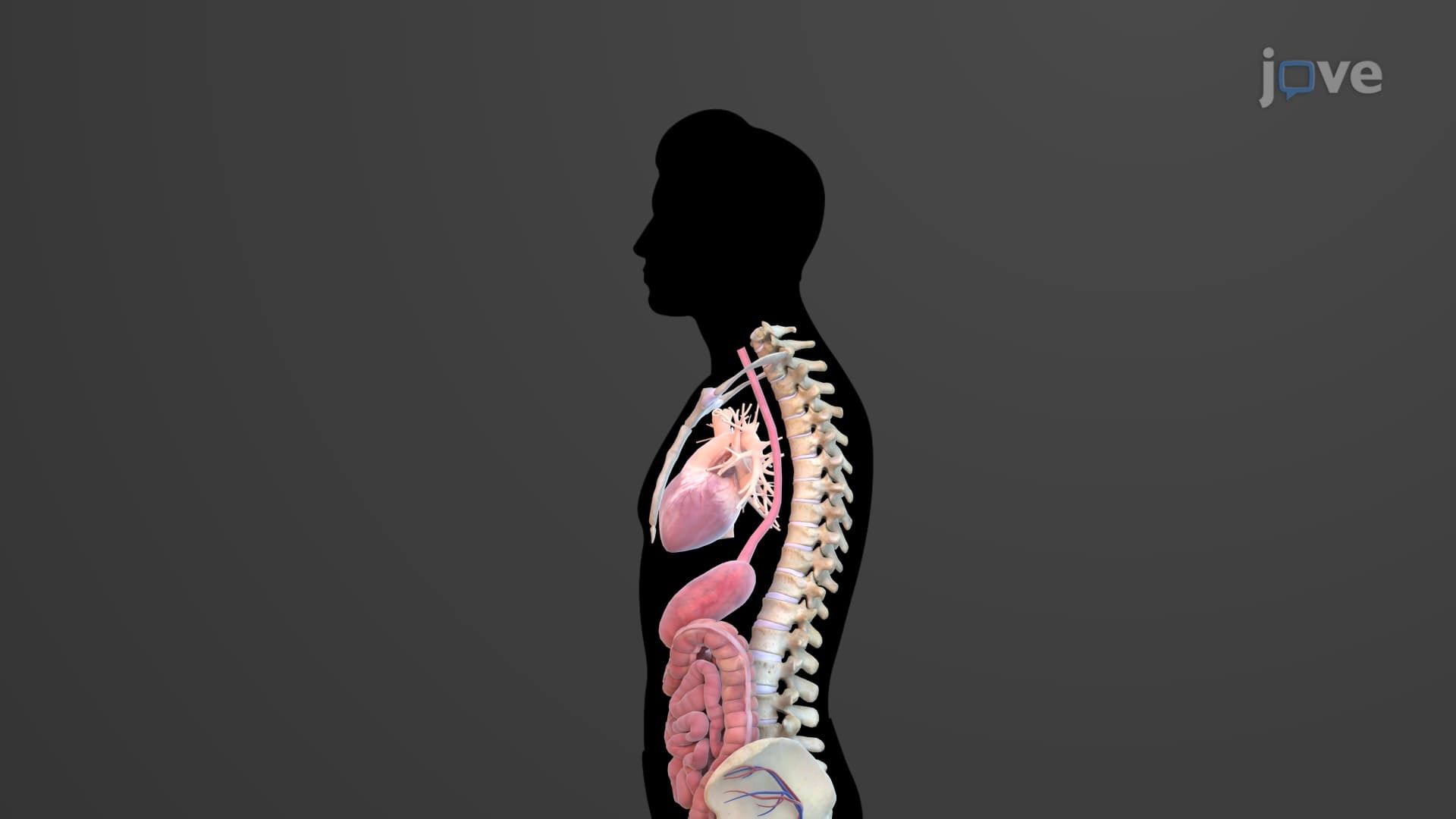
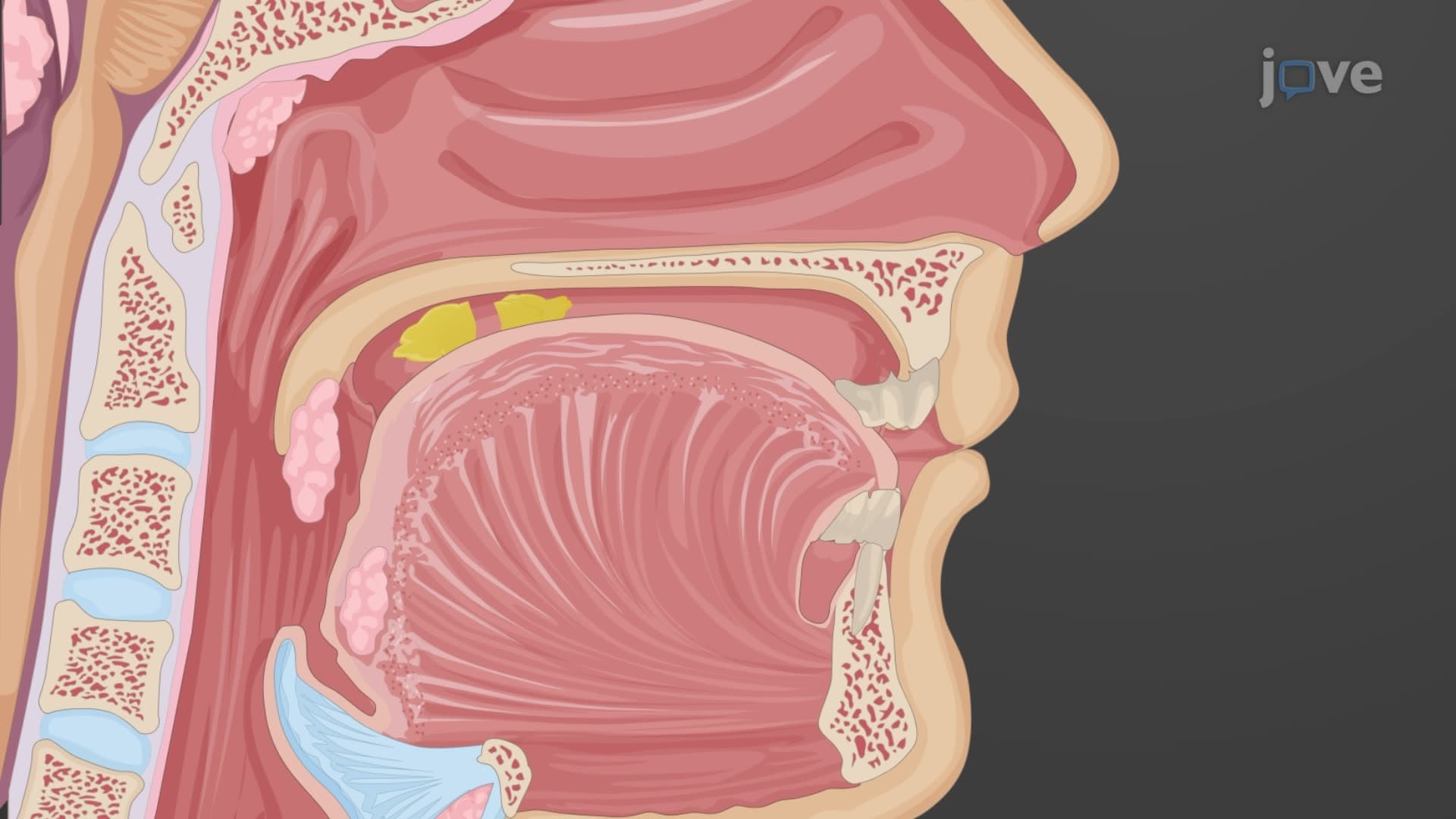
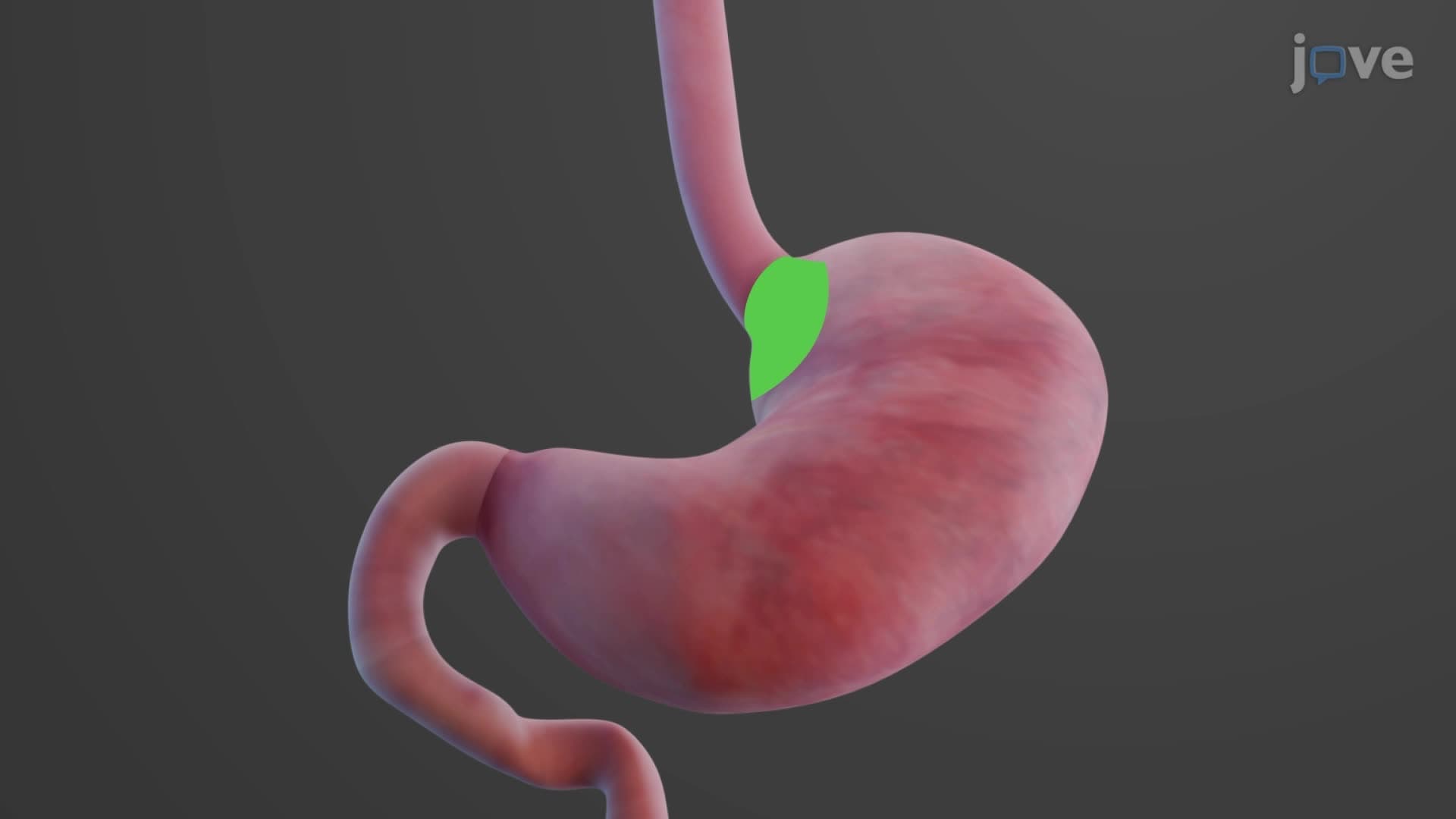
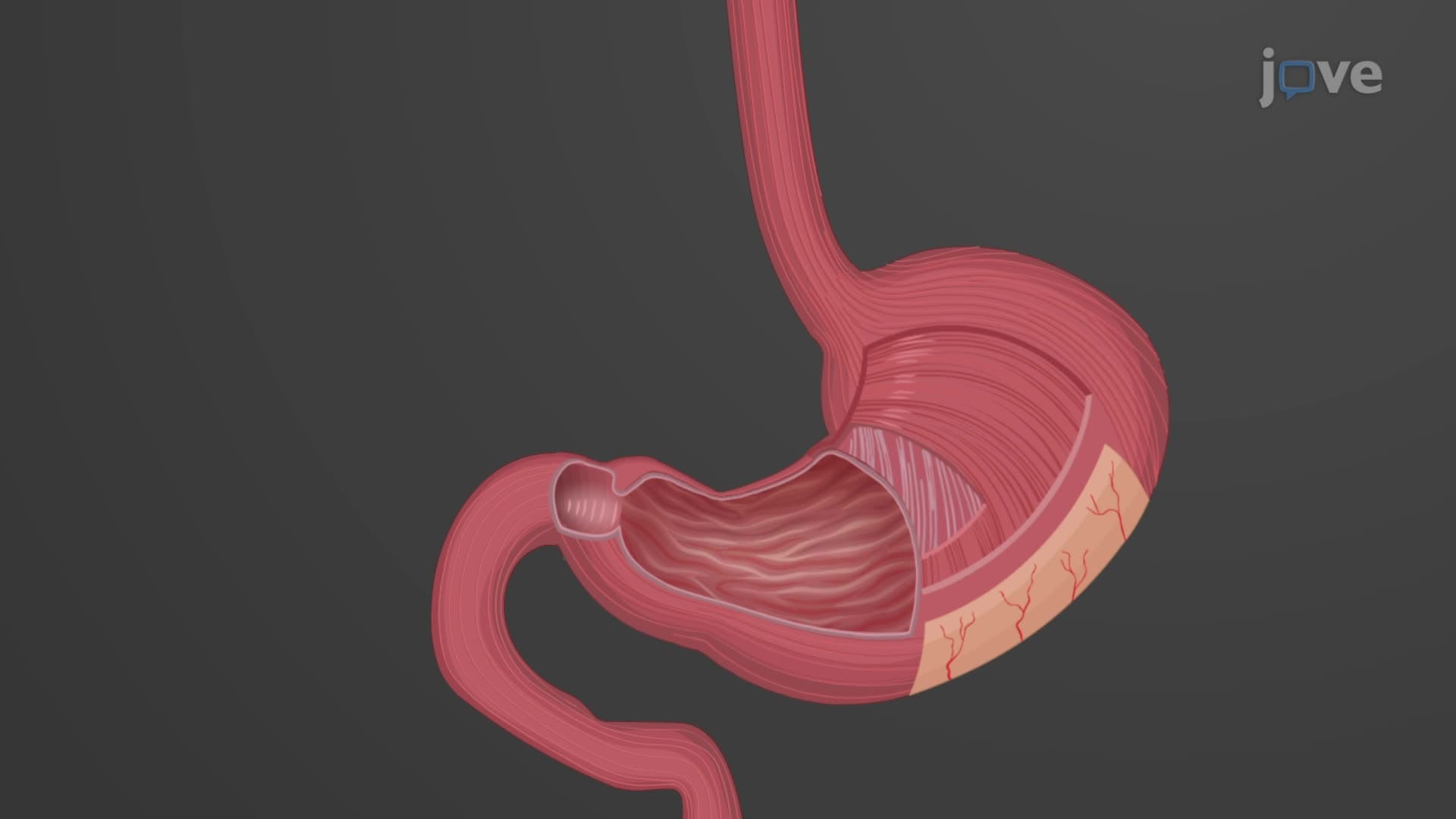

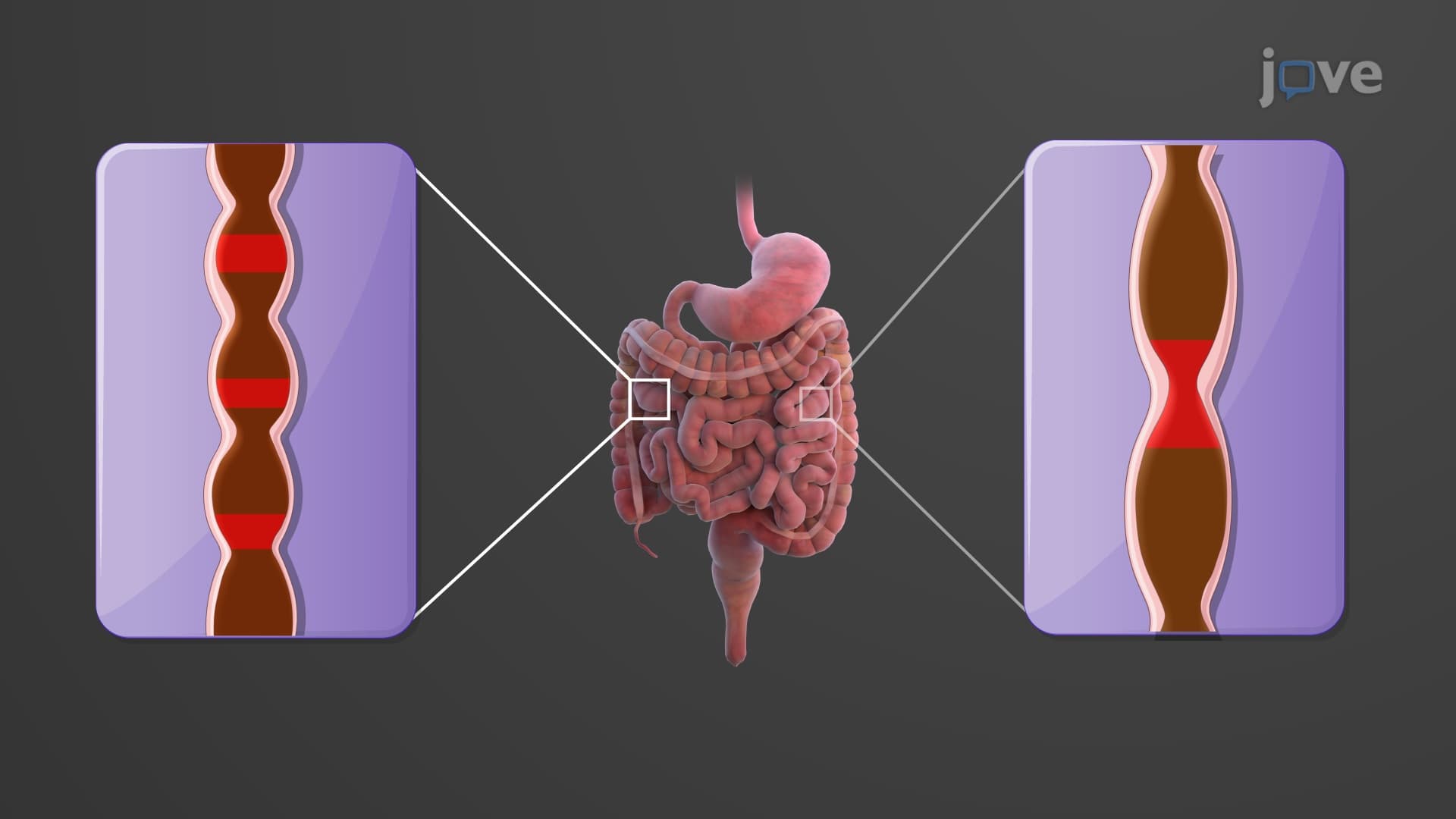
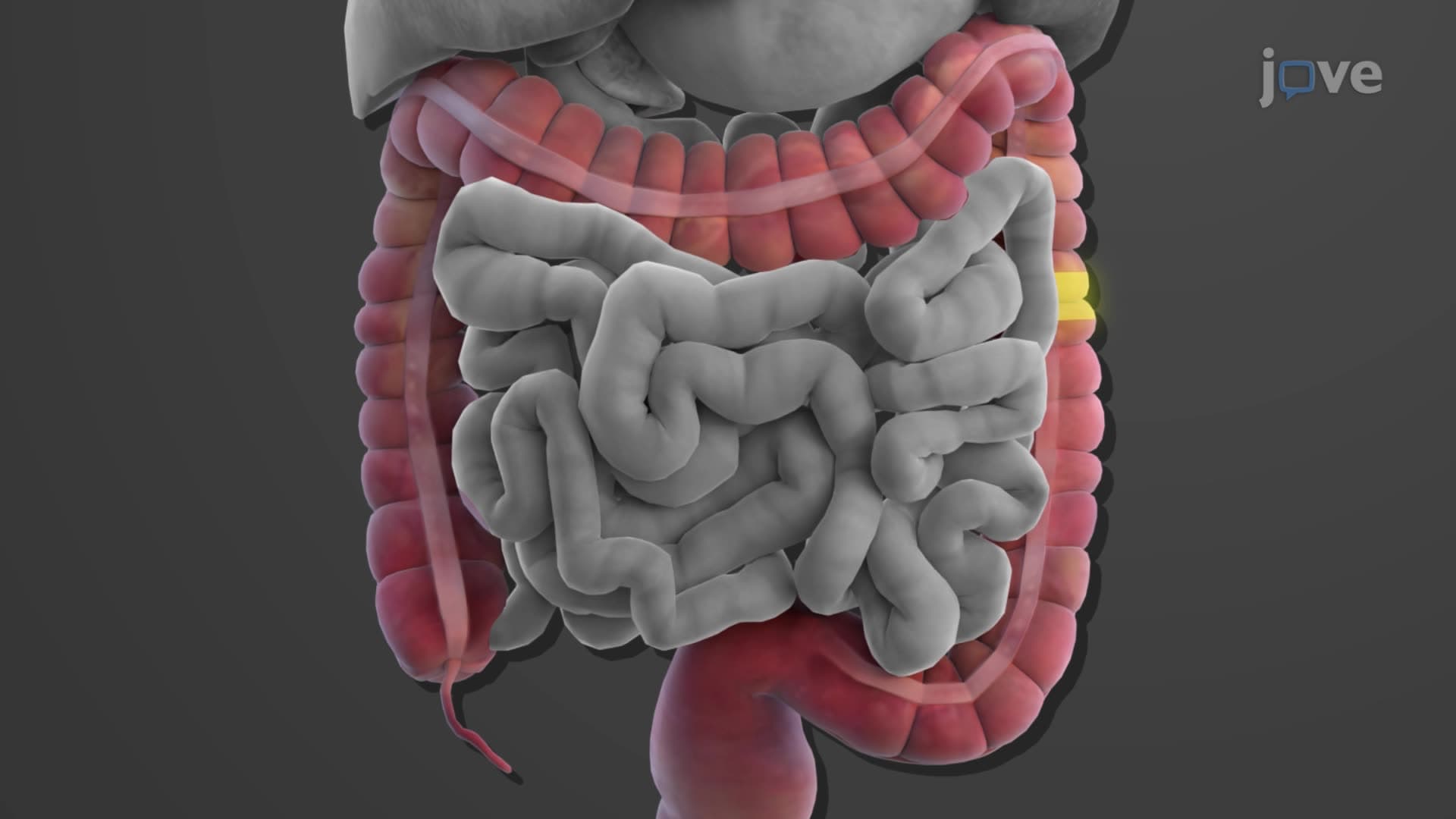
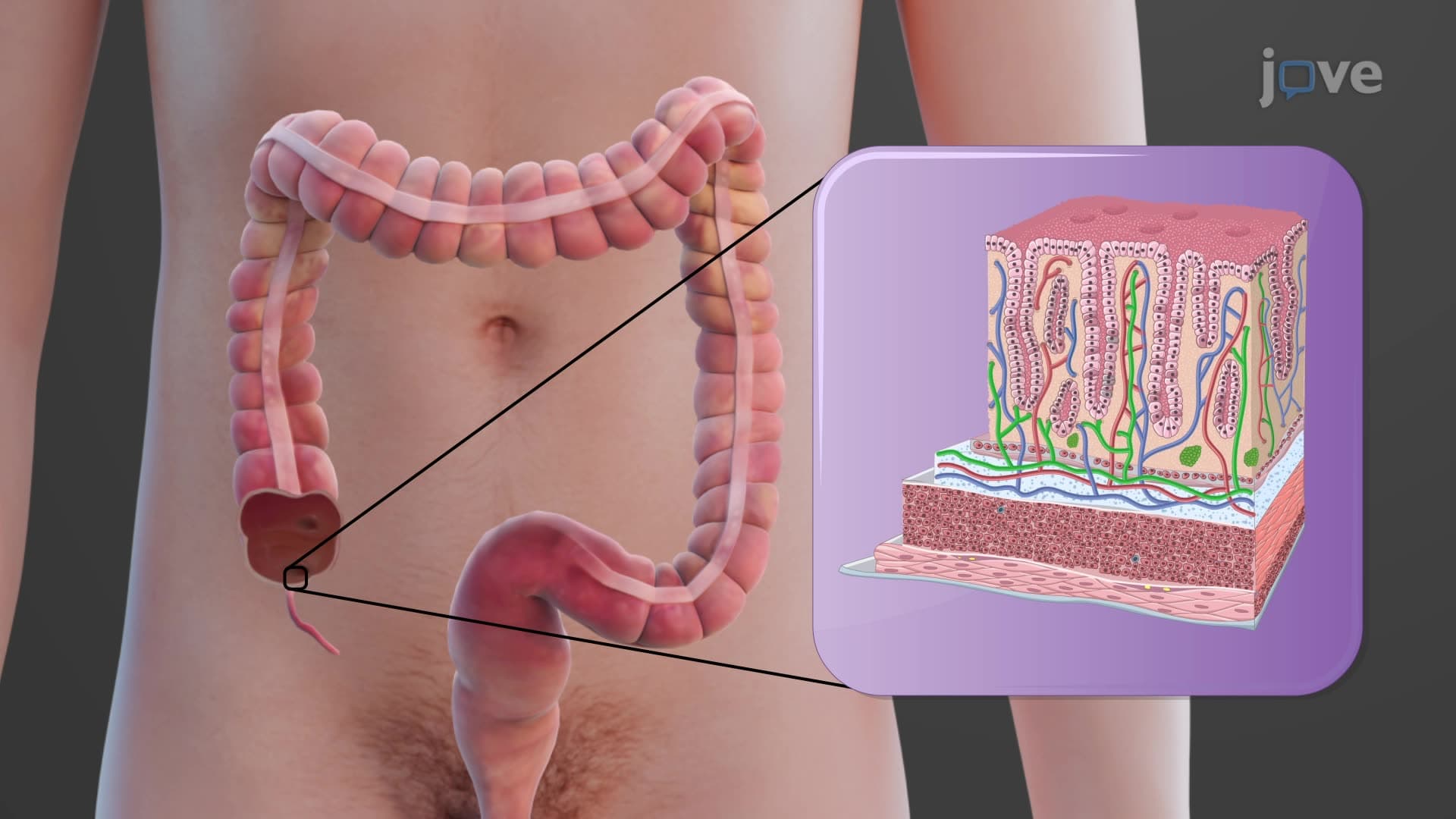
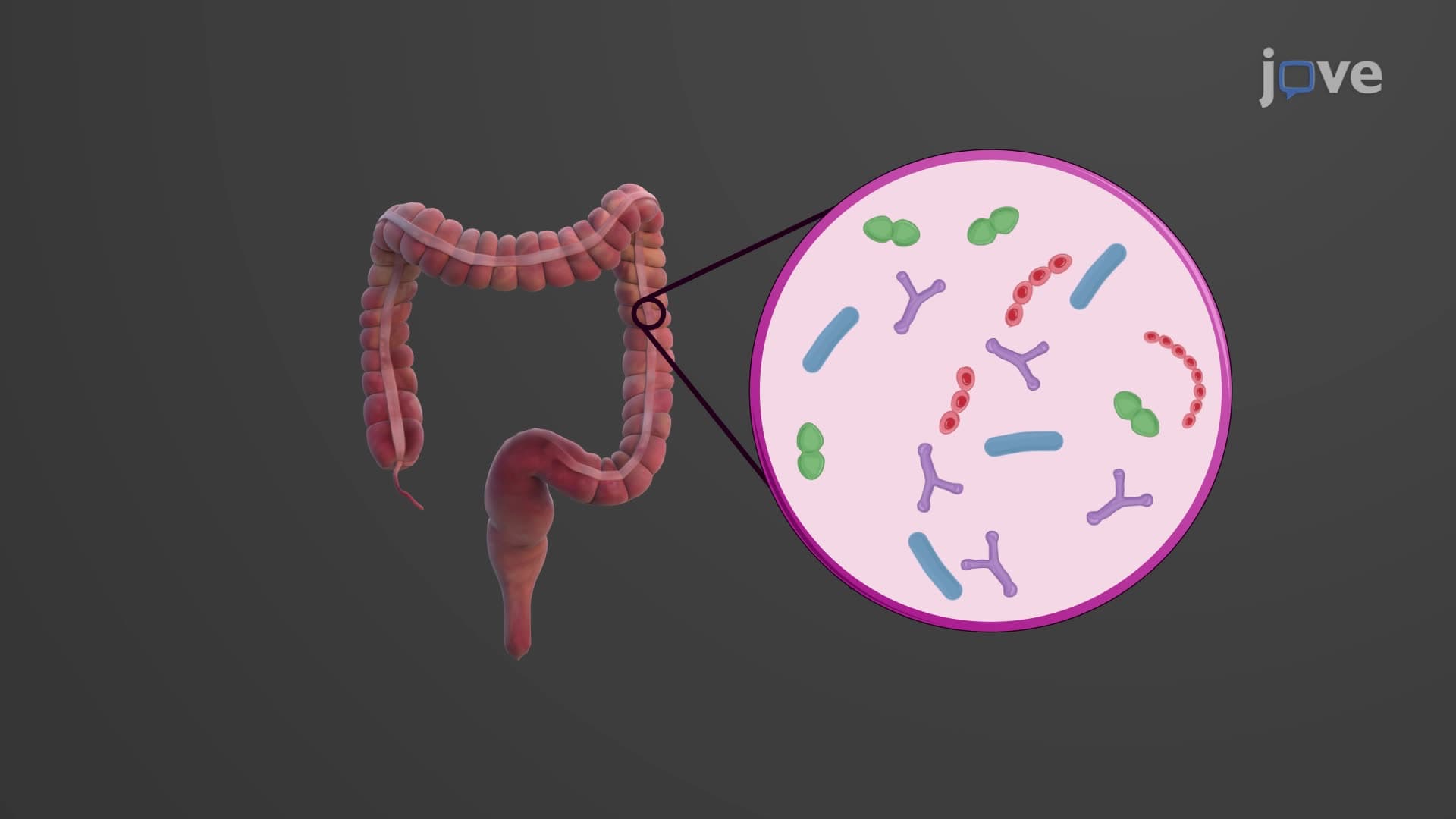
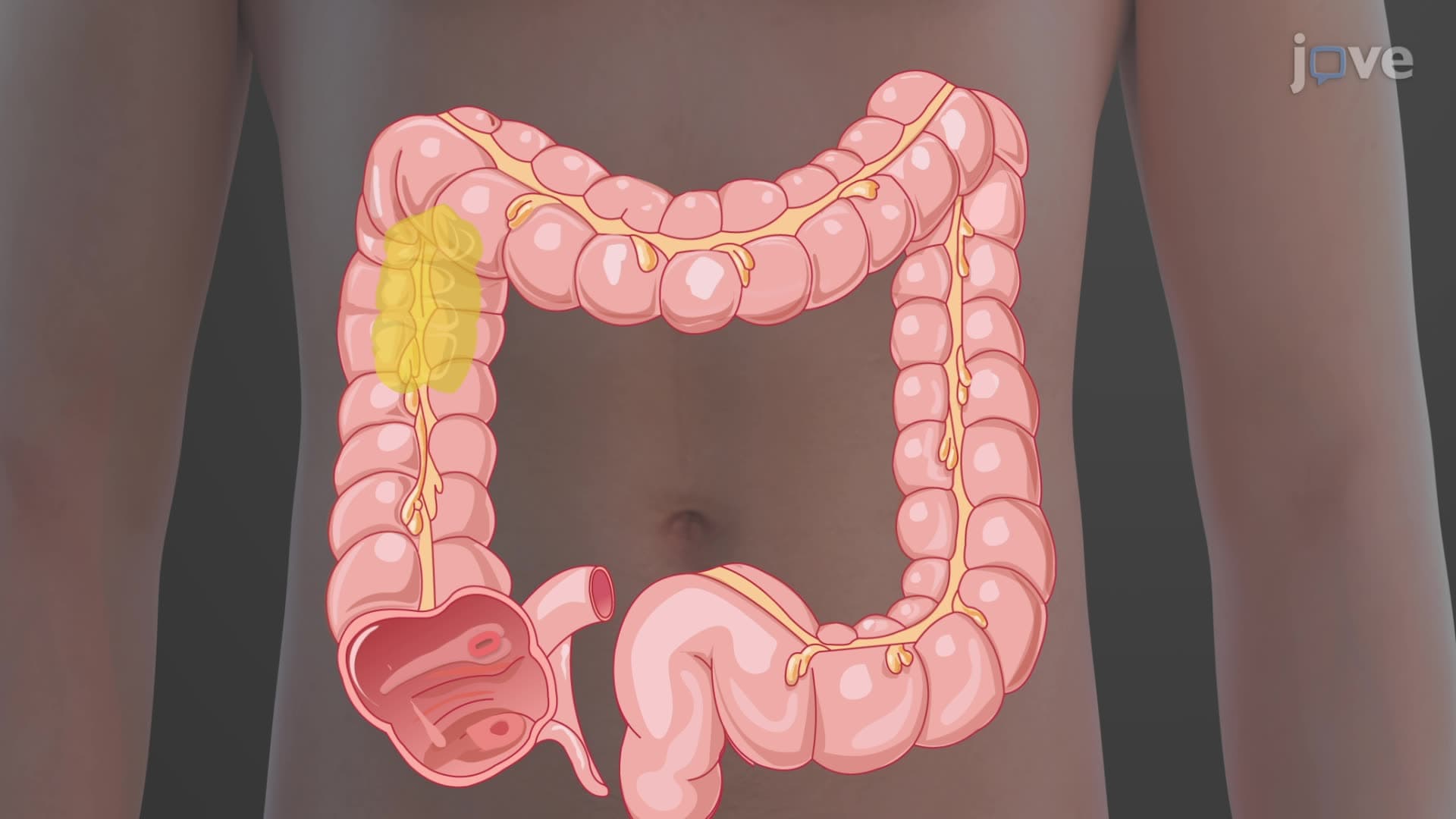
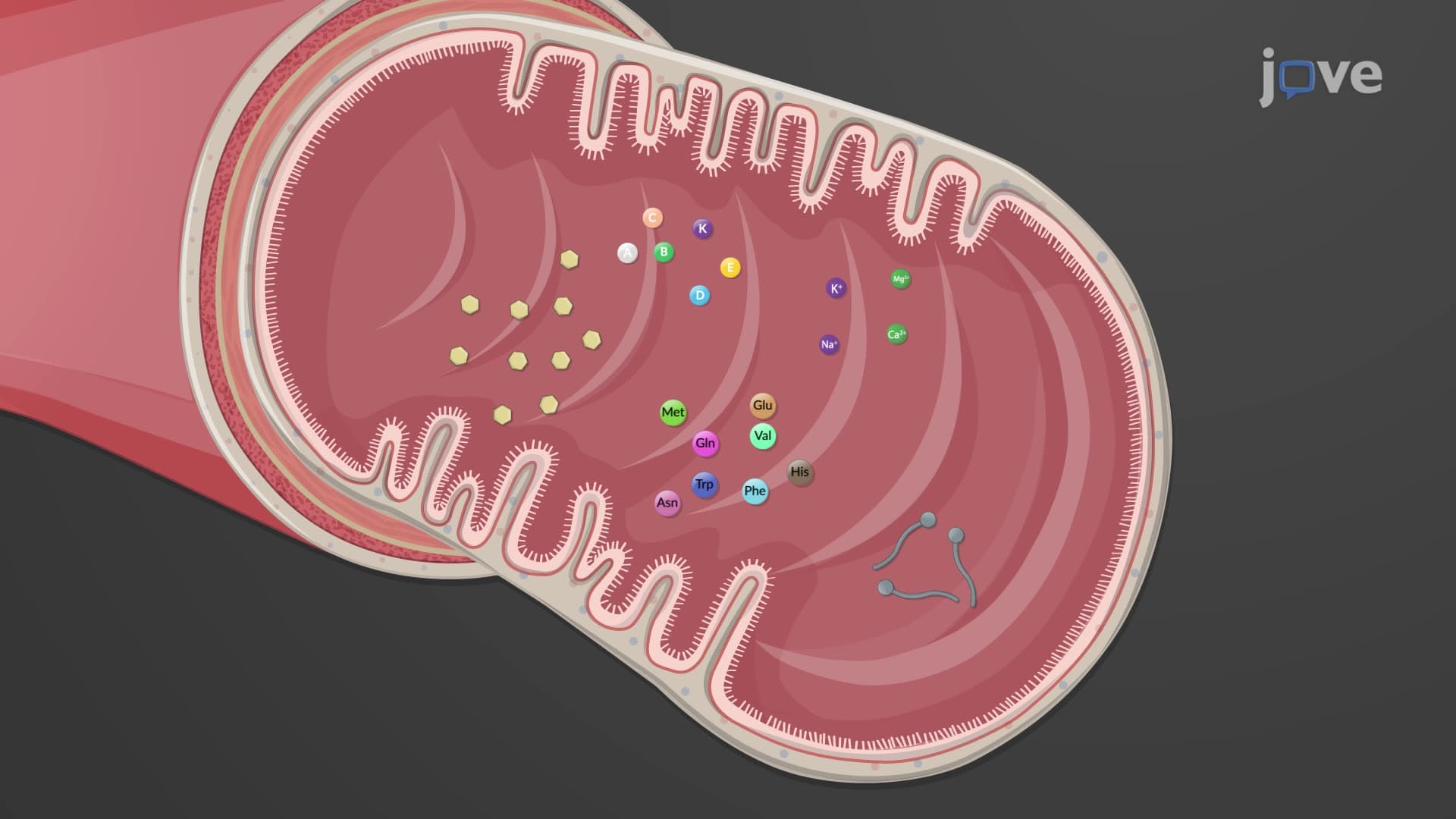
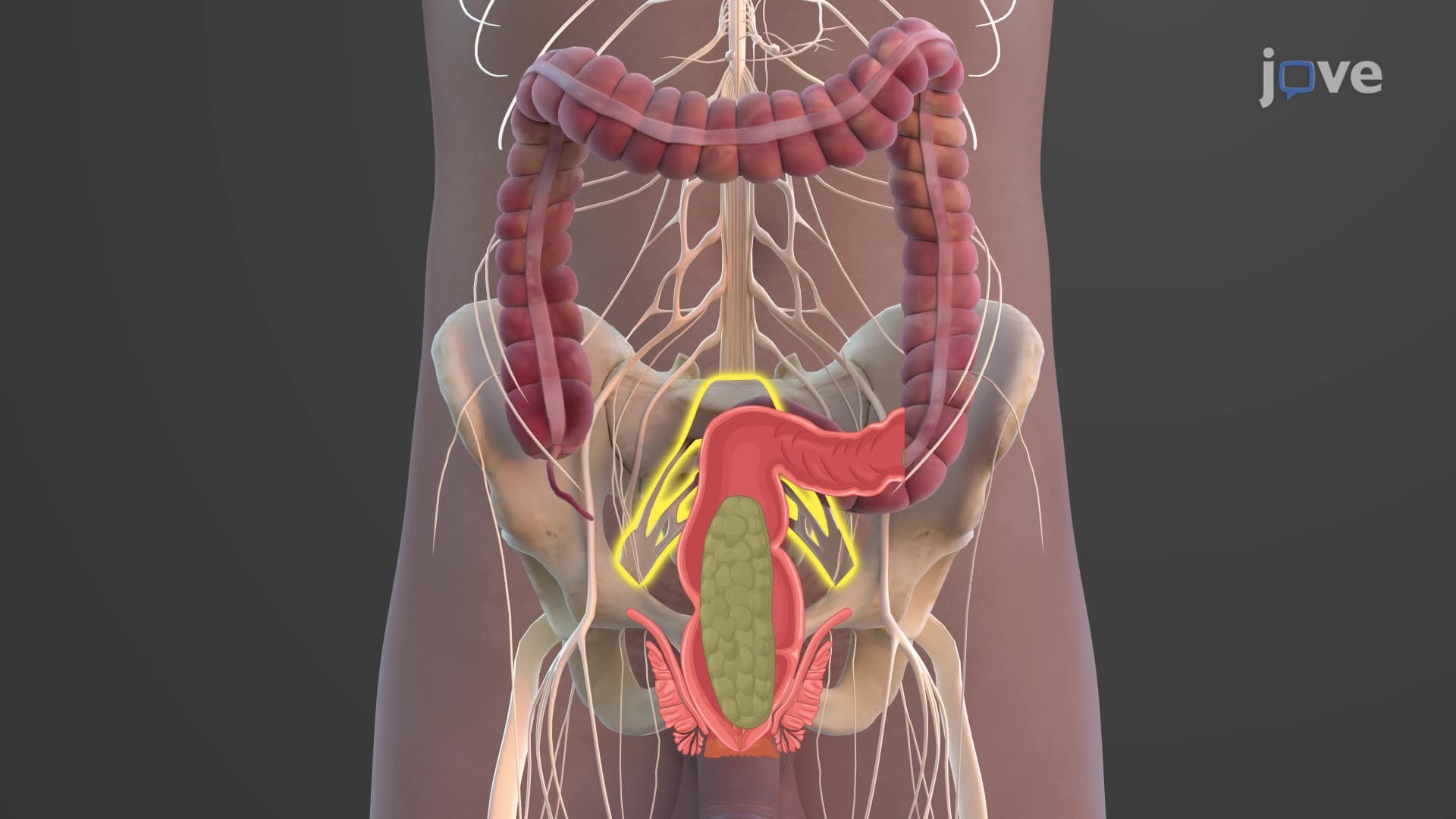
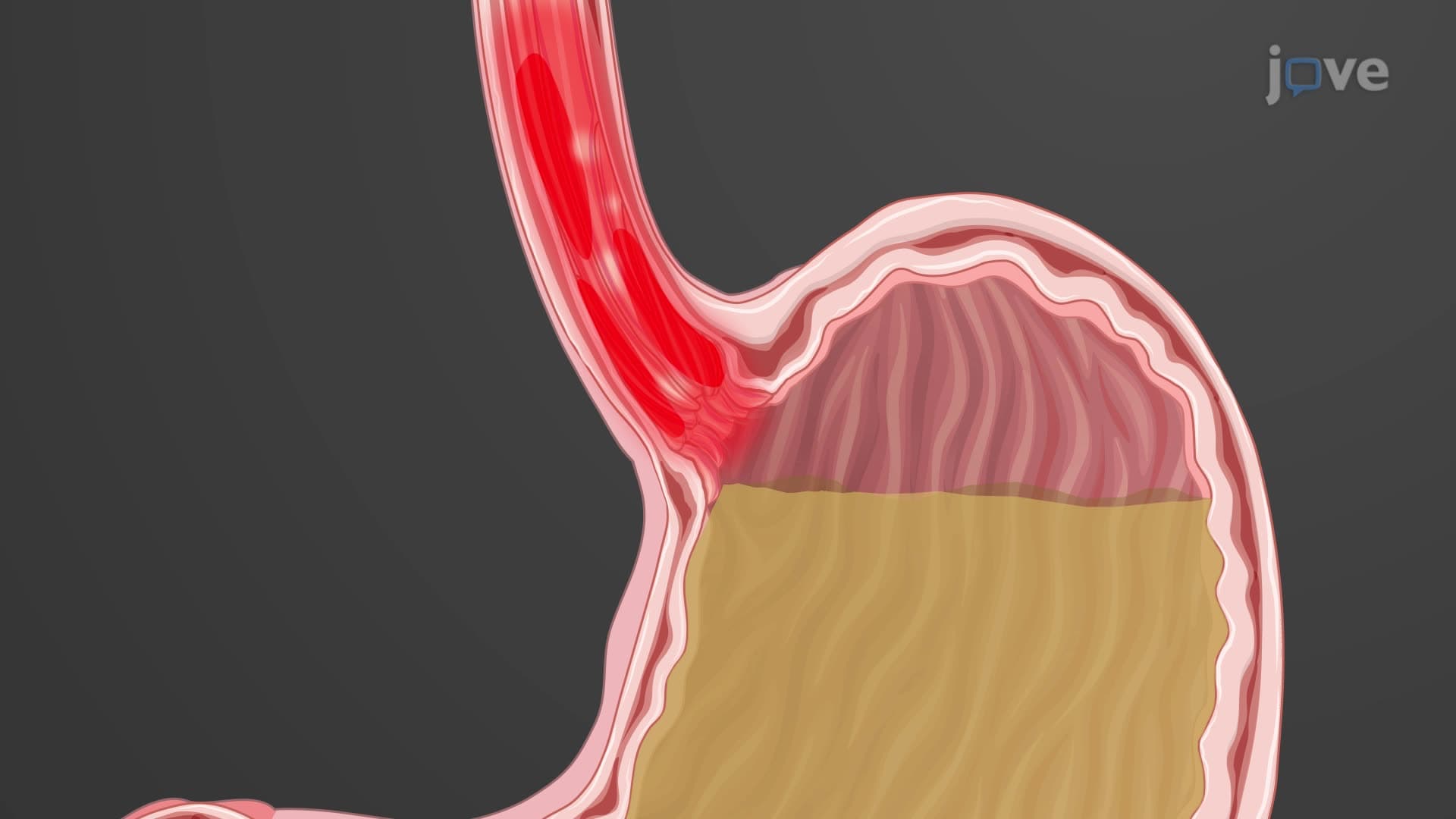
Major Organs of the Digestive System

00:00
01:19
Video Summary: What Is Major Organs Digestive System
Ever wondered how a single slice of pizza travels through your body and transforms into energy? The digestive system organs overview reveals an intricate network of specialized structures working together in perfect harmony. From the moment food enters your mouth at a Cleveland Clinic cafeteria to when waste exits your body, major digestive organs like the stomach, liver, and intestines perform distinct yet coordinated functions. Understanding what is major organs digestive system helps explain how your body processes everything from a simple apple to complex proteins. Watch the full video on JoVE Coach to master this concept with expert-led visuals and step-by-step explanations.
- Understand what is major organs digestive system and distinguish between the GI tract and accessory organs
- Identify the sequential pathway food takes through major digestive organs from mouth to anus
- Analyze how each organ contributes specific functions like mechanical breakdown, chemical digestion, and nutrient absorption
- Compare the roles of accessory organs (liver, pancreas, gallbladder) versus primary GI tract structures
- Evaluate how digestive organ anatomy supports efficient nutrient processing and waste elimination
- Apply knowledge of digestive system organization to explain common digestive disorders and treatments
- Recognize the importance of beneficial gut bacteria in the large intestine for overall health
- Explore connections between digestive system function and other body systems like circulatory and nervous systems
What is Major Organs Digestive System: Understanding the Two-Part Structure
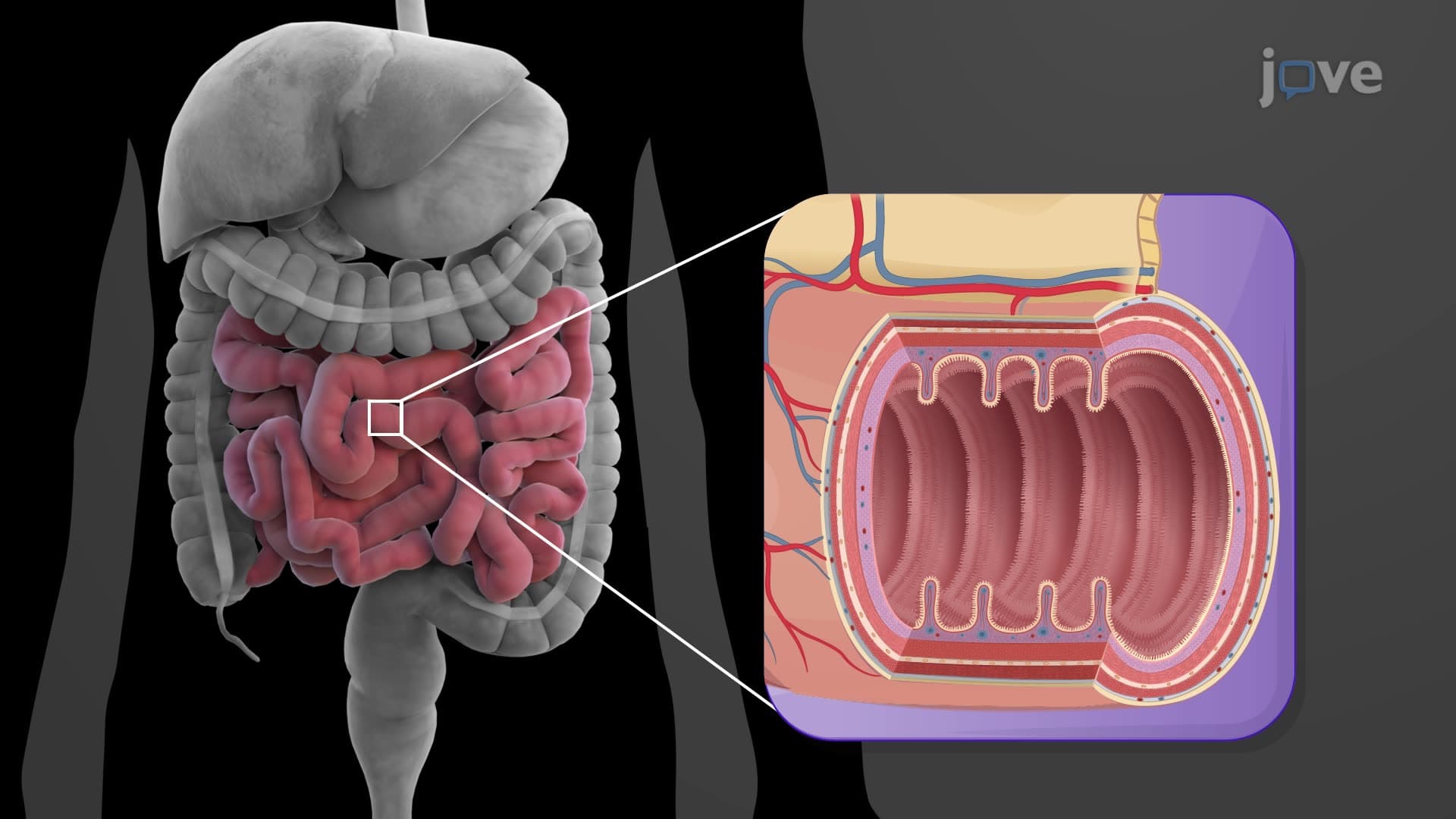
The digestive system represents one of the body's most complex organ networks, designed to transform food into usable nutrients and eliminate waste. This major digestive organs explained system divides into two primary categories: the gastrointestinal (GI) tract and accessory digestive organs. The GI tract, also called the alimentary canal, forms a continuous tube extending approximately 30 feet from mouth to anus in adults.
Primary GI Tract Organs and Their Specialized Functions
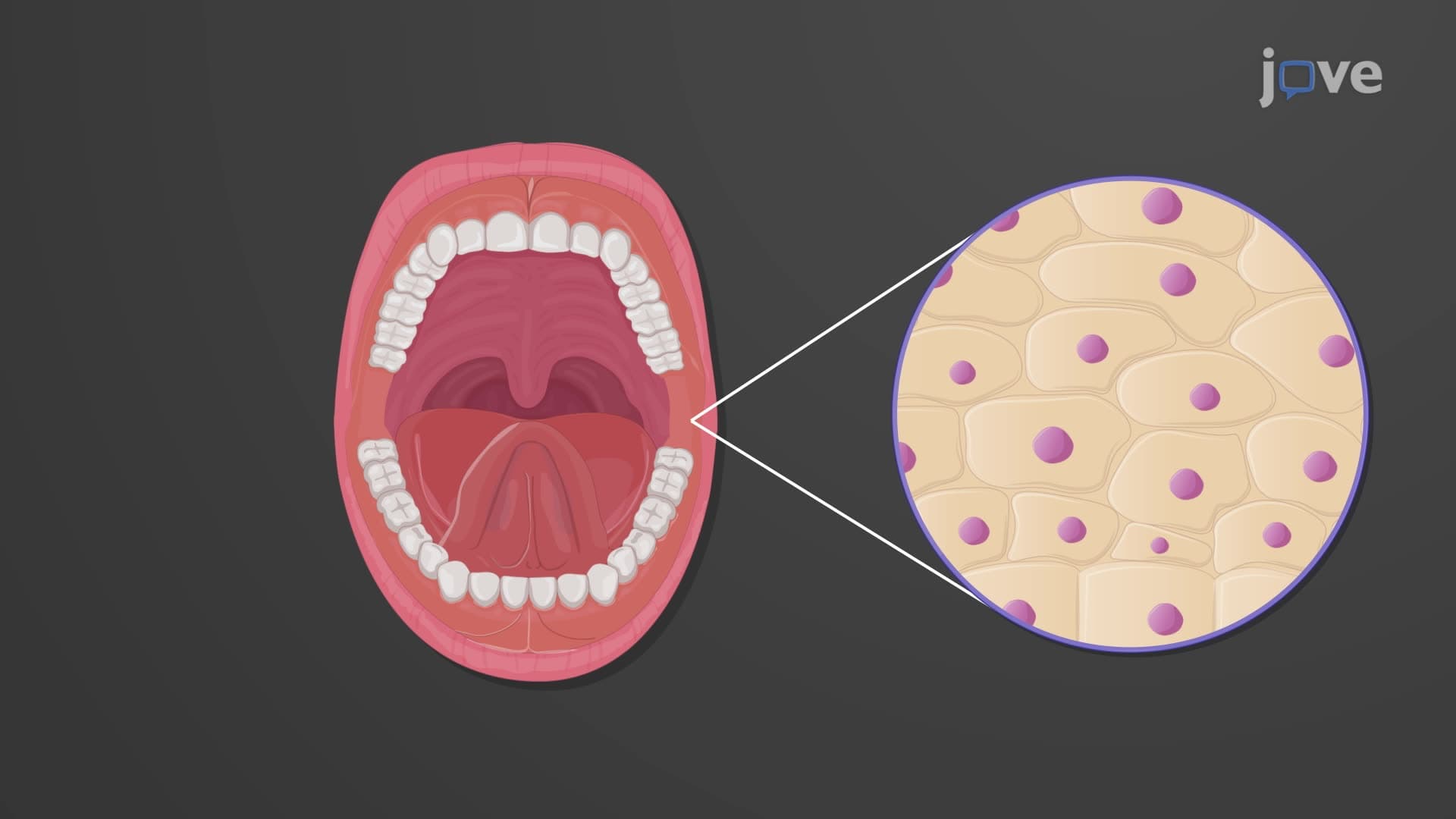
The GI tract alimentary canal begins with the oral cavity, where mechanical and chemical digestion simultaneously occur. Here, teeth provide mechanical breakdown while salivary amylase initiates carbohydrate digestion. Students preparing for the MCAT should note that saliva contains three types of enzymes: amylase for starches, lipase for fats, and lysozyme for bacterial control.
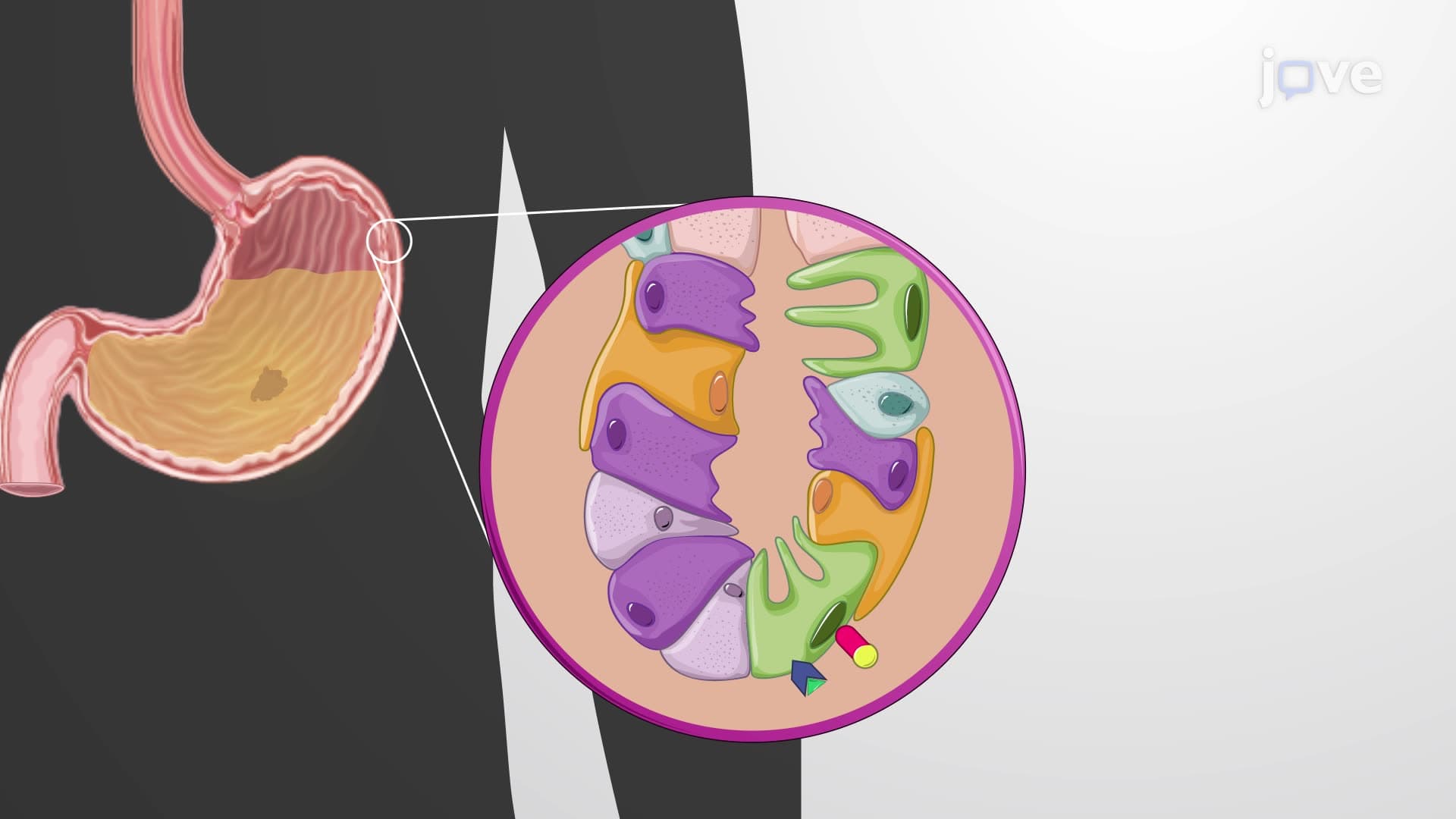
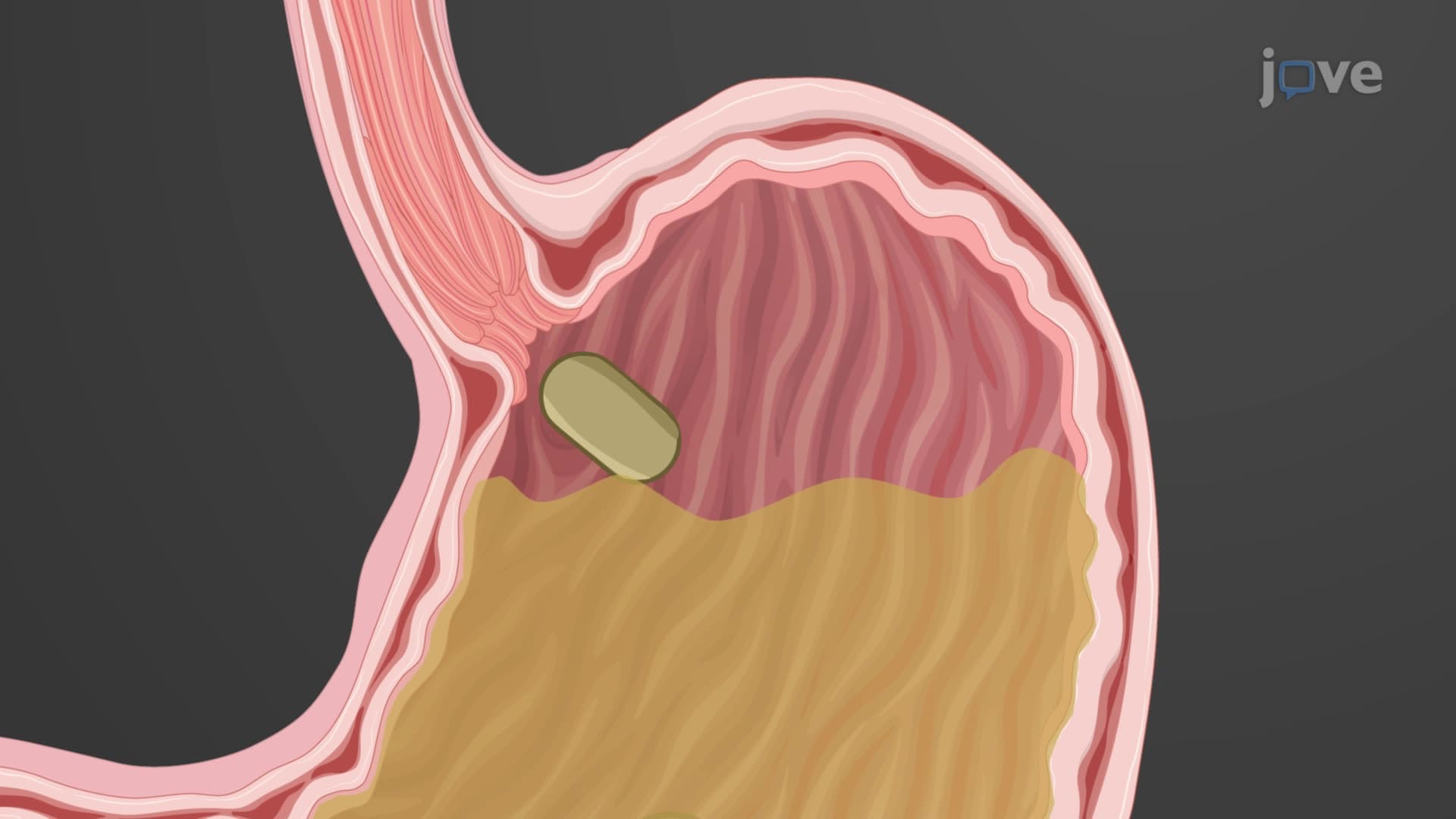
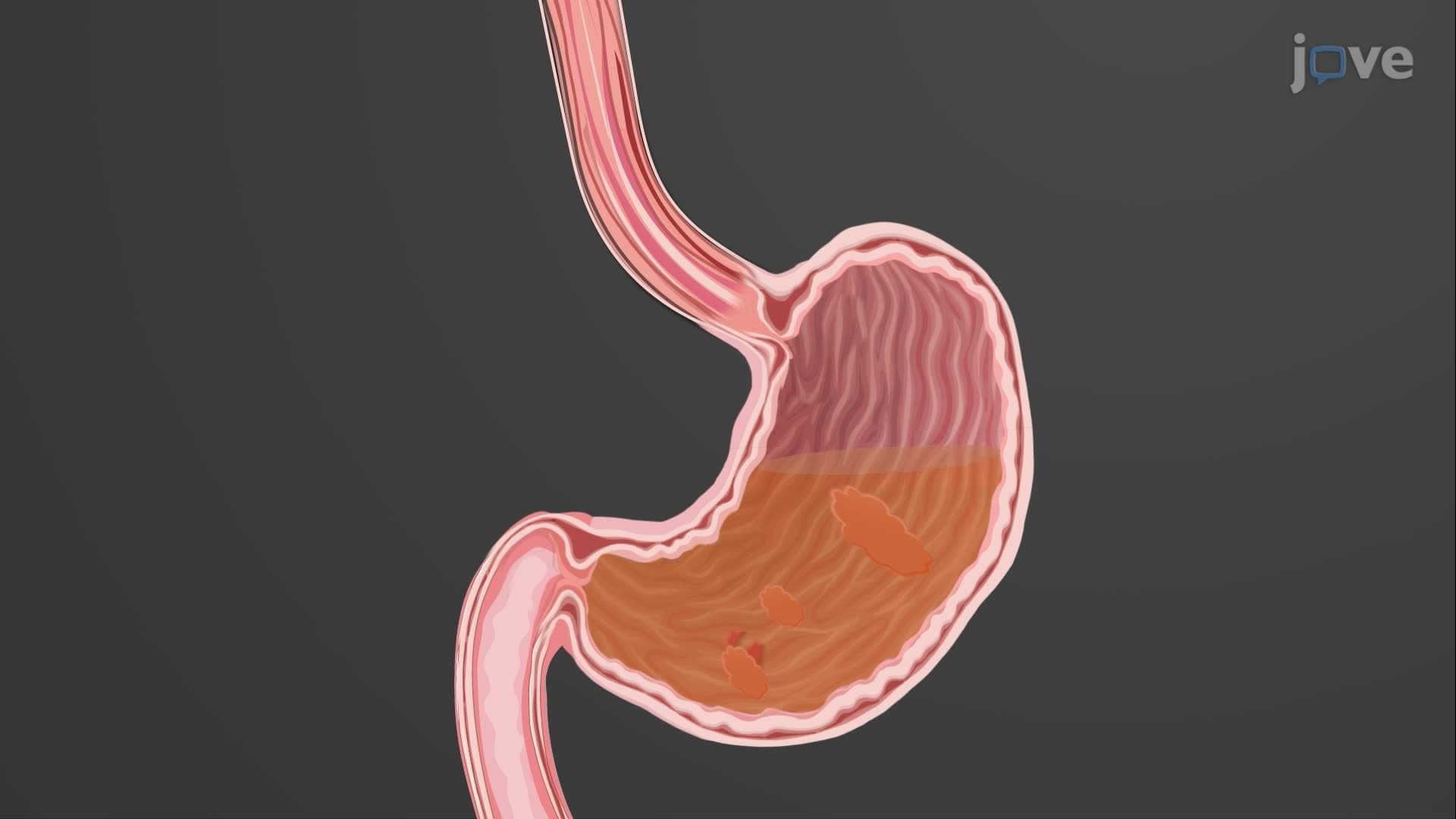
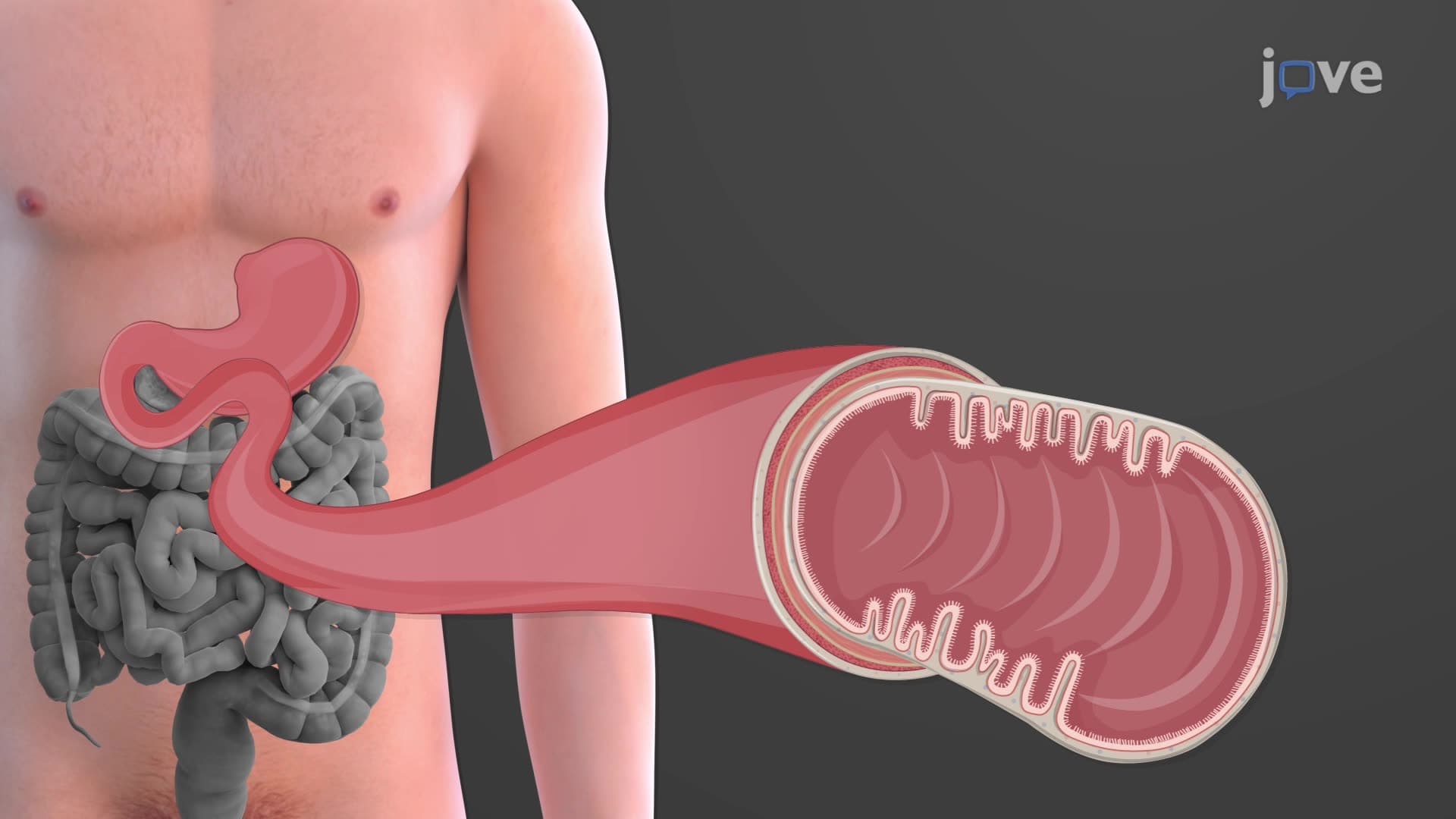
The stomach intestine organ system showcases remarkable specialization. The stomach's three-layered smooth muscle arrangement allows powerful churning motions, while its acidic environment (pH 1.5-3.5) activates pepsinogen into pepsin for protein digestion. Mayo Clinic research demonstrates how stomach acid also serves as a crucial barrier against foodborne pathogens like Salmonella and E. coli.
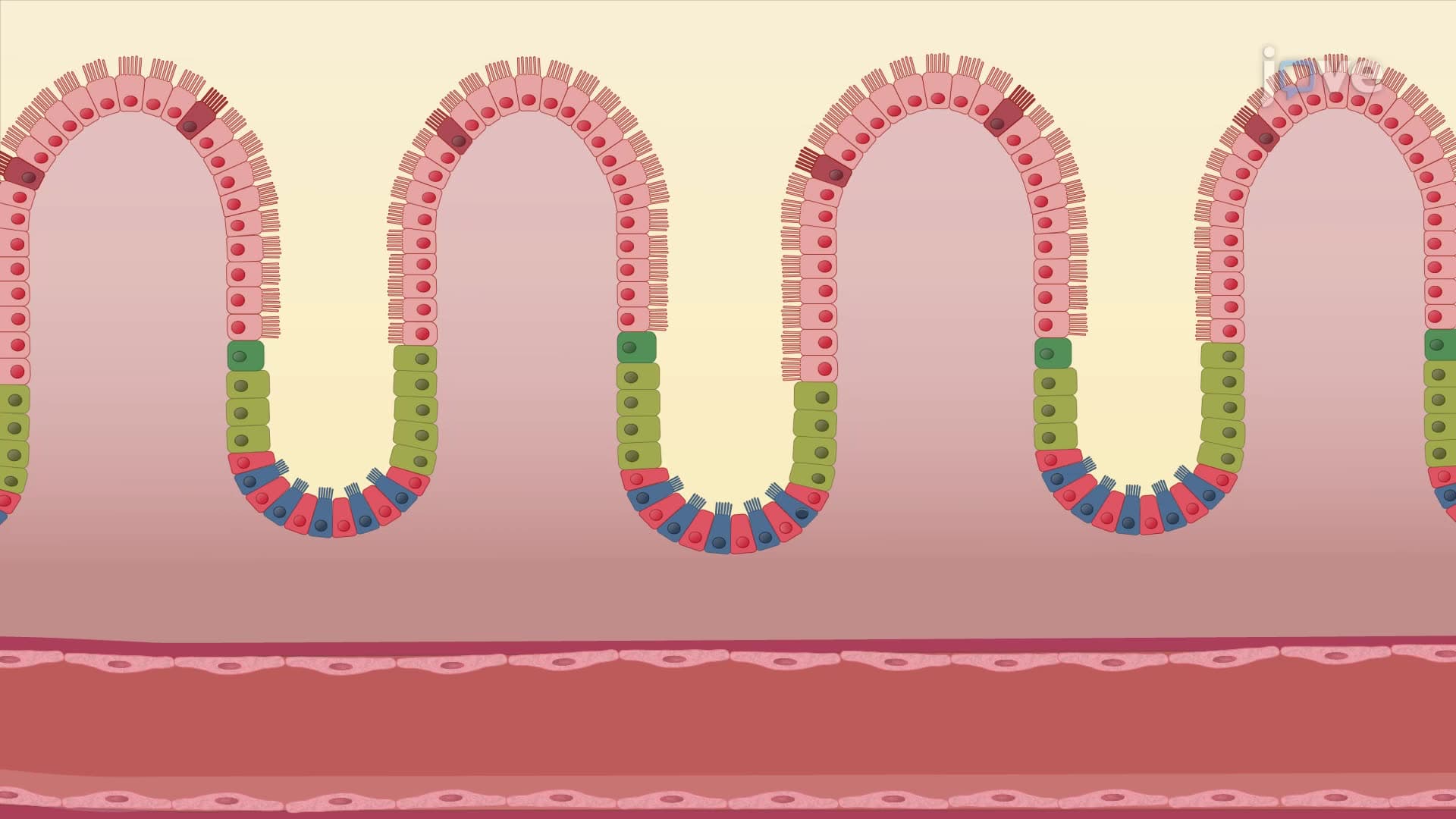
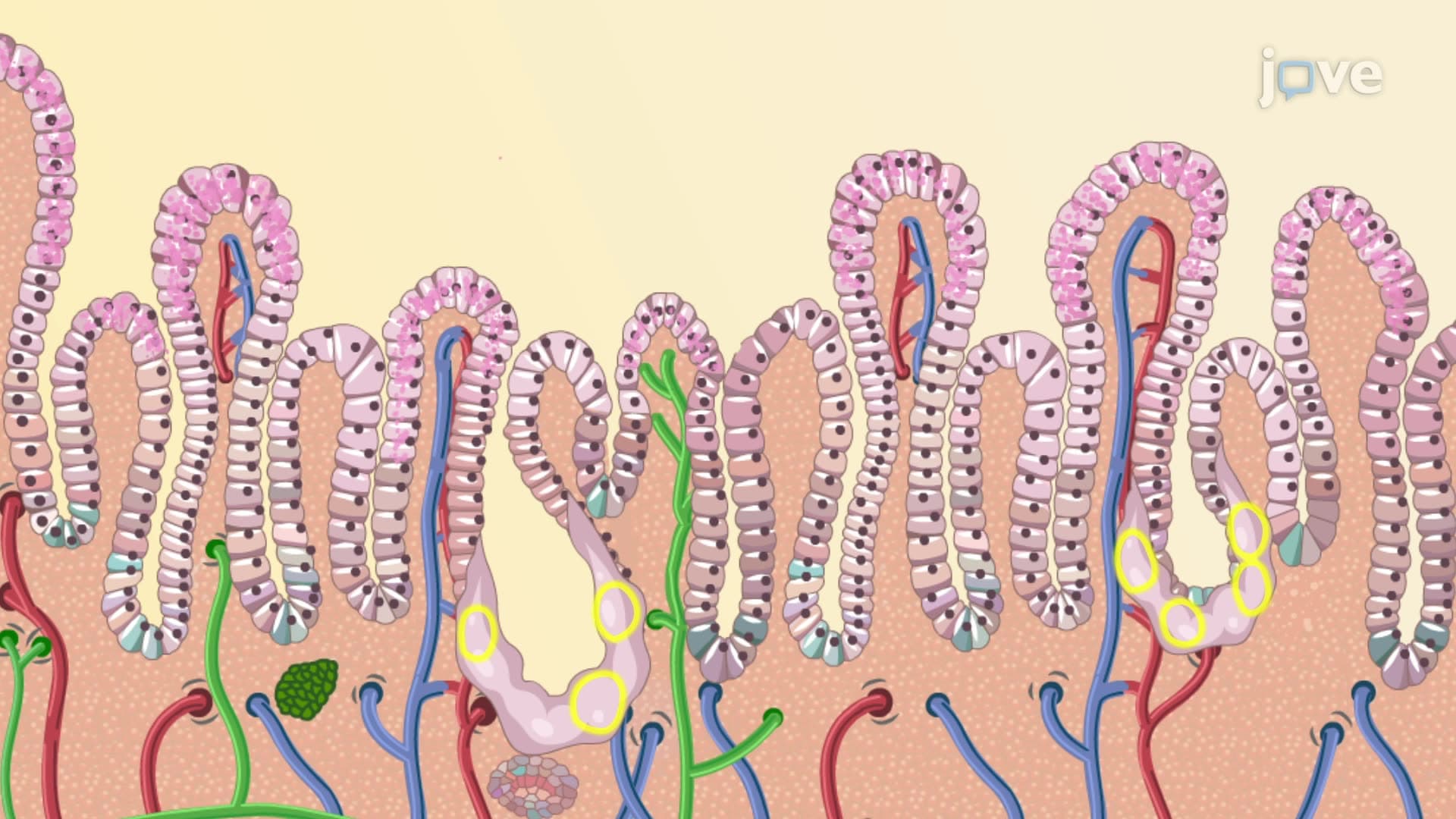
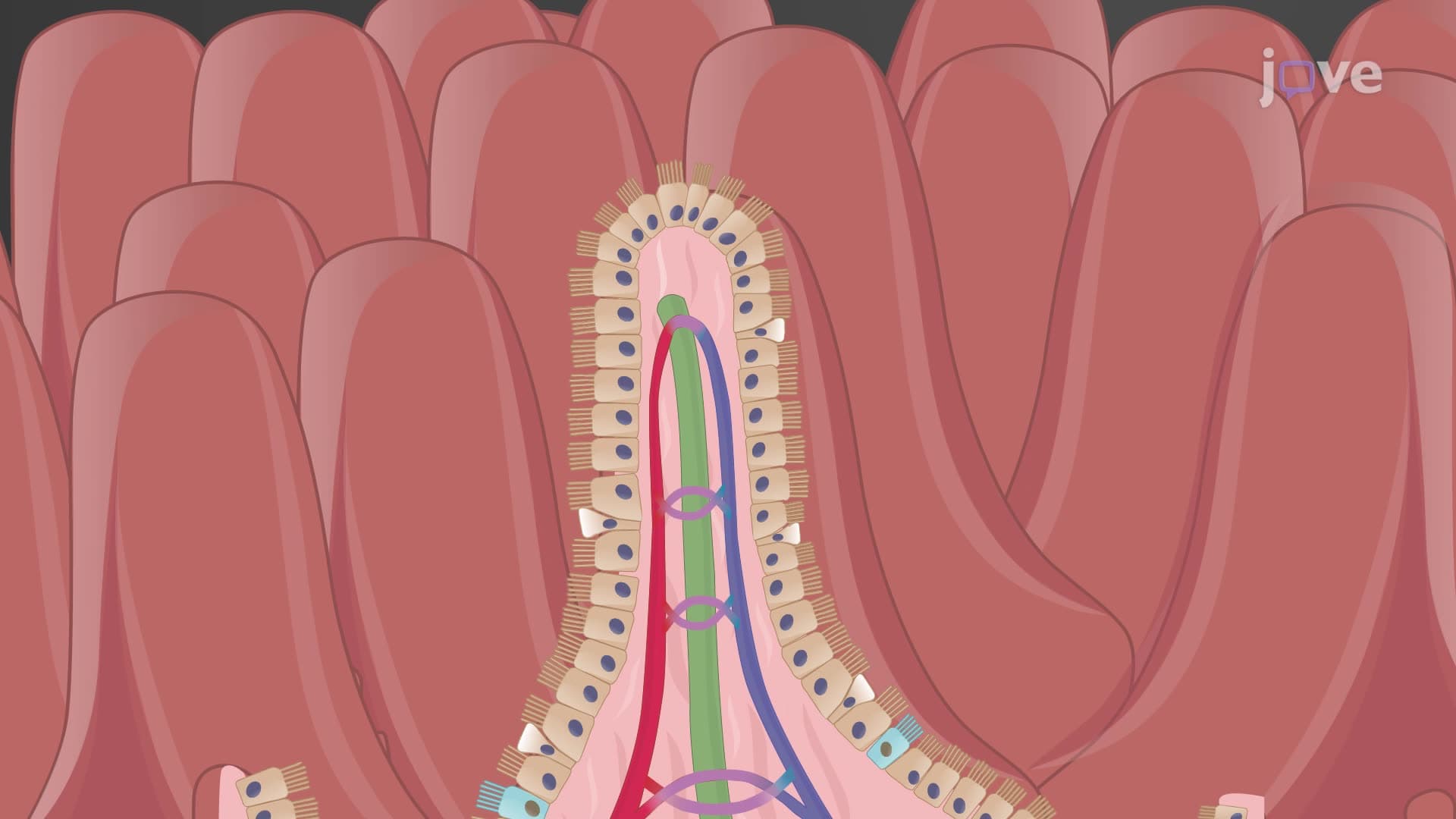
The small intestine, measuring roughly 20 feet in length, maximizes absorption through specialized structures called villi and microvilli. These finger-like projections increase surface area to approximately 2,700 square feet-equivalent to a tennis court. AP Biology students should understand how different regions handle specific nutrients: the duodenum processes most chemical digestion, while the jejunum and ileum focus on absorption.
Accessory Organs: The Behind-the-Scenes Players
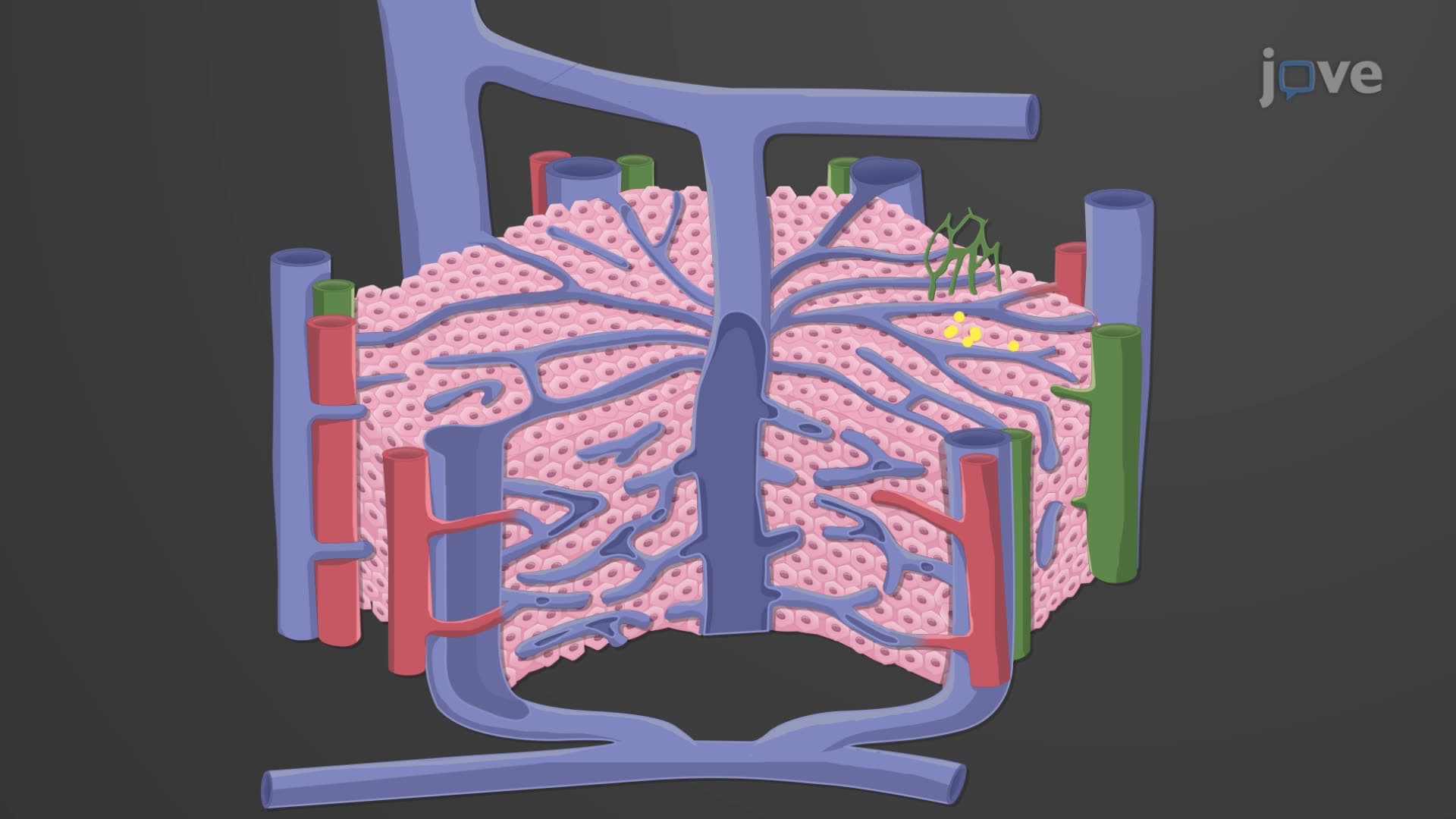
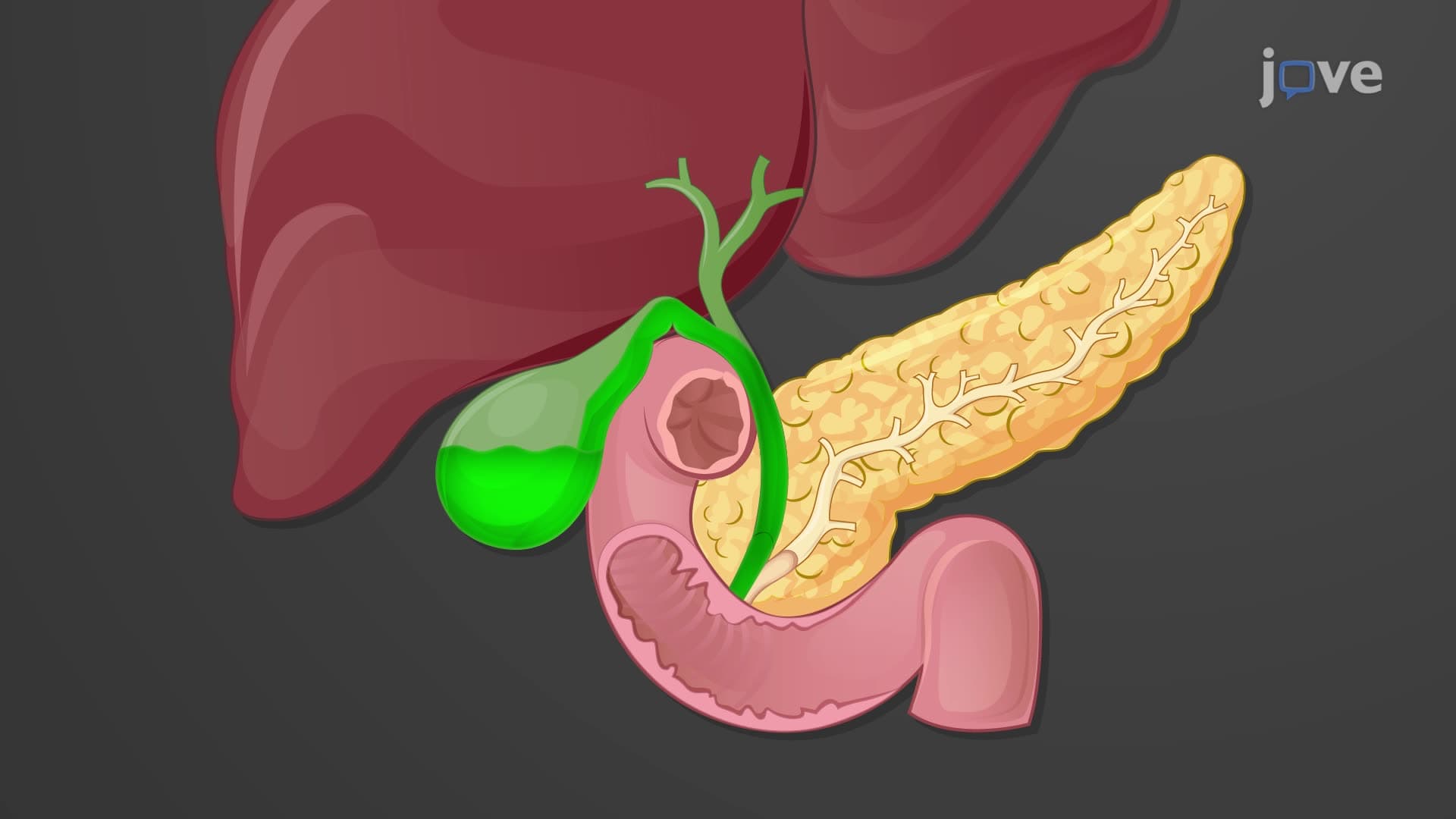
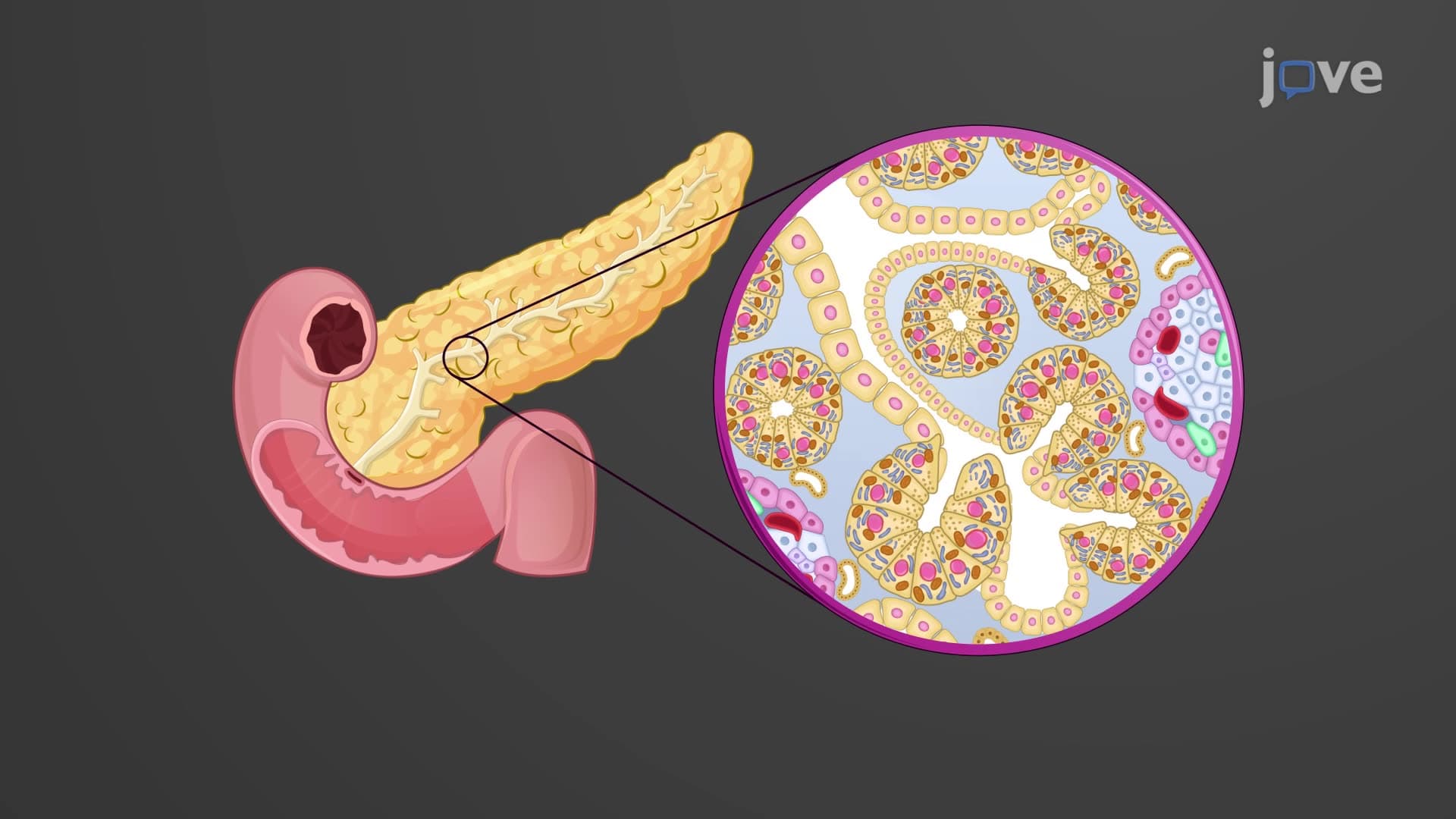
Liver pancreas accessory organ systems provide essential digestive support without direct food contact. The liver, weighing approximately 3 pounds, produces 500-1,000 mL of bile daily. This bile emulsifies fats, breaking large lipid molecules into smaller droplets for easier enzyme access. Cleveland Clinic studies show the liver also detoxifies harmful substances and stores glucose as glycogen.
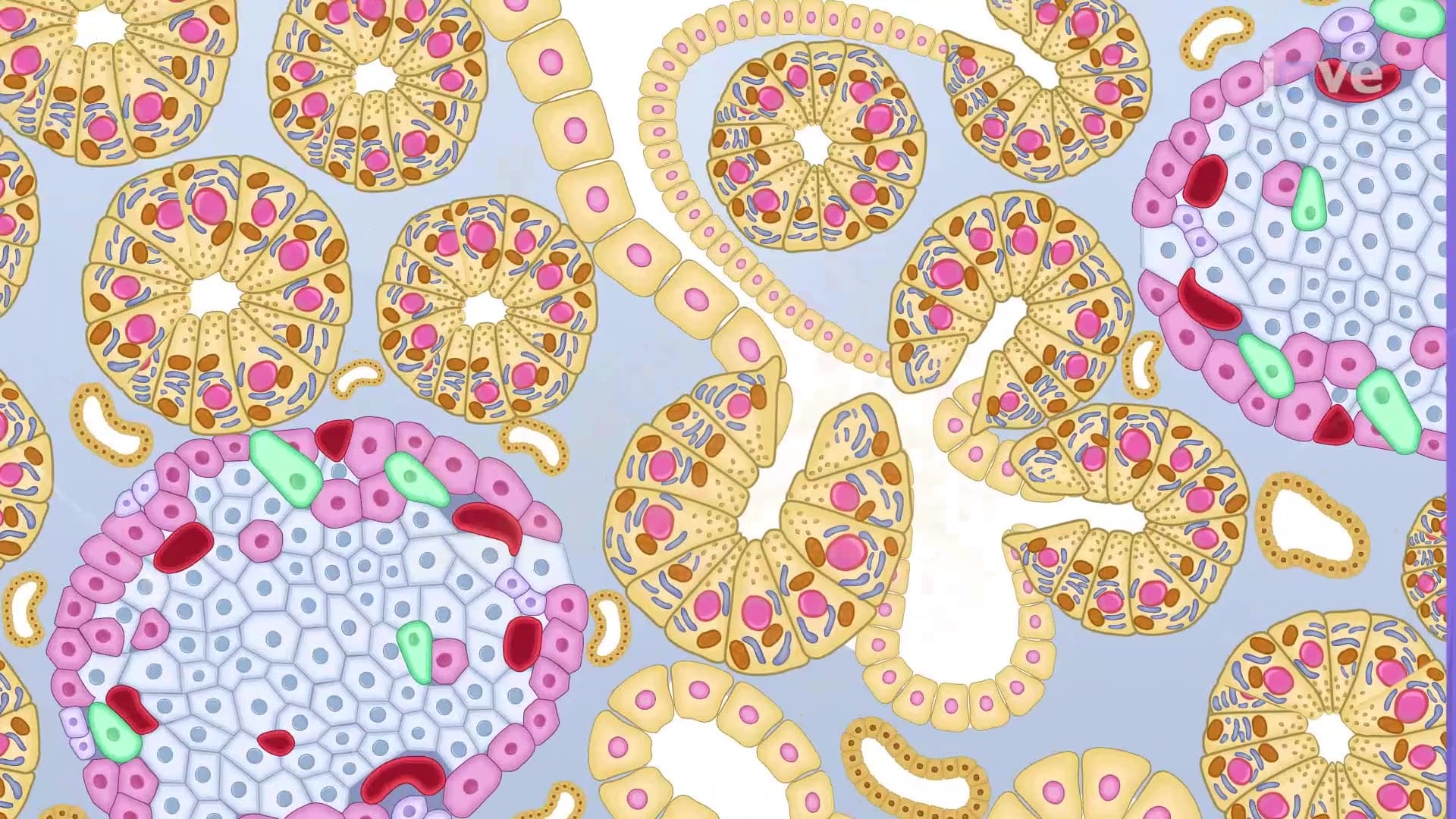
The pancreas functions as both an endocrine and exocrine gland. Its exocrine function produces pancreatic juice containing bicarbonate ions to neutralize stomach acid and three major enzyme types: proteases for proteins, lipases for fats, and amylases for carbohydrates. Students studying for the USMLE should remember that pancreatic insufficiency can lead to malabsorption syndromes.
Clinical Applications and Exam Relevance
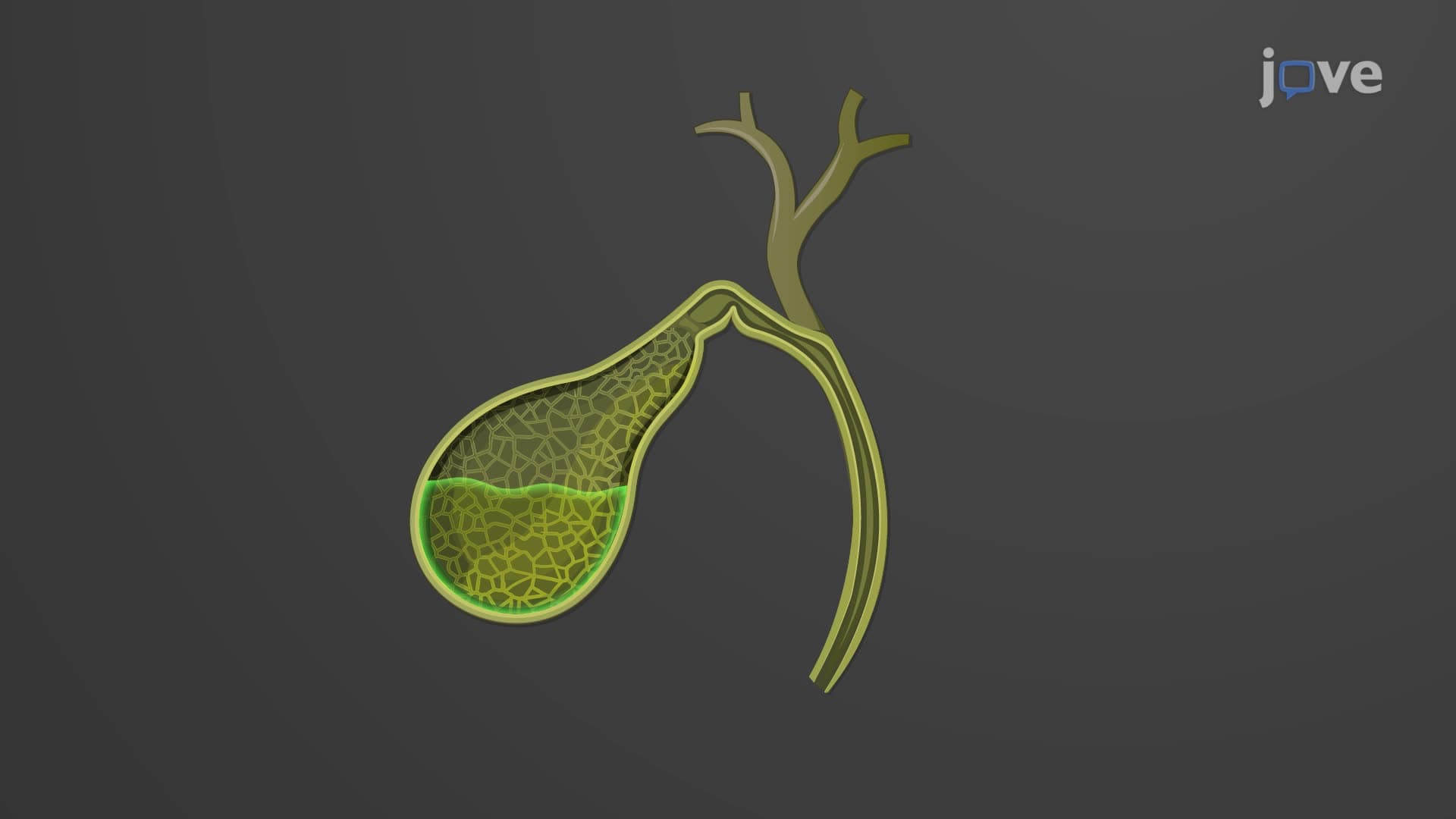
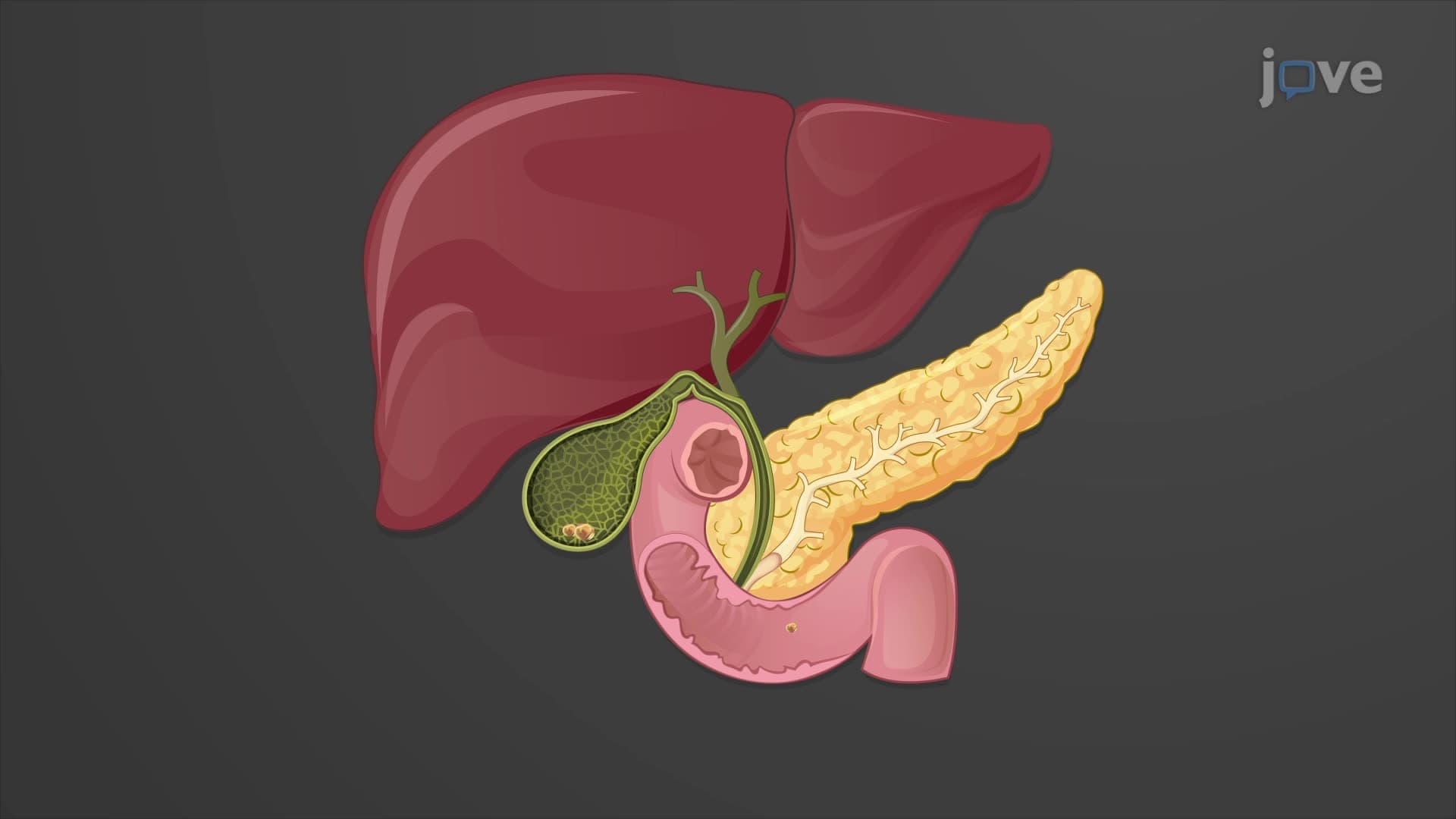
Understanding digestive organ anatomy proves crucial for healthcare professionals. Gastroenterologists at institutions like Johns Hopkins regularly diagnose conditions affecting specific organs: peptic ulcers in the stomach, Crohn's disease in the small intestine, or gallstones in the gallbladder. NCLEX examinations frequently test knowledge of how digestive disorders affect nutrient absorption and patient care protocols.
Frequently Asked Questions
The major organs digestive system includes the GI tract organs (mouth, esophagus, stomach, small intestine, large intestine) plus accessory organs (liver, pancreas, gallbladder). Together, these 8-9 primary structures work coordinately to digest food, absorb nutrients, and eliminate waste. Each organ contributes specialized functions essential for proper digestion and overall health.
MCAT students must master all major digestive organs including their anatomical relationships and physiological functions. Focus on understanding how the liver produces bile, pancreatic enzyme secretions, stomach acid production, and intestinal absorption mechanisms. Practice questions often test the sequential pathway of food digestion and hormone regulation like gastrin and cholecystokinin.
AP Biology emphasizes digestive system integration with other body systems and evolutionary adaptations. Study how digestive organ anatomy reflects function, compare human digestion to other organisms, and understand enzyme kinetics. Free response questions frequently ask students to explain how digestive disorders affect homeostasis and nutritional status.
NCLEX focuses on clinical applications involving the stomach, liver, pancreas, and intestines. Emphasis includes recognizing symptoms of organ dysfunction, understanding medication effects on digestion, and implementing appropriate patient care interventions. Study common conditions like peptic ulcers, hepatitis, pancreatitis, and inflammatory bowel diseases.
At hospitals like Massachusetts General, gastroenterologists regularly treat patients whose digestive organs work interdependently. For example, gallbladder removal affects fat digestion, requiring dietary modifications and sometimes pancreatic enzyme supplements. Liver disease impacts bile production, affecting vitamin absorption and requiring careful nutritional monitoring.
Basic high school chemistry sufficiently supports digestive system comprehension. Understanding pH levels, enzyme function, and simple biochemical reactions provides adequate foundation. Most concepts focus on biological processes rather than complex chemical mechanisms, making this topic accessible to students with standard science prerequisites.
Create a sequential pathway map starting from mouth to anus, then add accessory organs and their connections. Use mnemonics like "My Elephant Swallowed Small Large Animals" for mouth, esophagus, stomach, small intestine, large intestine, anus. Practice drawing the digestive system repeatedly and explaining each organ's primary function aloud.
Progress to digestive physiology including hormone regulation (gastrin, secretin, cholecystokinin) and enzyme kinetics. Advanced students should explore digestive pathophysiology, microbiome relationships, and connections to metabolism and nutrition. Consider studying comparative digestive systems across different animal species for deeper biological understanding.
Related Micro-courses
25 Concepts

25 Concepts

20 Concepts