Loading subject page…


89,753 views

Video Summary: What Is Mechanical and Chemical Digestion
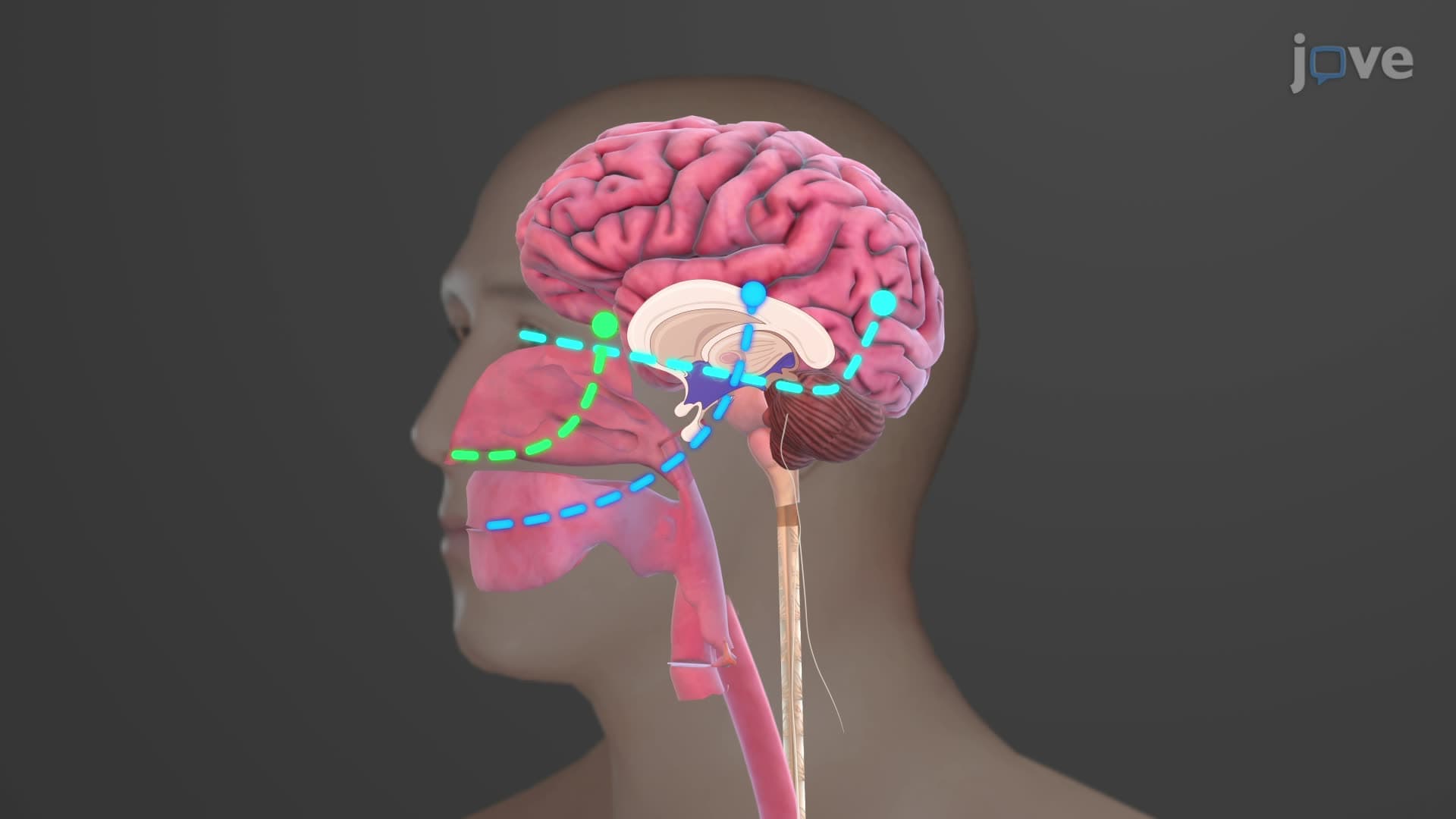
Did you know that your digestive system performs over 30 different enzymatic reactions every time you eat a meal? Understanding mechanical chemical digestion biology is crucial for grasping how your body transforms a pizza slice into usable nutrients. In the small intestine, segmentation contractions physically mix food while pancreatic enzymes chemically break down proteins, fats, and carbohydrates-processes essential for medical students studying for the MCAT. What is mechanical and chemical digestion becomes clear when you see these coordinated physical and chemical processes working together. Watch the full video on JoVE Coach to master this concept with expert-led visuals and step-by-step explanations.
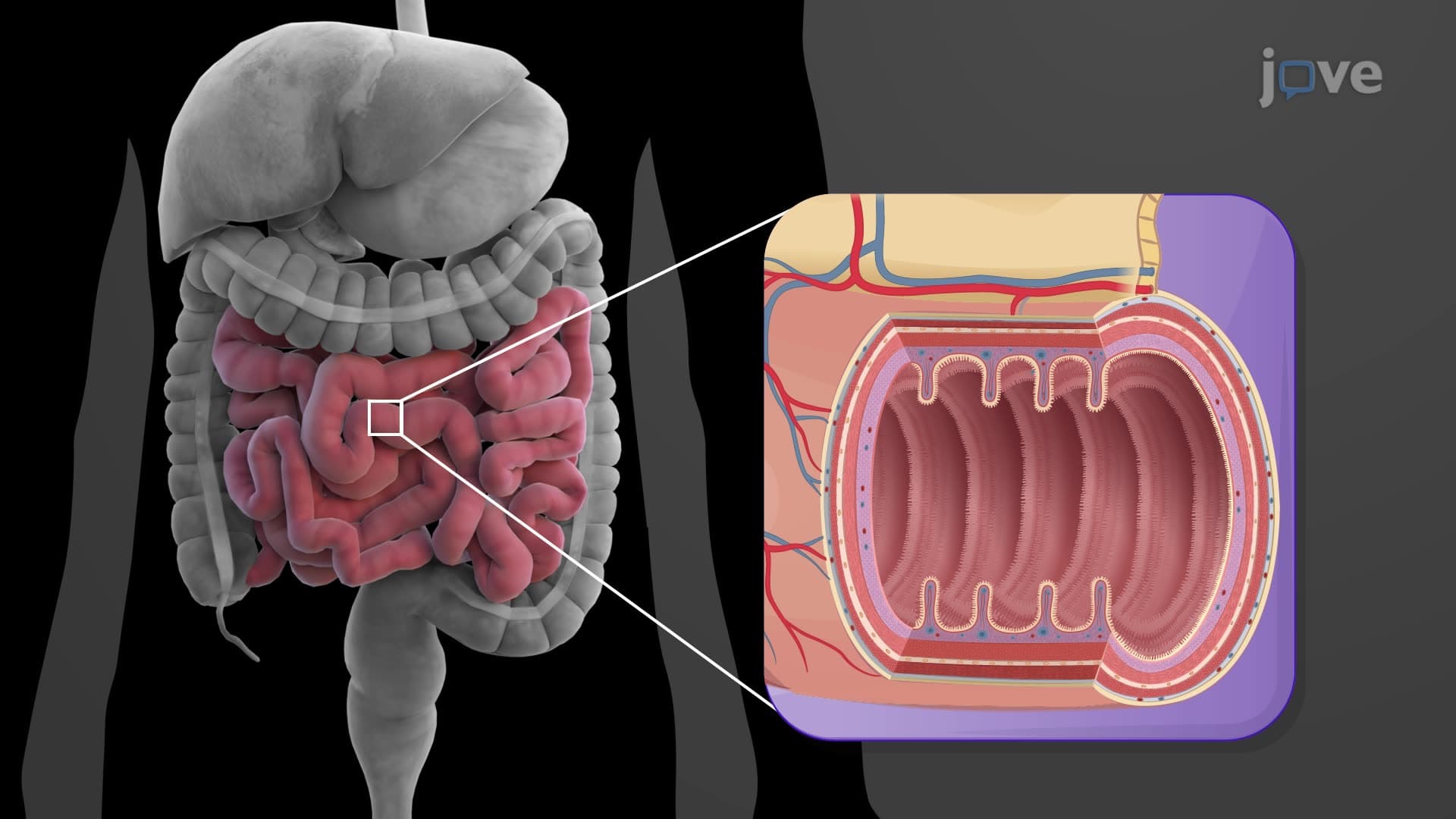
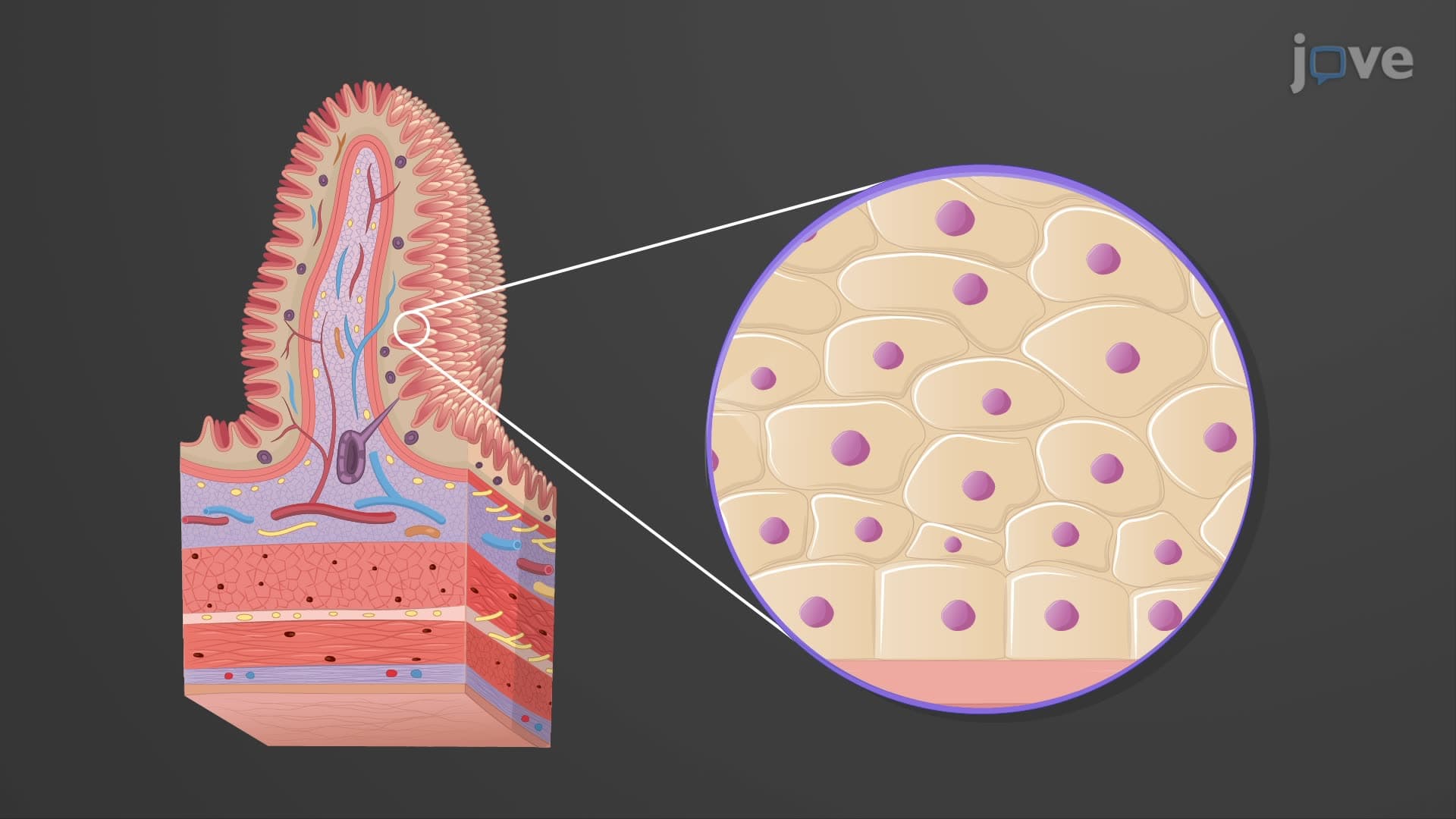
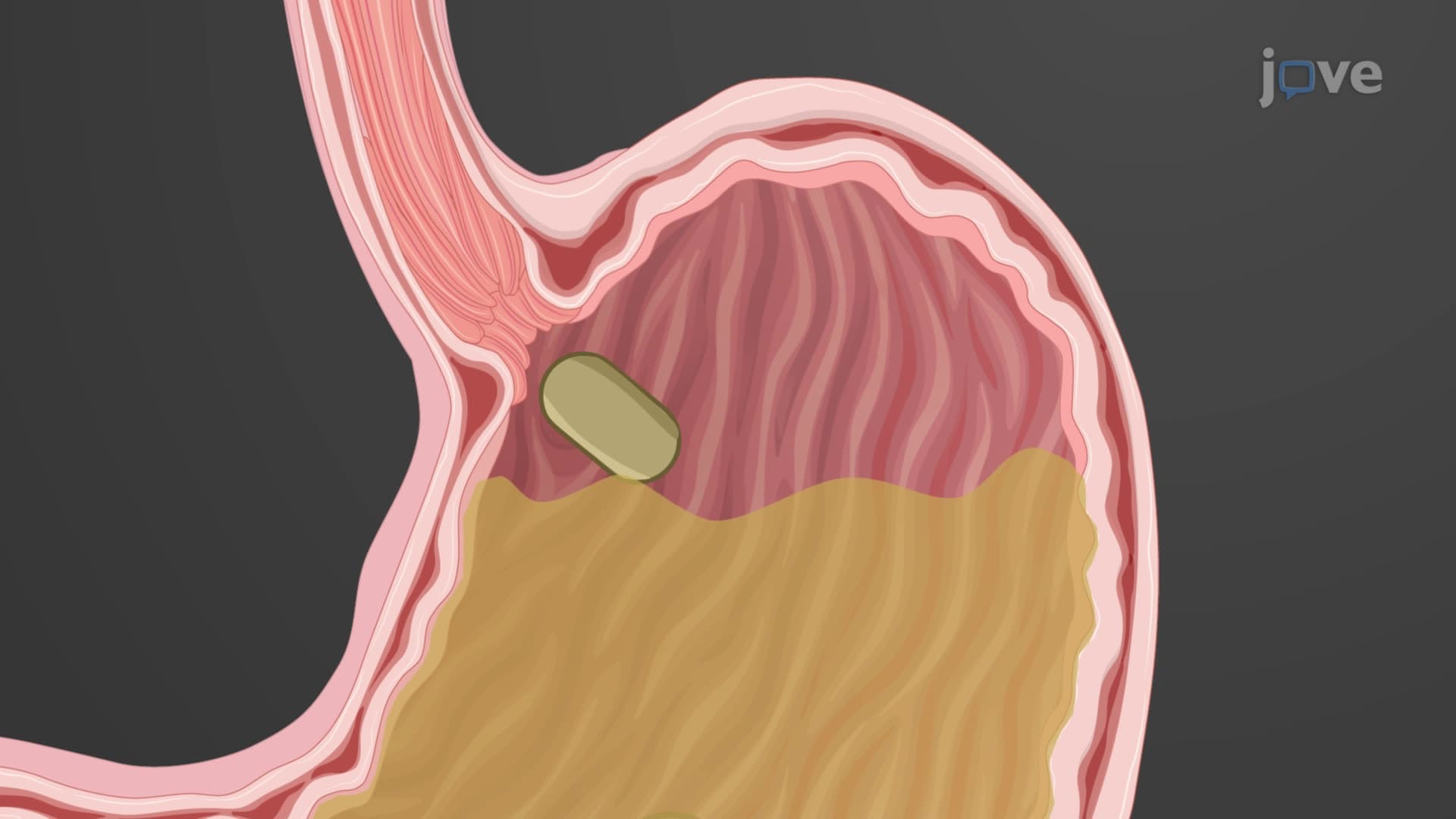
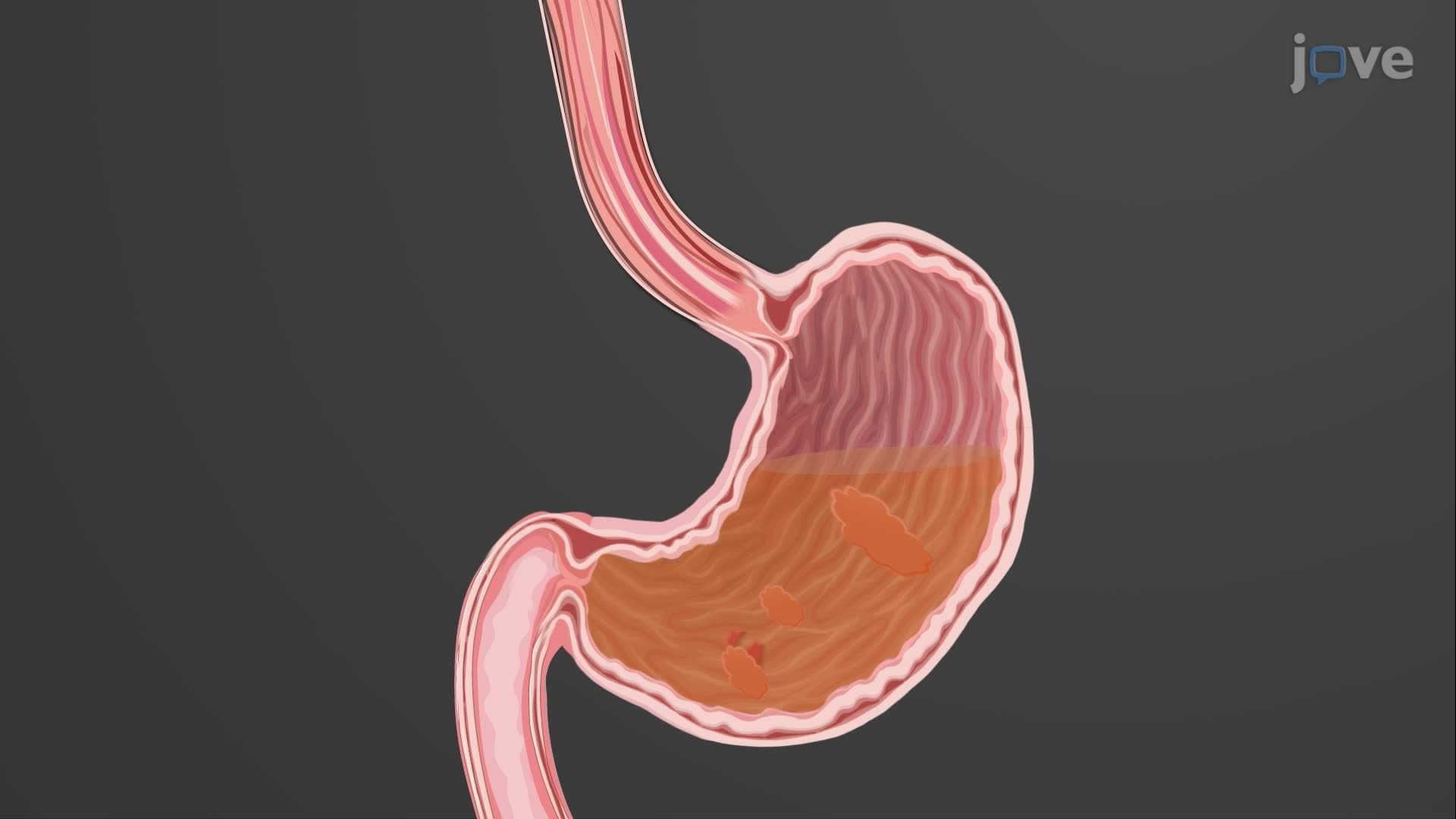
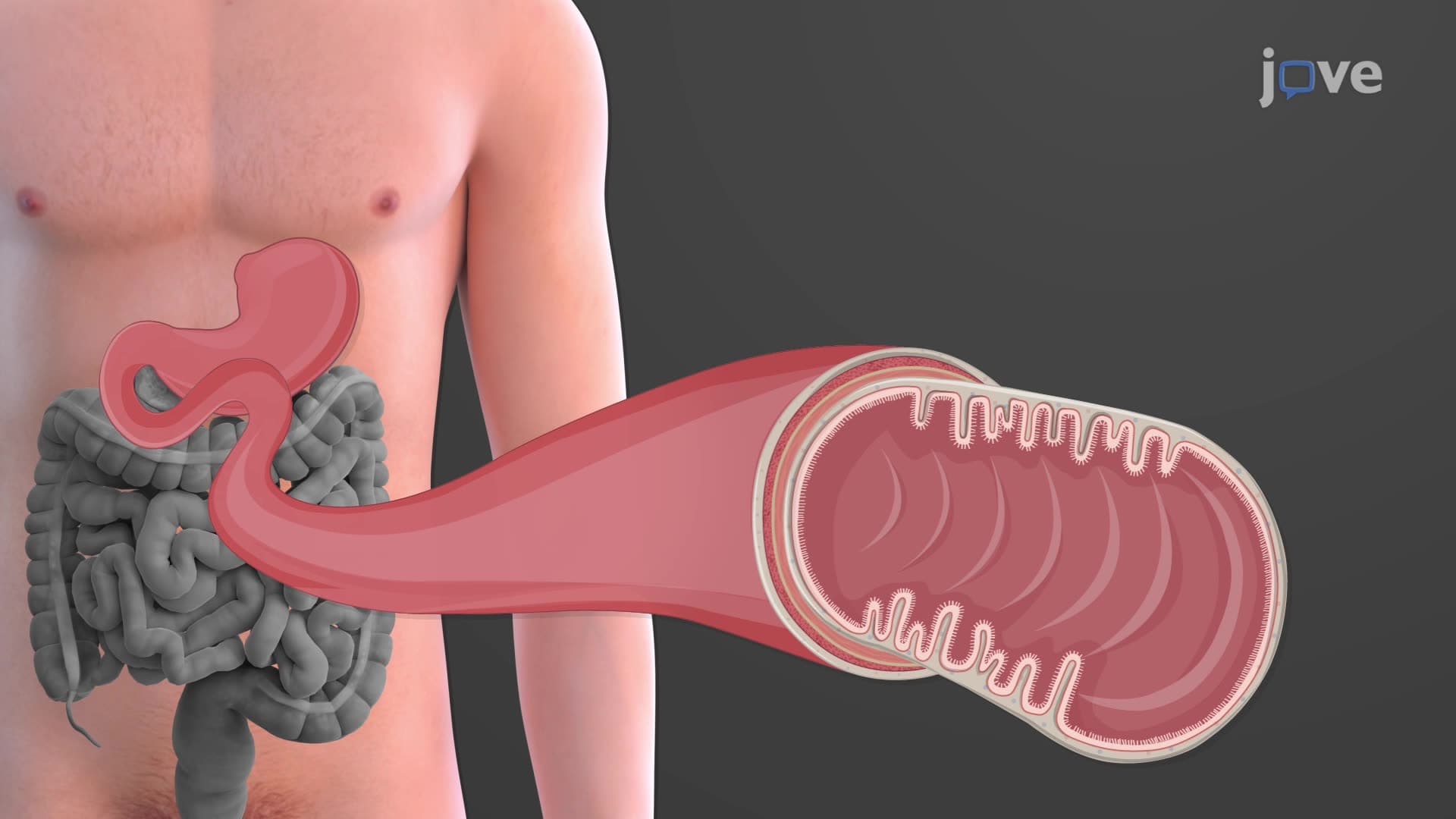
The small intestine represents the pinnacle of digestive efficiency, where mechanical chemical digestion biology reaches its most sophisticated form. Unlike the stomach's churning action, the small intestine employs precise, coordinated movements alongside powerful enzymatic reactions to extract maximum nutrition from food.
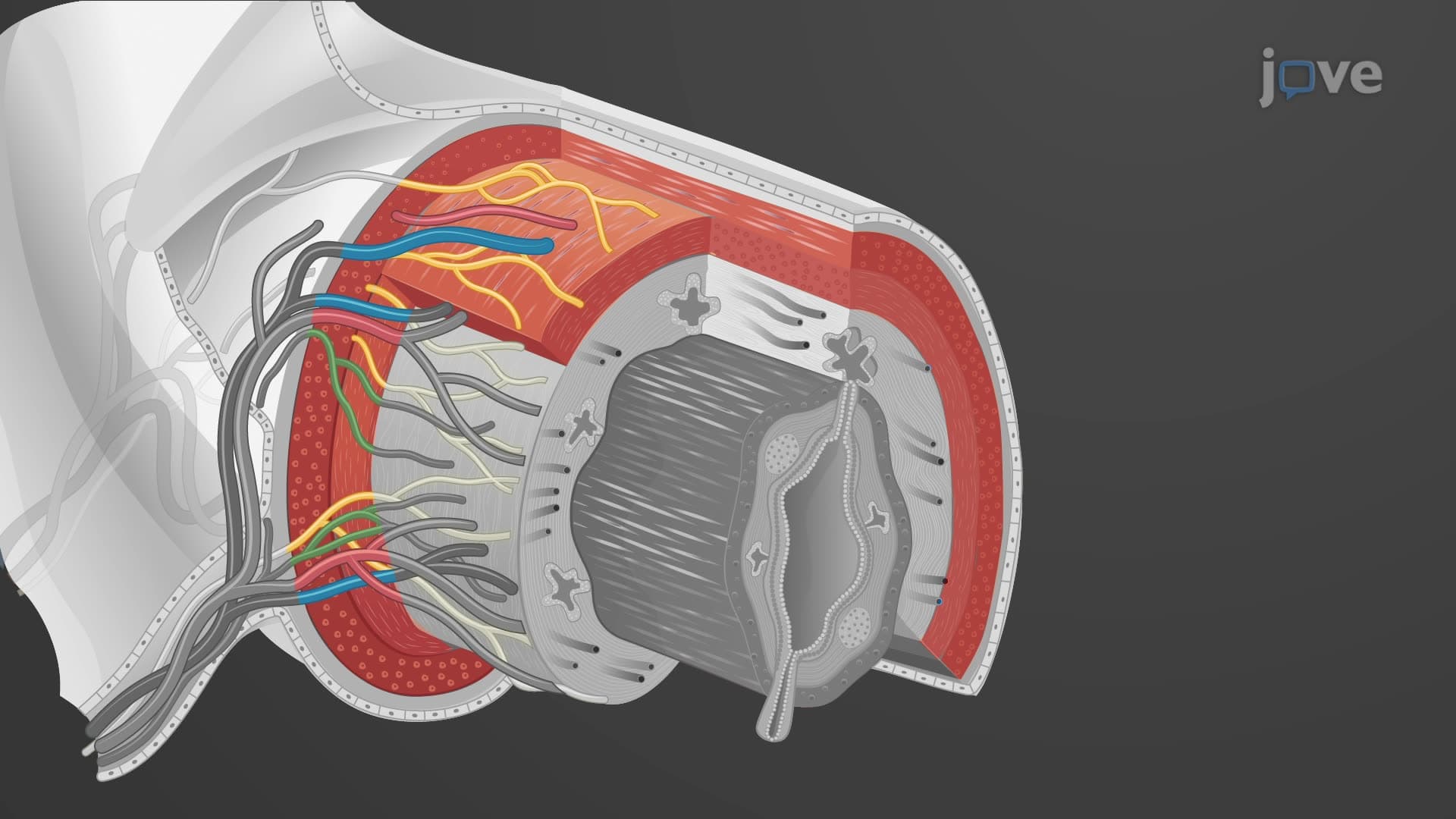
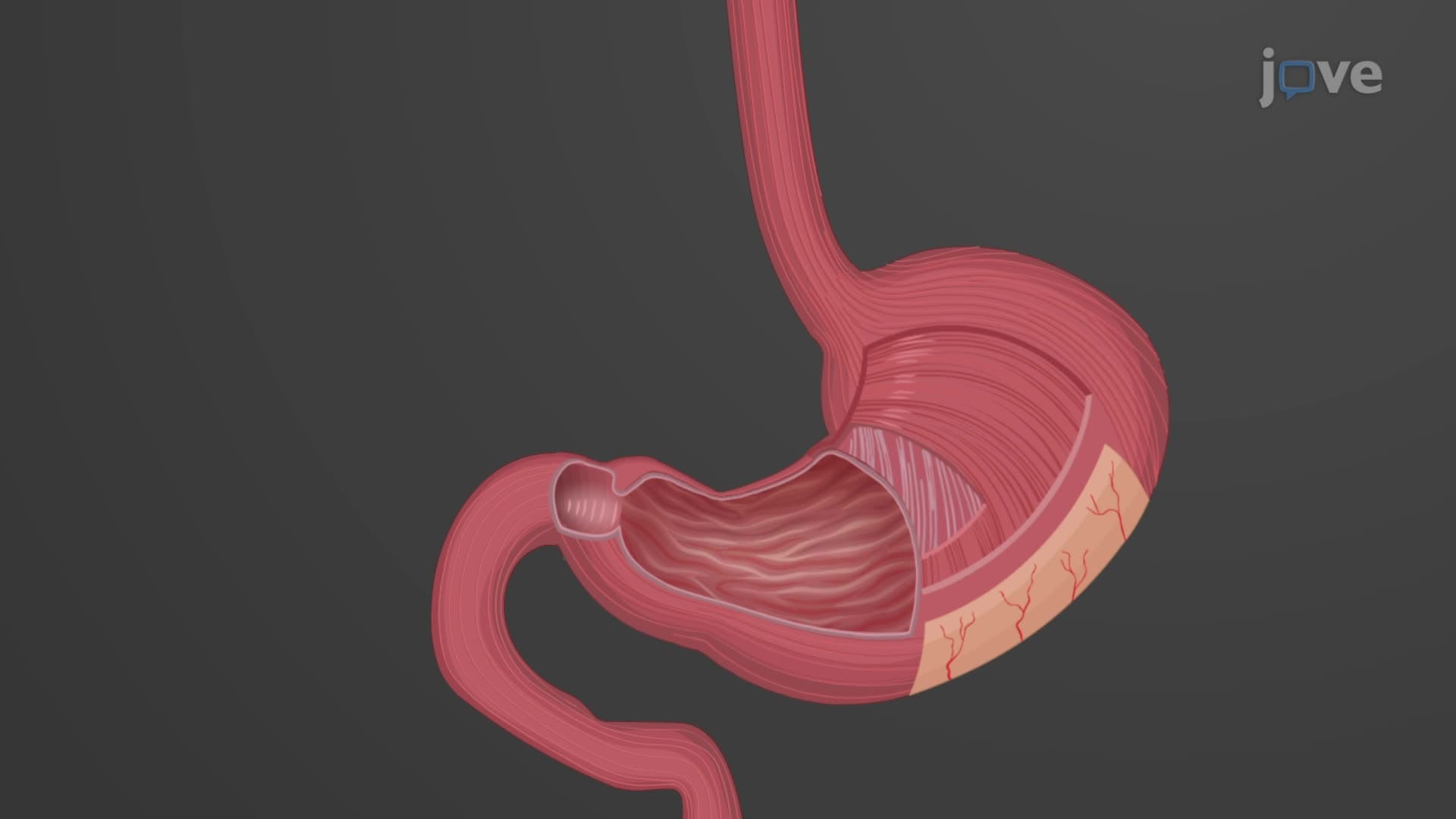
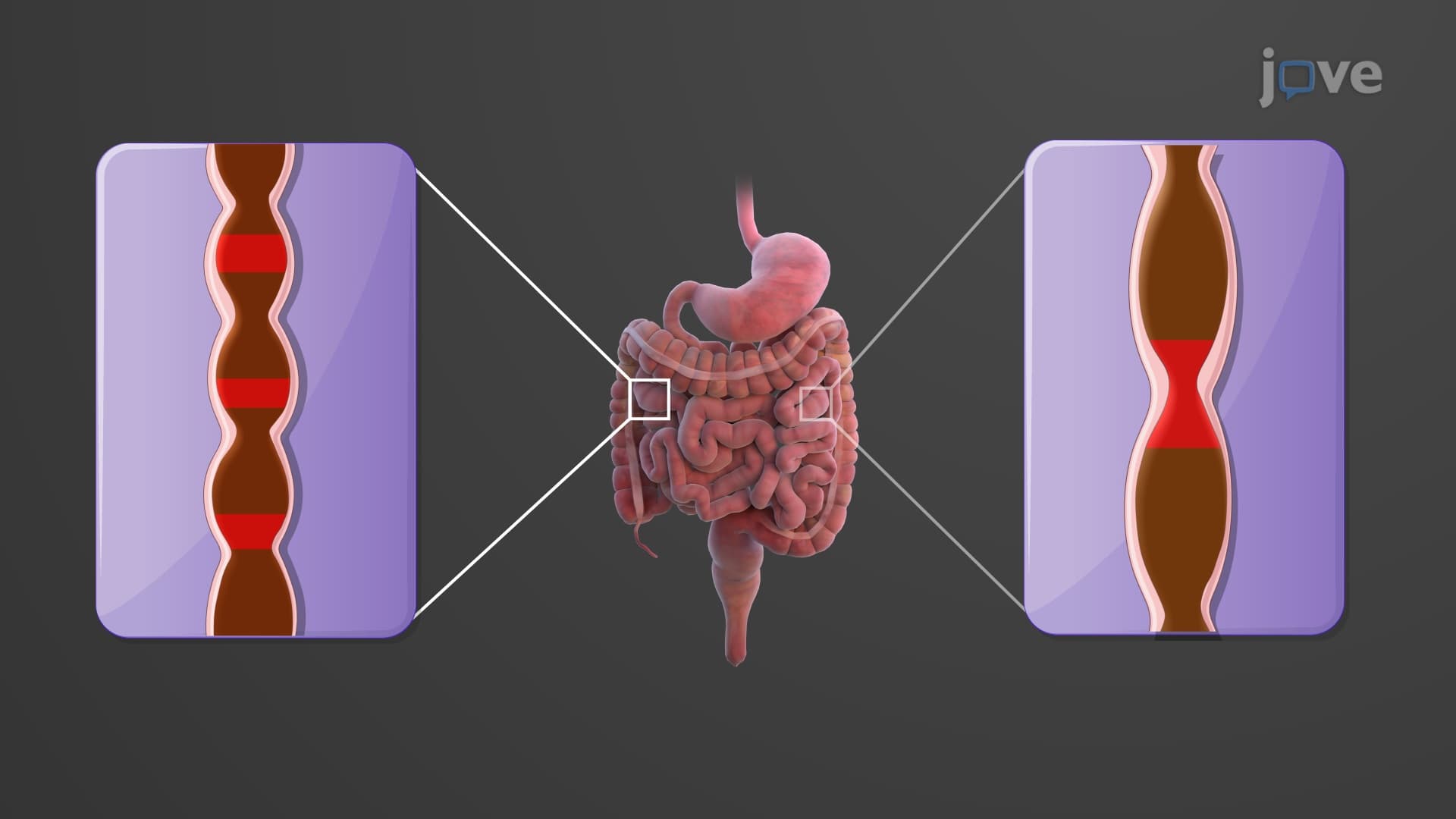
Physical mechanical digestion in the small intestine involves two distinct movement patterns that are frequently tested on AP Biology and college physiology exams. Segmentation contractions create localized mixing zones, much like a washing machine's agitation cycle, ensuring thorough contact between chyme and digestive enzymes. These contractions are triggered by stretch receptors responding to chyme volume-a concept that appears regularly on MCAT practice questions.
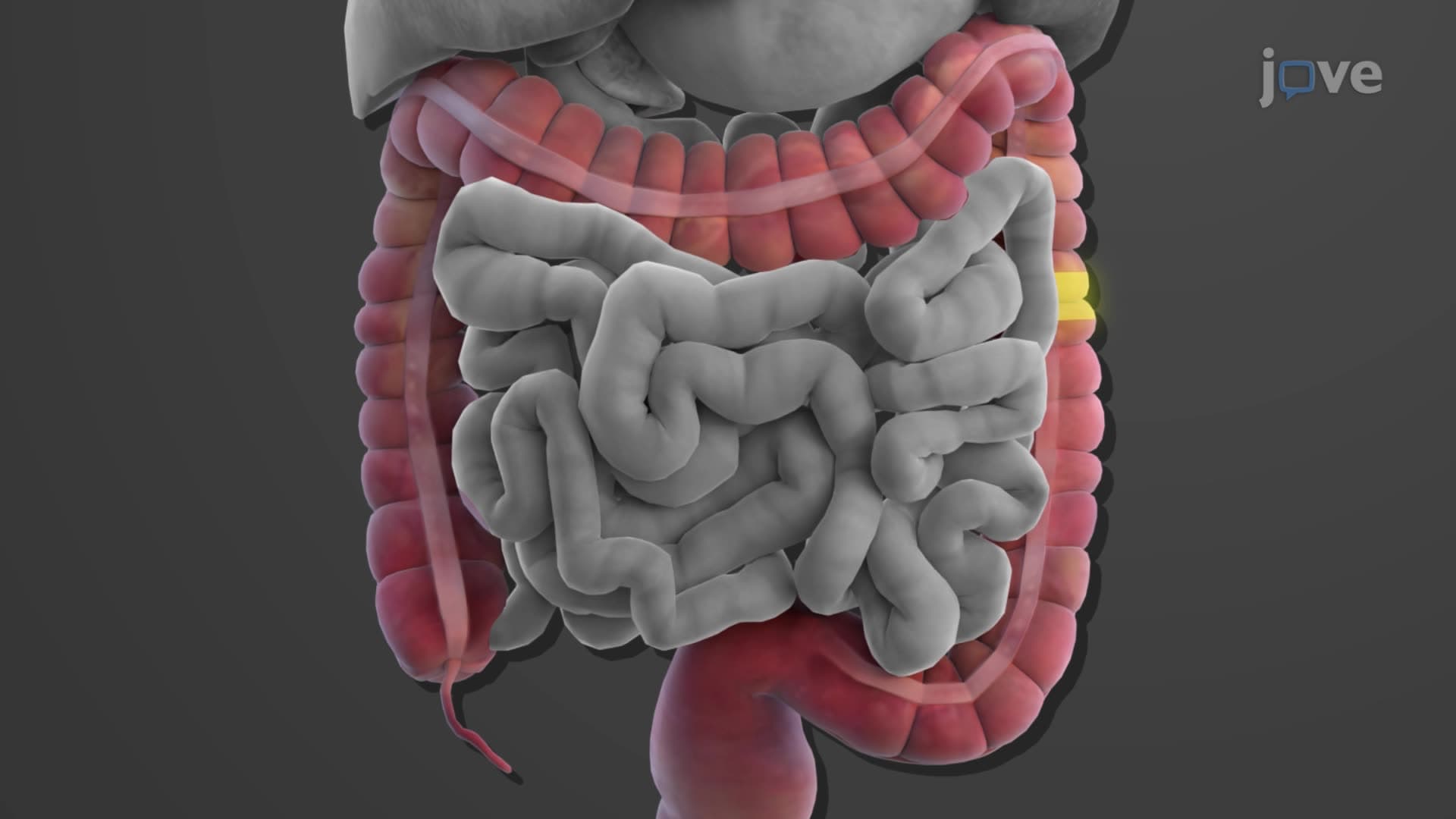
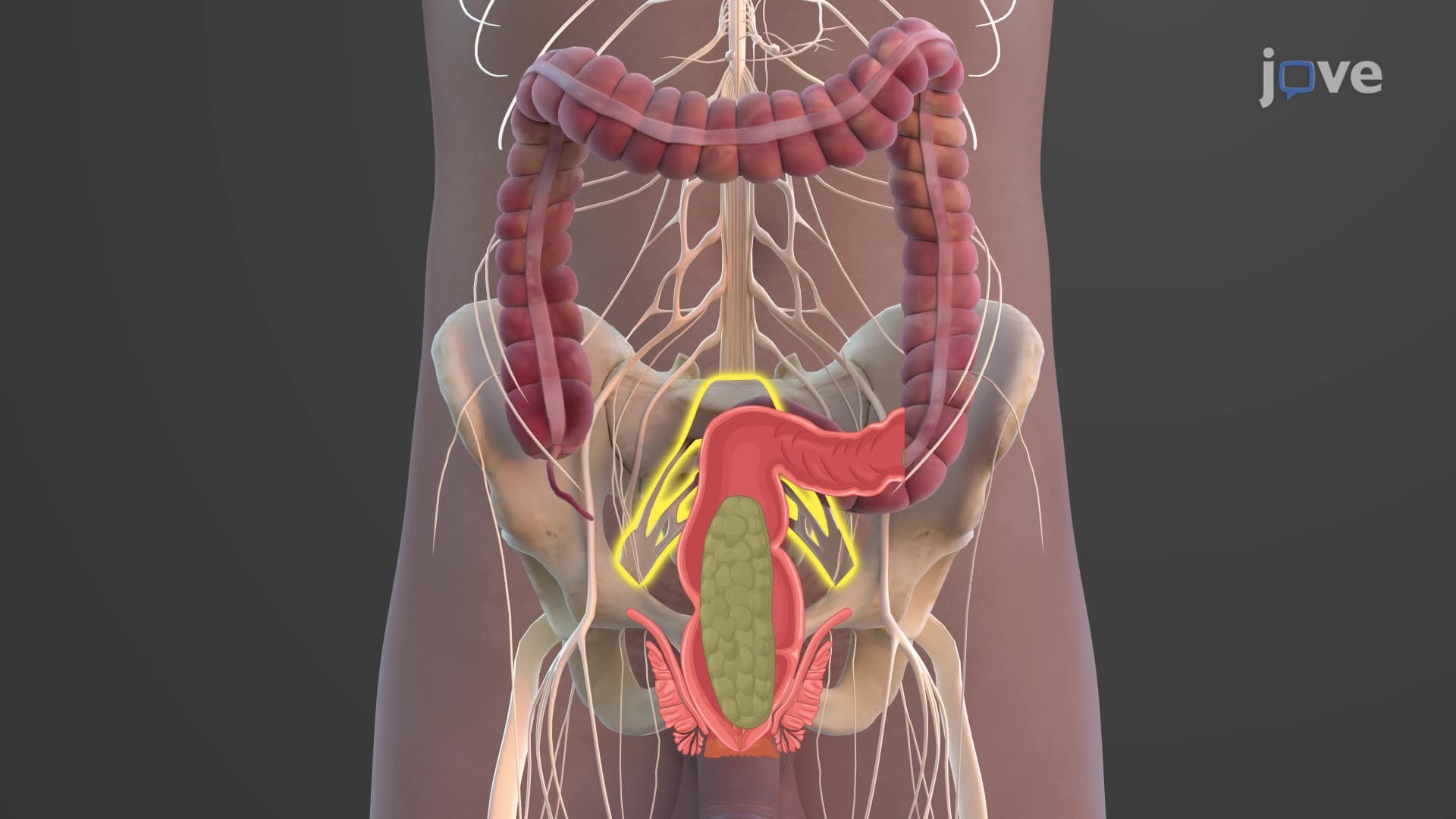
Migrating motility complexes (MMC) represent the "housekeeping" phase of digestion, sweeping undigested materials toward the large intestine. This process prevents bacterial overgrowth and is clinically significant in conditions like gastroparesis, commonly studied in medical school pathophysiology courses.
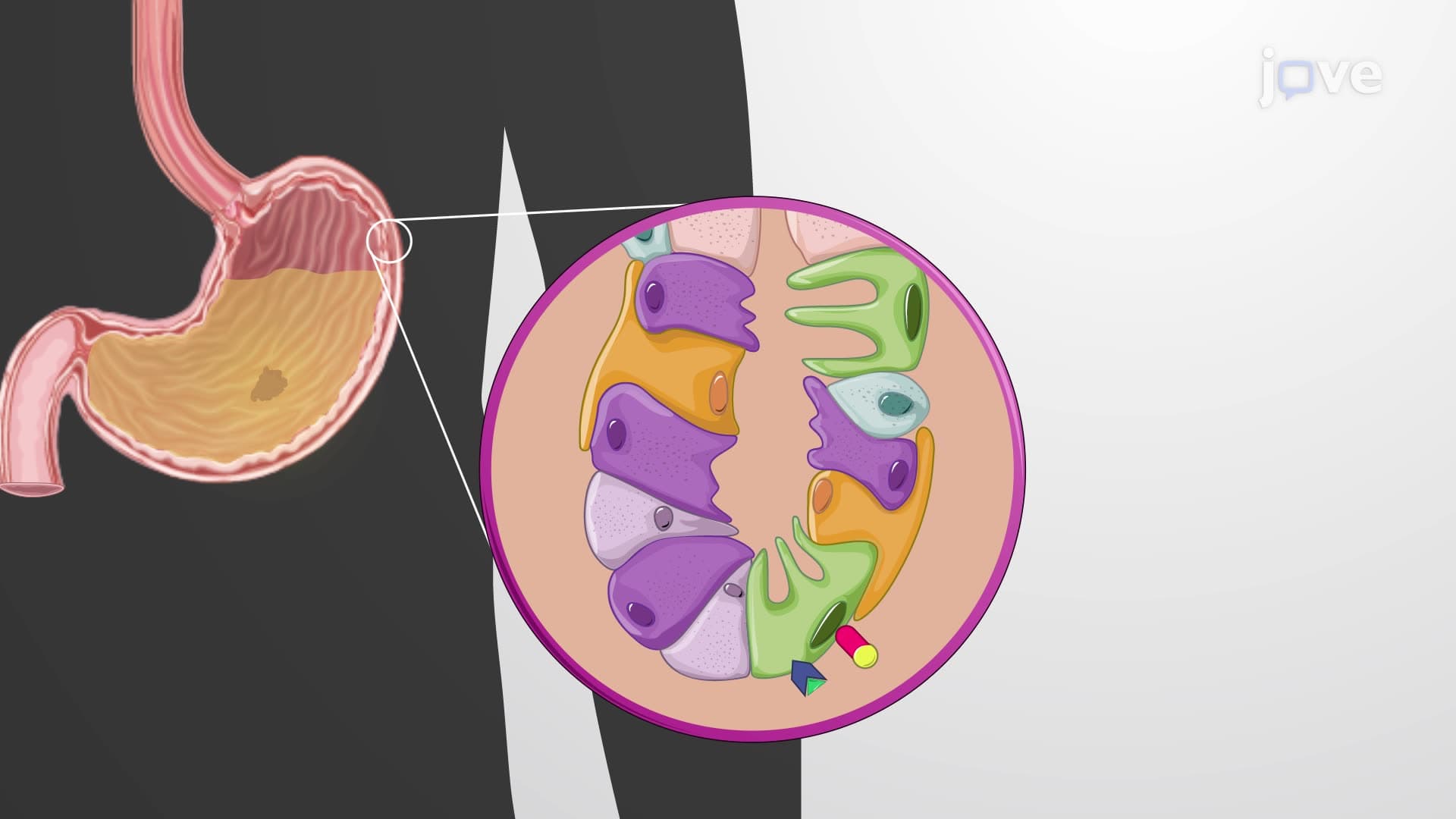
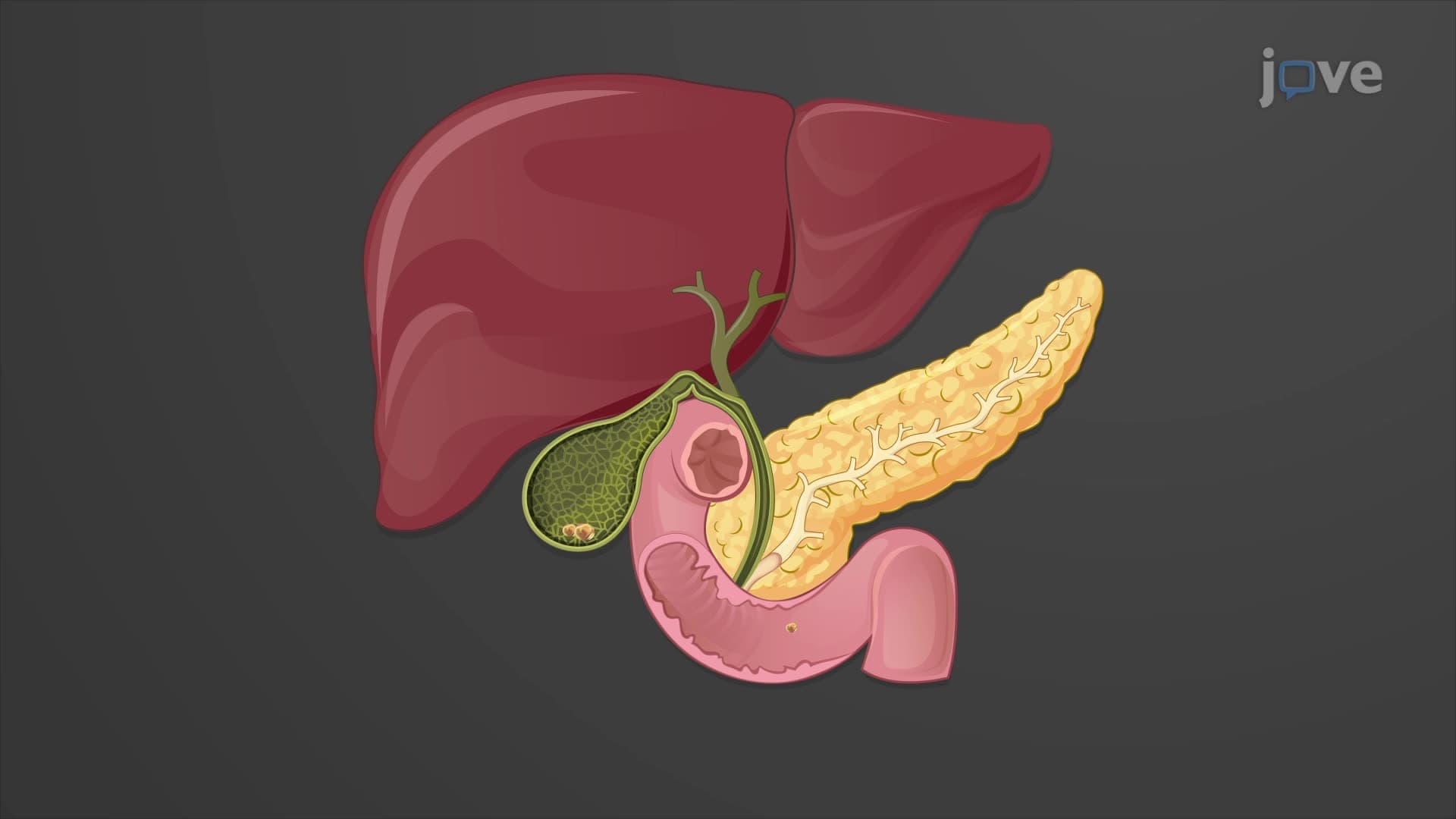
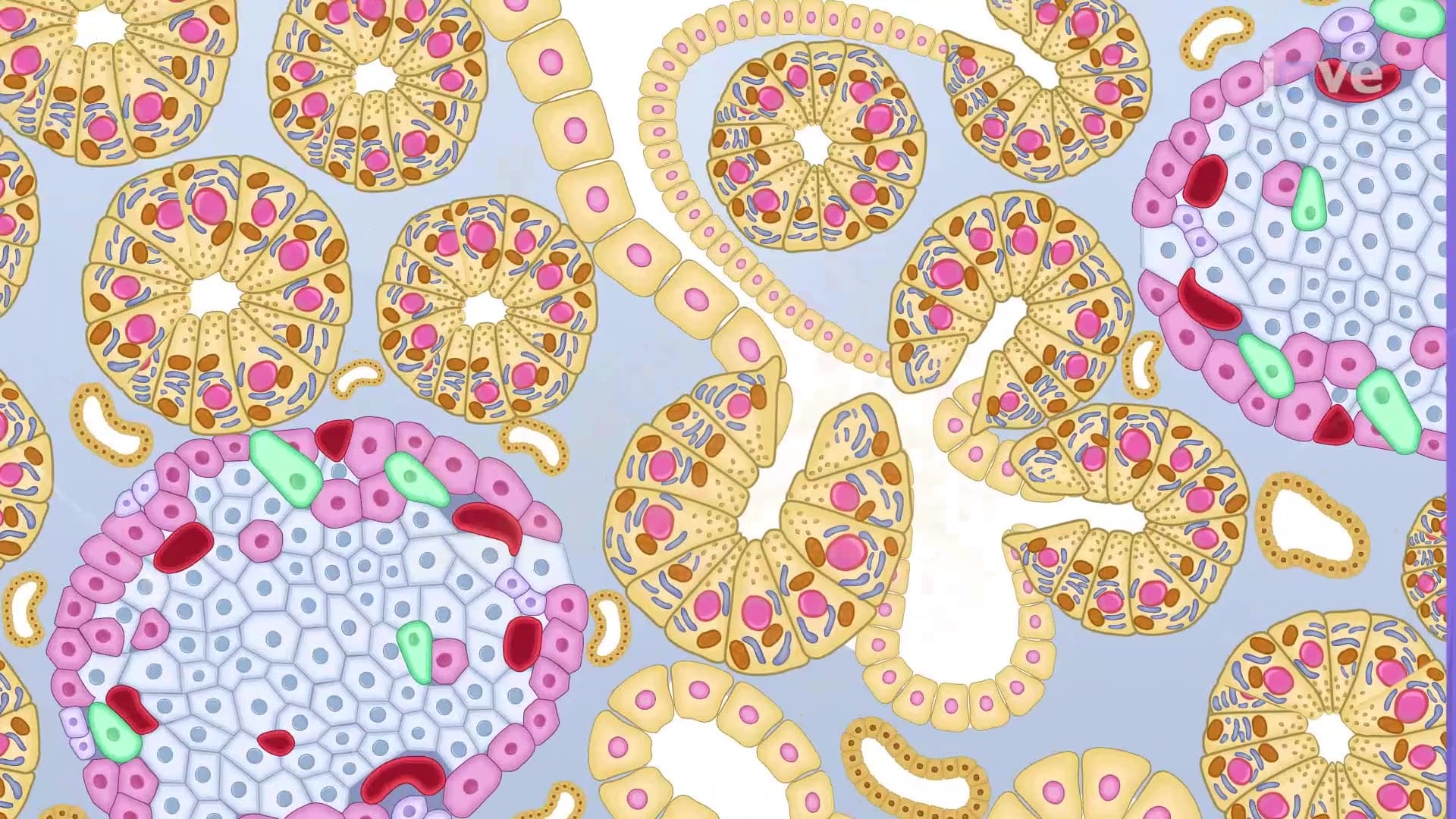
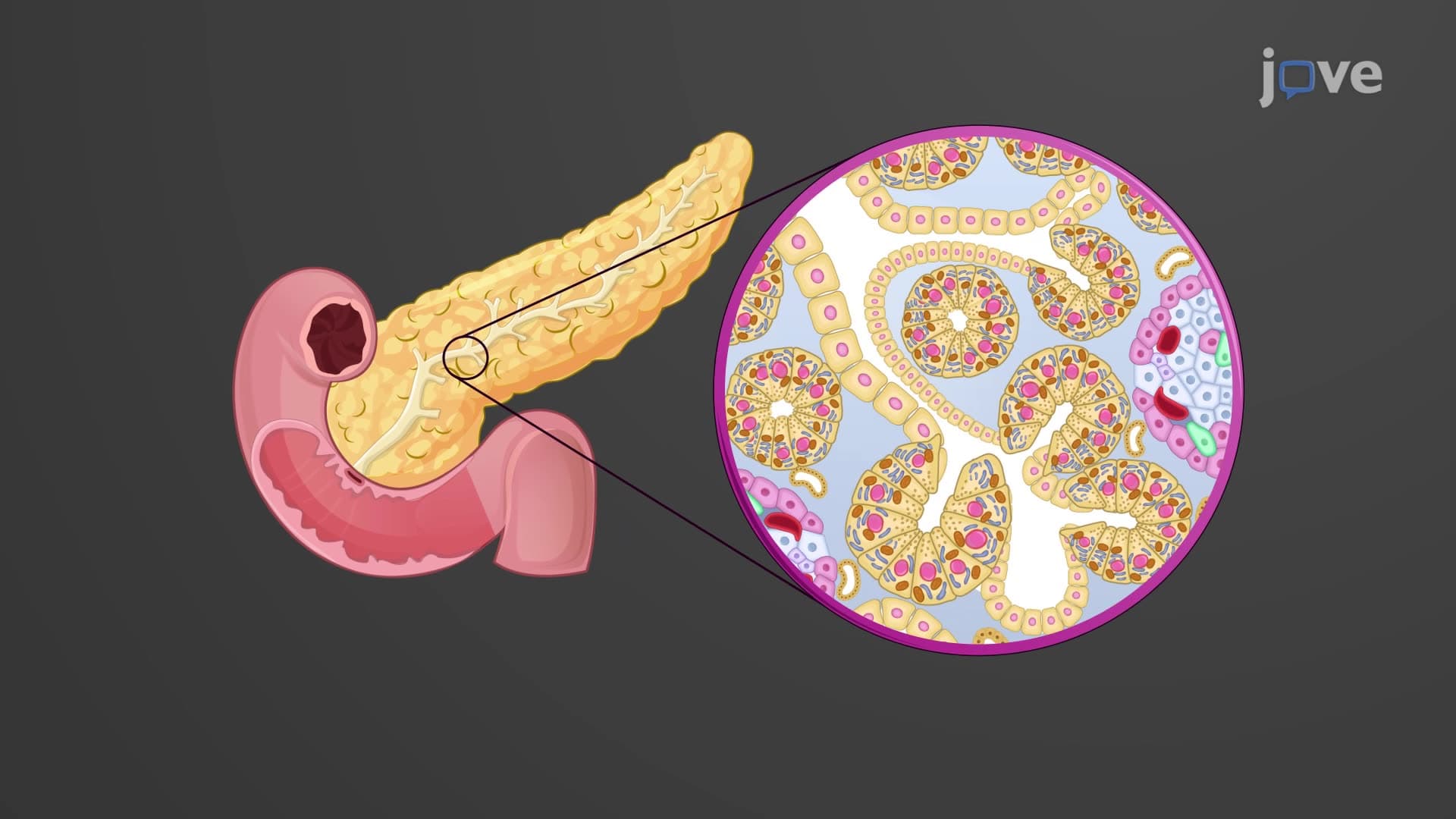
Enzymatic chemical digestion transforms complex macromolecules into absorbable units through hydrolysis reactions. Pancreatic proteases-including trypsin, chymotrypsin, and elastase-cleave proteins at specific amino acid sequences, a specificity pattern often examined in biochemistry courses at institutions like Harvard Medical School or Johns Hopkins.
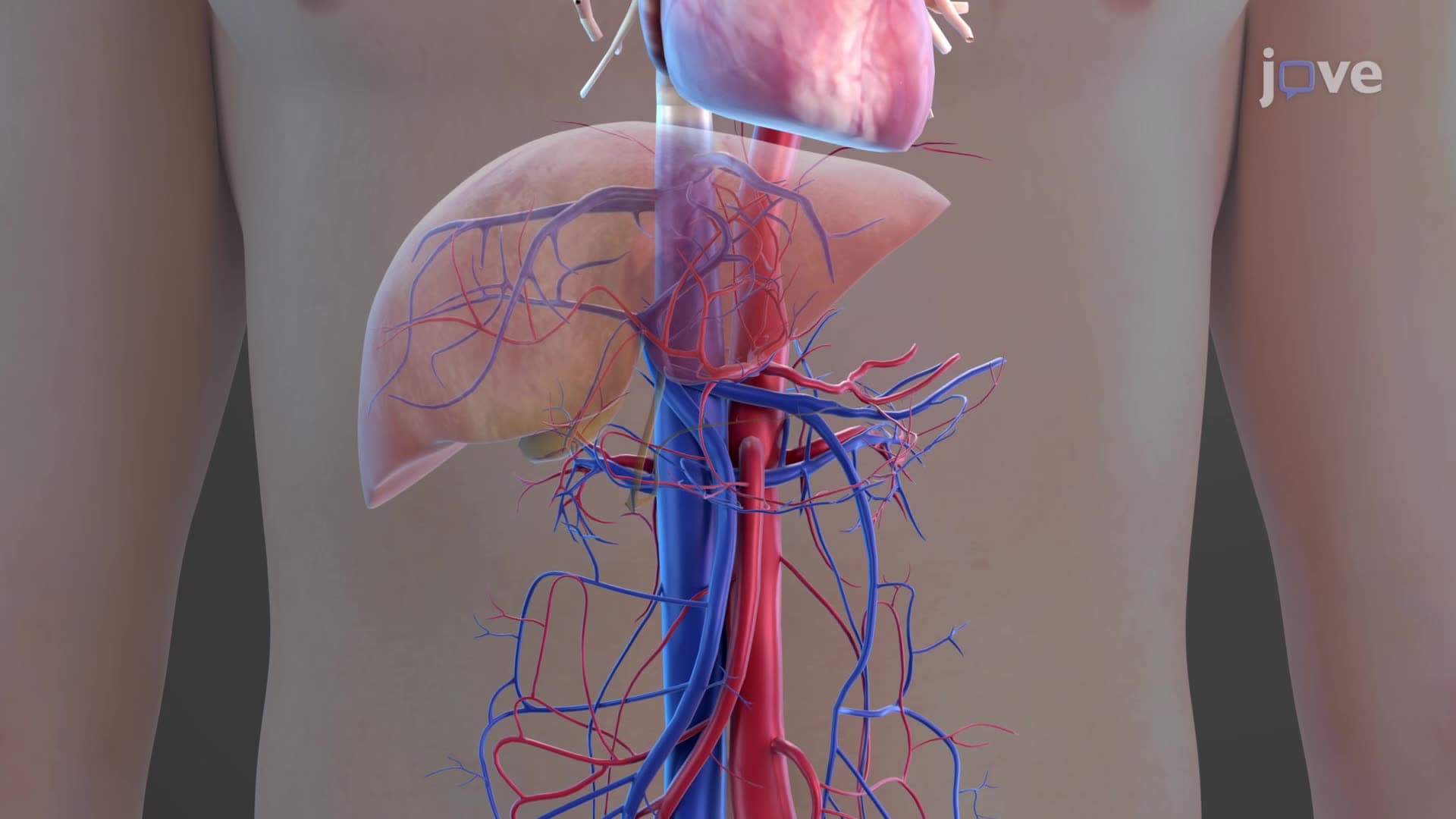
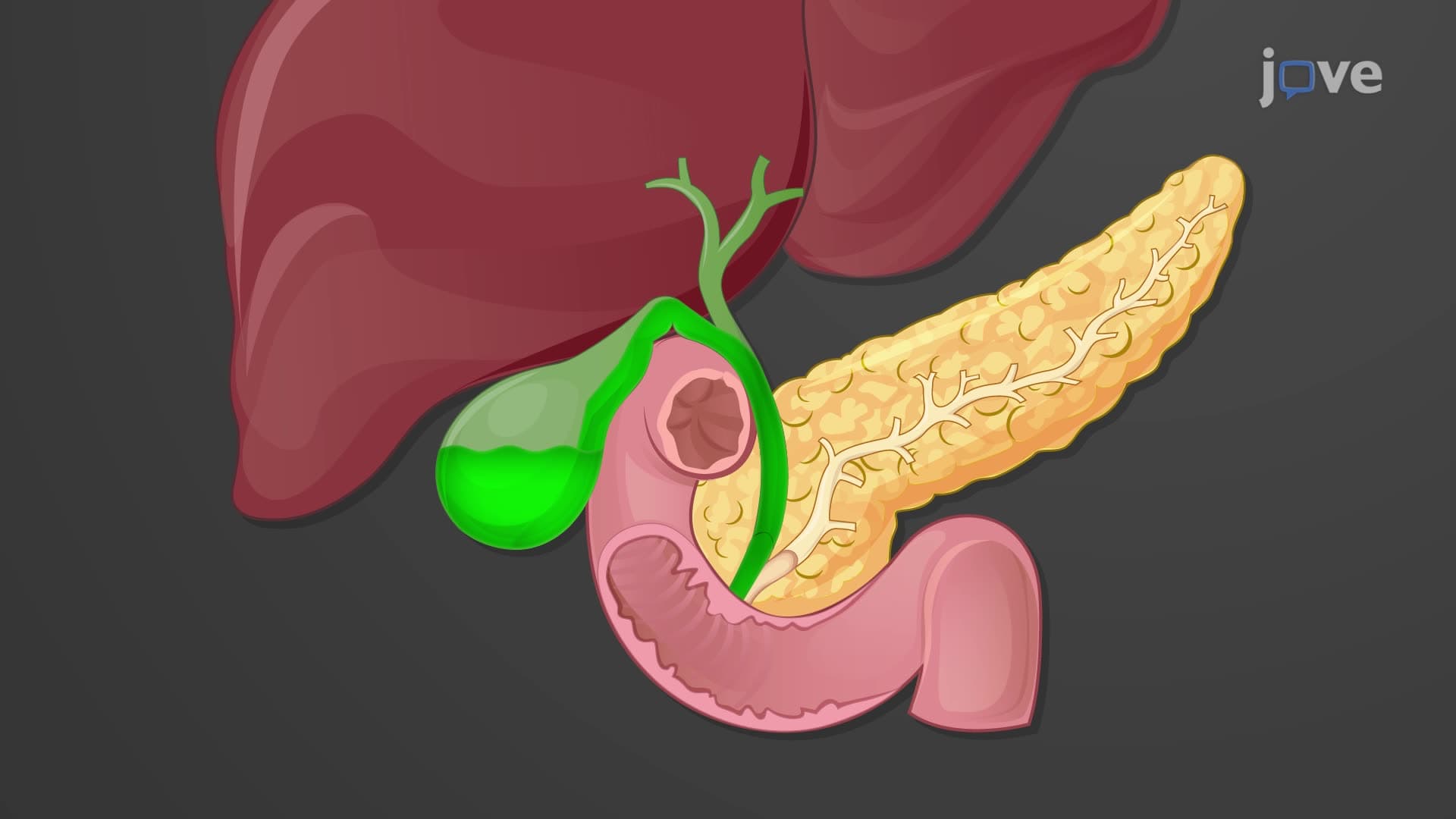
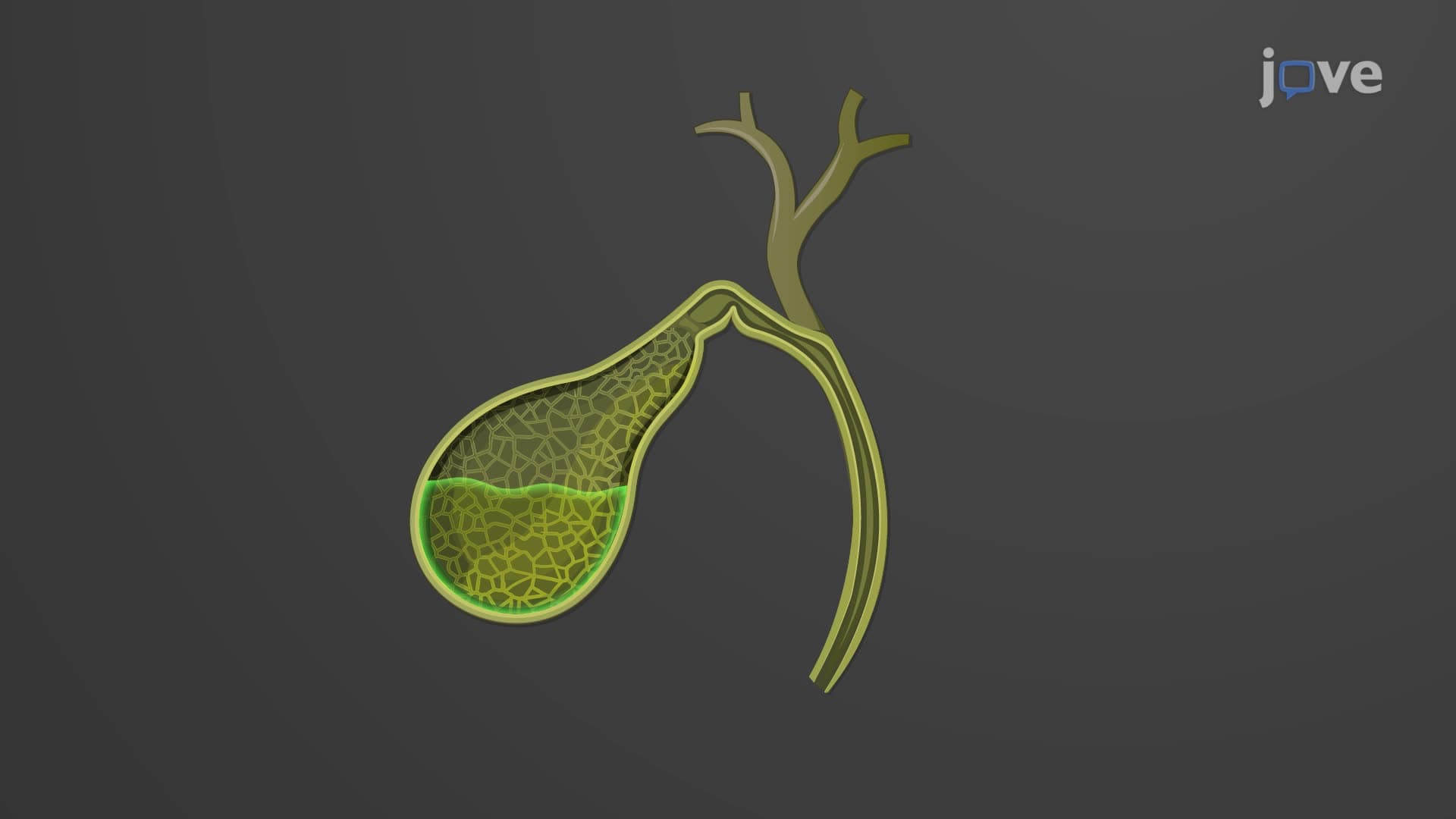
The lipid digestion process exemplifies digestion types explained biology through its two-step mechanism. Bile salts from the liver first emulsify large fat globules into smaller micelles, increasing surface area for pancreatic lipase action. This emulsification process is analogous to how dish soap breaks up grease-a comparison that helps students visualize the concept during SAT Subject Test Biology preparation.
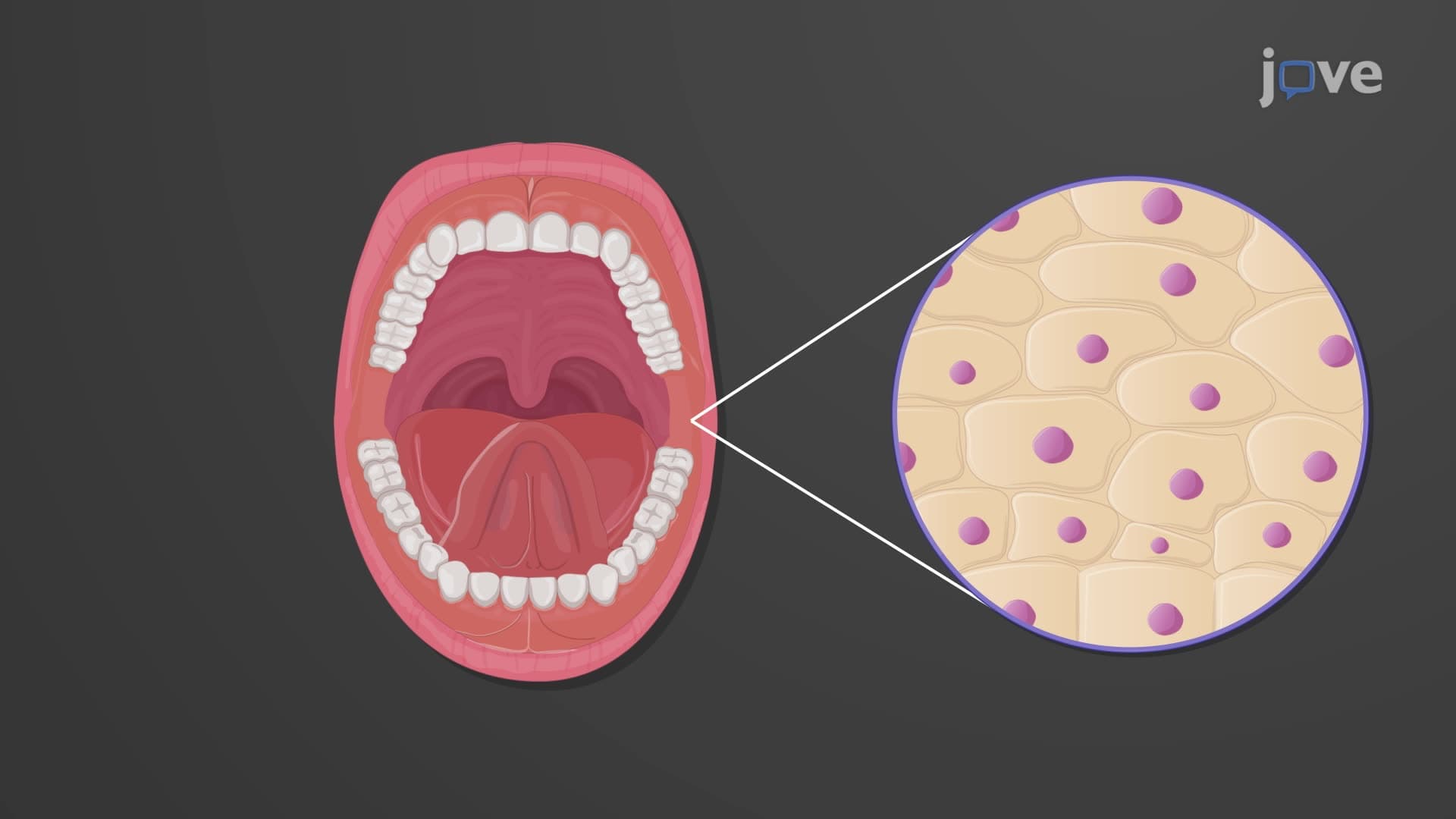
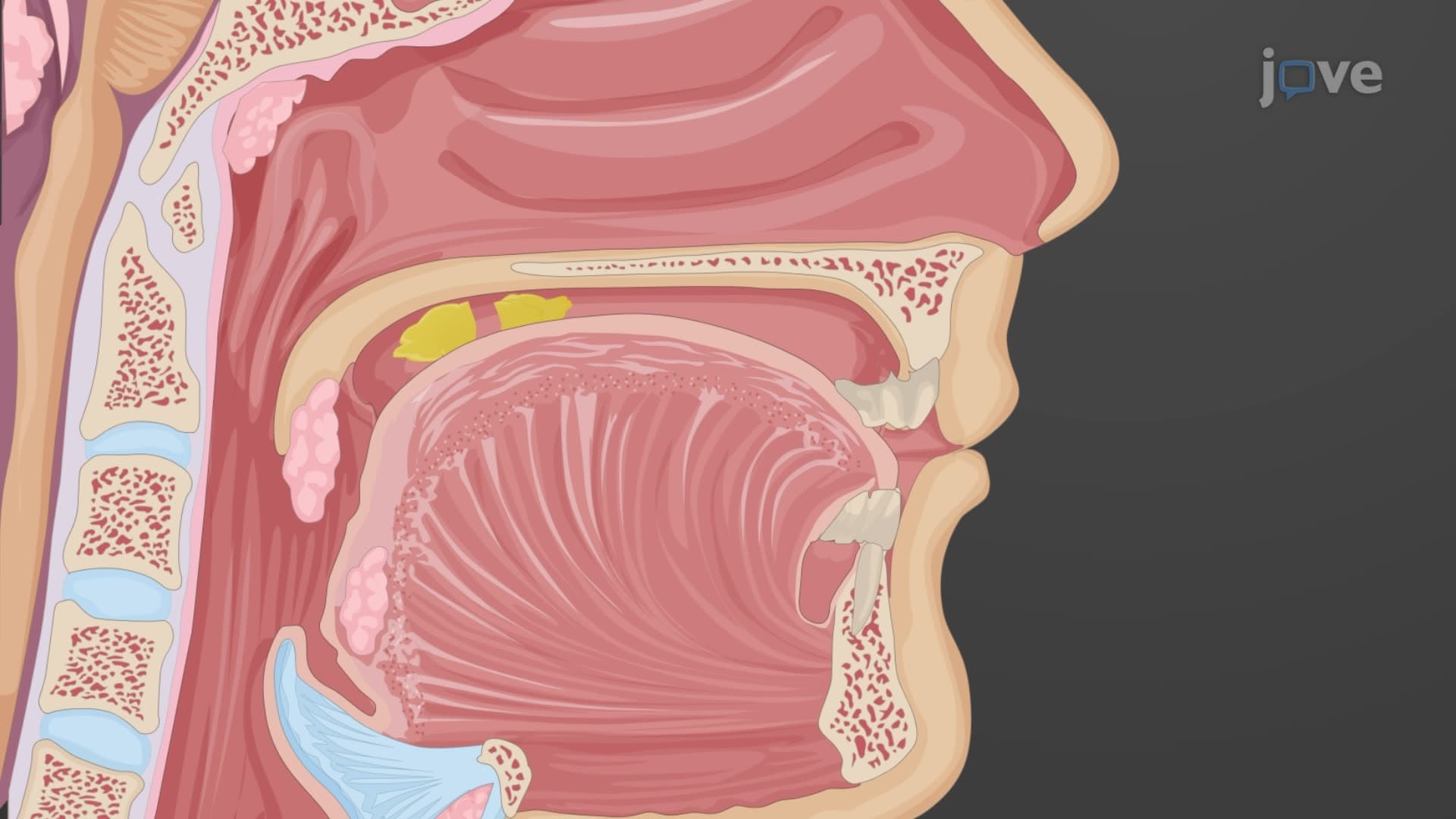
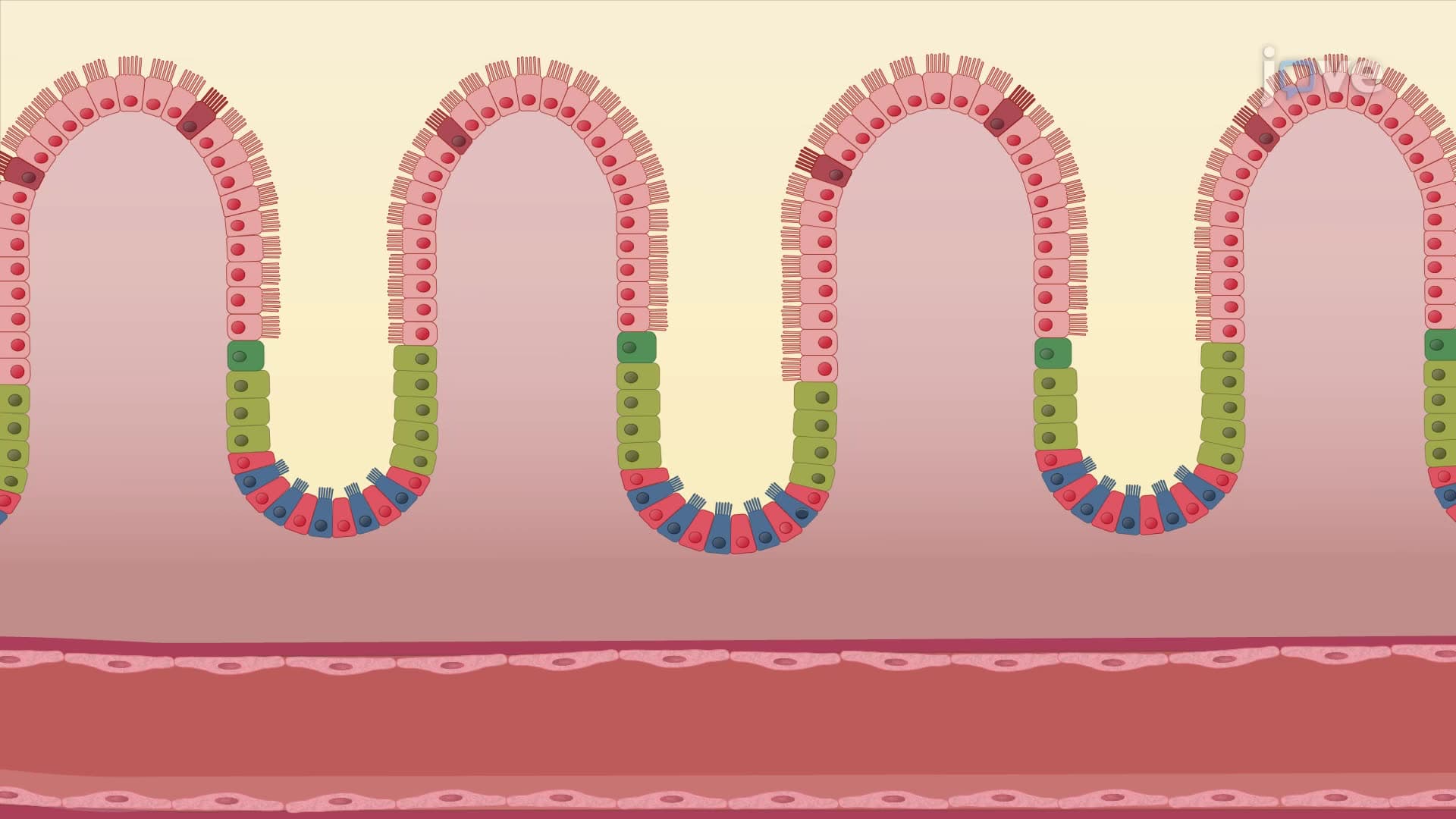
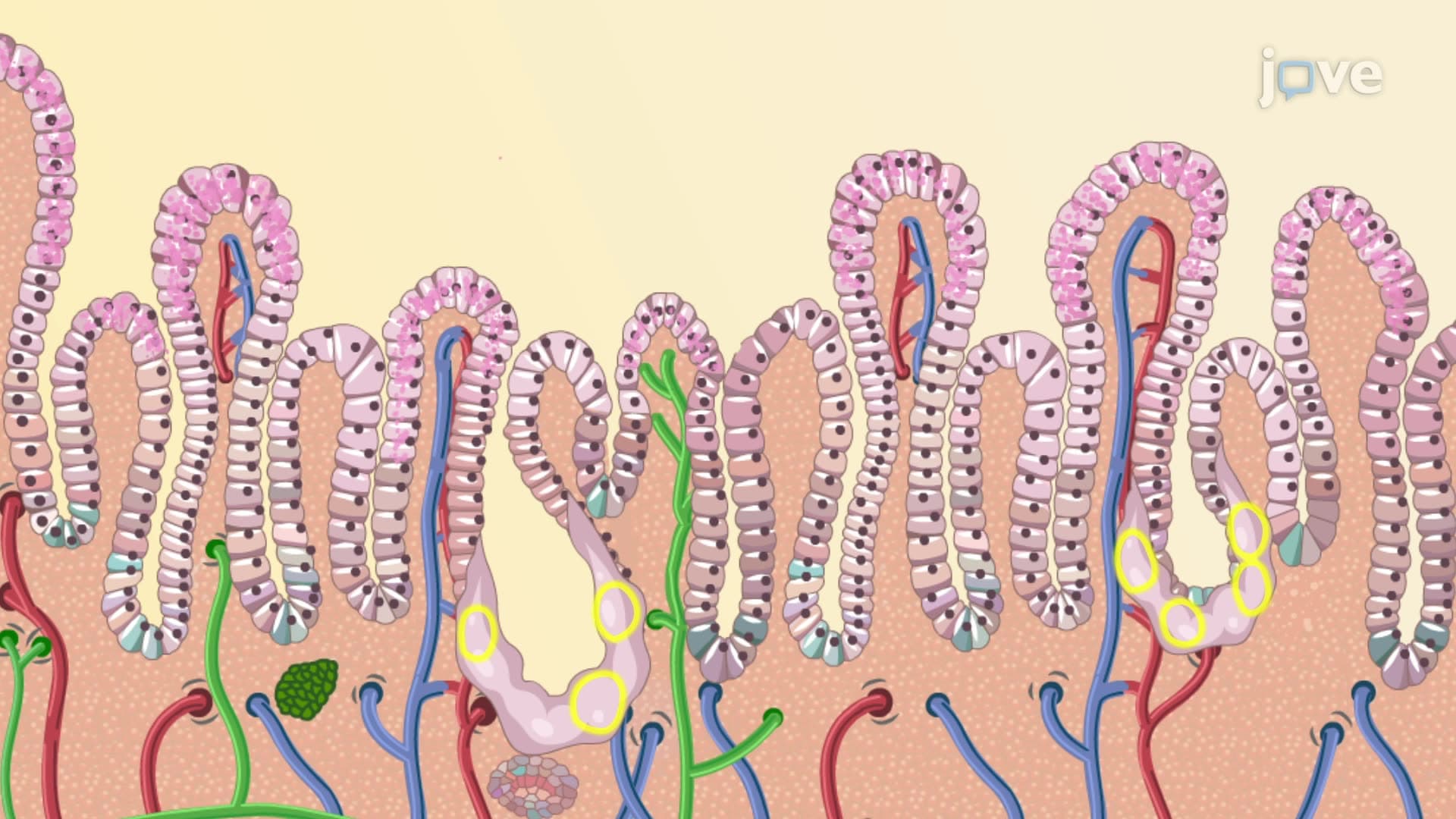
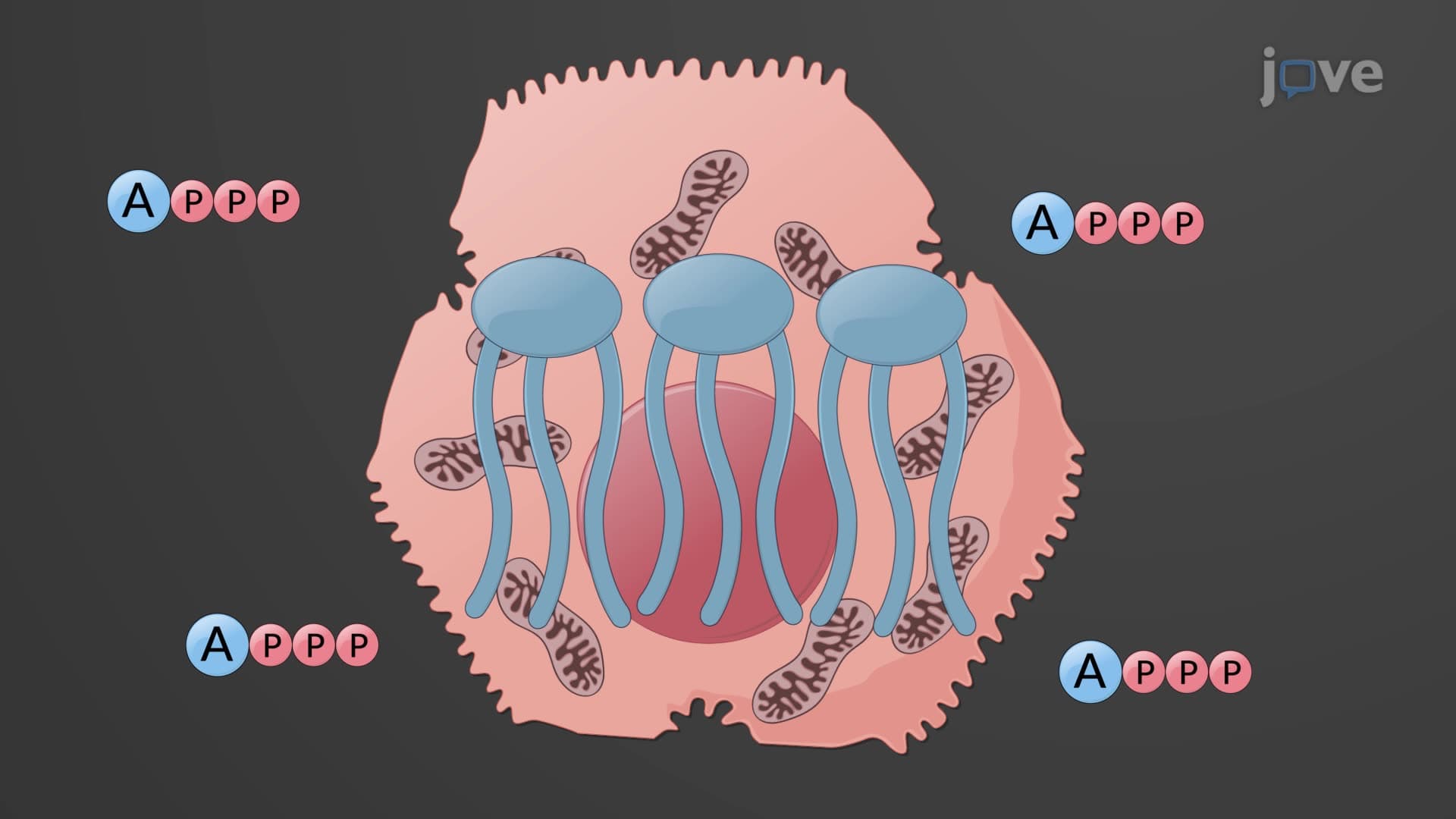
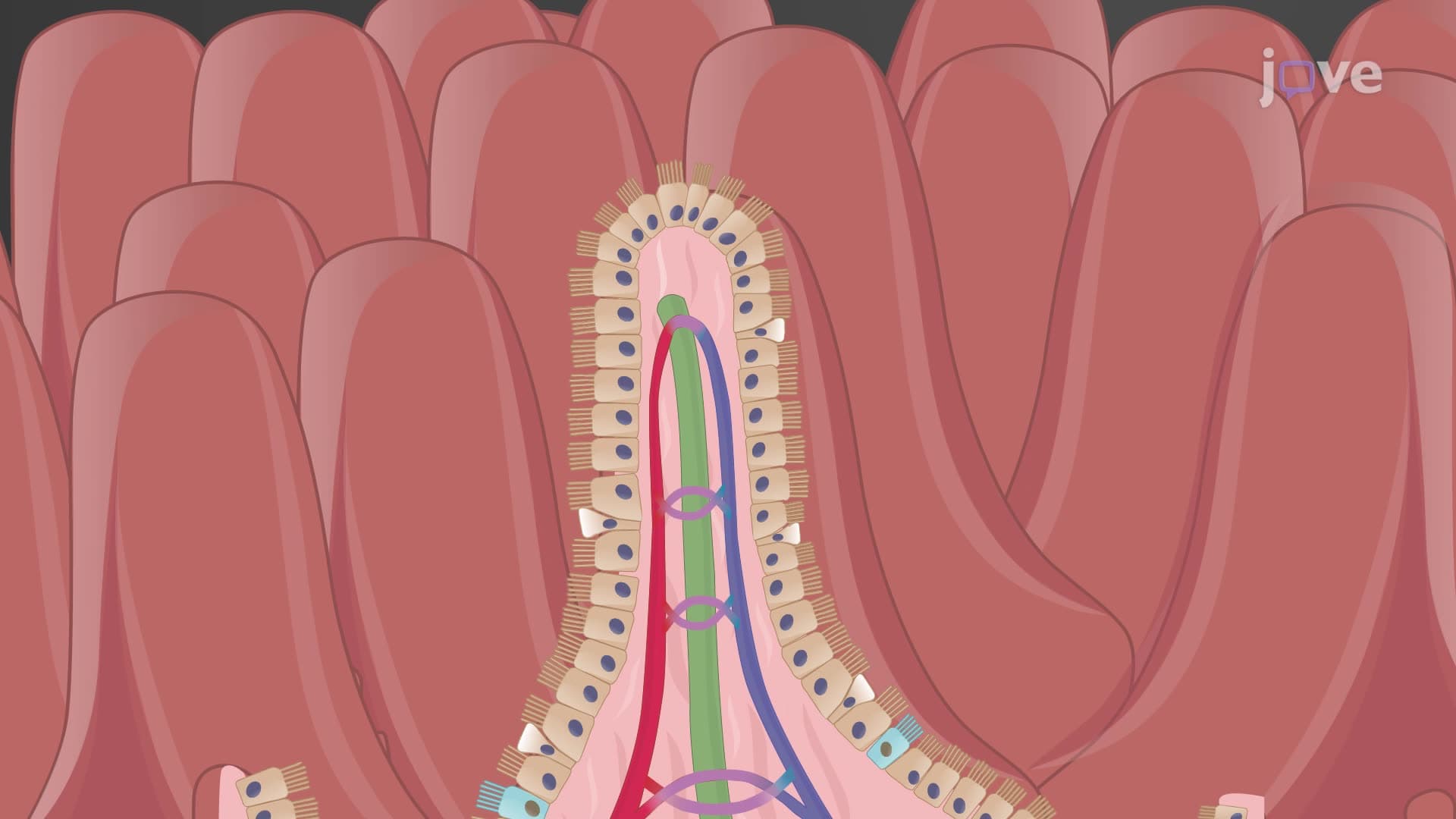
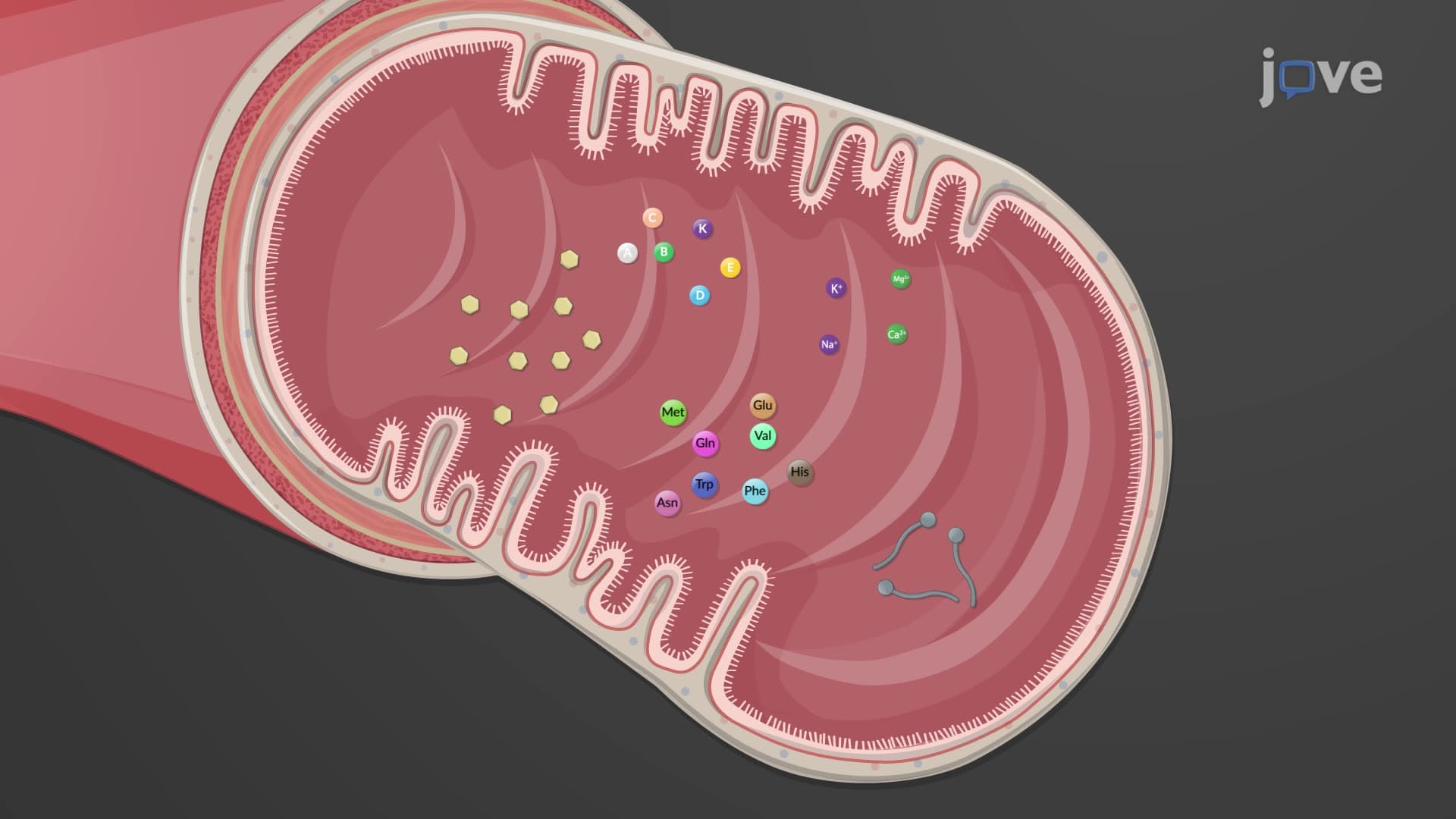
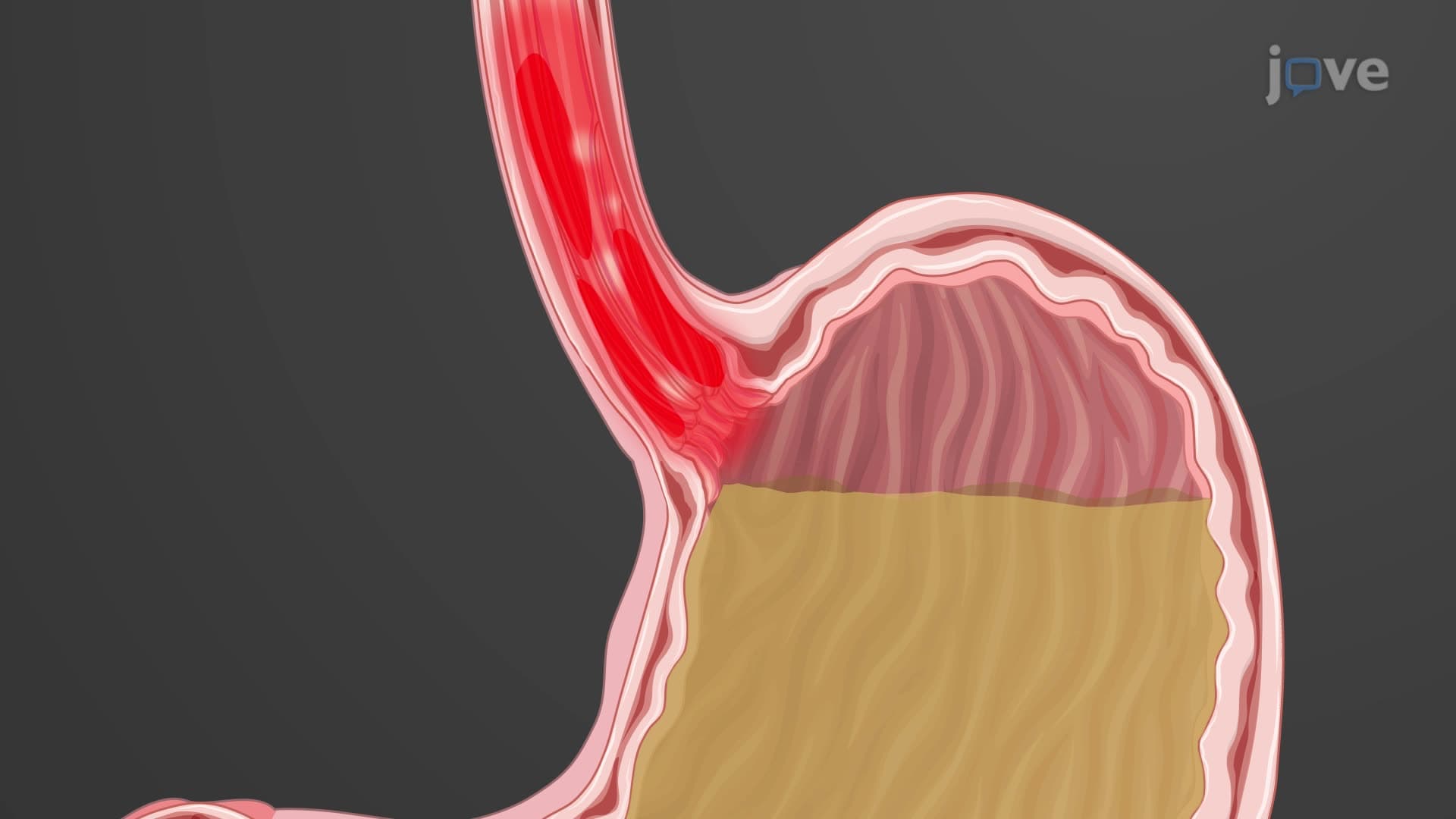
The beauty of enzyme hydrolysis chemical processes lies in their coordination with mechanical movements. Chewing peristalsis mechanical actions in the mouth and stomach prepare food, but the small intestine's segmentation ensures optimal enzyme-substrate contact time. Brush-border enzymes, anchored to intestinal microvilli, complete the final digestive steps-converting dipeptides to amino acids and disaccharides to monosaccharides.
This coordinated system is essential knowledge for pre-med students taking the MCAT, where questions often test understanding of how mechanical disruption enhances chemical digestion efficiency. Nursing students preparing for NCLEX exams also encounter these concepts when studying malabsorption disorders and their clinical presentations.
Related Micro-courses