Loading subject page…


89,748 views

Video Summary: What Is Mucosal Barrier Stomach
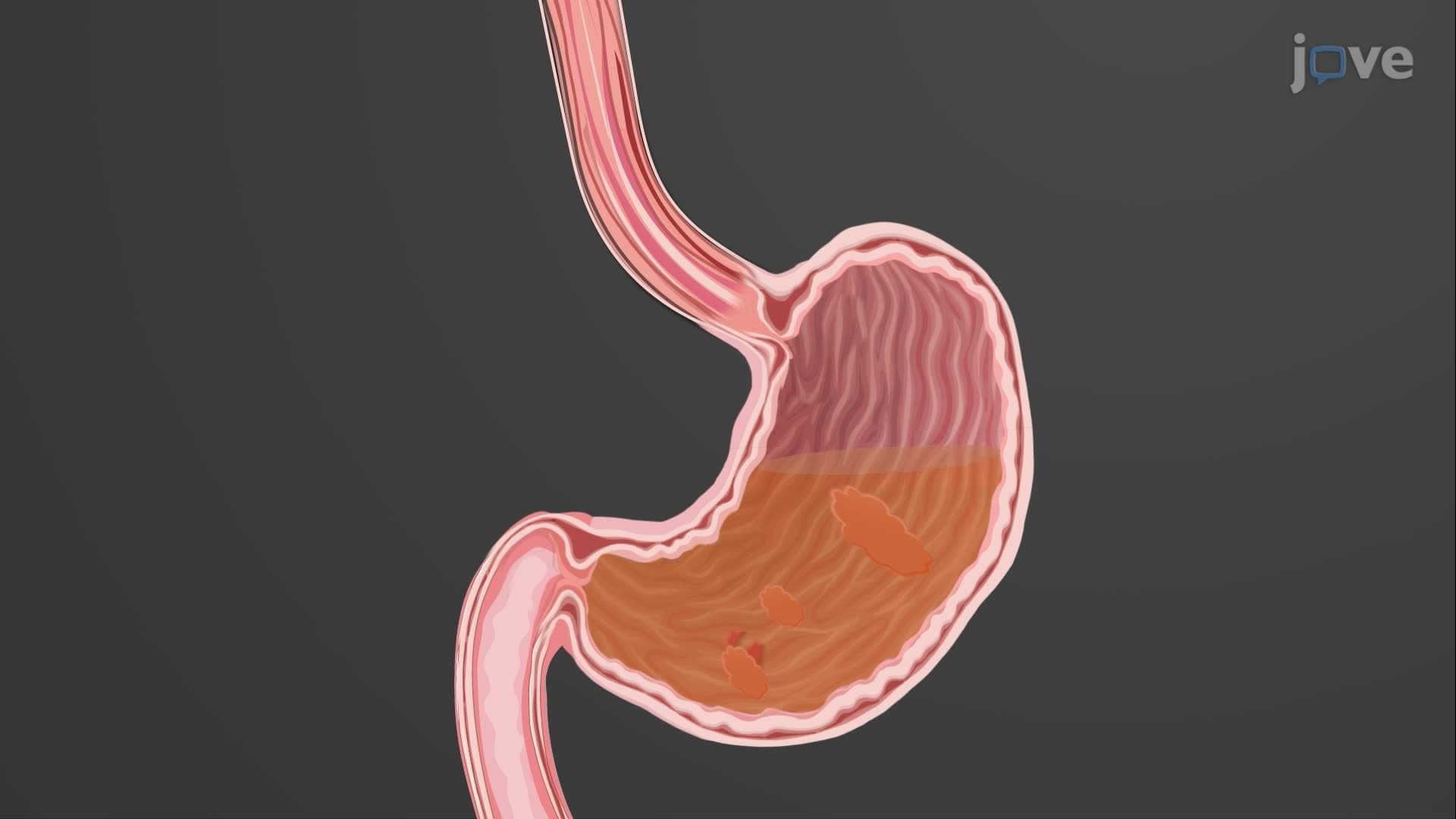
Did you know your stomach produces acid strong enough to dissolve metal, yet the organ itself remains unharmed? The stomach mucosal barrier biology involves sophisticated protective mechanisms that shield gastric tissues from destructive hydrochloric acid. Consider patients with peptic ulcers treated at Mayo Clinic-their condition often results from compromised mucosal barriers. What is mucosal barrier stomach function becomes crucial for understanding digestive health and disease prevention. Watch the full video on JoVE Coach to master this concept with expert-led visuals and step-by-step explanations.
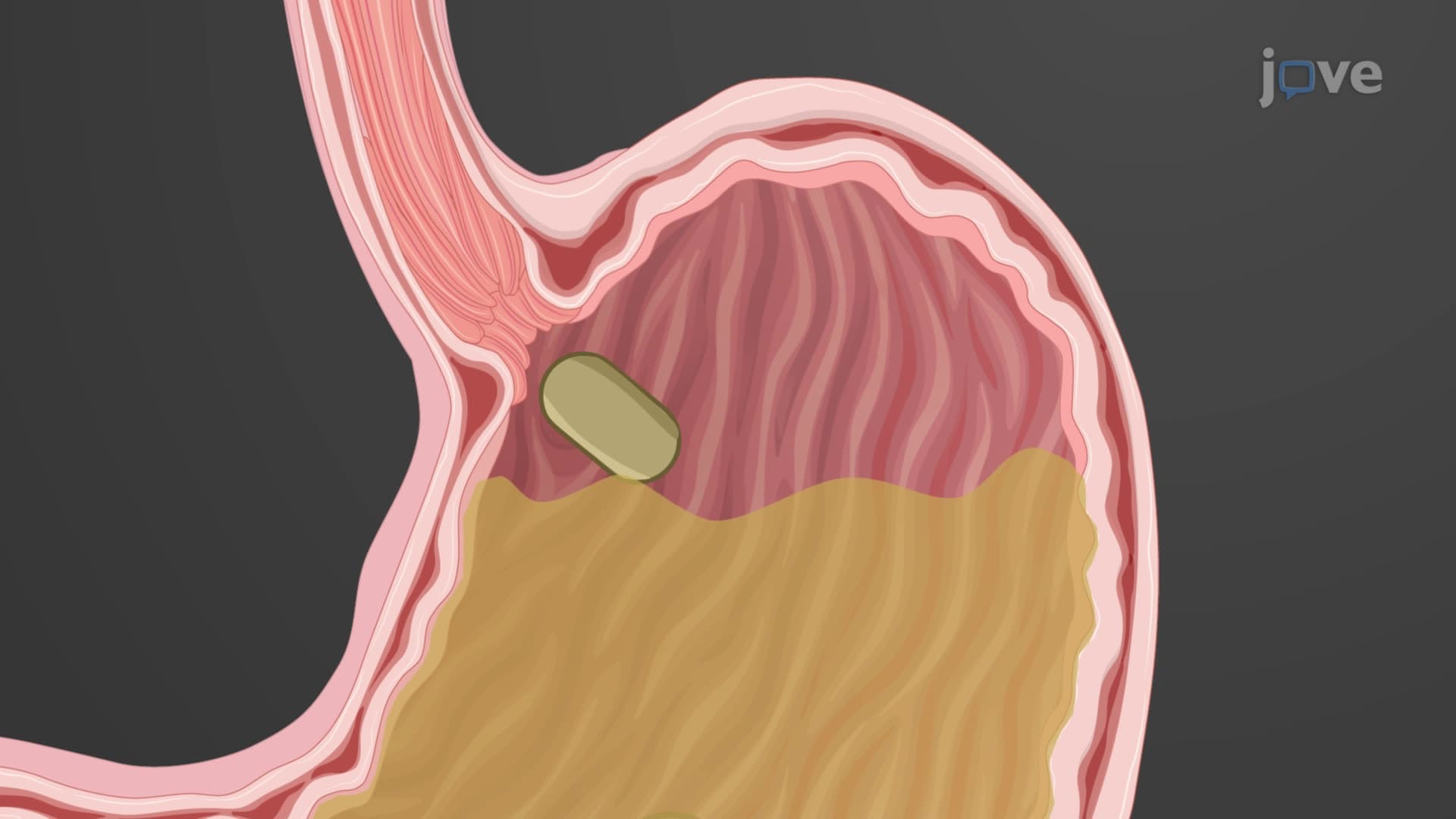
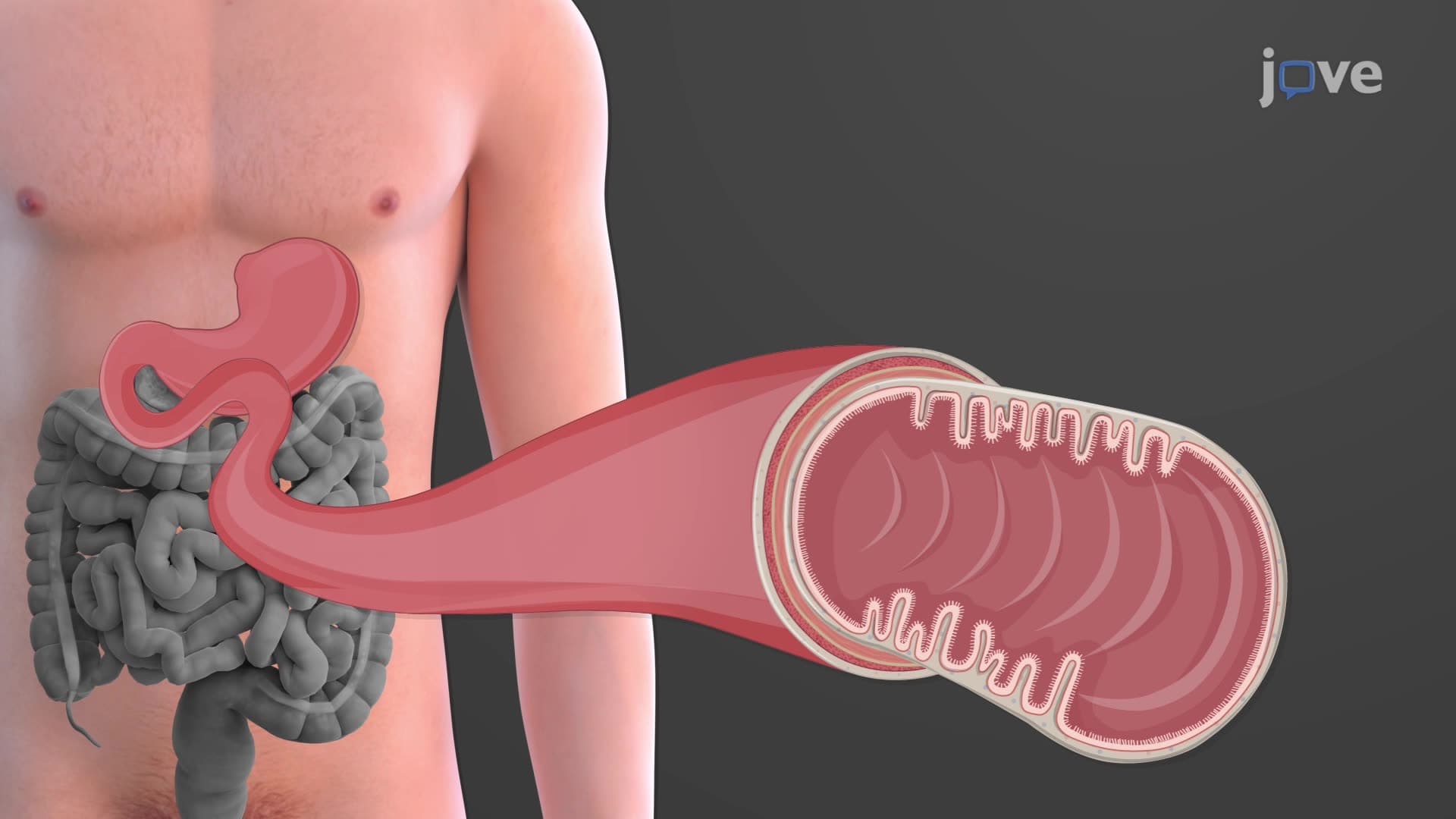
The stomach mucosal barrier biology represents one of the most sophisticated protective systems in human physiology. This multi-layered defense mechanism prevents the stomach from digesting itself while maintaining optimal conditions for food breakdown and pathogen elimination.
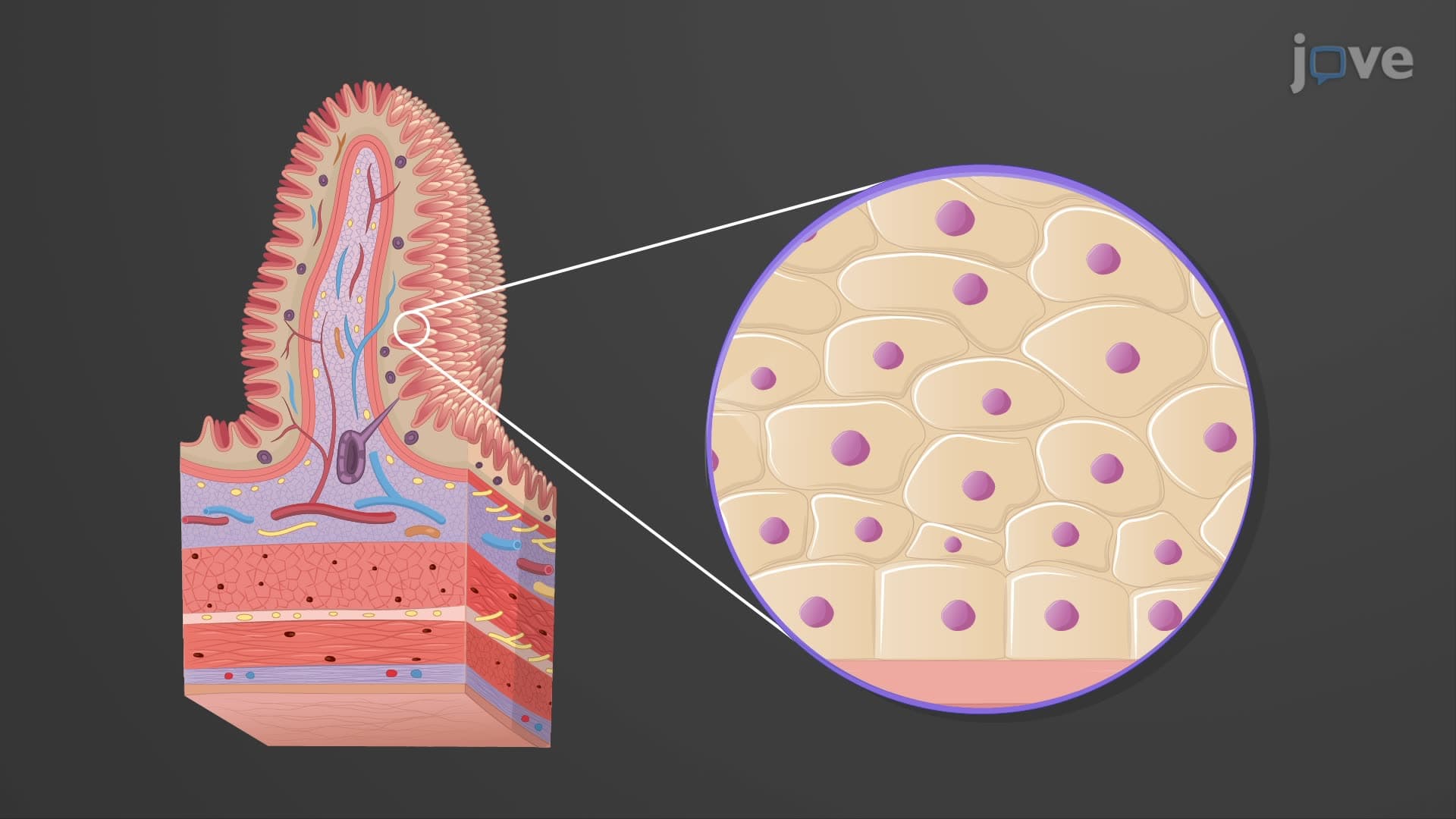
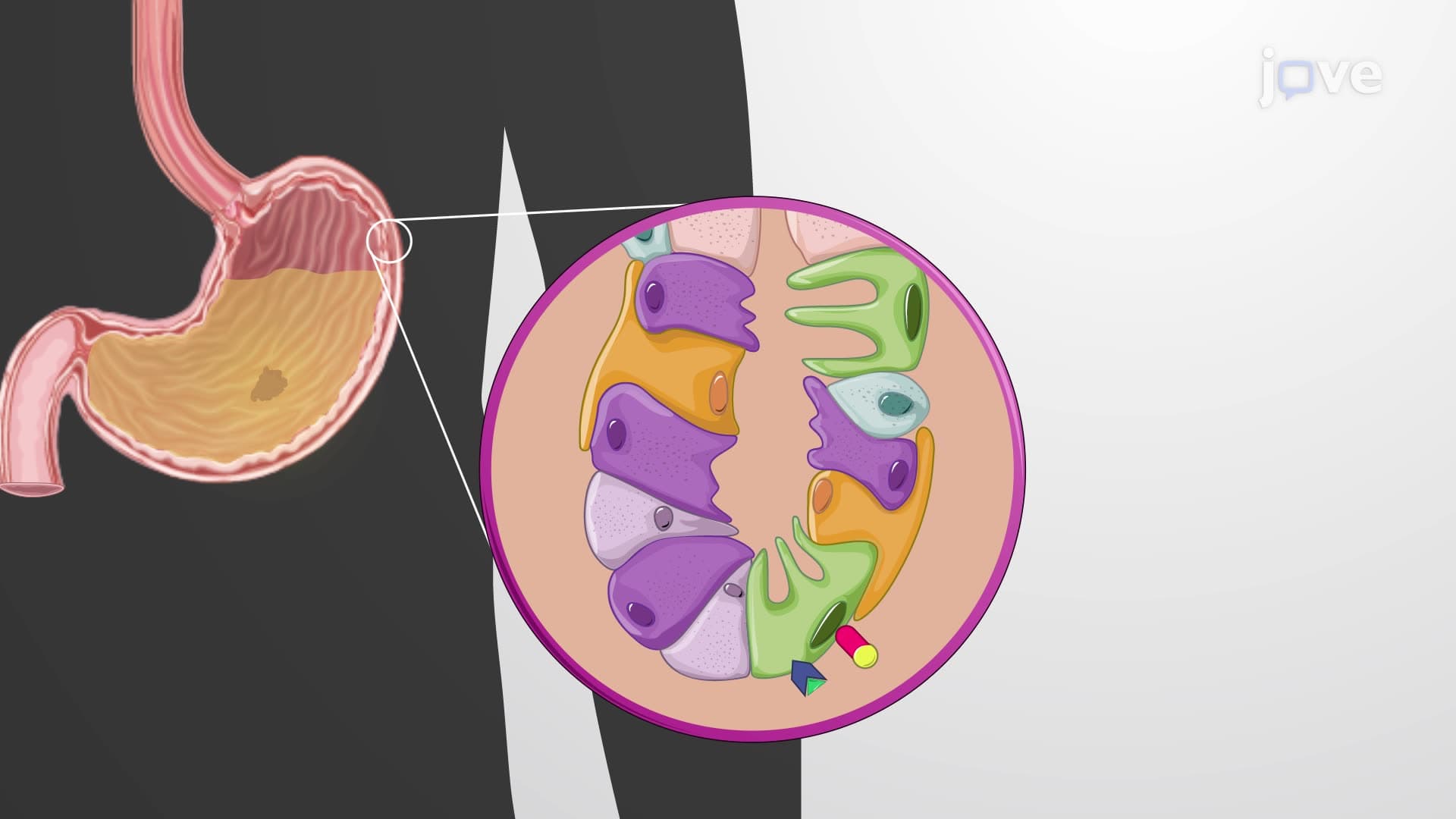
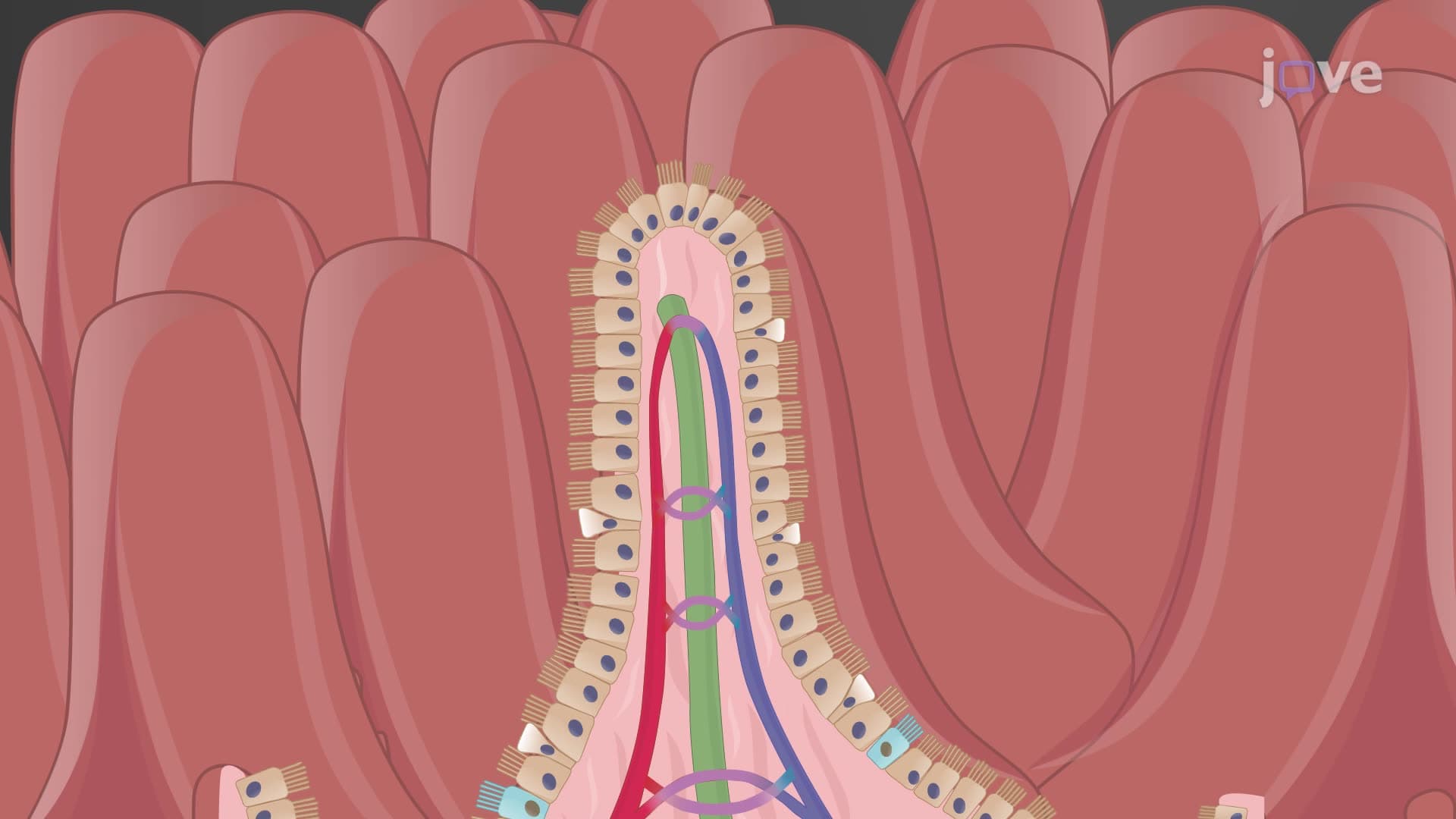
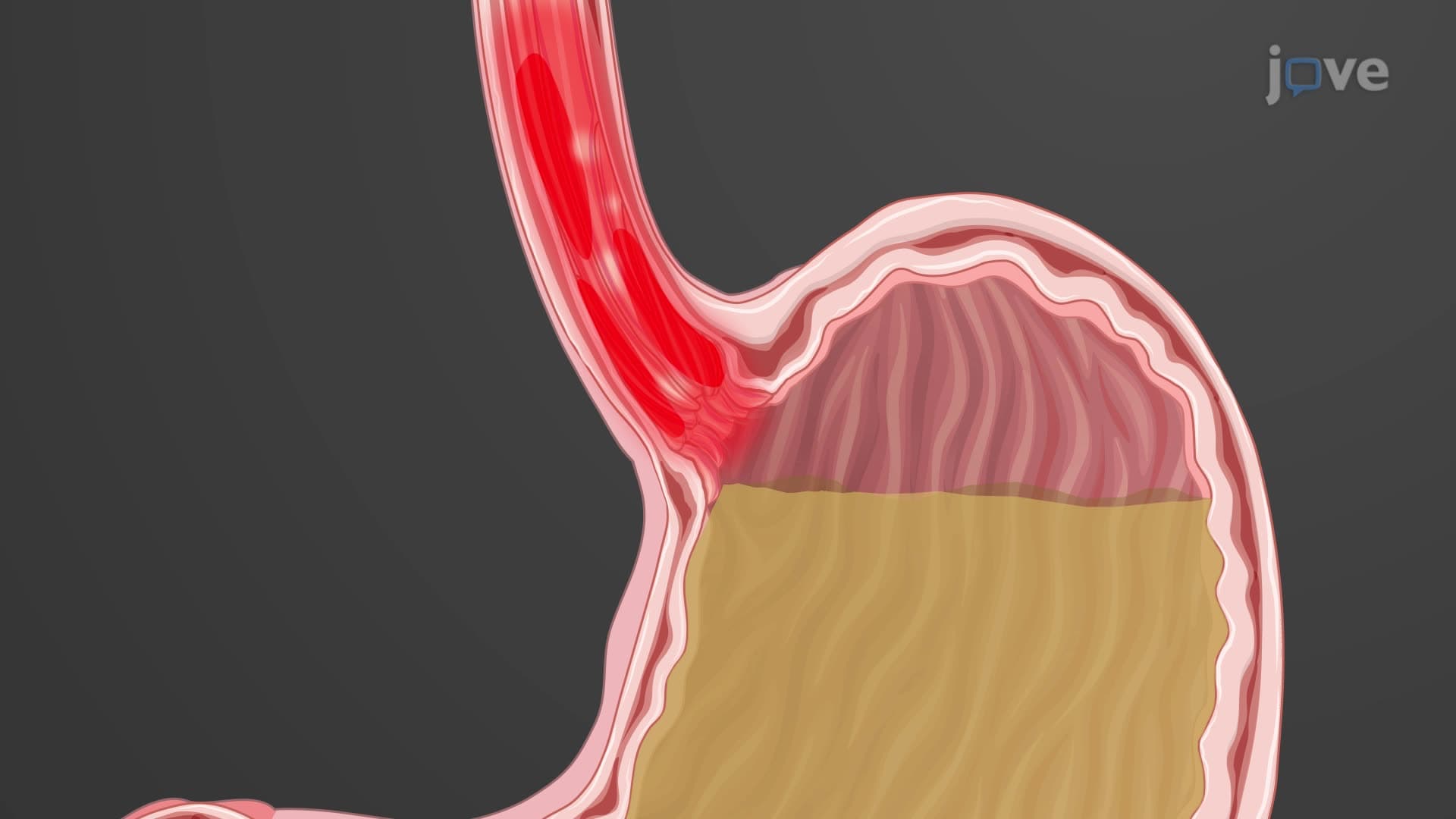
The gastric mucosal protection explained involves three primary defensive layers. First, the mucus bicarbonate gastric barrier creates a pH gradient that neutralizes acid near epithelial cells. Specialized surface mucous cells secrete alkaline mucus containing bicarbonate ions, forming a protective gel layer approximately 200 micrometers thick. This barrier maintains a near-neutral pH at the epithelial surface despite the stomach's acidic environment.
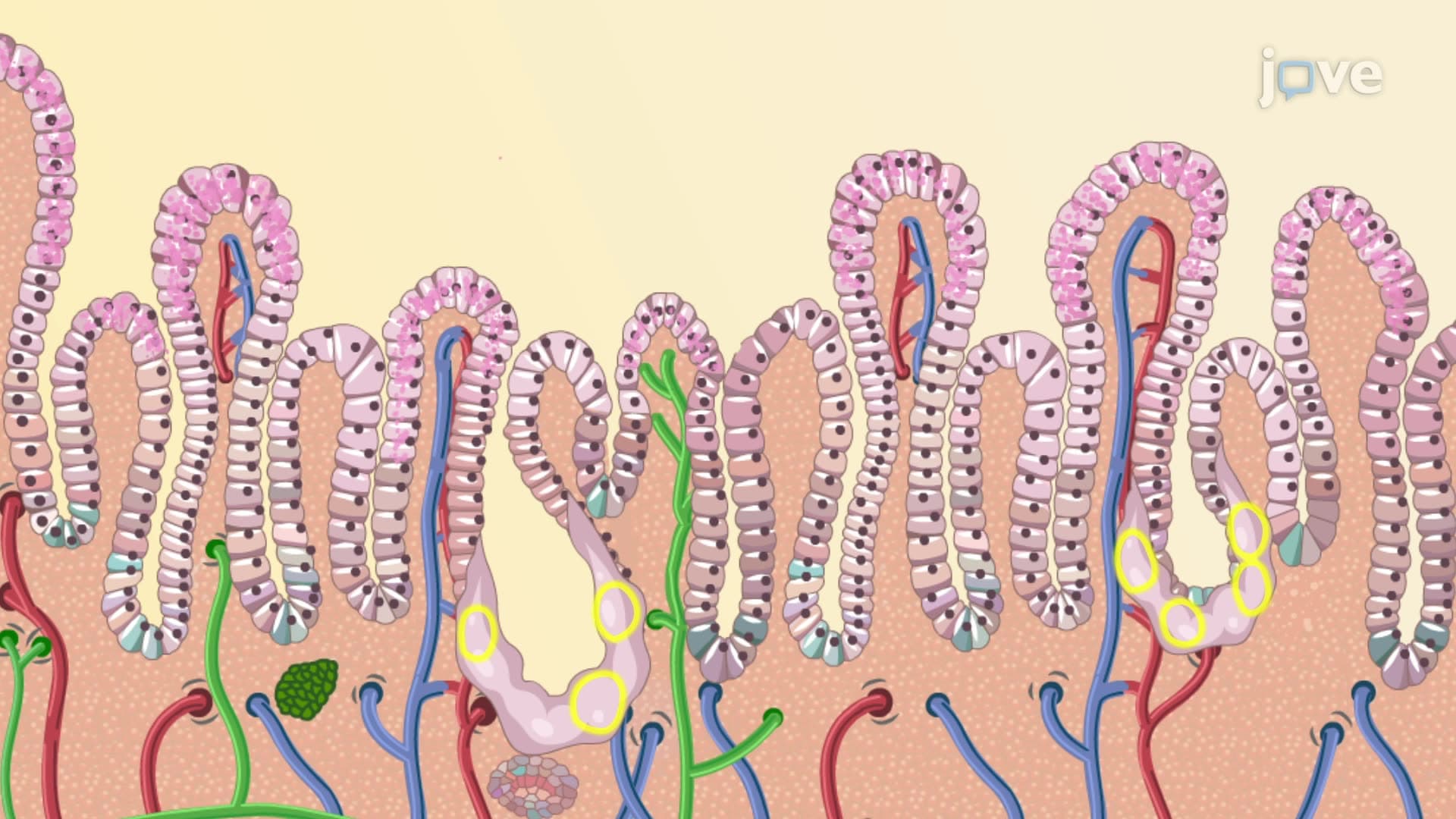
Second, tight junctions between epithelial cells create an impermeable seal preventing acid penetration into deeper tissues. These protein complexes, including claudins and occludins, maintain barrier integrity even under acidic stress. Third, prostaglandin gastric mucosal mechanisms stimulate mucus and bicarbonate secretion while promoting blood flow to support cellular repair.
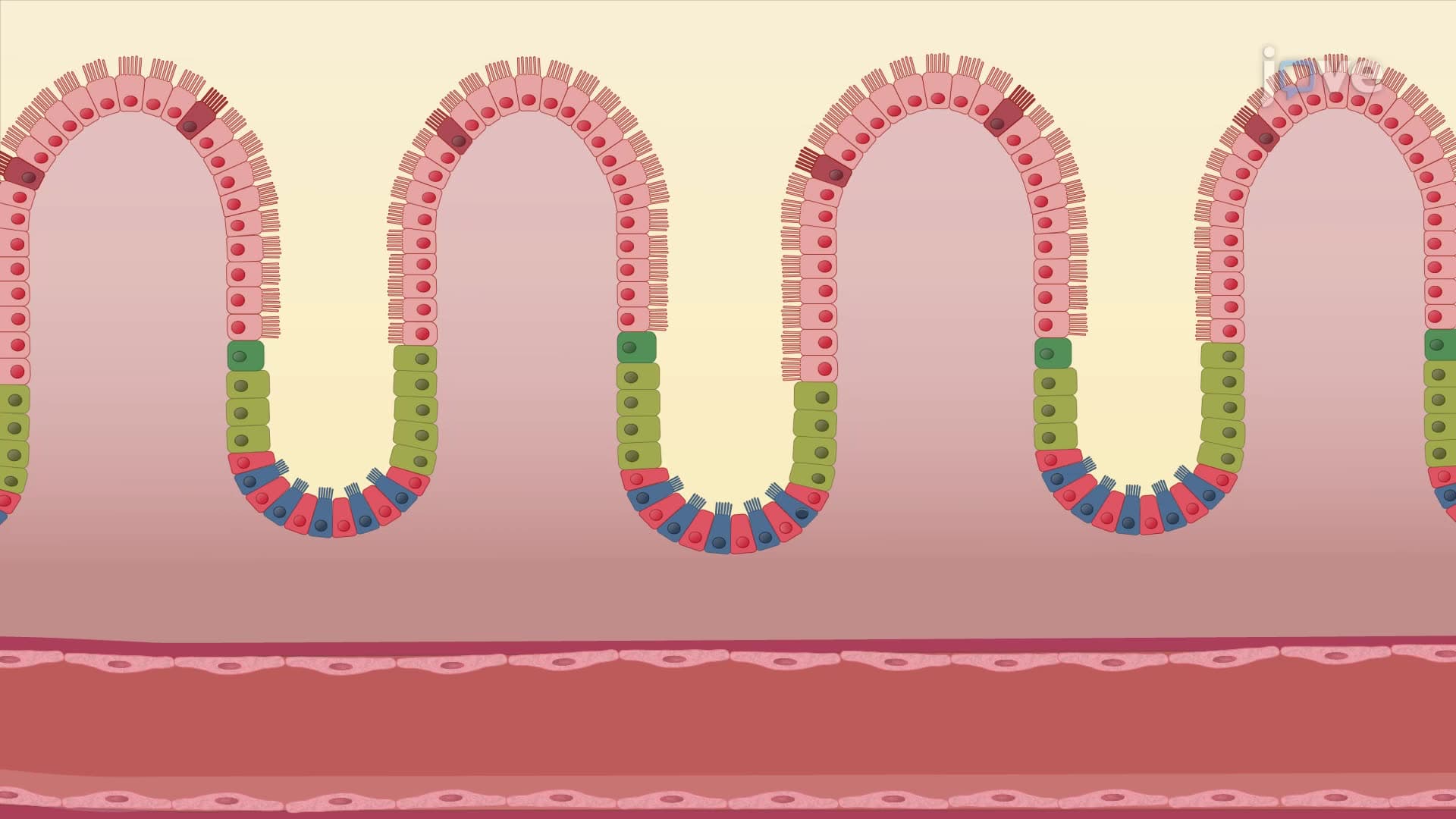
The stomach lining protection includes remarkable regenerative capabilities. Gastric epithelial cells have the shortest lifespan of any body tissue, completely replacing themselves every 3-5 days. Stem cells located in gastric glands rapidly divide to replace damaged surface epithelium, ensuring continuous barrier maintenance.
This rapid turnover proves essential for students studying for the MCAT or AP Biology exams, as questions often focus on cellular regeneration rates and protective mechanisms. Understanding these concepts helps explain why certain medications like proton pump inhibitors effectively treat acid-related disorders by reducing acid production rather than just neutralizing existing acid.
Mucosal barrier HCl protection becomes critically important in clinical settings. At institutions like Cleveland Clinic, gastroenterologists regularly treat patients whose barriers have been compromised by Helicobacter pylori infections or prolonged NSAID use. These conditions demonstrate how disrupted barrier function leads to peptic ulcers, affecting over 4 million Americans annually.
College students preparing for healthcare careers should understand that barrier dysfunction underlies many gastric pathologies. This knowledge proves essential for USMLE Step 1 preparation, where gastroenterology questions frequently test understanding of normal barrier function versus pathological states.
Related Micro-courses