Loading subject page…

- Anatomy and Physiology
- Digestive System
- Nerve Supply of the GI Tract
Micro-course: Digestive System
89,748 views
Learn key concepts and earn your certificate.



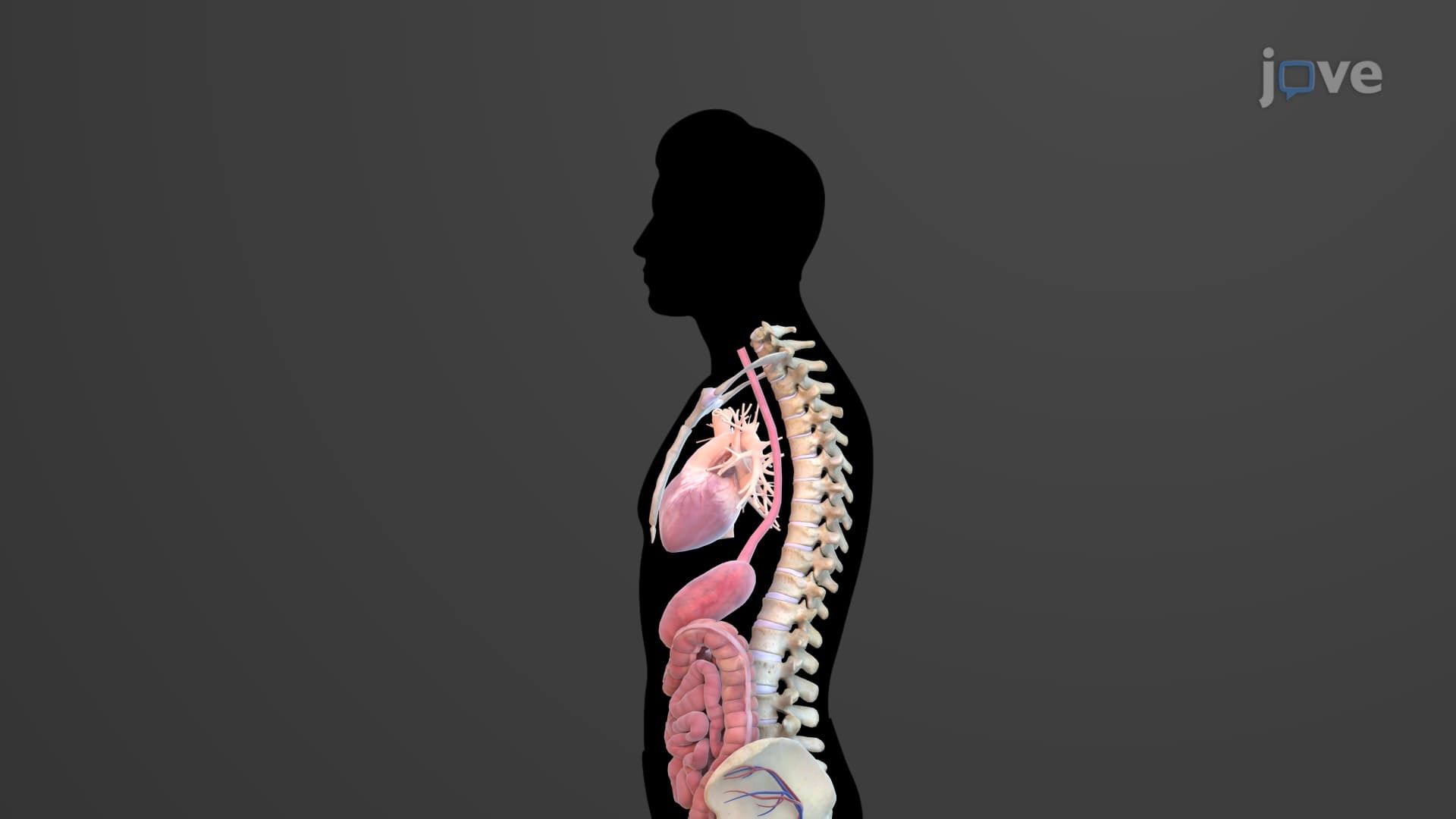
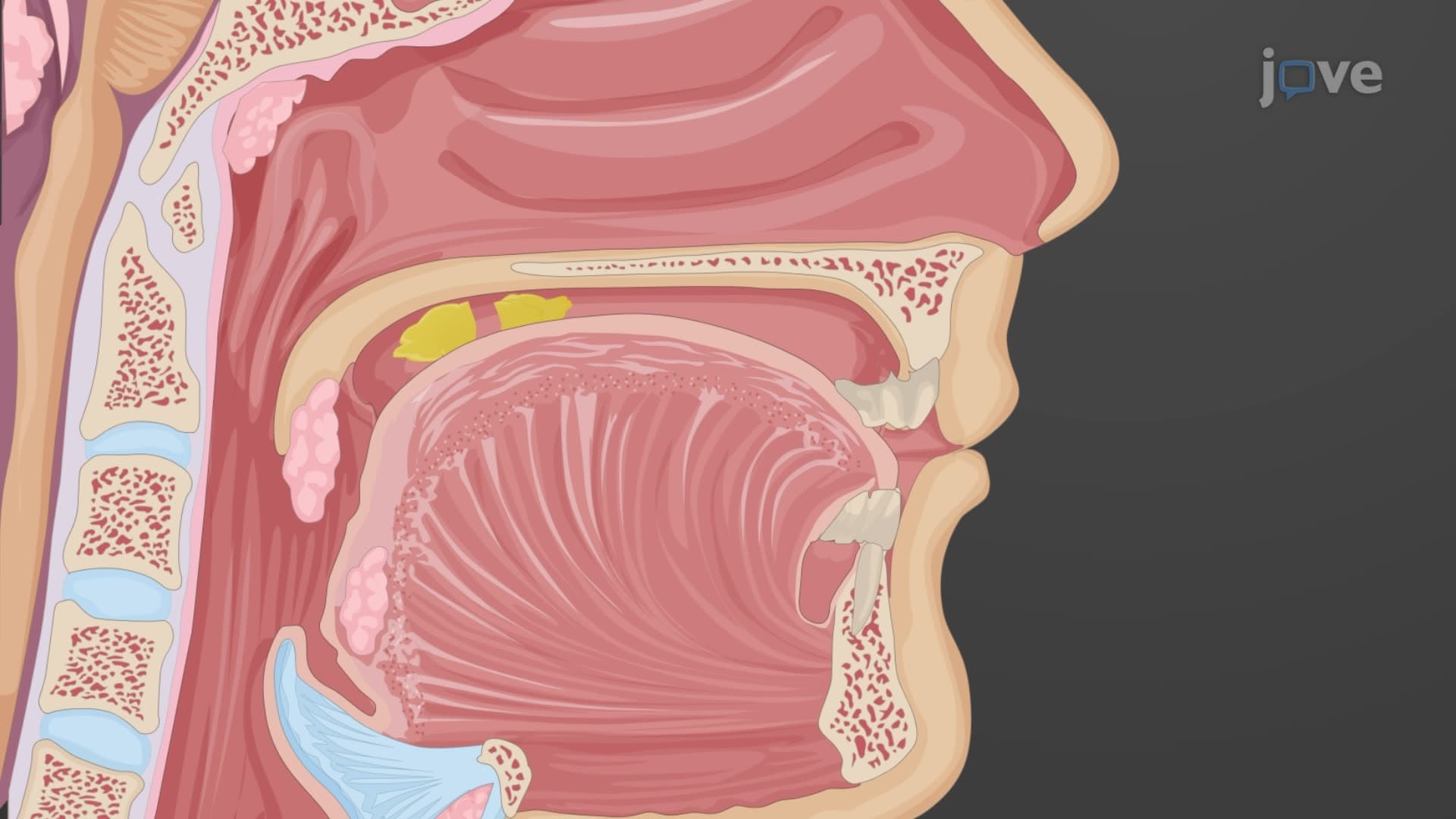
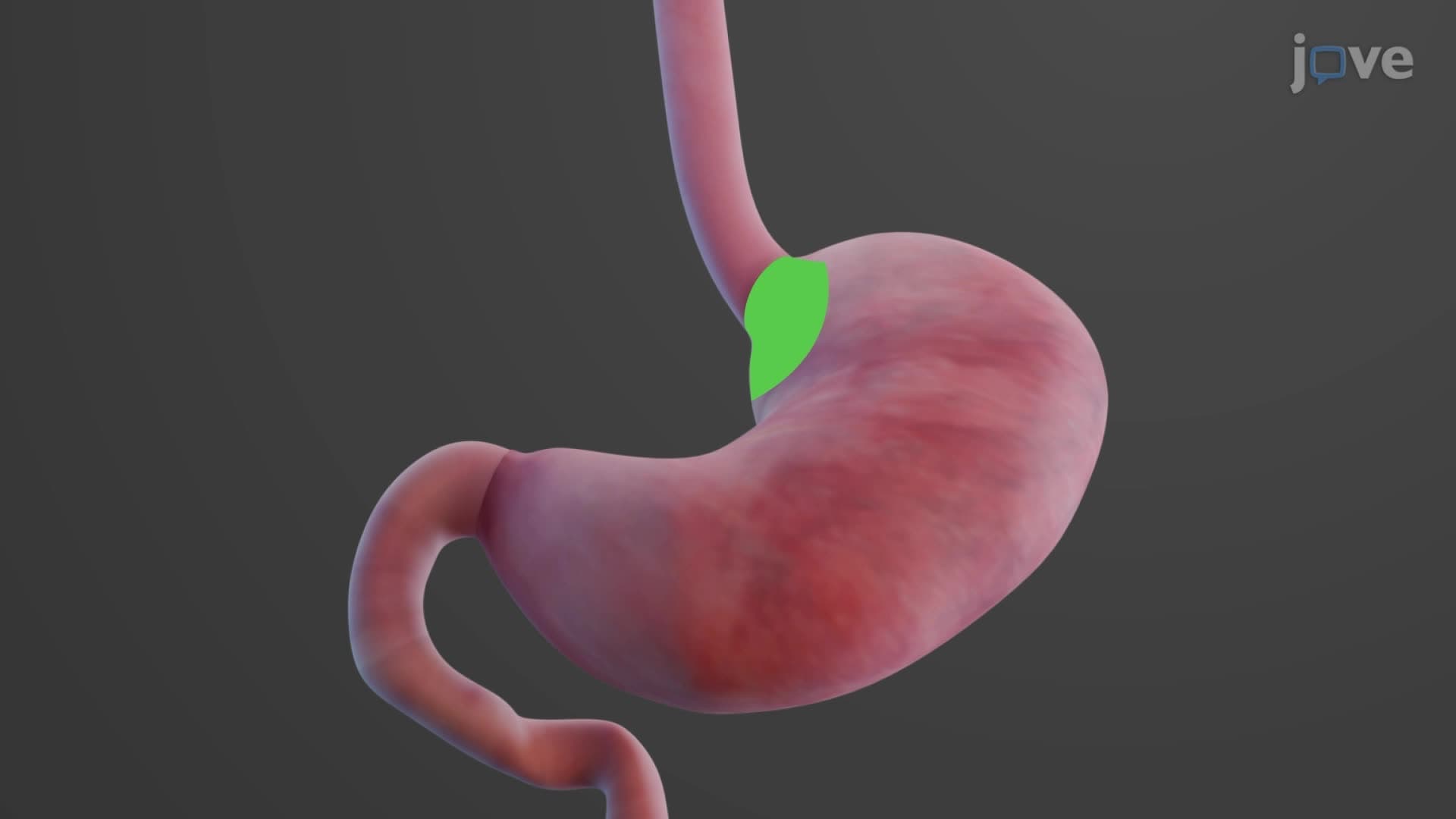
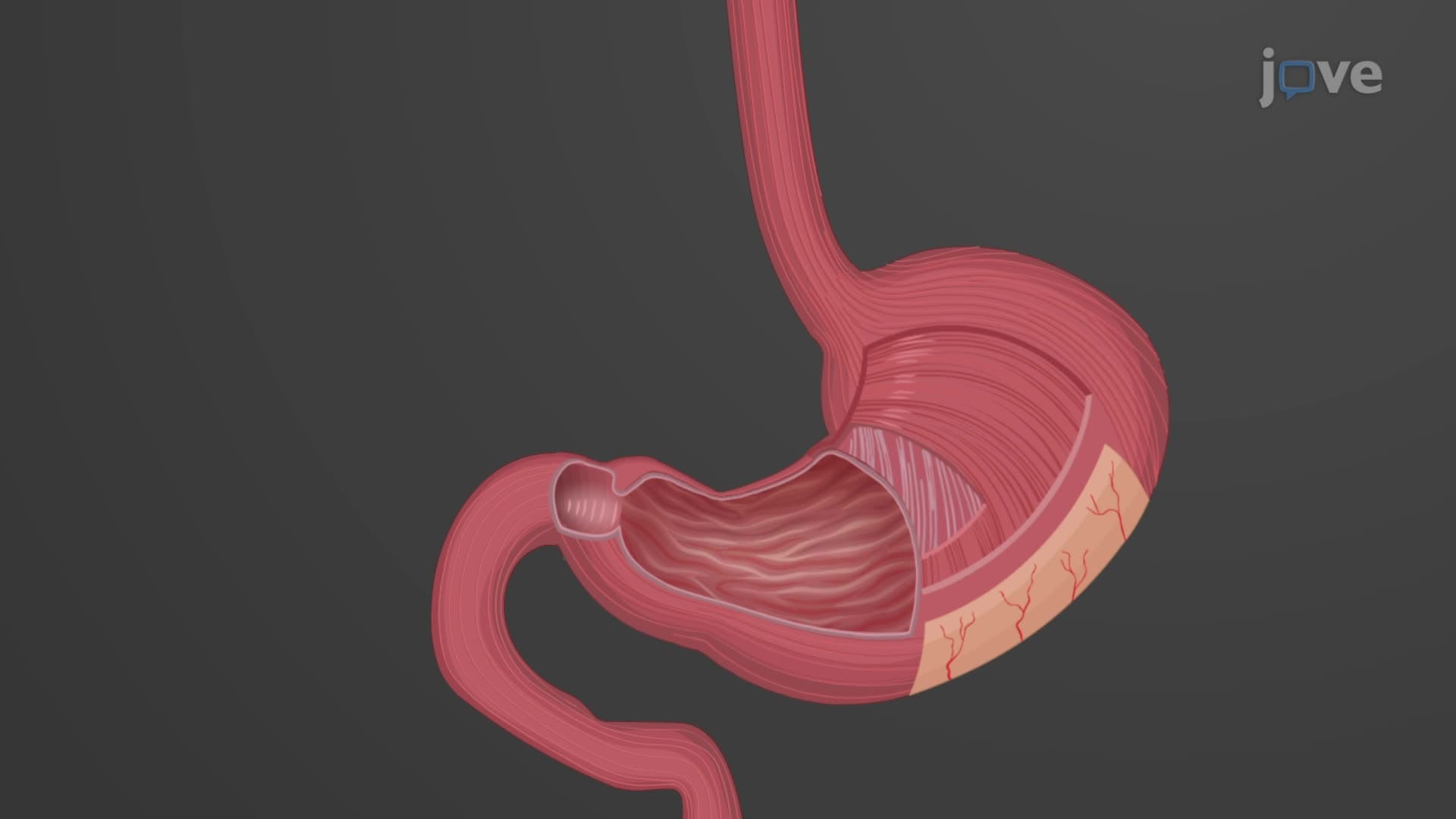

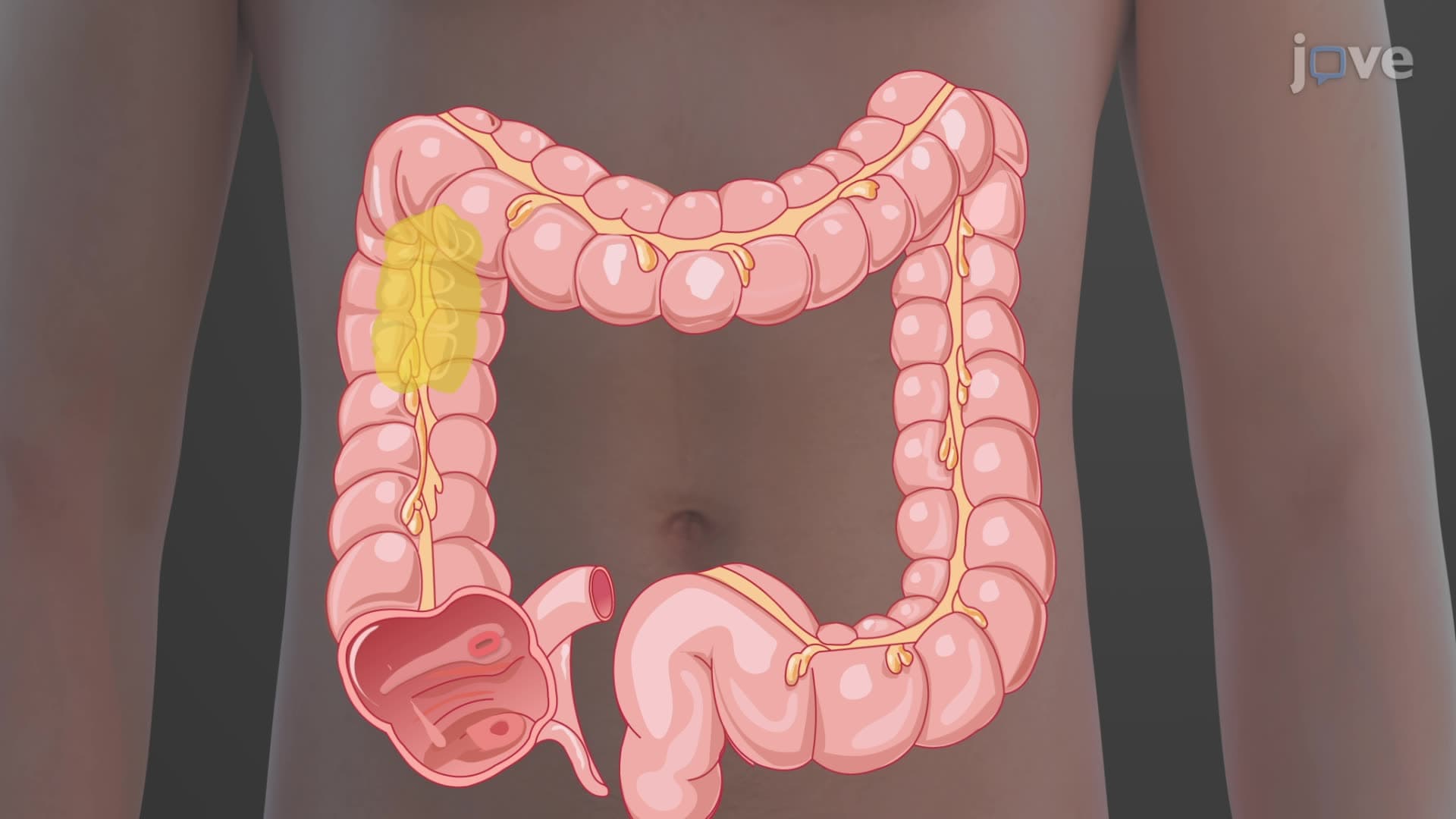
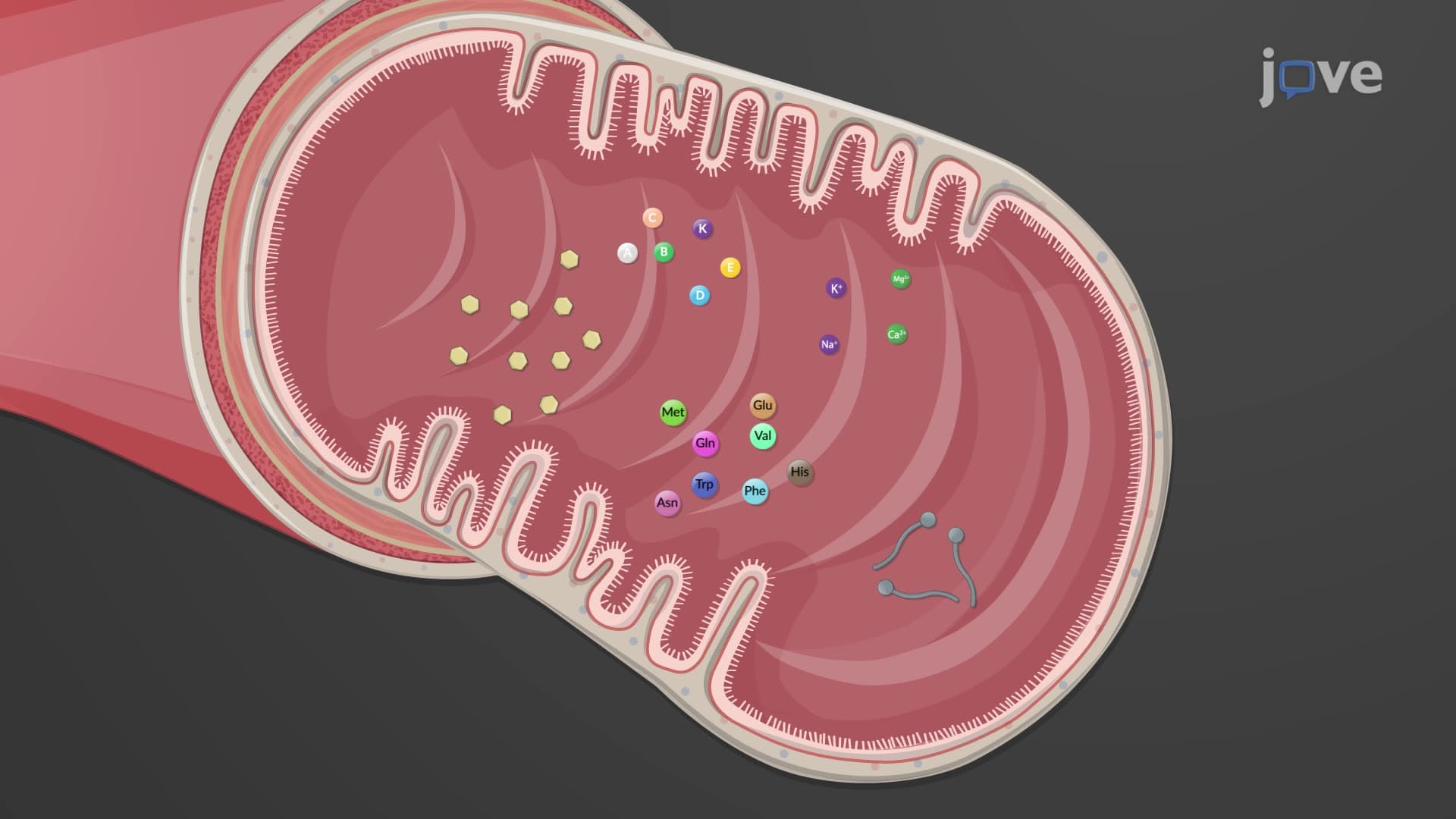
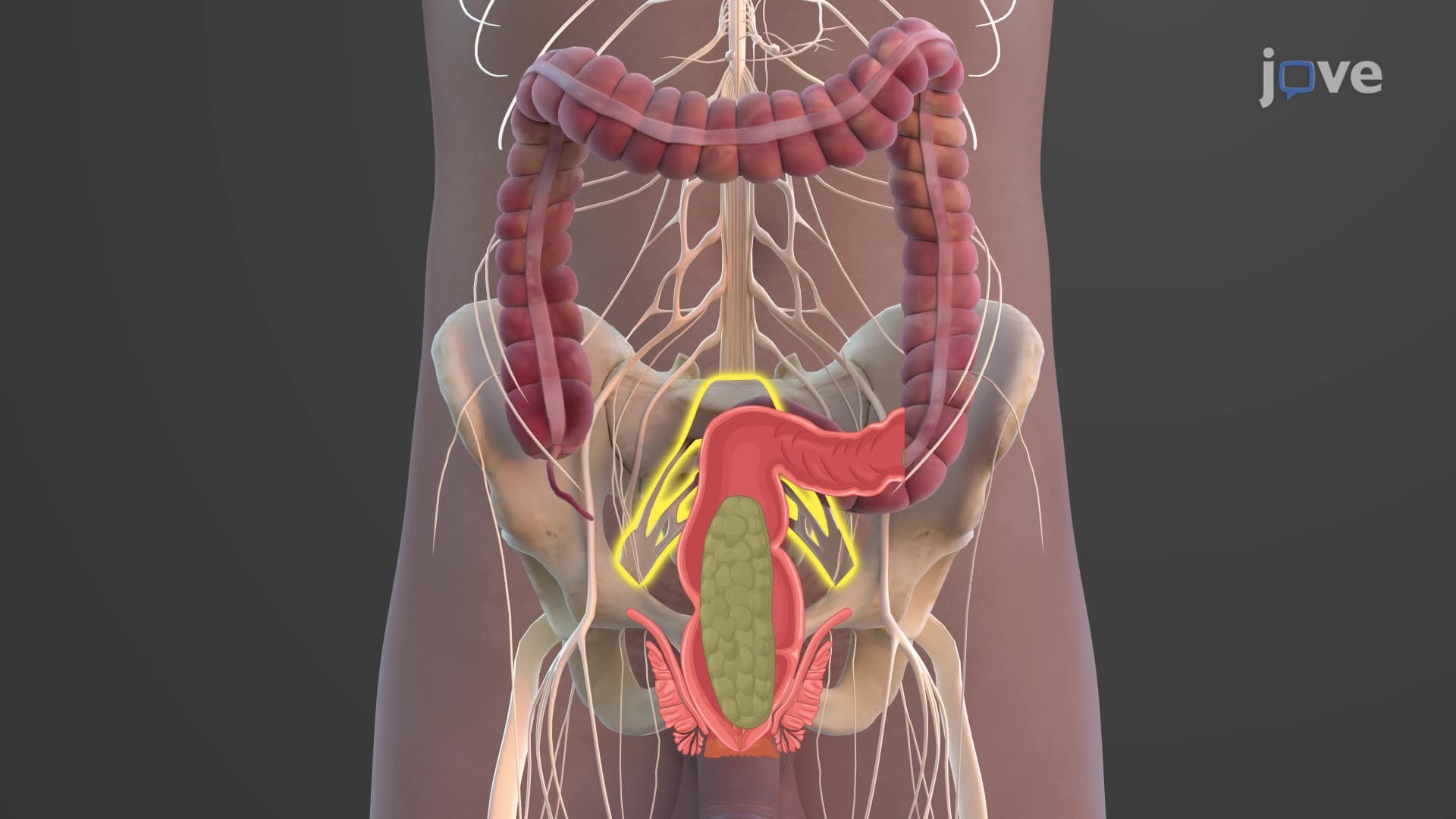
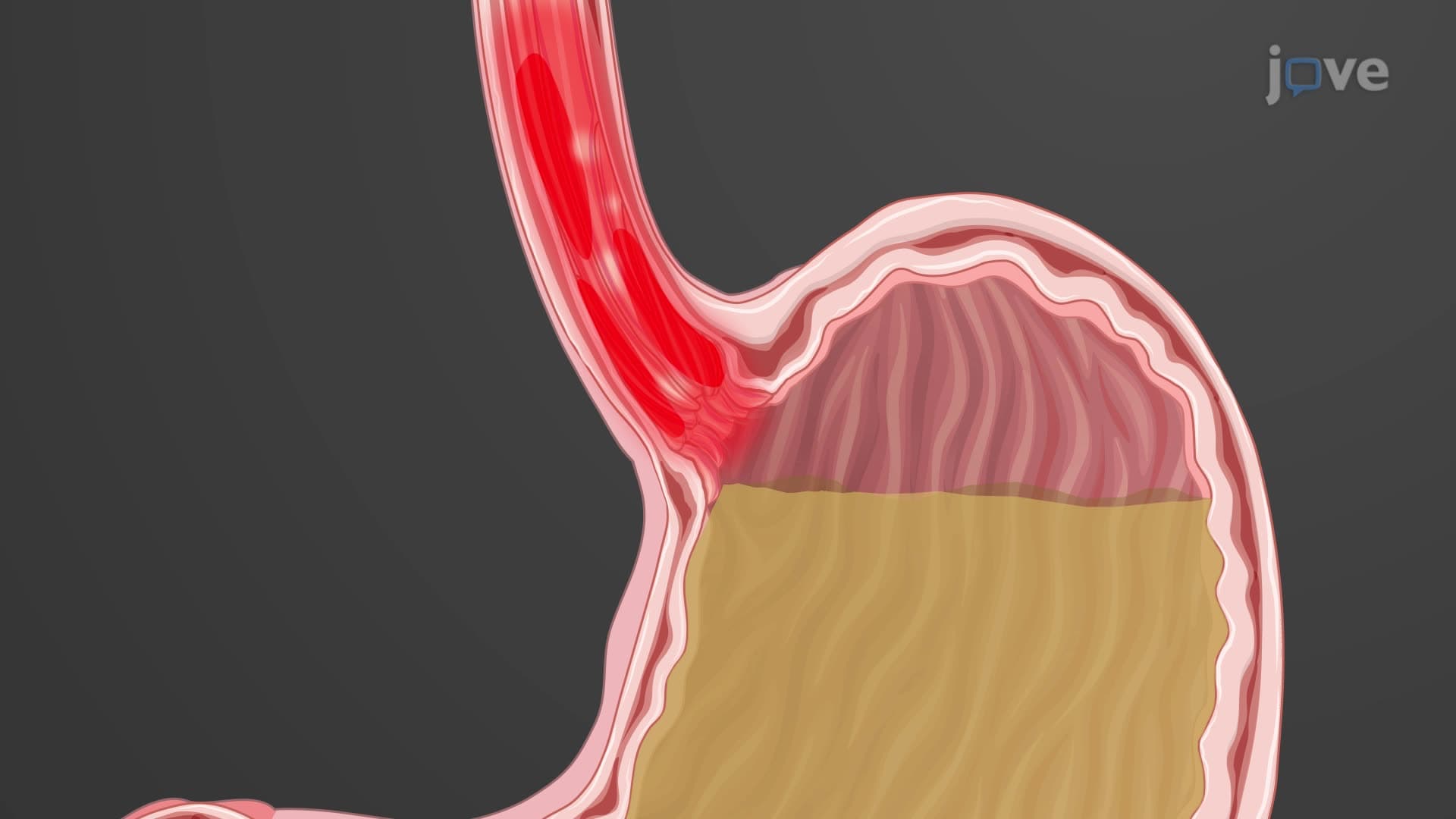
Nerve Supply of the GI Tract

00:00
01:27
Video Summary: What Is Nerve Supply Gi Tract
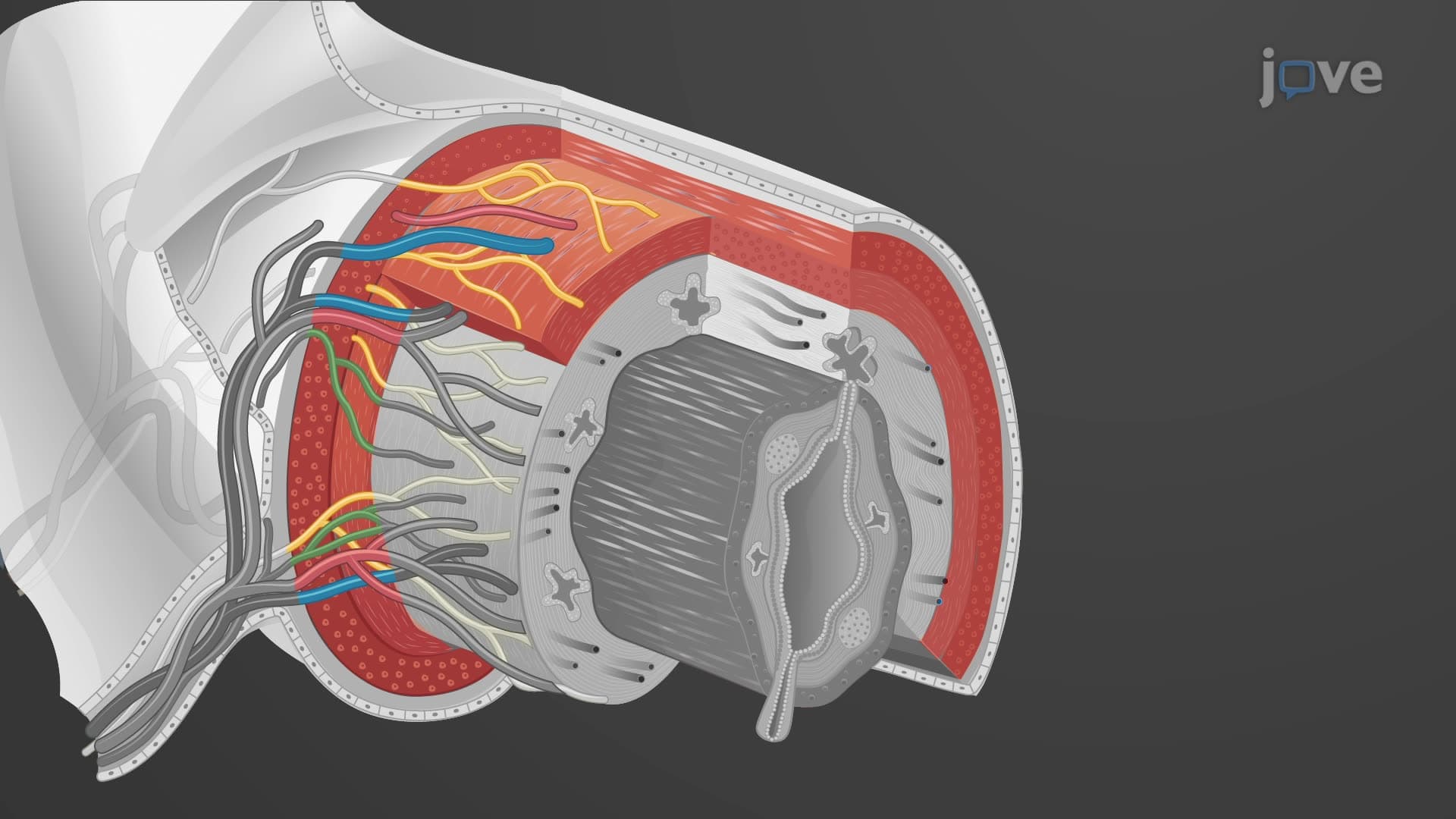
Ever wondered why you lose your appetite when nervous before a big exam? The GI tract nerve supply operates like a sophisticated control center, with your gut containing more neurons than your spinal cord! This intricate gut innervation system manages everything from stomach acid production during meals to the digestive slowdown students experience during SAT testing stress. Understanding what is the nerve supply to the GI tract reveals how your "second brain" coordinates digestion independently while responding to emotional states. Watch the full video on JoVE Coach to master this concept with expert-led visuals and step-by-step explanations.
- Understand what is nerve supply GI tract and how the enteric nervous system functions as an independent neural network within digestive organs
- Identify the two main components of gut innervation: myenteric (Auerbach's) plexus controlling motility and submucosal (Meissner's) plexus regulating secretions
- Analyze how parasympathetic stimulation via vagus and pelvic splanchnic nerves enhances digestive activities including peristalsis and enzyme secretion
- Compare sympathetic versus parasympathetic effects on GI function, particularly how stress responses inhibit normal digestive processes
- Evaluate the clinical significance of autonomic GI innervation in conditions like irritable bowel syndrome and gastroparesis
- Apply knowledge of ENS gut nerve supply to explain real-world phenomena like "butterflies in stomach" and stress-related digestive issues
- Recognize how emotional states directly influence gut function through sympathetic nervous system activation
- Explore the connection between enteric nervous system dysfunction and gastrointestinal disorders commonly seen in clinical practice
Understanding GI Tract Nerve Supply Architecture
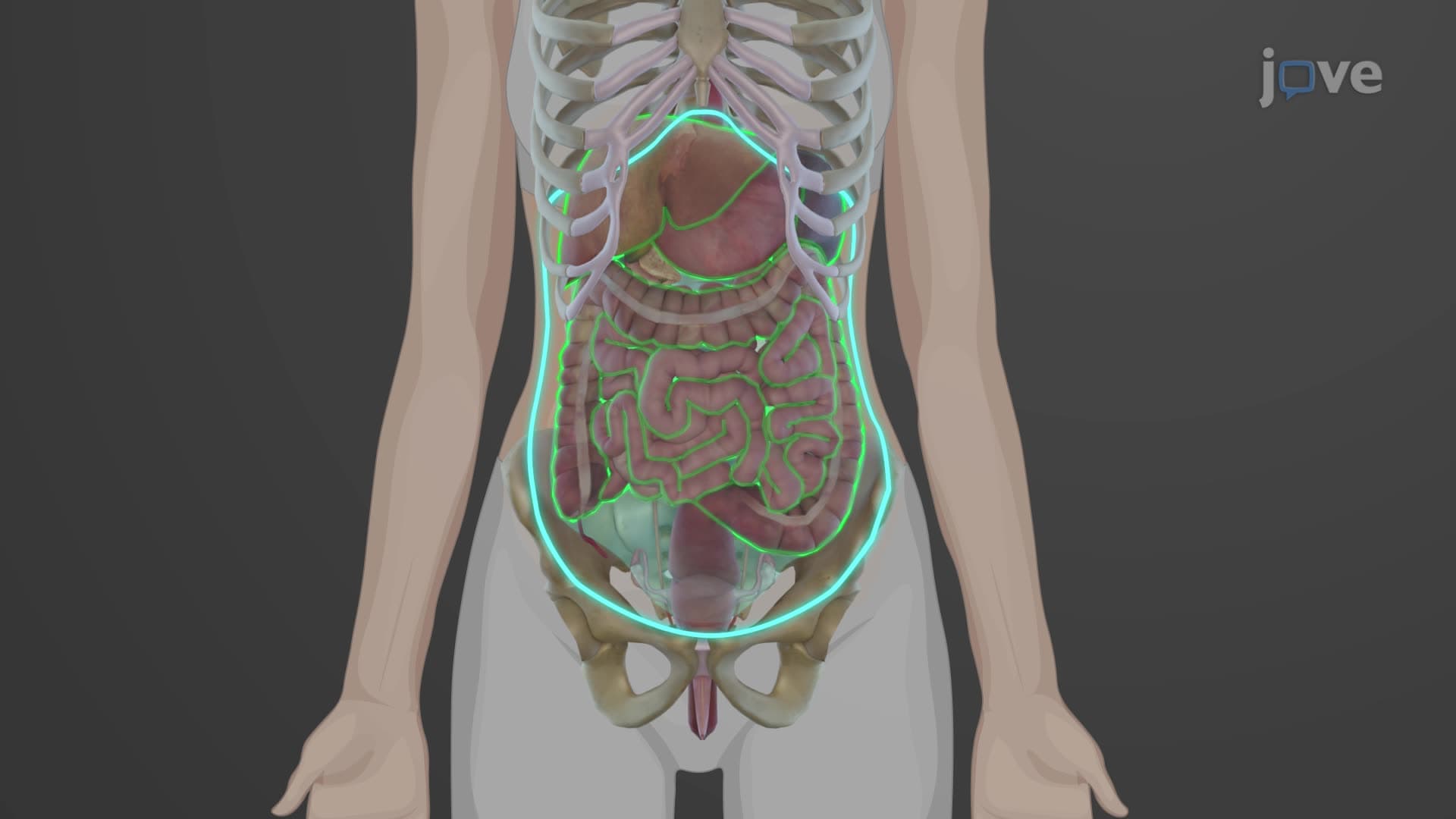
The GI tract nerve supply represents one of medicine's most fascinating examples of neural independence. Unlike other organ systems that rely heavily on central nervous system control, your digestive tract possesses its own "brain", the enteric nervous system (ENS). This remarkable network contains approximately 500 million neurons, more than the entire spinal cord, making gut innervation explained biology a critical topic for students pursuing healthcare careers.
The Enteric Nervous System: Your Gut's Independent Controller
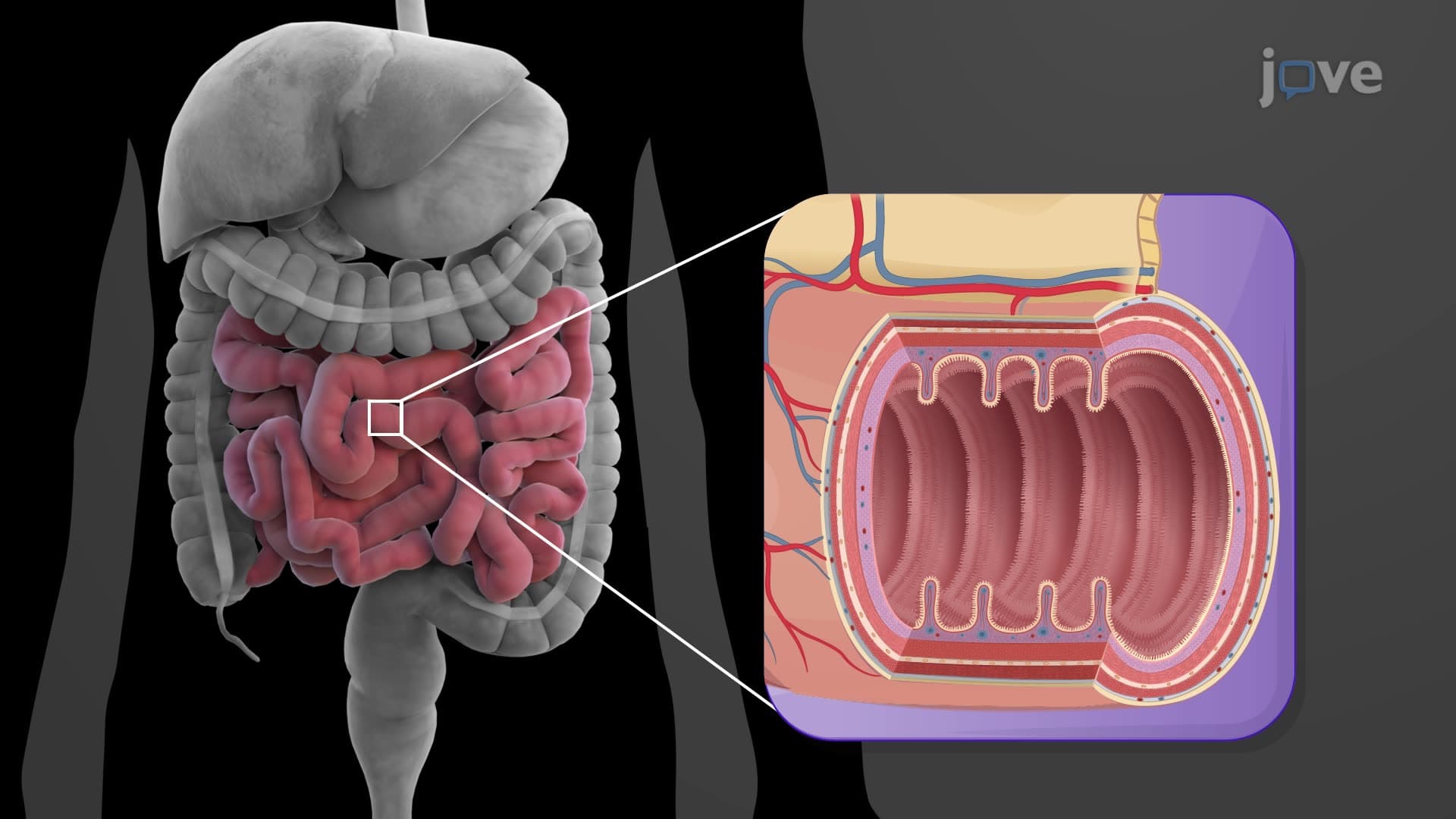
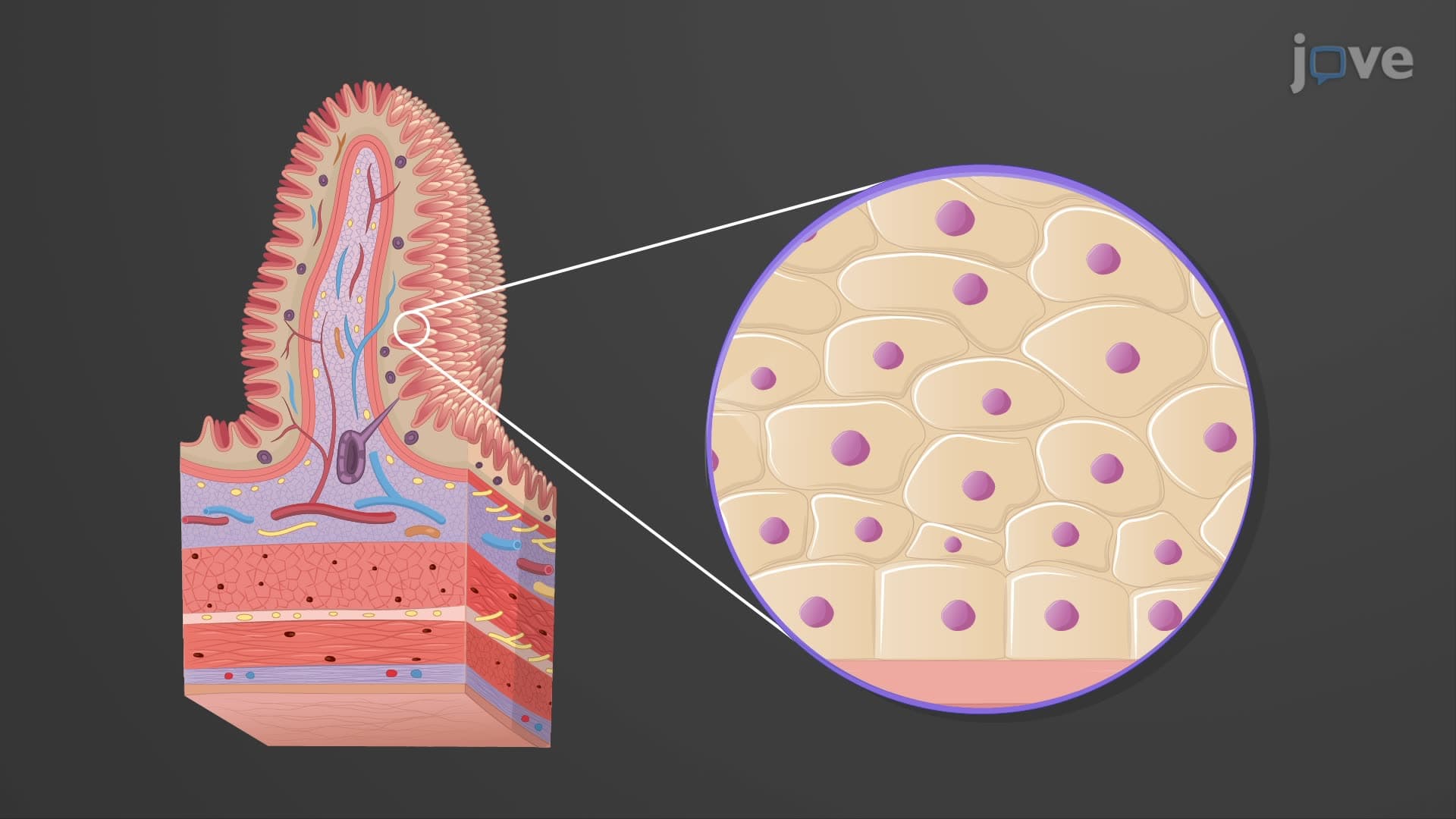
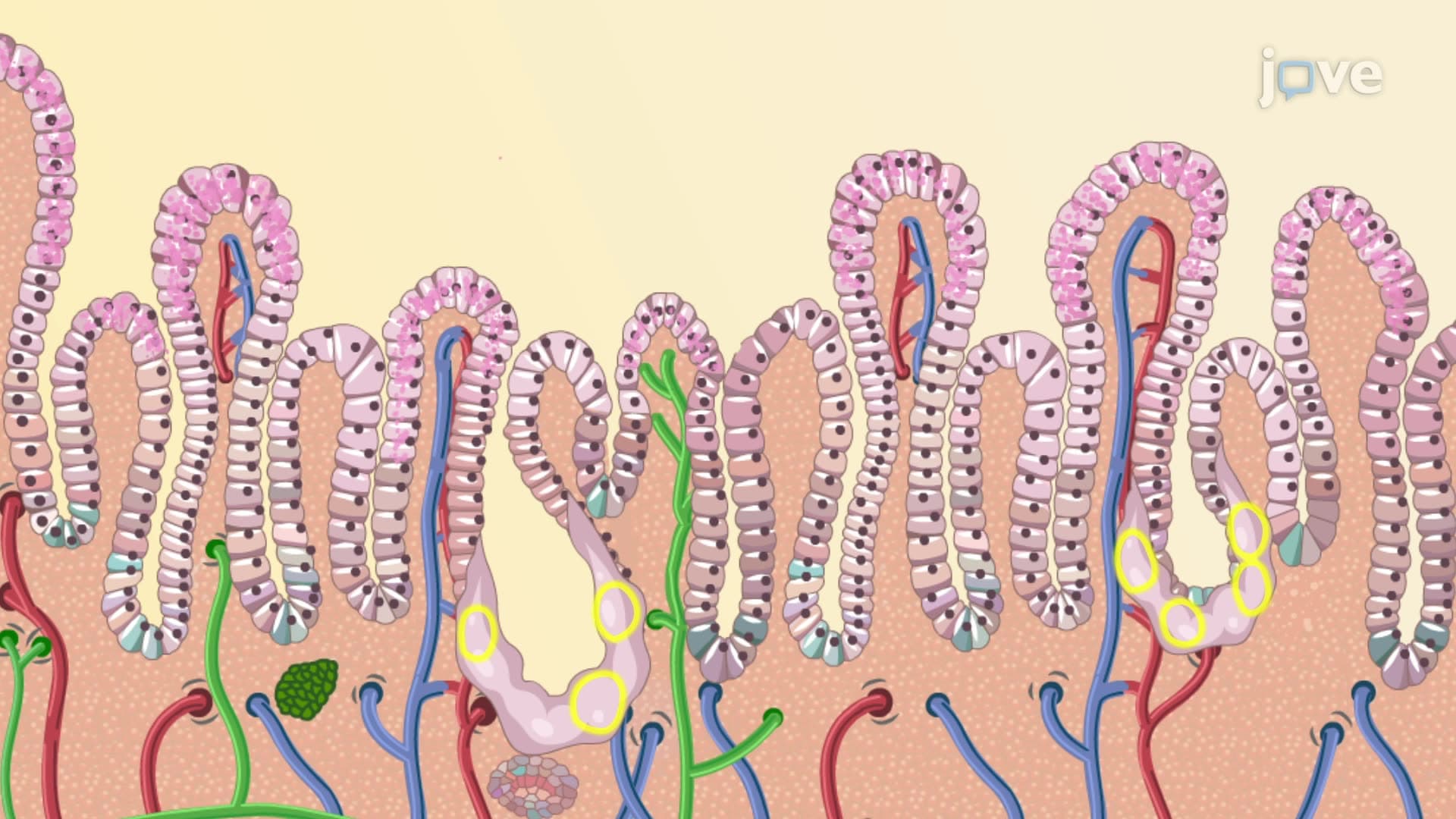
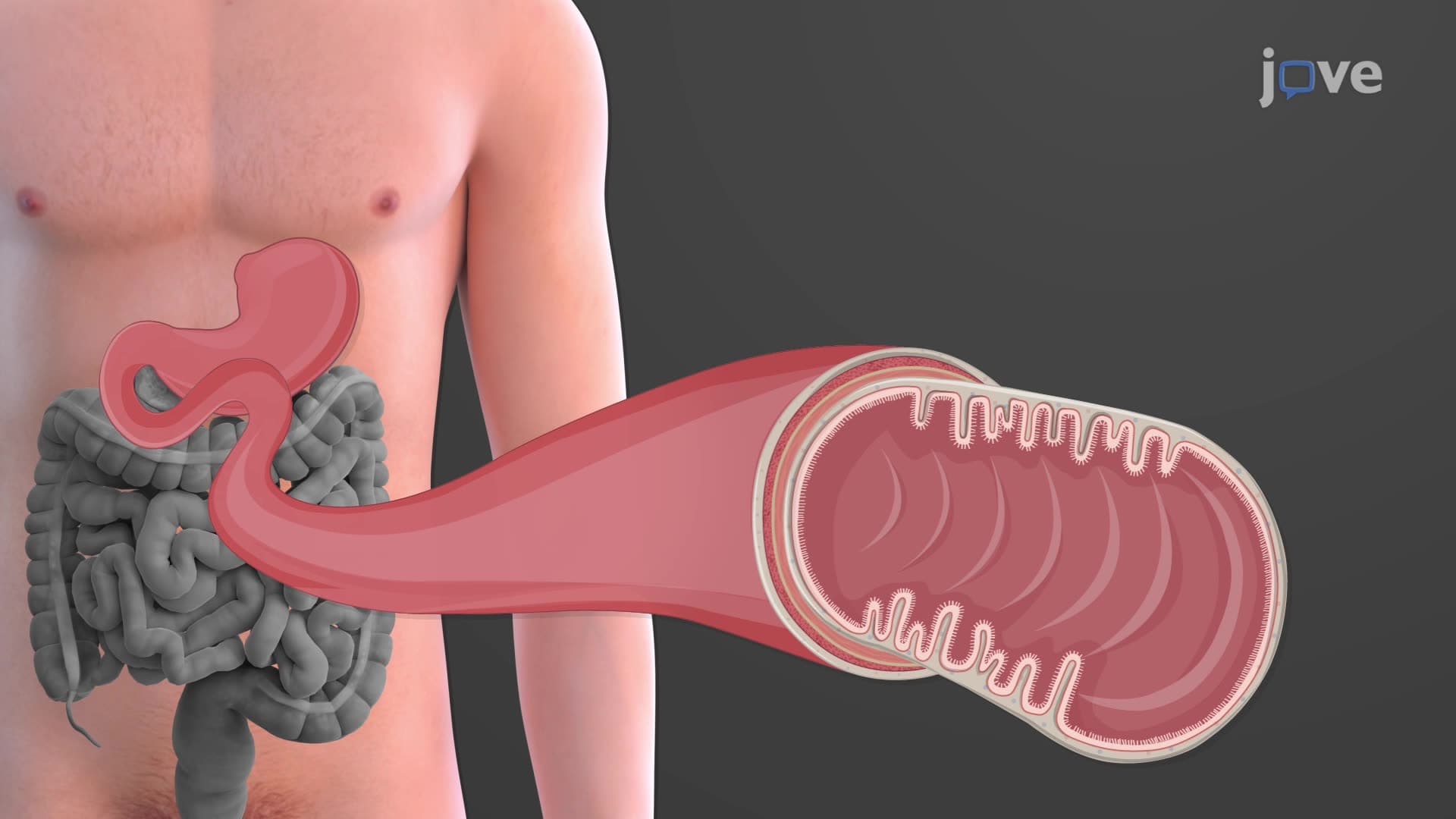
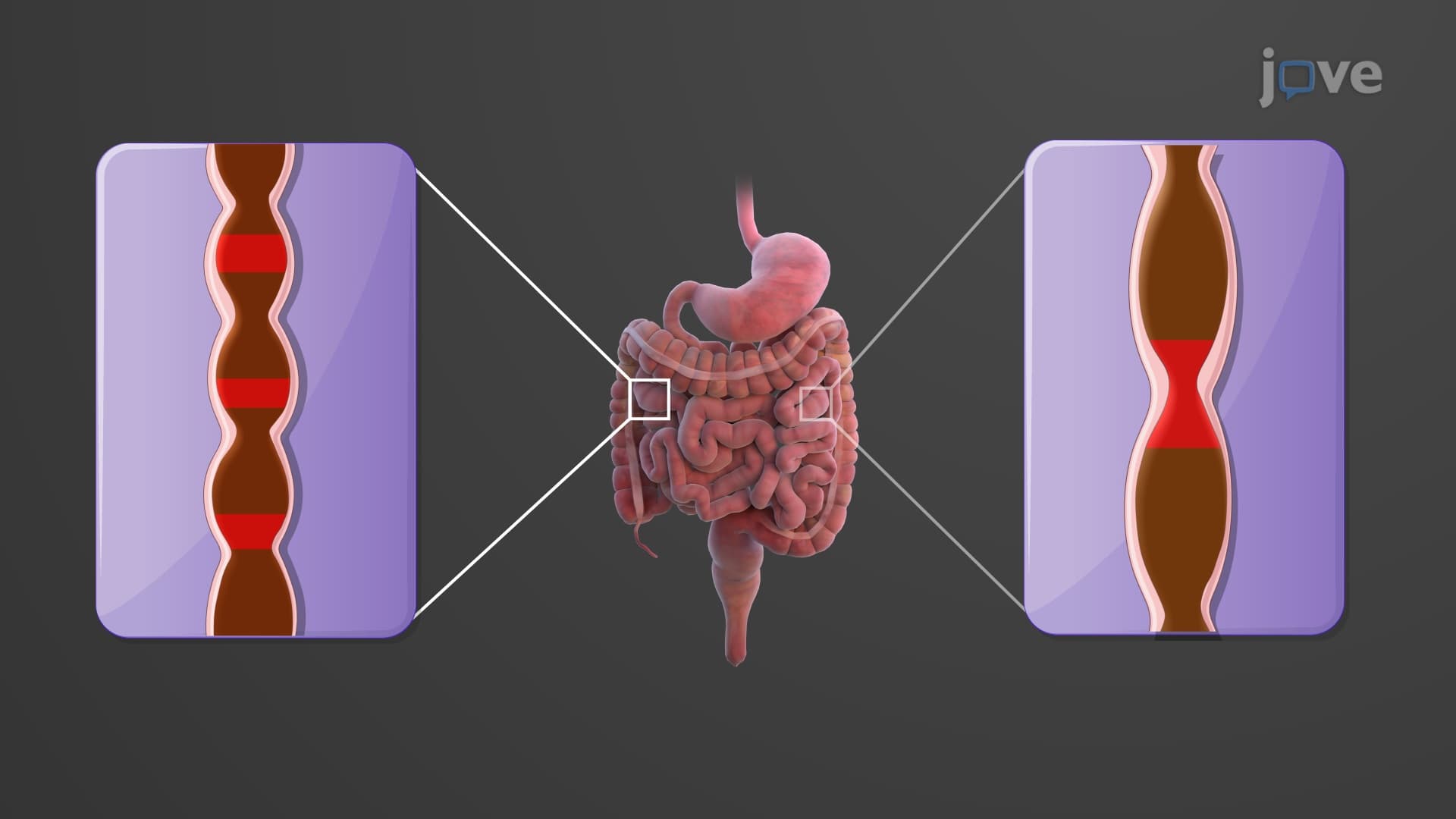
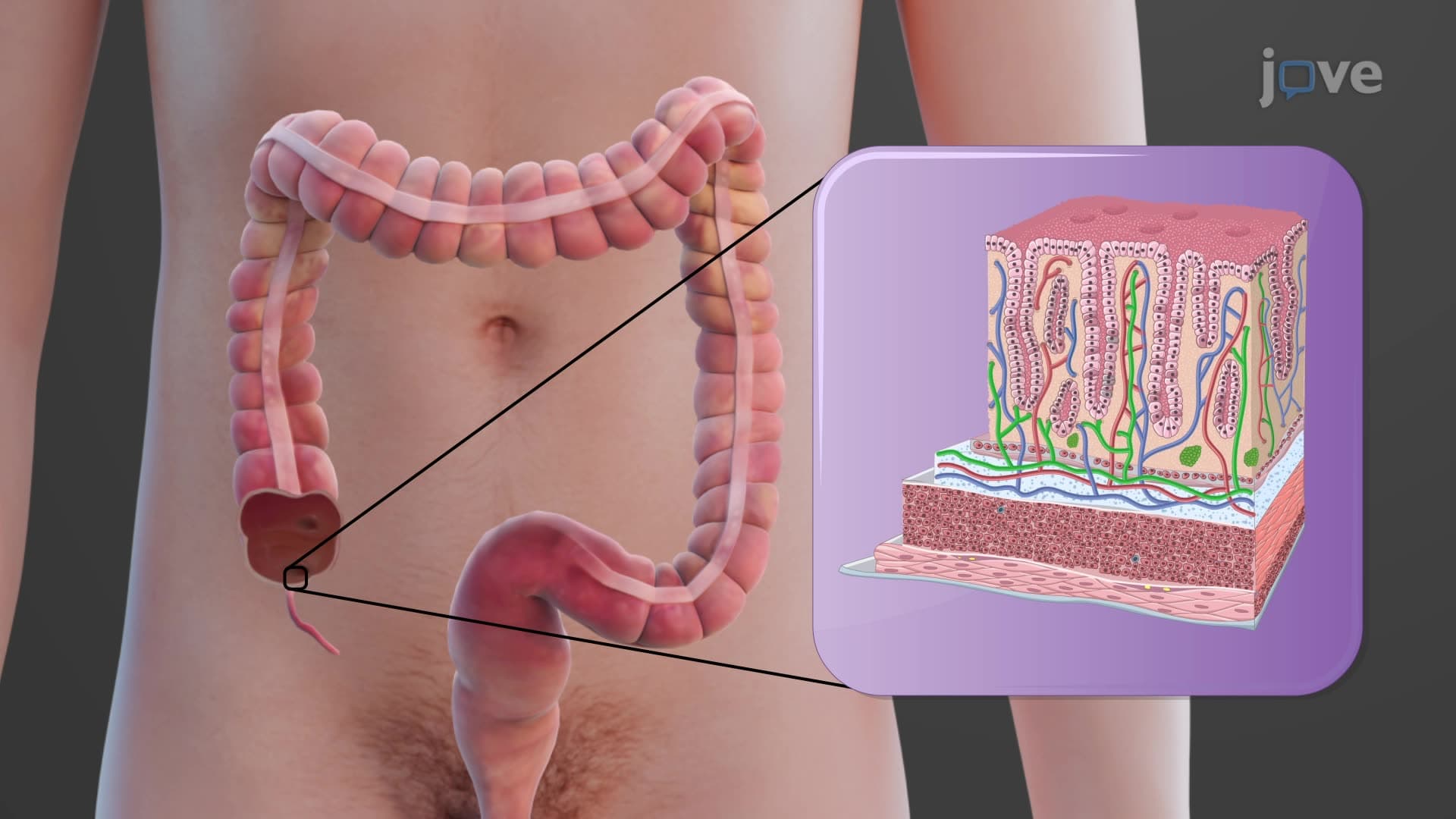
The enteric nervous system gut operates through two primary neural networks. The myenteric plexus (Auerbach's plexus) sits between smooth muscle layers of the muscularis propria, orchestrating the rhythmic contractions that move food through your digestive tract. Meanwhile, the submucosal plexus (Meissner's plexus) resides within the submucosal layer, controlling secretions from gastric glands, intestinal crypts, and pancreatic ducts. This dual-network system explains why patients with spinal cord injuries can still maintain basic digestive functions.
Autonomic Control: The External Influence
Autonomic GI innervation provides external modulation of ENS activity. Parasympathetic input, primarily through the vagus nerve (cranial nerve X) and pelvic splanchnic nerves, acts like pressing the "accelerator" on digestion. These nerves stimulate both plexuses, increasing gastric acid secretion, enhancing peristalsis, and promoting nutrient absorption, essential processes tested on MCAT and AP Biology exams.
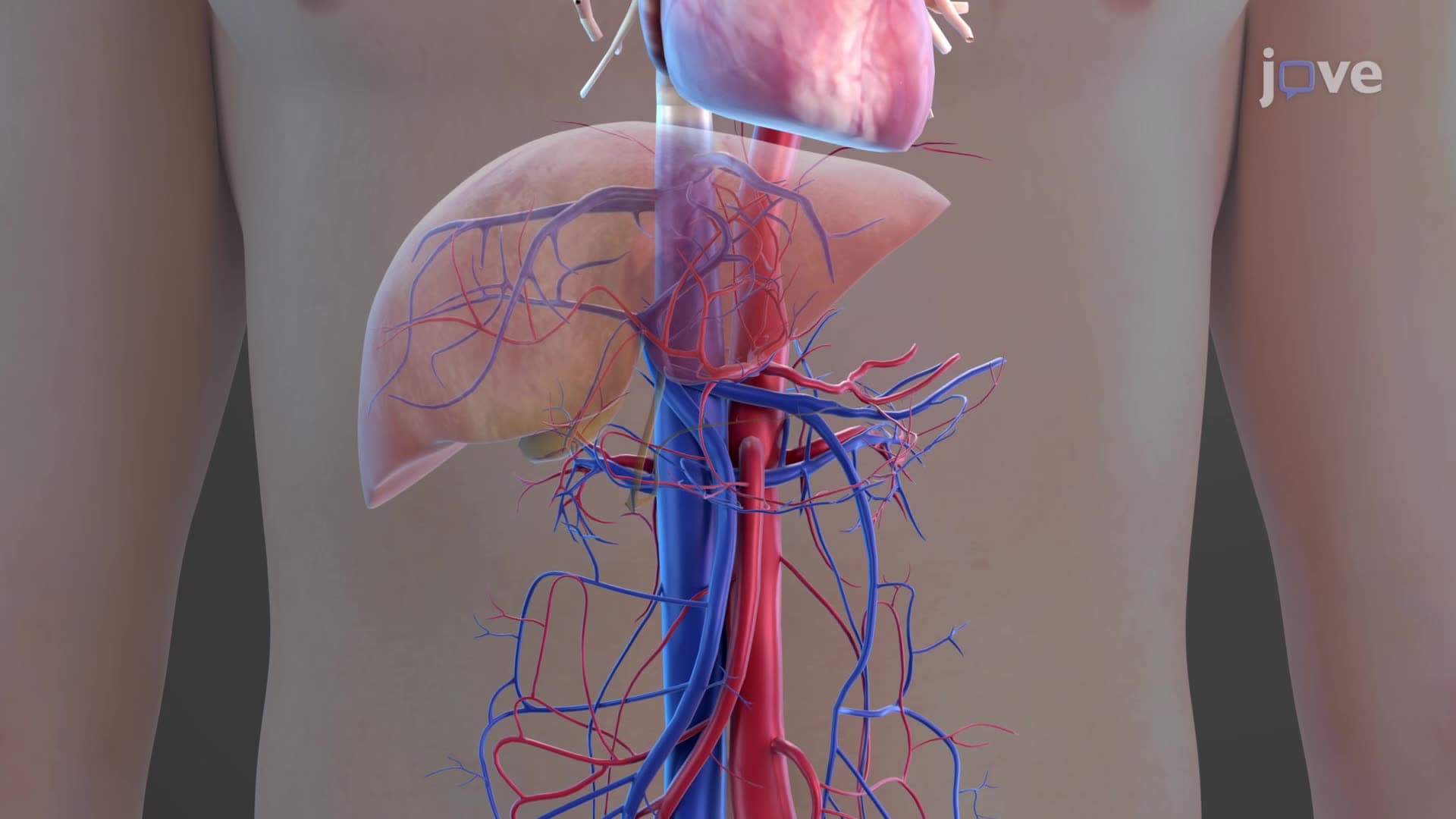
Conversely, sympathetic innervation from thoracic and upper lumbar spinal segments functions as the digestive "brake system." During stress, sympathetic neurons release norepinephrine, which inhibits ENS activity, reduces blood flow to digestive organs, and slows peristalsis. This mechanism explains why students often experience digestive issues during high-stakes testing periods.
Clinical Applications and Real-World Examples
Understanding ENS gut nerve supply proves crucial for diagnosing conditions like Hirschsprung disease, where congenital absence of enteric neurons causes severe constipation in newborns. At major US medical centers like Mayo Clinic and Johns Hopkins, gastroenterologists routinely evaluate ENS function when treating functional bowel disorders. This knowledge directly applies to USMLE Step 1 questions about gastrointestinal physiology and pathology.
Frequently Asked Questions
The GI tract nerve supply consists of an intrinsic enteric nervous system (ENS) plus external autonomic control, making it unique among organ systems. Unlike your heart or lungs, your gut can function independently of central nervous system input thanks to its own neural networks. This "second brain" contains more neurons than your spinal cord and can coordinate digestion even when disconnected from the brain, which is why spinal injury patients retain basic digestive functions.
MCAT questions often focus on autonomic nervous system effects on digestion, particularly sympathetic versus parasympathetic responses. Expect questions about how stress (sympathetic) decreases digestive activity while rest-and-digest states (parasympathetic) enhance it. AP Biology may test ENS components like myenteric and submucosal plexuses, their locations, and specific functions in controlling motility versus secretions.
USMLE Step 1 frequently tests Hirschsprung disease (congenital megacolon), gastroparesis in diabetic patients, and irritable bowel syndrome mechanisms. Step 2 may include clinical vignettes about functional bowel disorders, medication effects on GI motility, and autonomic neuropathy complications. Understanding normal ENS function helps answer questions about when these systems malfunction.
During stressful events like job interviews or final exams, your sympathetic nervous system activates, sending signals that inhibit digestive functions. This explains common experiences like loss of appetite before important presentations or digestive upset during anxiety-provoking situations. The vagus nerve also carries information from gut to brain, influencing mood and stress responses, explaining why digestive issues often accompany depression or anxiety disorders.
Not at all! While the topic involves multiple neural networks, the basic concept is straightforward: your gut has its own nervous system that works with your brain's control systems. Start with understanding parasympathetic stimulation increases digestion while sympathetic decreases it, then build complexity by learning about the two main plexuses. Many successful pre-med students first encounter this material in high school AP Biology.
Use location-based mnemonics: "Myenteric = Muscle motility" (both start with 'M') for the plexus between muscle layers controlling movement. "Submucosal = Secretion" (both start with 'S') for the plexus in submucosa controlling secretions. Create diagrams showing their anatomical positions, and practice drawing the layers of the GI wall with plexus locations marked.
Progress to studying specific neurotransmitters in ENS function (acetylcholine, serotonin, nitric oxide), then explore clinical conditions like achalasia, diabetic gastroparesis, and inflammatory bowel disease effects on neural function. Advanced students can investigate current research on the gut-brain axis, microbiome interactions with ENS, and novel therapeutic approaches targeting enteric neurons.
Many common medications directly influence gut innervation, making this clinically relevant knowledge. Prokinetic drugs like metoclopramide enhance ENS activity to treat gastroparesis, while opioids inhibit enteric neurons causing constipation. Antispasmodics reduce smooth muscle contractions by affecting neural transmission, and some antidepressants alter serotonin levels in gut neurons, explaining their gastrointestinal side effects.
Related Micro-courses
25 Concepts

25 Concepts

20 Concepts