Loading subject page…

- Anatomy and Physiology
- Digestive System
- Oral Cavity
Micro-course: Digestive System
89,748 views
Learn key concepts and earn your certificate.


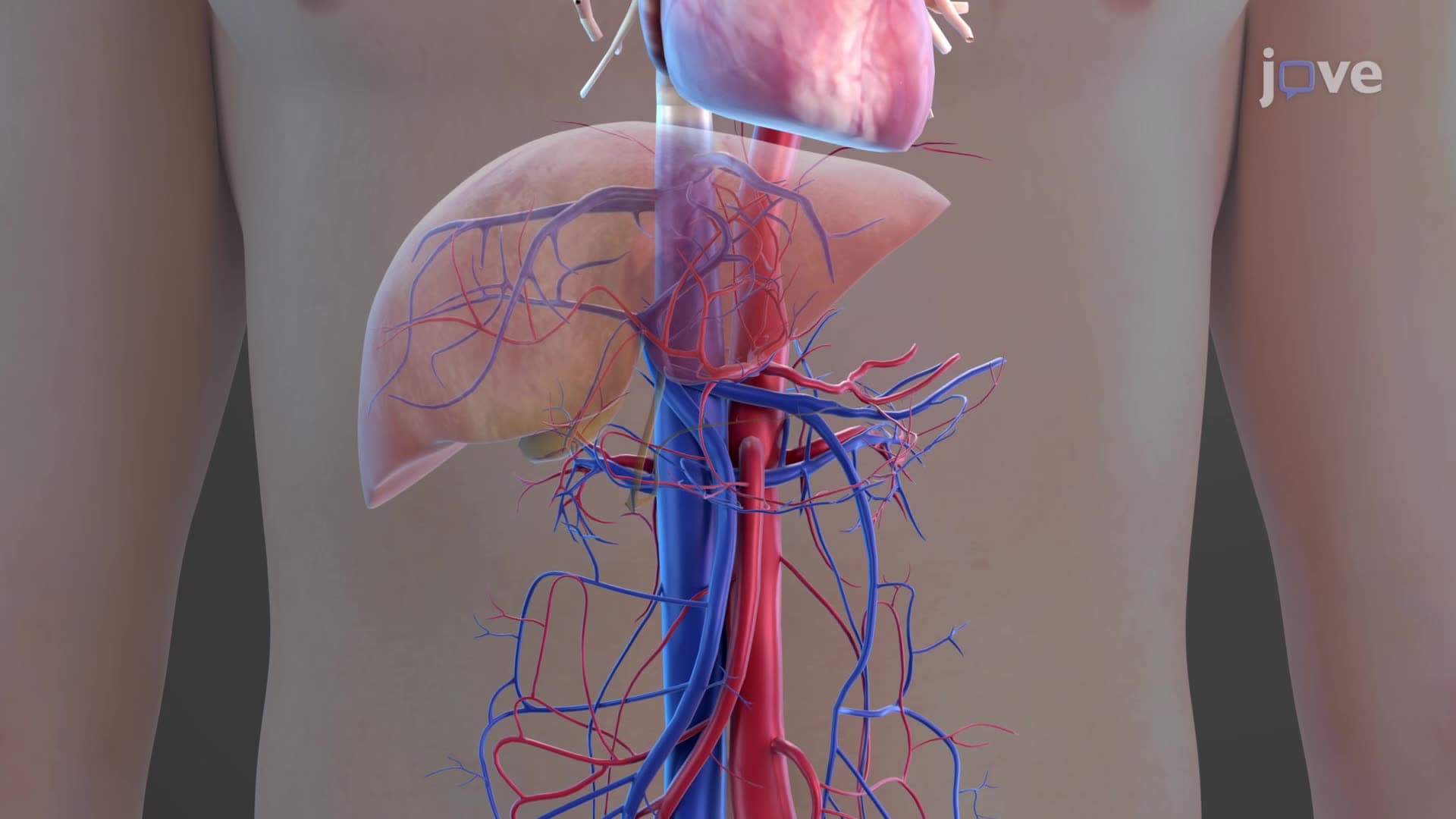
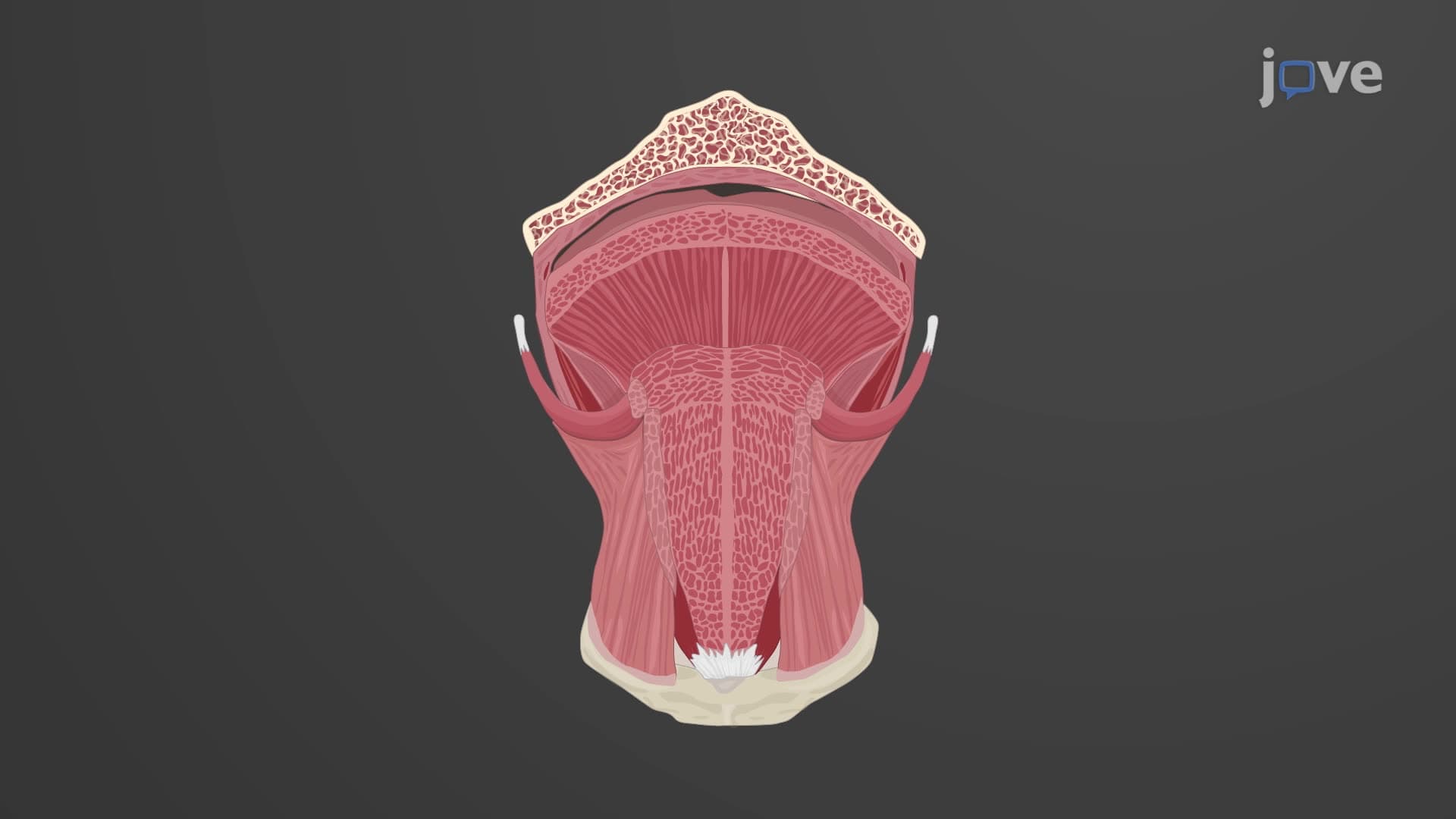

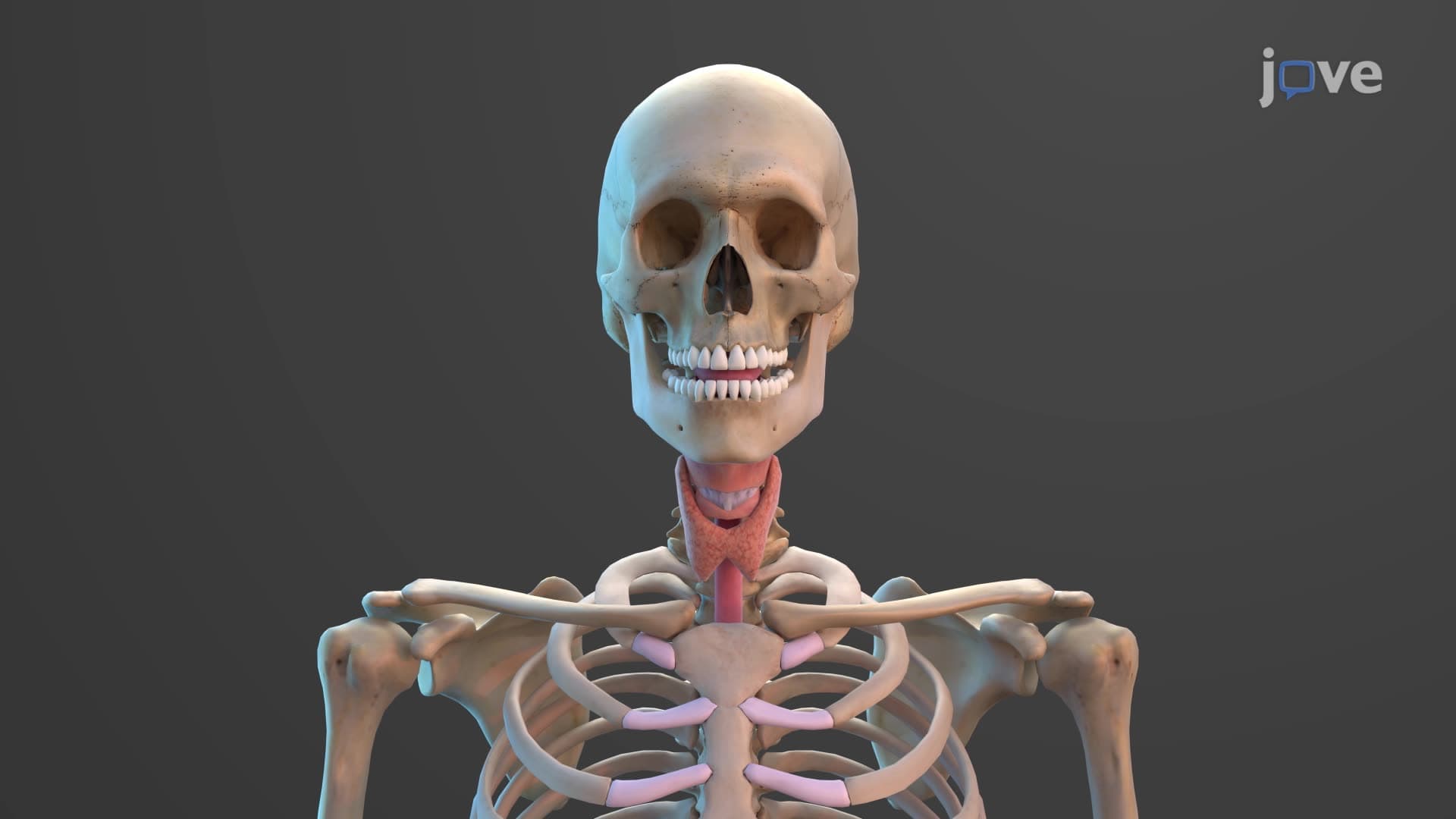
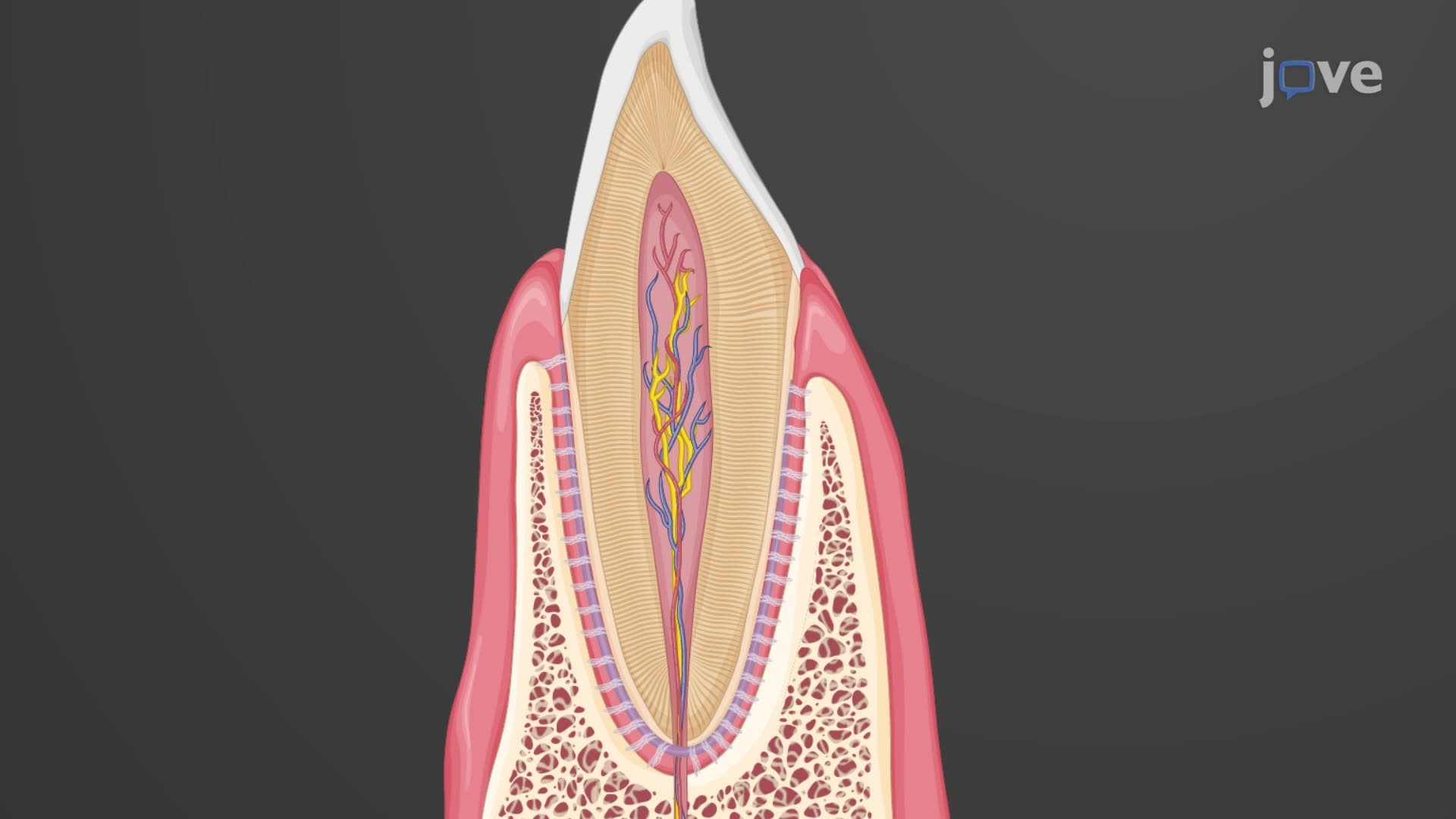

Oral Cavity

00:00
01:11
Video Summary: What Is Oral Cavity
Did you know that your mouth produces enough saliva daily to fill two standard water bottles? Understanding oral cavity anatomy biology is crucial for grasping how digestion begins before food even reaches your stomach. From dental hygienists at UCLA to pre-med students studying for the MCAT, professionals rely on mastering the mouth structure function explained to understand human physiology. The oral cavity serves as the gateway to our digestive system, housing complex structures that work together seamlessly. Watch the full video on JoVE Coach to master this concept with expert-led visuals and step-by-step explanations.
- Understand the complete anatomical structure of the oral cavity and identify its major components including lips, cheeks, palate, and tongue
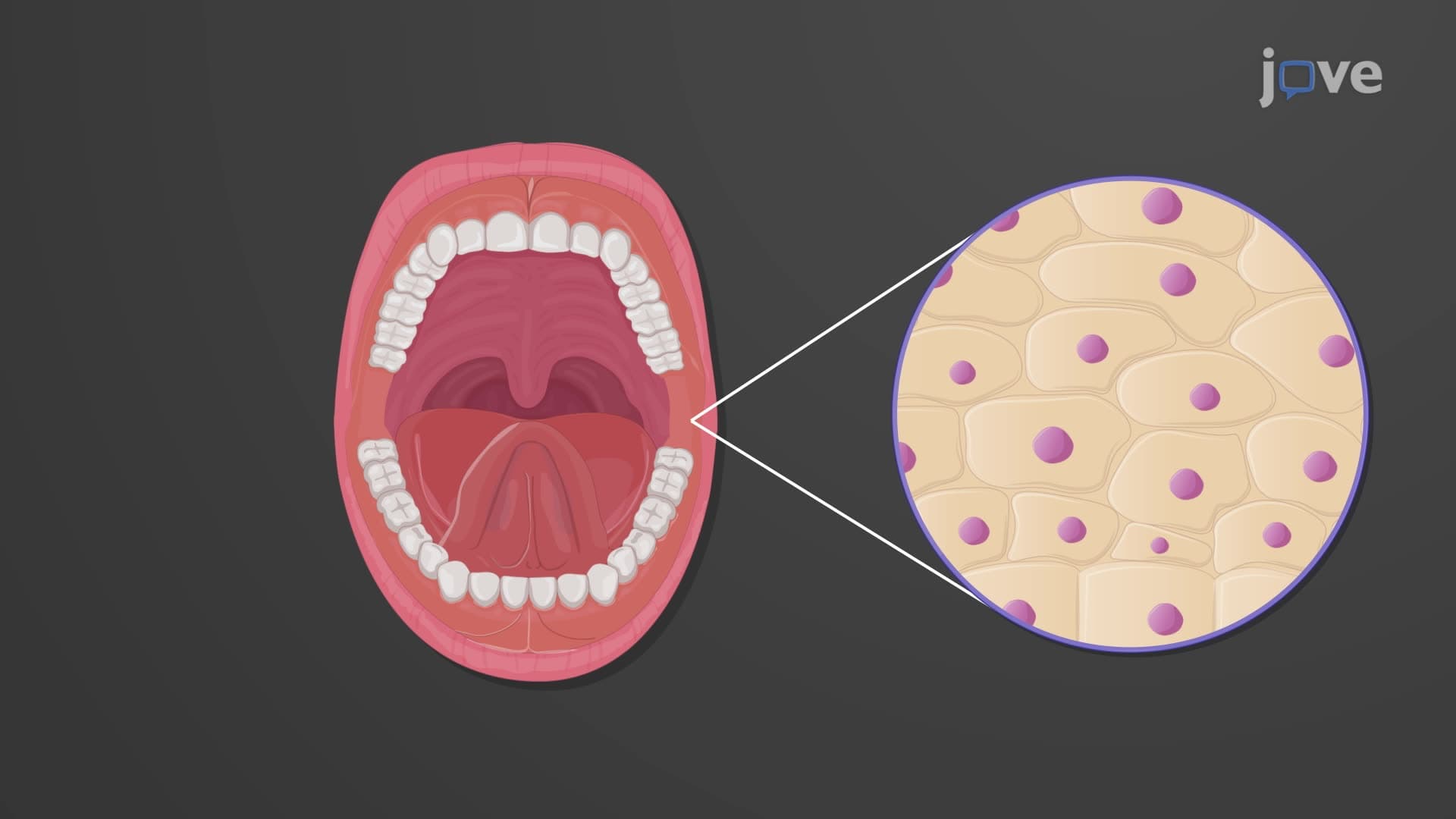
- Identify the different types of epithelial tissue lining various oral cavity regions and recognize their protective functions
- Analyze the muscular composition of lips and cheeks, focusing on the orbicularis oris and buccinator muscles
- Compare the structural differences between the hard palate (formed by maxillae and palatine bones) and soft palate (skeletal muscle composition)
- Evaluate the functional relationship between the oral vestibule and oral cavity proper in food processing
- Apply knowledge of oral mucosa characteristics to understand disease susceptibility and healing processes
- Recognize the role of specialized structures like the uvula and labial frenulum in speech and digestion
- Explore how oral cavity anatomy connects to broader digestive system function and clinical applications
Understanding the Oral Cavity: Gateway to Digestion
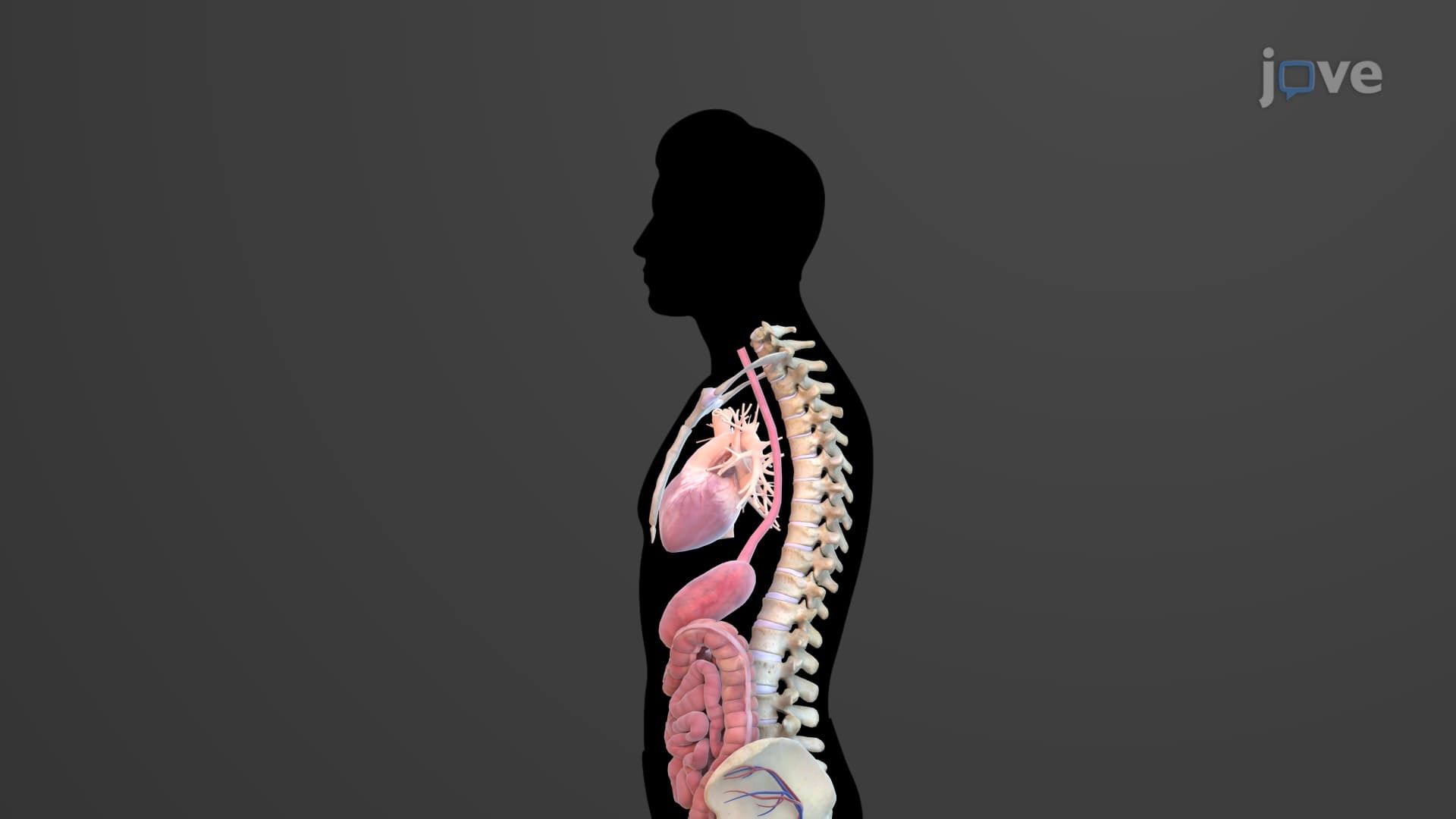
The oral cavity anatomy biology represents one of the most complex and functionally diverse regions in human anatomy. Unlike simple tubes or chambers found elsewhere in the digestive tract, the mouth combines mechanical processing, chemical breakdown, and sensory evaluation of food. This sophisticated system enables humans to safely consume diverse diets while protecting deeper digestive structures from harmful substances.
Structural Divisions and Protective Barriers
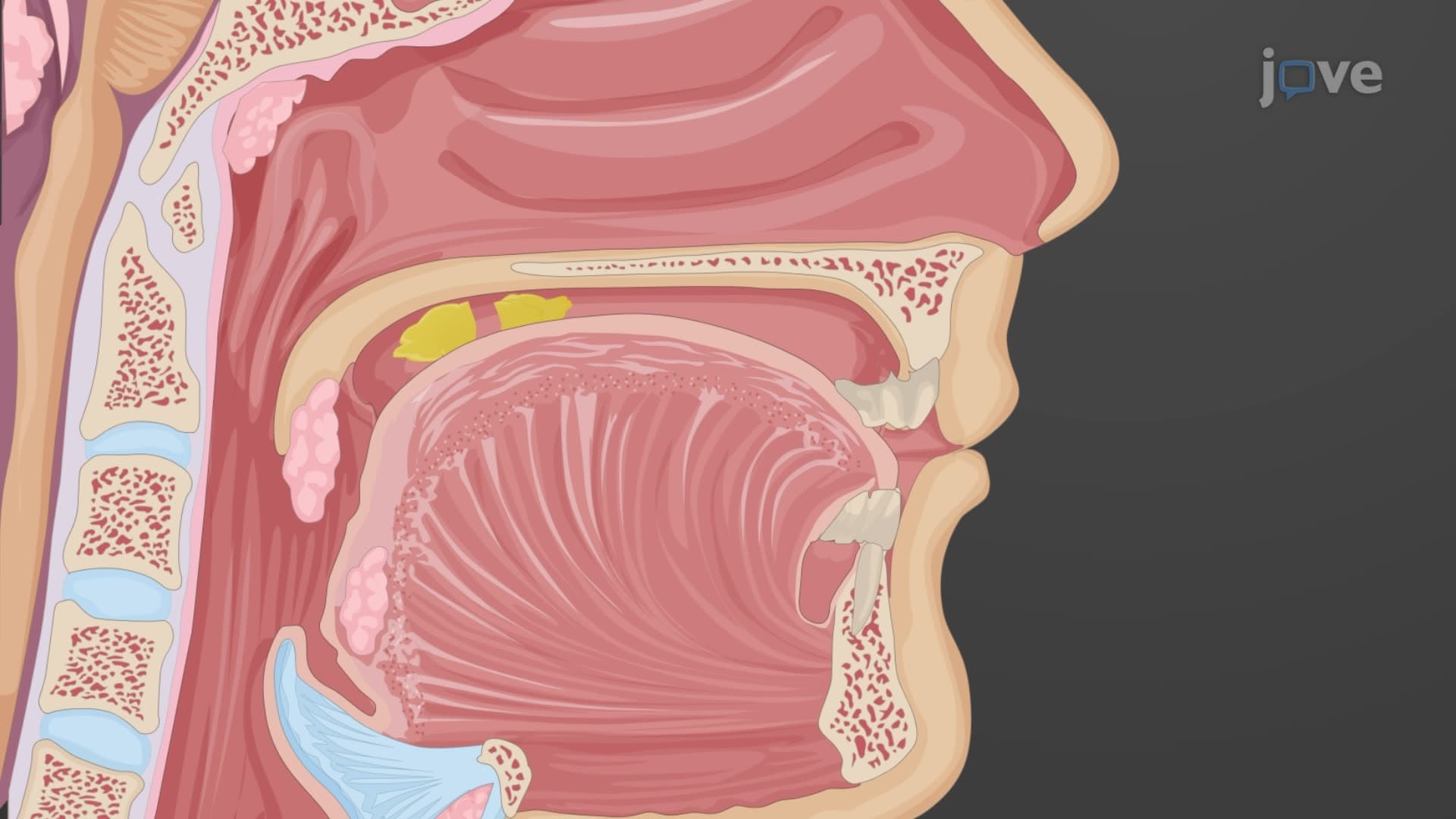
When examining mouth structure function explained, anatomists divide the oral cavity into two primary regions. The oral vestibule creates a protective buffer zone between the external environment and internal processing areas. This space, bounded by lips, cheeks, and gums, allows for food inspection and preliminary processing. Meanwhile, the oral cavity proper houses the tongue and connects directly to the pharynx, facilitating swallowing.
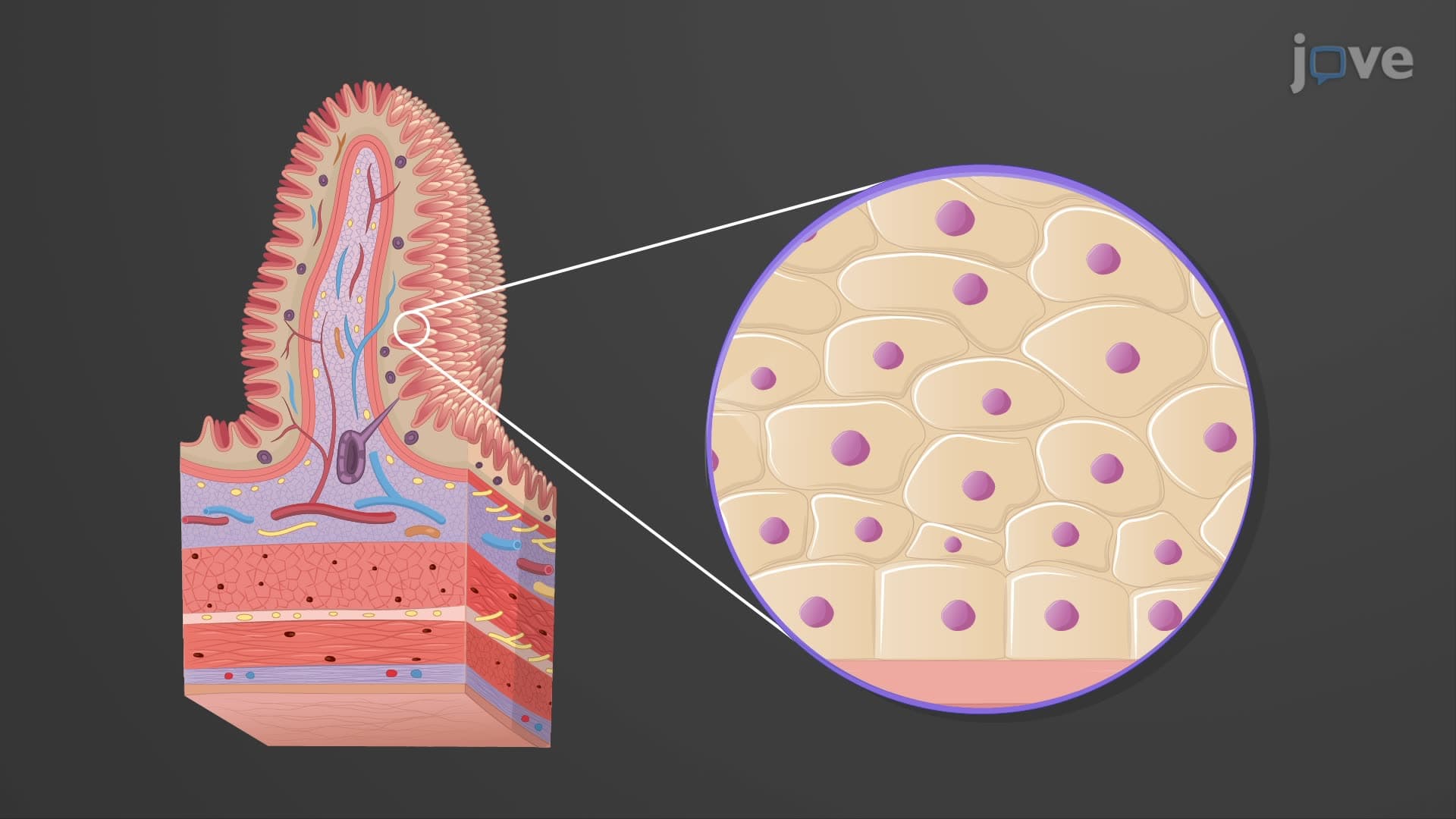
The protective lining demonstrates remarkable adaptation to function. Thick, stratified squamous epithelium covers high-stress areas like cheek walls, while mildly keratinized epithelium protects the gums and hard palate from abrasive foods. This specialization explains why certain oral injuries heal differently-a concept frequently tested on the MCAT and in college anatomy courses.
Muscular Framework and Movement Patterns
The muscular architecture underlying lips cheeks oral mucosa enables precise food manipulation and speech articulation. The orbicularis oris functions as a sphincter, controlling food entry and preventing spillage during chewing. Buccinator muscles in the cheeks work alongside tongue movements to position food optimally between teeth. Physical therapy students at institutions like the University of Southern California study these muscle patterns to understand speech therapy applications.
Palatal Structures and Clinical Significance
The division between hard soft palate oral structures reflects different developmental origins and functions. The bony hard palate provides a rigid surface for tongue-assisted food crushing, while the flexible soft palate directs swallowing and prevents nasal regurgitation. The uvula, often dismissed as vestigial, actually plays crucial roles in speech resonance and swallowing coordination.
Understanding what is the oral cavity in digestive anatomy becomes essential for pre-health students, as oral pathologies can indicate systemic diseases. Dental schools across the US, from Harvard to UCSF, emphasize how oral cavity knowledge translates directly to patient care and diagnostic skills.
Frequently Asked Questions
The oral cavity is the mouth's internal space, consisting of the oral vestibule and oral cavity proper, lined with specialized epithelial tissues. It serves as the digestive system's entry point, enabling mechanical food breakdown, chemical digestion initiation, and protective screening. This structure is fundamental to nutrition, speech, and overall health maintenance.
MCAT questions typically focus on tissue types, muscle functions, and digestive integration of oral structures. College anatomy exams commonly test the distinction between oral vestibule and oral cavity proper, epithelial specializations, and palatal bone composition. Students should memorize the orbicularis oris and buccinator muscle functions, as these appear frequently in multiple-choice questions.
The hard palate consists of the maxillae and palatine bones covered by mucous membrane, providing a rigid surface for food processing. The soft palate contains primarily skeletal muscle, allowing flexibility for swallowing and speech. This distinction is crucial for understanding cleft palate conditions and surgical interventions taught in medical programs.
Dental hygienists use this knowledge daily when examining patients at clinics like Kaiser Permanente, identifying tissue abnormalities and disease signs. Speech therapists apply muscle function understanding to treat articulation disorders. Nurses preparing for NCLEX exams must know oral assessment techniques for detecting systemic conditions like diabetes or autoimmune diseases.
Oral cavity anatomy is actually one of the more accessible anatomy topics since students can directly observe and palpate most structures. The terminology follows logical patterns, and the functional relationships are intuitive. High school students in AP Biology courses typically master these concepts successfully with proper study techniques.
Create anatomical diagrams labeling the oral vestibule, oral cavity proper, hard palate components, and muscle locations. Practice with online anatomy atlases and use mnemonics for tissue types. Focus on functional relationships rather than isolated facts-understanding how structures work together improves retention for HESI A2 and TEAS nursing entrance exams.
Progress to salivary gland anatomy and function, then explore teeth structure and development. Advanced students should investigate oral cavity embryology and common pathological conditions. This progression prepares students for dental school prerequisites and advanced physiology coursework in digestive system integration.
The oral cavity initiates both mechanical and chemical digestion through chewing and salivary enzyme action. Its protective epithelium prevents pathogen entry while specialized taste receptors guide food selection. Understanding these connections helps students excel in integrated physiology questions on medical school exams and demonstrates system-level thinking valued in healthcare programs.
Related Micro-courses
25 Concepts

25 Concepts

20 Concepts