Loading subject page…


89,753 views

Video Summary: What Is Pancreatic Juice and Secretion
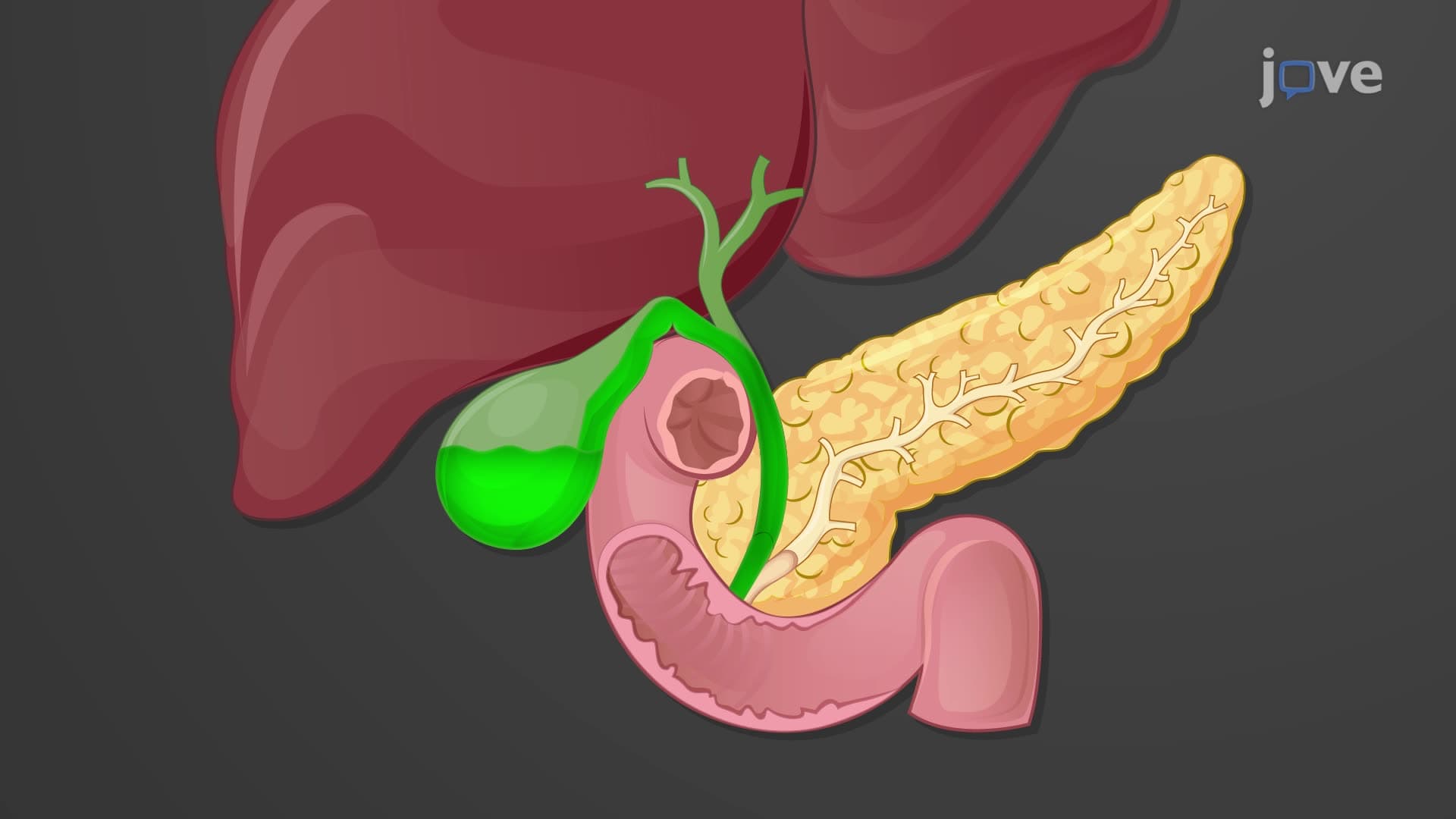
Every time you eat a slice of pizza, your pancreas releases over 1.5 liters of alkaline fluid daily to neutralize stomach acid-that's pancreatic juice secretion biology in action. This colorless digestive fluid contains powerful enzymes that break down proteins, fats, and carbohydrates, while sodium bicarbonate creates the perfect pH environment for digestion in your small intestine. Understanding what is pancreatic juice and its secretion reveals how your body transforms a complex meal into absorbable nutrients. Watch the full video on JoVE Coach to master this concept with expert-led visuals and step-by-step explanations.
Pancreatic juice represents one of the most sophisticated digestive secretions in human physiology. This alkaline fluid, with a pH between 8.1-8.3, serves dual purposes: neutralizing acidic gastric contents and providing essential digestive enzymes. The pancreas produces approximately 1.2-1.5 liters daily, making it second only to saliva in terms of digestive fluid volume.
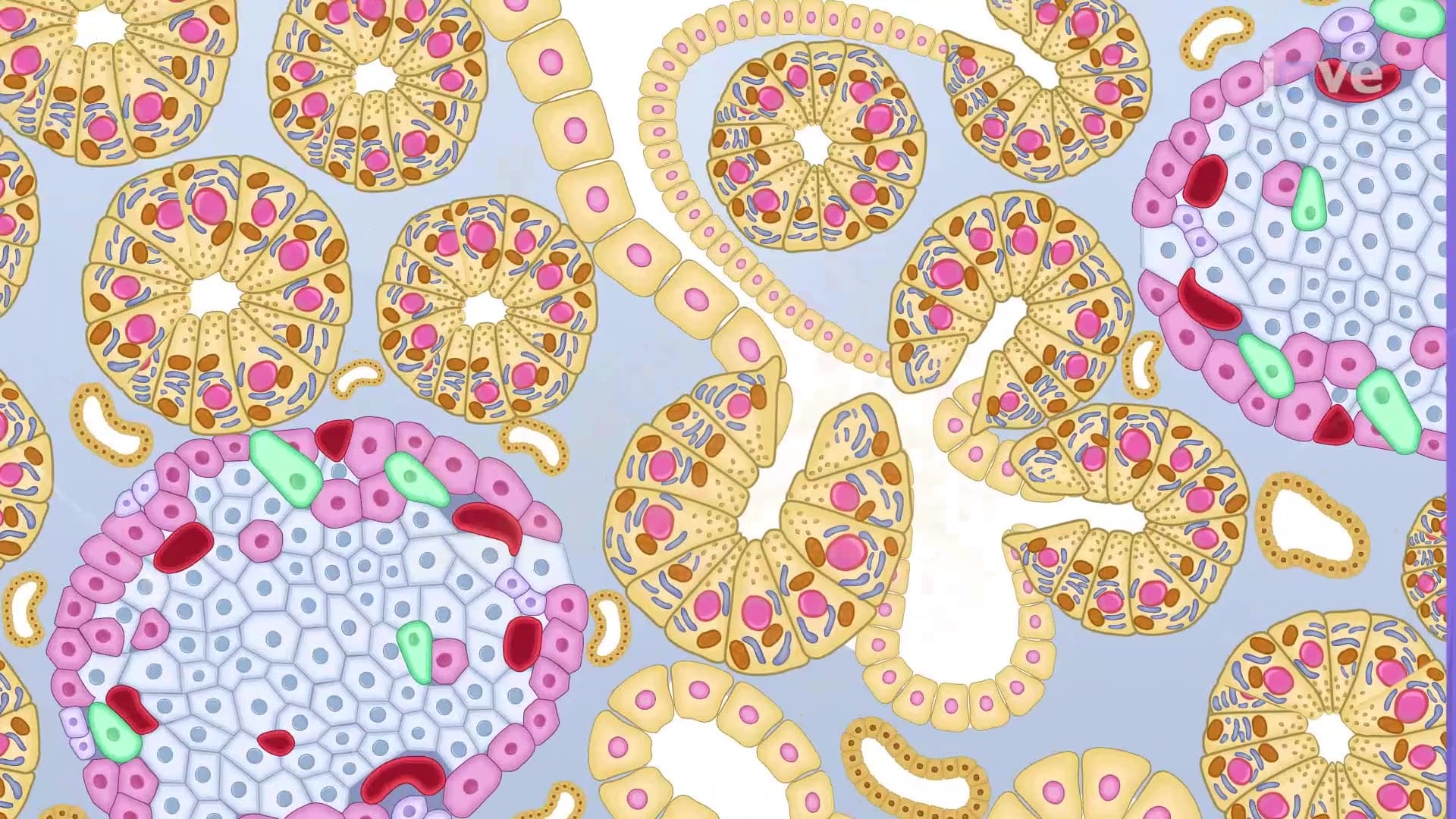
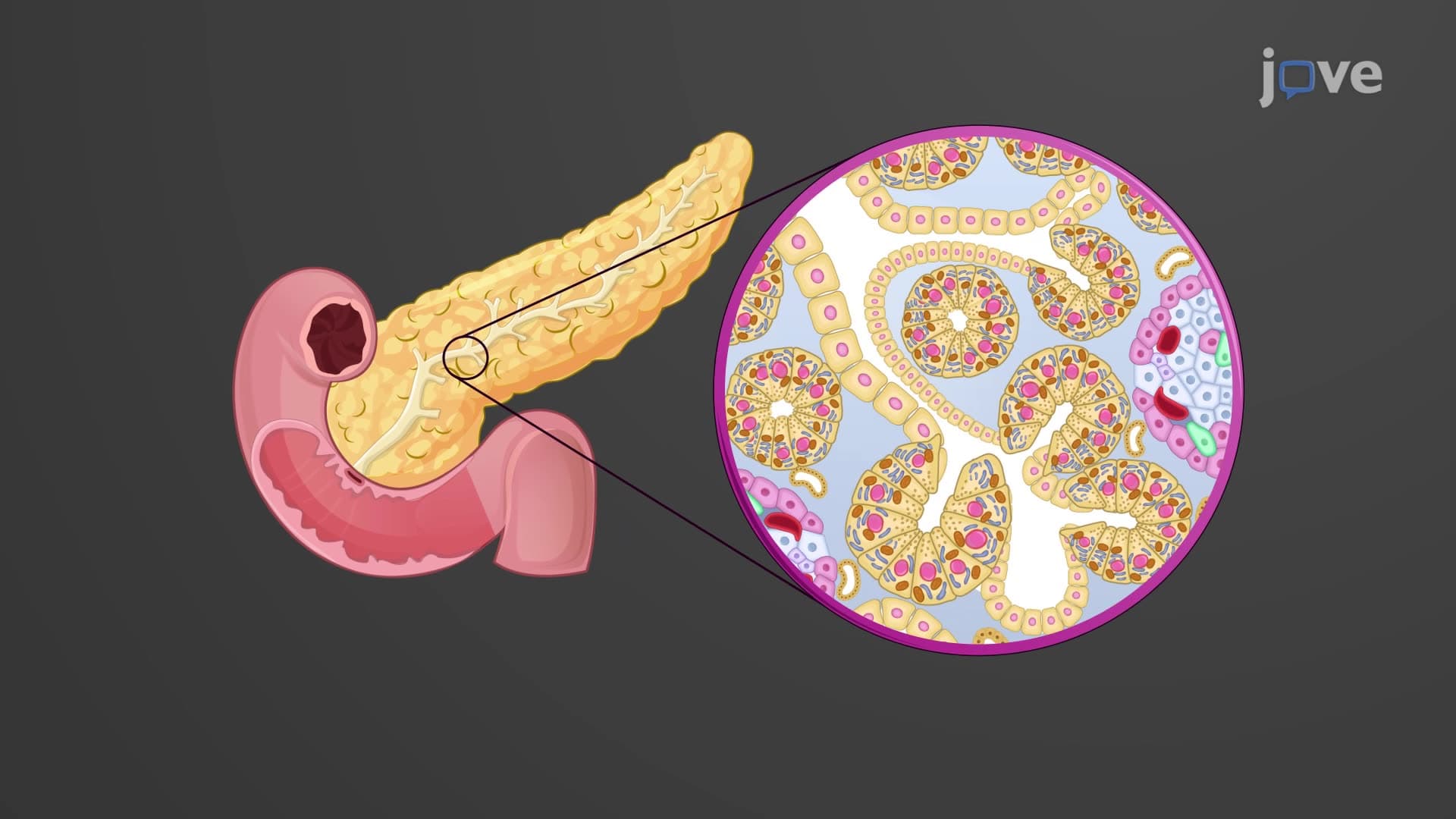
The pancreatic secretion mechanism operates through precise hormonal signaling. When acidic chyme (pH < 4.5) enters the duodenum, specialized S-cells release secretin into the bloodstream. Secretin primarily stimulates ductal cells to secrete bicarbonate-rich fluid, effectively creating a "chemical buffer" system. Simultaneously, the presence of partially digested proteins and fats triggers I-cells to release cholecystokinin (CCK), which specifically targets acinar cells for enzyme secretion.
This hormonal cascade exemplifies negative feedback control-as pancreatic bicarbonate neutralizes chyme acidity, secretin release diminishes. Students preparing for the MCAT or AP Biology exam should recognize this as a classic example of homeostatic regulation that frequently appears in endocrine system questions.
The enzymatic component of pancreatic juice demonstrates remarkable specificity. Pancreatic amylase continues starch digestion initiated by salivary amylase, breaking down complex carbohydrates into maltose and oligosaccharides. Pancreatic lipase, working alongside bile salts, hydrolyzes triglycerides into fatty acids and monoglycerides-a process essential for fat absorption.
However, proteolytic enzymes dominate pancreatic juice composition. The trypsin chymotrypsin pancreatic enzyme system operates through a carefully orchestrated activation sequence. Trypsinogen, the inactive precursor, becomes activated by enterokinase (also called enteropeptidase) produced by duodenal brush border cells. Active trypsin then converts other precursors-chymotrypsinogen, proelastase, and procarboxypeptidases-into their functional forms.
Understanding pancreatic secretion proves crucial for healthcare students. Chronic pancreatitis, affecting approximately 50 per 100,000 Americans, results in insufficient enzyme production, leading to malabsorption syndromes. Patients require pancreatic enzyme replacement therapy (PERT) to maintain proper digestion.
For pre-med students tackling USMLE Step 1 questions, remember that pancreatic secretion disorders often present with steatorrhea (fatty stools) due to lipase deficiency, while protein malabsorption may cause muscle wasting and hypoalbuminemia.
Related Micro-courses