Loading subject page…

- Anatomy and Physiology
- Digestive System
- Regulation of the Digestive System
Micro-course: Digestive System
89,747 views
Learn key concepts and earn your certificate.

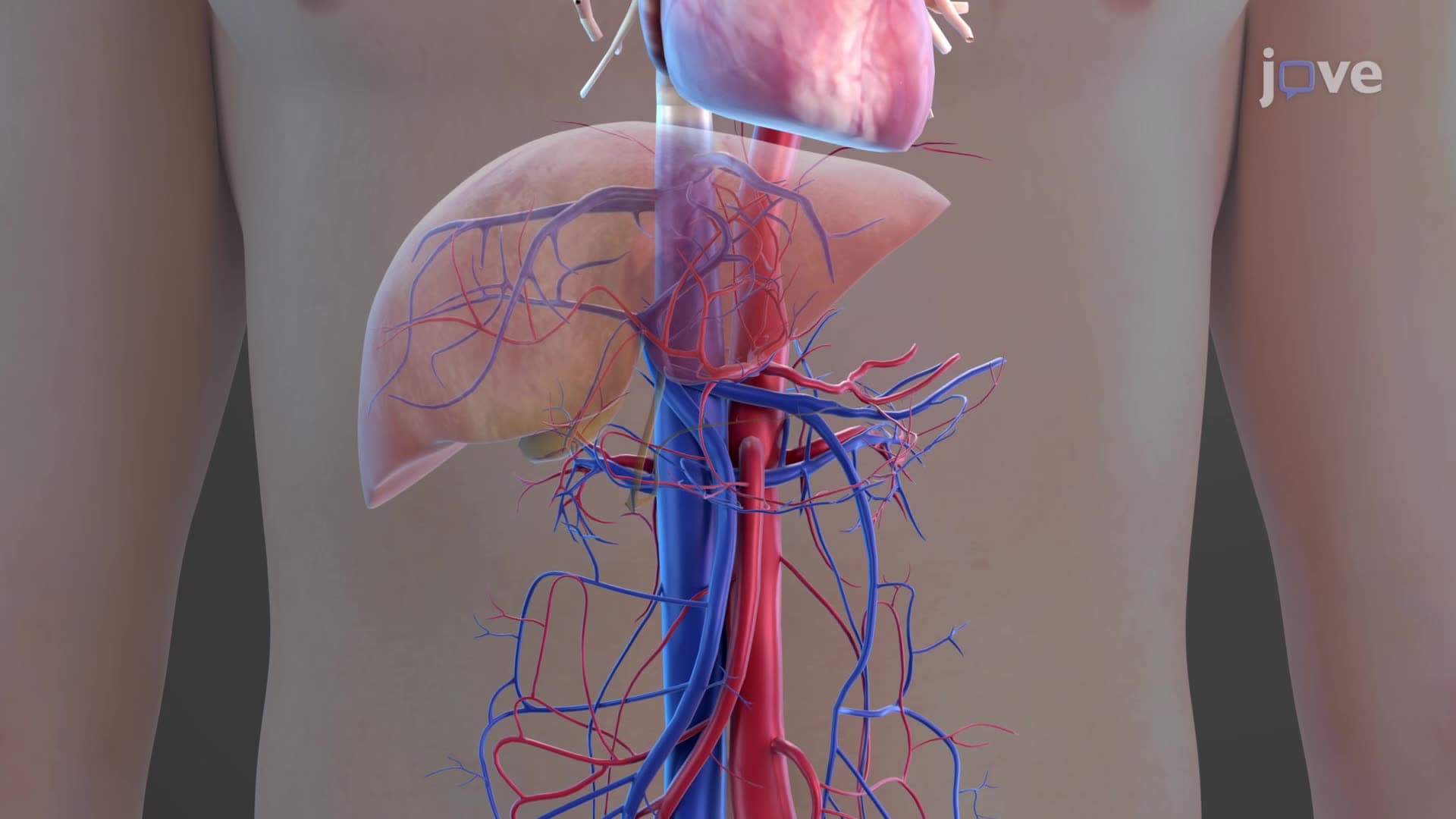
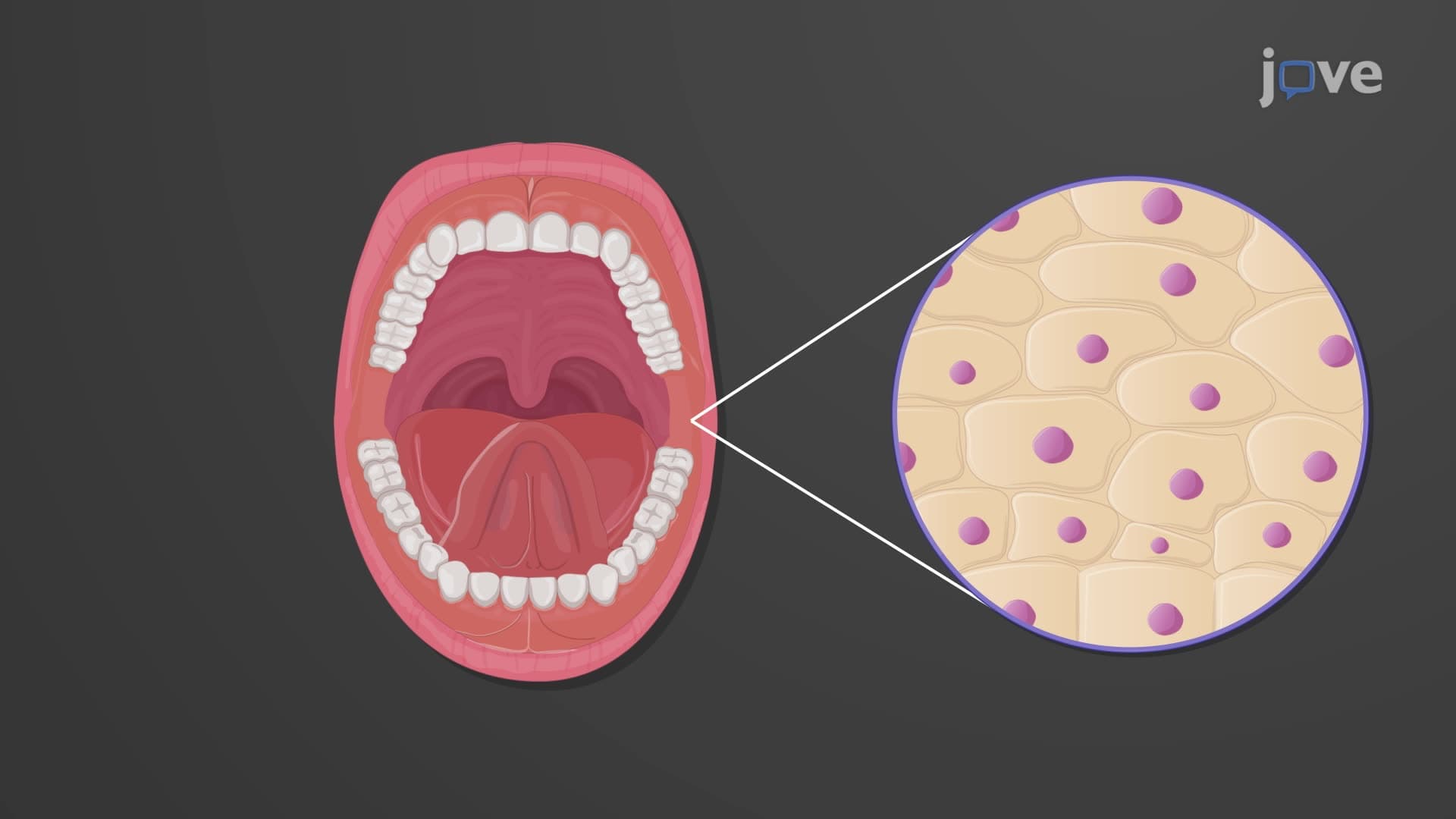
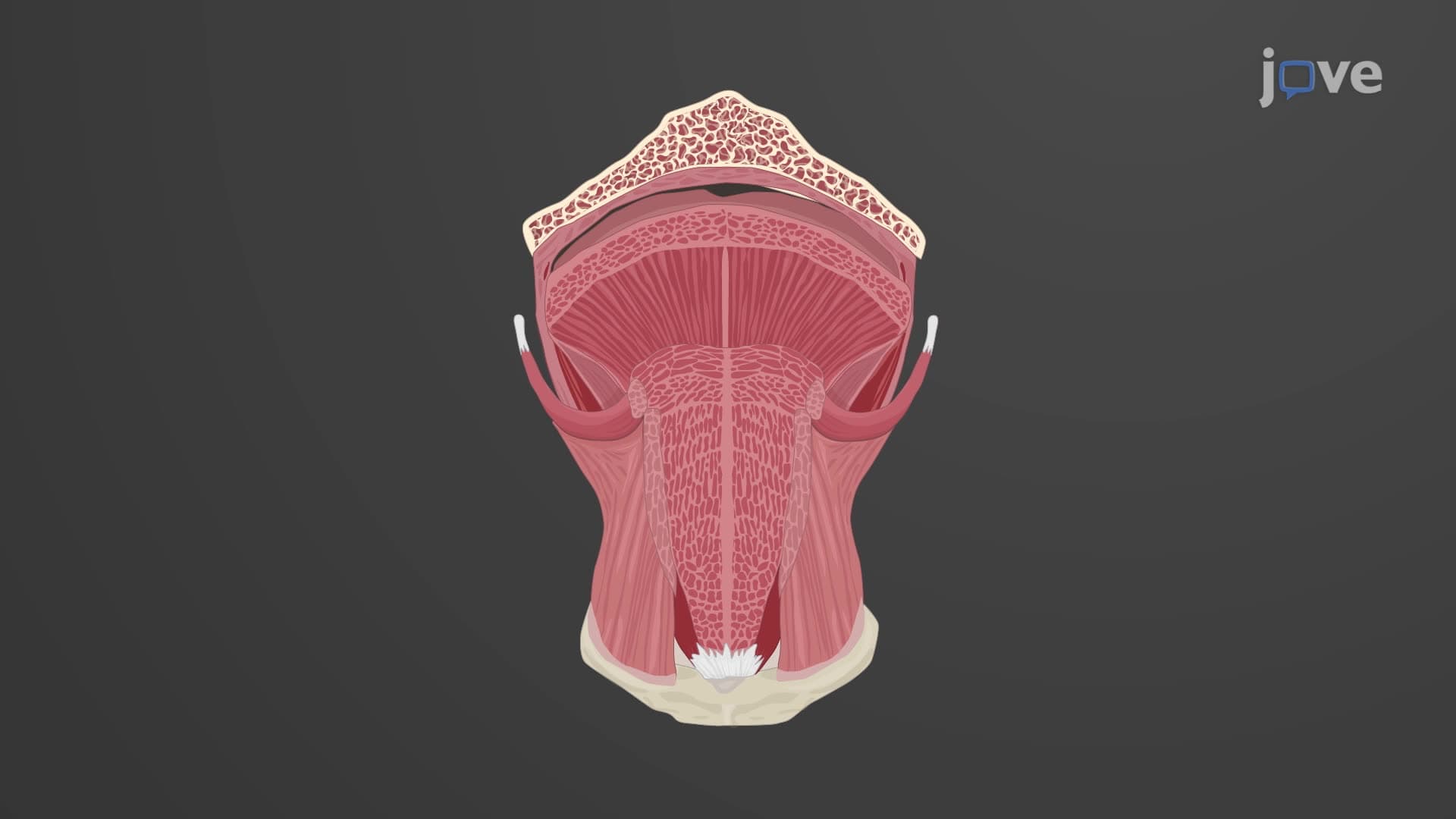

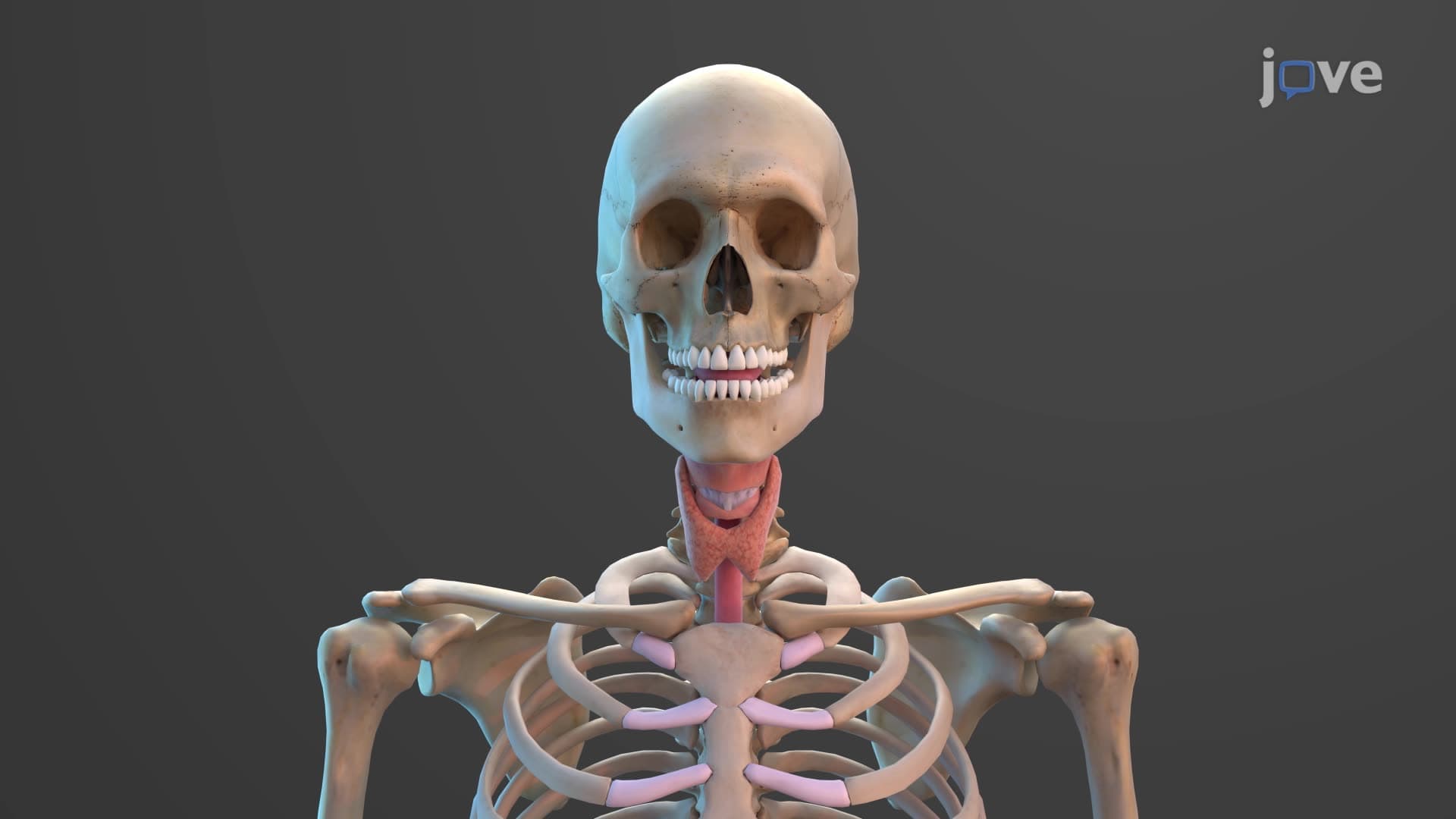
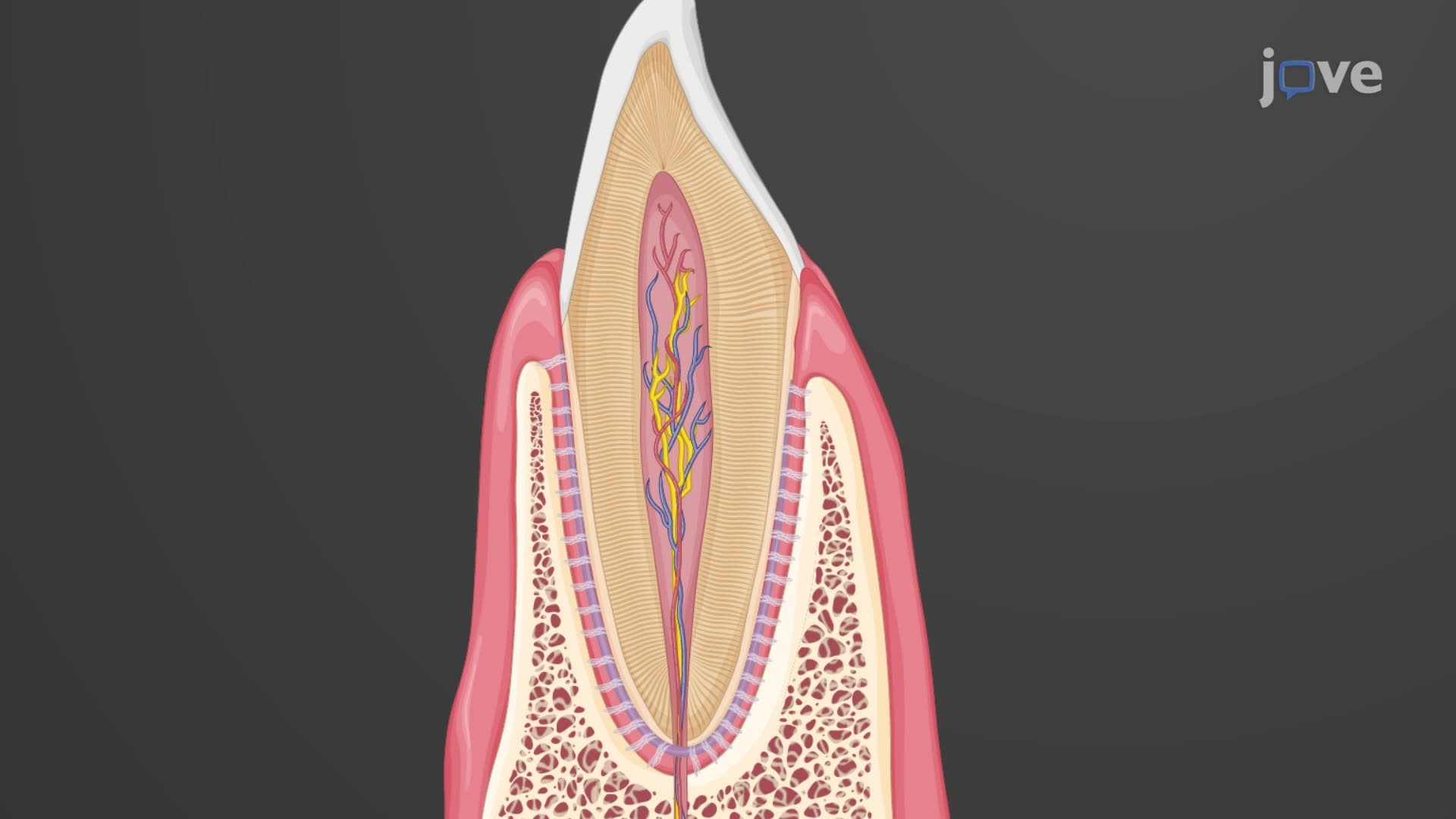
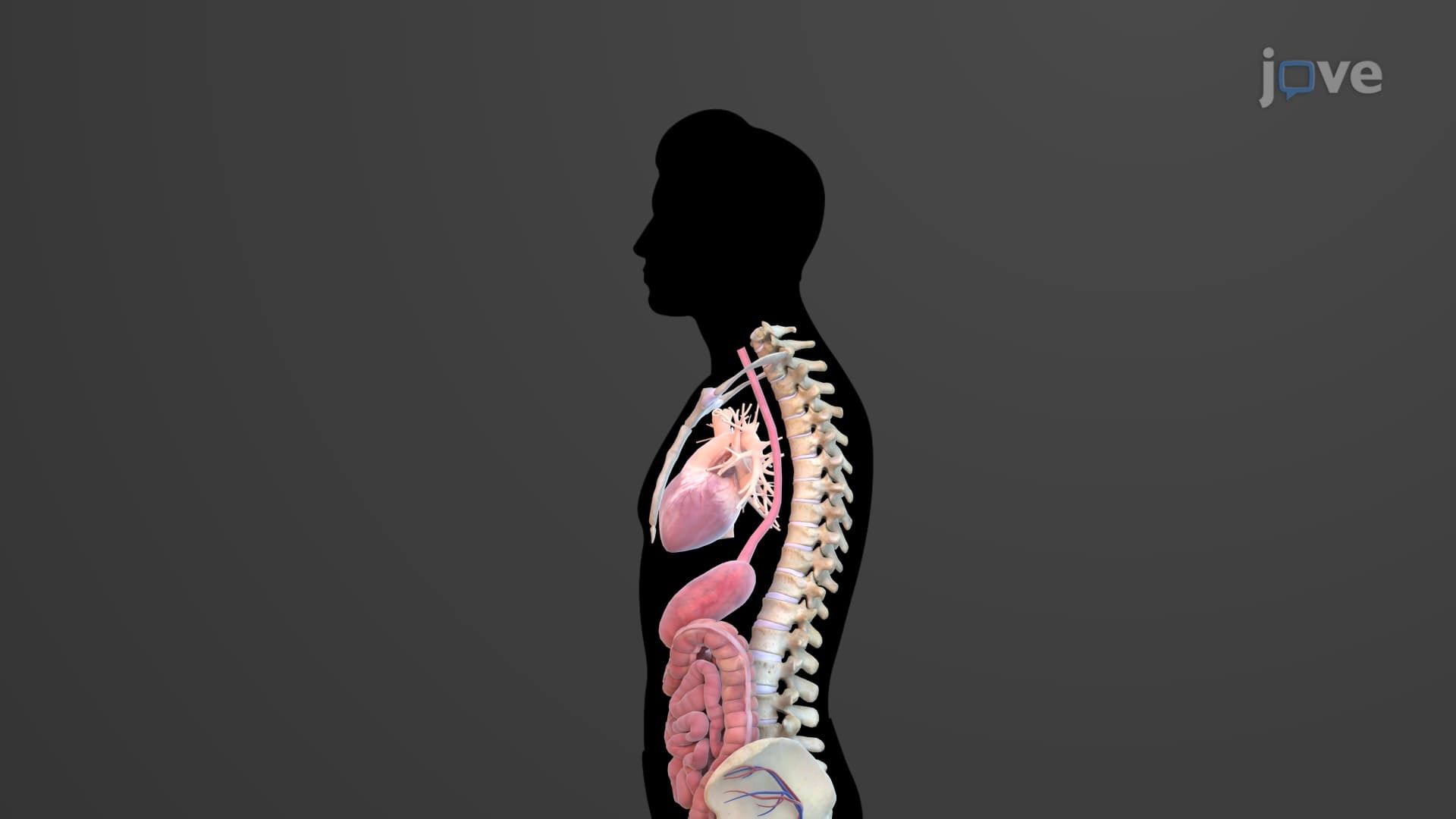
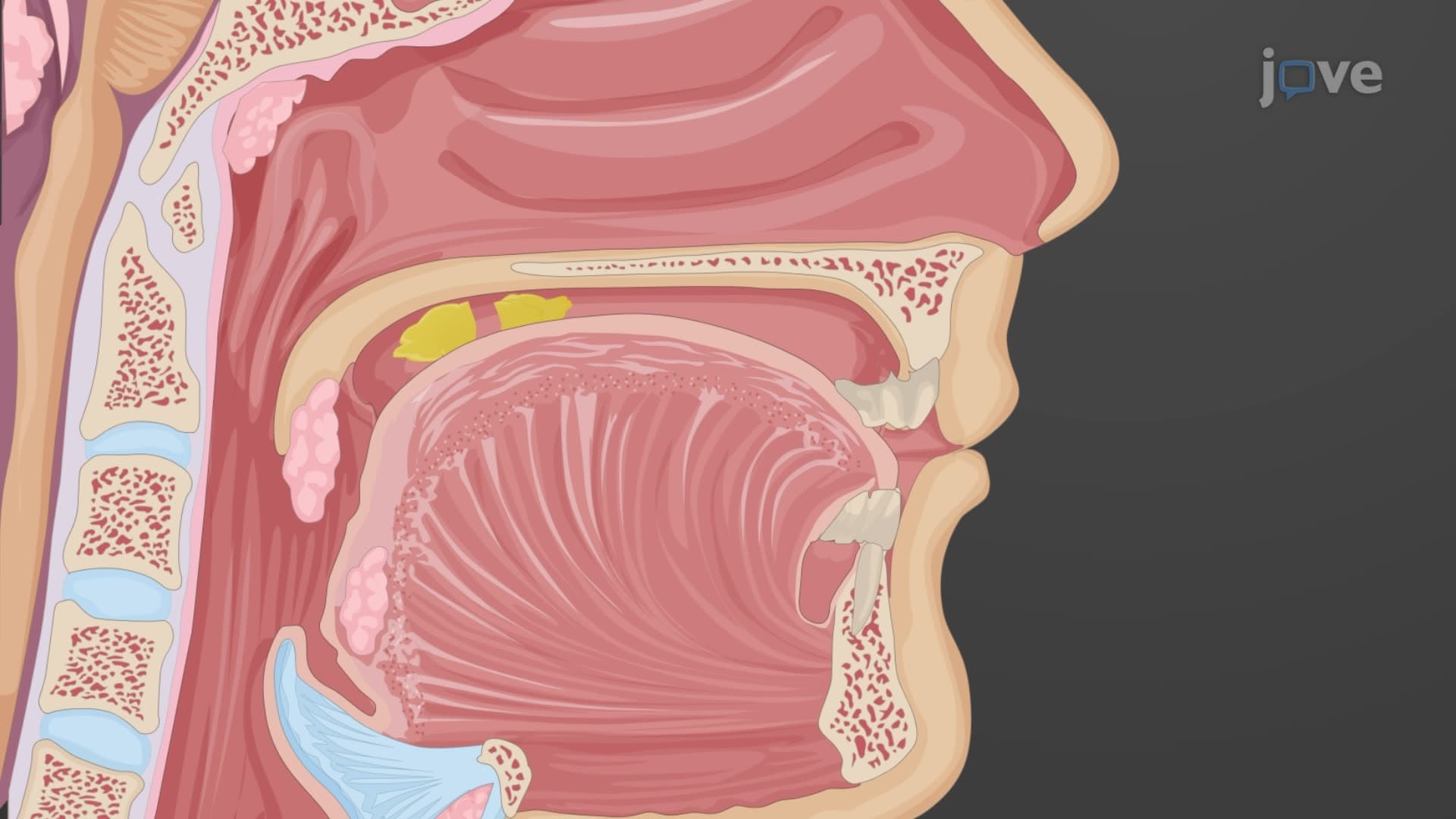
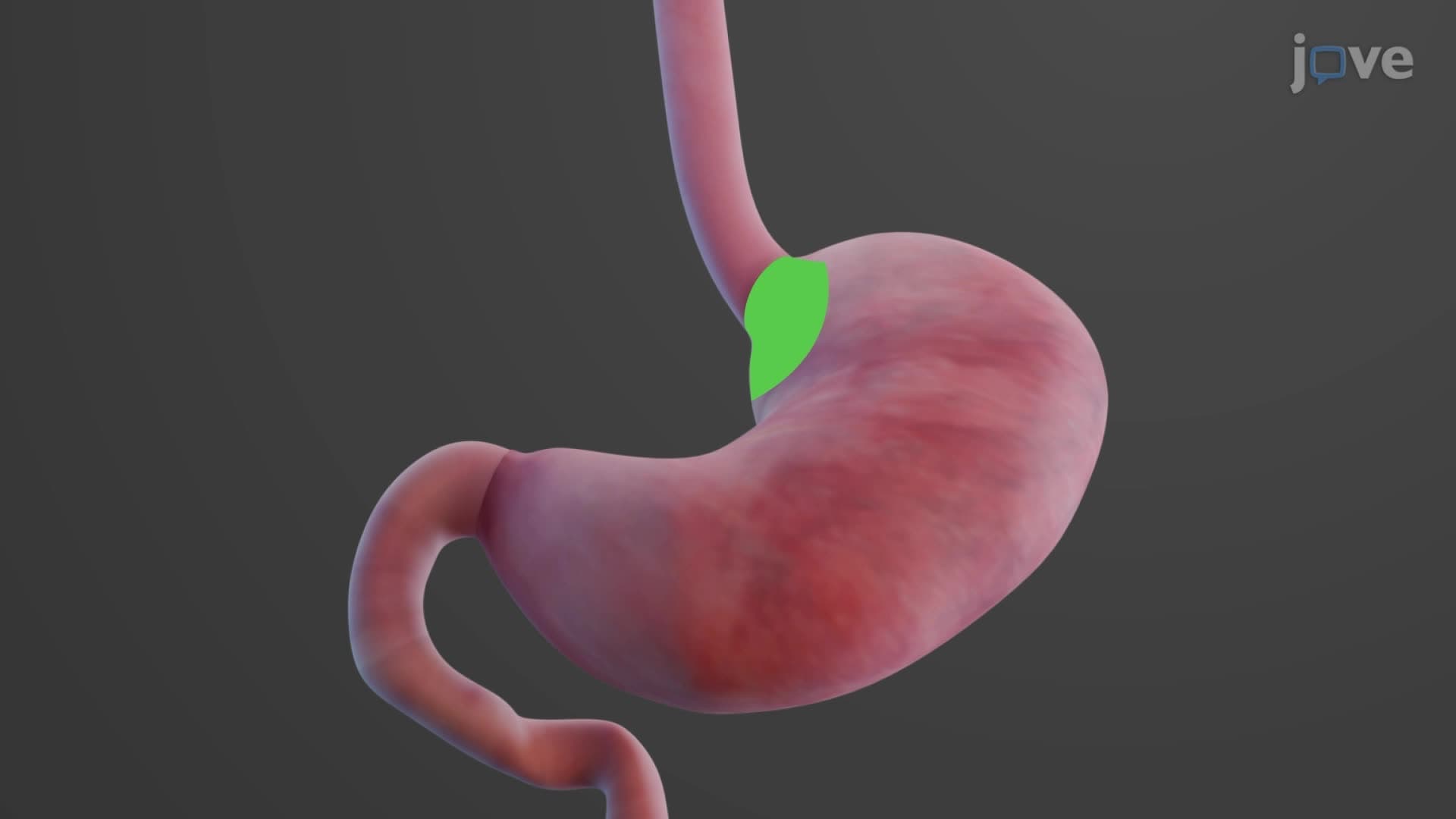

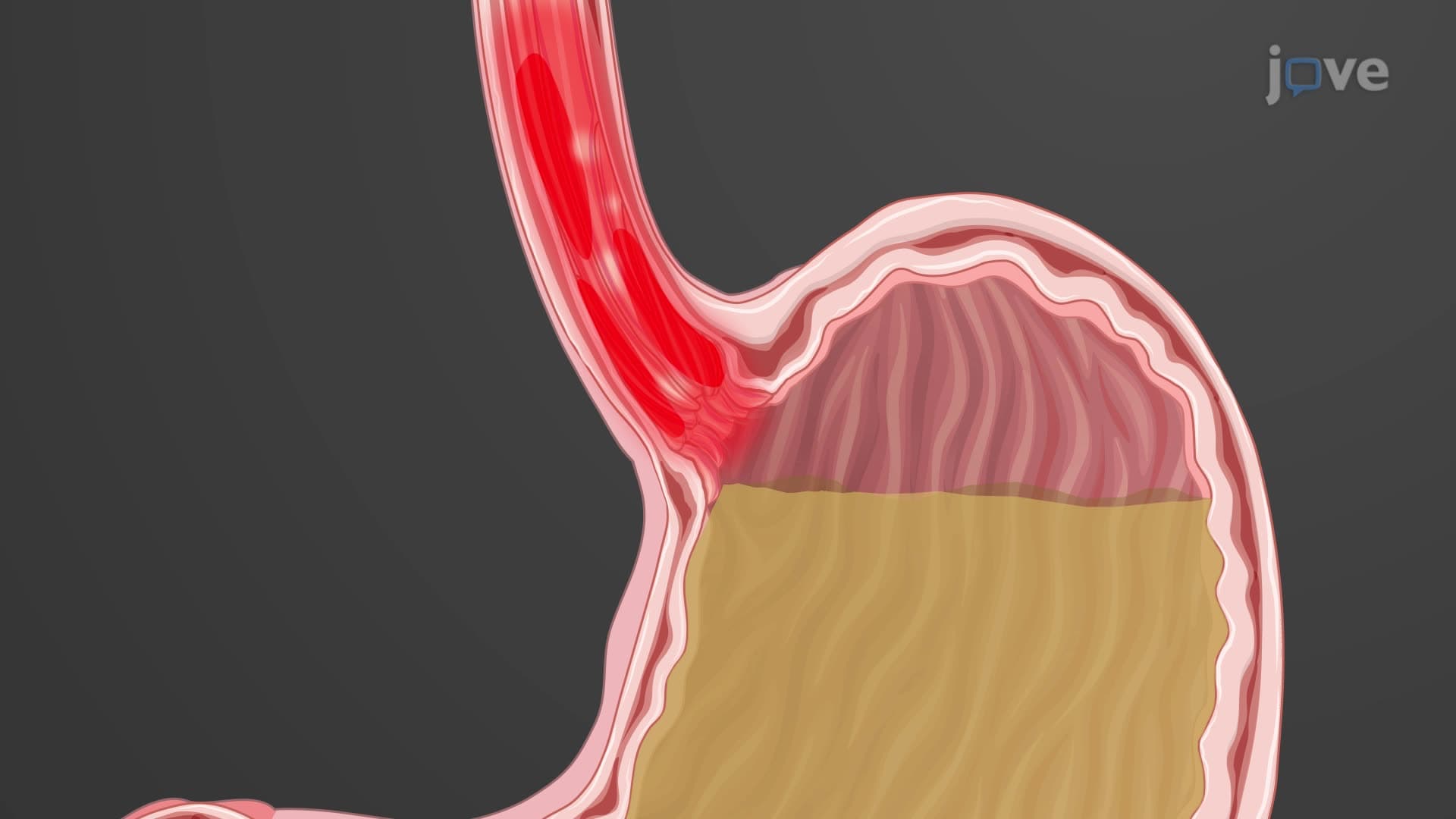
Regulation of the Digestive System


00:00
01:25
Video Summary: What Is Regulation Digestive System
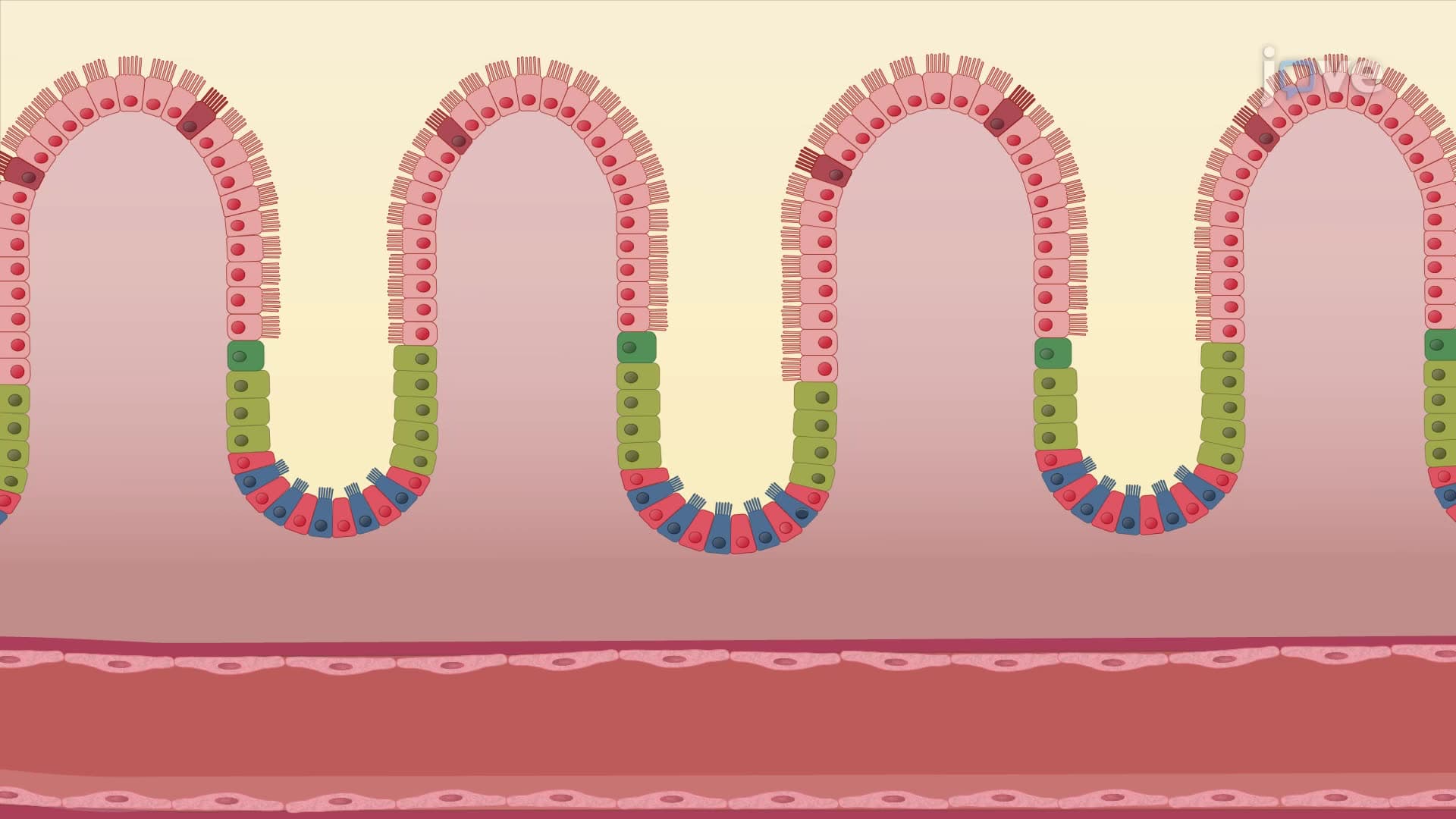
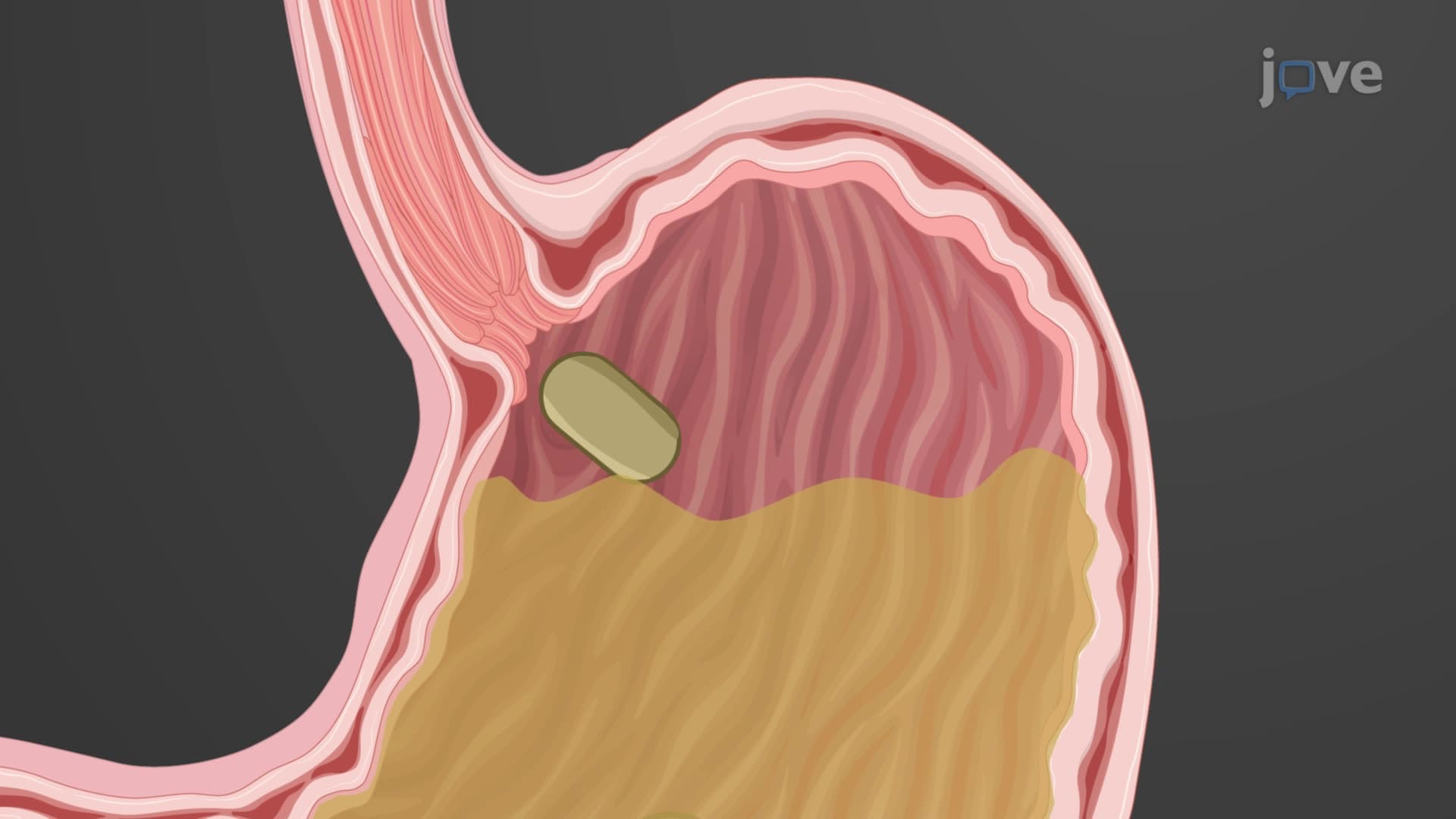
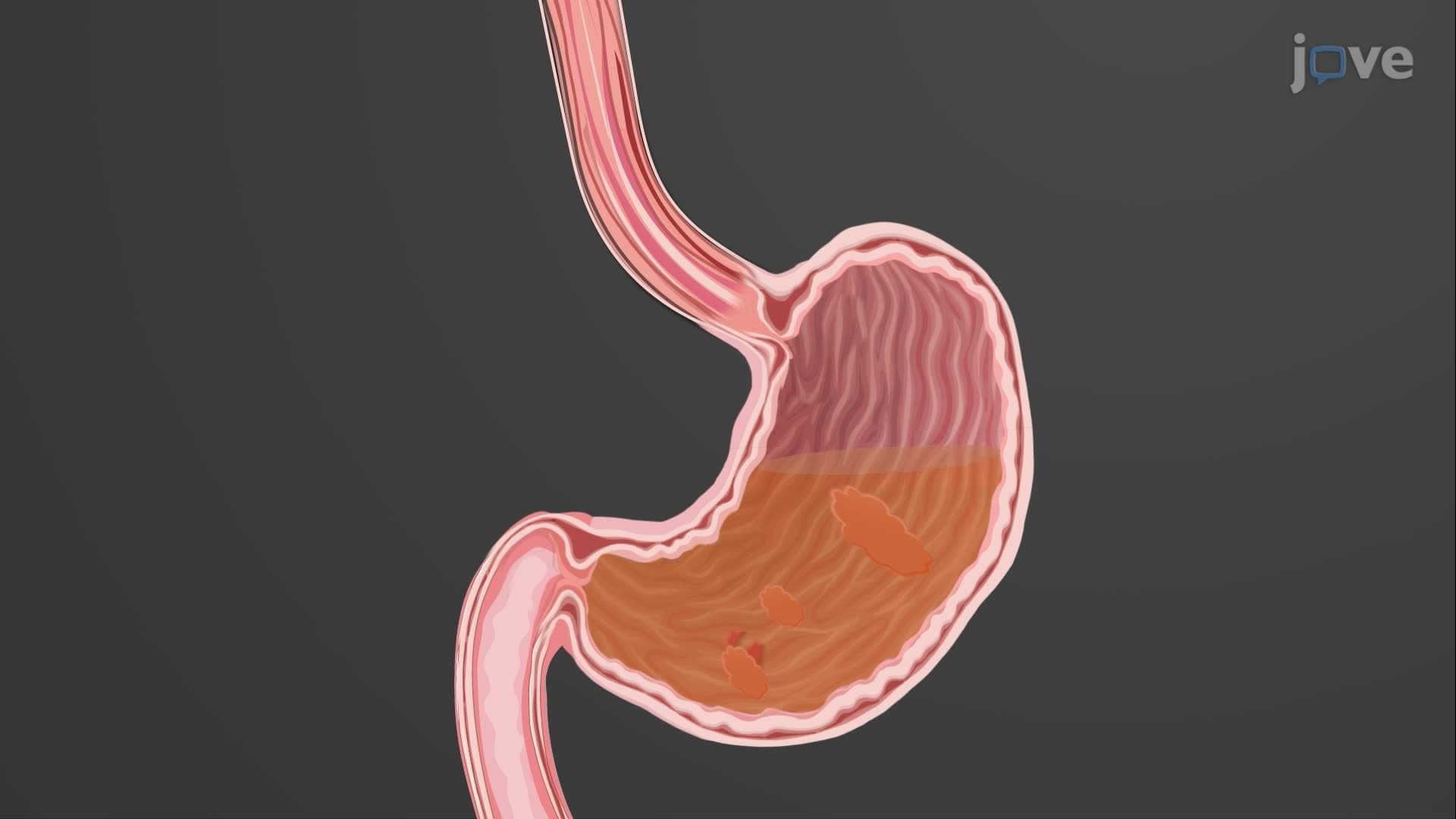
Ever wonder why your stomach starts growling just by smelling pizza from your favorite US pizzeria? Digestive system regulation biology involves a sophisticated network of neural, hormonal, and mechanical controls that coordinate your body's food processing. For instance, when you bite into a hamburger, specialized receptors in your stomach wall detect the food's presence and trigger a cascade of digestive responses. Understanding what is the regulation of the digestive system reveals how your body seamlessly manages this complex process through the enteric nervous system and key hormones like gastrin and secretin. Watch the full video on JoVE Coach to master this concept with expert-led visuals and step-by-step explanations.
- Understand what is regulation digestive system and how neural, hormonal, and mechanical controls coordinate digestion
- Identify the role of the enteric nervous system in managing GI tract functions independently from the central nervous system
- Analyze how mechanical stimuli like stomach stretching trigger local reflex responses that control digestive processes
- Compare the functions of major digestive hormones including gastrin, secretin, cholecystokinin, and gastric inhibitory peptide
- Evaluate how chemical receptors in the GI tract respond to pH changes and nutrient concentrations to regulate secretions
- Apply knowledge of neural hormonal GI regulation to predict digestive responses to different types of meals
- Recognize the integrated nature of digestive control mechanisms and their clinical significance
- Explore how enteroendocrine cells coordinate hormone release with digestive phases
Understanding What is Regulation Digestive System: The Master Control Network
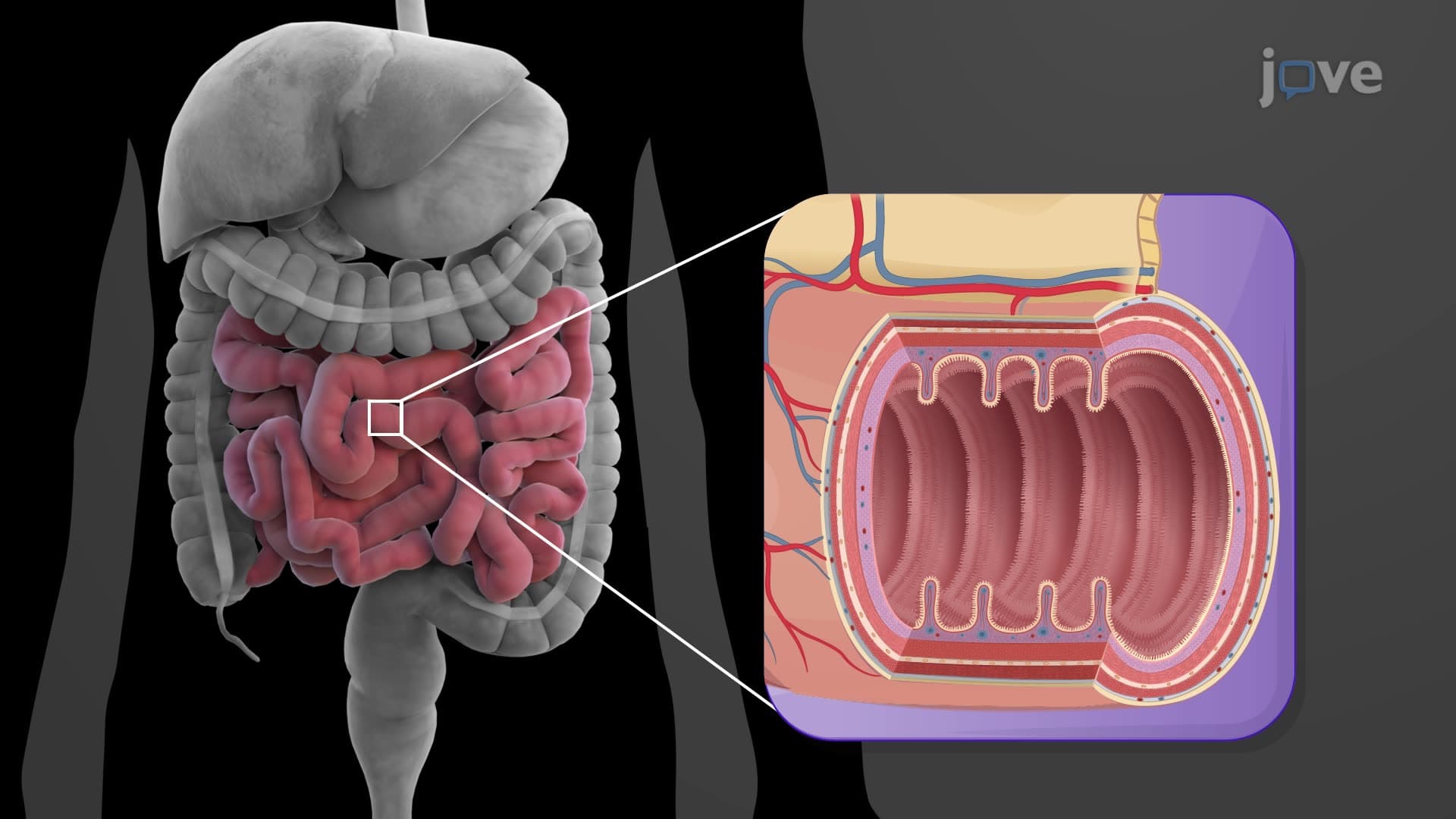
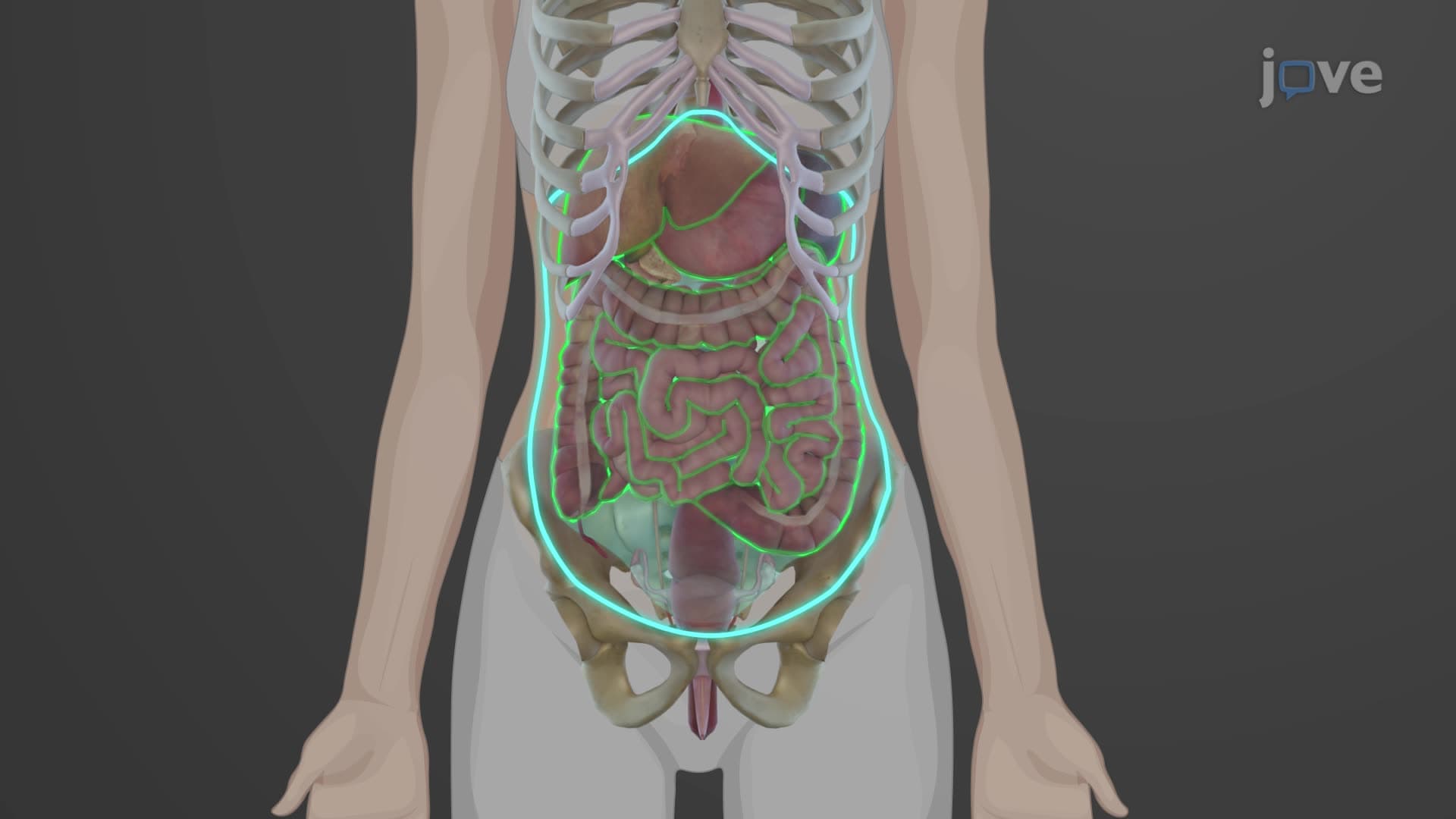
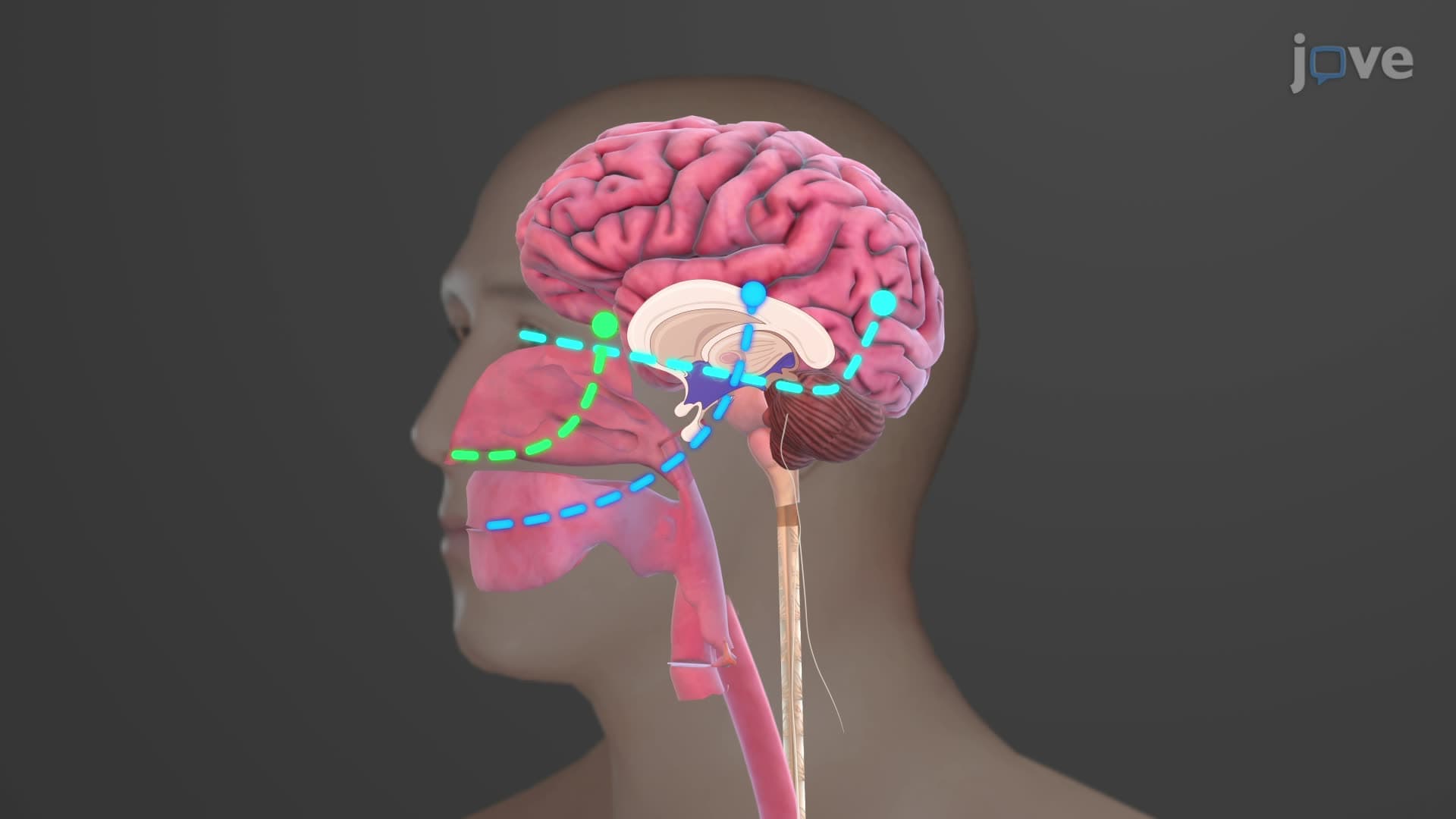
The regulation of the digestive system represents one of biology's most elegant examples of integrated control mechanisms. This sophisticated network ensures that your body processes food efficiently, from the moment you smell a Thanksgiving turkey to the final absorption of nutrients in your small intestine. Three primary control systems work in concert: neural control through the enteric nervous system, hormonal regulation via digestive hormones, and local mechanical responses to food presence.
Neural Control: The Enteric Nervous System as the "Second Brain"
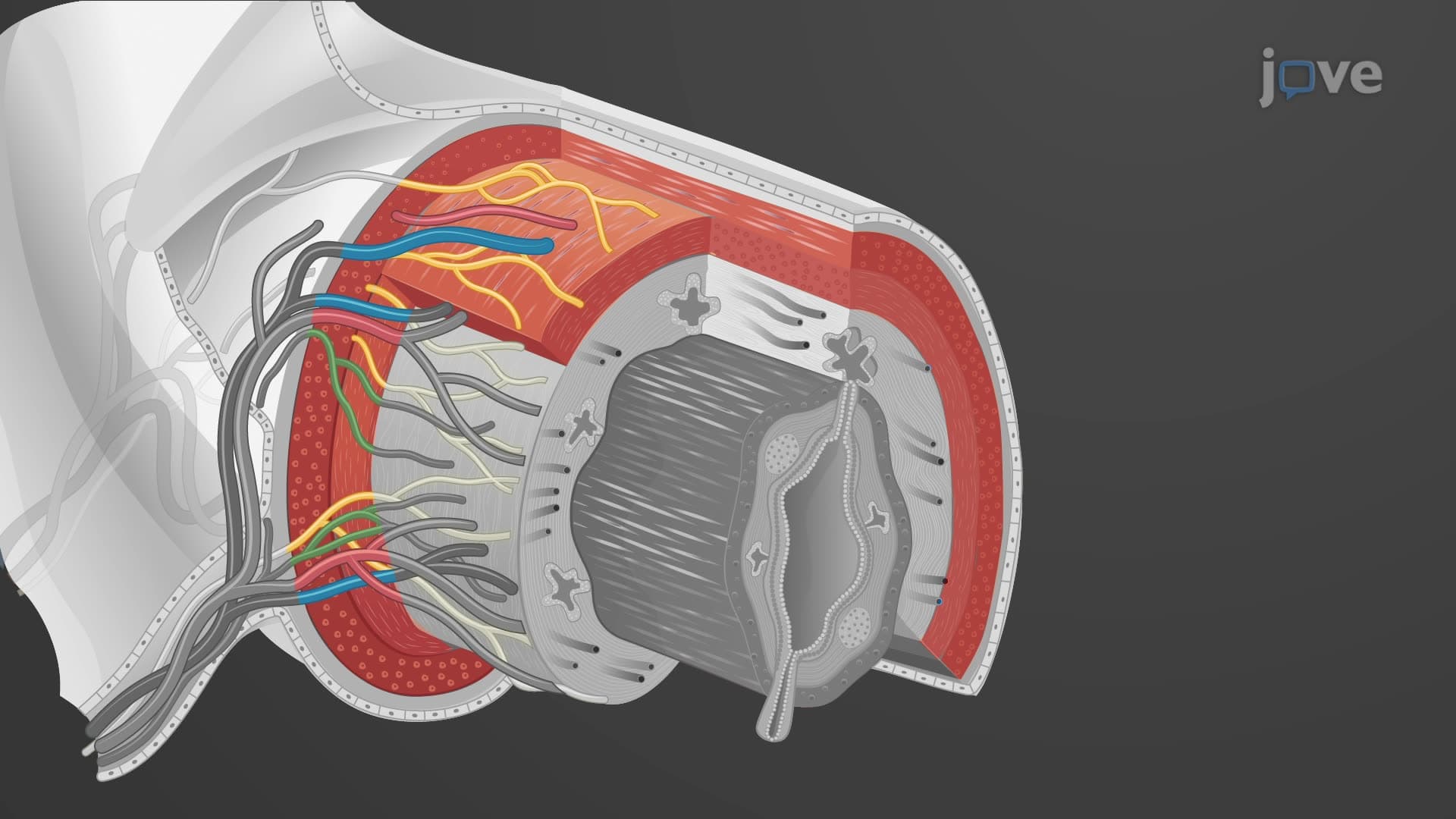
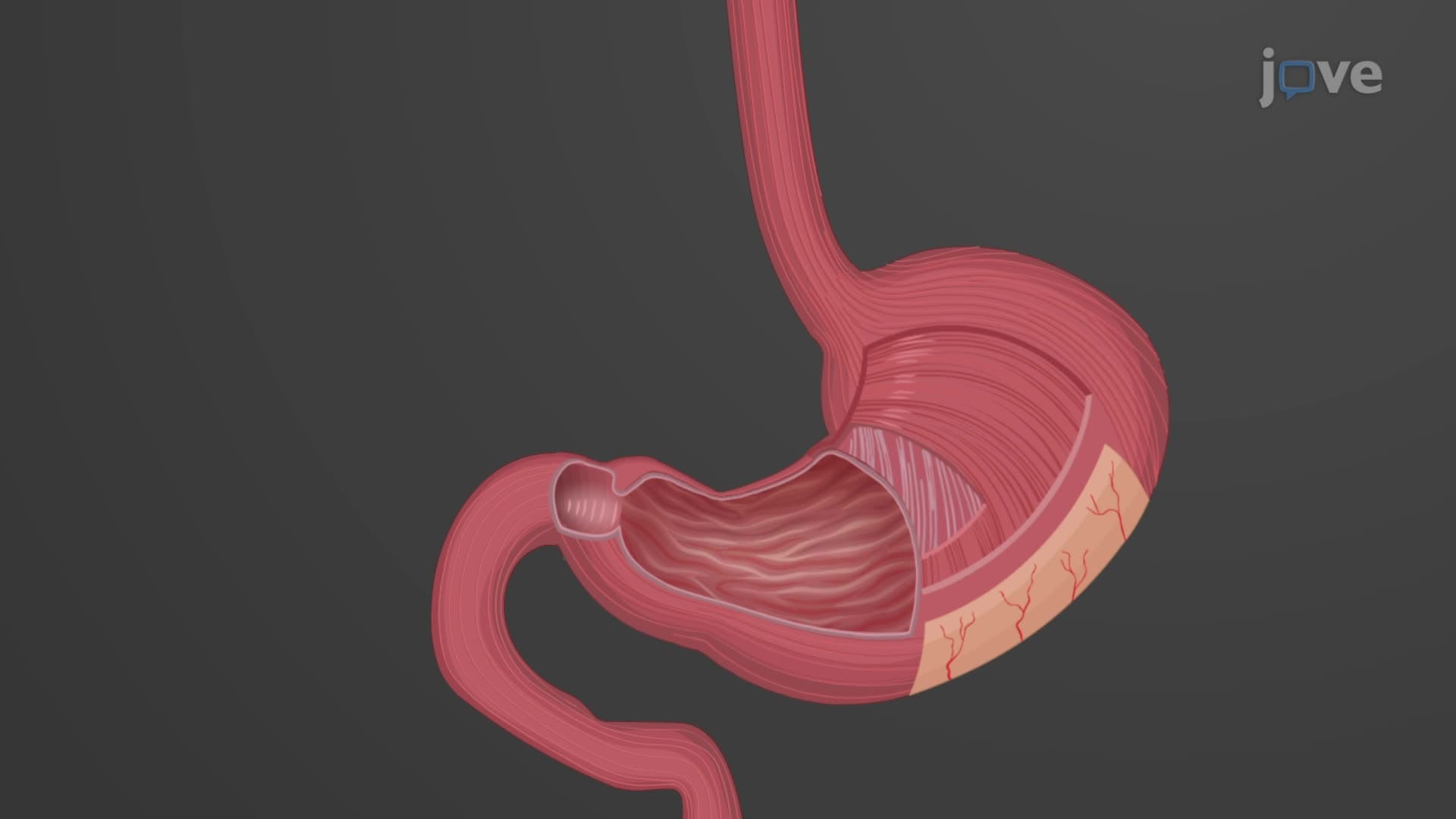
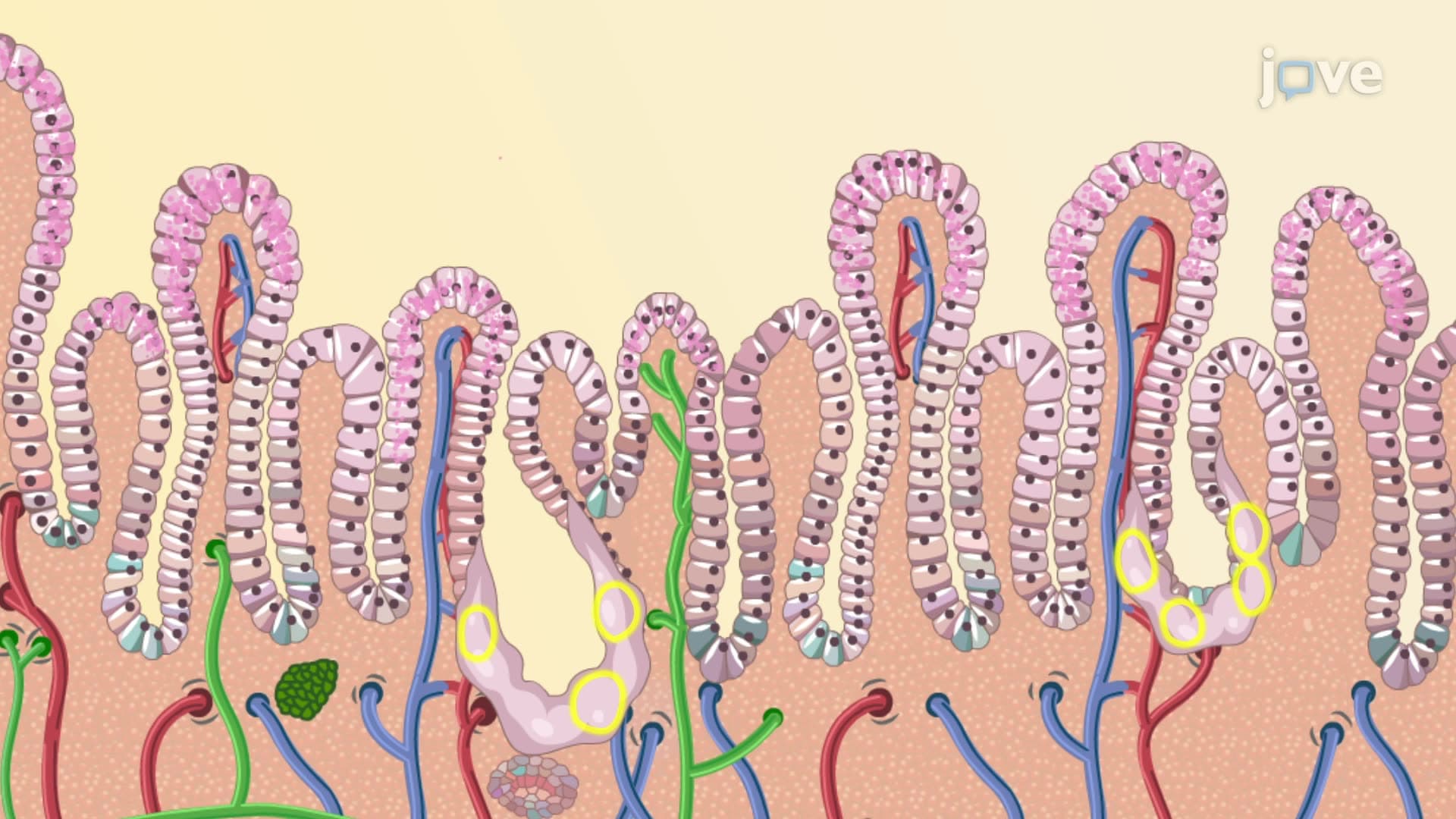
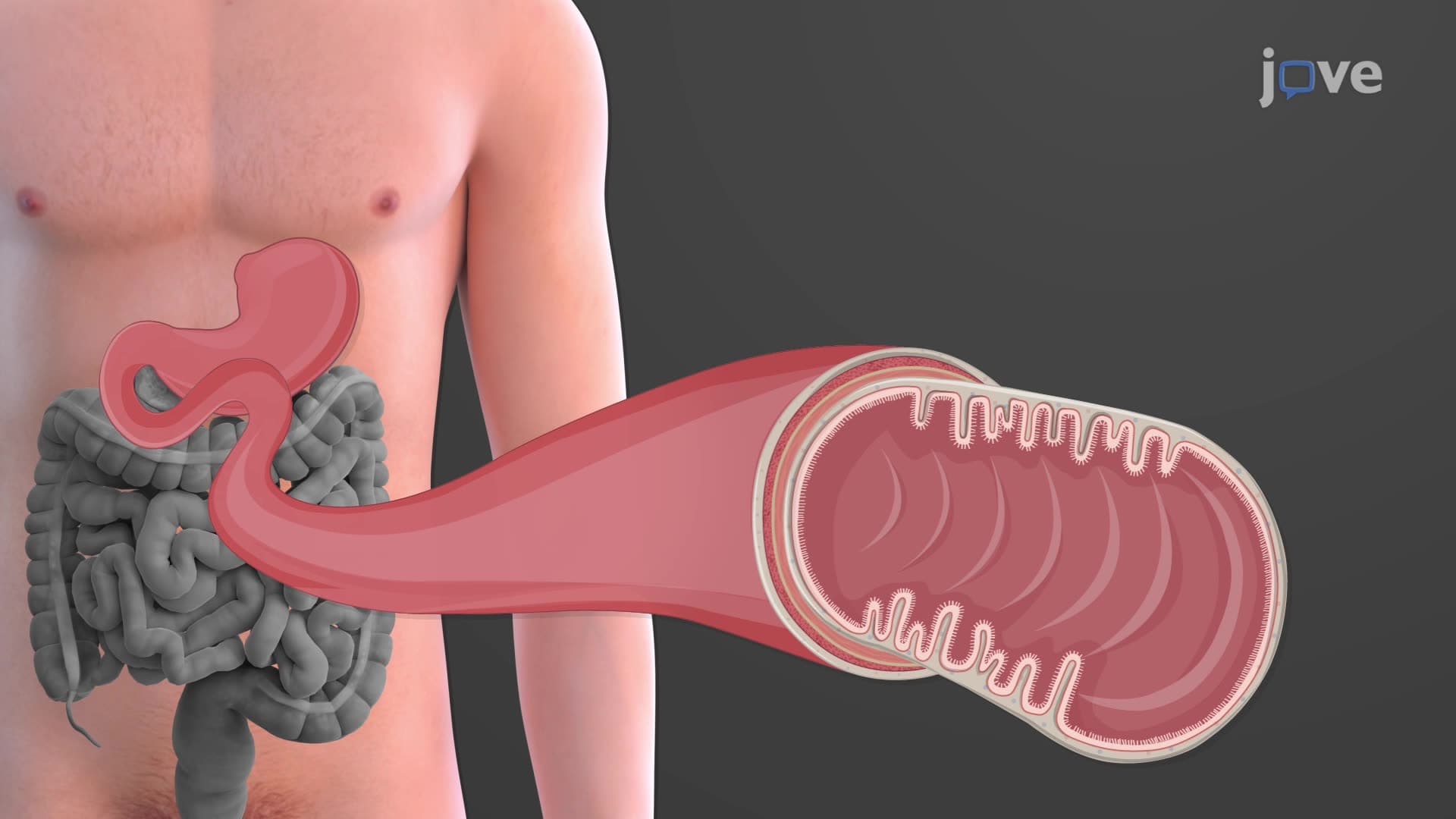
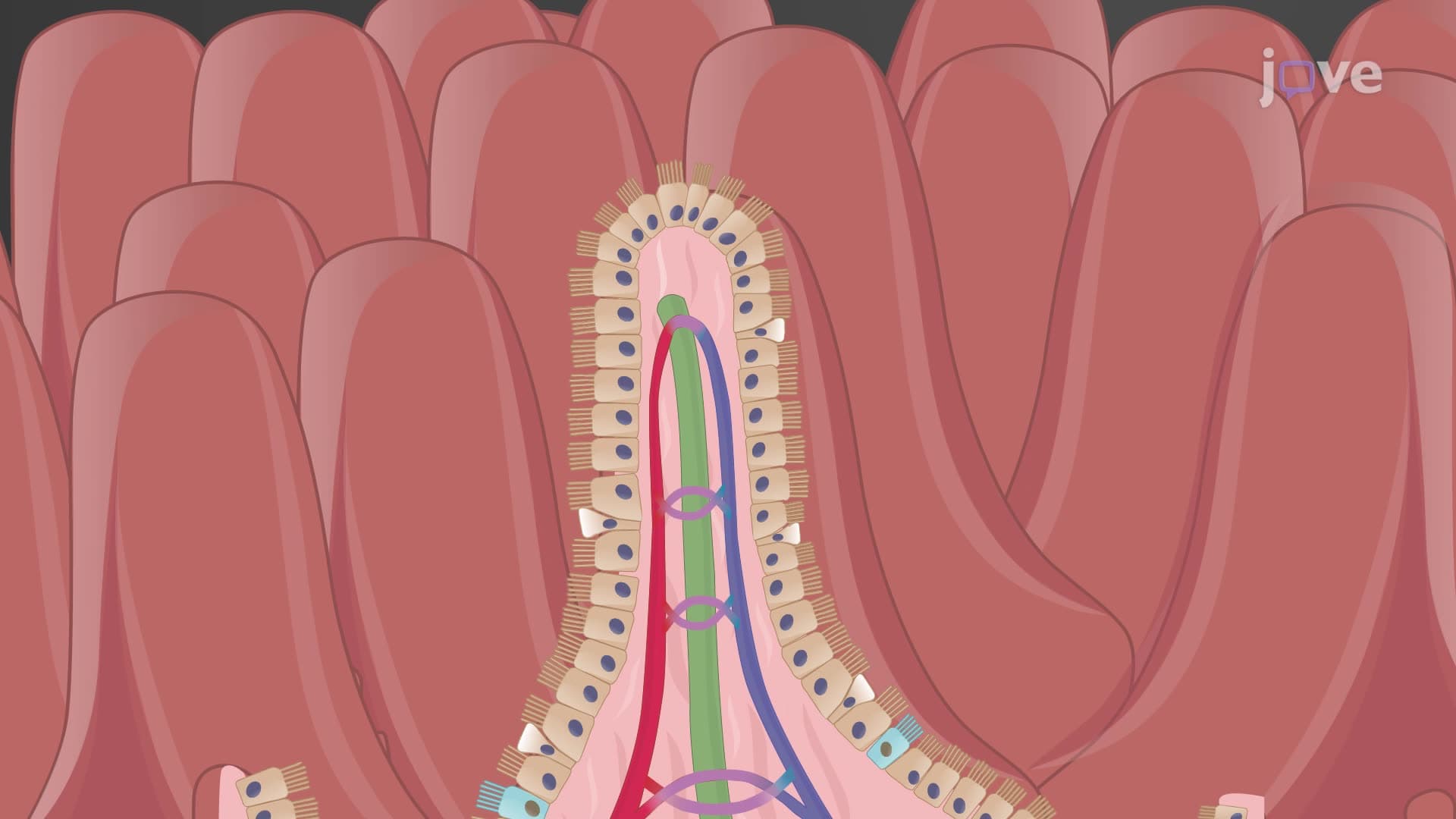
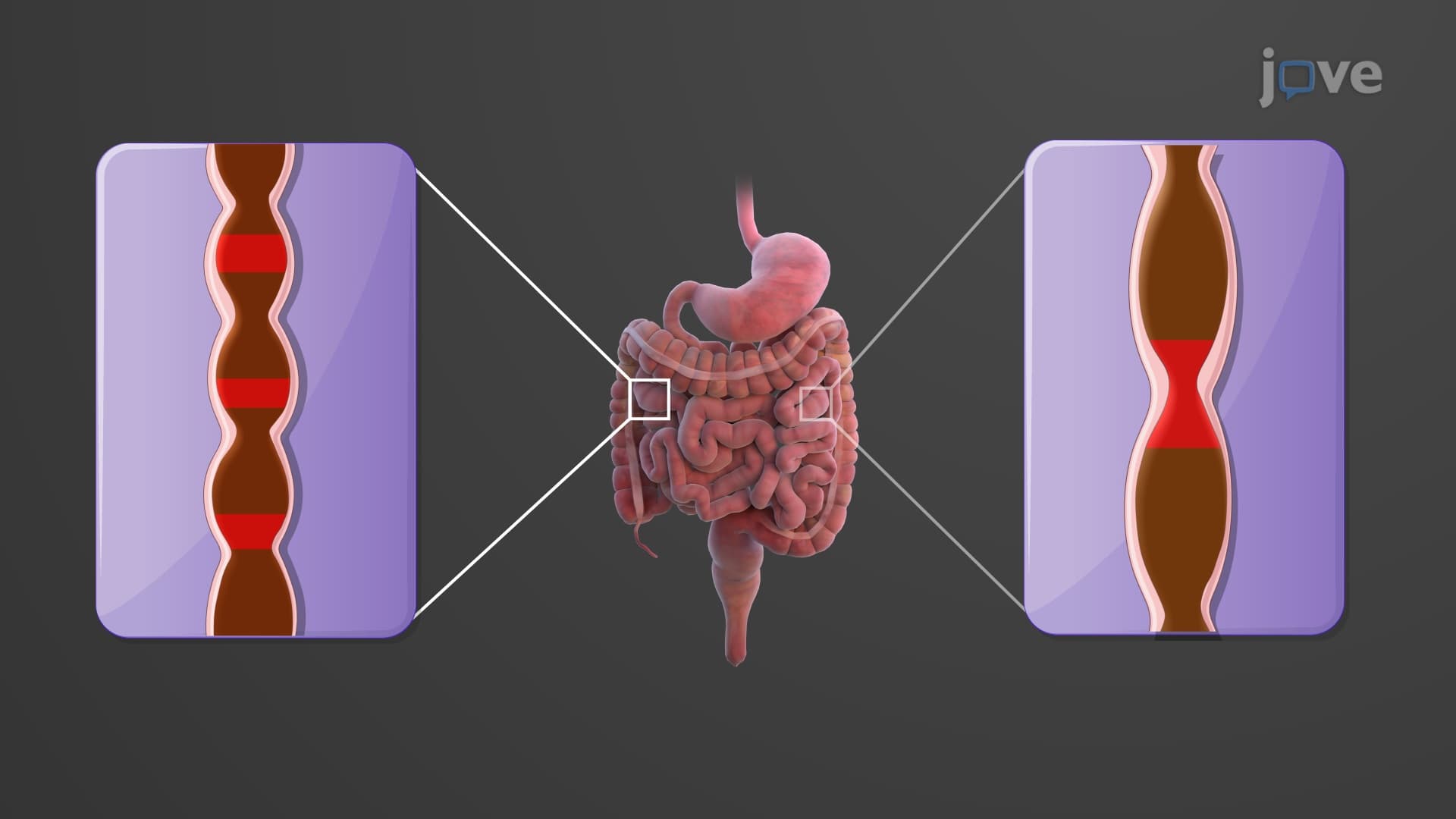
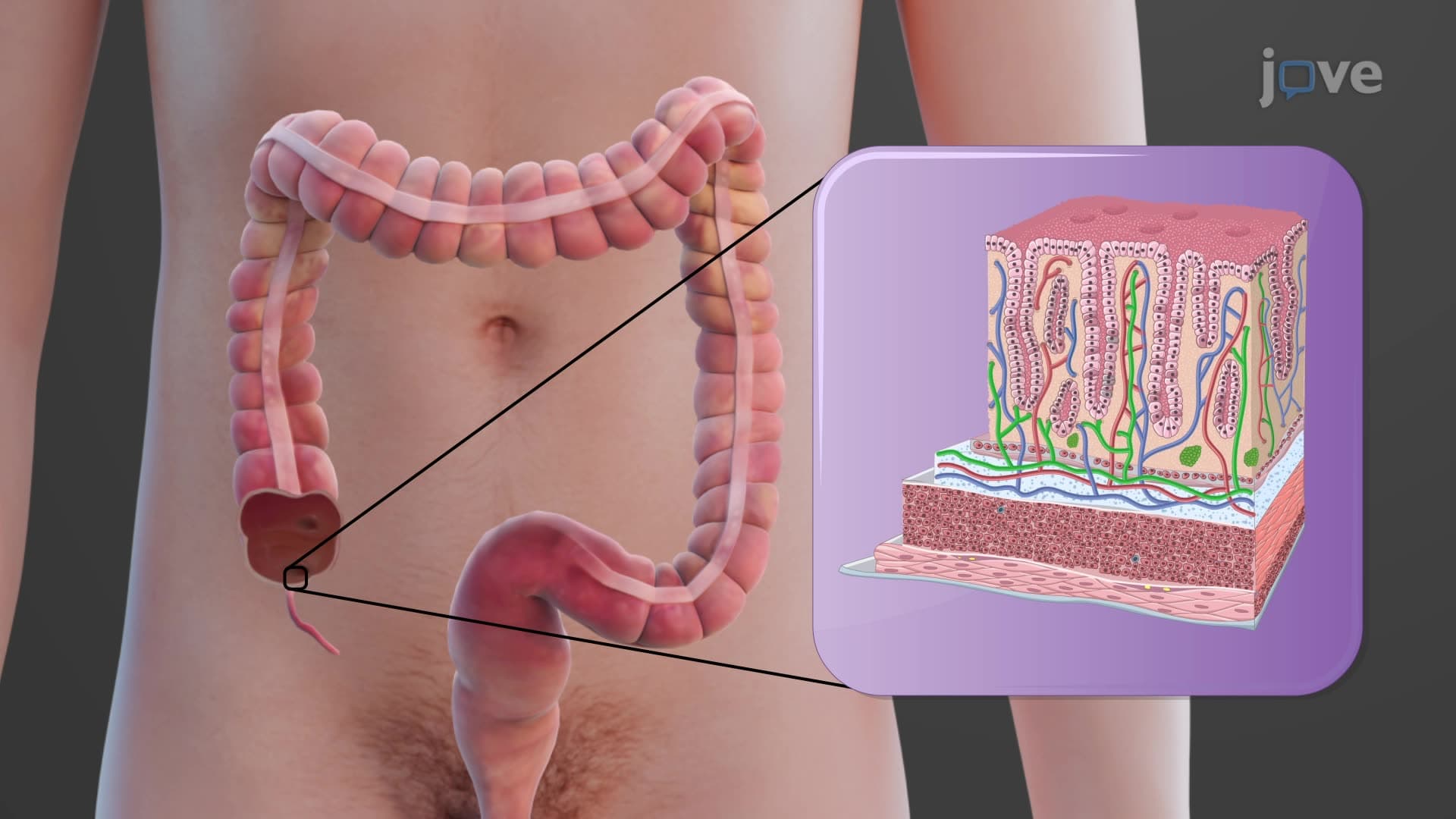
The enteric nervous system deserves its nickname as the "second brain" because it contains more neurons than the spinal cord-approximately 500 million nerve cells embedded in the GI tract walls. This autonomous network can function independently of the central nervous system, explaining why patients with spinal cord injuries can still digest food normally. In US medical schools, students studying for the MCAT often encounter questions about how enteric neurons coordinate peristalsis, the wave-like muscle contractions that move food through your digestive tract. These neurons respond to mechanical stimuli like stomach distension when you eat a large meal at your local diner, triggering appropriate digestive responses.
Hormonal Regulation: Chemical Messengers Orchestrating Digestion
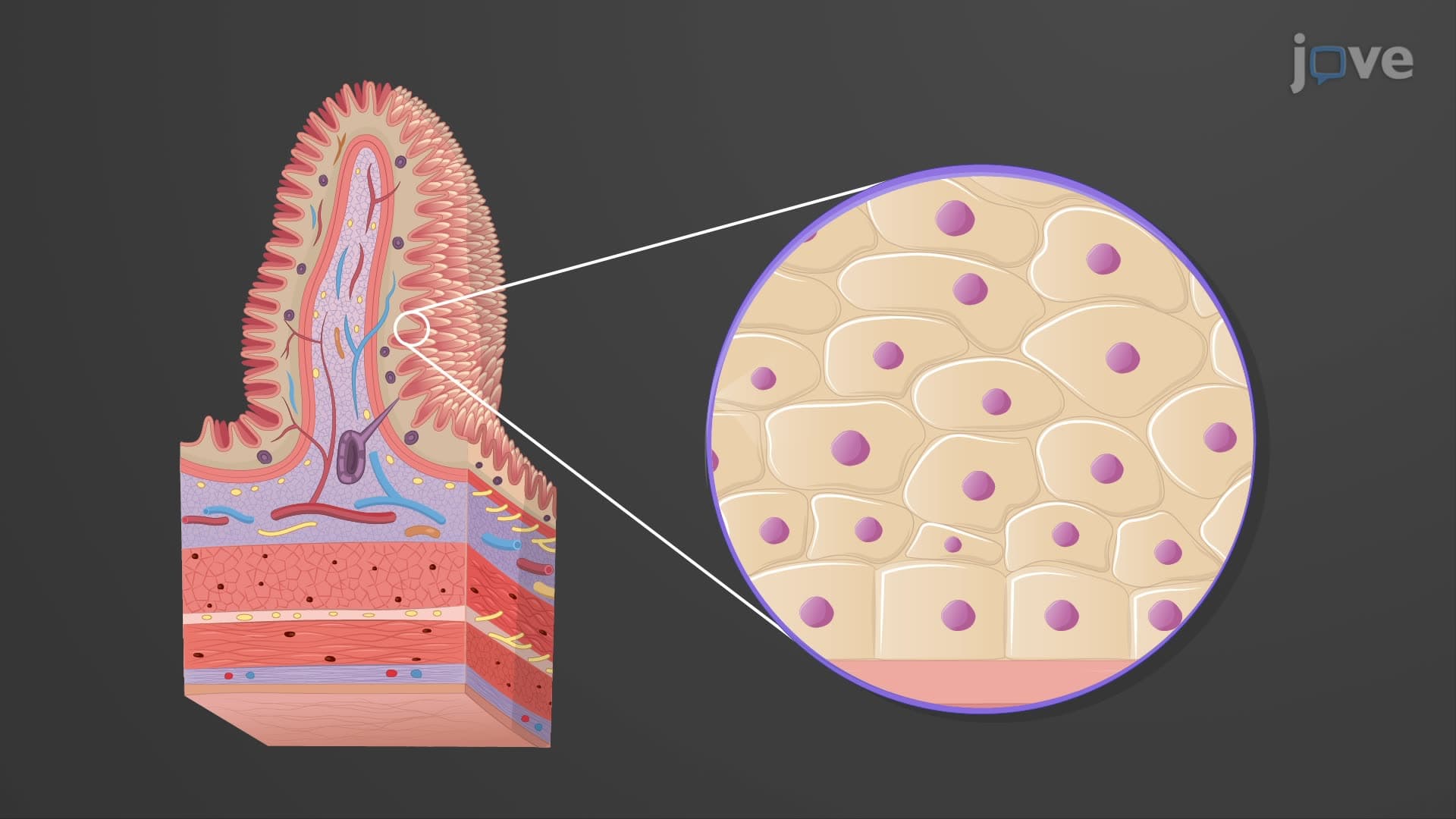
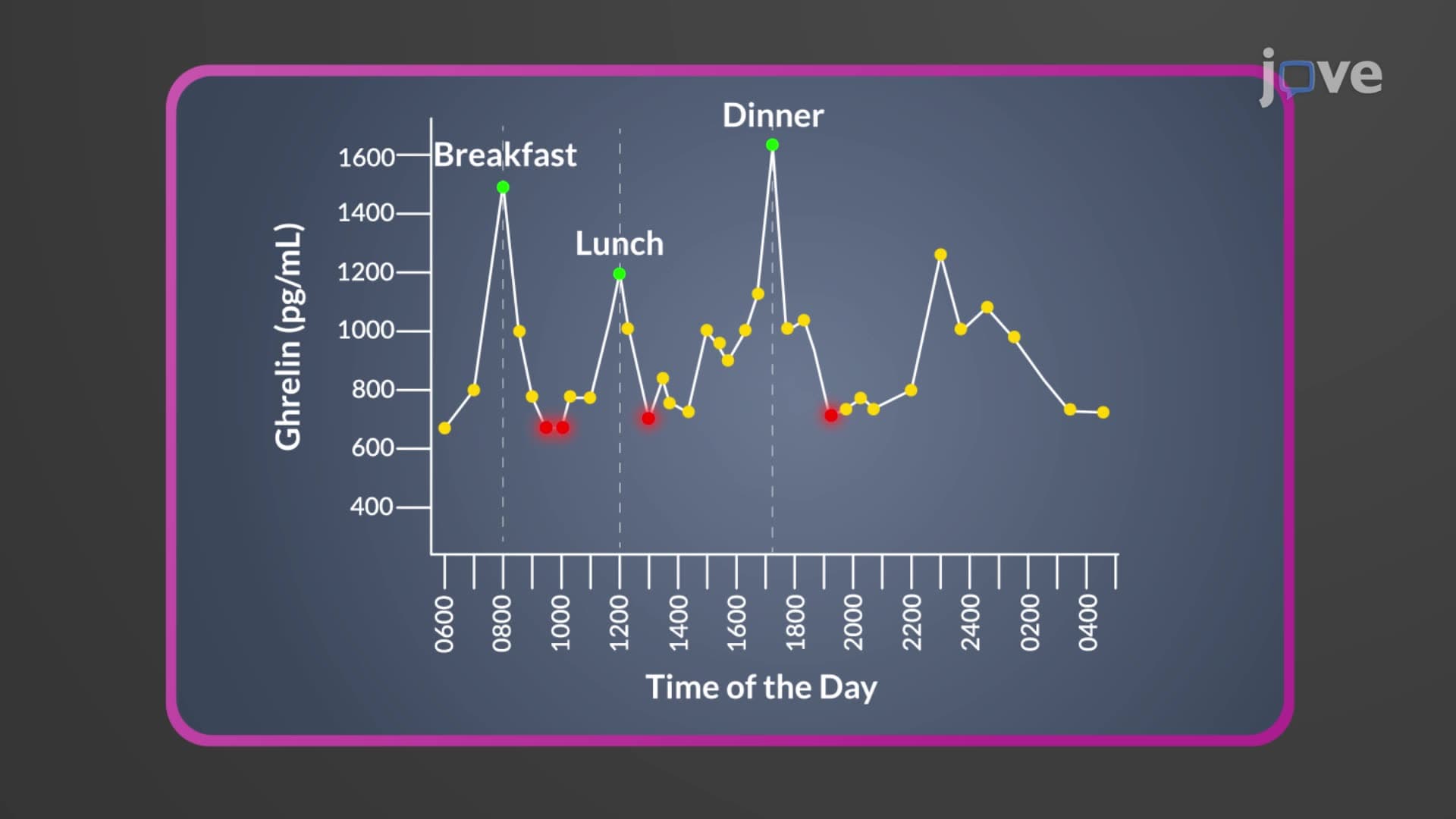
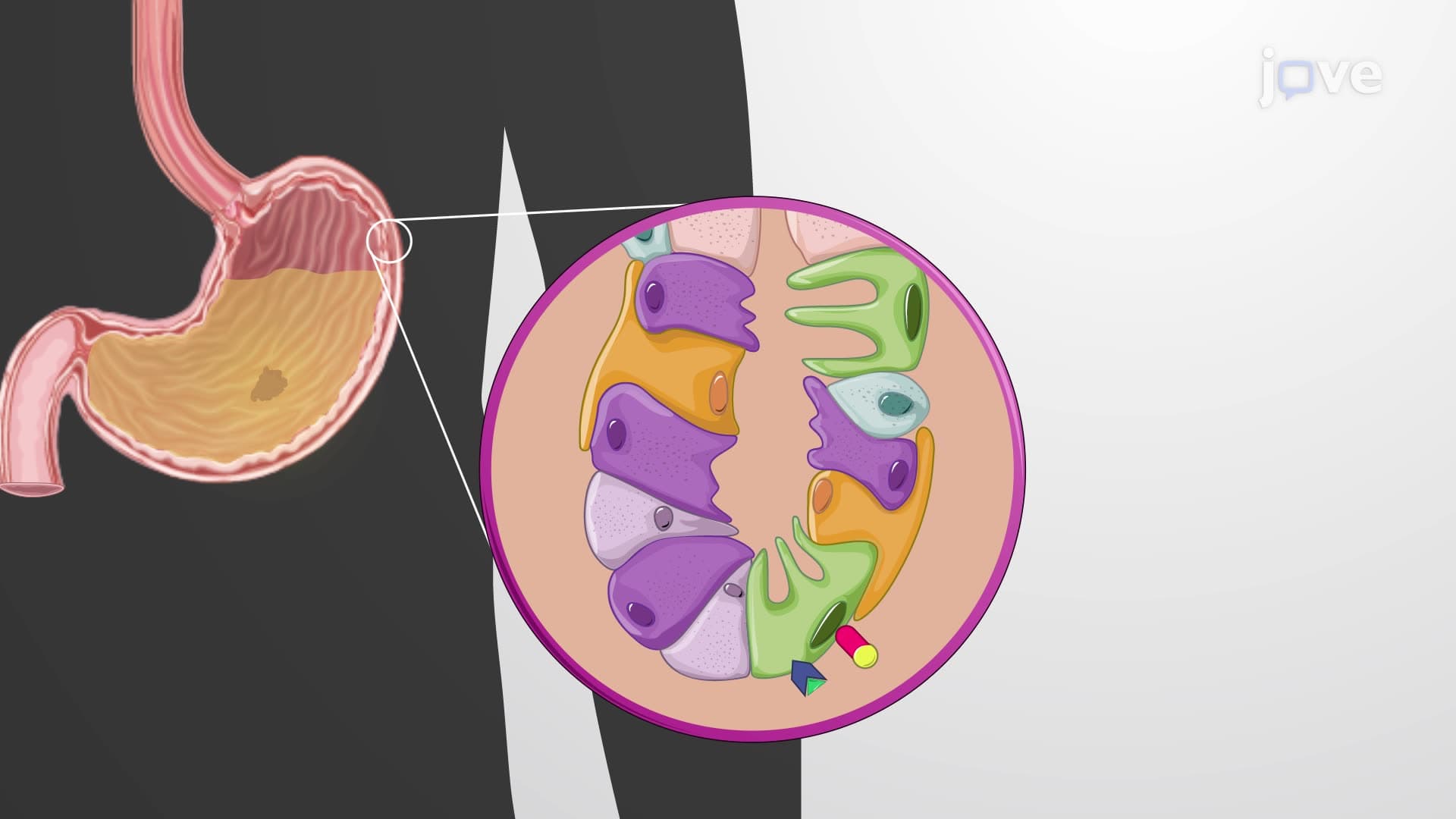
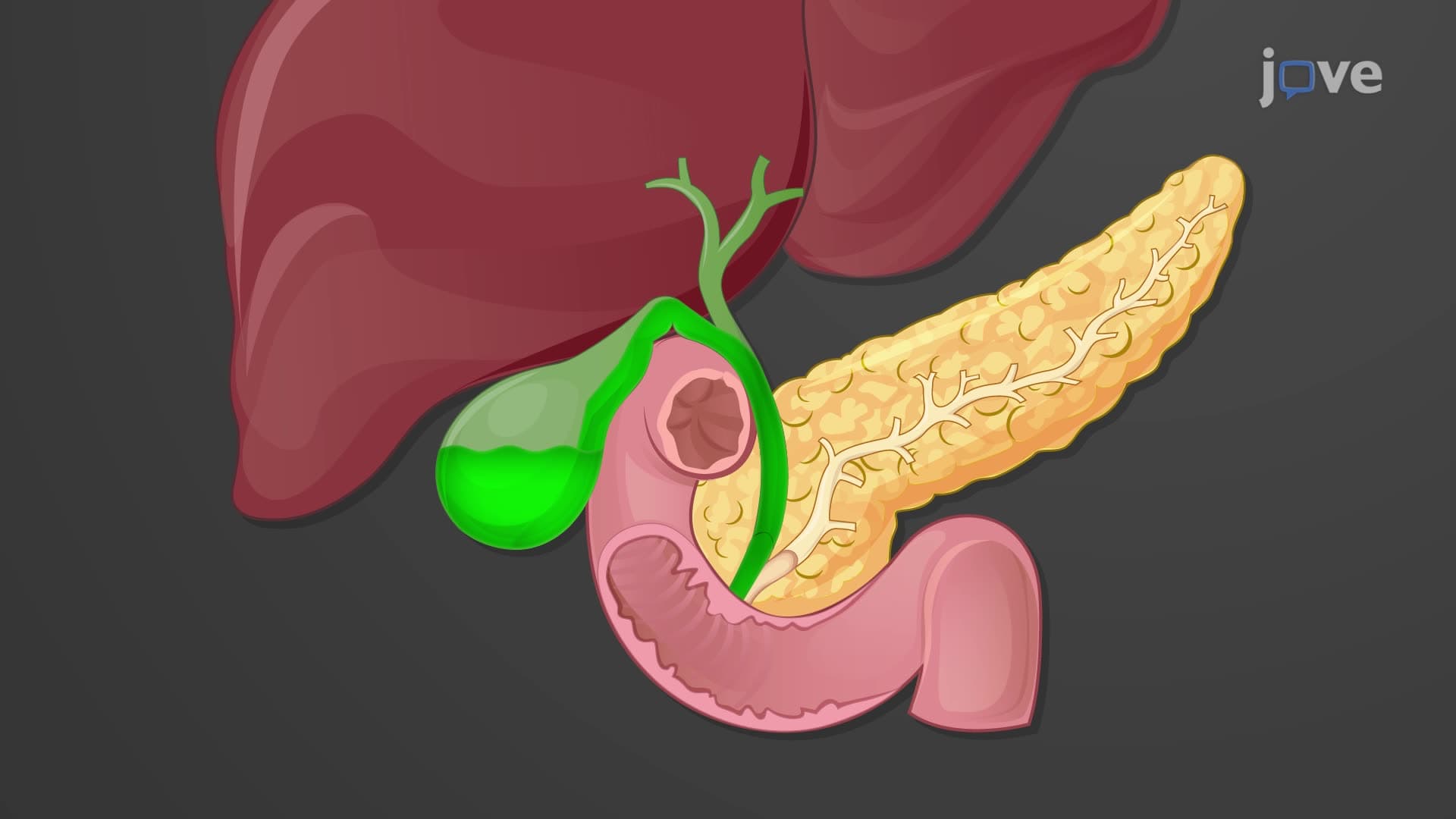
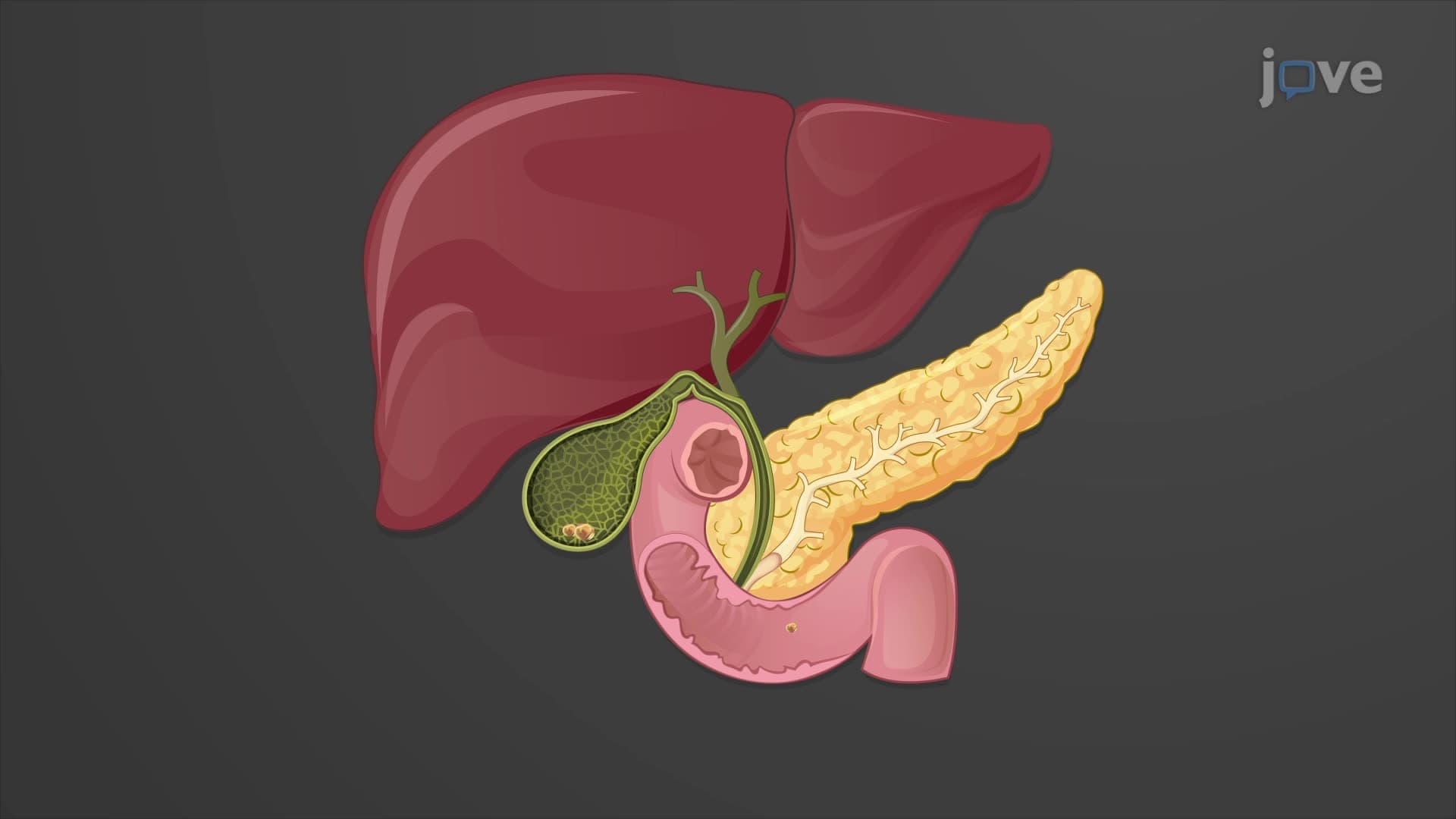
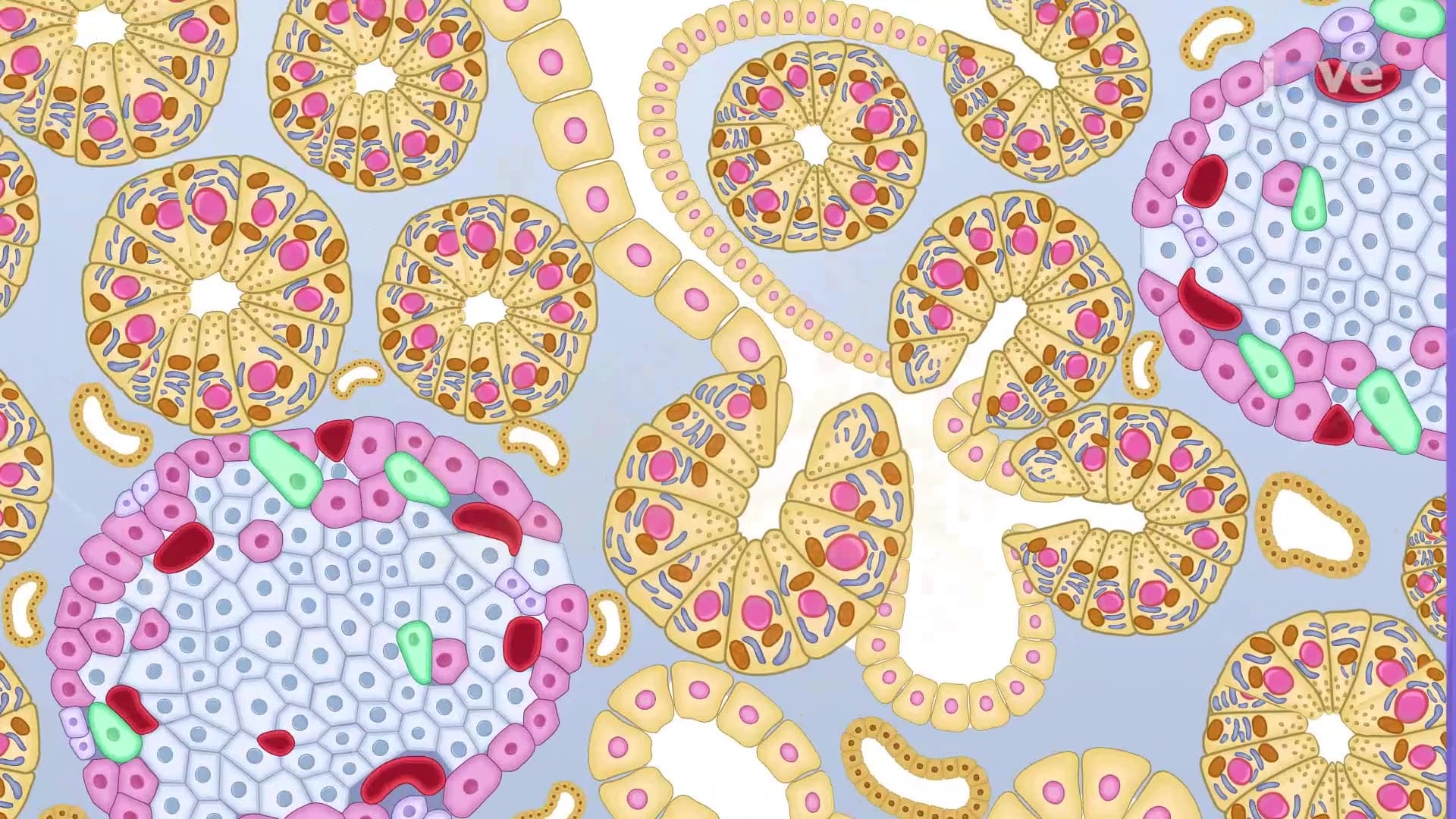
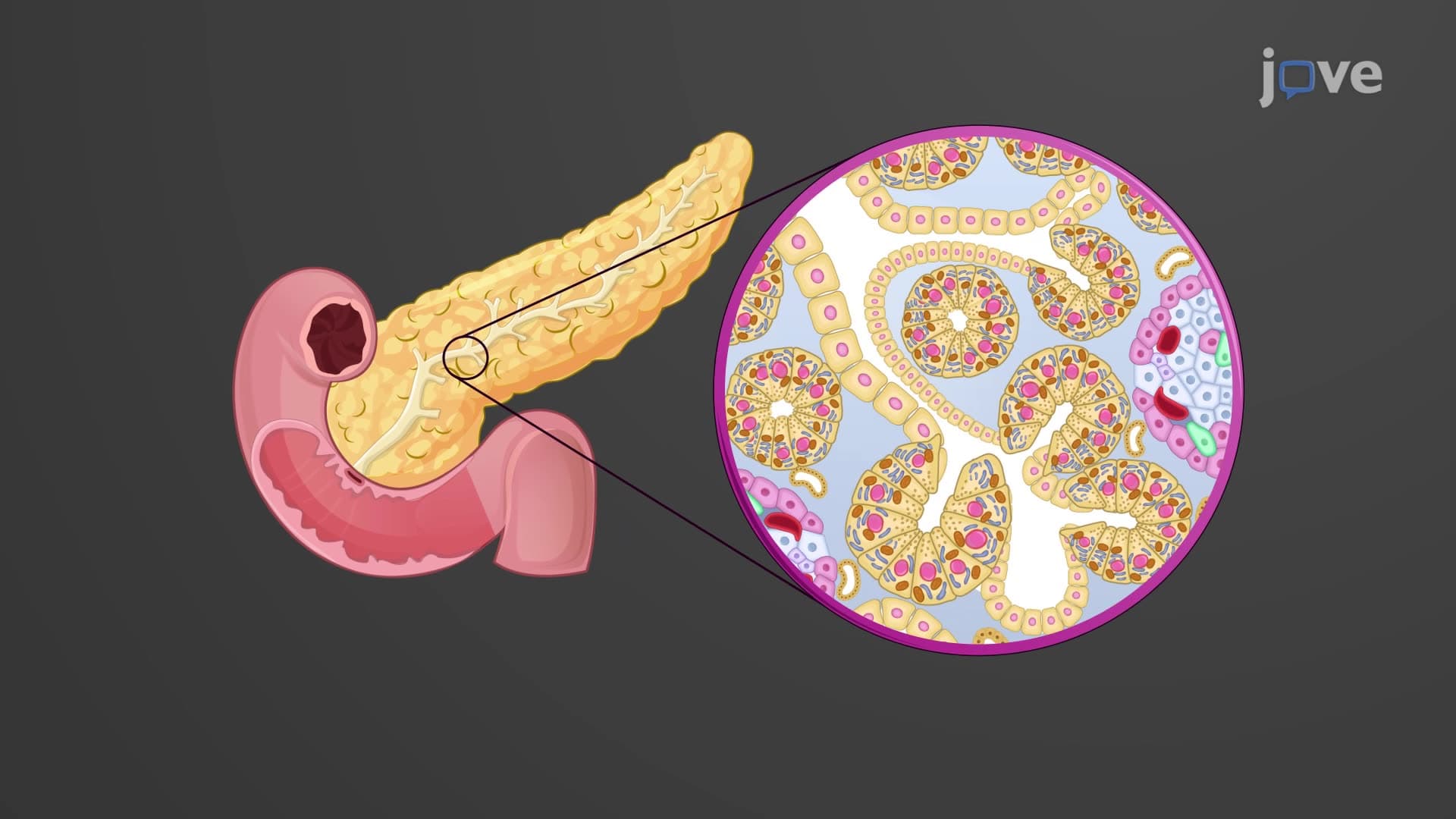
GI hormone regulatory mechanisms involve four key players produced by enteroendocrine cells. Gastrin, released by stomach cells when you eat protein-rich foods like a steak dinner, stimulates acid production by parietal cells. The duodenum produces secretin when acidic stomach contents enter, signaling your pancreas to release bicarbonate-rich pancreatic juice that neutralizes the acid. Cholecystokinin (CCK) responds to fats and proteins, causing your gallbladder to contract and release bile while stimulating pancreatic enzyme secretion. Gastric inhibitory peptide provides negative feedback, slowing stomach emptying when nutrients reach the small intestine.
Clinical Applications and Exam Relevance
Understanding digestive system regulation is crucial for AP Biology students tackling free-response questions about homeostasis and for pre-med students preparing for MCAT passages on gastrointestinal physiology. In clinical settings, disorders like gastroparesis (delayed stomach emptying) and Zollinger-Ellison syndrome (excess gastrin production) illustrate what happens when these regulatory mechanisms malfunction. Nursing students preparing for NCLEX exams frequently encounter scenarios involving patients with digestive disorders, making this knowledge essential for patient care.
Frequently Asked Questions
Regulation of the digestive system is the coordinated control of digestive processes through neural, hormonal, and mechanical mechanisms. This regulation ensures optimal nutrient breakdown and absorption while protecting the GI tract from damage. Without proper regulation, conditions like peptic ulcers, malabsorption disorders, and digestive dysfunction can occur, significantly impacting overall health and nutrition.
MCAT questions often focus on hormone functions, neural pathways, and feedback mechanisms in digestive regulation. AP Biology exams typically test understanding of homeostasis through digestive examples, including how gastrin and secretin maintain optimal digestion. Students should know specific hormone sources, targets, and effects, plus be able to trace digestive control pathways from stimulus to response.
College courses emphasize the enteric nervous system's independence, the four major GI hormones and their specific functions, and local reflex control mechanisms. Students must understand how mechanical stimuli like stomach stretching trigger appropriate responses. Integration of neural and hormonal controls is frequently tested on midterm and final exams through case study scenarios.
Knowledge of digestive regulation explains why stress affects digestion (neural control), how certain medications disrupt normal function, and why timing of meals matters. For example, understanding CCK release helps explain why high-fat meals feel more satisfying and why gallbladder problems often occur after fatty foods like those found in typical American fast food.
Basic high school chemistry is sufficient to grasp digestive regulation concepts. Understanding pH, enzymes, and simple molecular interactions provides adequate background. The focus is on biological processes and regulatory mechanisms rather than complex chemical structures, making this topic accessible to students with introductory science coursework.
Create flowcharts showing stimulus-response pathways for each hormone and neural reflex. Practice with real scenarios like "What happens when you eat a cheeseburger?" to trace the complete regulatory response. Use mnemonics for hormone functions and create concept maps linking neural, hormonal, and mechanical controls. Focus on integration rather than memorizing isolated facts.
Digestive regulation connects to endocrine system hormone signaling, nervous system reflex arcs, and cardiovascular responses to digestion. Understanding these connections helps with comprehensive physiology courses. The enteric nervous system's autonomy also provides excellent examples for studying nervous system organization and function in advanced biology courses.
Consider studying gut-brain axis connections, including how digestive hormones affect appetite and mood. Explore clinical applications like bariatric surgery effects on hormone regulation, inflammatory bowel disease impacts on neural control, and pharmacological interventions targeting digestive regulation. These topics are valuable for pre-health students and those pursuing advanced biology degrees.
Related Micro-courses
25 Concepts

25 Concepts

20 Concepts