Loading subject page…

- Anatomy and Physiology
- Digestive System
- Small Intestine
Micro-course: Digestive System
89,747 views
Learn key concepts and earn your certificate.




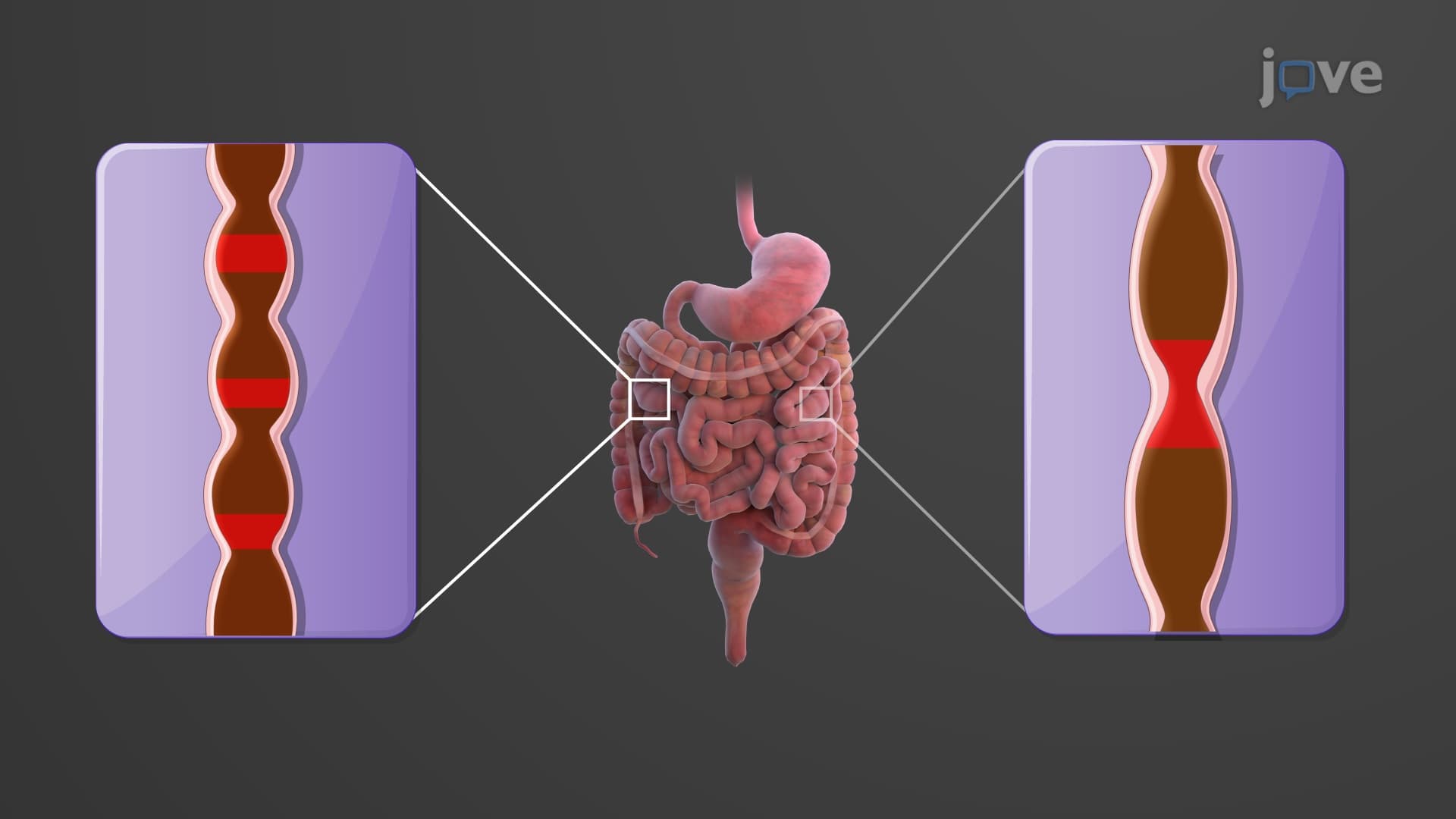
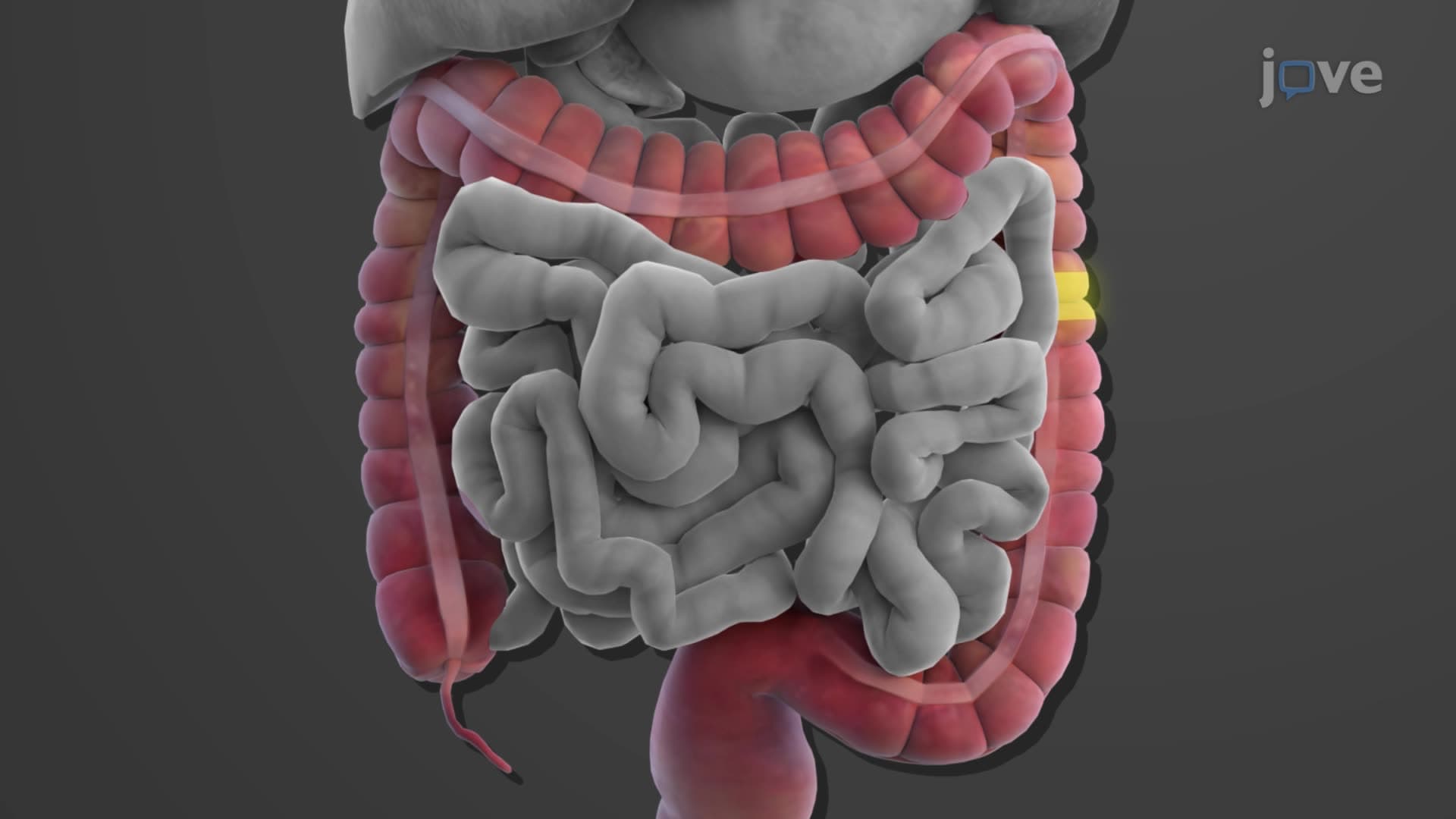
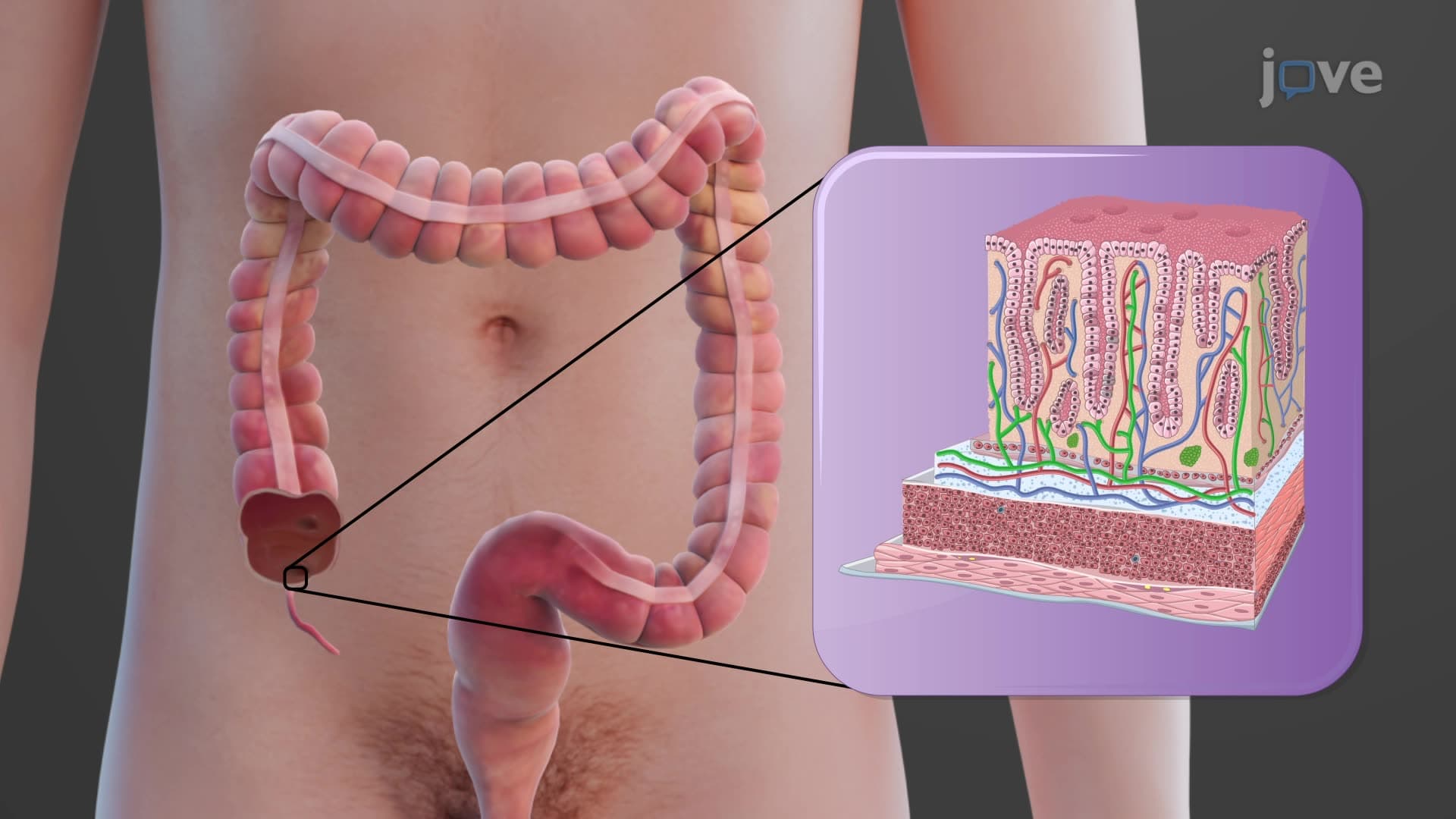
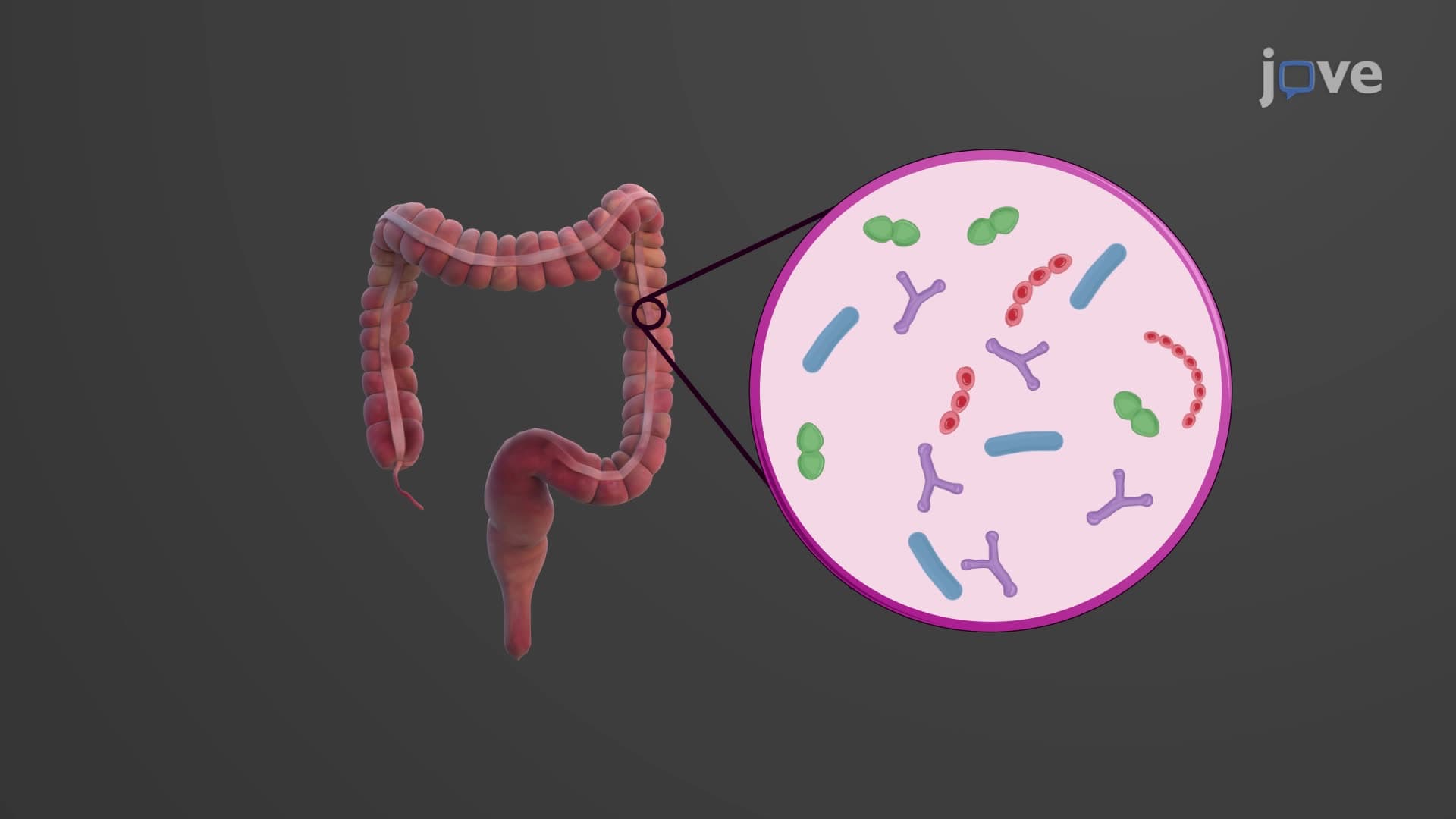
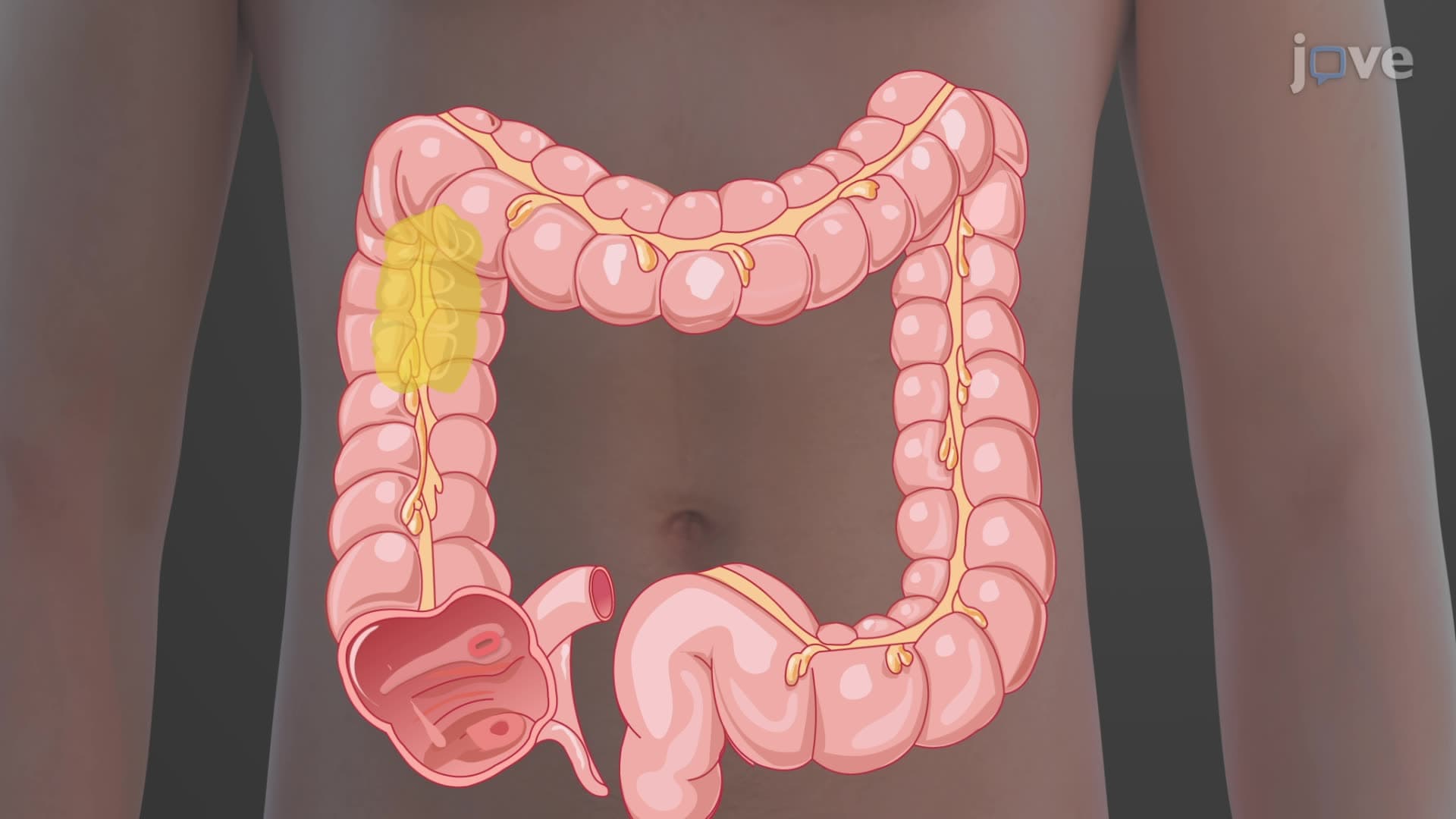
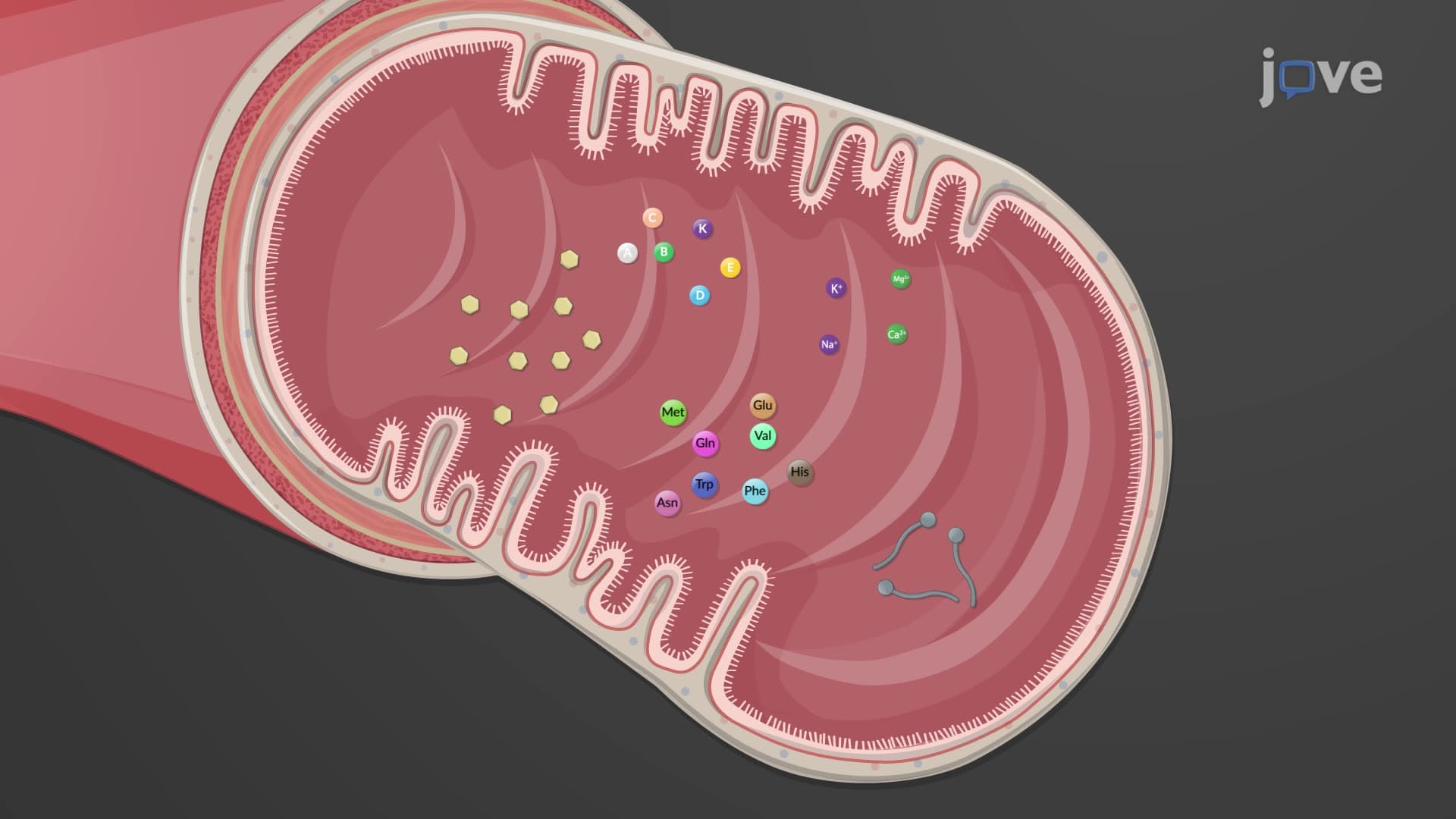
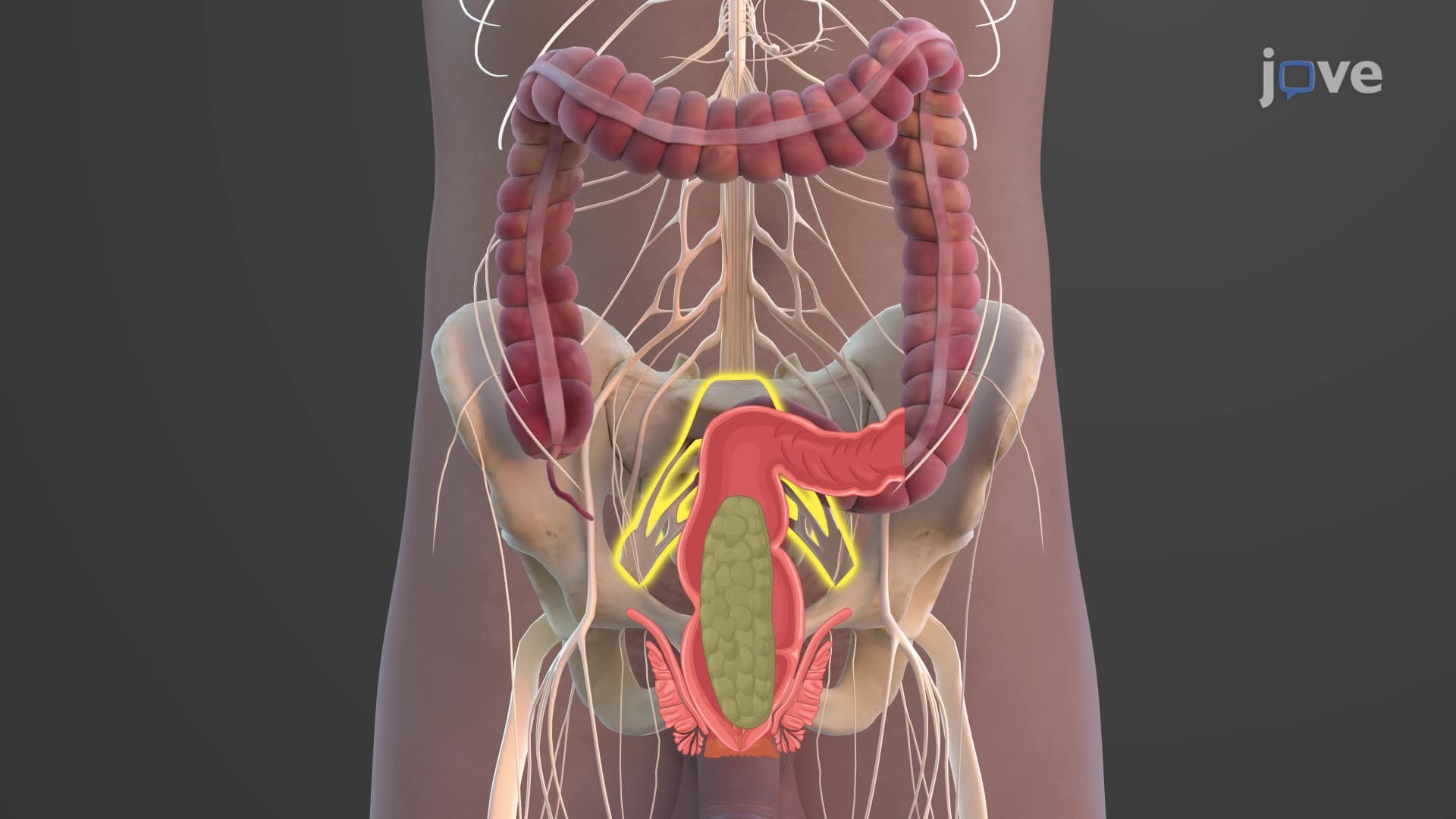
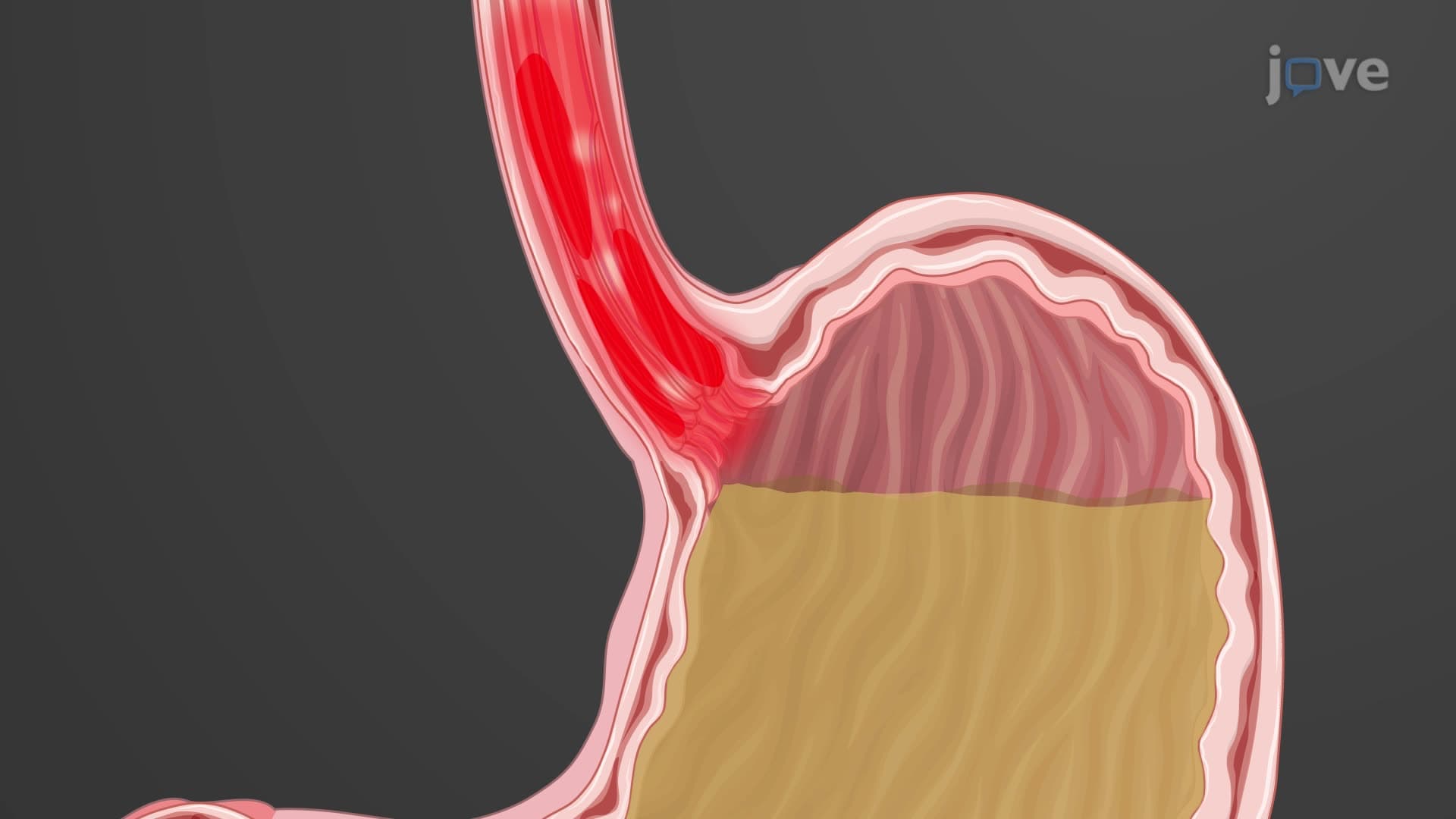
Small Intestine

00:00
01:15
Video Summary: What Is Small Intestine
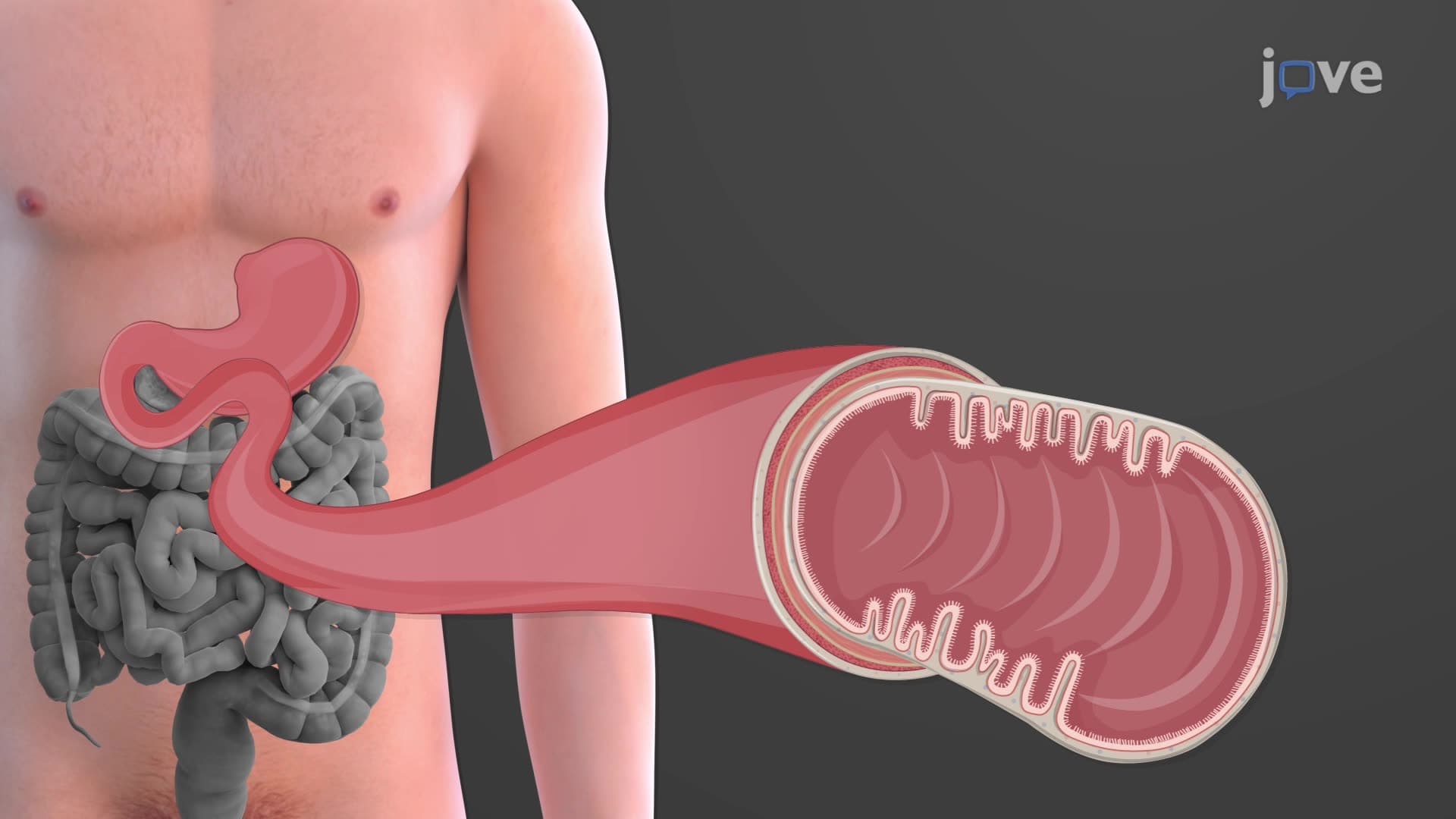
Did you know your small intestine anatomy biology spans nearly 20 feet-longer than a school bus? This crucial digestive organ, featuring the duodenum, jejunum, and ileum segments, absorbs about 80% of your nutrients daily. Consider a student athlete consuming 3,000 calories: their small bowel structure function processes this massive nutritional load through specialized circular folds and villi. What is the small intestine in digestive anatomy becomes clear when you realize it's your body's primary absorption powerhouse. Watch the full video on JoVE Coach to master this concept with expert-led visuals and step-by-step explanations.
- Understand what is small intestine anatomy and identify its three distinct segments: duodenum, jejunum, and ileum
- Recognize the structural adaptations that maximize surface area for nutrient absorption, including circular folds and intestinal villi
- Analyze how small bowel structure function differs across the duodenum, jejunum, and ileum regions
- Compare the specific roles of each segment in chemical digestion and nutrient absorption processes
- Identify the anatomical boundaries from the pyloric sphincter to the ileocecal valve small intestine junction
- Evaluate how the fan-shaped mesentery supports and positions the jejunum and ileum within the abdominal cavity
- Apply knowledge of small intestine length anatomy to understand digestive efficiency and clinical conditions
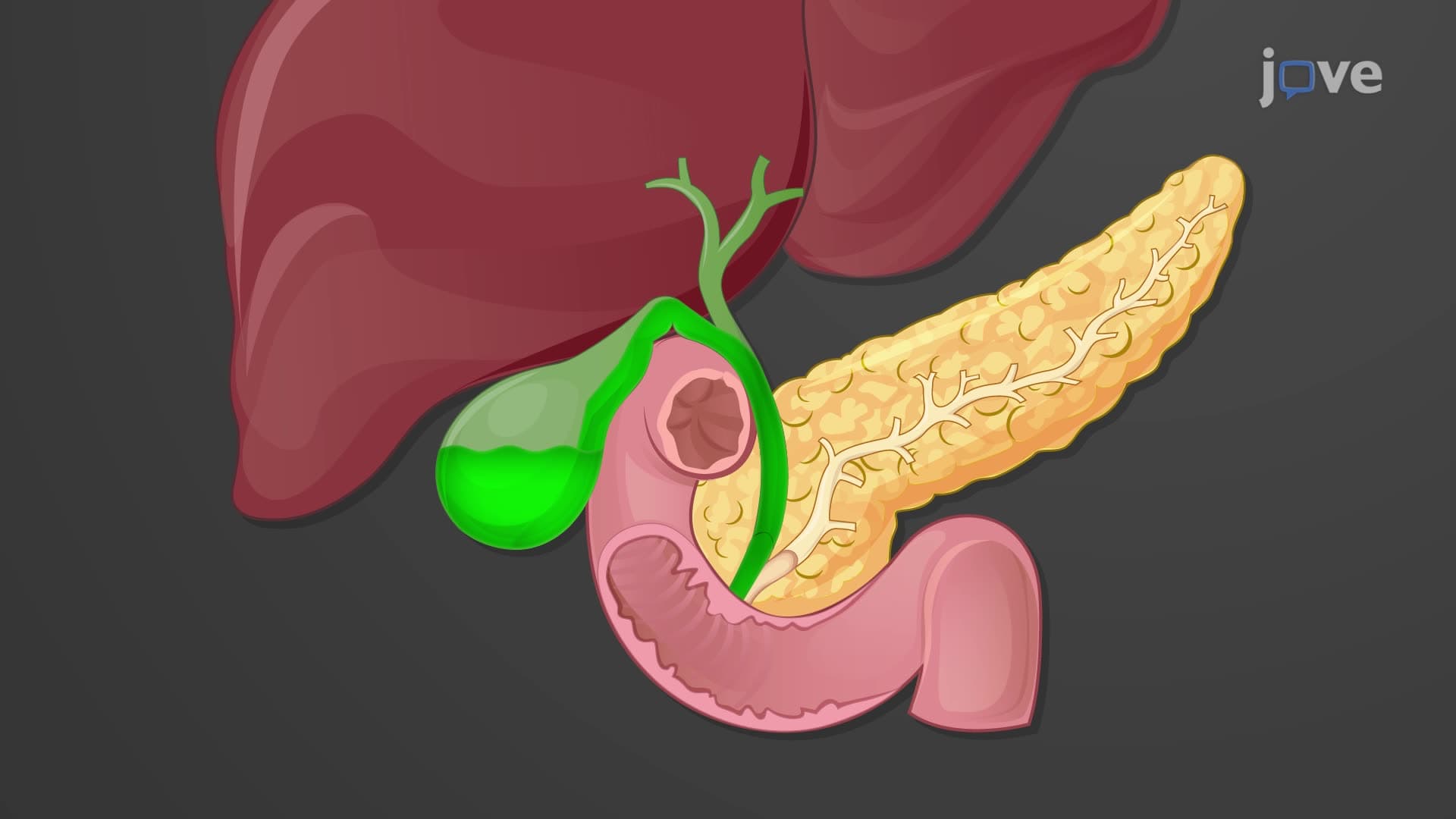
- Explore the relationship between pancreatic and liver secretions with duodenal digestive processes
Understanding Small Intestine Anatomy and Function
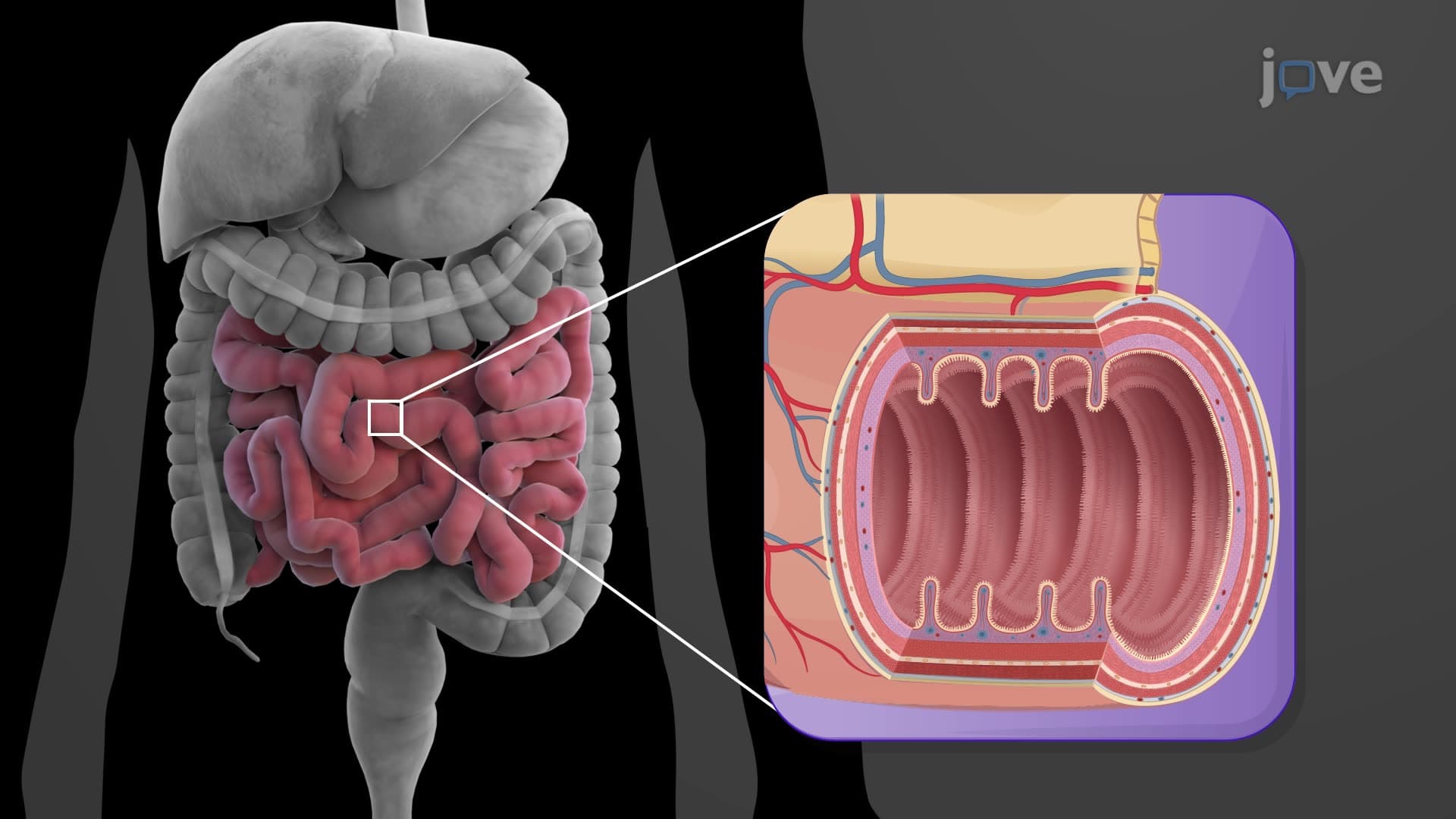
The small intestine anatomy biology represents one of the most remarkable examples of form following function in human physiology. This 20-foot-long tubular organ serves as the body's primary site for chemical digestion and nutrient absorption, processing everything from a morning bagel to complex proteins in your lunch. The small bowel structure function relies on an intricate design featuring internal circular folds called plicae circulares, which increase surface area by threefold compared to a smooth tube.
The Three Segments: Duodenum, Jejunum, and Ileum
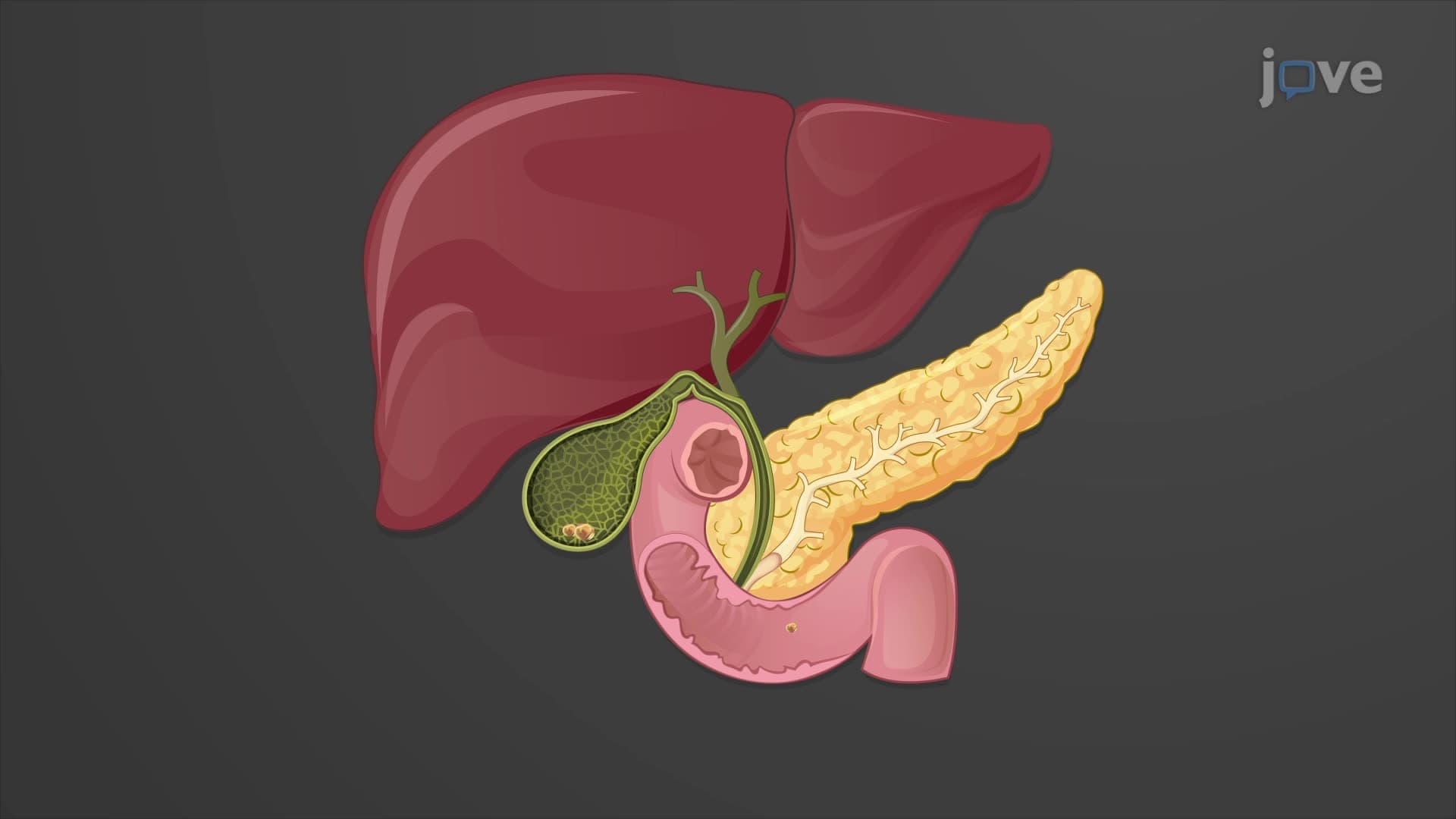
What is the small intestine in digestive anatomy becomes clearer when examining its three specialized segments. The duodenum, forming a distinctive C-shape around the pancreas, measures approximately 10 inches and serves as the mixing chamber where acidic chyme from the stomach encounters alkaline pancreatic juice and bile. This is where students often see clinical correlations-duodenal ulcers, commonly tested on the MCAT, occur when stomach acid overwhelms the duodenum's protective mechanisms.
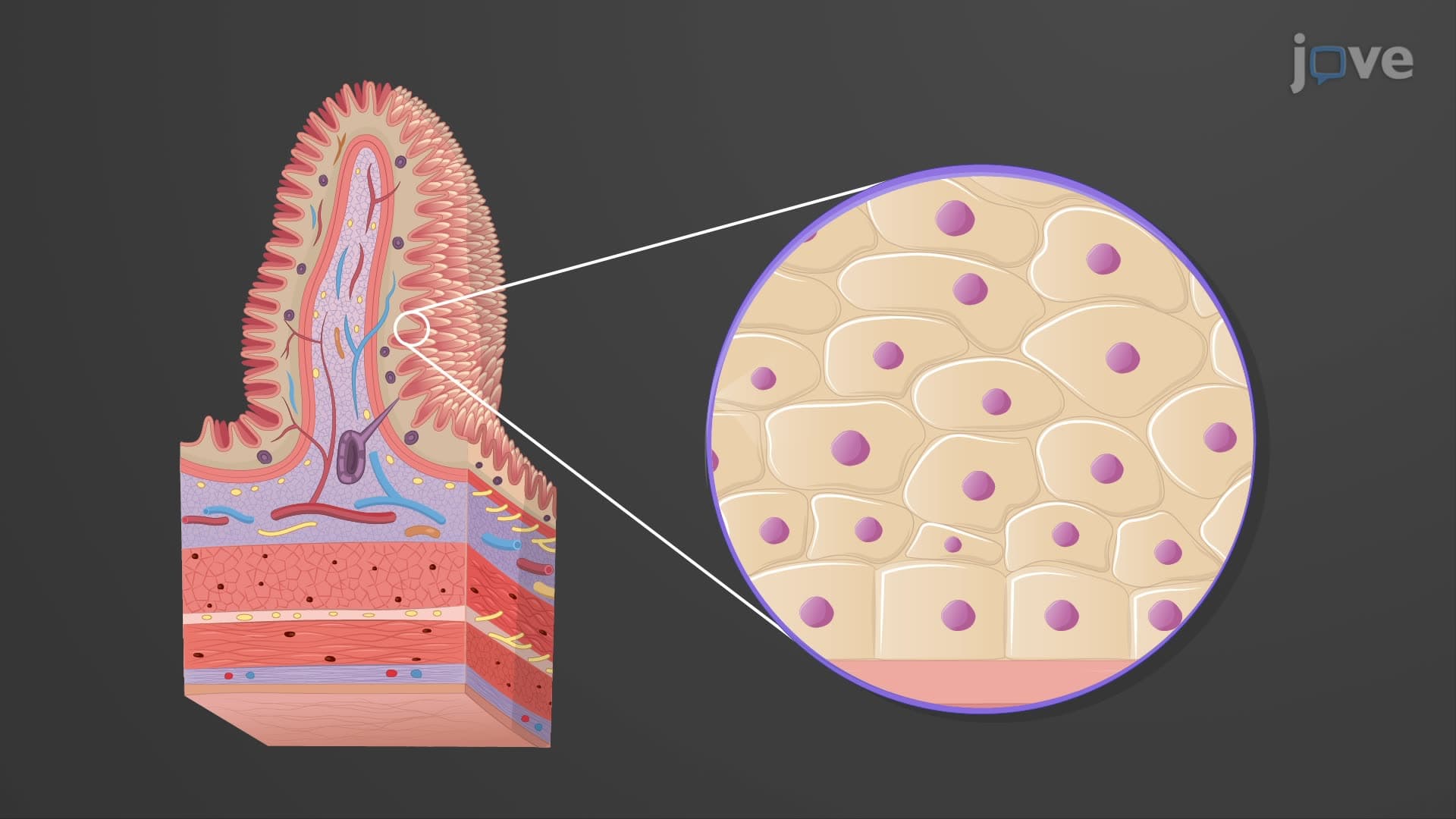
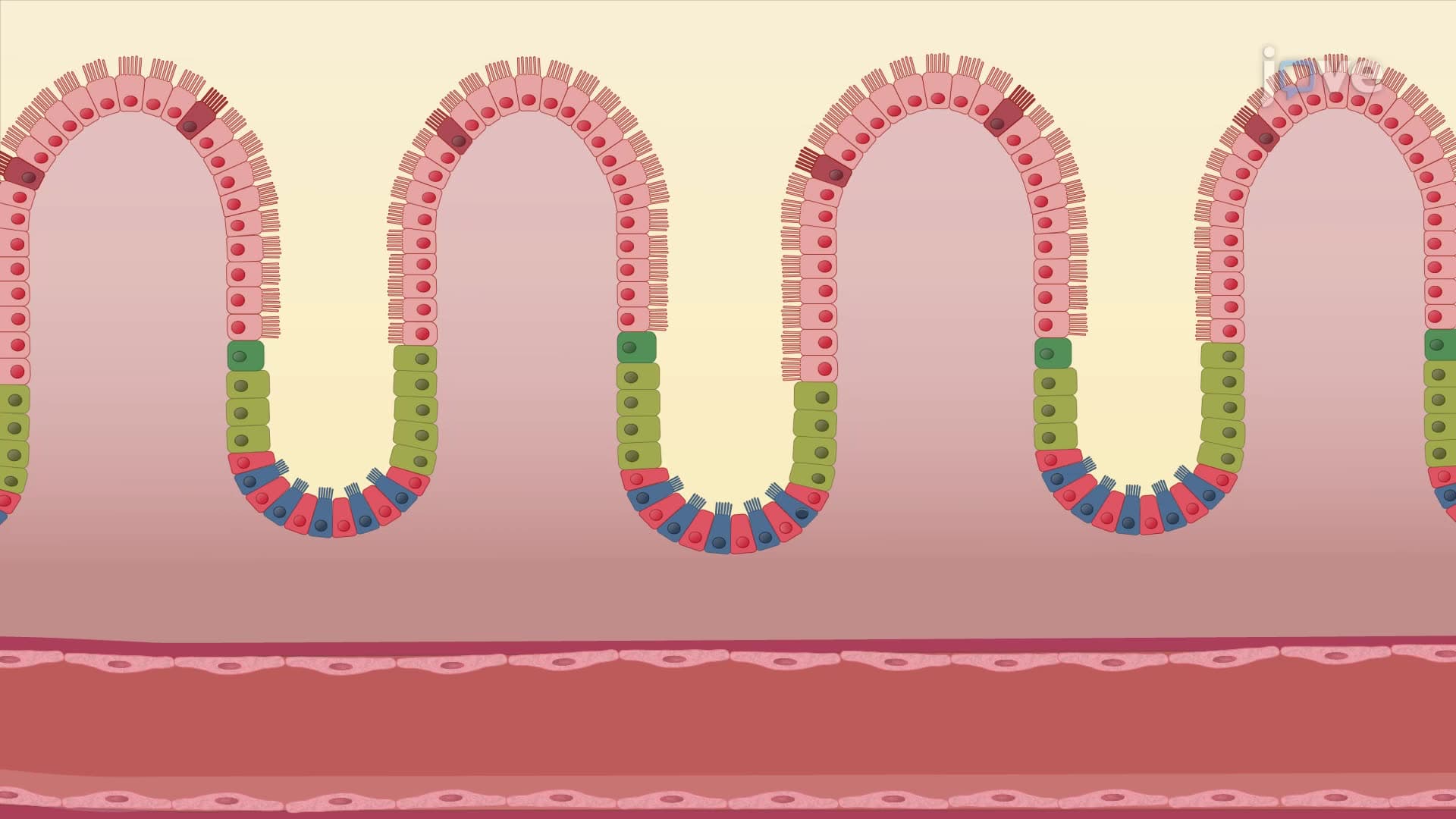
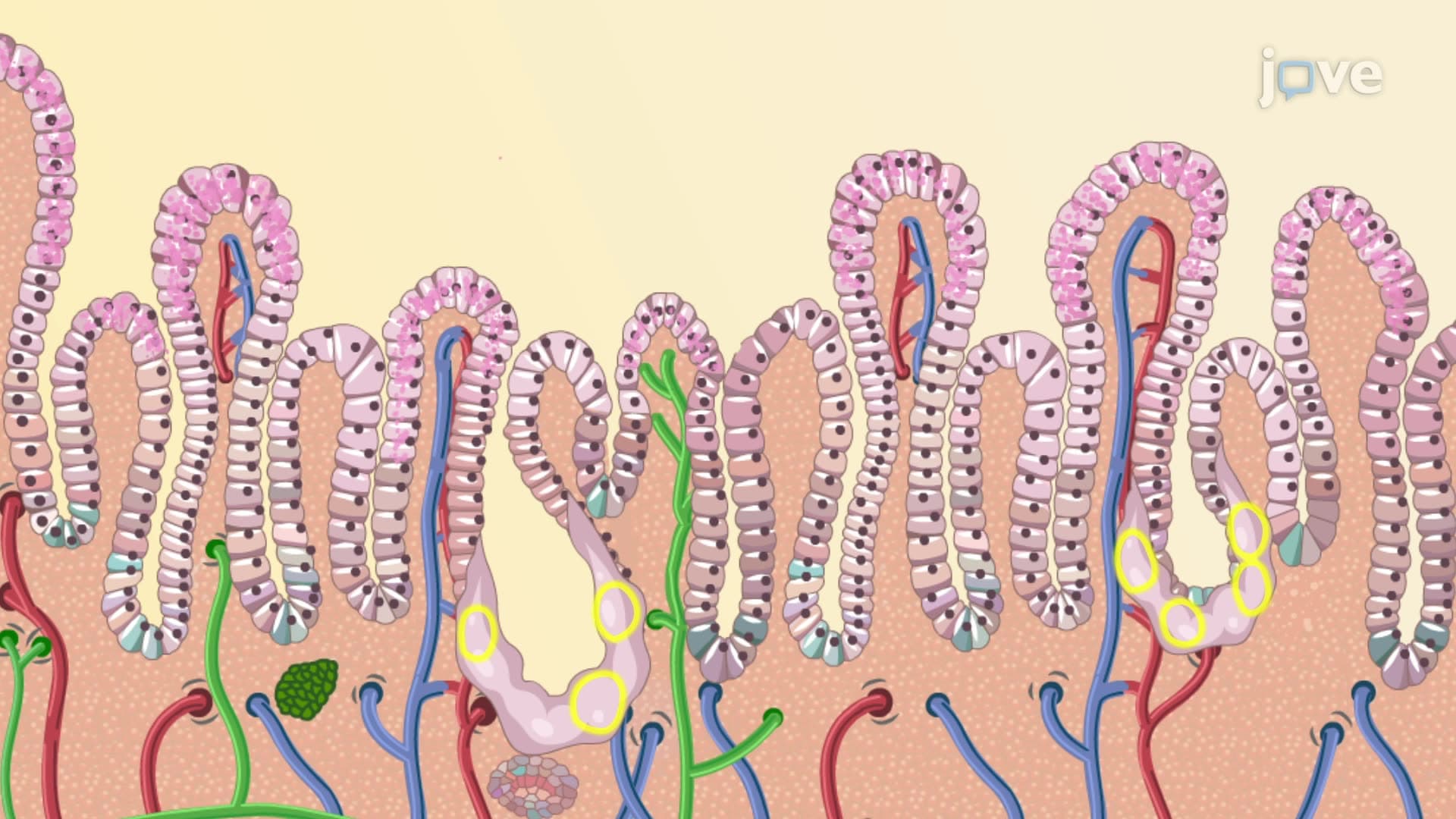
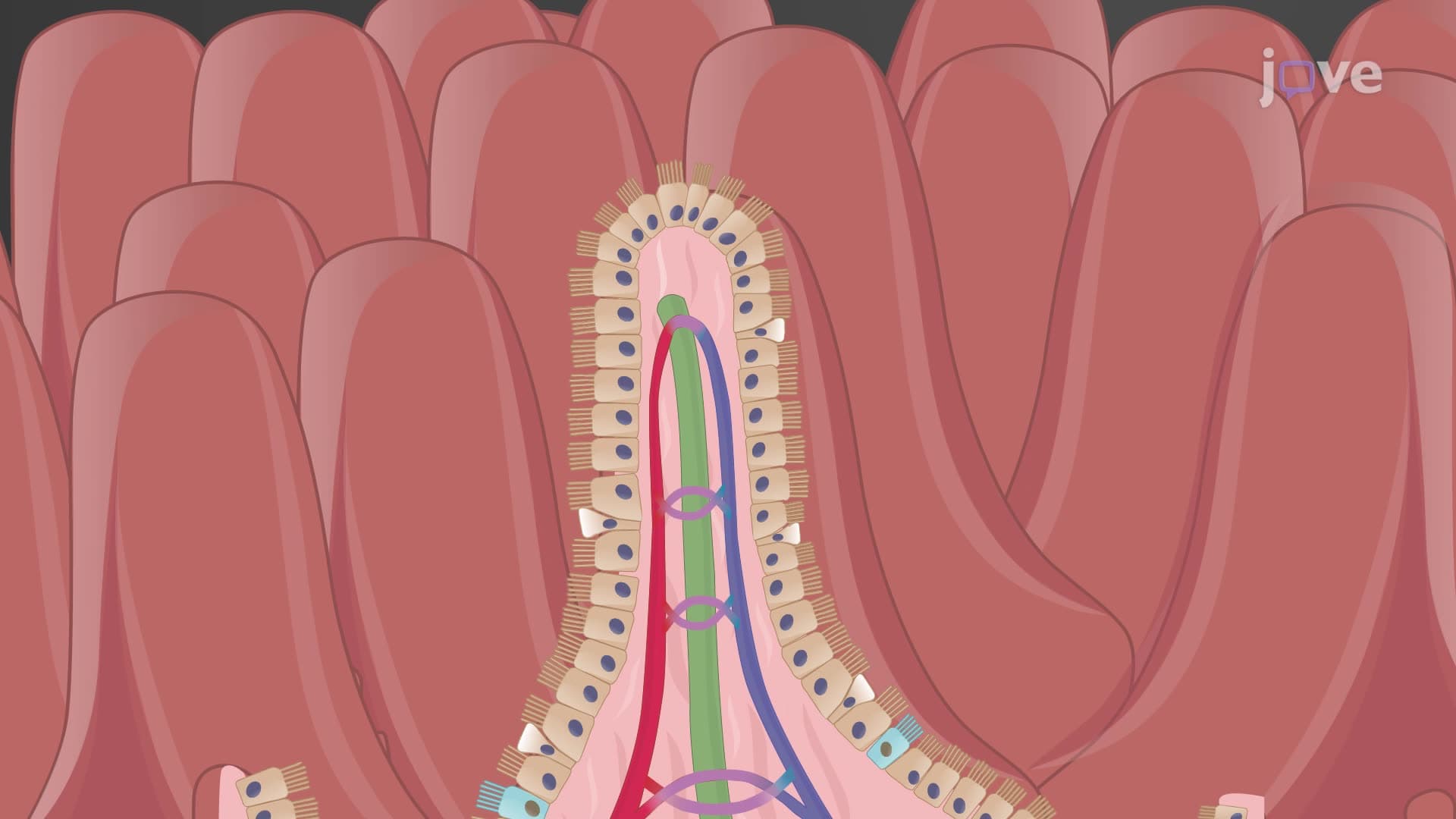
The jejunum, comprising the upper two-fifths of the remaining small intestine, handles the majority of nutrient absorption. Its walls contain numerous fingerlike projections called villi, each covered with microvilli creating a "brush border." This design multiplies the absorptive surface area to roughly that of a tennis court-a fact frequently appearing on AP Biology exams. The jejunum's rich blood supply and prominent circular folds make it easily identifiable during surgical procedures.
The ileum, the longest segment, specializes in absorbing vitamin B12, bile acids, and any remaining nutrients. Its terminal portion connects to the large intestine via the ileocecal valve small intestine junction, a one-way valve preventing bacterial backflow from the colon. This valve's malfunction can lead to small intestinal bacterial overgrowth (SIBO), a condition increasingly recognized in clinical practice.
Clinical and Academic Relevance
Understanding small intestine length anatomy proves crucial for medical students studying absorption disorders like celiac disease, where damaged villi in the jejunum prevent proper nutrient uptake. Nursing students preparing for NCLEX exams must grasp how different medications and nutrients absorb in specific intestinal segments. For instance, iron absorption occurs primarily in the duodenum, explaining why proton pump inhibitors (which reduce stomach acid) can lead to iron deficiency.
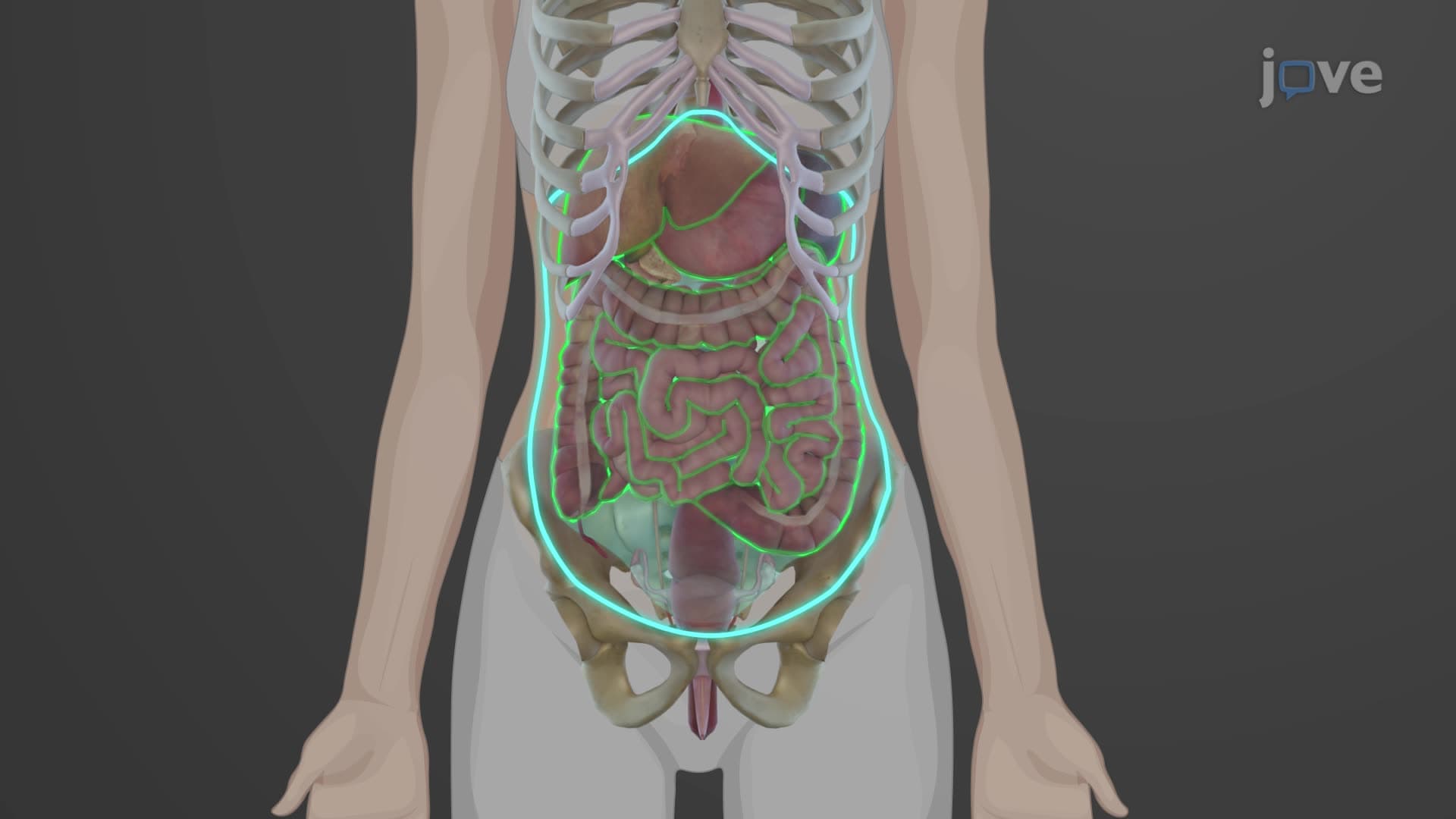
The mesentery's fan-shaped attachment, supporting the jejunum and ileum, also carries clinical significance. Mesenteric ischemia, where blood flow to these segments becomes compromised, represents a medical emergency that healthcare professionals must quickly recognize and treat.
Frequently Asked Questions
The small intestine is a 20-foot-long tubular organ divided into three segments (duodenum, jejunum, ileum) that primarily handles digestion and absorption. Unlike the large intestine, it features internal circular folds and villi that create an enormous surface area for nutrient absorption. The small intestine also has a smaller diameter (about 1 inch) compared to the large intestine's 2.5-inch width.
MCAT questions often focus on the functional differences between duodenum, jejunum, and ileum segments, plus absorption mechanisms. AP Biology exams typically test surface area adaptations (villi, microvilli) and the relationship between structure and function. You'll encounter questions about enzyme locations, nutrient-specific absorption sites, and comparative anatomy with other digestive organs.
USMLE Step 1 emphasizes absorption disorders (celiac disease, Crohn's disease), vitamin deficiencies related to specific intestinal segments, and anatomical relationships. Key topics include B12 absorption in terminal ileum, fat-soluble vitamin absorption mechanisms, and the clinical significance of the ileocecal valve. Pathology questions often connect anatomical knowledge with disease presentations.
Gastroenterologists rely on understanding intestinal segments when performing endoscopies and interpreting imaging studies. Surgeons must know mesenteric attachments for safe intestinal resections. Nutritionists consider absorption locations when recommending supplements-for example, recommending sublingual B12 for patients with ileal disease. Emergency physicians recognize that most small bowel obstructions occur in the ileum due to its narrower diameter.
Students often struggle with the extensive surface area concept and distinguishing between the three segments' functions. The key is understanding that structure determines function: duodenum neutralizes acid and mixes secretions, jejunum maximizes absorption with its folds and villi, and ileum specializes in specific nutrients like B12. Visual aids showing the progressive changes from duodenum to ileum help solidify these concepts.
Create comparison charts highlighting each segment's unique features, lengths, and functions. Practice drawing the intestinal wall layers and labeling absorption sites for different nutrients. Use mnemonics like "Don't Just Ignore" for Duodenum-Jejunum-Ileum sequence. Focus on clinical correlations-linking anatomy to common diseases makes the information more memorable and exam-relevant.
Progress to pancreatic anatomy and enzyme secretion, then liver structure and bile production, since these organs directly interact with duodenal function. Study large intestine anatomy to understand the complete digestive pathway. Advanced students should explore the enteric nervous system and hormonal regulation of digestive processes, building toward integrated understanding of gastrointestinal physiology.
Related Micro-courses
25 Concepts

25 Concepts

20 Concepts