Loading…
Loading video…

49,600 views
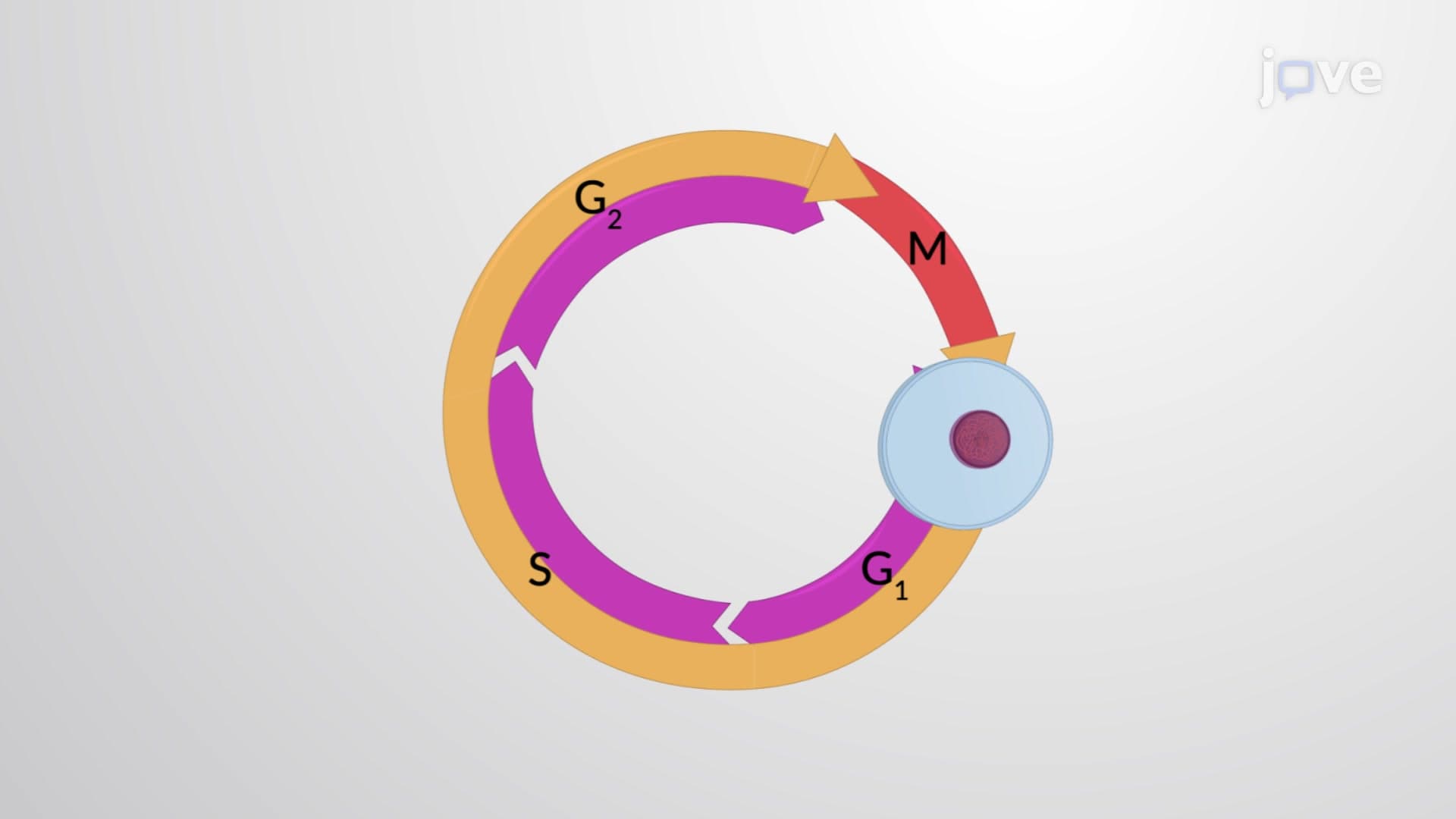
Ever wonder why cancer cells divide uncontrollably while normal cells don't? The cell cycle control system acts like a biological quality inspector, using checkpoint proteins to prevent cellular chaos. For instance, when researchers at Johns Hopkins University study breast cancer mutations, they focus on how faulty checkpoint mechanisms allow tumor cells to bypass normal division controls. The Cell Cycle Control System Explained reveals how CDK-cyclin complexes coordinate precise timing and error-checking at critical junctions. Watch the full video on JoVE Coach to master this concept with expert-led visuals and step-by-step explanations.
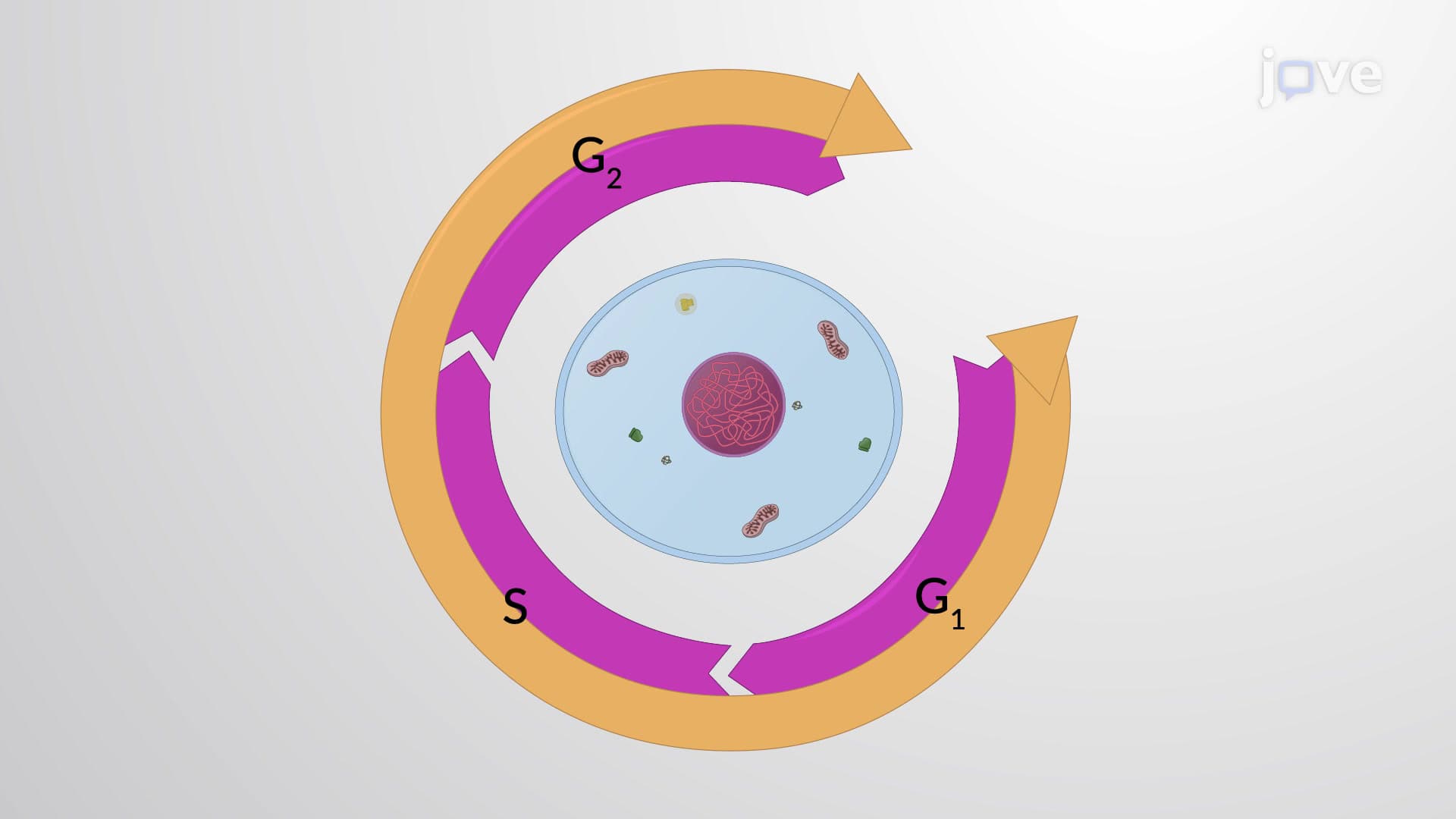
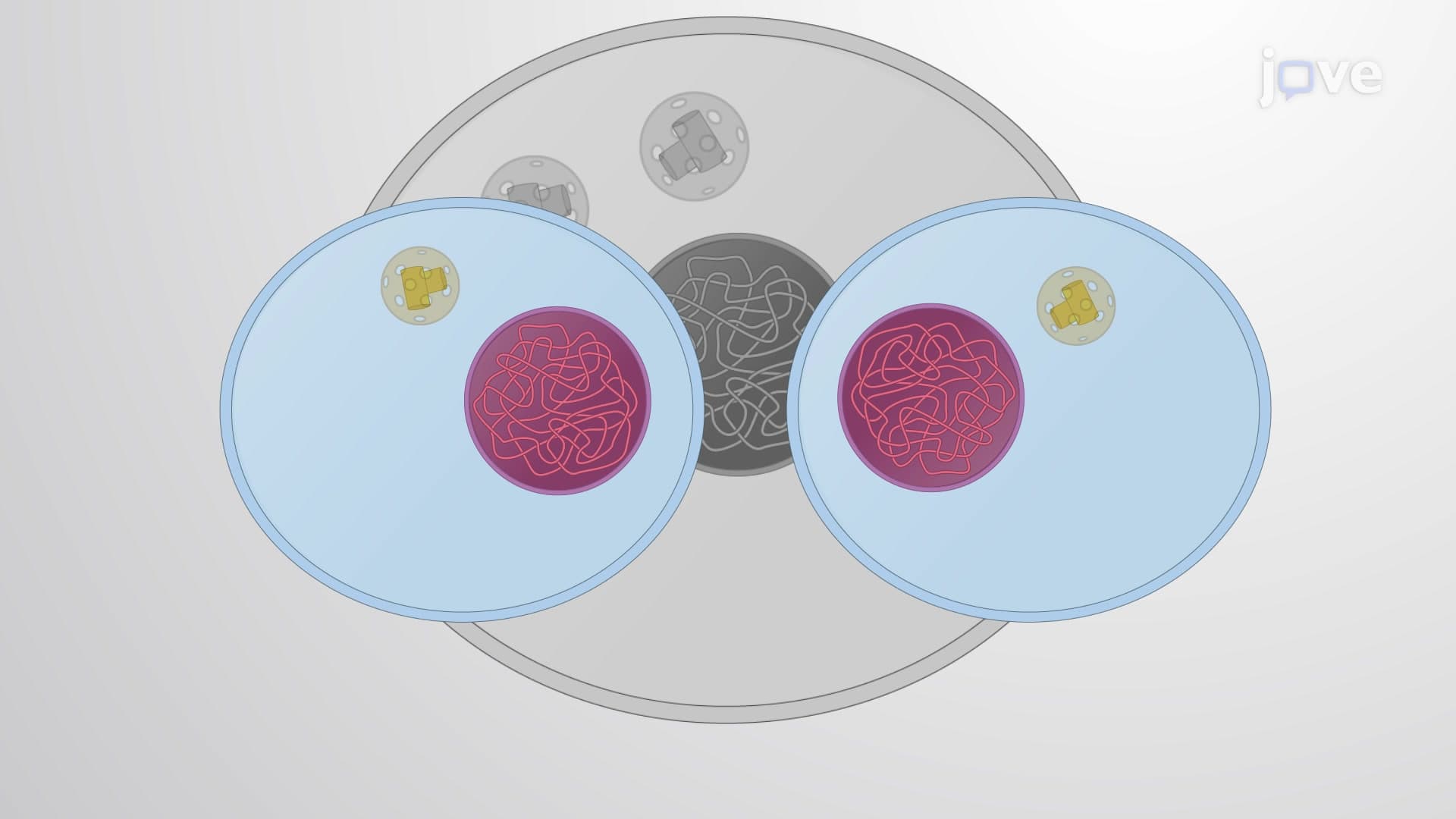
The cell cycle control system operates as a sophisticated molecular machinery that ensures accurate cellular reproduction. Unlike a simple timer, this system responds dynamically to internal and external conditions, making critical go/no-go decisions at specific checkpoints. The regulatory network prevents premature progression while maintaining flexibility to pause division when conditions aren't optimal.
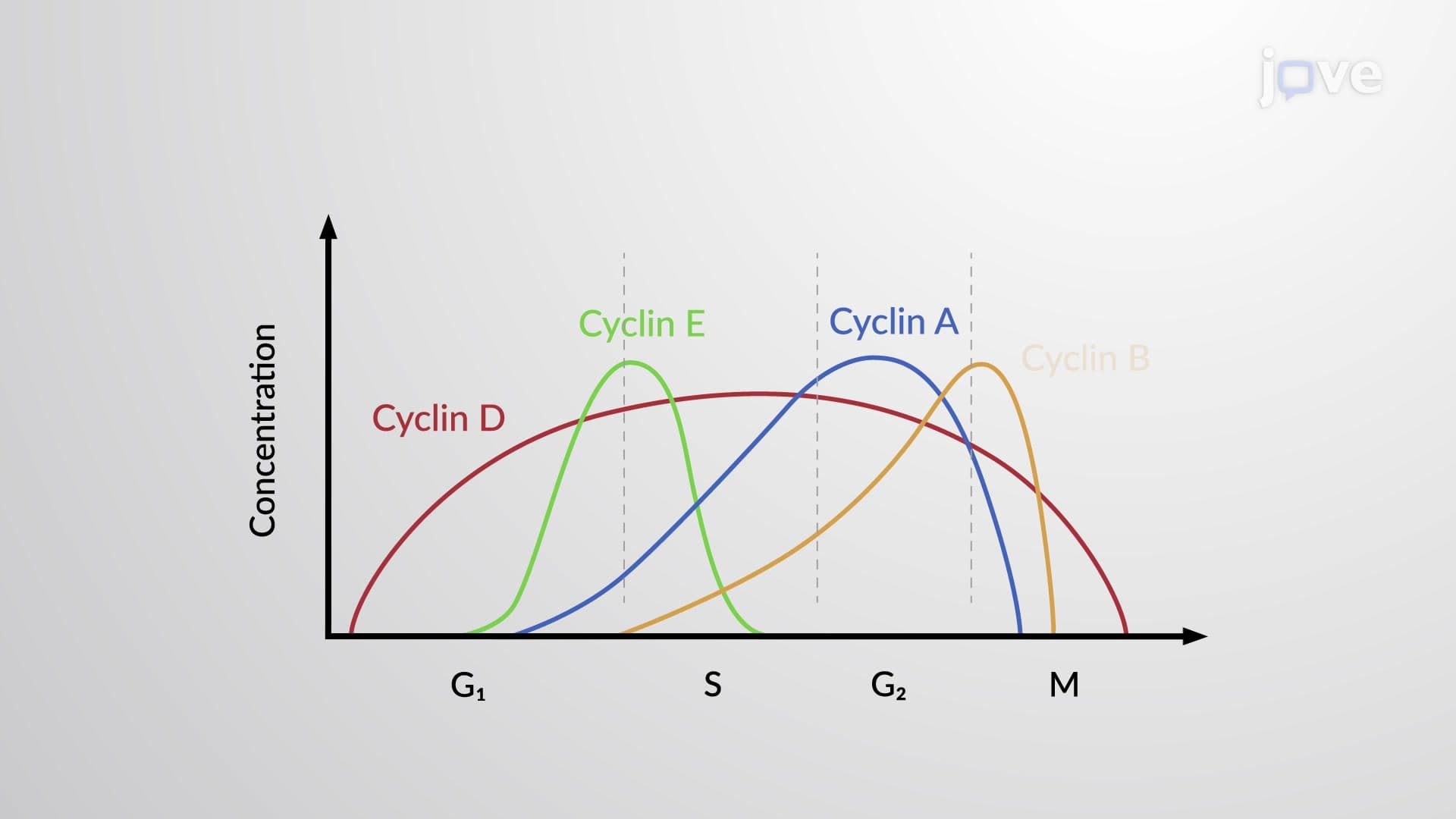
Three major checkpoints govern cell cycle progression. The G1/S checkpoint, often called the "restriction point," evaluates cell size, nutrient availability, and DNA integrity before committing to DNA replication. Cyclin E partners with CDK2 to drive S-phase entry, but only after checkpoint proteins give clearance. The G2/M checkpoint ensures DNA replication completed error-free before mitosis begins, while the spindle checkpoint prevents chromosome segregation until all kinetochores properly attach to spindle fibers.
CDK-cyclin complexes act as the engine driving these transitions. Different cyclin types accumulate and degrade cyclically, partnering with specific CDKs to phosphorylate target proteins. For example, cyclin D-CDK4/6 complexes initiate G1 progression by phosphorylating the retinoblastoma (Rb) protein, releasing E2F transcription factors needed for S-phase genes.
Checkpoint dysfunction underlies many cancers. The p53 tumor suppressor, nicknamed "guardian of the genome," monitors DNA damage at the G1/S checkpoint. When p53 mutations disable this surveillance, cells with damaged DNA proceed to replicate, accumulating oncogenic mutations. Approximately 50% of human cancers carry p53 mutations, highlighting this protein's critical role.
Modern cancer therapies exploit checkpoint dependencies. CDK4/6 inhibitors like palbociclib (FDA-approved for breast cancer) specifically target cyclin D-CDK4/6 complexes, forcing cancer cells into G1 arrest. These targeted approaches represent precision medicine's application of basic cell cycle knowledge.
Cell cycle control appears prominently on standardized exams. AP Biology emphasizes checkpoint molecular mechanisms, while MCAT questions often integrate cell cycle regulation with cancer biology. College genetics courses explore checkpoint mutations in model organisms like yeast, where CDK research originated. Understanding checkpoint logic—not just memorizing protein names—proves essential for advanced study in molecular biology, oncology, and biotechnology careers.
Frequently Asked Questions
The cell cycle control system is a network of regulatory proteins that monitors and coordinates cell division through quality checkpoints. It prevents cells from progressing to the next phase until previous phases complete successfully, ensuring accurate DNA replication and chromosome segregation. This system maintains genomic stability and prevents cancer-causing mutations from propagating.
AP Biology frequently tests checkpoint mechanisms, CDK-cyclin interactions, and cancer connections through multiple-choice and free-response questions. Students must explain how specific checkpoint failures lead to uncontrolled cell division and relate molecular mechanisms to cancer development. Recent exams emphasize experimental design involving cell cycle inhibitors and checkpoint protein analysis.
Focus on the G1/S checkpoint (involving p53 and Rb proteins), G2/M checkpoint (DNA damage response), and spindle checkpoint (chromosome attachment verification). MCAT questions often integrate these with cancer biology, asking how checkpoint mutations contribute to tumor development. Understanding p53's role as a transcriptional activator of cell cycle arrest genes proves especially high-yield.
Modern cancer therapies exploit cancer cells' checkpoint defects through targeted inhibitors. CDK4/6 inhibitors arrest cancer cells in G1 phase, while topoisomerase inhibitors create DNA damage that activates checkpoints in normal cells but not in p53-mutant cancer cells. Immunotherapies also enhance checkpoint protein expression, helping the immune system recognize abnormal cells.
Not at all – cell cycle concepts build logically from basic biology principles you already know. Start with understanding that cells must copy DNA accurately before dividing, then learn how checkpoint proteins ensure this happens correctly. The molecular details become manageable once you grasp the overall quality control logic.
Instead of rote memorization, connect each cyclin-CDK pair to its biological function and timing. For example, remember that cyclin D appears when cells receive growth signals ("D for Drive"), while cyclin E is essential for entering S phase ("E for Enter S"). Create concept maps linking checkpoint proteins to their target phases and consequences of their malfunction.
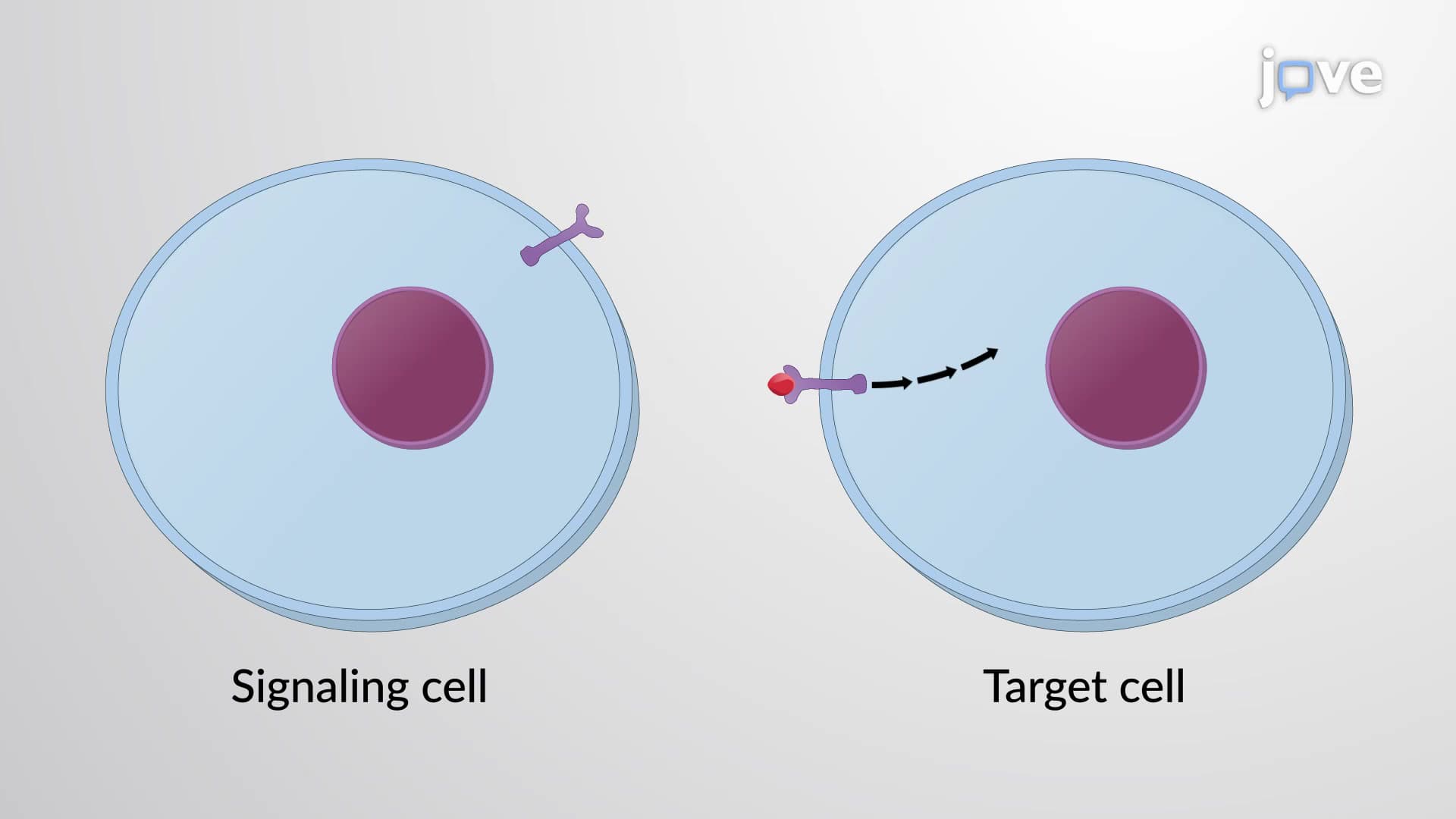
Stem cells maintain tight checkpoint control to preserve genomic integrity across many divisions, while also responding to differentiation signals that can permanently exit the cell cycle. Understanding how growth factors and checkpoint proteins interact helps explain tissue repair, aging processes, and potential therapeutic applications in regenerative medicine currently being developed at US research institutions.
Explore epigenetic regulation of cell cycle genes, checkpoint protein post-translational modifications, and systems biology approaches to cell cycle modeling. Advanced courses in cancer biology, developmental biology, and molecular genetics build directly on these foundations, particularly for pre-med students planning oncology or research careers.
Related Micro-courses


Related Subjects
 Medical-Surgical Nursing 28 micro-courses›
 Nursing 14 micro-courses›