Loading subject page…

- Anatomy and Physiology
- Essential Cellular Processes
- Replication in Eukaryotes
Micro-course: Essential Cellular Processes
49,600 views
Learn key concepts and earn your certificate.

Replication in Eukaryotes

00:00
01:29
- Understand what is replication in eukaryotes and how it differs fundamentally from prokaryotic DNA copying mechanisms
- Identify the multiple origins of replication on each eukaryotic chromosome and explain why this complexity is necessary
- Analyze the roles of DNA polymerases, helicases, and primases in coordinating eukaryotic DNA synthesis
- Compare leading strand continuous synthesis with lagging strand Okazaki fragment formation during replication fork progression
- Evaluate how telomerase maintains chromosome integrity and prevents cellular aging in stem cells and cancer cells
- Apply knowledge of semi-conservative replication to predict DNA labeling patterns in experimental scenarios
- Recognize replication checkpoint controls that prevent errors leading to genetic disorders and cancer development
- Explore connections between eukaryotic DNA replication defects and human diseases like Werner syndrome and cancer
What is Replication in Eukaryotes: The Cellular Copy Machine
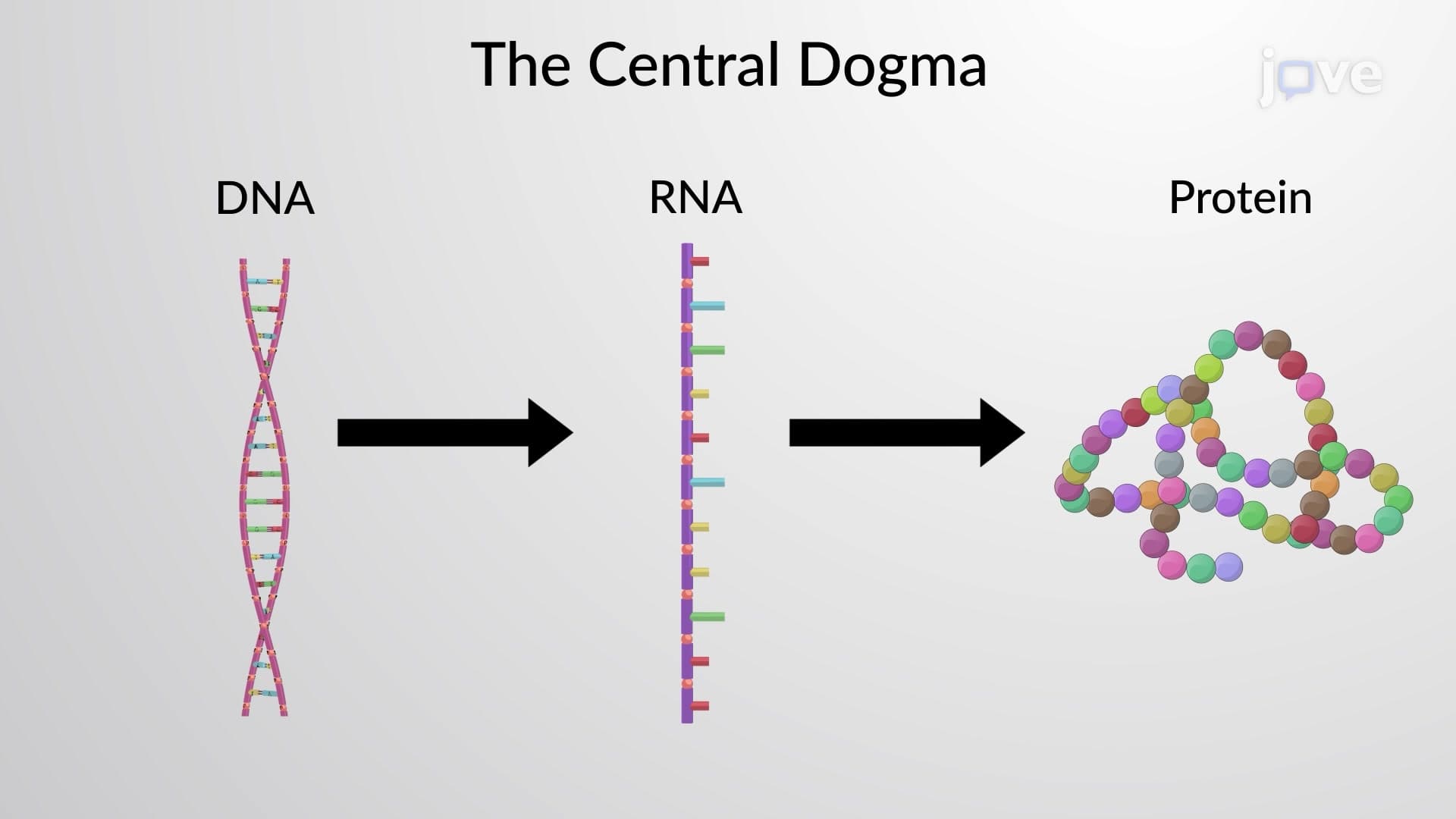
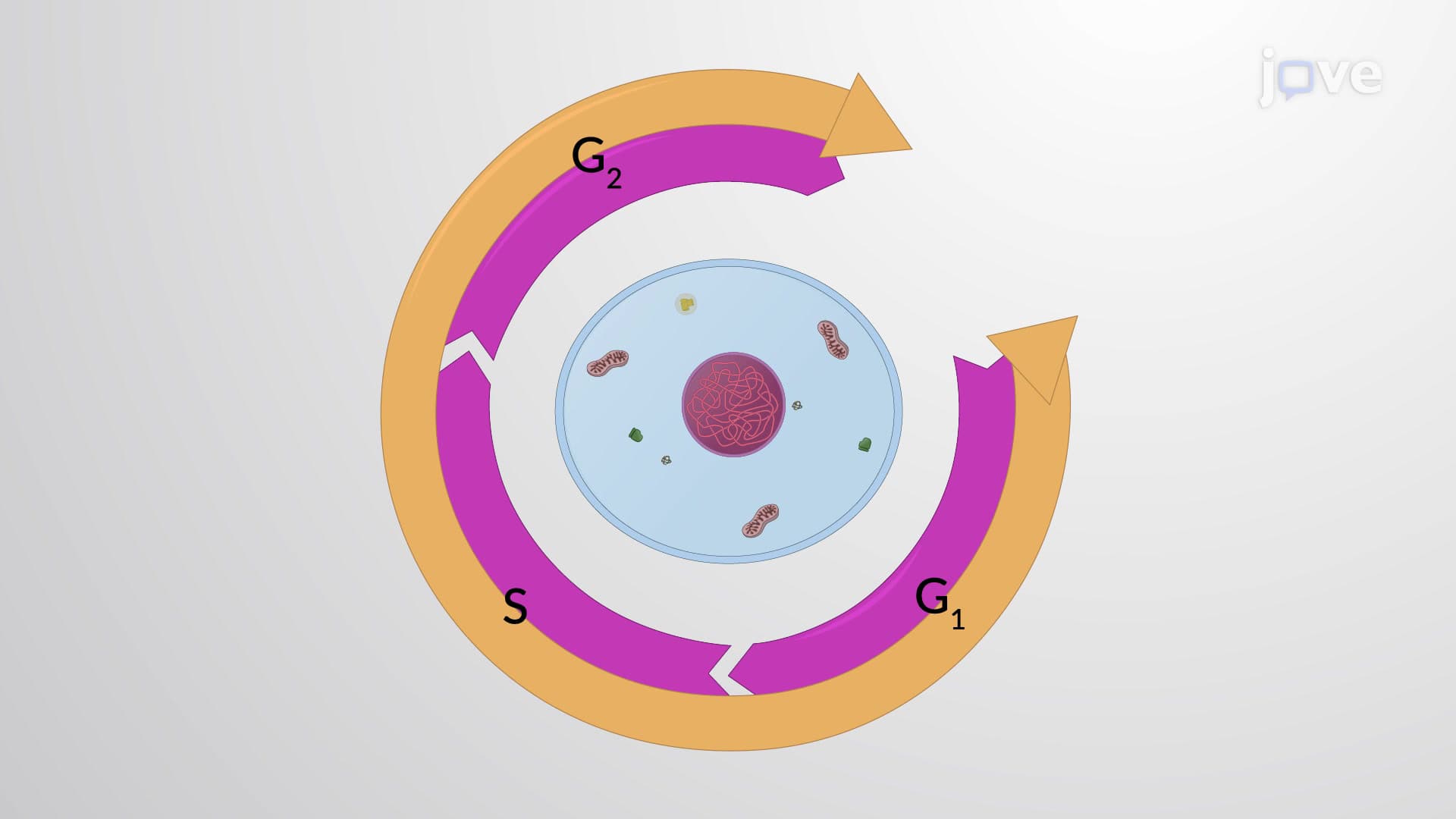
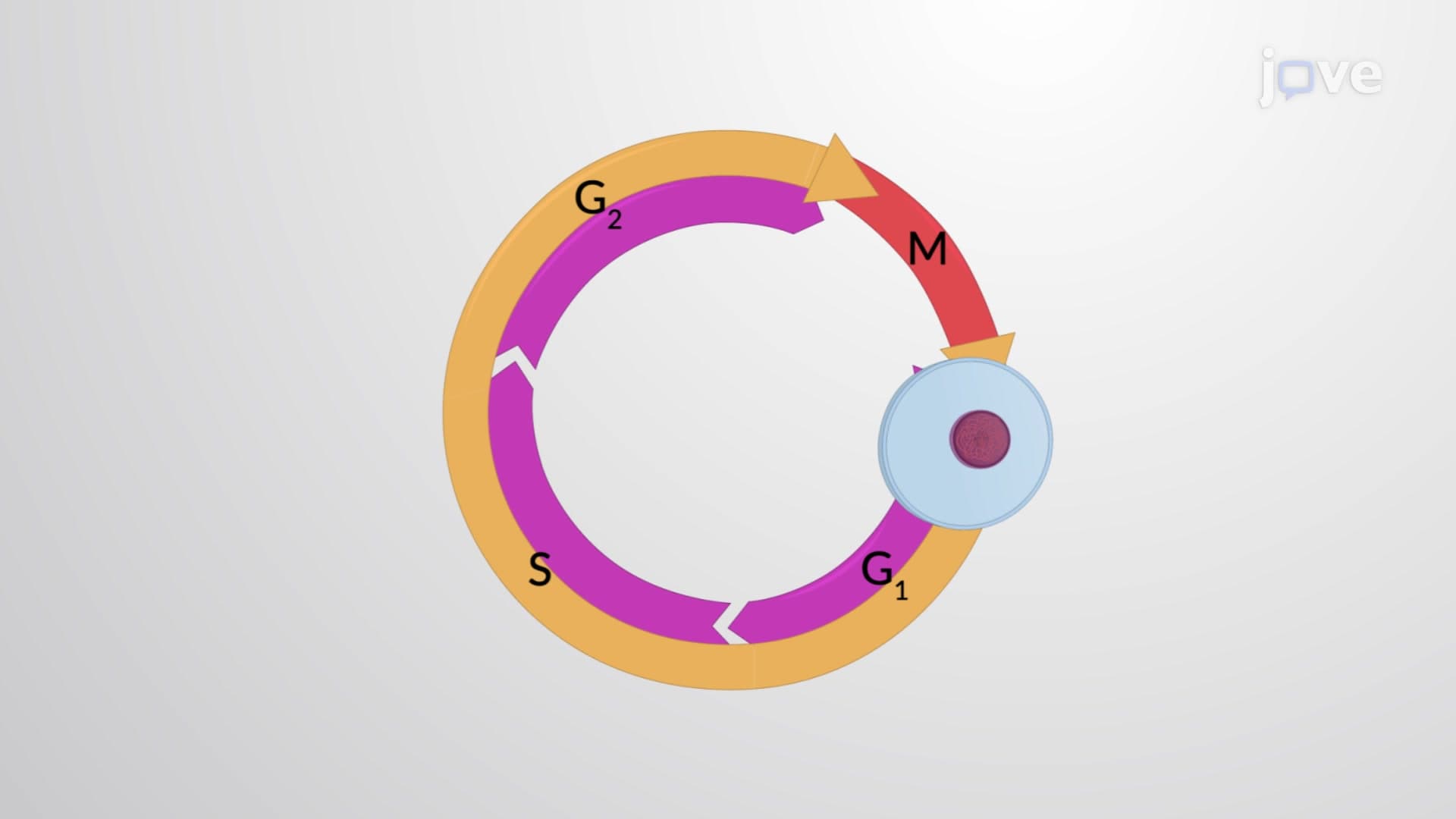
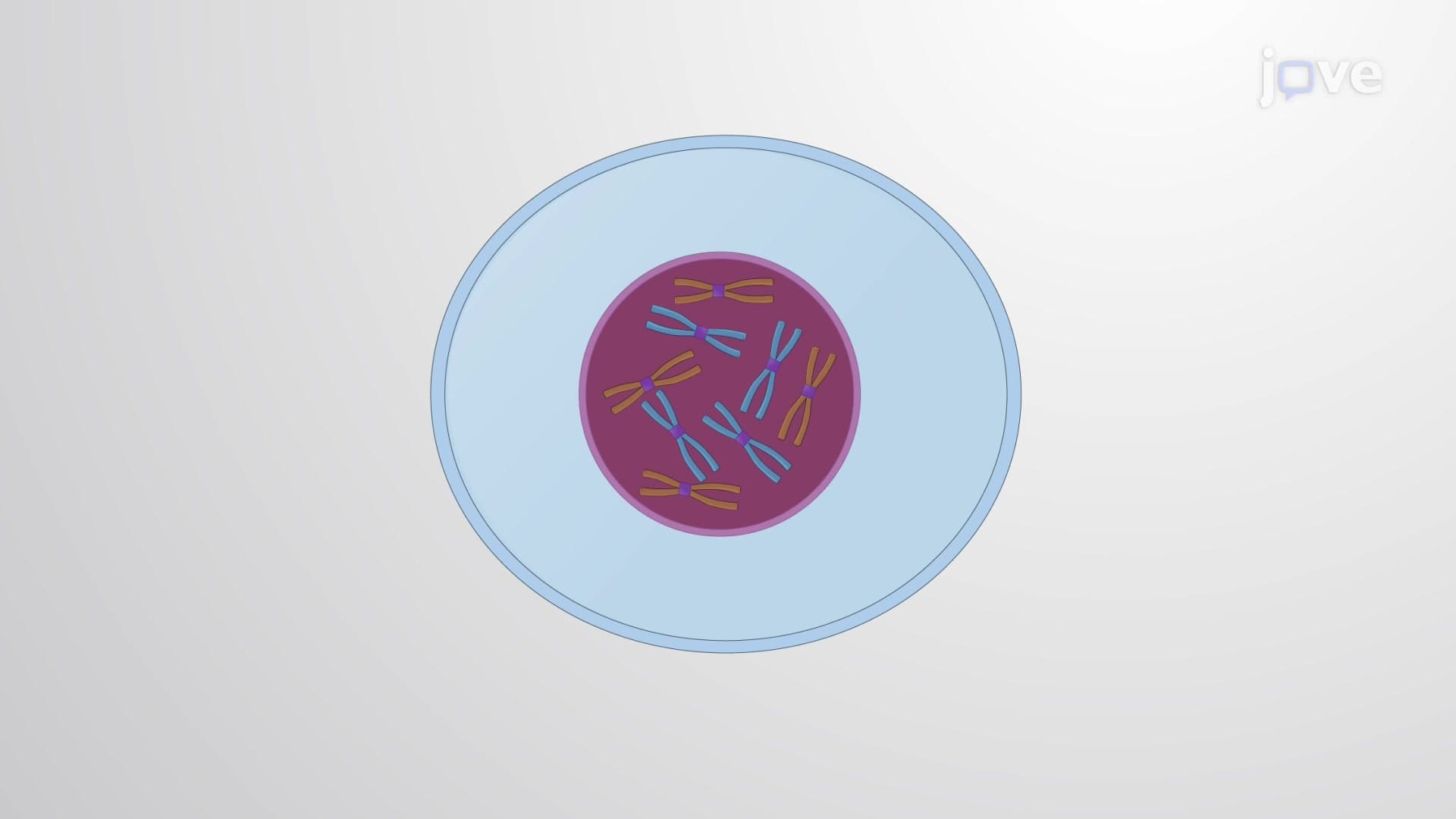
Eukaryotic DNA replication represents one of biology's most sophisticated quality control systems. Unlike the single circular chromosome found in bacteria, human cells must replicate 46 linear chromosomes containing billions of base pairs within a tightly packed nuclear environment. This process occurs exclusively during S phase of the cell cycle, taking approximately 6-8 hours in human cells.
Multiple Origins and Complex Coordination
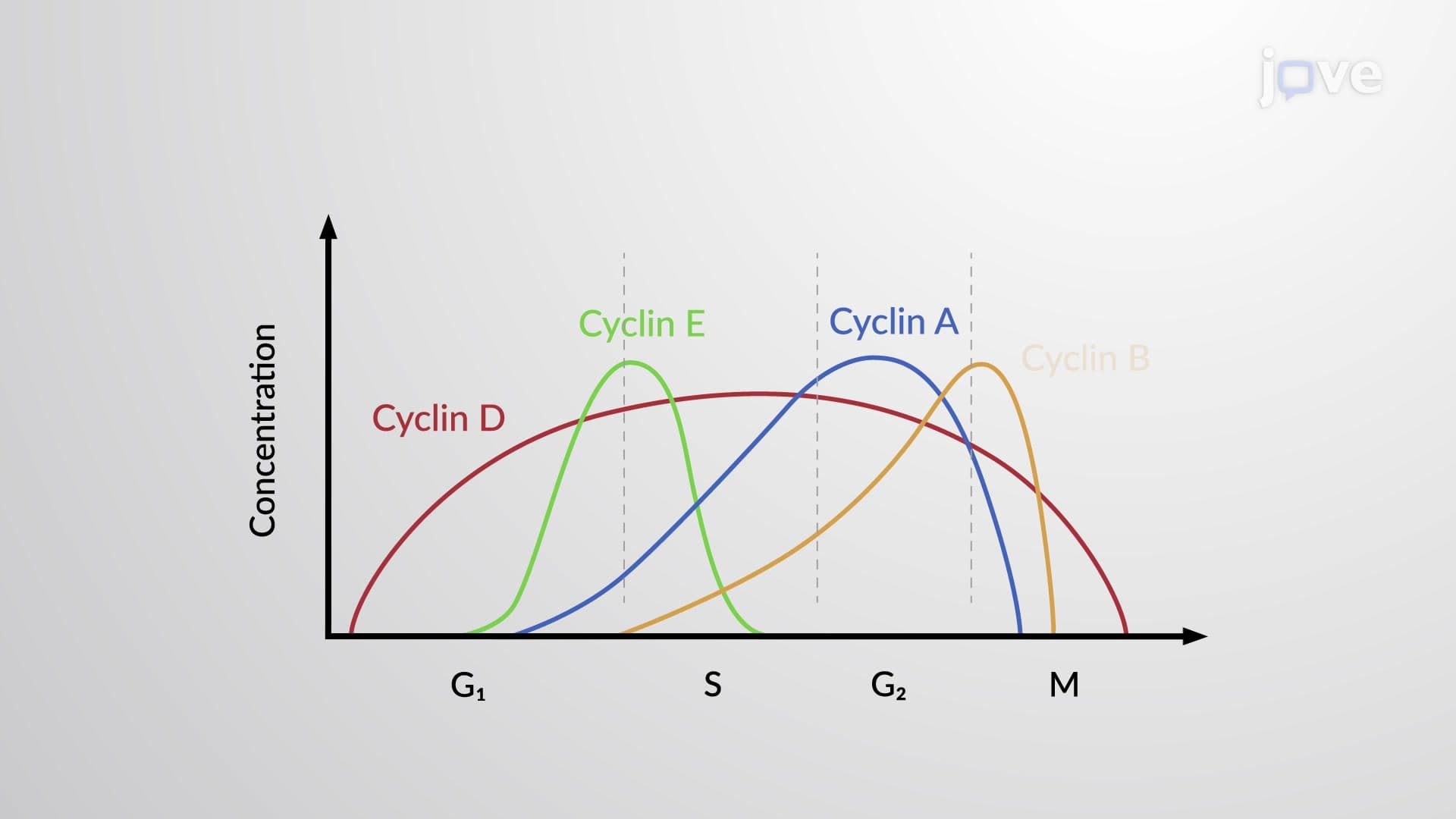
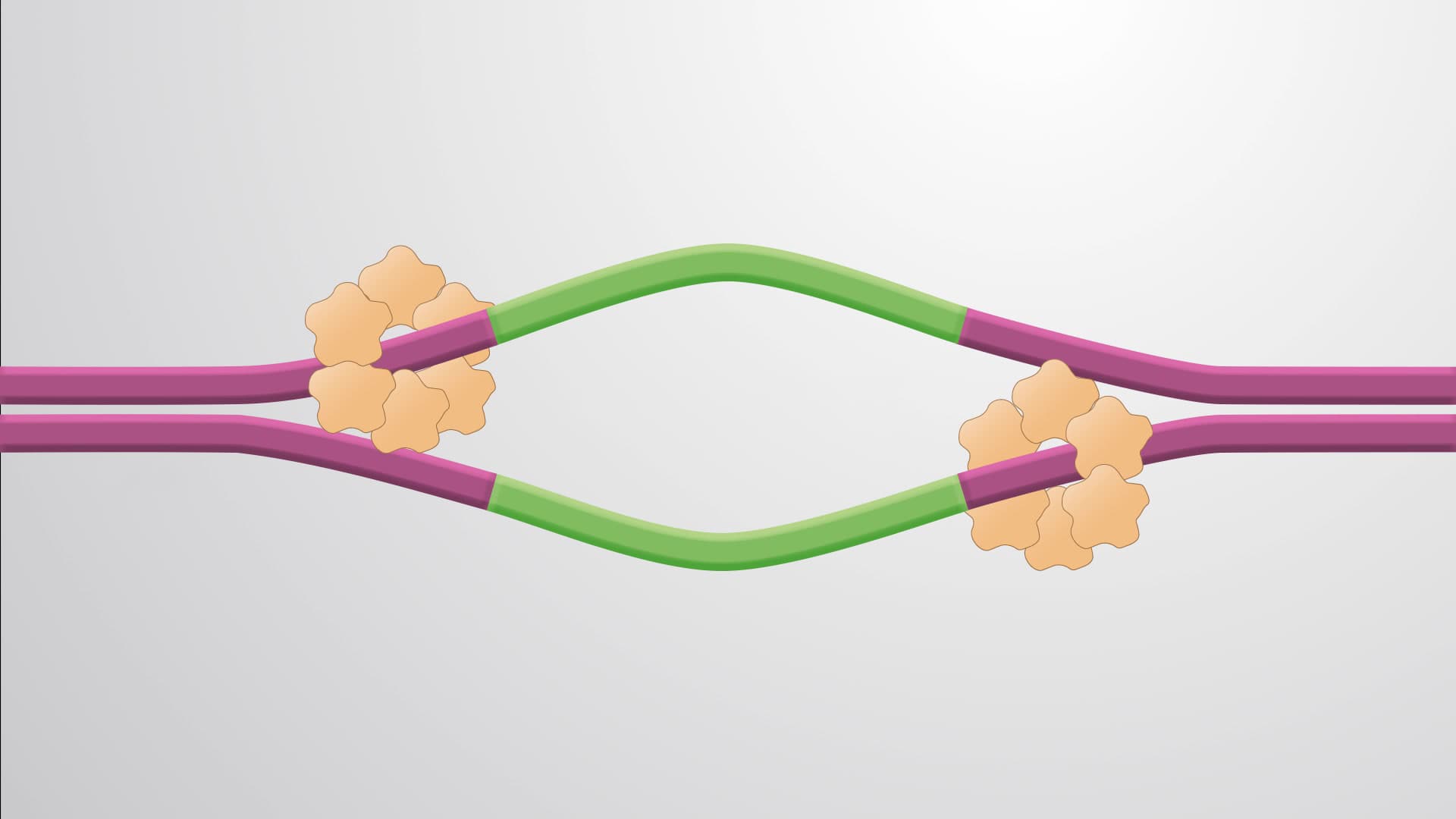
The sheer size of eukaryotic genomes necessitates thousands of replication origins per chromosome. In humans, replication origins fire approximately every 50,000-200,000 base pairs, allowing simultaneous copying of multiple chromosome regions. The Origin Recognition Complex (ORC) identifies and licenses these start sites during G1 phase, ensuring each origin fires only once per cell cycle. This licensing mechanism prevents dangerous re-replication that could cause chromosome breaks or gene amplification.
Molecular Machinery and Strand Synthesis
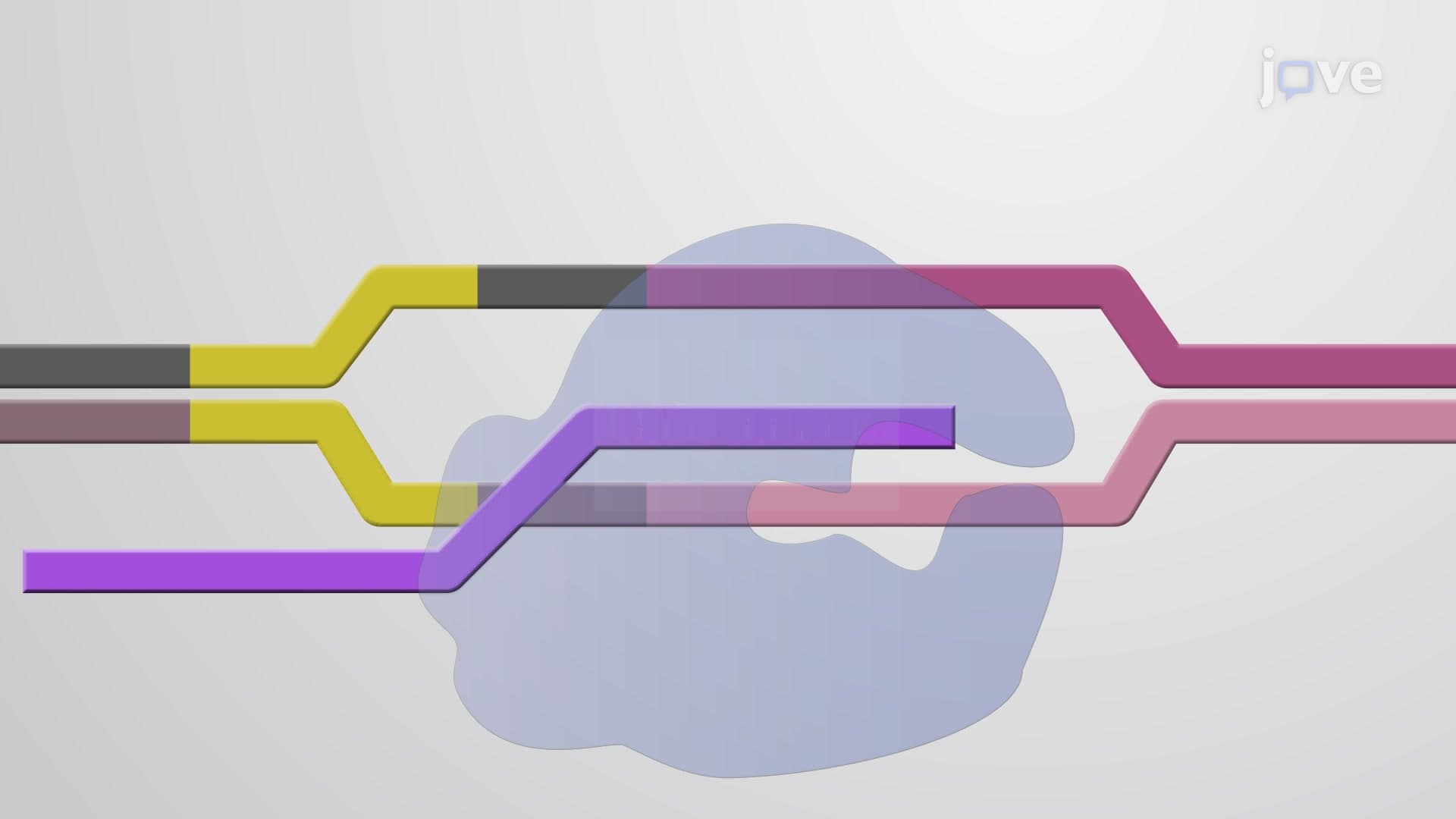
Eukaryotic DNA replication requires coordinated action of multiple DNA polymerases. DNA polymerase α initiates synthesis by laying down RNA-DNA primers, while DNA polymerase δ synthesizes the lagging strand and DNA polymerase ε handles leading strand synthesis. The replication fork progresses at roughly 50 base pairs per second—slower than bacterial replication but with enhanced proofreading capabilities. Leading strands synthesize continuously in the 5' to 3' direction, while lagging strands form discontinuous Okazaki fragments (100-200 nucleotides in eukaryotes) that require DNA ligase I for joining.
Telomere Maintenance and Clinical Relevance
Linear chromosomes create an "end-replication problem" where terminal DNA sequences are lost with each division. Telomerase, active in stem cells and unfortunately in 85% of cancers, adds repetitive TTAGGG sequences to chromosome ends. Understanding this mechanism has led to cancer therapies targeting telomerase and anti-aging research. Students preparing for the MCAT or AP Biology should recognize how telomere biology connects to both developmental biology and oncology.
This intricate process appears frequently in college-level biology courses and standardized exams, particularly in questions linking DNA replication errors to cancer development and genetic stability.
Frequently Asked Questions
Eukaryotic DNA replication is the precise copying process that duplicates chromosomal DNA before cell division, ensuring each daughter cell receives identical genetic information. This semi-conservative mechanism creates two DNA molecules, each containing one original and one newly synthesized strand. The process involves thousands of replication origins, multiple DNA polymerases, and extensive proofreading to maintain genetic fidelity across generations.
These exams frequently test replication fork dynamics, the differences between leading and lagging strand synthesis, and connections to cancer biology. MCAT questions often integrate DNA replication with cell cycle checkpoints and DNA repair mechanisms. AP Biology emphasizes the semi-conservative nature of replication and experimental evidence supporting this model, particularly the Meselson-Stahl experiment.
Eukaryotic replication faces unique challenges including chromatin packaging, nuclear compartmentalization, and linear chromosome structure. Multiple origins of replication, specialized telomerase activity, and coordination with histone modification make this process significantly more complex than bacterial DNA copying. The involvement of numerous accessory proteins and checkpoint controls adds additional layers of regulation.
Many chemotherapy drugs like 5-fluorouracil and gemcitabine specifically target rapidly replicating cancer cells by interfering with DNA synthesis. Understanding replication mechanisms helps oncologists at institutions like MD Anderson and Johns Hopkins design treatment protocols that maximize cancer cell death while minimizing damage to slower-dividing healthy cells.
Not at all - the basic concepts build logically on foundational chemistry and biology knowledge. Students who understand complementary base pairing and enzyme function can master replication mechanisms. Breaking the process into discrete steps (initiation, elongation, termination) makes complex molecular interactions more manageable and memorable.
Create detailed diagrams showing replication fork progression, practice distinguishing leading and lagging strand synthesis, and connect molecular mechanisms to clinical examples. Focus on understanding why each step occurs rather than memorizing isolated facts. Use active recall by explaining the process aloud and testing yourself on enzyme functions and their specific roles.
Replication mistakes that escape proofreading and repair systems can cause point mutations, insertions, or deletions in critical genes. When these errors affect tumor suppressor genes like p53 or oncogenes like RAS, normal growth control is lost, potentially leading to cancer. Hereditary cancer syndromes like Lynch syndrome result from defective DNA mismatch repair systems that normally catch replication errors.
Pre-med students should investigate DNA repair mechanisms, particularly homologous recombination and non-homologous end joining, as these connect to cancer biology and genetic counseling. Exploring epigenetic regulation of replication timing and chromatin remodeling during S phase provides deeper molecular understanding relevant to medical school coursework and research opportunities.
Related Micro-courses
26 Concepts

18 Concepts

19 Concepts
Related Subjects

Medical-Surgical Nursing28 micro-courses
›