Loading subject page…

- Anatomy and Physiology
- Essential Cellular Processes
- Transcription
Micro-course: Essential Cellular Processes
49,600 views
Learn key concepts and earn your certificate.

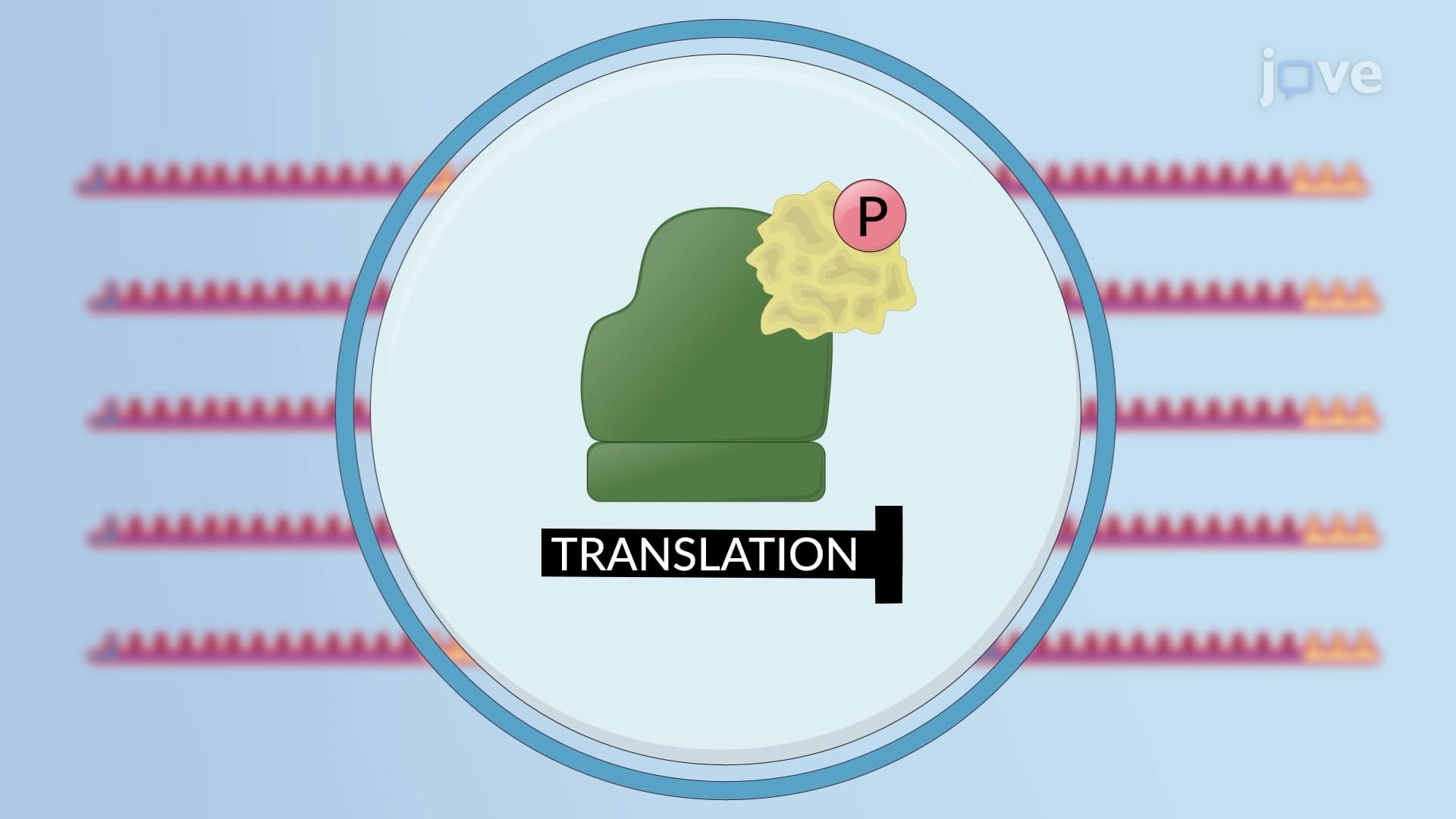
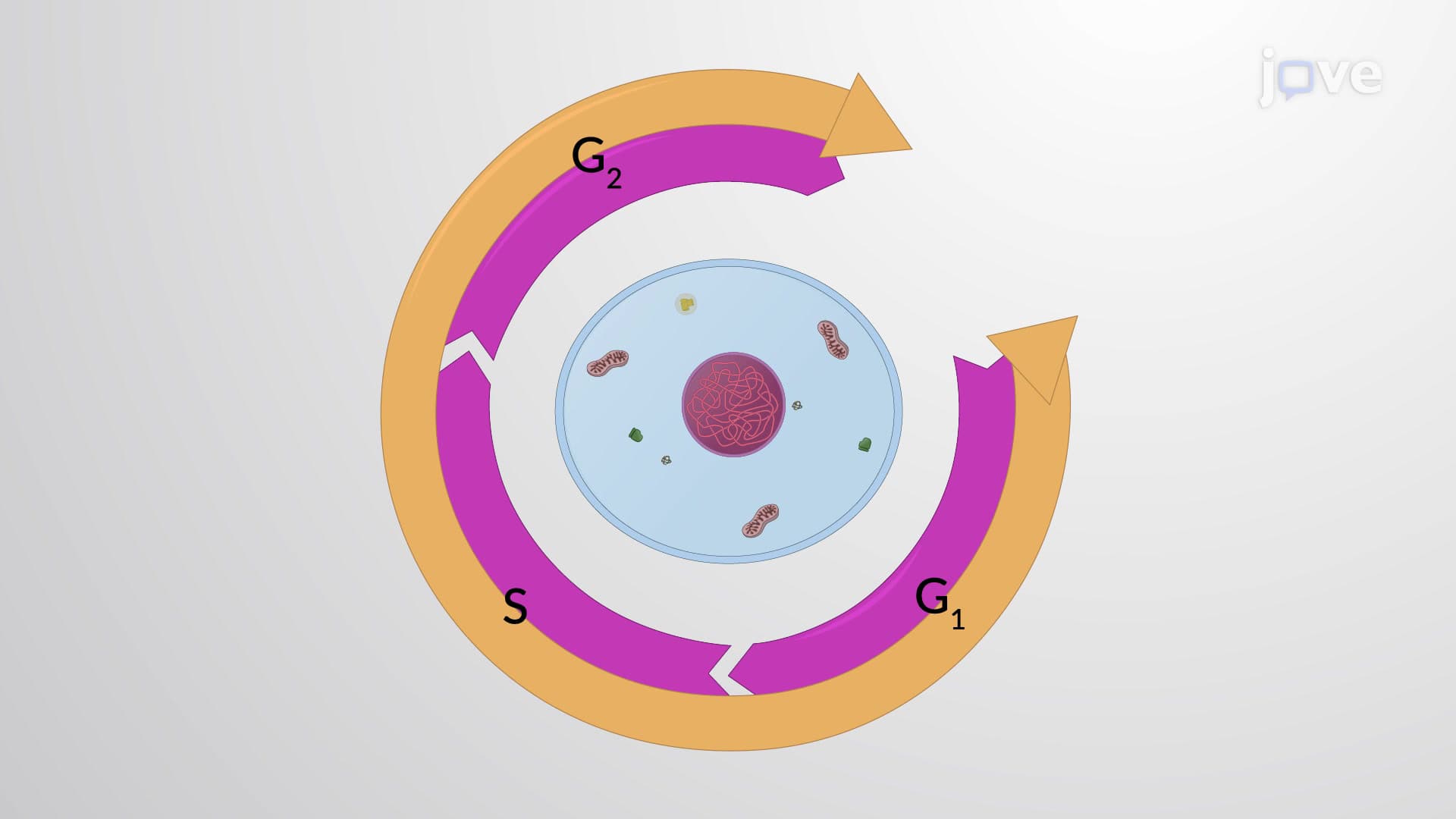
Transcription

00:00
01:17
Video Summary: What Is Transcription
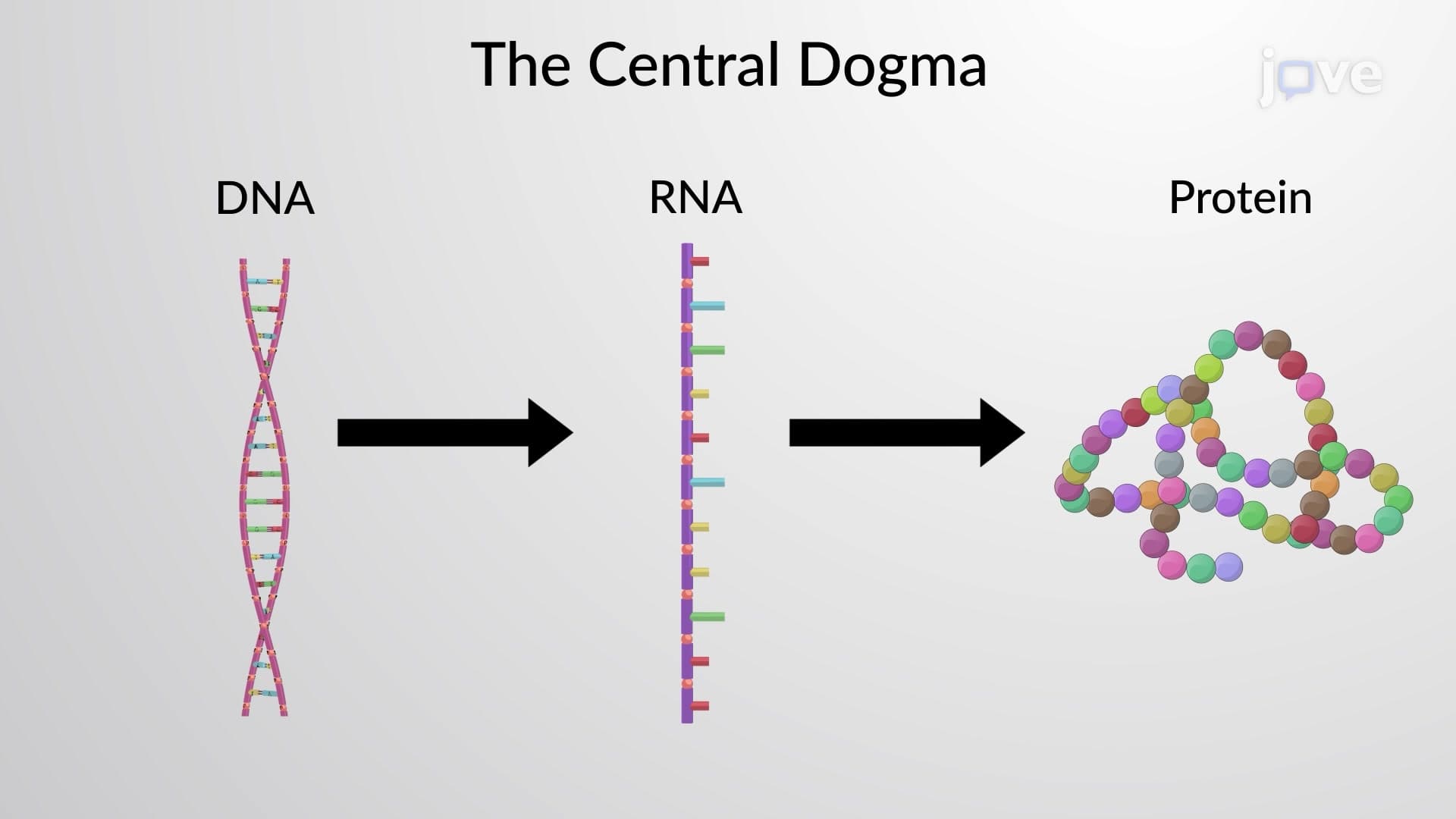
Every time your body produces insulin to regulate blood sugar or creates antibodies to fight infections, transcription explained biology is at work. This fundamental molecular process copies genetic information from DNA into RNA, enabling cells at Johns Hopkins University research labs and in your own body to manufacture the proteins essential for life. DNA transcription process biology involves three critical phases that determine when and how genes become active. Watch the full video on JoVE Coach to master this concept with expert-led visuals and step-by-step explanations.
- Understand what is transcription and how it serves as the first step in gene expression, converting DNA's genetic code into messenger RNA templates
- Identify the three main phases of RNA polymerase transcription: initiation at promoter sequences, elongation of the growing RNA chain, and termination of synthesis
- Analyze how promoter transcription initiation controls which genes are expressed in different cell types and developmental stages
- Compare transcription mechanisms between prokaryotic and eukaryotic cells, including the role of multiple RNA polymerases in complex organisms
- Evaluate how transcription elongation termination signals ensure accurate gene expression and prevent cellular dysfunction
- Apply knowledge of mRNA synthesis transcription to understand post-transcriptional modifications like splicing and capping
- Recognize how gene expression transcription defects contribute to diseases such as cancer and genetic disorders
- Explore real-world applications of transcription research in developing RNA-based therapeutics and gene therapy treatments
What is Transcription: The Molecular Foundation of Life
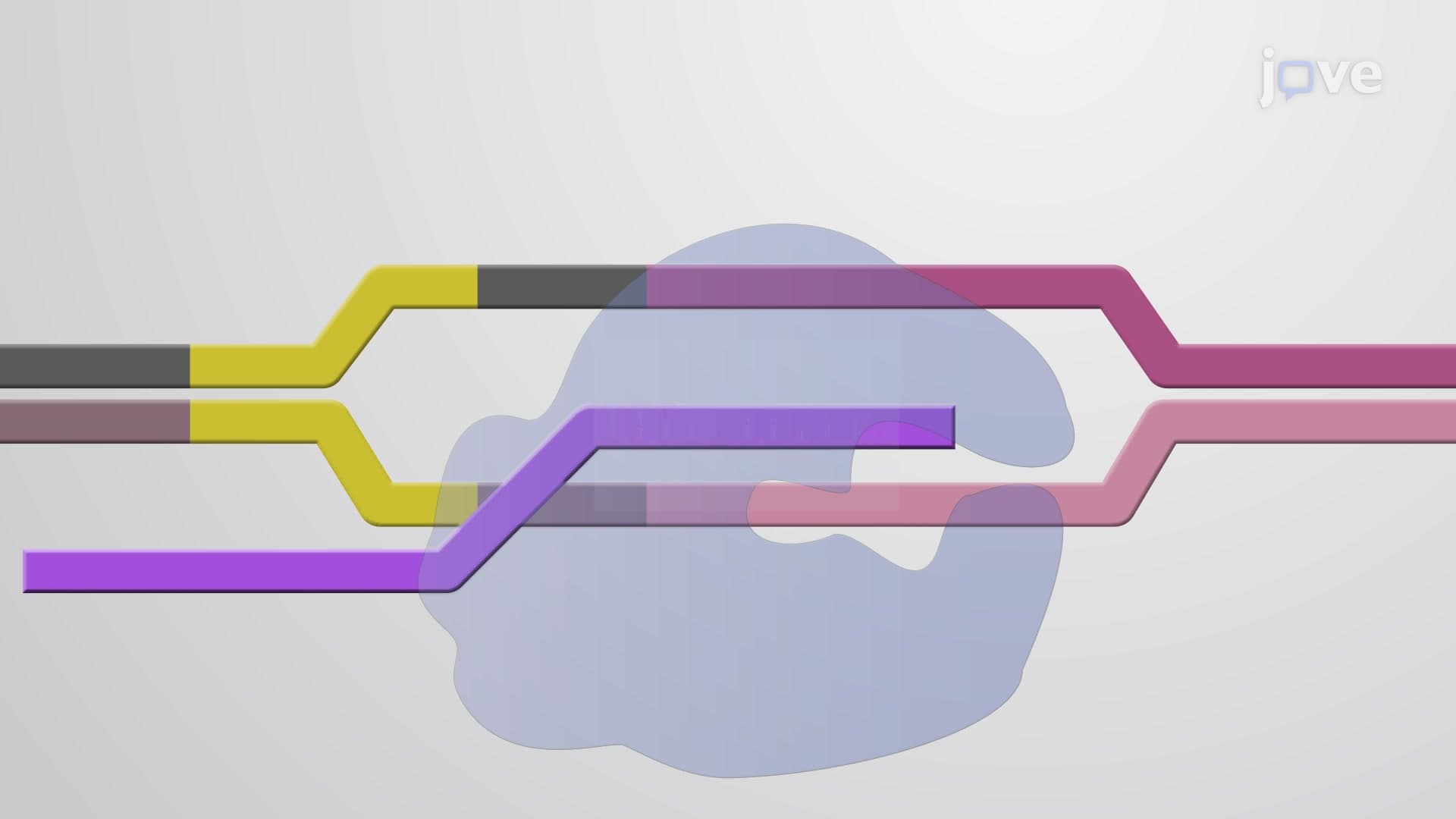
Transcription represents one of biology's most elegant processes, where cells convert the stable genetic information stored in DNA into the more dynamic RNA molecules needed for protein production. Think of transcription as nature's copying machine-but unlike a simple photocopy, this process involves sophisticated quality control mechanisms and regulatory systems that determine exactly which genetic instructions get transcribed and when.
RNA Polymerase Transcription: The Cellular Workforce
The star player in transcription is RNA polymerase, a massive enzyme complex that reads DNA and synthesizes complementary RNA strands. In human cells, three distinct RNA polymerases handle different jobs: RNA polymerase I creates ribosomal RNA, RNA polymerase II produces messenger RNA (the focus of most transcription studies), and RNA polymerase III generates transfer RNA and other small RNAs. During AP Biology exams, students frequently encounter questions about how RNA polymerase II recognizes specific DNA sequences and initiates mRNA synthesis transcription.
At major research institutions like the National Institutes of Health, scientists study how RNA polymerase moves along DNA at roughly 40 nucleotides per second, adding ribonucleotides in the precise 5' to 3' direction. This directional synthesis is crucial-errors in this process can lead to frameshift mutations that completely alter protein function.
Promoter Transcription Initiation: Cellular Traffic Control
Promoter regions act like molecular traffic lights, controlling when and where transcription begins. The TATA box, located about 25 base pairs upstream of the transcription start site, serves as a critical recognition sequence for transcription factors. These proteins recruit RNA polymerase to the correct starting position, ensuring genes activate only when needed.
College biochemistry students studying for the MCAT often focus on how enhancer and silencer sequences can be located thousands of base pairs away from genes yet still influence transcription initiation. This regulatory complexity explains how humans can have roughly the same number of genes as simpler organisms while achieving much greater biological complexity.
Gene Expression Transcription: From Lab to Medicine
Understanding transcription has revolutionized medical research and treatment development. At pharmaceutical companies across the United States, researchers design drugs that target specific transcription factors involved in cancer progression. For example, drugs targeting the p53 transcription factor pathway have shown promise in treating various cancers by restoring normal gene expression patterns.
Frequently Asked Questions
Transcription is the process where RNA polymerase copies genetic information from DNA into RNA, primarily messenger RNA that serves as templates for protein synthesis. This process is essential because it represents the first step in gene expression, allowing cells to produce the thousands of different proteins needed for metabolism, structure, and regulation. Without transcription, genetic information would remain locked in DNA and cells couldn't respond to environmental changes or carry out basic functions.
Prokaryotic transcription occurs in the cytoplasm using a single RNA polymerase, while eukaryotic transcription happens in the nucleus with three specialized RNA polymerases. Eukaryotic transcripts undergo extensive post-transcriptional modifications including 5' capping, 3' polyadenylation, and splicing to remove introns. These differences reflect the greater complexity of eukaryotic gene regulation and cellular organization.
AP Biology frequently tests promoter recognition, the role of transcription factors, and comparisons between transcription and translation processes. Students should expect questions about RNA polymerase function, the direction of RNA synthesis, and how mutations in promoter regions affect gene expression. Practice identifying transcription initiation sequences and understanding how enhancers influence transcription rates.
The MCAT emphasizes transcriptional regulation, including how transcription factors bind to specific DNA sequences and influence gene expression patterns. Expect questions linking transcription defects to disease processes, particularly cancer biology where tumor suppressor genes and oncogenes are dysregulated. Understanding the molecular details of transcription initiation and elongation is crucial for biochemistry sections.
Transcription research drives development of RNA-based therapeutics, including mRNA vaccines like those used for COVID-19 by companies such as Moderna and Pfizer-BioNTech. Gene therapy approaches often target transcriptional machinery to correct genetic disorders, while cancer treatments increasingly focus on restoring normal transcription factor function. Pharmaceutical companies also develop drugs that modulate specific transcription pathways.
Basic understanding of DNA structure, chemical bonding, and enzyme function provides sufficient foundation for learning transcription. High school chemistry covering nucleotides, hydrogen bonding, and protein structure adequately prepares students for transcription concepts. The process becomes more intuitive when viewed as a highly regulated copying mechanism rather than focusing solely on molecular details.
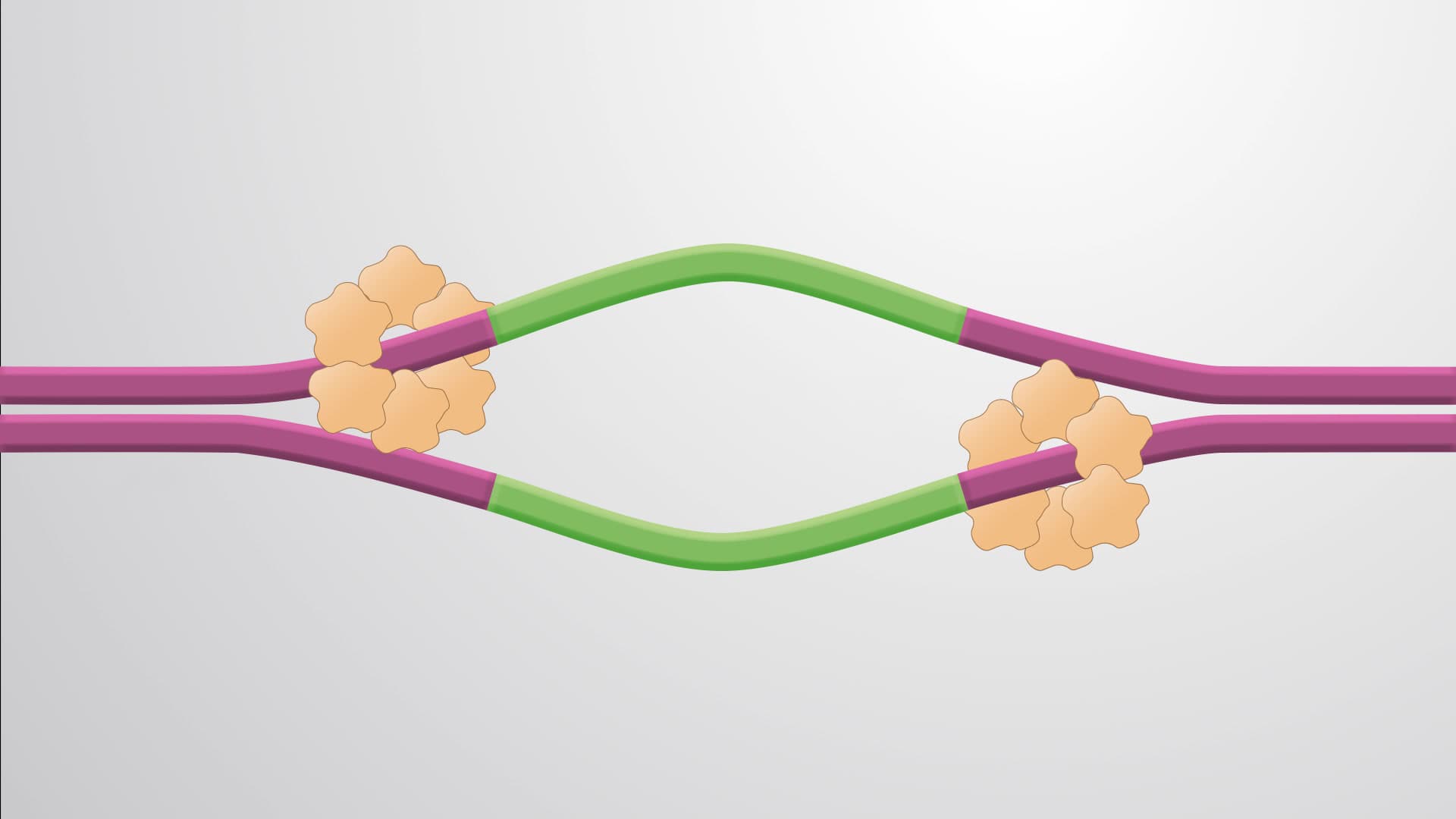
Create flowcharts showing transcription steps from initiation through termination, including specific factors involved at each stage. Practice drawing the transcription bubble showing DNA unwinding and RNA synthesis direction. Use active recall to explain how promoter sequences recruit RNA polymerase and how transcription factors influence gene expression timing.
Explore epigenetic regulation of transcription, including histone modifications and DNA methylation patterns that influence gene accessibility. Study tissue-specific transcription factors that create cellular diversity during development, and investigate how transcriptional dysregulation contributes to cancer progression and other diseases.
Related Micro-courses
26 Concepts

18 Concepts

19 Concepts