Loading subject page…


49,600 views

Video Summary: What are Types of Signaling Molecules
Did you know that your body uses over 1,000 different signaling molecule types to coordinate everything from your heartbeat to your immune response? These molecular messengers, including hormones like insulin produced by your pancreas, enable cells to communicate across vast distances or right next door. Understanding what are types of signaling molecules reveals how your body maintains homeostasis and responds to changes. Watch the full video on JoVE Coach to master this concept with expert-led visuals and step-by-step explanations.
Signaling molecules are the body's chemical messengers that coordinate cellular activities essential for life. These diverse compounds range from simple gases like nitric oxide to complex proteins like insulin, each designed to carry specific information between cells. The human body produces hundreds of different signaling molecules, each with unique properties that determine how, where, and when they function.
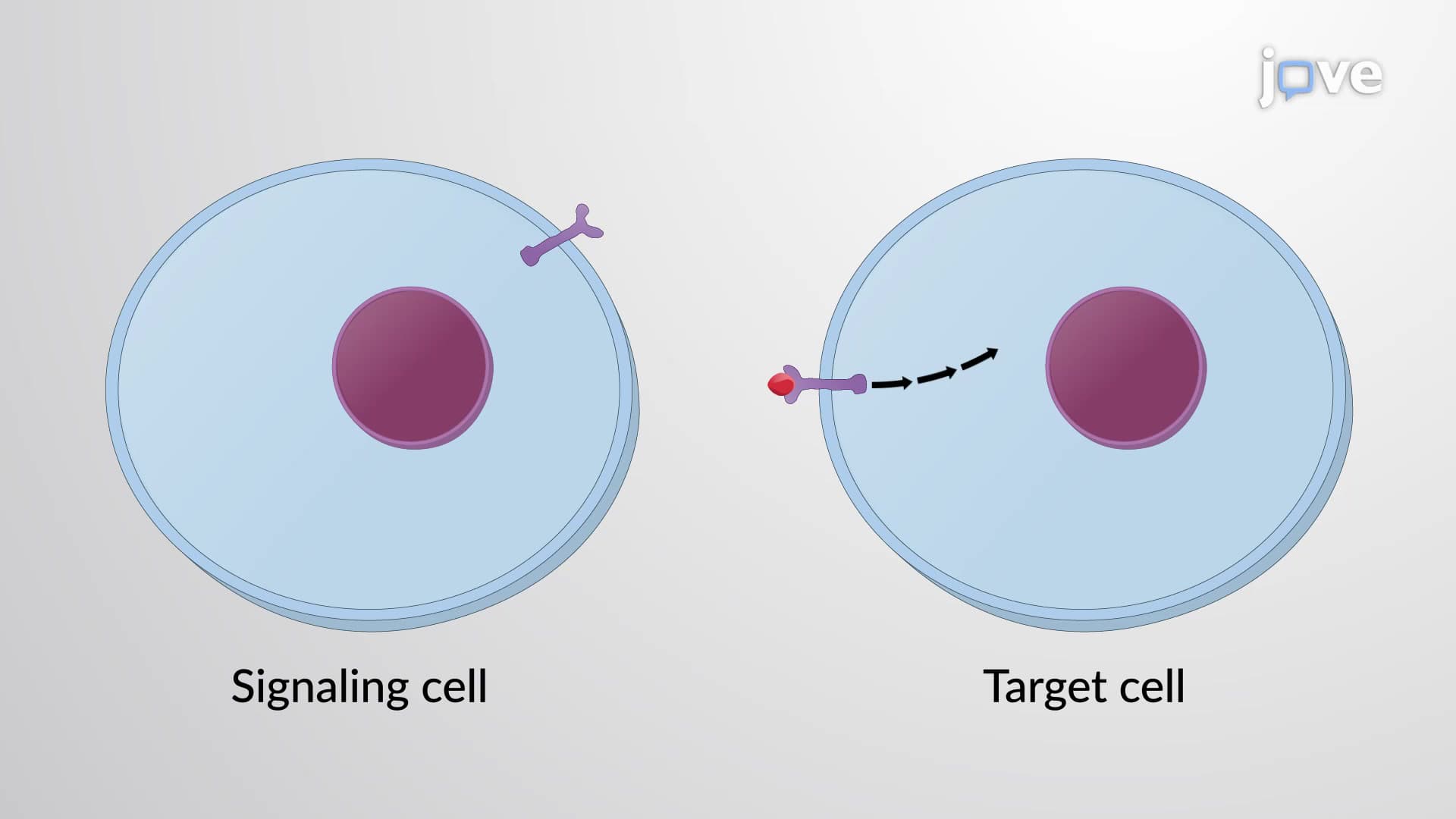
The most fundamental way to categorize signaling molecules involves the distance they travel to reach their targets. Autocrine signaling occurs when cells release molecules that bind to receptors on their own surface, like immune cells producing interleukin-2 during activation. Paracrine signaling affects nearby cells within the same tissue-neurotransmitters like acetylcholine exemplify this type, transmitting signals across synapses in the nervous system.
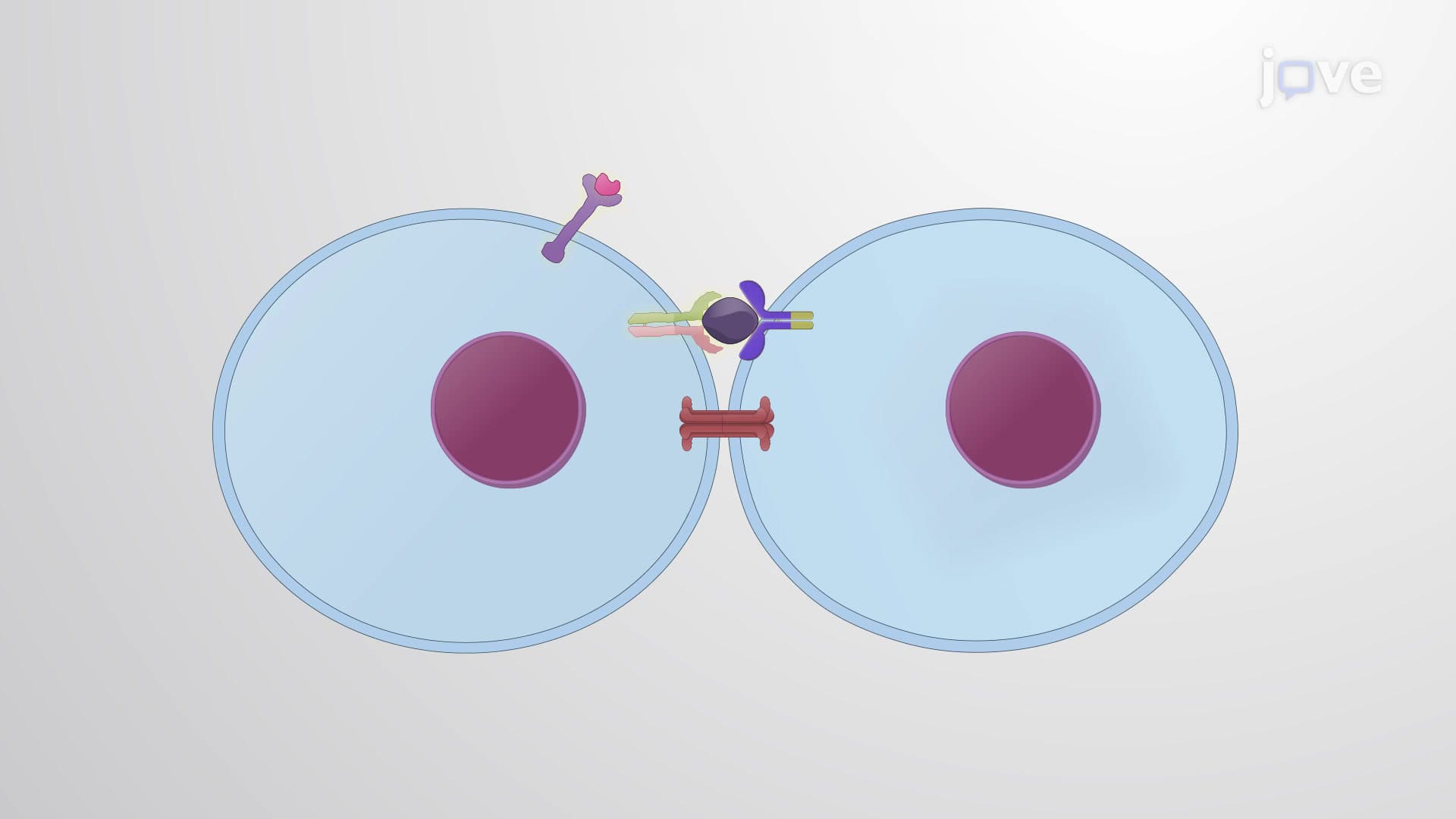
Endocrine signaling represents long-distance communication, where hormones travel through the bloodstream to distant targets. The pancreatic hormone insulin demonstrates this perfectly, traveling from pancreatic beta cells to muscle and liver cells throughout the body to regulate glucose uptake. Juxtacrine signaling requires direct cell-to-cell contact, crucial during embryonic development when cells use surface proteins to coordinate tissue formation.
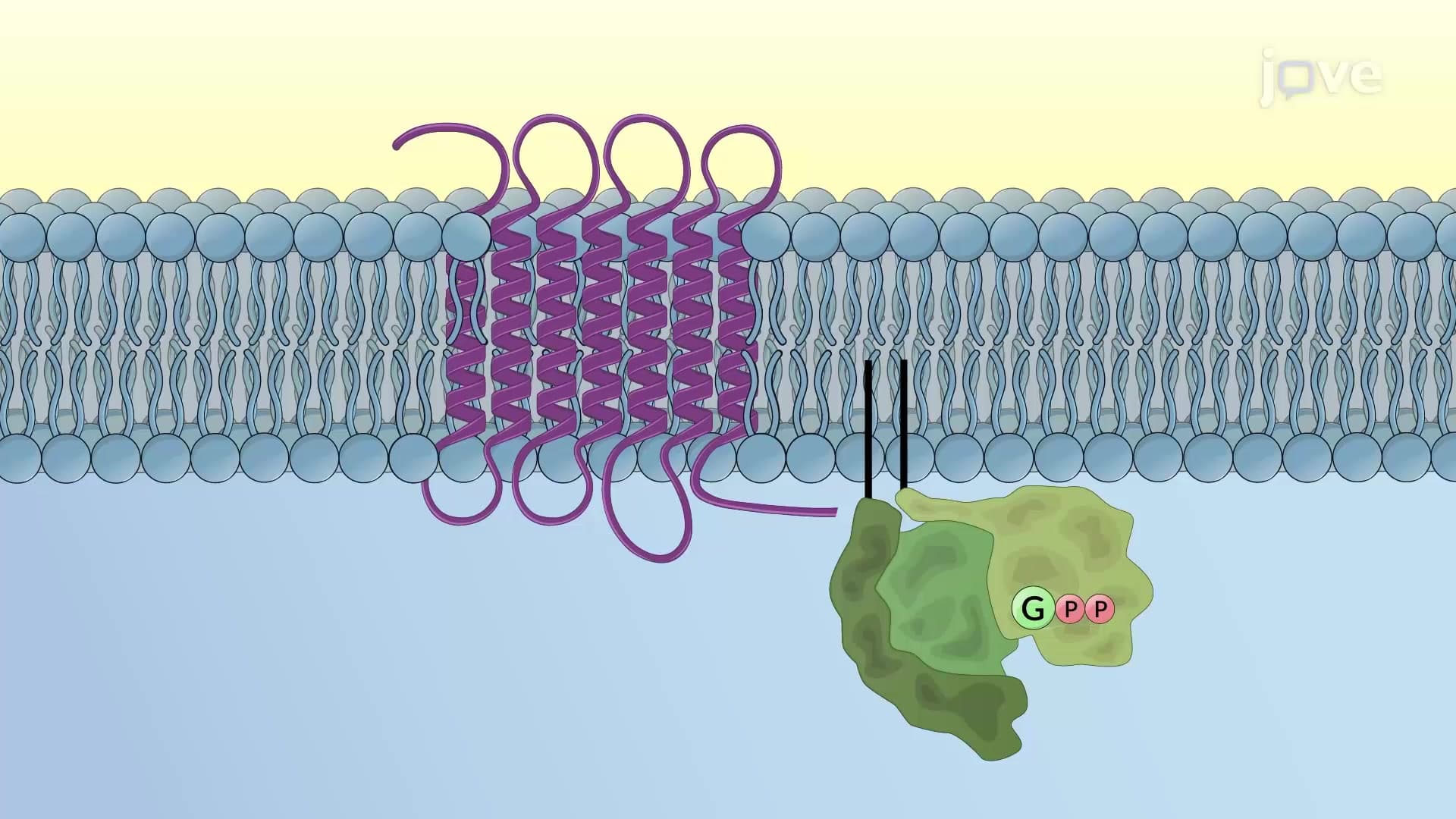
Signaling molecules fall into distinct chemical categories that determine their properties and functions. Steroid hormones like testosterone and cortisol are lipid-soluble, allowing them to cross cell membranes and bind to intracellular receptors. Peptide and protein hormones such as insulin and growth hormone are water-soluble and bind to cell surface receptors, initiating complex signaling cascades.
Neurotransmitters represent specialized signaling molecules optimized for rapid communication in the nervous system. Examples include dopamine, which regulates mood and movement, and GABA, the brain's primary inhibitory neurotransmitter. Cytokines coordinate immune responses, with molecules like tumor necrosis factor (TNF) orchestrating inflammation during infection or injury.
Understanding signaling molecule types proves essential for success in AP Biology, college biochemistry courses, and medical school entrance exams like the MCAT. These concepts directly relate to pharmacology, where many drugs work by mimicking or blocking natural signaling molecules. For instance, selective serotonin reuptake inhibitors (SSRIs) treat depression by affecting neurotransmitter signaling, while diabetes medications target insulin signaling pathways.
Related Micro-courses