Loading…
Loading video…

49,600 views
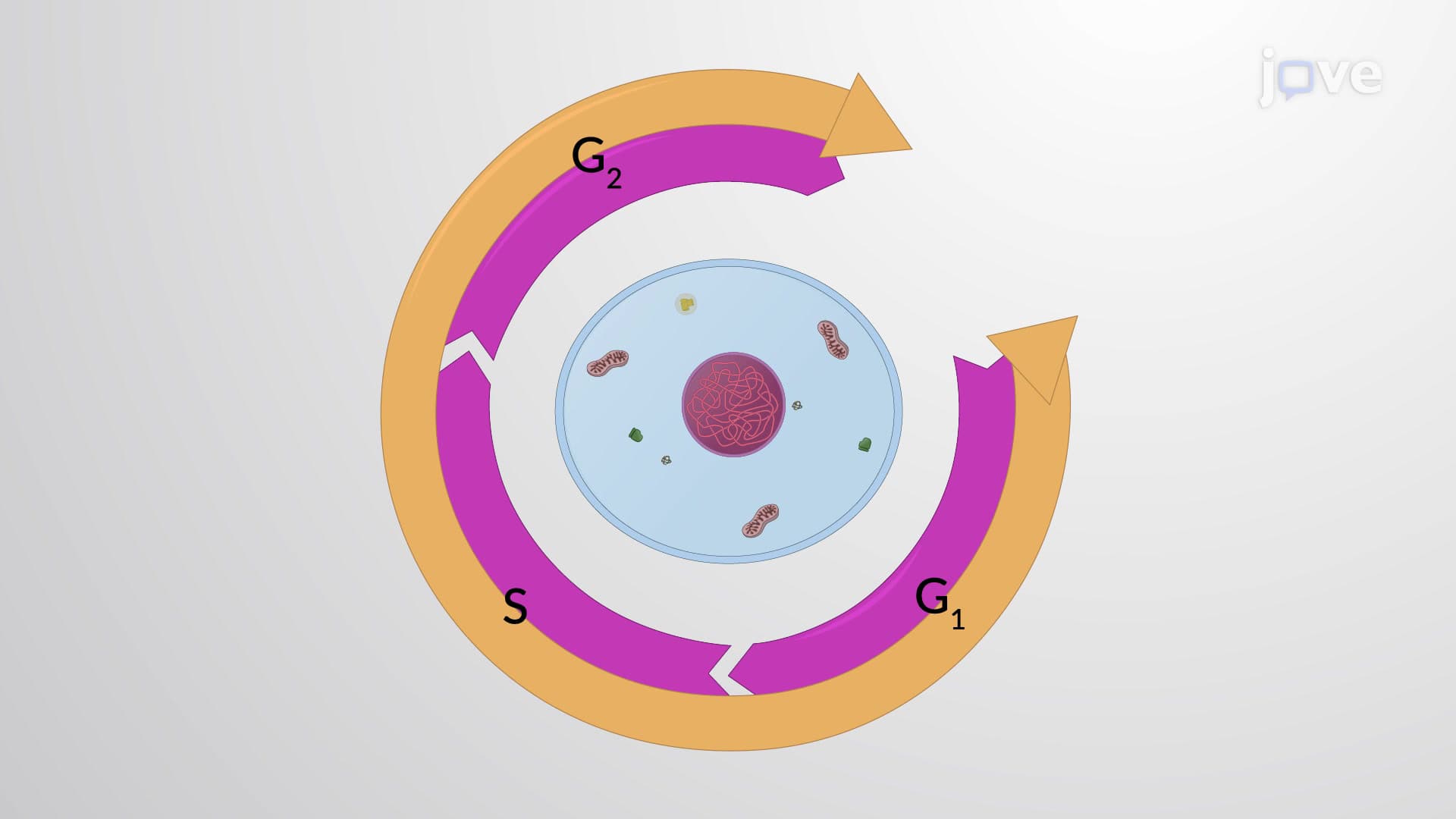
Did you know that your cells spend about 90% of their lives preparing for just one event—division? Interphase explained biology reveals this critical preparation period where cells grow, replicate DNA, and ensure everything is perfect before mitosis begins. Consider how skin cells constantly replace themselves after a cut heals—this remarkable process depends entirely on what is interphase and its three distinct phases working flawlessly. During this longest phase of the cell cycle, cells undergo intense metabolic activity, doubling their genetic material and organelles while monitoring for any potential problems that could lead to cancer or cell death. Watch the full video on JoVE Coach to master this concept with expert-led visuals and step-by-step explanations.
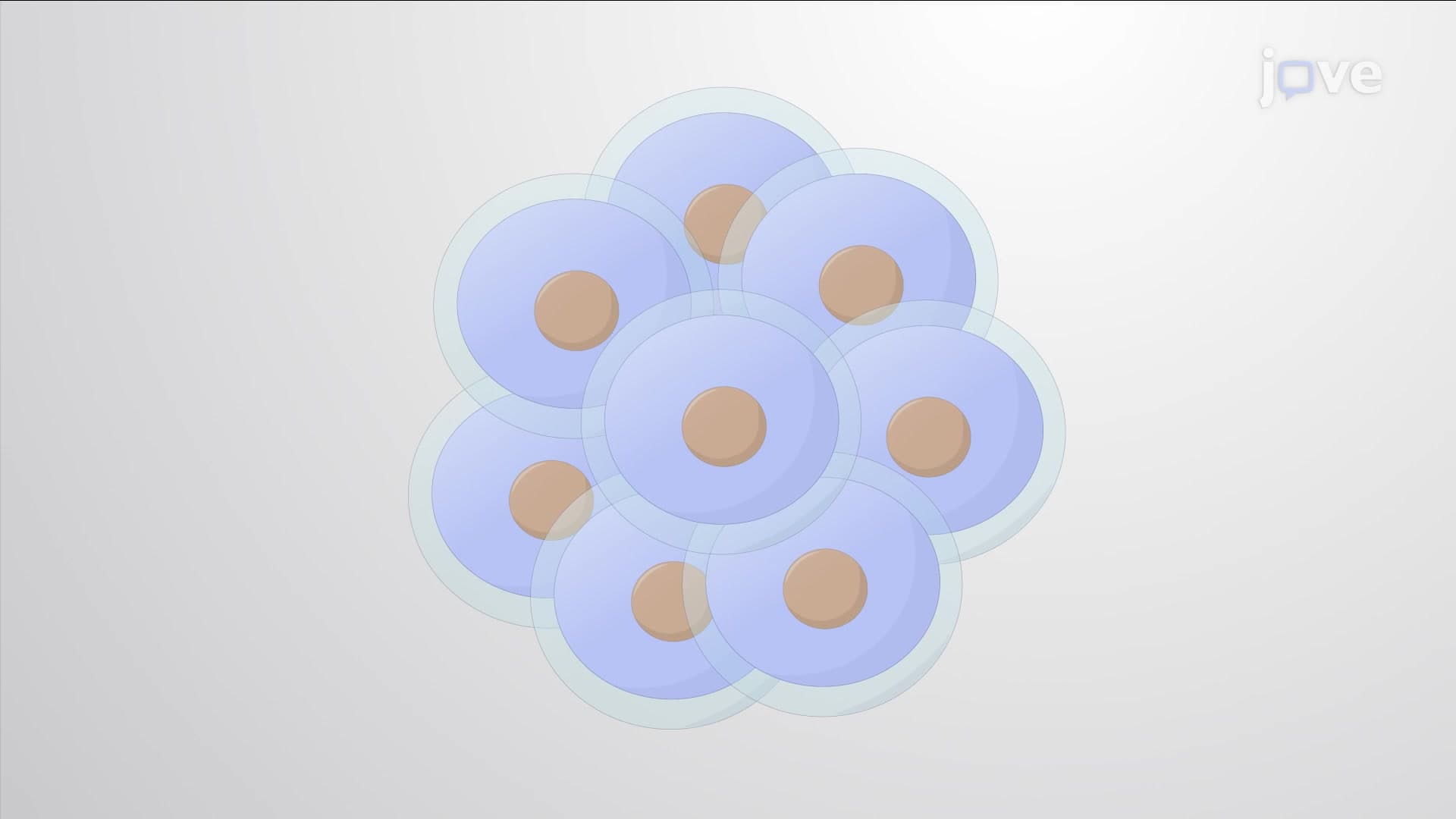
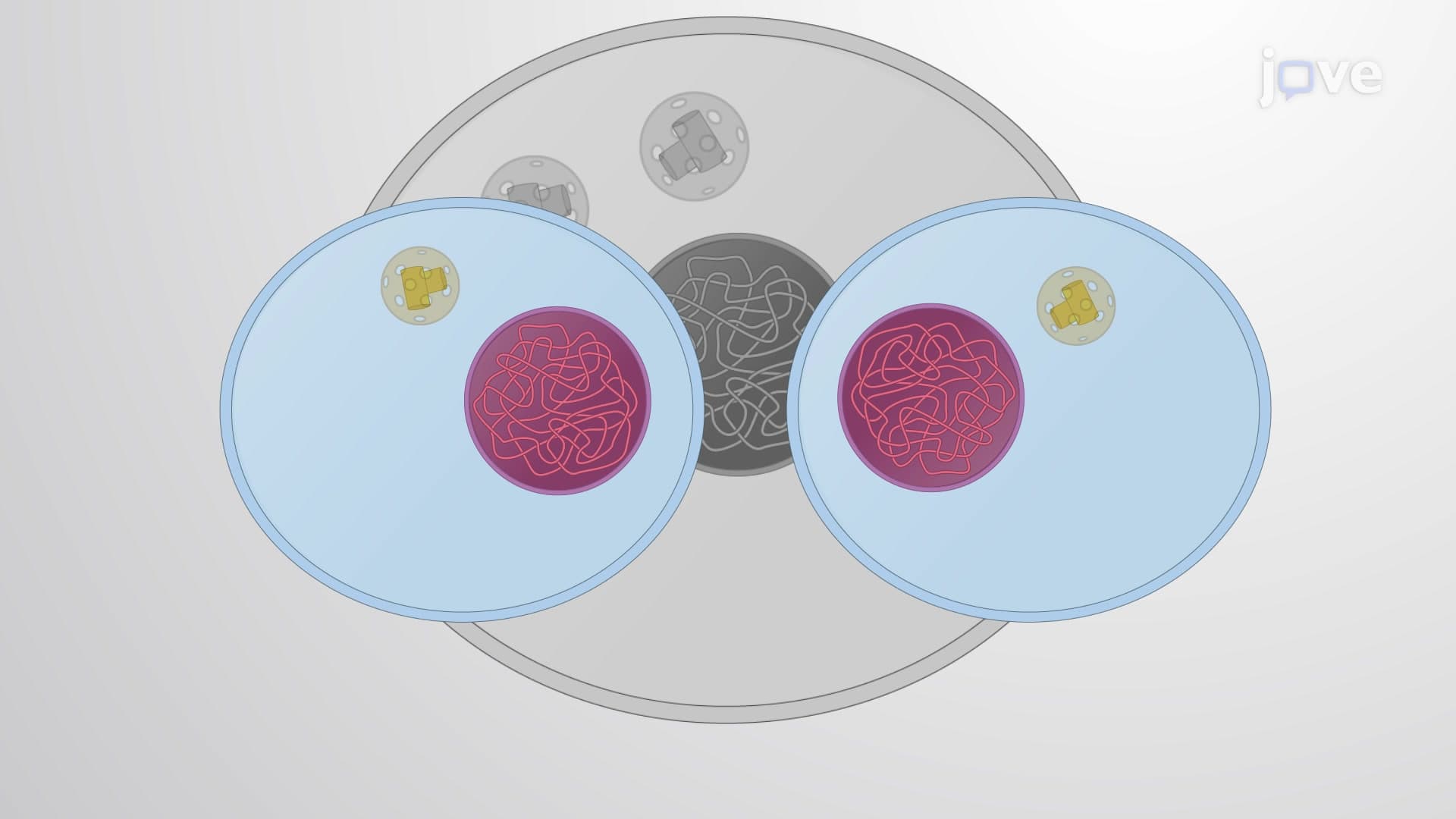
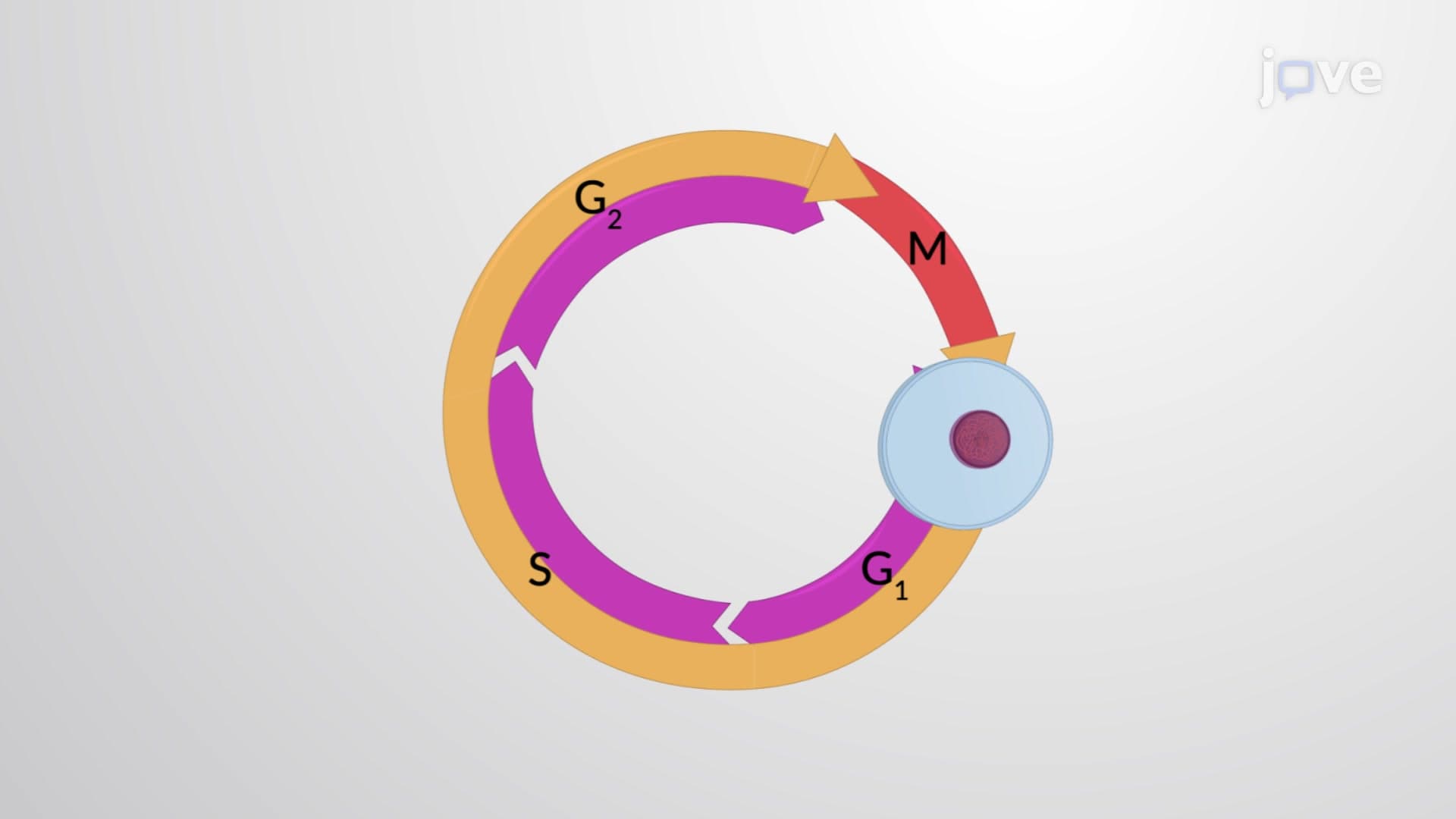
Interphase represents the most extensive period in a cell's life cycle, during which cells engage in critical preparation activities before attempting division. Unlike the dramatic chromosome movements visible during mitosis, interphase appears deceptively quiet under a microscope, yet it involves the most intense metabolic activity a cell experiences. This phase accounts for approximately 90% of the total cell cycle time, making it fundamentally important for maintaining healthy tissue function throughout the human body.
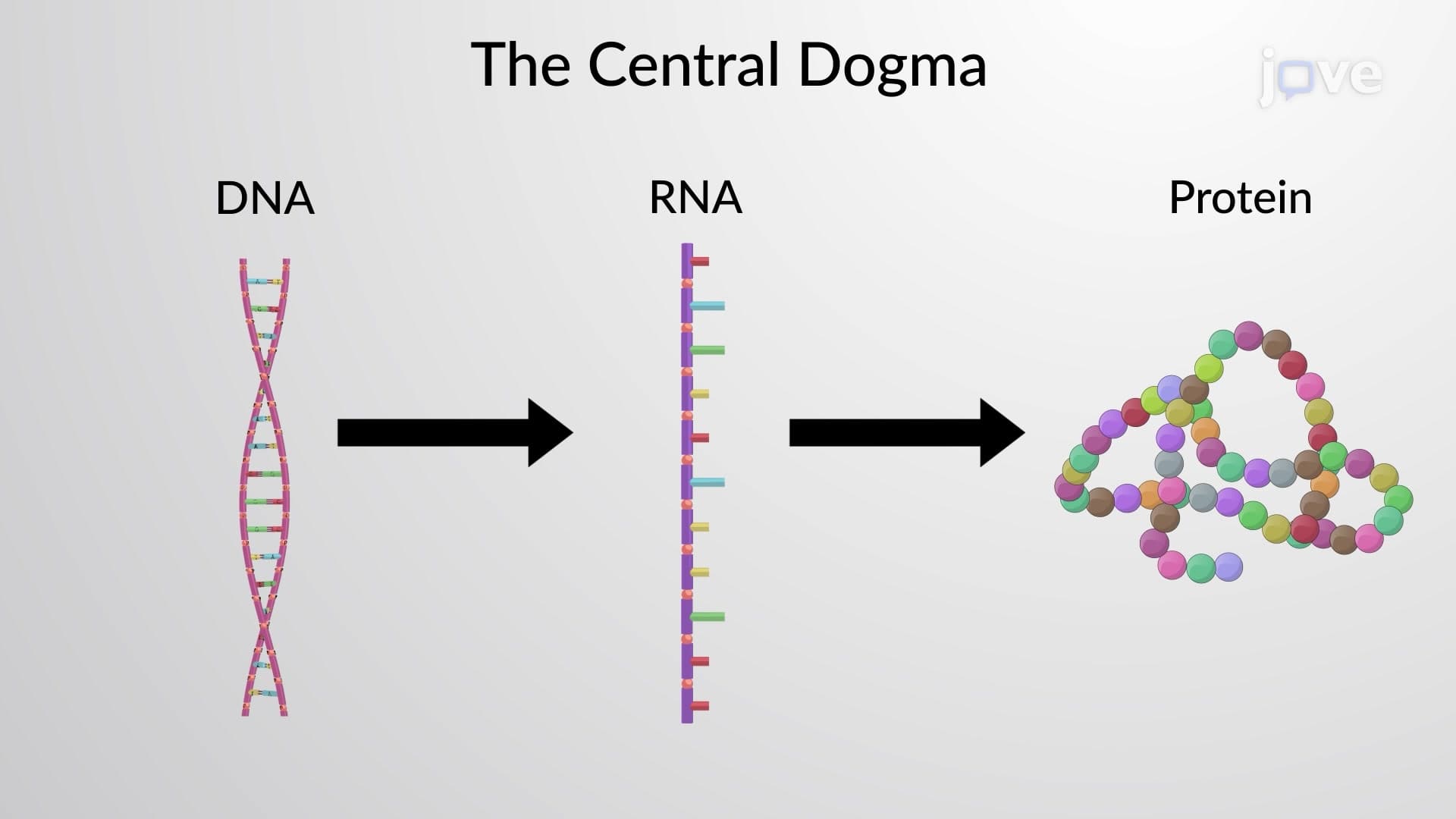
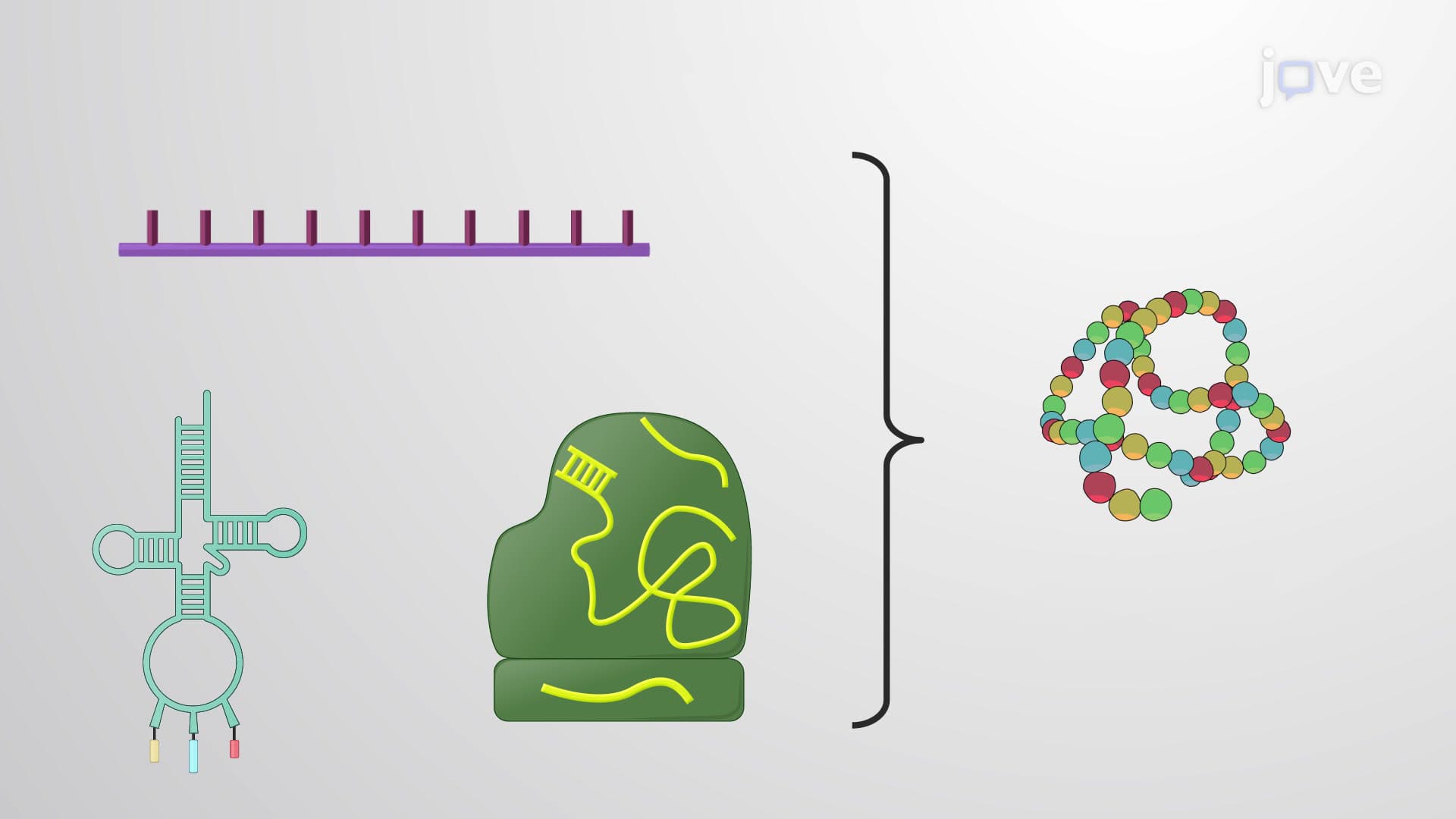
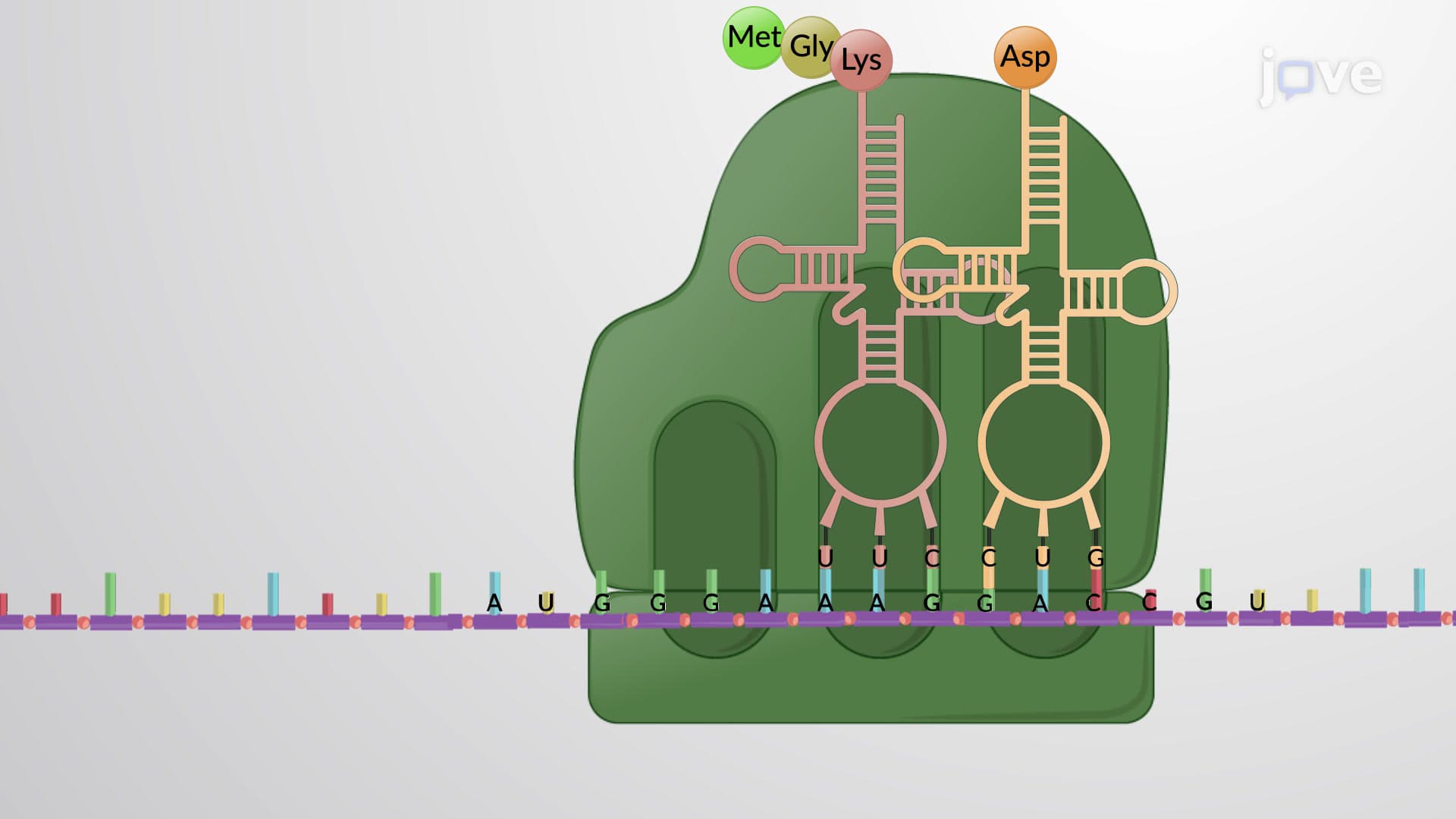
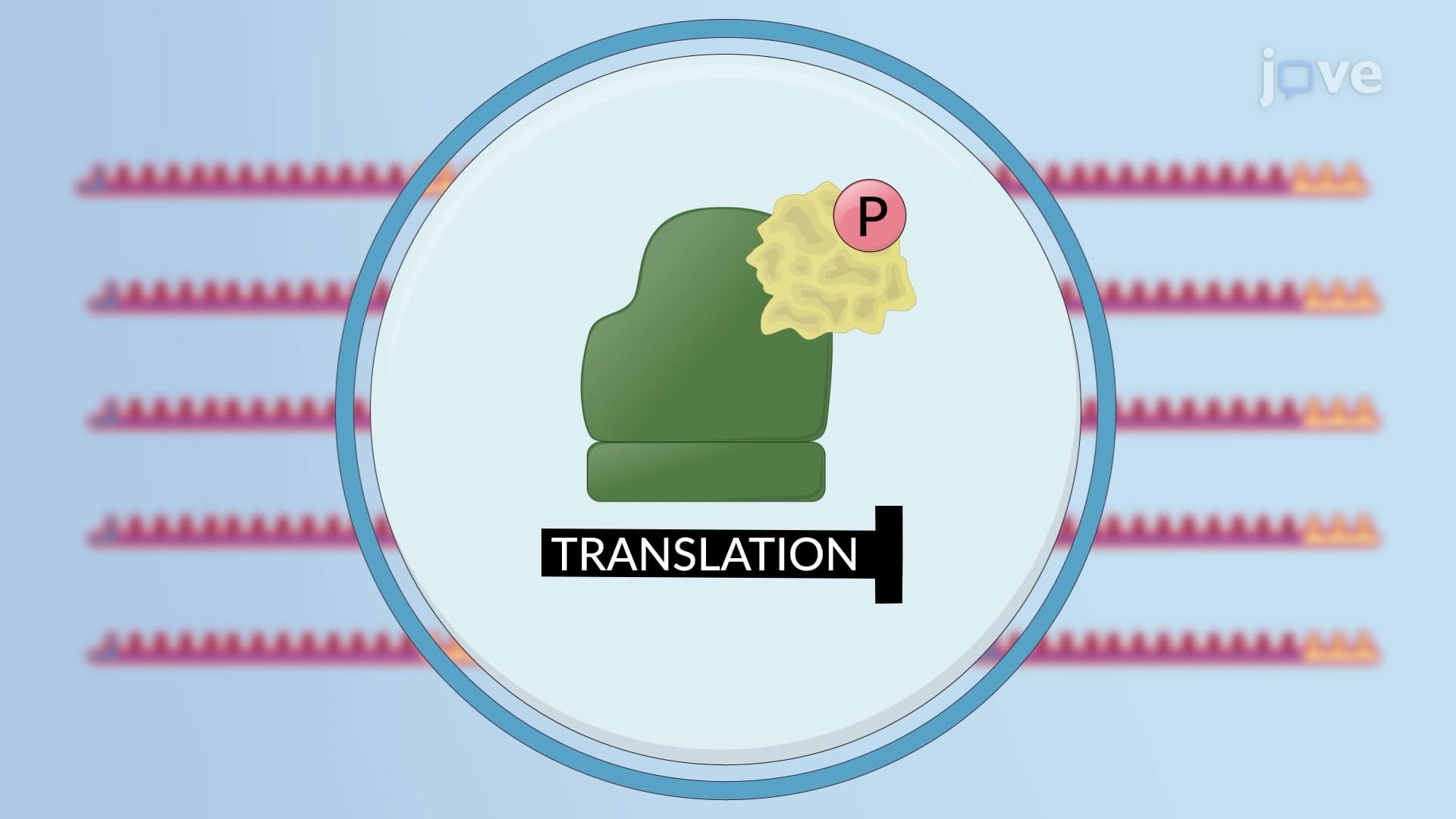
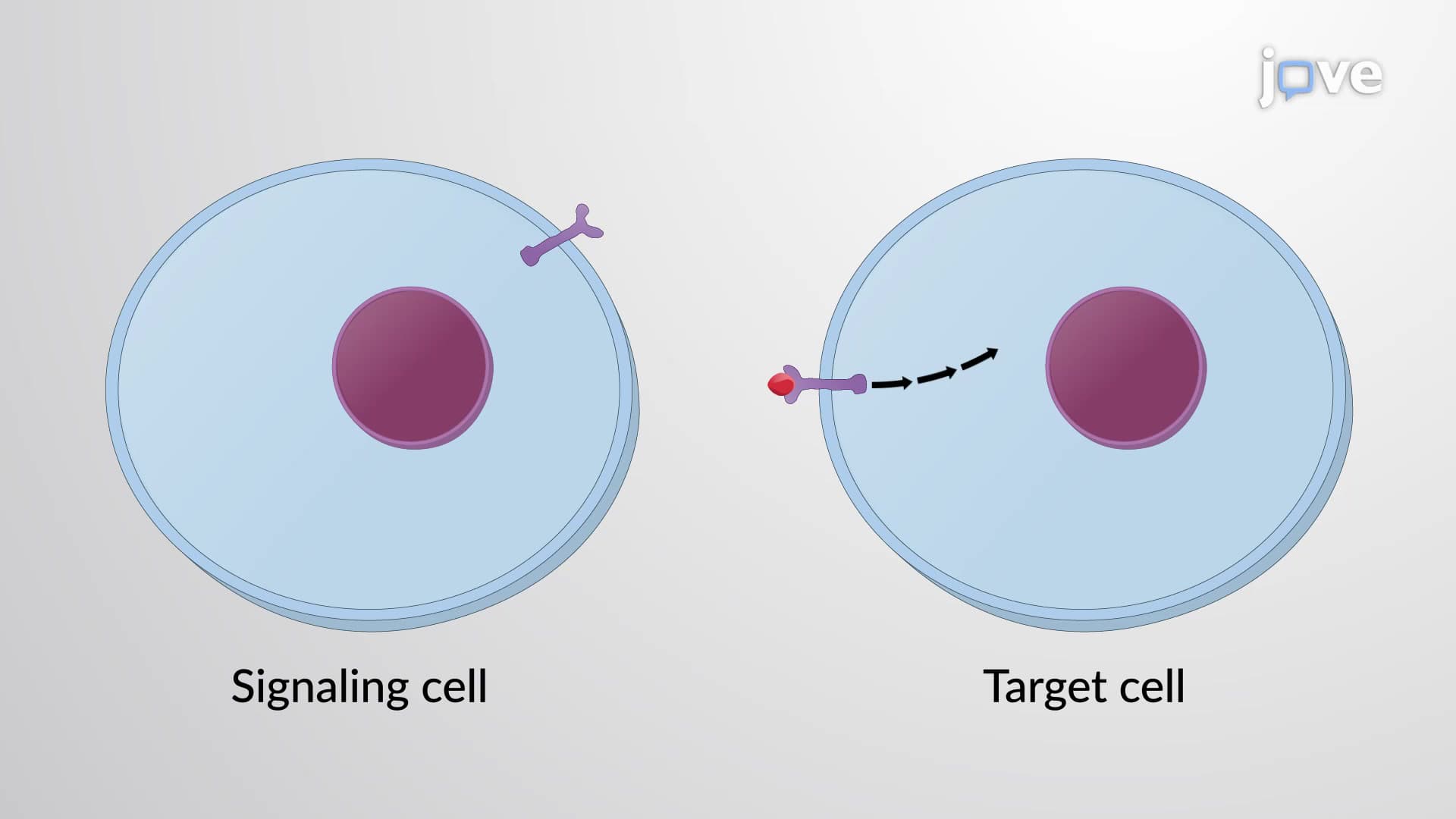
The G1 (Gap 1) phase marks the beginning of interphase, where cells focus primarily on growth and accumulating the resources necessary for DNA replication. During this period, cells synthesize essential proteins, increase their cytoplasmic volume, and produce RNA molecules required for protein synthesis. Perhaps most critically, G1 contains multiple checkpoint mechanisms that assess whether environmental conditions favor cell division. For example, skin cells in the basal layer must receive appropriate growth signals and have adequate nutrients before committing to division. Students preparing for the AP Biology exam should understand that G1 duration varies significantly between cell types—nerve cells may remain in G1 for years, while rapidly dividing cells like those in bone marrow complete G1 in hours.
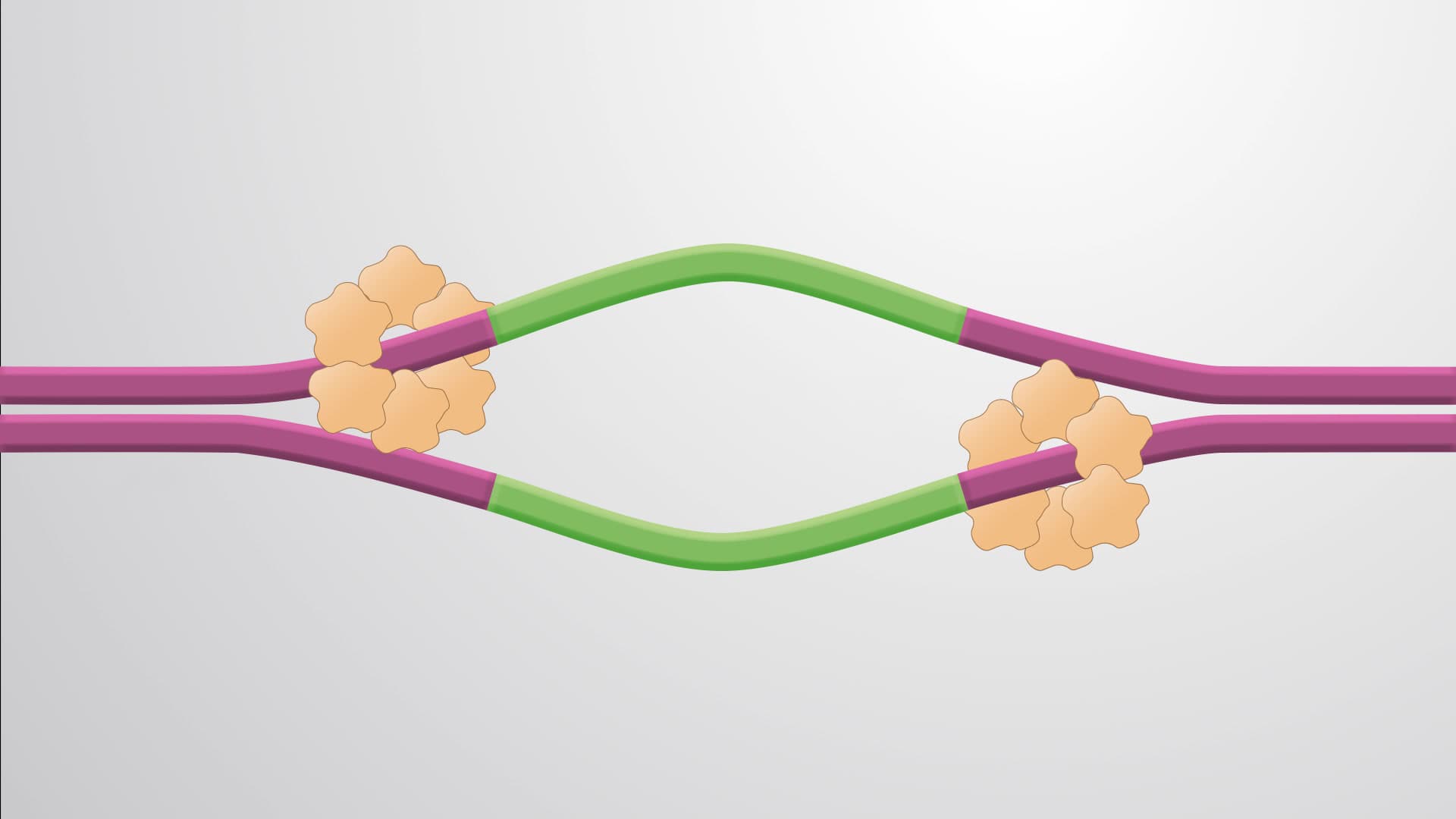
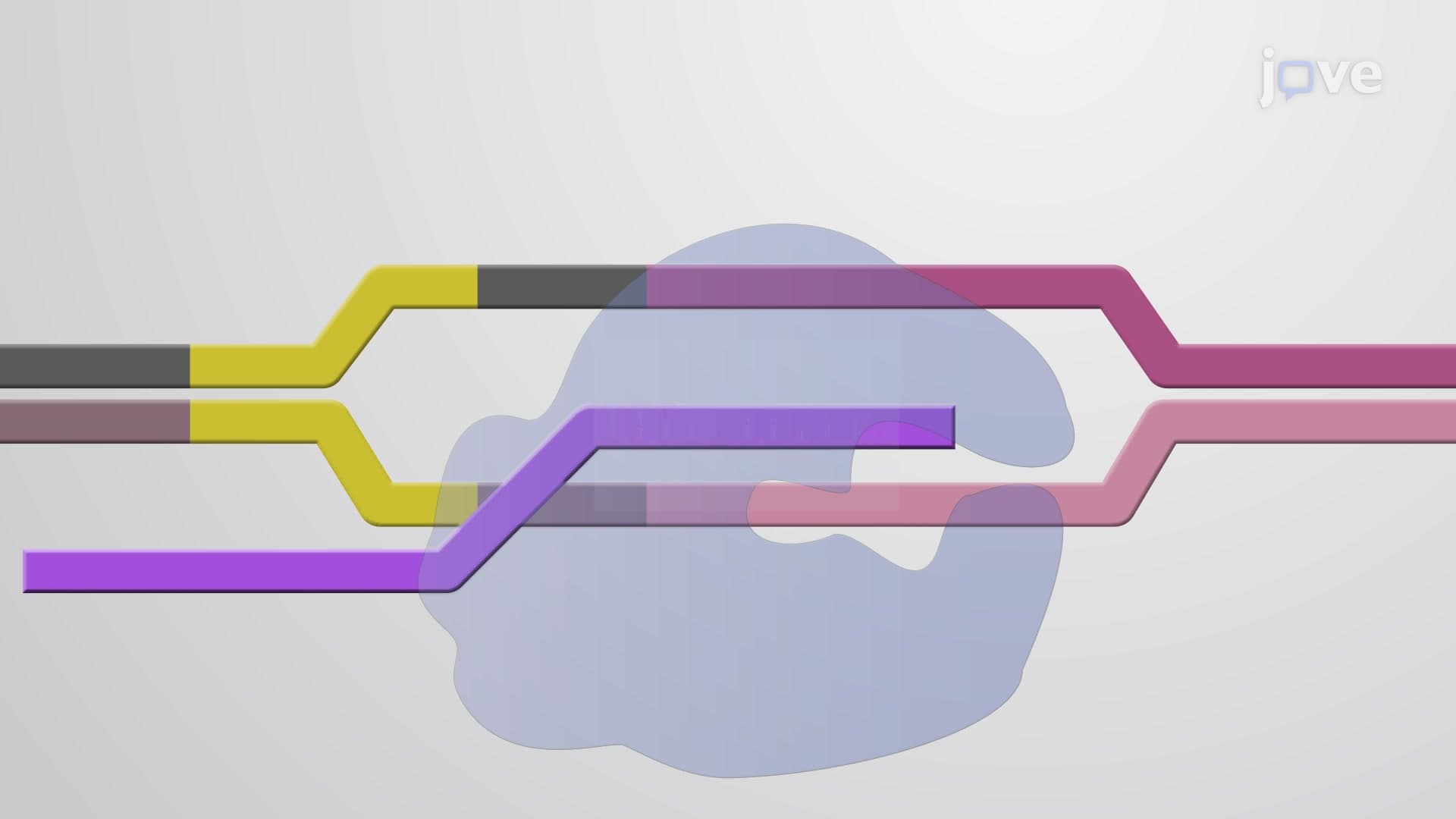
The S (Synthesis) phase represents the heart of interphase, where cells duplicate their entire genome with remarkable precision. This process involves unwinding the DNA double helix, synthesizing complementary strands using DNA polymerases, and implementing multiple proofreading mechanisms to prevent mutations. Consider that human cells must accurately replicate over 3 billion base pairs during each S phase—a process so complex that errors could lead to cancer or cell death. MCAT students often encounter questions about replication fork dynamics and the role of various enzymes in maintaining genetic stability during this phase.
G2 (Gap 2) serves as the final preparatory phase before mitosis, focusing on protein synthesis and organelle duplication. Cells produce tubulin for spindle formation, duplicate centrosomes, and synthesize proteins required for chromosome condensation and nuclear envelope breakdown. Additionally, G2 contains crucial DNA damage checkpoints that prevent cells with unrepairable genetic damage from entering mitosis. This quality control system becomes particularly relevant in cancer research, where understanding checkpoint failures helps explain how malignant cells bypass normal safety mechanisms.
Frequently Asked Questions
Interphase is the preparatory phase where cells grow, replicate DNA, and prepare for division, lasting about 90% of the cell cycle. This extended duration reflects the complexity of duplicating all cellular components and ensuring genetic accuracy. The three subphases (G1, S, G2) each serve critical functions that cannot be rushed without risking cell death or cancer development.
Interphase encompasses all cellular activities between divisions, while mitosis is the actual division process. Interphase includes growth, DNA replication, and preparation activities across G1, S, and G2 phases. Mitosis, though more visually dramatic, represents only about 10% of the total cell cycle time but depends entirely on interphase preparation for success.
AP Biology exams frequently include questions about cell cycle regulation, checkpoint mechanisms, and the relationship between interphase and cancer. Students should expect multiple-choice questions about phase functions and free-response questions requiring explanations of how checkpoint failures lead to uncontrolled cell division. Practice identifying interphase stages in microscopy images and explaining molecular mechanisms of DNA replication.
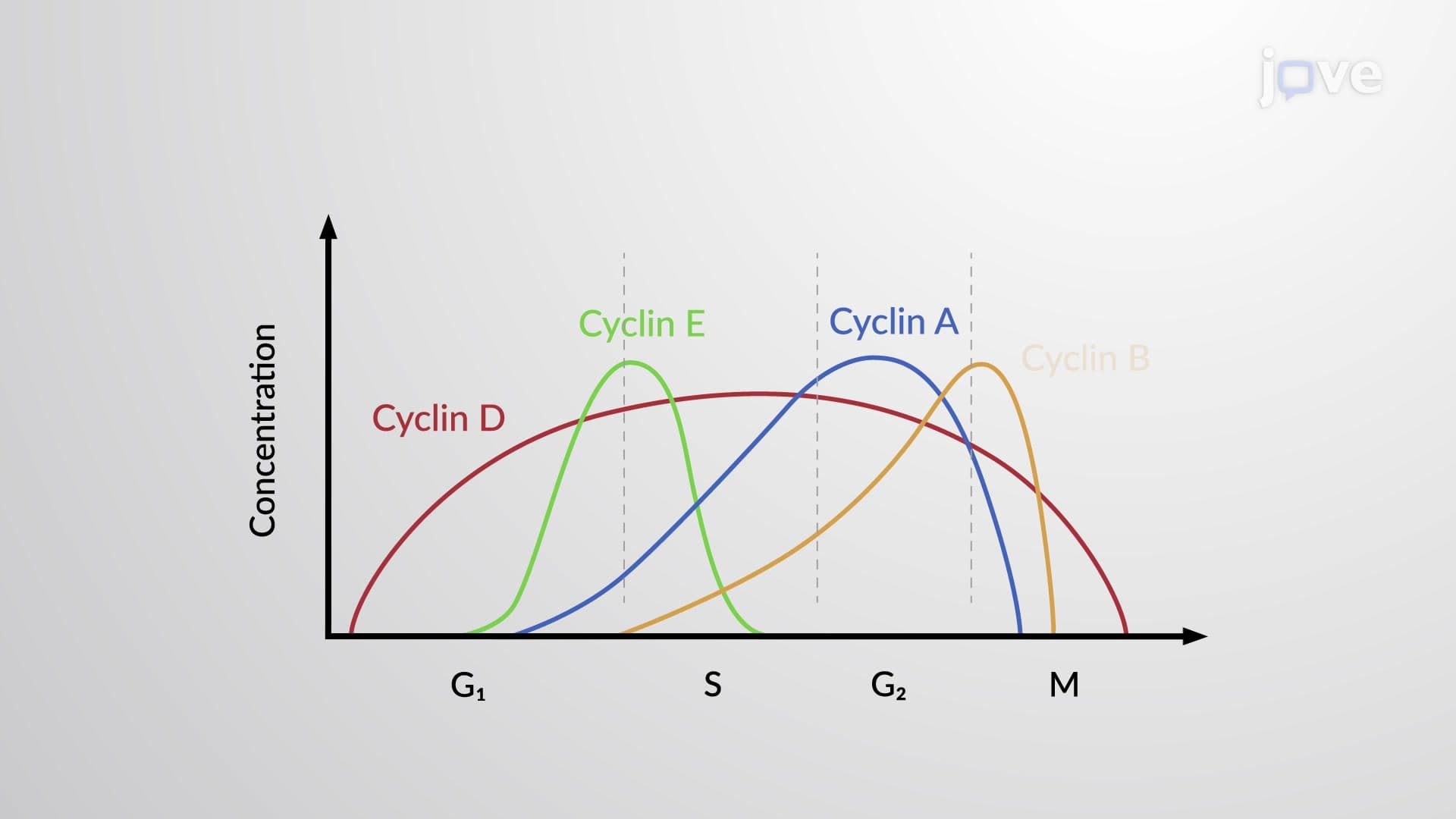
MCAT biology sections extensively cover cell cycle regulation, particularly checkpoint controls and cancer biology connections. Students encounter questions about CDK-cyclin complexes, p53 tumor suppressor function, and how chemotherapy drugs target specific interphase processes. Understanding interphase mechanisms helps answer passage-based questions about cancer treatment strategies and cell biology research applications.
Major US cancer research institutions like MD Anderson and Memorial Sloan Kettering study how interphase checkpoints fail in cancer cells. Researchers investigate how cancer treatments can target rapidly dividing cells during specific interphase stages. Understanding normal interphase function helps develop targeted therapies that exploit differences between cancer cells and healthy cells, leading to more effective treatments with fewer side effects.
Interphase concepts are perfectly accessible to high school students when approached systematically. Start with basic functions of each phase, then gradually add molecular details as comfort increases. Most students successfully master interphase fundamentals needed for AP Biology and college preparatory courses. The key is connecting abstract processes to familiar examples like wound healing and growth.
Use the acronym "GPS" to remember G1-S-G2 sequence, associating each with its main function: Growth-Synthesis-Get ready for mitosis. Create visual diagrams showing relative phase durations and practice identifying interphase characteristics in different cell types. Focus on understanding checkpoint purposes rather than memorizing every molecular detail, as this approach helps answer application-based exam questions more effectively.
Students should progress to mitosis and meiosis mechanisms, then explore cancer biology and cell cycle regulation in greater molecular detail. Advanced topics include apoptosis pathways, stem cell biology, and tissue regeneration processes. These concepts build naturally on interphase understanding and prepare students for upper-level cell biology, genetics, and medical school coursework.
Related Micro-courses


Related Subjects
 Medical-Surgical Nursing 28 micro-courses›
 Nursing 14 micro-courses›