Loading subject page…


49,600 views

Video Summary: What are Types of RNA
Did you know that the COVID-19 vaccines developed by Pfizer and Moderna use messenger RNA to teach your cells how to fight the virus? The types of RNA explained reveal a fascinating cellular network where different RNA molecules perform specialized roles beyond simple protein synthesis. From messenger RNA carrying genetic blueprints to ribosomal RNA building cellular factories, these molecular messengers orchestrate life itself. Watch the full video on JoVE Coach to master this concept with expert-led visuals and step-by-step explanations.
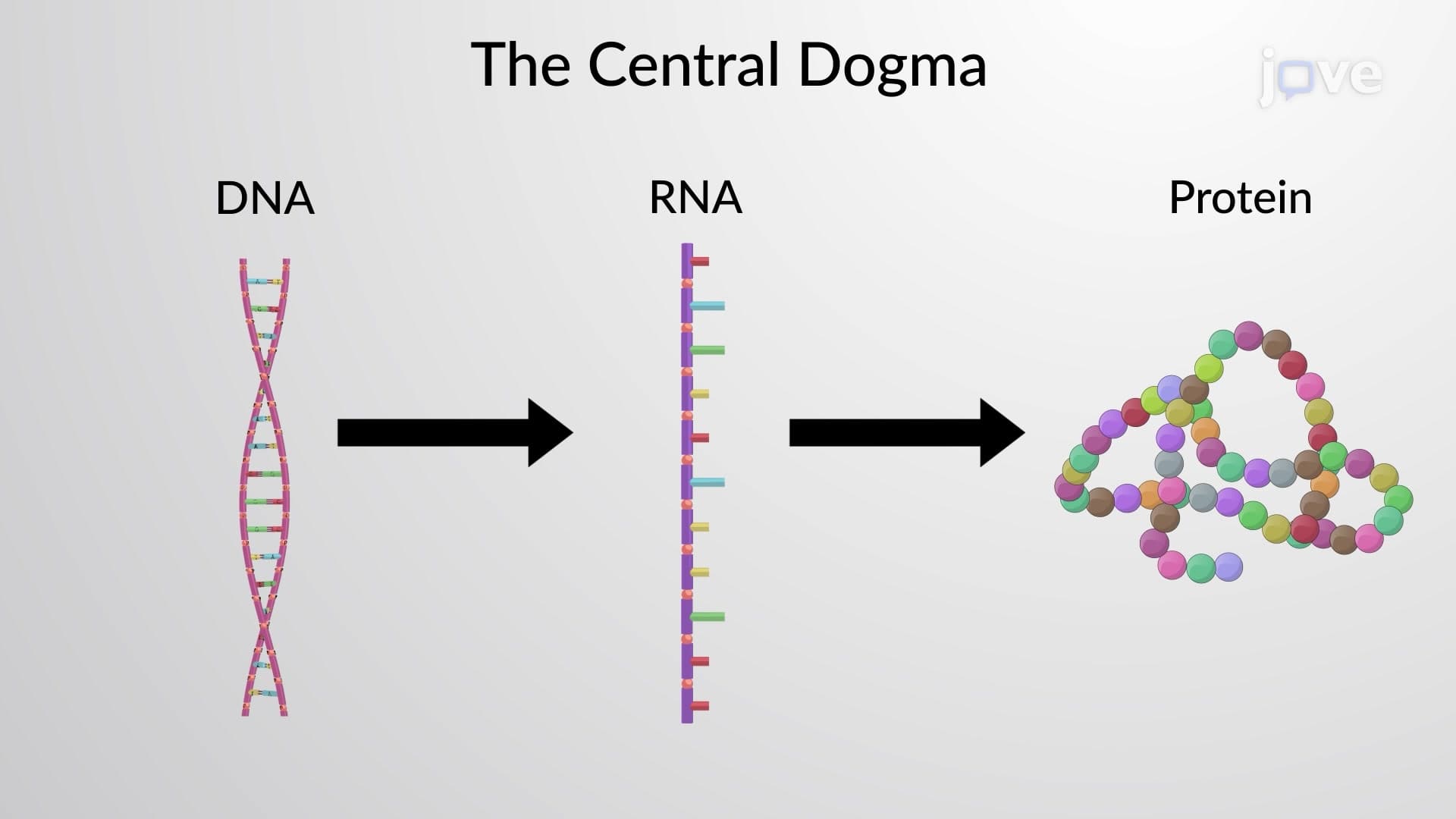
RNA types and functions biology encompasses a sophisticated system of ribonucleic acid molecules that coordinate cellular activities far beyond their initial discovery as simple genetic messengers. Unlike DNA's static storage role, RNA molecules actively participate in gene expression, regulation, and cellular maintenance through specialized structural and functional adaptations.
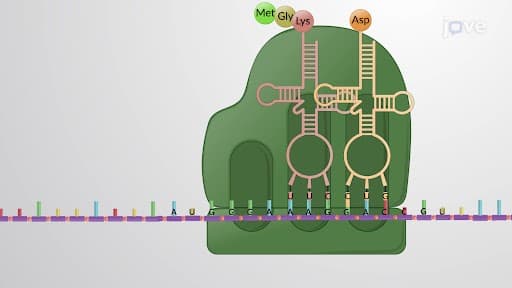
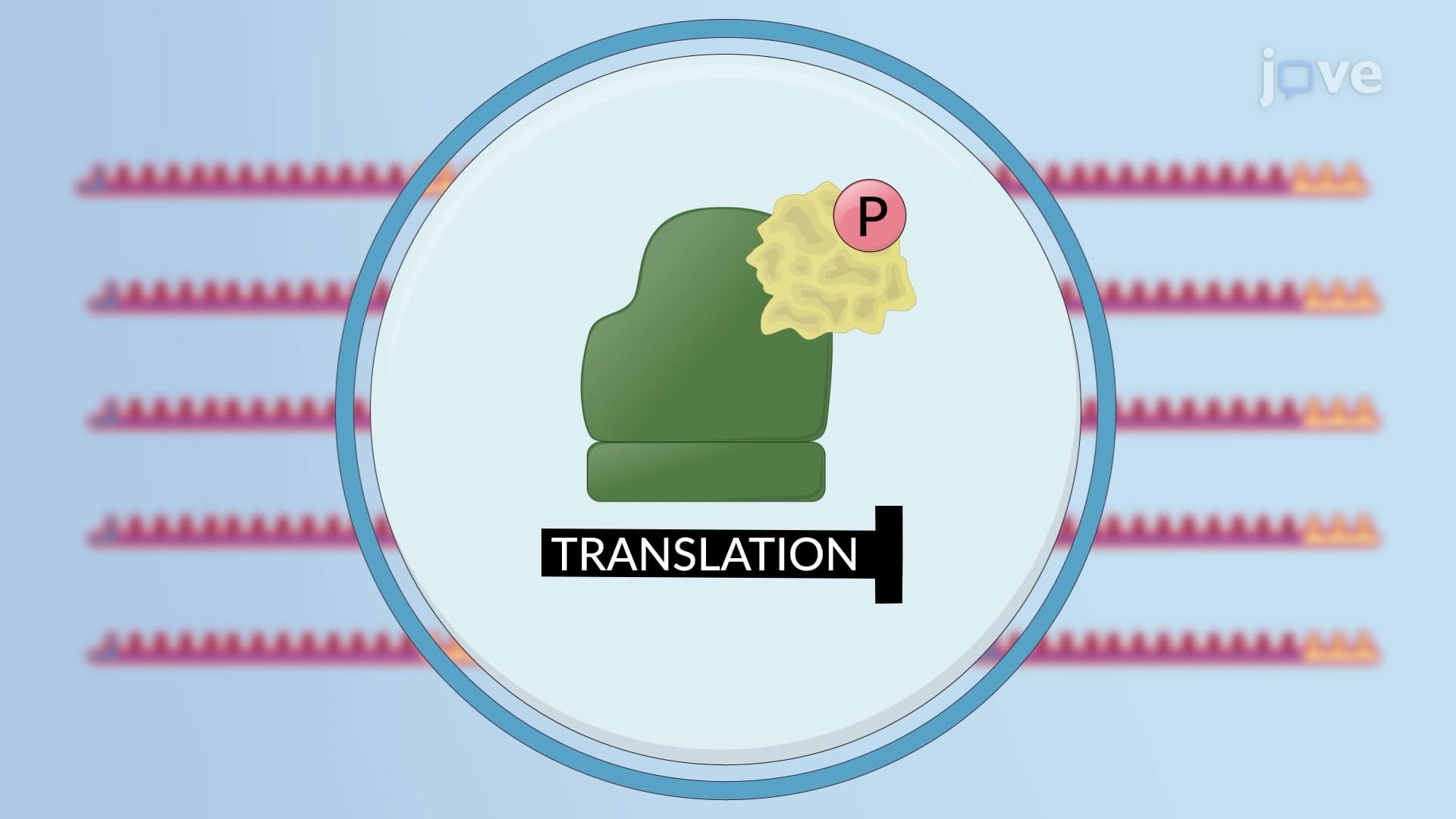
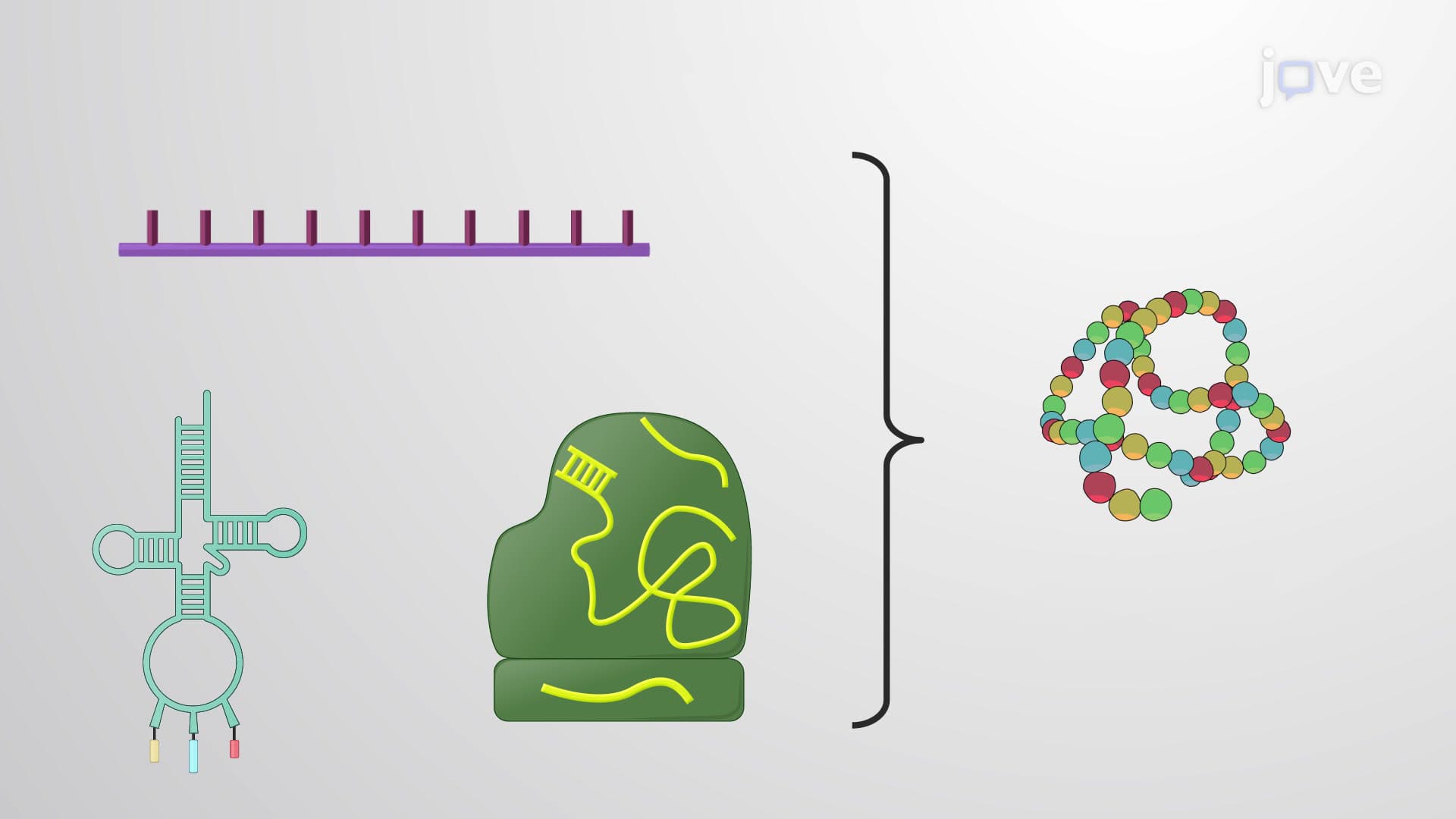
The foundational mRNA rRNA tRNA types represent the core machinery of protein synthesis. Messenger RNA (mRNA) functions as a mobile genetic transcript, carrying coding sequences from nuclear DNA to cytoplasmic ribosomes. During transcription, RNA polymerase II synthesizes pre-mRNA, which undergoes extensive processing including 5' capping, 3' polyadenylation, and splicing to remove introns-concepts frequently tested on AP Biology exams and college biochemistry courses.
Transfer RNA (tRNA) molecules exhibit distinctive cloverleaf secondary structures that fold into L-shaped tertiary configurations. Each tRNA carries specific amino acids and contains anticodon sequences complementary to mRNA codons, ensuring accurate translation fidelity. The wobble base pairing at the third codon position allows some tRNAs to recognize multiple codons, a concept critical for understanding genetic code degeneracy on the MCAT.
Ribosomal RNA (rRNA) constitutes the structural and catalytic core of ribosomes, with the large subunit's peptidyl transferase center being composed entirely of rRNA. This ribozyme activity demonstrates RNA's catalytic capabilities, supporting evolutionary theories about RNA's primordial role in early life forms.
Non-coding RNA types have revolutionized our understanding of gene regulation. MicroRNAs (miRNAs) are ~22-nucleotide sequences that bind complementary mRNA targets, typically causing translational repression or mRNA degradation. The discovery of miRNAs earned the 2006 Nobel Prize and transformed therapeutic approaches to diseases like cancer and cardiovascular disorders.
Small interfering RNAs (siRNAs) operate through RNA interference (RNAi) mechanisms, offering precise gene silencing capabilities exploited in biotechnology and emerging therapies. Companies like Alnylam Pharmaceuticals have developed FDA-approved siRNA drugs for treating hereditary transthyretin amyloidosis.
Long non-coding RNAs (lncRNAs) exceed 200 nucleotides and participate in chromatin remodeling, transcriptional regulation, and nuclear organization. The XIST lncRNA, responsible for X-chromosome inactivation in female mammals, exemplifies how these molecules coordinate complex developmental processes-a topic appearing in advanced genetics coursework and graduate school entrance exams.
Modern RNA function biology applications demonstrate practical relevance for pre-med and biotechnology students. mRNA vaccines, successfully deployed against COVID-19, introduce synthetic mRNA encoding viral antigens to stimulate immune responses without live pathogens. This technology, developed by companies like Moderna in Cambridge, Massachusetts, represents a paradigm shift in vaccine development and infectious disease prevention.
Related Micro-courses