Loading subject page…


49,600 views

Video Summary: What Is Overview of Cell Signaling
Every second, your body's 37 trillion cells are having conversations-but not with words. A cell signaling overview reveals how cells communicate through molecular messages to coordinate everything from your heartbeat to fighting infections. Consider how insulin signals muscle cells to absorb glucose after eating a meal, preventing dangerous blood sugar spikes that affect millions of Americans with diabetes. This overview of cell signaling explores the fundamental mechanisms that keep us alive and healthy. Watch the full video on JoVE Coach to master this concept with expert-led visuals and step-by-step explanations.
Cell signaling represents one of biology's most elegant orchestrations-a complex communication network that enables multicellular organisms to function as coordinated units. This intricate system allows cells to detect, process, and respond to environmental changes, ensuring survival and proper physiological function. From the moment you wake up to falling asleep, billions of signaling events coordinate your body's responses.
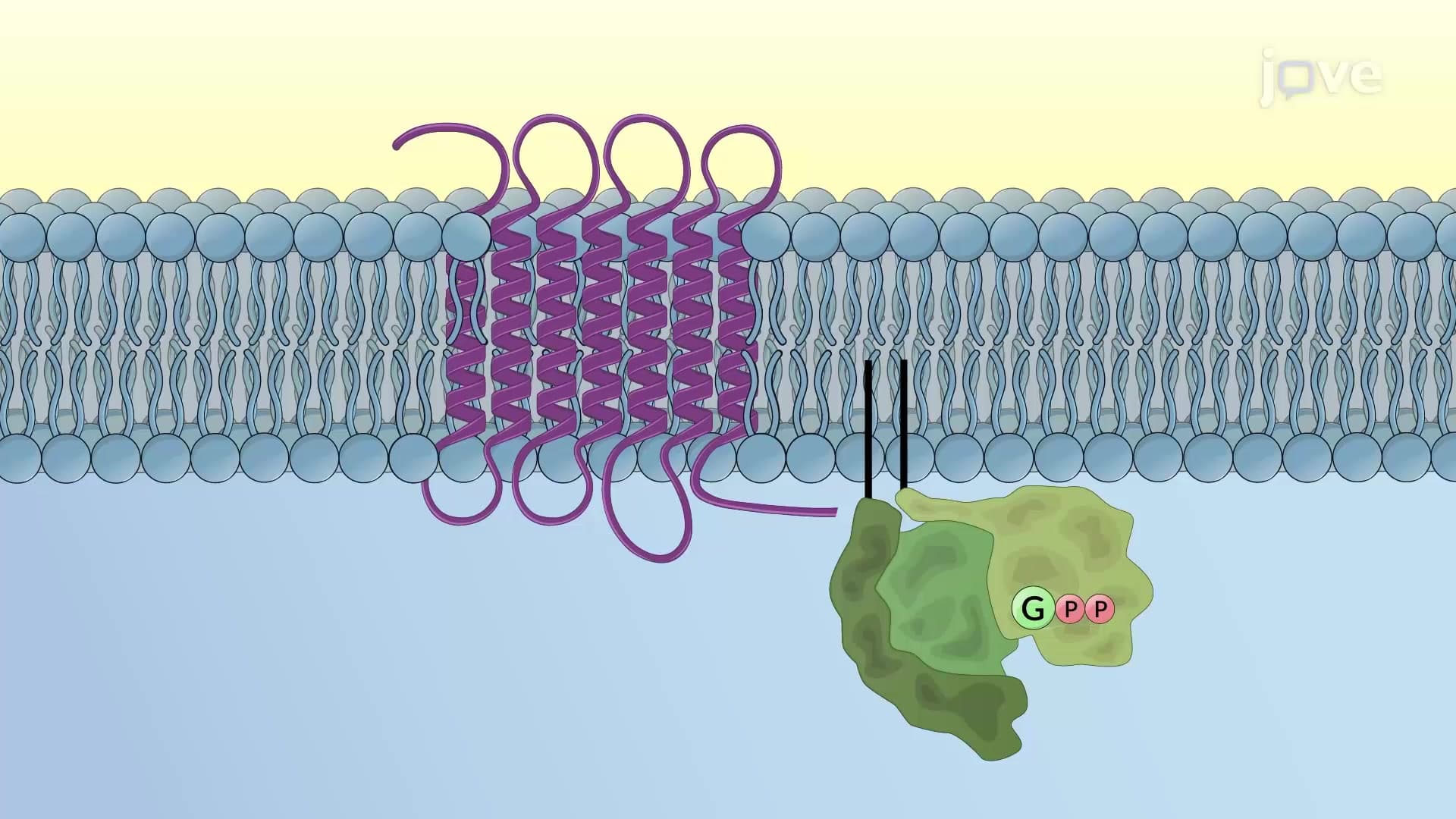
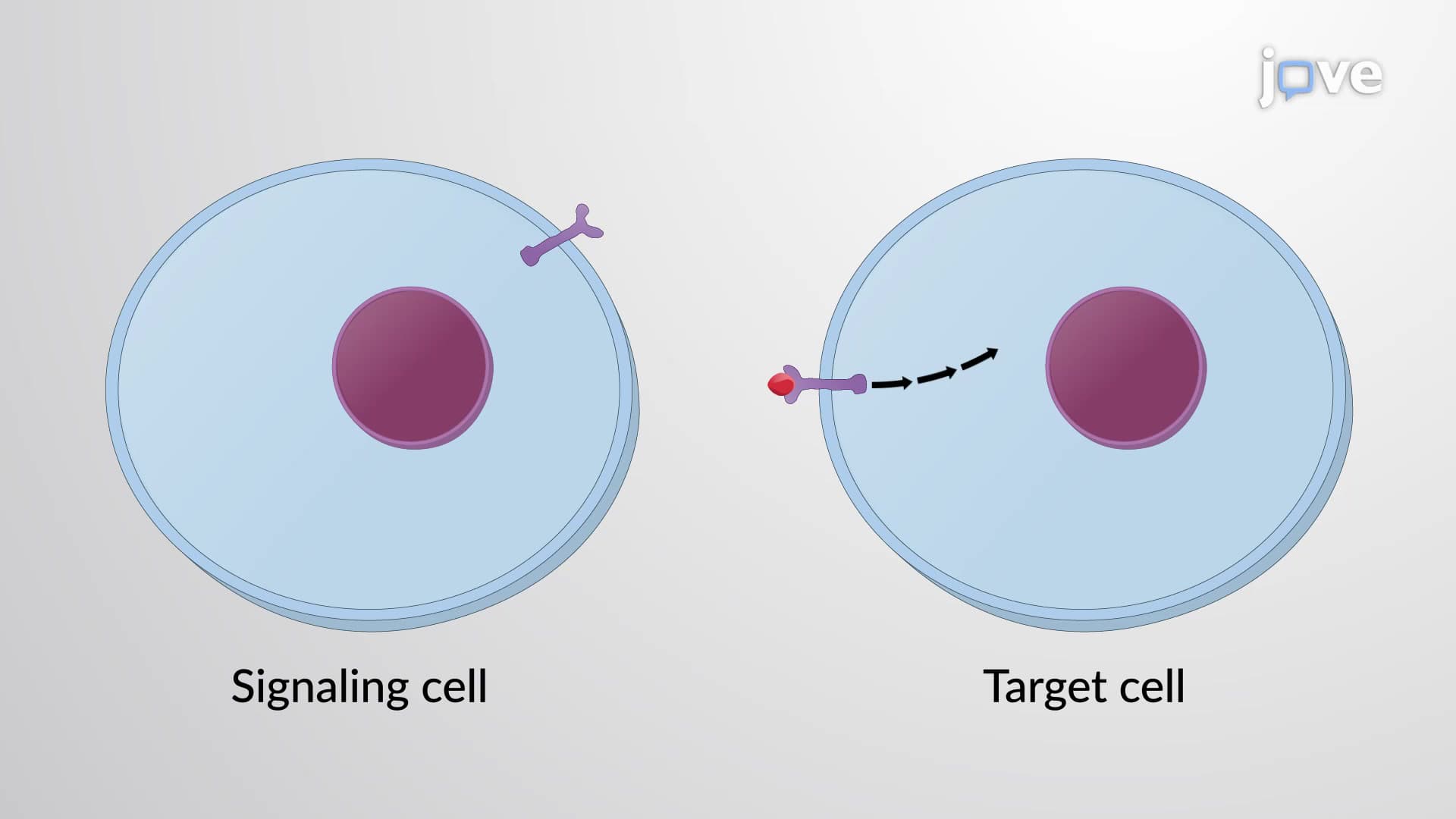
Every signaling event follows a predictable sequence. Signal reception occurs when specialized receptor proteins detect specific molecular messengers called ligands. Think of how adrenaline receptors on heart muscle cells recognize epinephrine during a "fight-or-flight" response. Signal transduction then converts this recognition into intracellular changes through cascading biochemical reactions. Finally, the cellular response produces the desired outcome-whether it's increased heart rate, gene expression changes, or metabolic adjustments.
This receptor ligand signaling process demonstrates remarkable specificity. Just as your house key fits only your lock, signaling molecules bind only to their corresponding receptors, ensuring precise cellular responses.
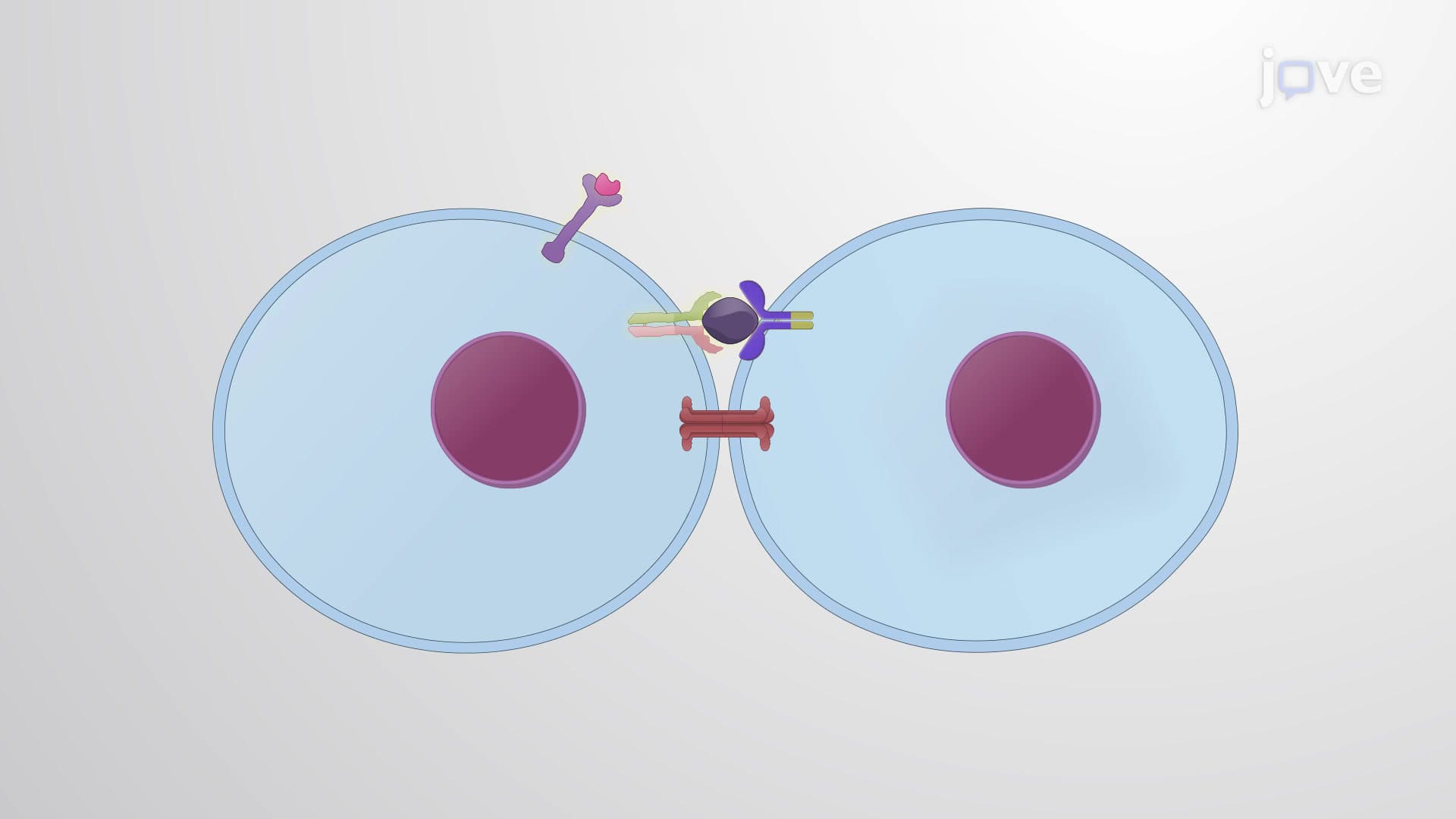
Different cell signaling types serve distinct physiological roles. Endocrine signaling uses hormones like insulin traveling through bloodstreams to reach distant targets. Paracrine signaling affects nearby cells, exemplified by immune cells releasing cytokines during inflammation. Autocrine signaling allows cells to regulate themselves, crucial in cancer development when growth controls malfunction.
Second messenger signaling amplifies initial signals exponentially. When glucagon binds liver cell receptors, it triggers cAMP production-one hormone molecule can ultimately release thousands of glucose molecules. This amplification makes cellular responses both rapid and robust.
Understanding intracellular signaling cascade mechanisms directly impacts medical breakthroughs. Many pharmaceuticals target specific signaling pathways-beta-blockers block adrenaline receptors to treat hypertension, while cancer drugs often inhibit growth factor signaling. Students preparing for AP Biology, MCAT, or college biochemistry courses will encounter these concepts extensively, particularly in molecular biology and physiology sections.
Related Micro-courses