Loading subject page…

- Anatomy and Physiology
- Essential Cellular Processes
- What is Meiosis?
Micro-course: Essential Cellular Processes
49,600 views
Learn key concepts and earn your certificate.

What is Meiosis?

00:00
01:34
Video Summary: Meiosis Definition
Did you know that without meiosis, humans would have over 9 million chromosomes after just 10 generations? The meiosis definition biology reveals a specialized cell division process that halves chromosome numbers, creating genetically unique gametes essential for sexual reproduction. This chromosome reduction division prevents genetic chaos while maximizing diversity-consider how meiosis in human reproductive cells at Johns Hopkins fertility clinics enables successful in vitro fertilization procedures. Watch the full video on JoVE Coach to master this concept with expert-led visuals and step-by-step explanations.
- Understand meiosis definition as the reductional cell division process that produces four genetically distinct haploid gametes from one diploid parent cell
- Identify the key differences between meiosis I and meiosis II stages, including chromosome behavior and genetic outcomes
- Compare meiosis vs mitosis differences in terms of chromosome number reduction, genetic variation, and cellular products
- Analyze crossing over genetic variation mechanisms during prophase I and their role in creating genetic diversity
- Evaluate the biological significance of meiosis in maintaining species chromosome numbers across generations
- Apply knowledge of meiotic errors like nondisjunction to understand genetic disorders and inheritance patterns
- Recognize the gamete formation process in both male and female reproductive systems
- Explore real-world applications of meiosis in genetic counseling, fertility treatments, and agricultural breeding programs
Understanding Meiosis Definition and Biological Significance
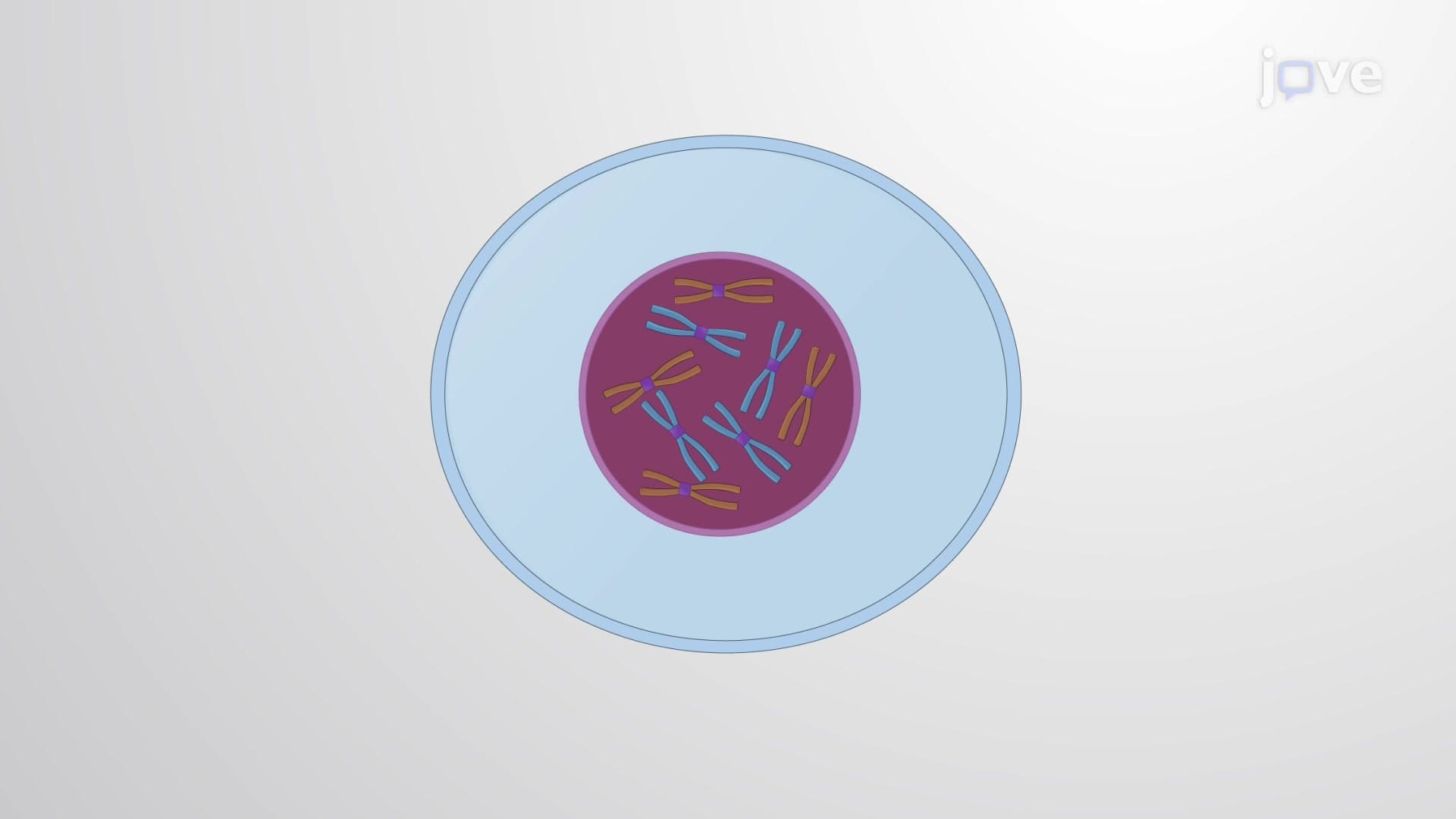
Meiosis definition biology encompasses a highly regulated two-stage cell division process that reduces chromosome number from diploid (2n) to haploid (n), producing gametes essential for sexual reproduction. Unlike mitosis, which maintains chromosome number, meiosis ensures genetic diversity while preventing chromosome doubling in offspring. This process occurs in specialized reproductive tissues: human testes and ovaries, plant anthers and ovules.
Meiosis I and II Stages: The Two-Division Process
Meiosis I represents the reductional division where homologous chromosome pairs separate. During prophase I, crossing over occurs as maternal and paternal chromosomes exchange genetic material, creating new allele combinations. This chromosome reduction division reduces genetic content by half. Meiosis II resembles mitosis, separating sister chromatids to produce four genetically unique haploid cells. Students preparing for AP Biology exams should focus on distinguishing these phases, as College Board frequently tests meiotic stage identification and chromosome behavior.
Crossing Over Genetic Variation: The Molecular Mechanism
The crossing over genetic variation process during prophase I involves physical exchange between non-sister chromatids of homologous chromosomes. Specialized proteins facilitate this recombination, creating genetic combinations absent in either parent. For example, genes for eye color and hair texture on the same chromosome might separate during crossing over, producing offspring with novel trait combinations. This mechanism significantly contributes to the estimated 70 trillion genetically unique gametes possible in humans.
Meiosis vs Mitosis Differences: Critical Distinctions
Meiosis vs mitosis differences extend beyond chromosome number changes. Mitosis produces two identical diploid cells for growth and repair, while meiosis creates four genetically distinct haploid gametes for reproduction. Meiosis involves synapsis (homolog pairing) and crossing over, absent in mitosis. MCAT test-takers should understand that meiotic errors like nondisjunction cause chromosomal disorders (Down syndrome results from chromosome 21 nondisjunction), while mitotic errors typically affect individual tissues rather than entire organisms. Understanding these distinctions proves essential for genetics courses at institutions like Stanford University and Harvard Medical School.
Frequently Asked Questions
Meiosis is a specialized cell division that cuts chromosome number in half, creating four genetically different reproductive cells from one parent cell. This process enables sexual reproduction by producing sperm and eggs in animals, ensuring genetic diversity while maintaining stable chromosome numbers across generations.
AP Biology frequently tests meiosis through diagram labeling, chromosome tracking problems, and genetics calculations involving crossing over frequencies. Students encounter questions about nondisjunction consequences, gamete formation timelines, and comparisons with mitosis. Practice FRQs often require explaining genetic variation mechanisms and inheritance pattern predictions.
MCAT biology sections emphasize meiotic chromosome behavior, genetic recombination calculations, and reproductive biology applications. Test-takers encounter passages about fertility treatments, genetic counseling scenarios, and evolutionary biology contexts. Understanding crossing over frequencies and nondisjunction disorders proves essential for high scores.
Fertility specialists at institutions like Mayo Clinic use meiosis knowledge to diagnose reproductive issues and optimize IVF procedures. Genetic counselors explain meiotic errors to families affected by chromosomal disorders. Agricultural geneticists apply meiosis principles in crop breeding programs, developing disease-resistant varieties through controlled crossing experiments.
Meiosis becomes manageable with systematic approach focusing on chromosome behavior rather than memorizing stage names. Students succeed by understanding the "why" behind reduction division and genetic shuffling. Visual learning tools and chromosome tracking exercises significantly improve comprehension, making this complex process accessible to motivated learners.
Create chromosome tracking diagrams showing maternal and paternal chromosome movement through both divisions. Practice calculating genetic recombination frequencies and predicting offspring ratios. Use active recall techniques with meiosis vs mitosis comparison charts. Form study groups to explain crossing over mechanisms aloud, reinforcing understanding through teaching others.
Build upon meiosis foundation by exploring Mendelian genetics, population genetics, and molecular biology of DNA repair mechanisms. Advanced students benefit from studying reproductive endocrinology, evolutionary biology applications, and genetic engineering techniques that manipulate natural reproductive processes for therapeutic and agricultural purposes.
Related Micro-courses
26 Concepts

18 Concepts

19 Concepts