Loading subject page…

- Biology
- Classical and Modern Genetics
- Polygenic Traits
Micro-course: Classical and Modern Genetics
1,347,746 views
Learn key concepts and earn your certificate.







Polygenic Traits

00:00
01:18
Video Summary: What are Polygenic Traits
Ever wonder why siblings can have dramatically different heights even with the same parents? Polygenic traits result when multiple genes work together to influence a single characteristic, creating the incredible diversity we see in human populations. Height serves as a perfect example-controlled by hundreds of genes that each contribute small effects, resulting in the wide range of adult heights observed in Americans today. Watch the full video on JoVE Coach to master this concept with expert-led visuals and step-by-step explanations.
- Understand what are polygenic traits and how they differ from single-gene inheritance patterns
- Identify key characteristics of polygenic inheritance, including continuous variation and bell-curve distributions
- Analyze how multiple genes contribute small additive effects to create complex phenotypes
- Compare polygenic traits like height and weight to simple Mendelian traits in terms of inheritance patterns
- Evaluate the role of environmental factors in influencing polygenic trait expression
- Apply knowledge of normal distribution curves to interpret polygenic trait data in populations
- Recognize examples of polygenic traits in humans, including blood pressure, skin color, and fingerprint ridge counts
- Explore how polygenic inheritance creates the continuous variation observed in natural populations
Understanding What Are Polygenic Traits
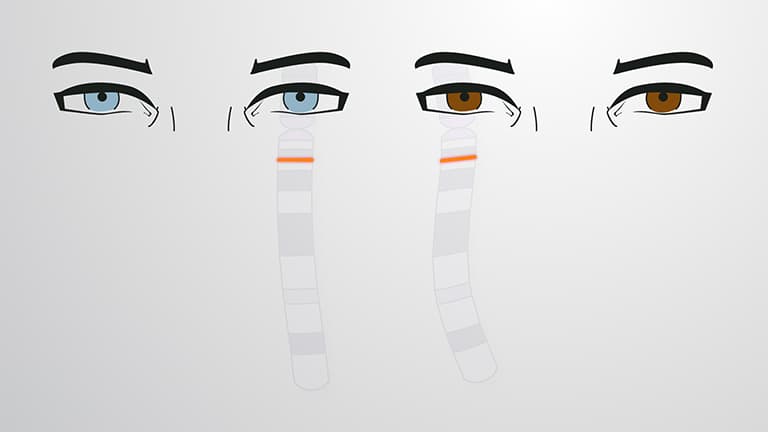
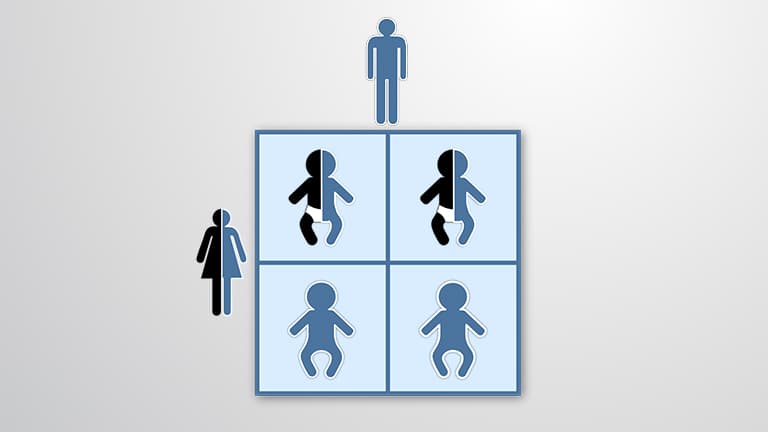
Polygenic traits represent some of the most fascinating aspects of human genetics, where multiple genes collaborate to produce a single observable characteristic. Unlike simple Mendelian inheritance where one gene controls one trait, polygenic inheritance involves dozens to hundreds of genes, each contributing a small effect that accumulates to determine the final phenotype.
The Genetics Behind Polygenic Inheritance
The complexity of polygenic traits stems from their additive nature. Each contributing gene may have multiple alleles that add or subtract from the trait's expression. For human height, researchers have identified over 700 genetic variants across different chromosomes that influence final adult stature. These genes control everything from bone growth hormones to cartilage development, with each variant typically adding or subtracting only millimeters to a person's height.
This additive model explains why children's traits often fall between their parents' values rather than matching one parent exactly. American families demonstrate this beautifully-parents who are 5'4" and 6'2" typically have children with heights distributed around 5'9", though some may be shorter or taller than both parents due to the random assortment of height-contributing alleles.
Continuous Variation and Population Distributions
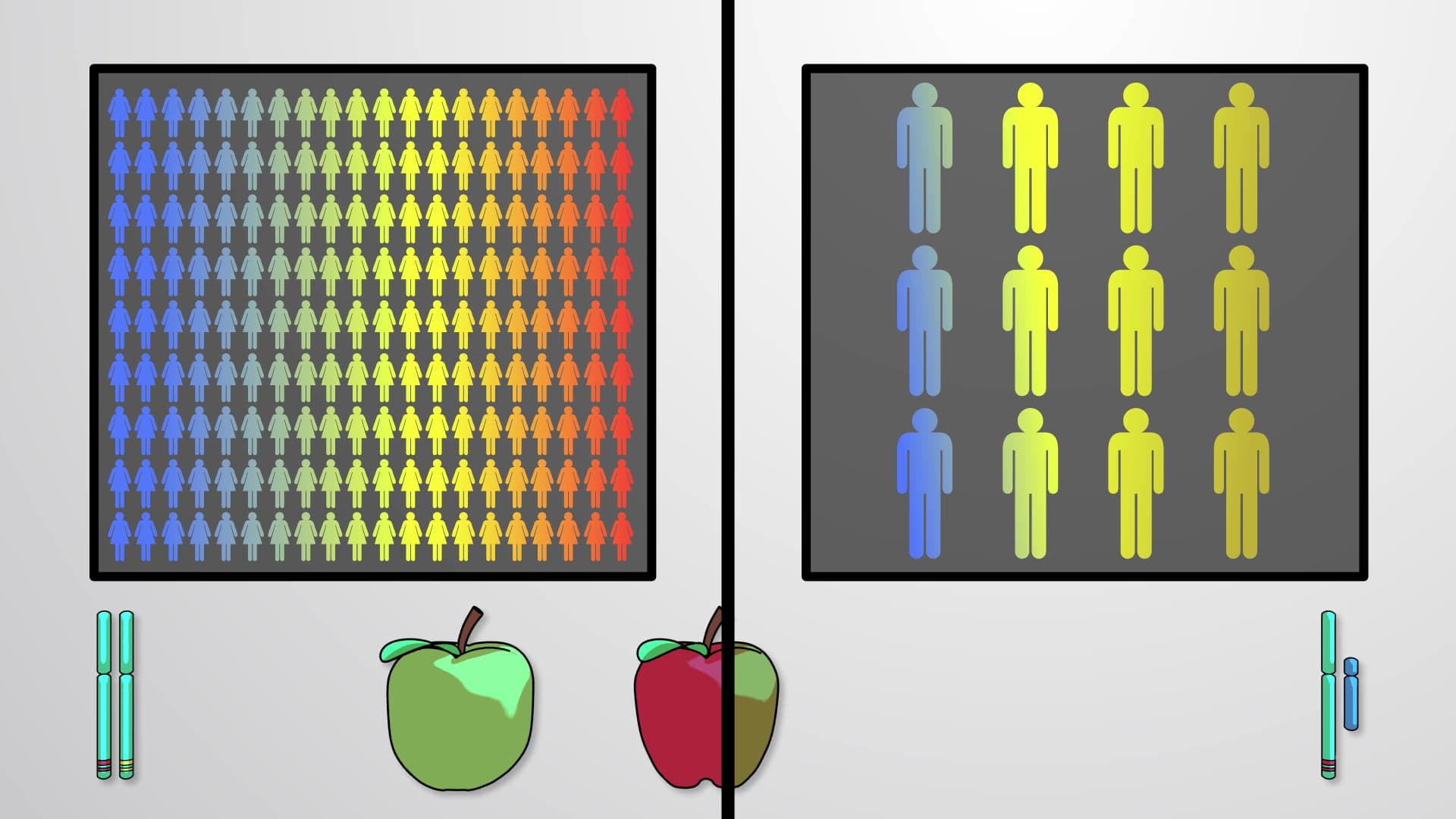
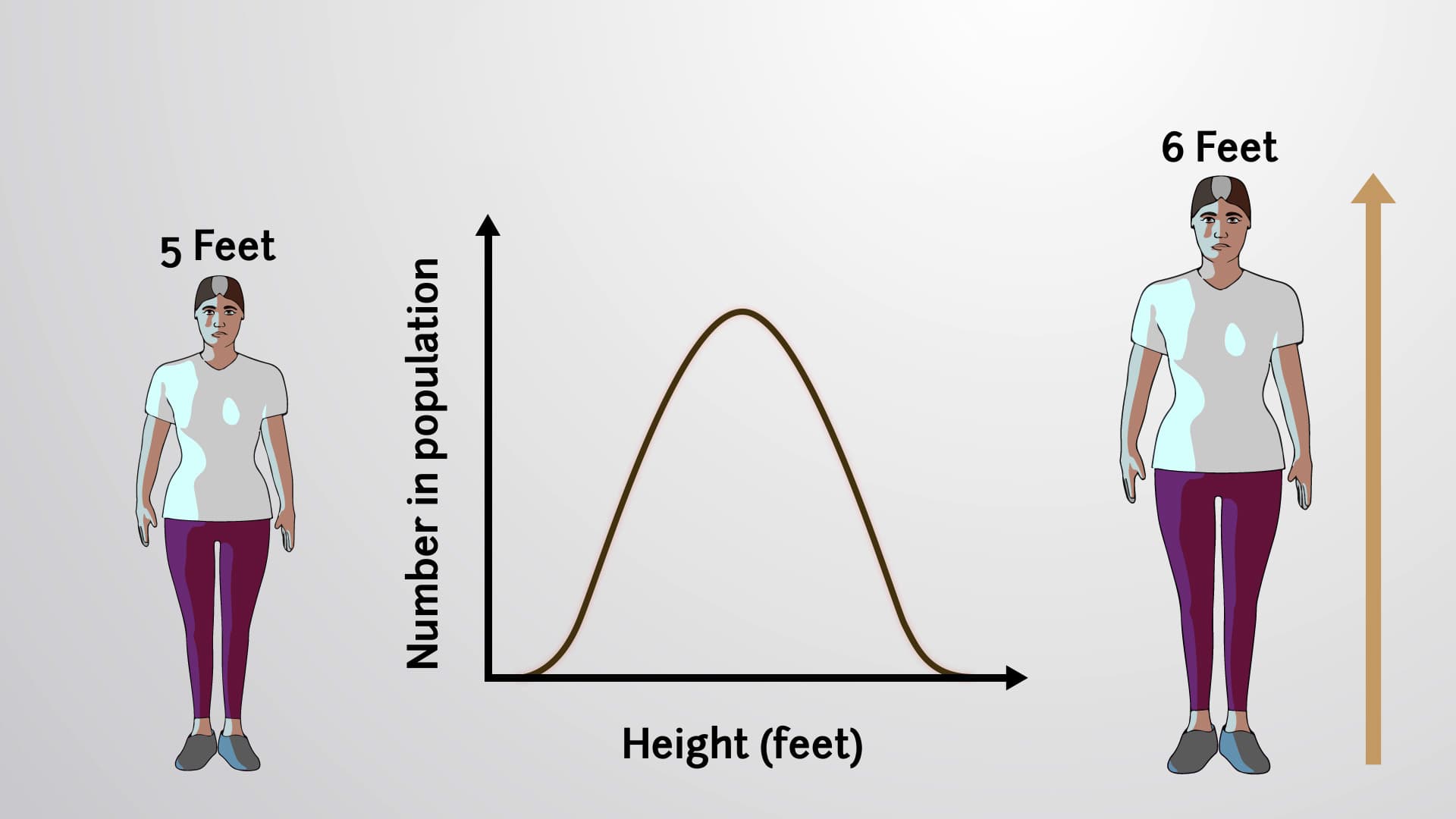
Polygenic traits create continuous variation rather than the discrete categories seen in simple inheritance. When geneticists plot polygenic traits across populations, they consistently observe normal (bell-shaped) distributions. In American adults, female height averages around 5'4" with most women falling between 5'1" and 5'7", while very few are extremely short (under 5') or tall (over 6').
This pattern applies to numerous human characteristics studied in US populations: blood pressure readings, cholesterol levels, intelligence test scores, and even fingerprint ridge counts all follow similar bell-curve distributions. Understanding these patterns proves essential for AP Biology students and appears frequently on standardized tests like the SAT Subject Test in Biology.
Clinical and Research Applications
Healthcare professionals regularly encounter polygenic traits in practice. Cardiologists track blood pressure-a classic polygenic trait influenced by genes affecting heart muscle, blood vessel elasticity, and kidney function. Similarly, endocrinologists study Type 2 diabetes susceptibility, where dozens of genes influence insulin sensitivity and glucose metabolism.
Modern genetic research, including projects at institutions like the National Institutes of Health, focuses heavily on polygenic risk scores. These calculations help predict an individual's likelihood of developing conditions like heart disease or Alzheimer's disease based on their collection of risk-associated genetic variants.
Frequently Asked Questions
Polygenic traits are characteristics controlled by multiple genes working together, each contributing a small effect to the final outcome. Unlike single-gene traits that show clear dominant/recessive patterns, polygenic traits display continuous variation across populations. Examples include height, weight, skin color, and blood pressure in humans.
AP Biology frequently tests polygenic inheritance through data analysis questions involving bell-curve distributions and calculating trait probabilities. Students must interpret graphs showing continuous variation and explain how multiple genes create additive effects. The exam also covers comparing polygenic vs. Mendelian inheritance patterns in free-response questions.
The MCAT emphasizes polygenic traits in genetics and psychology sections, particularly intelligence, personality traits, and disease susceptibility. Test-takers encounter questions about heritability calculations, twin studies, and interpreting population distribution curves. Understanding polygenic risk scores for diseases like diabetes also appears in medical reasoning passages.
American healthcare increasingly uses polygenic risk scores to assess disease probability, particularly for heart disease, diabetes, and cancer screening. Genetic counselors help patients understand how multiple genetic variants influence their health risks. This personalized medicine approach guides prevention strategies and treatment decisions across major US medical systems.
Not at all-polygenic traits build naturally on basic genetics concepts you already know. If you understand how genes influence traits and can read graphs, you have the foundation needed. Start with familiar examples like height differences in your family, then apply the same principles to other characteristics.
Focus on understanding the bell-curve pattern and practice interpreting distribution graphs with real data. Create concept maps connecting multiple genes to single traits, and work through practice problems calculating trait probabilities. Review the differences between polygenic and single-gene inheritance using comparison charts.
Dive deeper into quantitative genetics, including heritability calculations and gene-environment interactions. Explore epigenetics-how environmental factors influence gene expression without changing DNA sequences. Population genetics and Hardy-Weinberg principles also build naturally from polygenic trait concepts.
Absolutely-environmental influences significantly impact polygenic trait expression, creating the "nature vs. nurture" interaction. Nutrition affects height development, exercise influences weight distribution, and sun exposure impacts skin pigmentation. This gene-environment interaction explains why identical twins may show differences in polygenic traits despite having identical genetics.
Related Micro-courses