Loading subject page…

- Biology
- Classical and Modern Genetics
- X-linked Traits
Micro-course: Classical and Modern Genetics
1,347,746 views
Learn key concepts and earn your certificate.




X-linked Traits

00:00
01:19
Video Summary: What are X Linked Traits
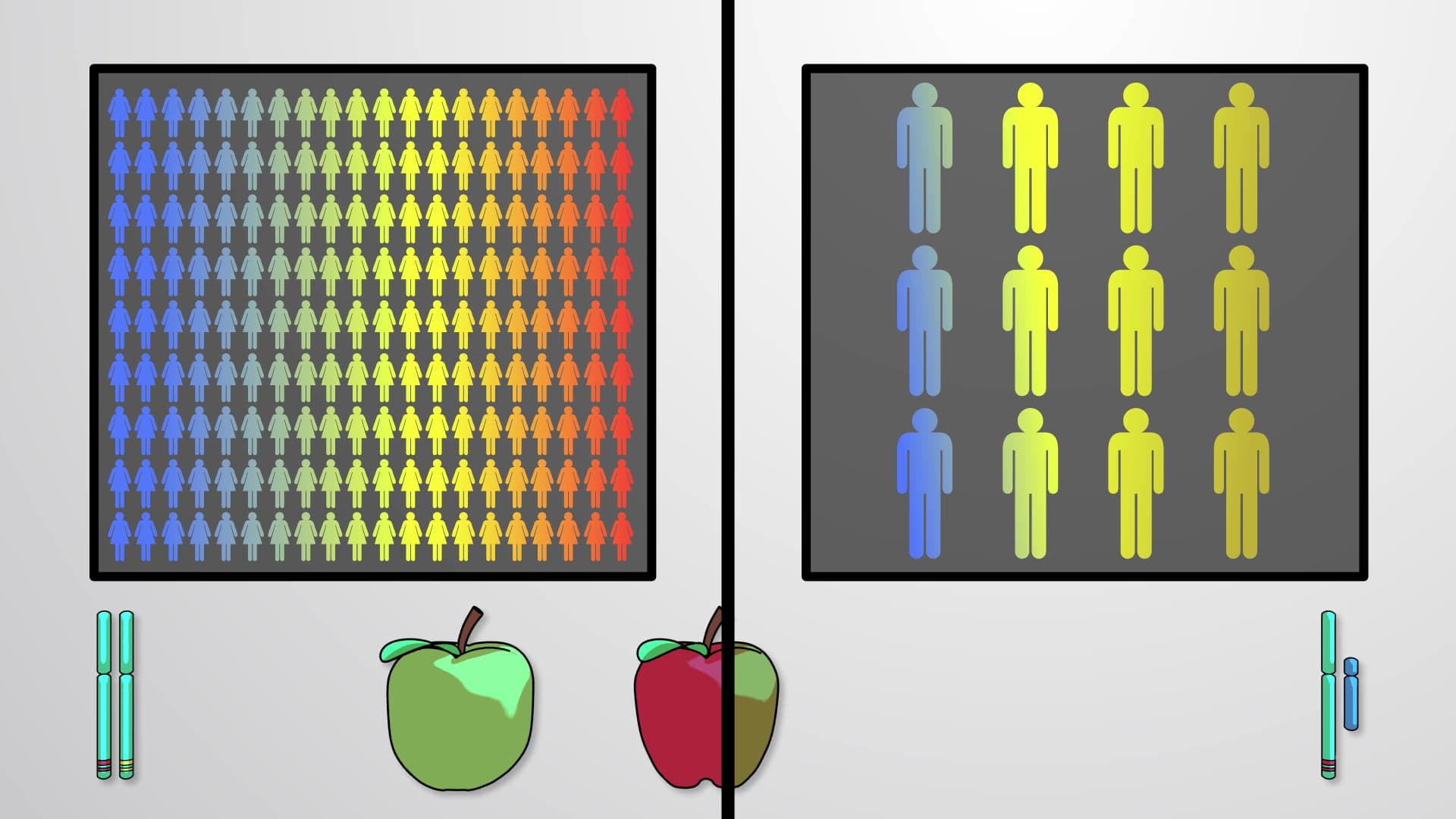
Did you know that males are 16 times more likely to be colorblind than females? This striking difference stems from x linked traits, genetic characteristics encoded on the X chromosome that create unique inheritance patterns between sexes. Since males inherit only one X chromosome while females receive two, recessive mutations like red-green colorblindness disproportionately affect males who lack a backup copy to compensate for defective genes. What are X linked traits and how do they shape human genetics? Watch the full video on JoVE Coach to master this concept with expert-led visuals and step-by-step explanations.
- Understand what are X linked traits and how they differ from autosomal inheritance patterns
- Identify why males are more frequently affected by X-linked recessive disorders than females
- Analyze the role of X chromosome inactivation in female gene expression patterns
- Compare inheritance probabilities for X-linked traits between male and female offspring
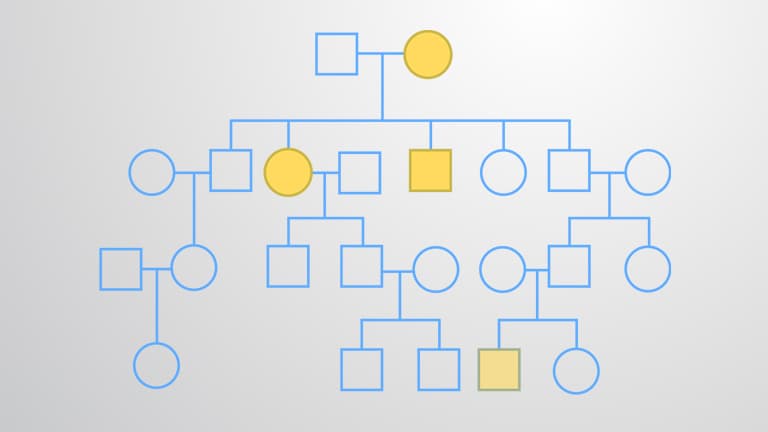
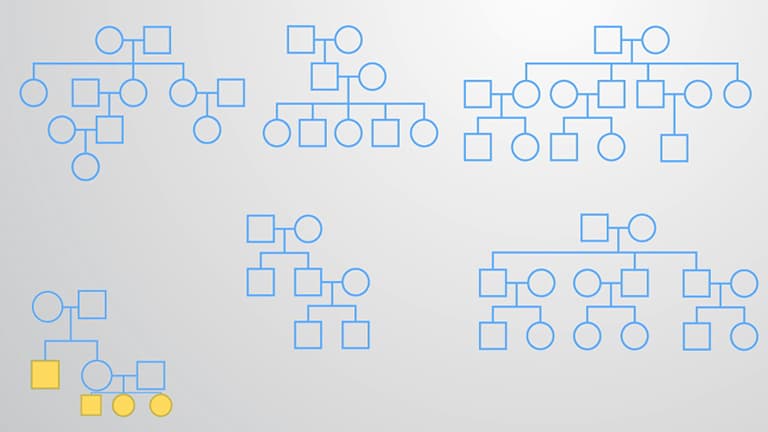
- Evaluate pedigree charts to determine X-linked inheritance patterns in families
- Apply knowledge of X-linked genetics to predict offspring genotypes and phenotypes
- Recognize common X-linked disorders including hemophilia, Duchenne muscular dystrophy, and colorblindness
- Explore the evolutionary advantages and disadvantages of sex-linked inheritance systems
Understanding What are X Linked Traits
X linked traits definition explained centers on genes located specifically on the X chromosome that exhibit sex-specific inheritance patterns. Unlike autosomal traits that affect males and females equally, X-linked characteristics create a genetic asymmetry between sexes due to dosage differences. Females possess two X chromosomes (XX), while males carry one X and one Y chromosome (XY), fundamentally altering how these traits manifest.
Molecular Mechanisms Behind X-Linked Expression
The x linked traits concept explained involves understanding gene dosage compensation. In females, one X chromosome undergoes random inactivation during early development, forming a Barr body. This process, called X-inactivation or lyonization, ensures equal gene expression between sexes. However, this mechanism creates mosaic patterns in heterozygous females, where some cells express the normal allele while others express the mutant version.
For X-linked recessive disorders, males need only inherit one copy of the recessive allele to express the trait, while females require two copies (one on each X chromosome). This explains why conditions like hemophilia A affect approximately 1 in 5,000 males but only 1 in 25 million females in the United States.
Common X-Linked Disorders in Clinical Practice
Several medically significant conditions demonstrate x linked traits study guide principles. Red-green colorblindness affects about 8% of American males but less than 1% of females. Duchenne muscular dystrophy, caused by mutations in the dystrophin gene, occurs in 1 in 3,500 male births. Hemophilia A and B, blood clotting disorders, have historically affected royal families including descendants of Queen Victoria.
Academic and Exam Applications
For AP Biology and college genetics courses, X-linked inheritance problems frequently appear on exams. Students must calculate probability ratios, analyze pedigrees, and predict offspring phenotypes. The MCAT often tests understanding of X-inactivation patterns and their clinical implications. Medical school curricula emphasize X-linked disorders in genetics, biochemistry, and clinical medicine rotations, making this concept fundamental for future healthcare professionals.
Understanding X-linked inheritance also connects to broader evolutionary biology concepts, explaining why certain traits persist despite being disadvantageous, and how sexual selection pressures shape genetic diversity in populations.
Frequently Asked Questions
X linked traits are genetic characteristics controlled by genes located on the X chromosome, creating different inheritance patterns between males and females. Males express these traits more frequently because they have only one X chromosome, while females have two X chromosomes that can compensate for recessive mutations. This fundamental difference explains why colorblindness and hemophilia predominantly affect males.
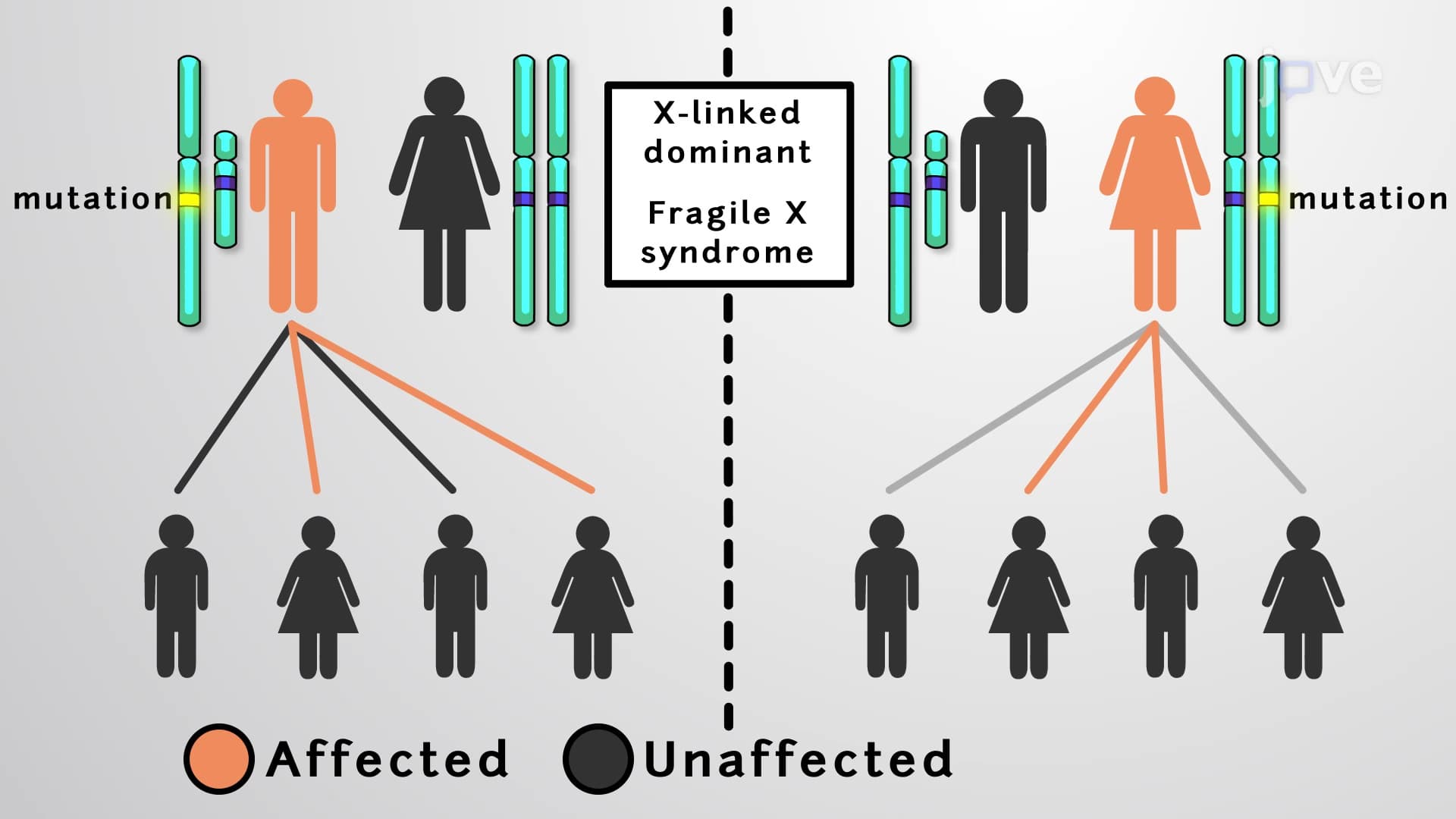
Key examples include red-green colorblindness, hemophilia A and B, and Duchenne muscular dystrophy. The AP Biology exam frequently tests pedigree analysis of these disorders, probability calculations for X-linked crosses, and understanding of carrier females. Focus on how inheritance ratios differ from typical Mendelian patterns, with affected fathers passing traits to all daughters but no sons.
The MCAT tests X-linked genetics through passage-based questions involving pedigree analysis, population genetics calculations, and clinical scenarios. Medical school exams emphasize diagnostic implications, with questions about carrier screening, genetic counseling, and treatment approaches. Understanding X-inactivation patterns and mosaic expression in females is particularly important for USMLE Step 1.
Absolutely - X-linked inheritance is a cornerstone topic in undergraduate genetics courses. Expect problems calculating cross ratios, interpreting pedigrees, and explaining molecular mechanisms like X-inactivation. Many professors include word problems about real genetic disorders, requiring you to apply theoretical knowledge to practical scenarios involving affected families.
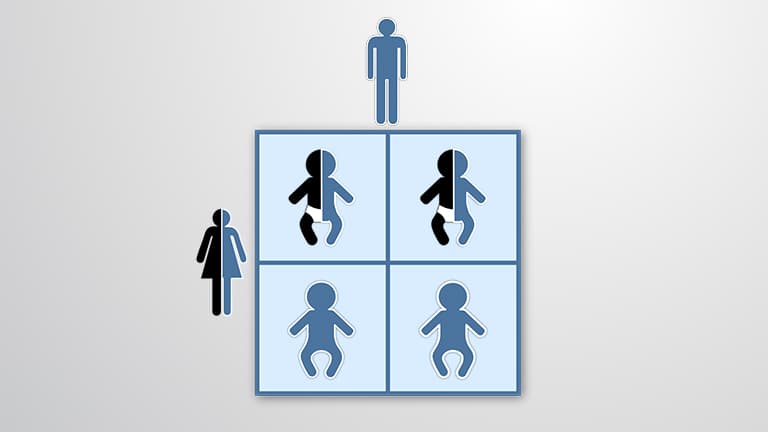
Genetic counselors in the US regularly work with families affected by X-linked disorders like Duchenne muscular dystrophy and hemophilia. Carrier mothers face 50% chances of passing mutations to each child, with sons being affected and daughters becoming carriers. Prenatal testing and family planning decisions often center around understanding these inheritance patterns and their implications for future generations.
X-linked inheritance builds logically on basic Mendelian genetics principles you already know. The main difference is tracking sex chromosomes instead of autosomes, making probability calculations slightly more complex but entirely manageable. Start with simple one-factor crosses, then progress to pedigree analysis - most students master these concepts within a few practice sessions.
Create practice pedigrees and work through inheritance problems systematically, always tracking both genotypes and phenotypes separately for males and females. Use mnemonics like "males more affected" for recessive X-linked traits, and practice calculating carrier frequencies in populations. Drawing out crosses visually helps cement the concepts better than memorizing rules alone.
Build on this foundation by exploring Y-linked inheritance, genomic imprinting, and mitochondrial genetics. These topics expand your understanding of non-Mendelian inheritance patterns and prepare you for advanced genetics concepts. Consider studying population genetics applications, including Hardy-Weinberg calculations for X-linked alleles and evolutionary implications of sex-linked inheritance.
Related Micro-courses