Loading subject page…

- Biology
- Classical and Modern Genetics
- Epistasis
Micro-course: Classical and Modern Genetics
1,347,746 views
Learn key concepts and earn your certificate.

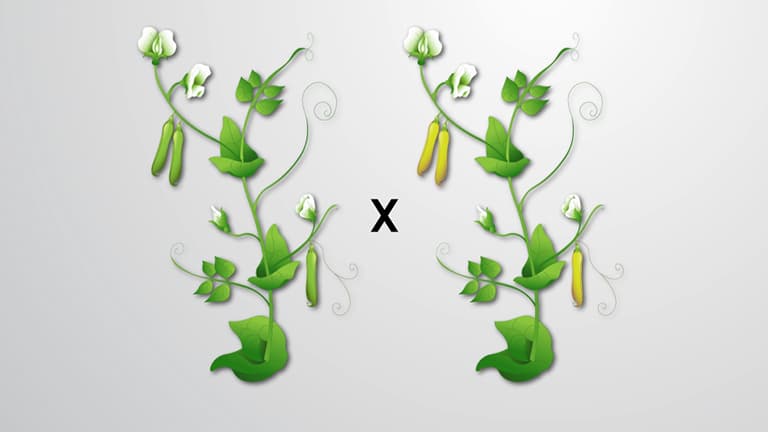
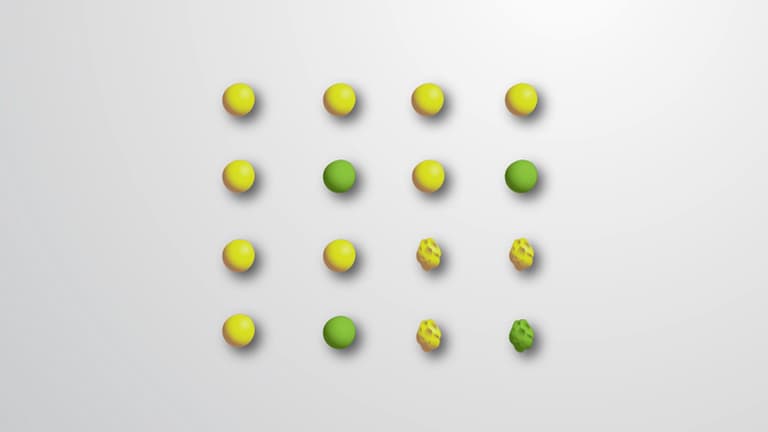
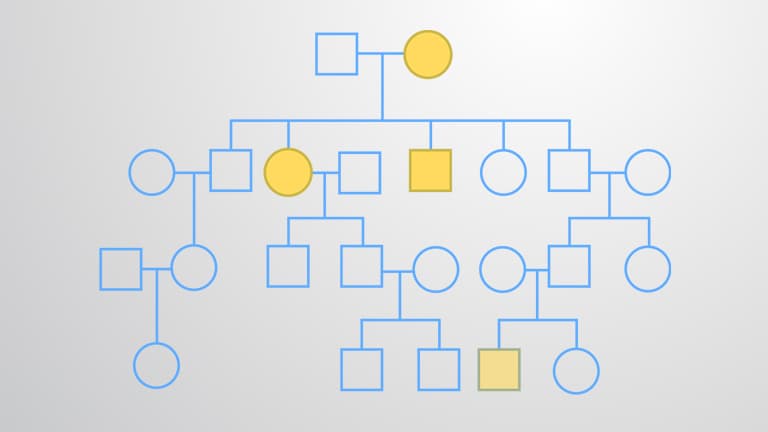
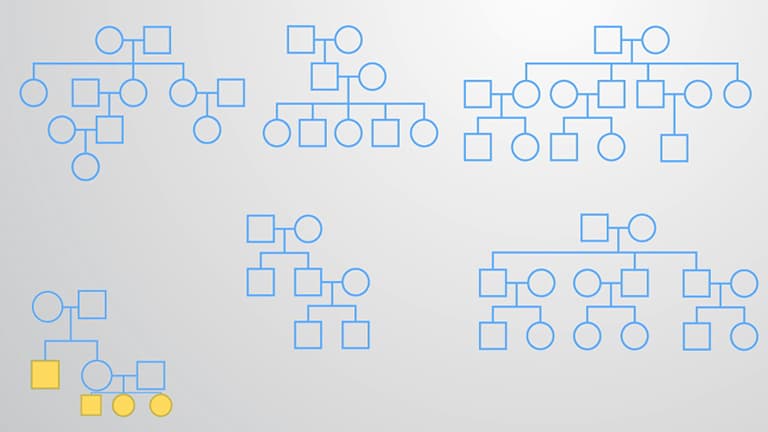
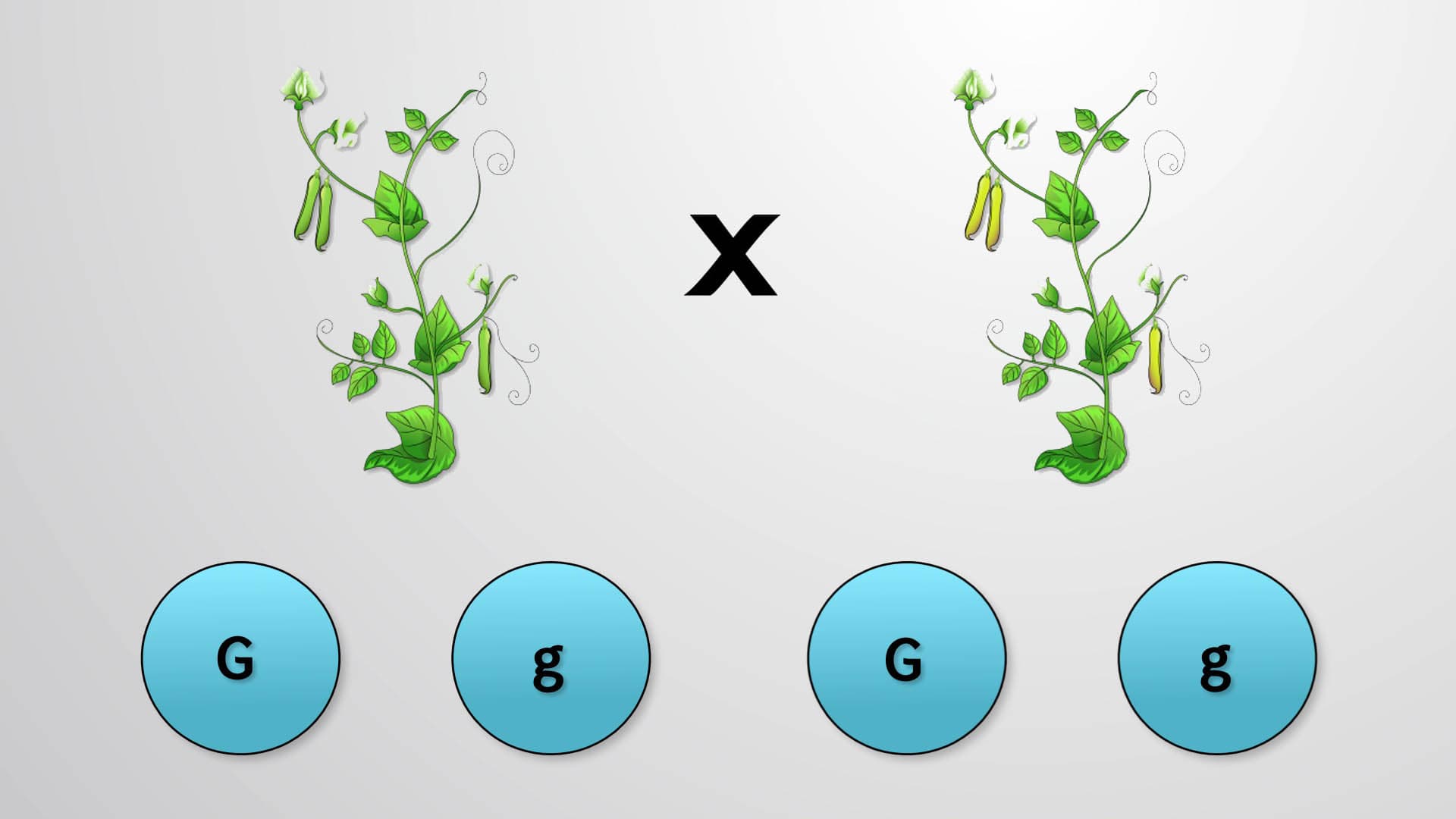

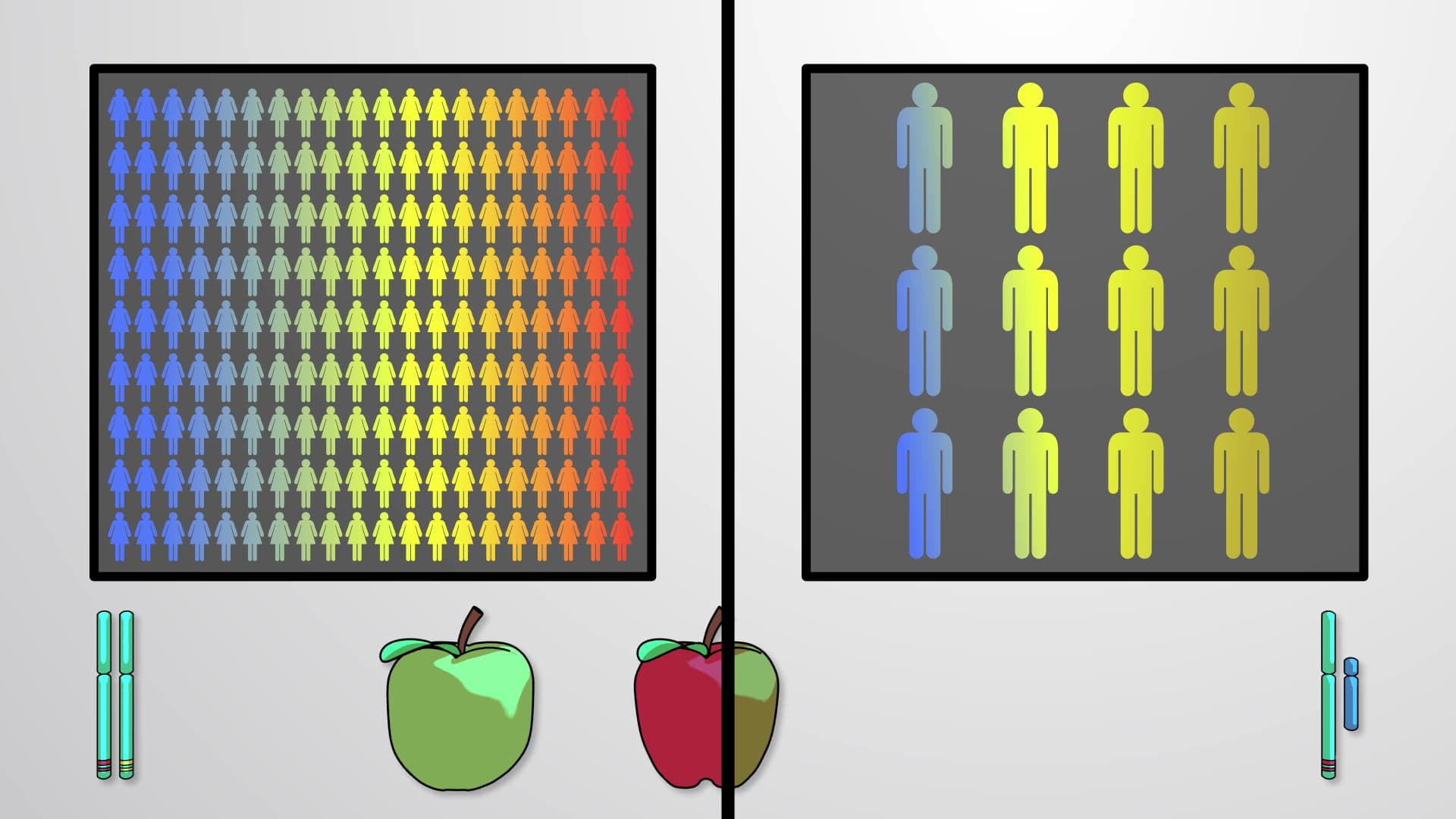
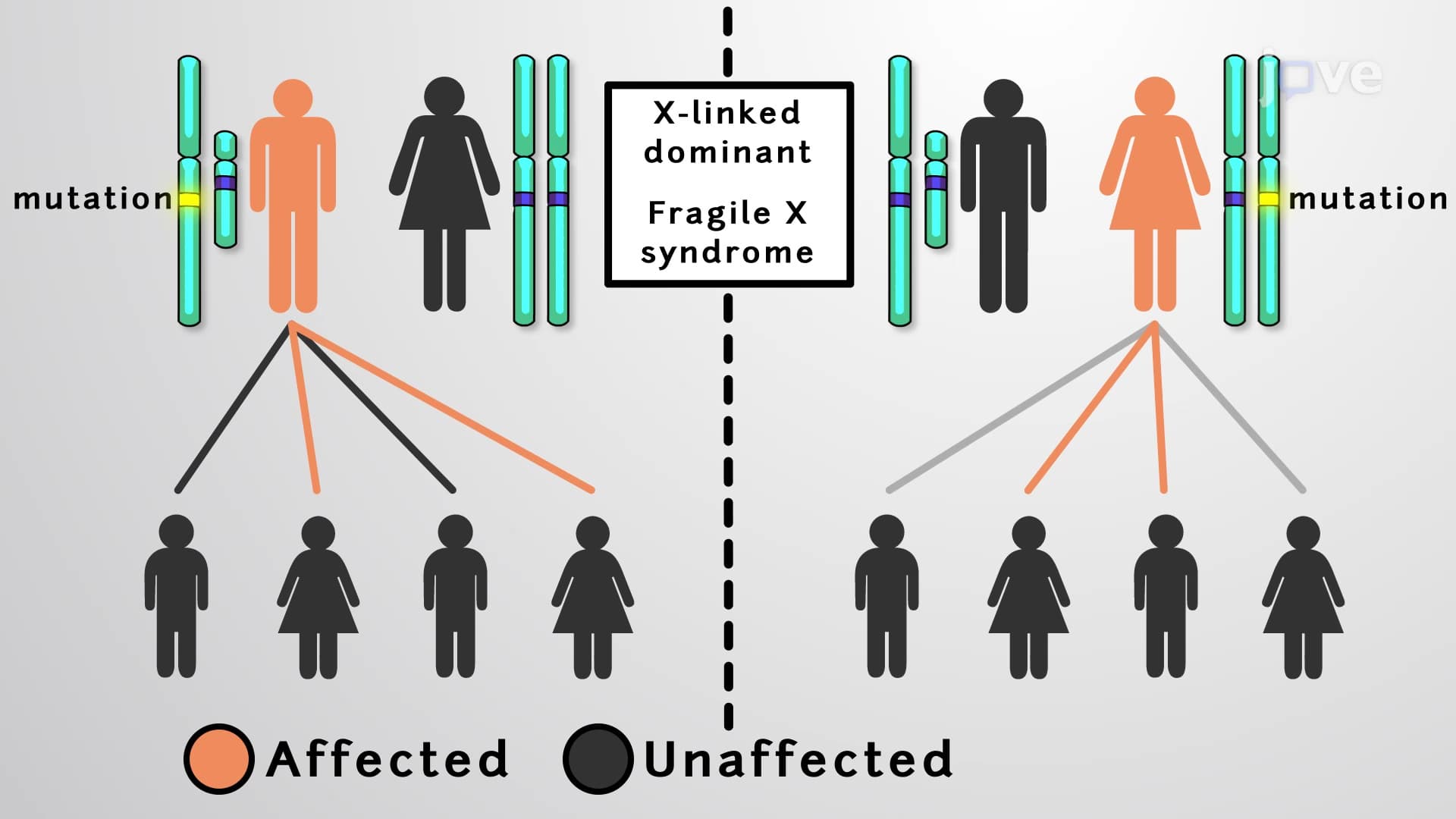
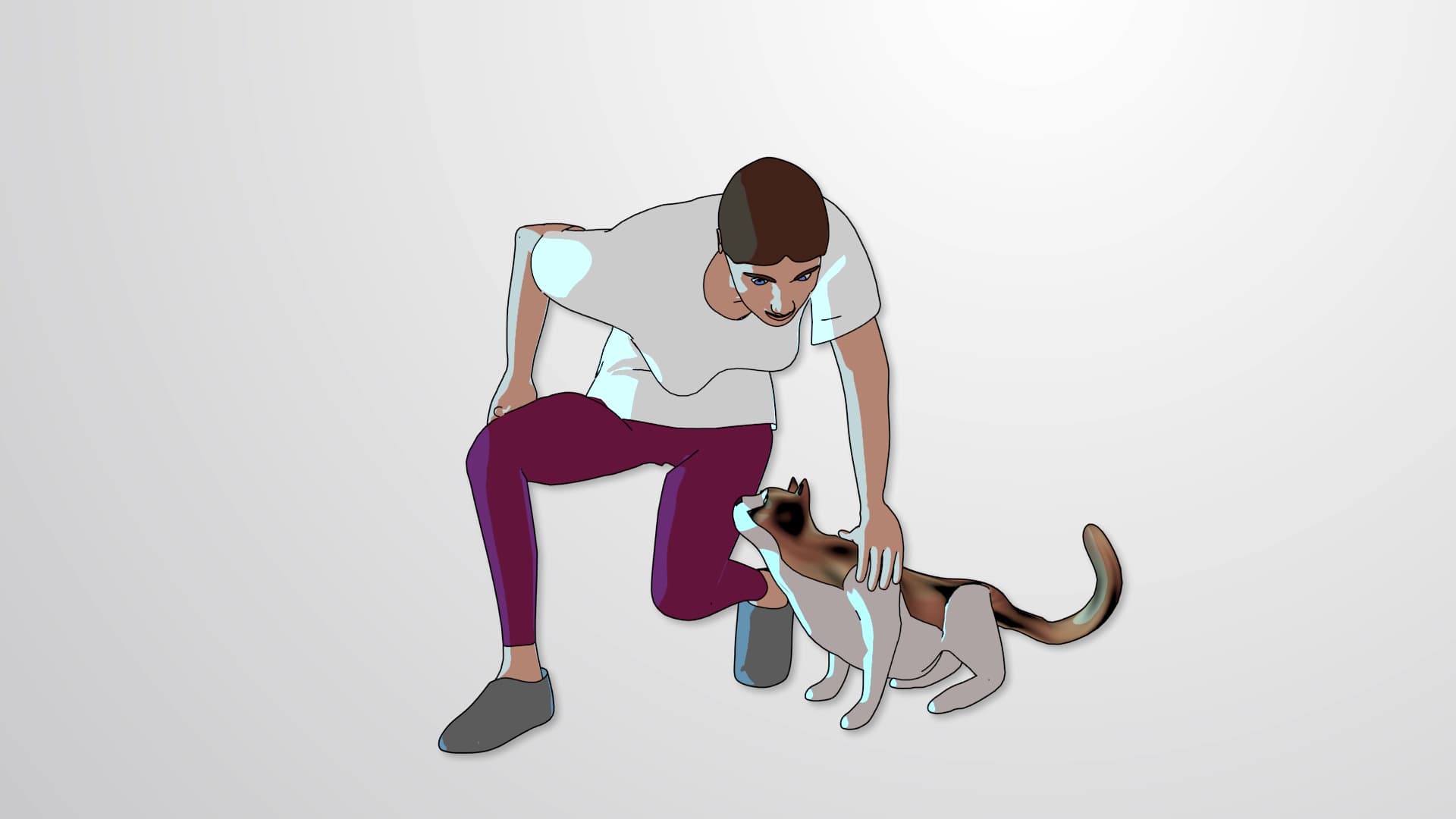
Epistasis

00:00
01:39
Video Summary: What Is Epistasis
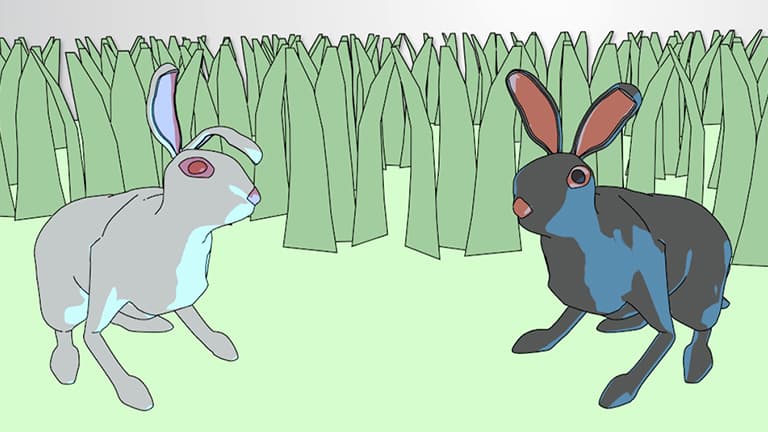
Ever wonder why some golden retrievers are chocolate-colored while others remain golden, despite having similar parents? Epistasis occurs when genes at different locations interact to influence traits like coat color in dogs and rabbits. In rabbit fur pigmentation, the tyrosinase gene can completely mask color variations from other genes-creating white rabbits regardless of their genetic potential for black or brown fur. This gene interaction phenomenon helps explain complex inheritance patterns seen in American dog breeds and agricultural crops. Watch the full video on JoVE Coach to master this concept with expert-led visuals and step-by-step explanations.
- Understand what is epistasis and how it differs from simple Mendelian inheritance patterns
- Identify epistatic interactions between genes using classic examples like rabbit coat color genetics
- Analyze how recessive epistasis masks the expression of genes at other loci
- Compare epistatic gene interactions with independent assortment and linkage patterns
- Evaluate inheritance ratios that deviate from expected 9:3:3:1 patterns due to epistatic effects
- Apply epistasis principles to predict offspring phenotypes in complex genetic crosses
- Recognize epistatic interactions in real-world examples from agriculture and animal breeding
- Explore how epistasis research contributes to understanding evolutionary adaptations and metabolic pathways
Understanding Epistasis: Gene Interaction Fundamentals
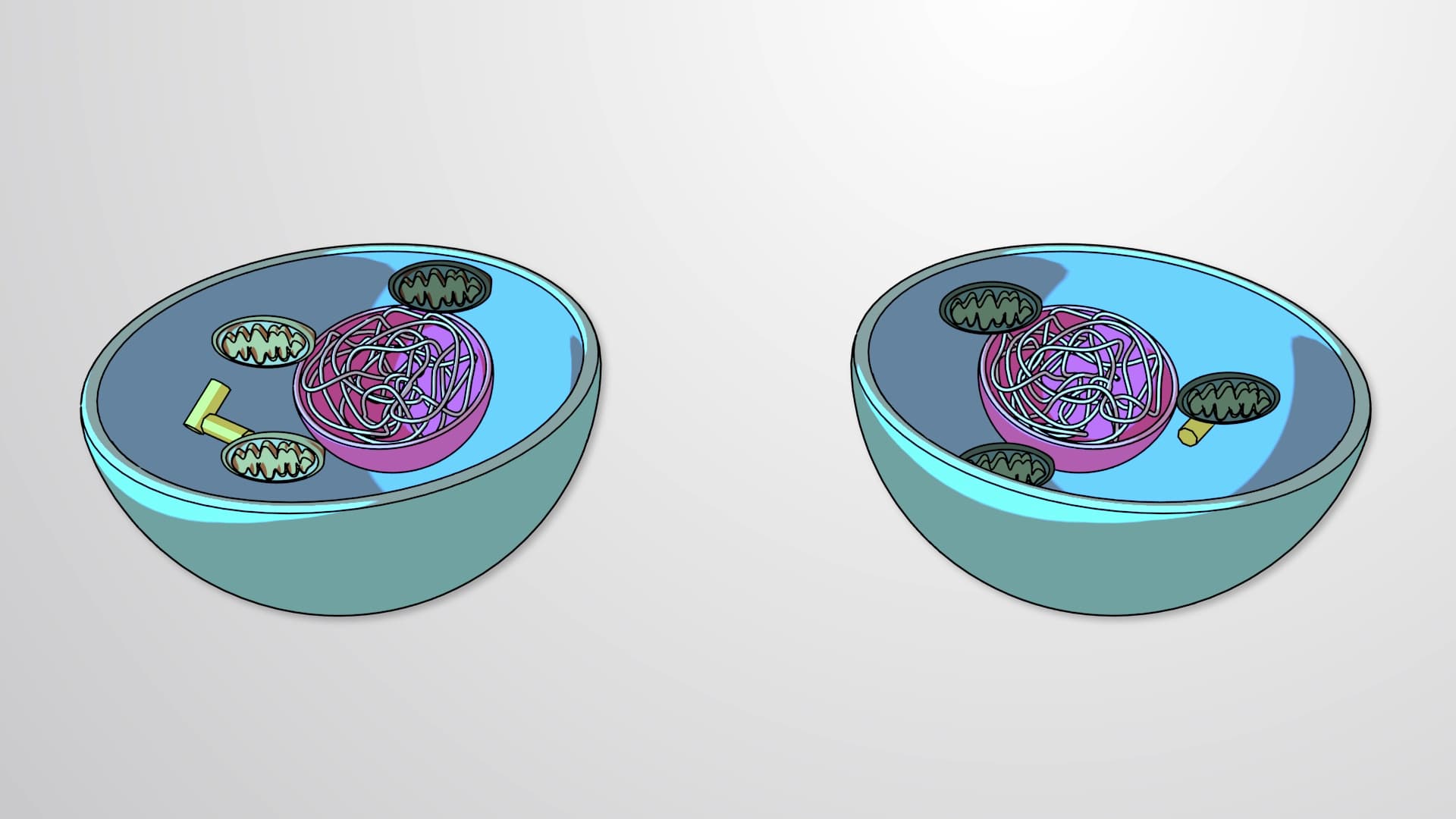
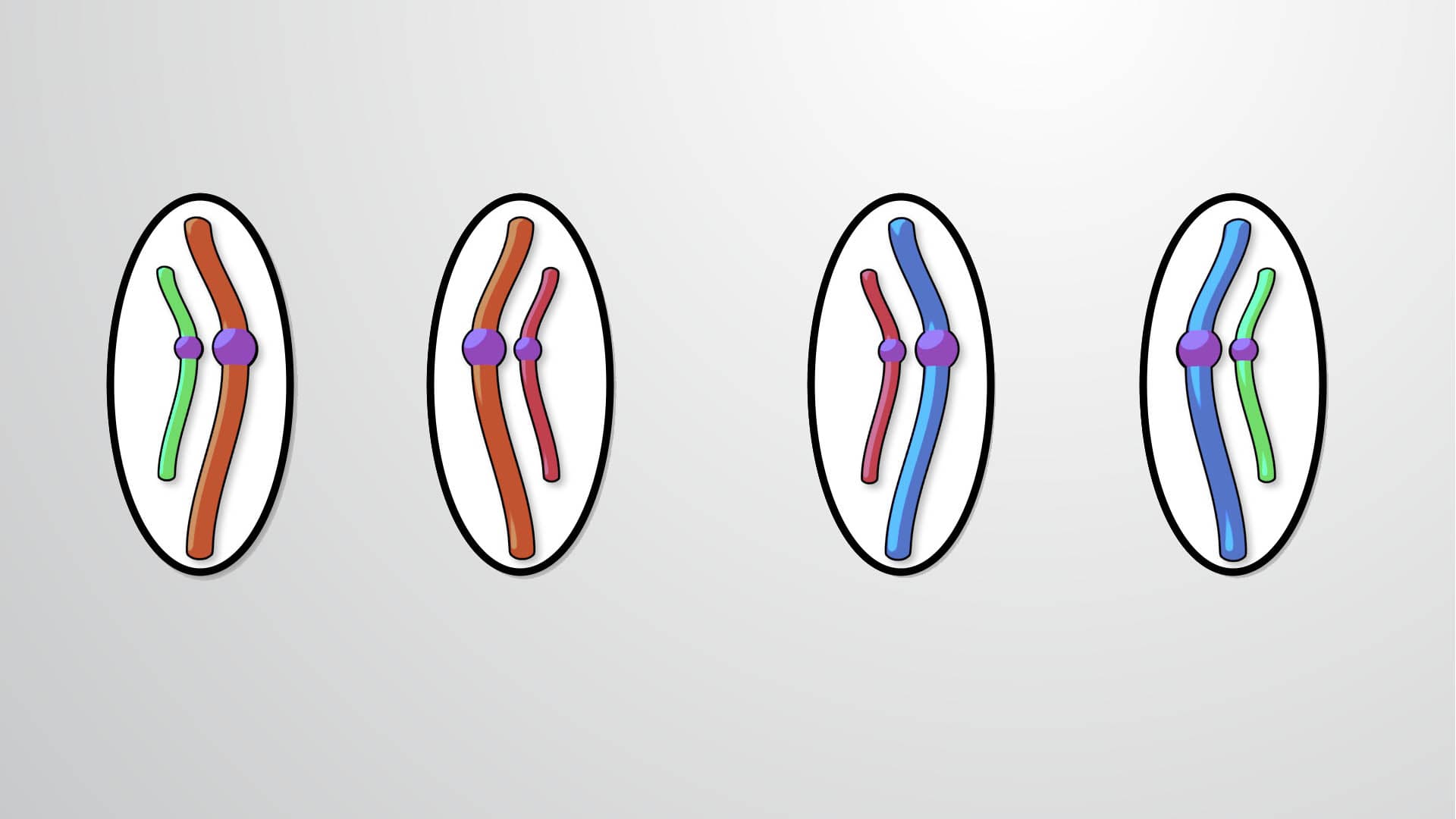
Epistasis represents a fundamental departure from Mendel's law of independent assortment, where genes at separate chromosomal locations interact to influence a single trait. Unlike simple dominant-recessive relationships within one gene, epistasis involves multiple genes working together-or against each other-to determine final phenotypic expression.
The term "epistasis" derives from Greek, meaning "to stand upon," reflecting how one gene's effects can override or modify another's expression. This concept proves crucial for AP Biology students and pre-med undergraduates, as it explains why genetic ratios often deviate from predicted Mendelian patterns in both exam questions and clinical genetics.
Types of Epistatic Interactions in Genetics
Recessive epistasis occurs when homozygous recessive alleles at one locus mask expression at another locus, as demonstrated in the rabbit coat color example. The tyrosinase gene acts epistatically over TYRP1-when rabbits carry two recessive tyrosinase alleles, they produce white fur regardless of their TYRP1 genotype.
Dominant epistasis presents the opposite scenario, where dominant alleles suppress expression at other loci. American wheat varieties demonstrate this pattern, where dominant alleles for white kernel color mask genes controlling red pigmentation, regardless of how many "red" alleles are present.
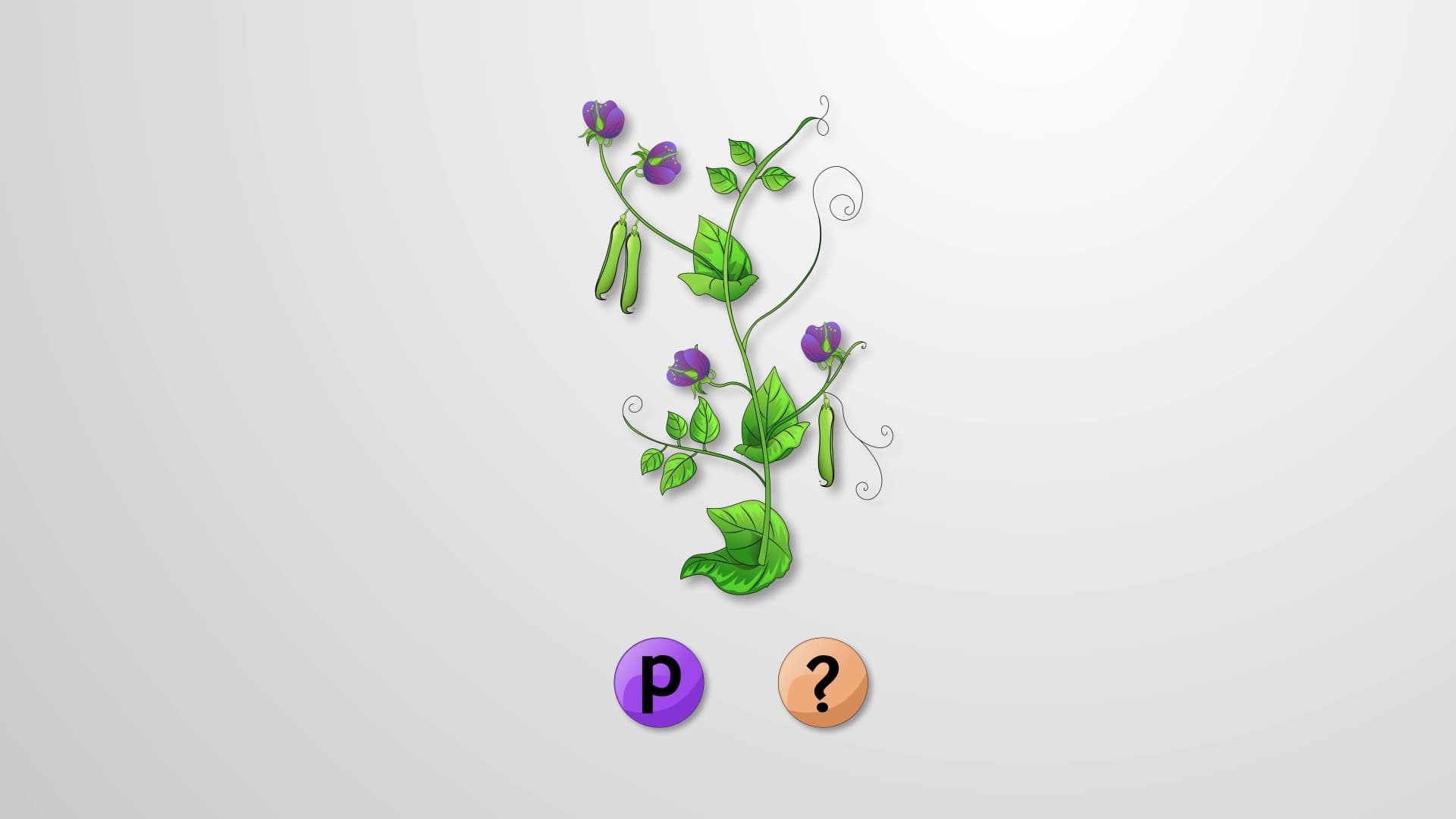
Complementary gene interaction requires dominant alleles at multiple loci to produce a particular phenotype. Classic examples include purple flower production in sweet peas, where both genes must contribute dominant alleles to synthesize purple pigment.
Real-World Applications in American Agriculture and Medicine
Epistasis plays critical roles in American crop development and livestock breeding. Corn breeders utilize epistatic interactions to develop varieties with specific kernel colors and nutritional profiles. Understanding these gene interactions helps agricultural scientists at universities like Iowa State and UC Davis predict breeding outcomes and develop improved cultivars.
In human genetics, epistatic interactions influence disease susceptibility and drug responses. Medical schools emphasize epistasis when teaching about complex genetic disorders, as multiple genes often contribute to conditions like diabetes, heart disease, and cancer risk in American populations.
Epistasis in Standardized Exams and Coursework
MCAT biology sections frequently test epistasis through genetic cross problems that yield unexpected phenotypic ratios. Students must recognize when observed ratios like 12:3:1 or 13:3 indicate epistatic interactions rather than simple independent assortment. College genetics courses at institutions like MIT and Stanford use epistasis problems to teach critical thinking about gene interactions and experimental design.
Frequently Asked Questions
Epistasis occurs when genes at different chromosome locations interact to control a single trait, with one gene masking or modifying another's expression. Think of it as genetic teamwork where one gene can override another's instructions, like how a "no pigment" gene creates white rabbit fur regardless of color genes present. This interaction explains why genetic crosses sometimes produce unexpected offspring ratios that don't follow standard Mendelian patterns.
AP Biology frequently tests epistasis through genetic cross problems yielding modified ratios like 12:3:1 instead of 9:3:3:1. Students must identify epistatic interactions, predict offspring phenotypes, and explain why observed ratios deviate from independent assortment expectations. Practice problems often involve coat color genetics, flower pigmentation, or metabolic pathway disruptions requiring multi-step genetic analysis.
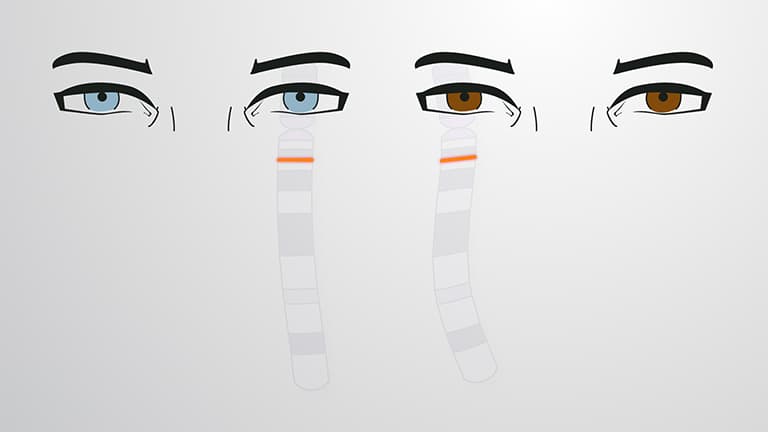
Dominance occurs between alleles of the same gene, while epistasis involves interactions between different genes at separate locations. In dominance, one allele masks another at the same locus; in epistasis, entire genes can mask expression of other genes. For example, brown eyes dominating blue eyes shows dominance, while albinism masking all eye color genes demonstrates epistasis.
MCAT genetics sections test epistasis through complex inheritance scenarios requiring students to recognize non-Mendelian patterns and explain molecular mechanisms. Questions often involve metabolic pathways where gene products interact, disease genetics with multiple contributing factors, or agricultural examples requiring ratio analysis. Success requires understanding both conceptual frameworks and quantitative problem-solving approaches.
Labrador retrievers demonstrate epistasis beautifully-the E gene controls whether any pigment deposits in fur, while the B gene determines black versus chocolate color. Labs with two recessive e alleles become yellow regardless of their B gene variants, showing how the E gene is epistatic to the B gene. This explains why yellow Lab parents can produce black or chocolate puppies depending on their hidden B alleles.
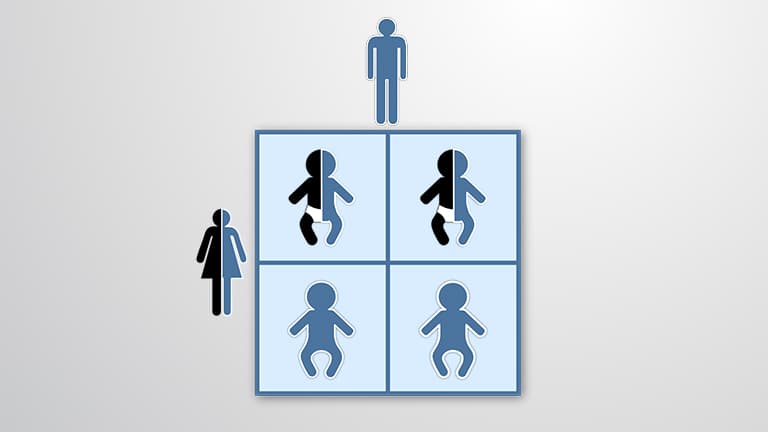
Epistasis builds naturally on basic Mendelian genetics concepts most students already understand from biology classes. Start with simple dominance patterns, then gradually explore how multiple genes work together. Visual tools like Punnett squares and pathway diagrams make epistatic interactions clearer. With practice using familiar examples like pet coat colors, students typically master epistasis concepts within a few study sessions.
Focus on recognizing epistatic ratios and understanding underlying molecular mechanisms rather than memorizing definitions. Practice diverse problem types including recessive epistasis (12:3:1 ratios), dominant epistasis (12:3:1 ratios), and complementary genes (9:7 ratios). Create concept maps connecting epistasis to metabolic pathways, and work through genetics problems from multiple textbooks to build pattern recognition skills essential for exam success.
Epistasis naturally leads to studying polygenic inheritance, where multiple genes contribute additive effects to continuous traits like height and skin color. Explore linkage analysis and recombination mapping to understand how gene location affects inheritance patterns. Advanced topics include quantitative genetics, population genetics, and genomic interactions relevant for genetics courses, medical school preparation, and biotechnology careers.
Related Micro-courses