Loading subject page…

- Biology
- Classical and Modern Genetics
- Genetic Lingo
Micro-course: Classical and Modern Genetics
1,347,746 views
Learn key concepts and earn your certificate.






Genetic Lingo


00:00
01:11
Video Summary: What Is Genetic Lingo
Did you know that your brown eyes could carry hidden blue-eye genes? Understanding genetic lingo starts with mastering how alleles work together to create the traits we see. Consider identical twins at Stanford University who share the same genotype but may express different phenotypes due to environmental factors. What is Genetic Lingo becomes clearer when you learn that dominant alleles like brown eyes (B) mask recessive ones like blue eyes (b), explaining why brown-eyed parents can have blue-eyed children. Watch the full video on JoVE Coach to master this concept with expert-led visuals and step-by-step explanations.
- Understand What is Genetic Lingo by defining key terms like alleles, genotype, and phenotype in genetic inheritance
- Identify the difference between homozygous and heterozygous genotypes using letter notation systems
- Analyze how dominant and recessive alleles interact to produce observable traits like eye color
- Compare genotype combinations that can produce the same phenotype through dominance patterns
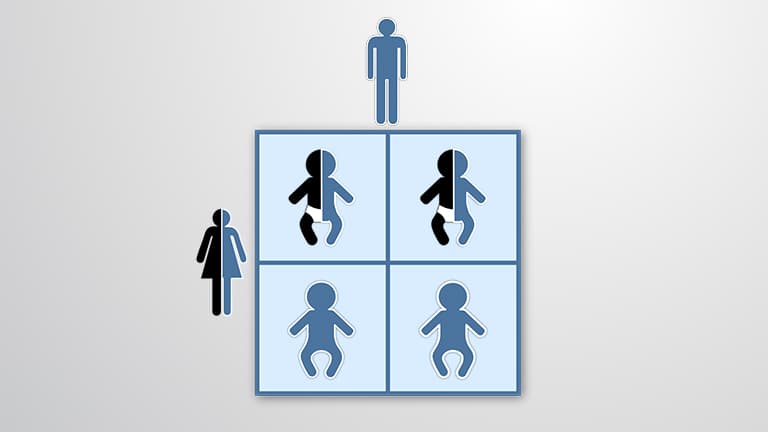
- Evaluate inheritance patterns using Punnett squares and probability calculations
- Apply genetic terminology to solve heredity problems on standardized tests
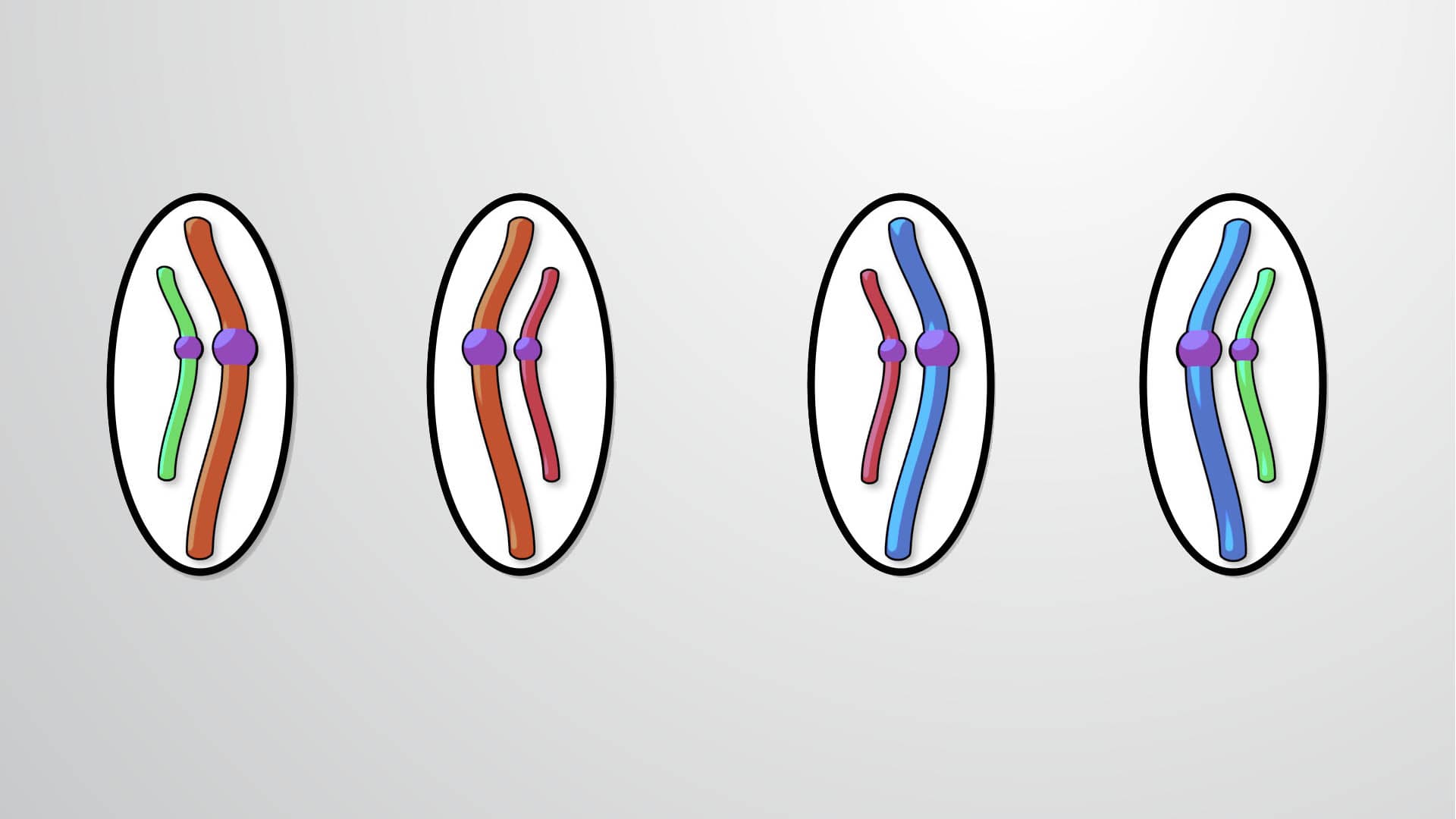
- Recognize the relationship between diploid organisms and allele pairs at specific loci
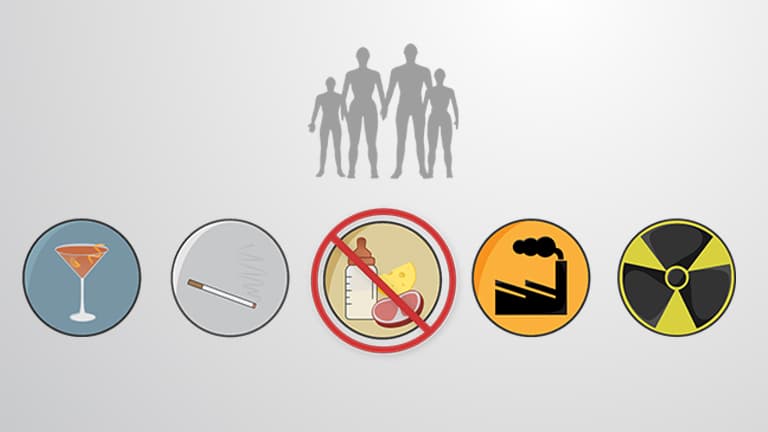
- Explore how environmental factors can influence phenotypic expression despite identical genotypes
Understanding What is Genetic Lingo: The Foundation of Heredity
Genetic lingo forms the essential vocabulary that biologists use to describe how traits pass from parents to offspring. This specialized terminology provides a precise framework for understanding inheritance patterns, making it crucial for students tackling AP Biology, college genetics courses, and pre-med requirements.
Alleles and Genetic Variation: The Building Blocks
Alleles represent different versions of the same gene, much like how different models of cars serve the same transportation function. At Harvard Medical School, researchers study how allele combinations in human populations create genetic diversity. Each person inherits two alleles for every gene-one from each parent-creating what geneticists call a diploid condition.
The notation system uses capital letters (A, B, C) for dominant alleles and lowercase letters (a, b, c) for recessive alleles. This standardized approach appears consistently across MCAT practice questions and college textbooks, making mastery essential for academic success.
Genotype vs. Phenotype: The Blueprint vs. The Building
The genotype represents an organism's genetic makeup, while the phenotype describes the observable traits. Consider cystic fibrosis research at Johns Hopkins University, where scientists study how the same CFTR gene mutations (genotype) can produce varying symptom severity (phenotype) among patients.
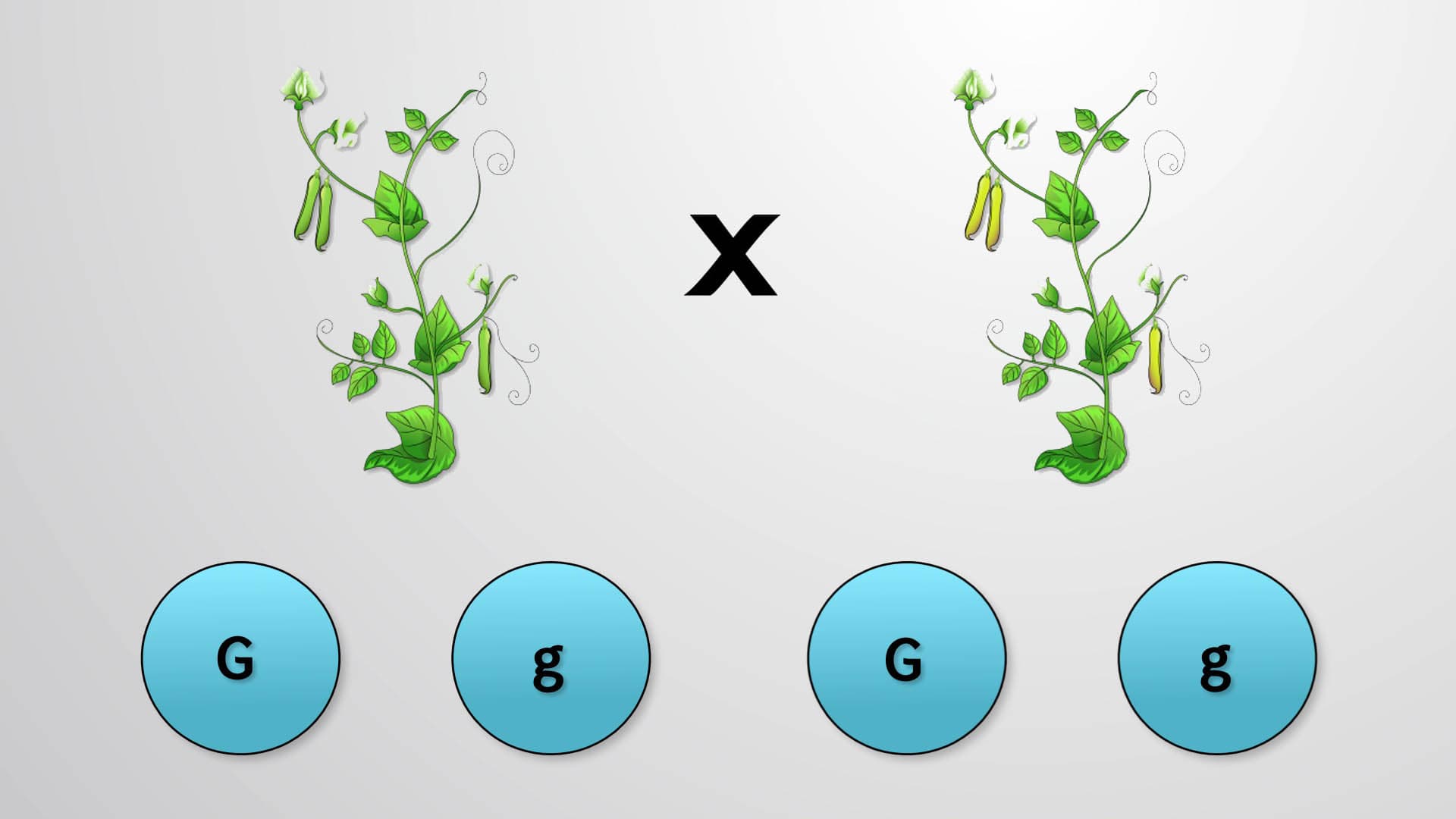
Homozygous genotypes contain identical alleles (AA or aa), while heterozygous genotypes contain different alleles (Aa). Understanding these patterns helps students predict inheritance outcomes and excel on standardized tests like the SAT Subject Test in Biology.
Dominance Patterns and Expression
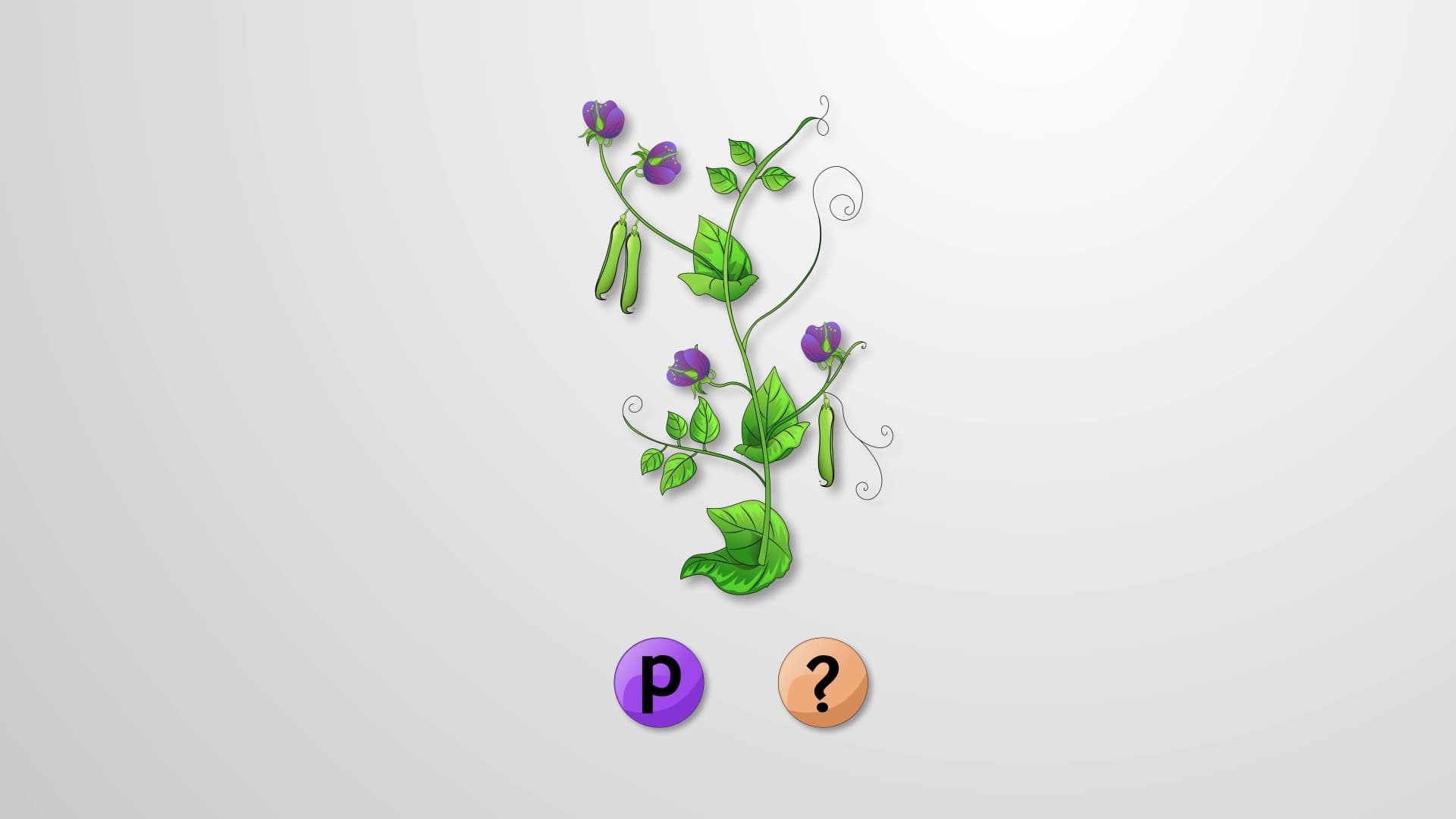
Dominant alleles mask the expression of recessive alleles in heterozygous individuals. The classic example involves brown eyes (B) dominating over blue eyes (b). A person with genotype Bb will have brown eyes, even though they carry the blue-eye allele. This concept frequently appears in AP Biology free-response questions and college midterm exams.
Recessive traits only appear when both alleles are recessive (bb), explaining why certain genetic conditions like albinism remain rare in human populations. Medical schools emphasize these patterns when teaching genetic counseling principles to future physicians.
Frequently Asked Questions
Genetic lingo is the standardized terminology biologists use to describe inheritance patterns and genetic traits. Learning this vocabulary is essential for success in AP Biology, college genetics courses, and medical school prerequisites. It provides the foundation for understanding how traits pass from parents to offspring and helps you communicate genetic concepts clearly on exams and in laboratory settings.
The MCAT frequently tests genetic lingo through passage-based questions involving inheritance patterns, while AP Biology includes these terms in multiple-choice and free-response sections. You'll encounter problems requiring you to interpret Punnett squares, predict genotype ratios, and explain dominance relationships. Mastering terms like homozygous, heterozygous, and allele frequency calculations directly impacts your scores on these standardized tests.
Genetic lingo builds logically from basic concepts, making it accessible to students with introductory biology knowledge. The terminology follows consistent patterns-dominant alleles use capital letters, recessive alleles use lowercase letters-that become intuitive with practice. Most high school biology courses provide sufficient background for understanding these concepts, and the systematic approach helps students master the material efficiently.
Genotype refers to the genetic letters or code an organism carries (like Bb for eye color), while phenotype describes what you actually observe (like brown eyes). Think of genotype as the recipe and phenotype as the finished dish-environmental factors can influence how the genetic recipe turns out. This distinction appears frequently in college genetics courses and medical school curricula.
Start by identifying the genotypes of the parents using proper letter notation, then create a Punnett square to visualize possible offspring combinations. Always define your symbols clearly (B = brown eyes, b = blue eyes) and remember that dominant alleles mask recessive ones in heterozygotes. Practice with real examples from human genetics, as these appear most frequently on standardized exams and help reinforce the concepts.
Medical professionals use genetic lingo daily when discussing hereditary conditions, interpreting genetic tests, and counseling patients about inherited diseases. Understanding terms like carrier status, penetrance, and expression patterns becomes crucial when explaining conditions like sickle cell anemia or Huntington's disease to patients and families.
Researchers at institutions like the NIH and CDC use genetic terminology when studying disease inheritance patterns in American populations. For example, studies on BRCA gene mutations in breast cancer families rely on precise genetic language to communicate findings and develop screening recommendations.
Progress to more complex inheritance patterns like incomplete dominance, codominance, and sex-linked traits, which frequently appear in advanced biology courses and medical school genetics. Understanding population genetics and Hardy-Weinberg equilibrium will also prepare you for graduate-level coursework and research opportunities.
Related Micro-courses