Loading video…


 19 Concepts
 1.3M views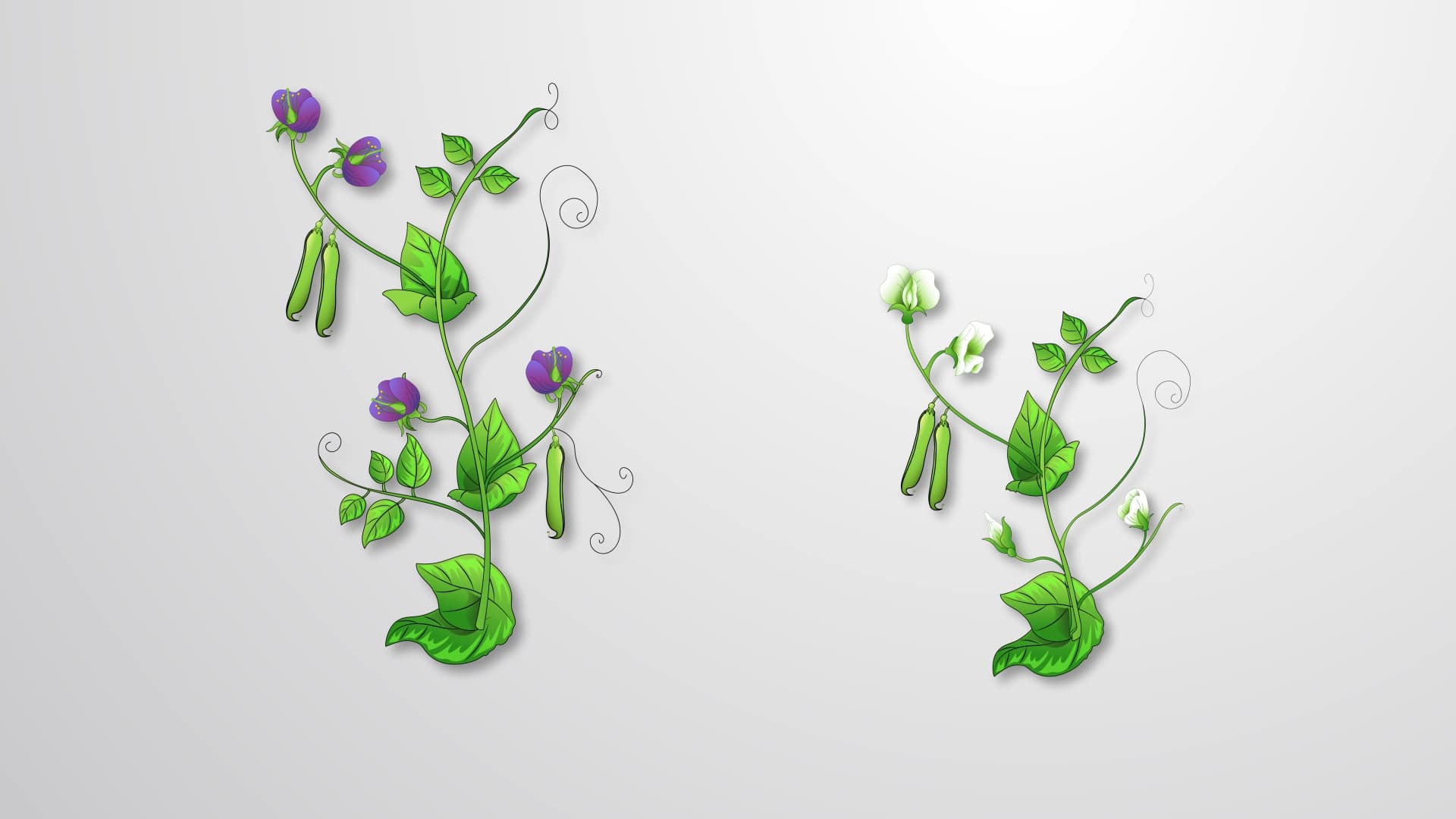

Video Summary: What Is Law of Independent Assortment
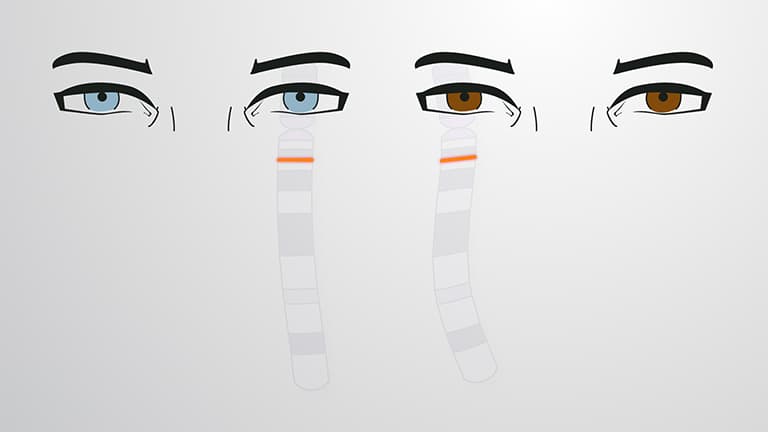
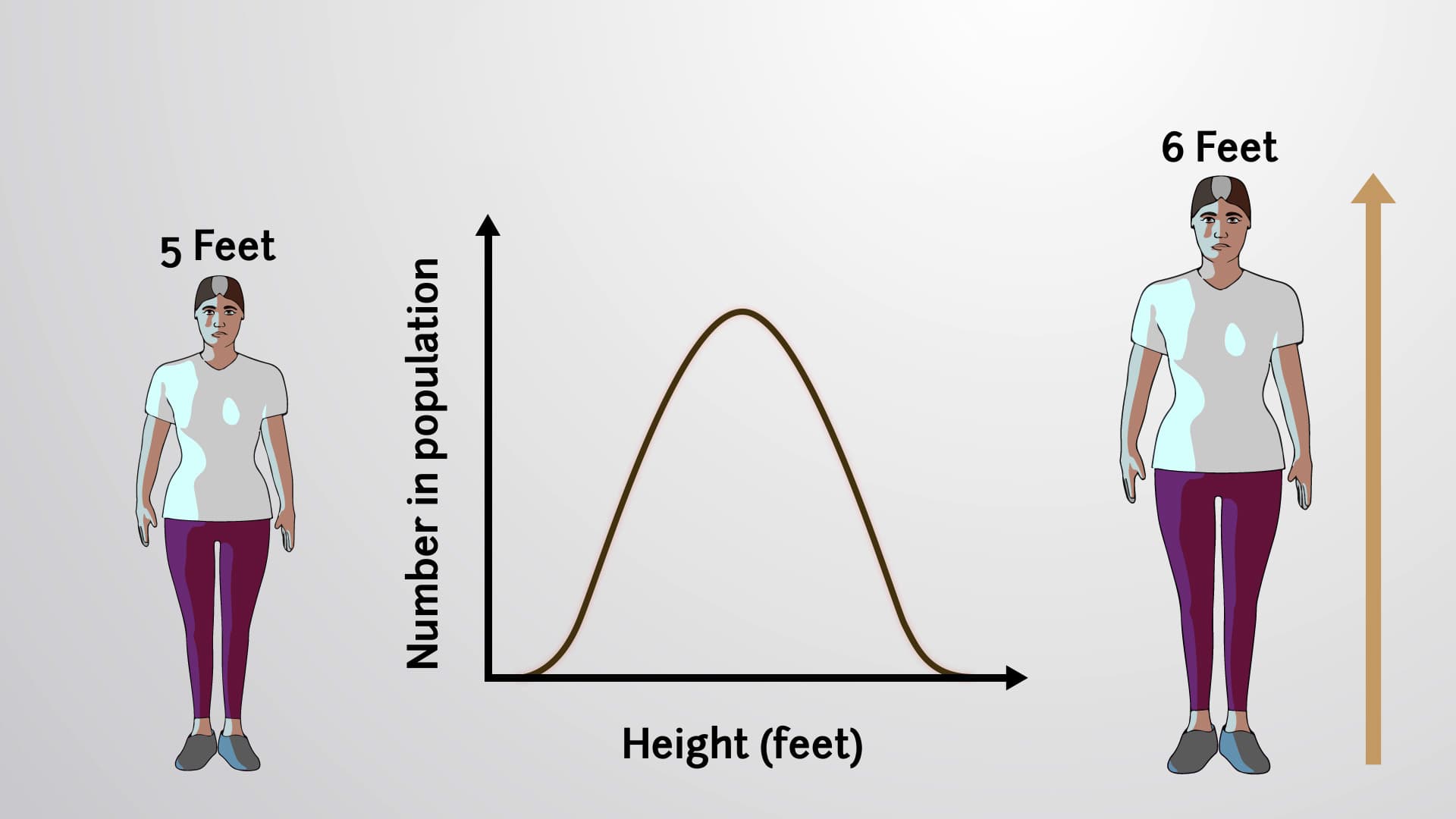
Why do you sometimes have your mom's eyes but your dad's height? The law of independent assortment explains how traits like eye color and height are inherited separately, not as a package deal. Mendel's groundbreaking pea plant experiments revealed that genes for different traits-like those determining whether corn kernels are yellow or purple, smooth or wrinkled-sort independently during reproduction. This fundamental genetic principle explains the incredible diversity we see in American families today. Watch the full video on JoVE Coach to master this concept with expert-led visuals and step-by-step explanations.
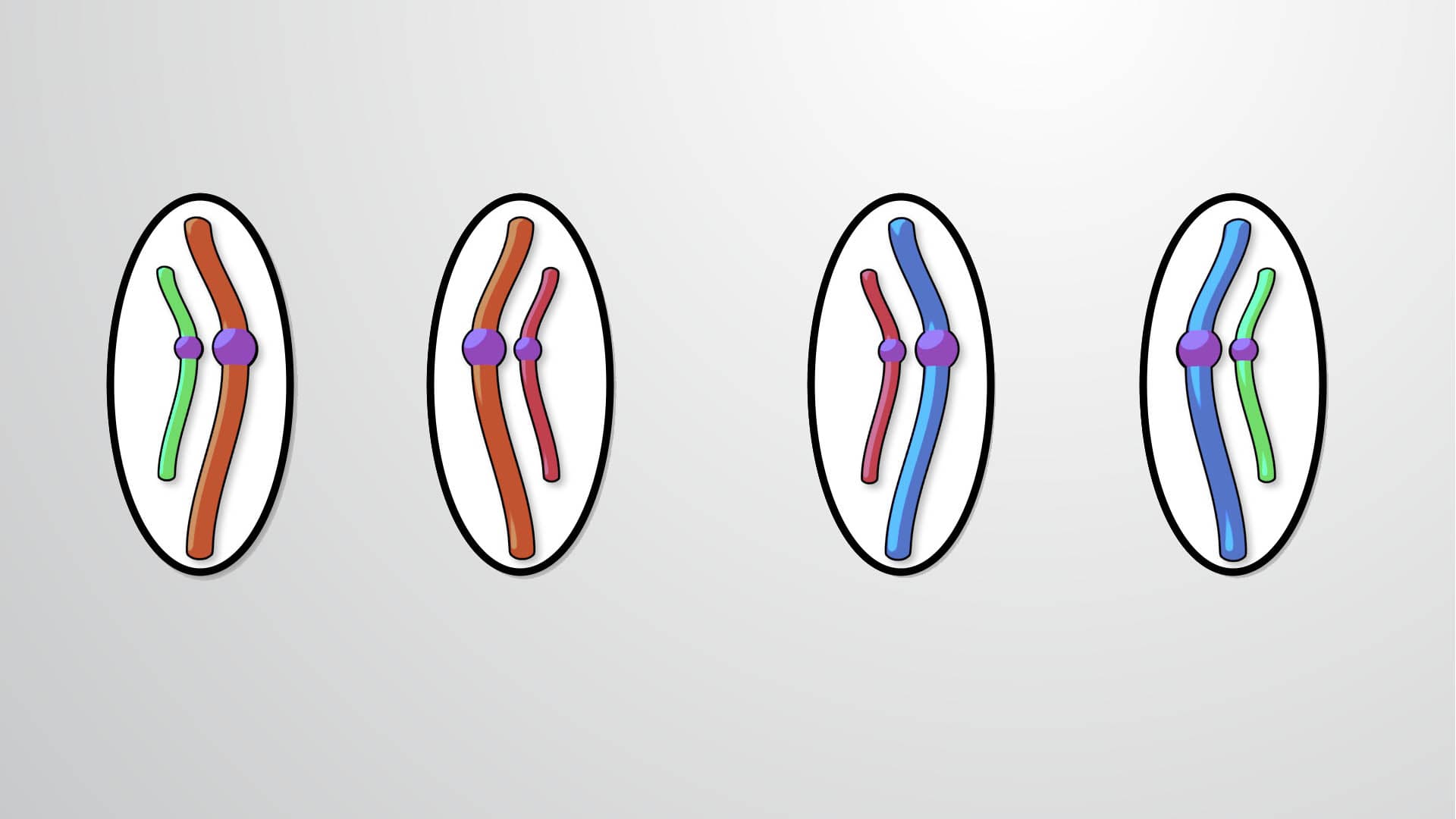
The Law of Independent Assortment represents one of genetics' most fundamental principles, discovered through Gregor Mendel's meticulous experiments with pea plants in the 1860s. This law states that alleles for different genes segregate independently during gamete formation, meaning the inheritance of one trait doesn't influence how another trait is passed to offspring.
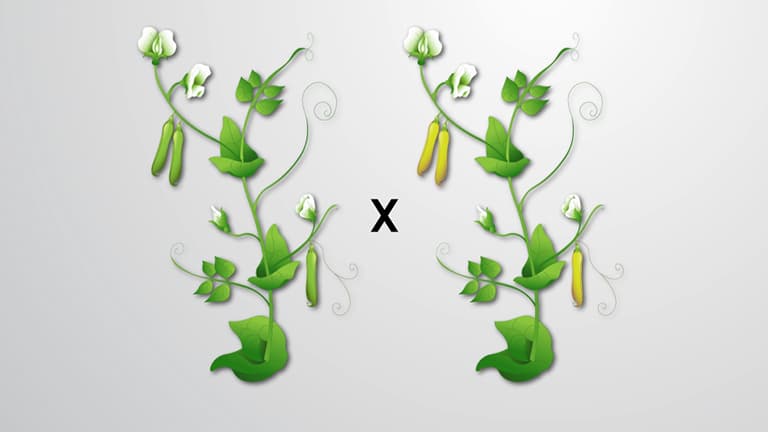
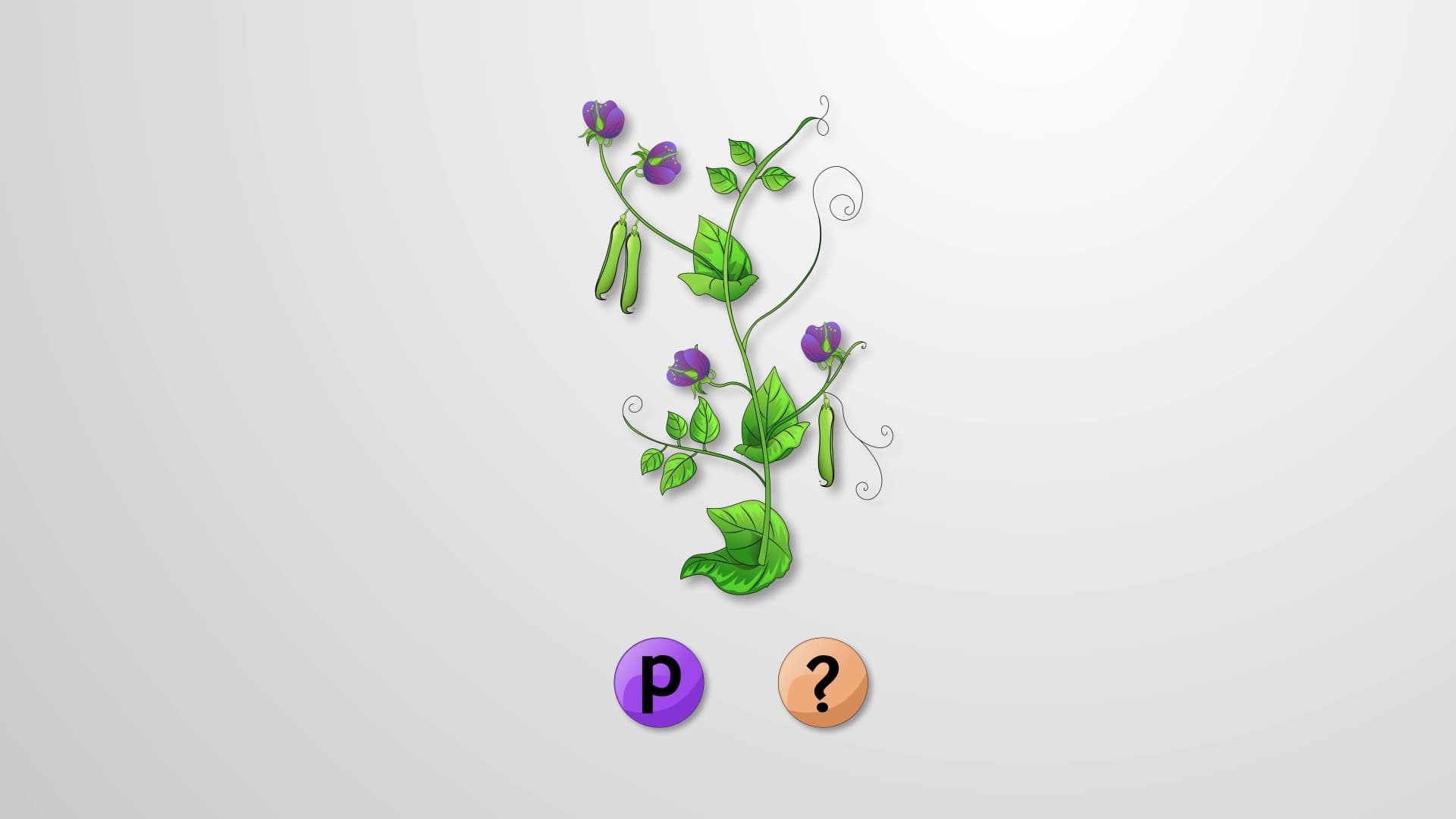
Mendel's breakthrough came when he moved beyond studying single traits to examining two characteristics simultaneously-what geneticists call dihybrid crosses. He crossed pea plants that differed in both height (tall vs. short) and flower color (purple vs. white). If genes were inherited as linked units, offspring would only show parental combinations: tall plants with purple flowers or short plants with white flowers.
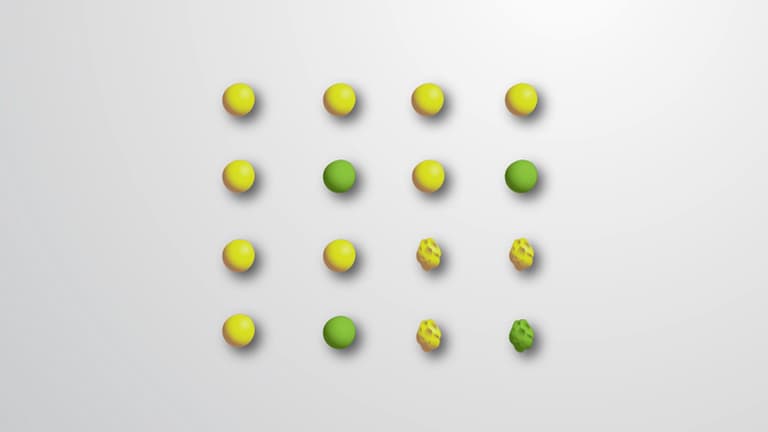
Instead, Mendel observed all four possible combinations in the F2 generation, following a consistent 9:3:3:1 ratio. This meant approximately 9 out of 16 offspring showed both dominant traits, 3 showed the first dominant with the second recessive, 3 showed the reverse pattern, and 1 displayed both recessive traits. This ratio became the hallmark of independent assortment.
Independent assortment explains why siblings can look dramatically different despite sharing the same parents. Consider human traits like hair texture and eye color-these genes are located on different chromosomes and assort independently. A child might inherit curly hair from their mother and brown eyes from their father, while their sibling gets straight hair and blue eyes.
This principle is crucial for plant and animal breeding programs across American agriculture. Corn breeders, for instance, can develop varieties that combine disease resistance (controlled by genes on one chromosome) with high yield potential (controlled by genes on different chromosomes) because these traits segregate independently.
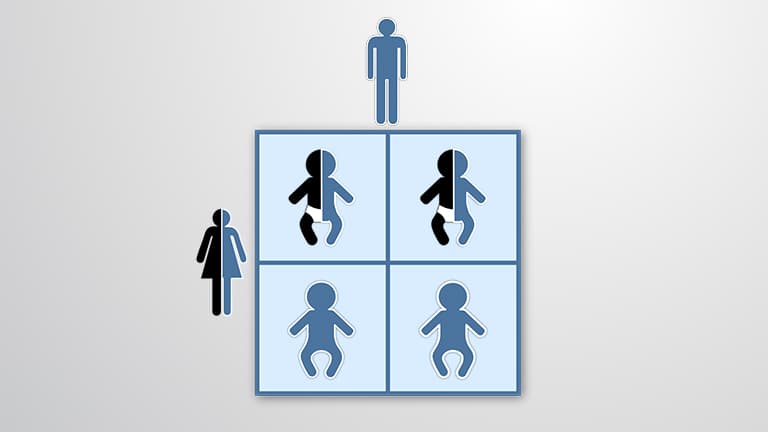
The Law of Independent Assortment frequently appears on AP Biology exams, college genetics courses, and MCAT questions. Students should master calculating probabilities using the multiplication rule: if trait A has a 3/4 probability and trait B has a 1/4 probability, their independent combination occurs with 3/16 probability. Understanding this concept also provides the foundation for more advanced topics like genetic mapping and linkage analysis that students encounter in upper-level biology courses.
Related Micro-courses