Loading subject page…


1,347,746 views

Video Summary: What Is Nature and Nurture
Why do identical twins raised apart sometimes end up with different heights despite having the same DNA? Nature nurture interactions create these fascinating differences in human development. Consider how American children today average 4 inches taller than their great-grandparents-a change too rapid for genetic evolution alone. What is Nature And Nurture reveals how our genes provide the blueprint while environmental factors like nutrition, stress, and social conditions shape the final outcome. From stunted growth due to childhood malnutrition to cancer risk influenced by both genetic predisposition and lifestyle choices, this interplay determines who we become. Watch the full video on JoVE Coach to master this concept with expert-led visuals and step-by-step explanations.
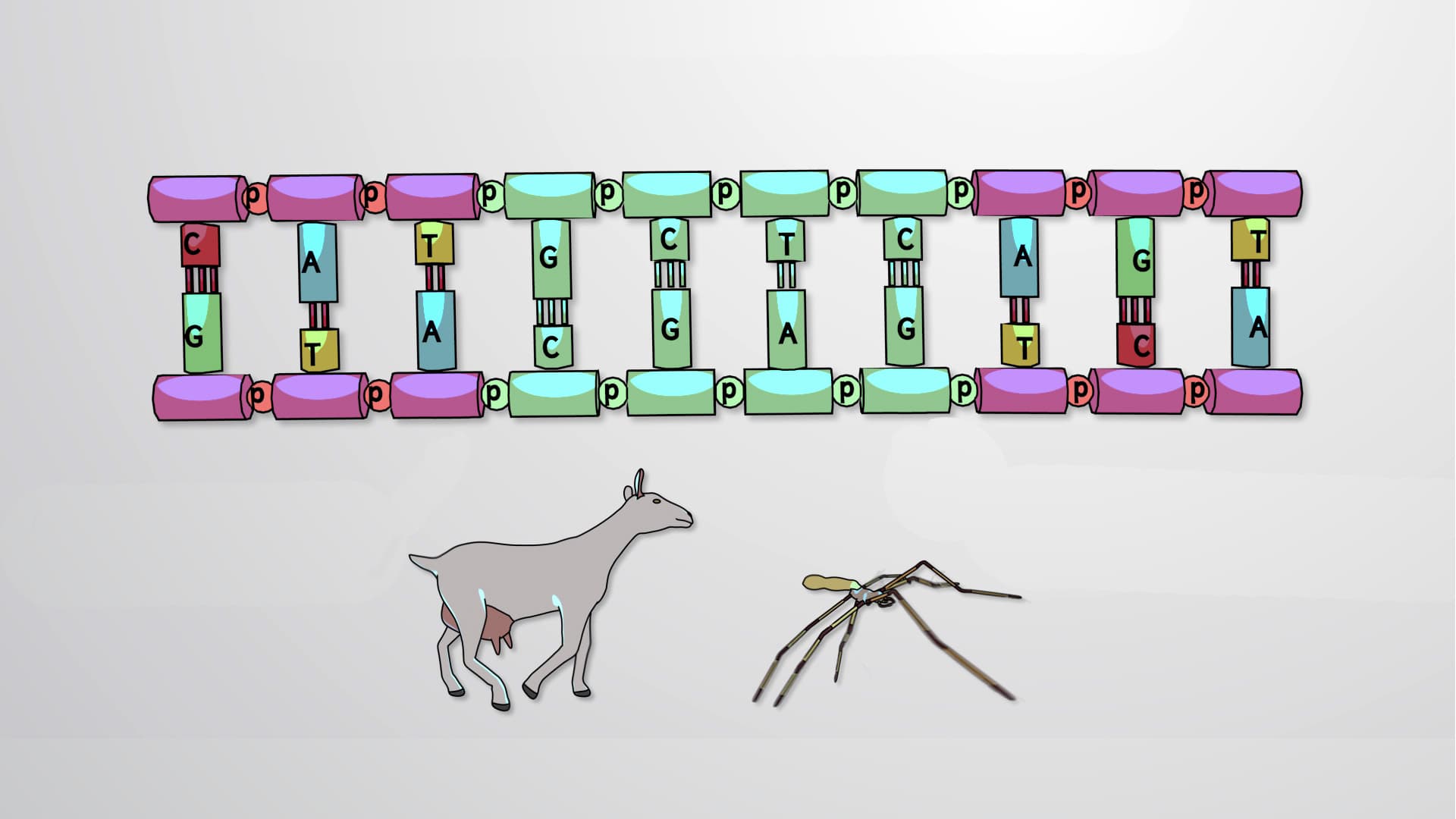
The nature and nurture definition explained centers on one of psychology and biology's most enduring questions: How much of who we are comes from our genes versus our environment? Nature refers to our genetic inheritance-the DNA blueprint passed down from our parents that influences everything from eye color to disease susceptibility. Nurture encompasses all environmental factors that shape our development, including nutrition, education, social relationships, stress levels, and cultural influences.
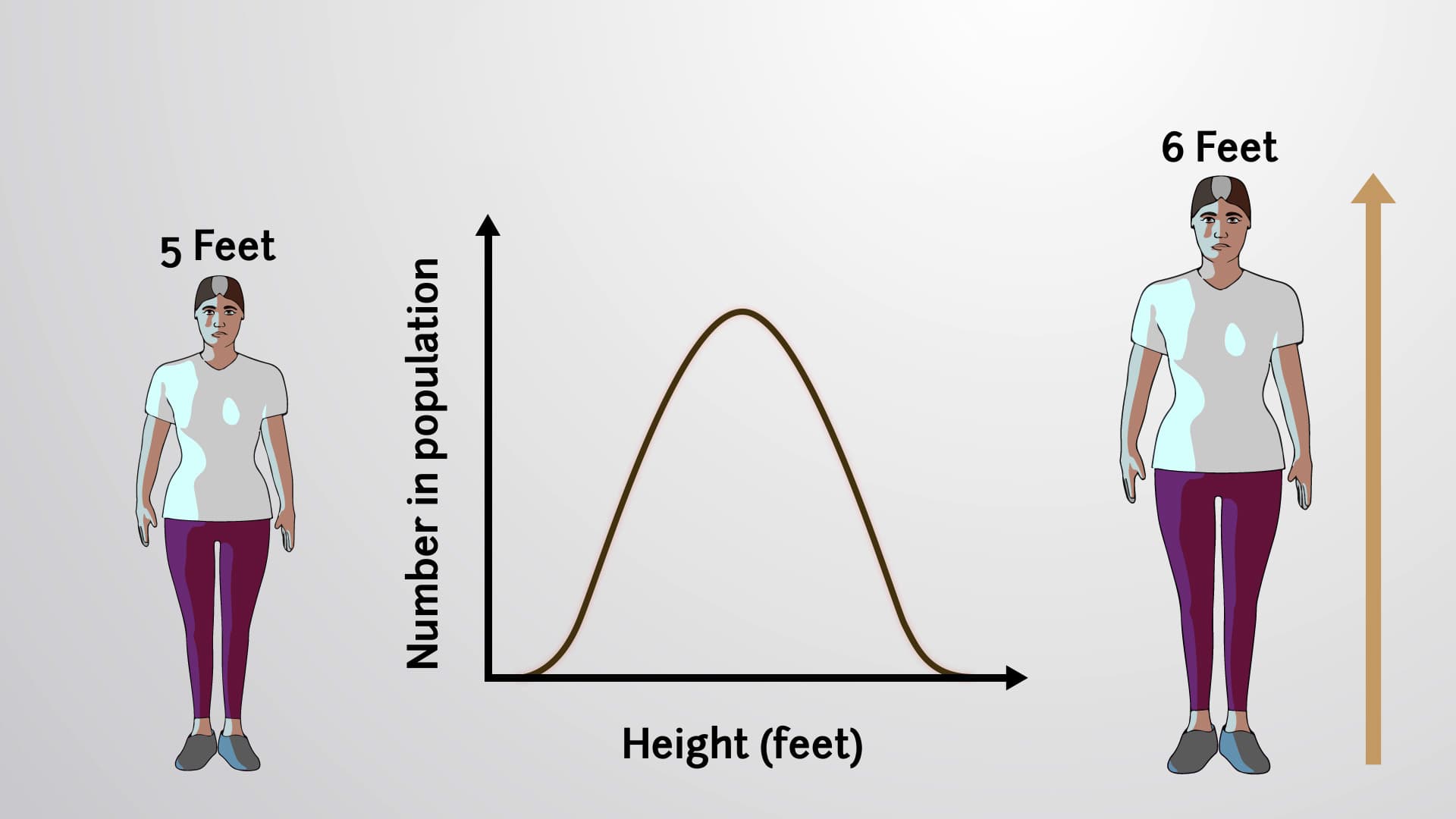
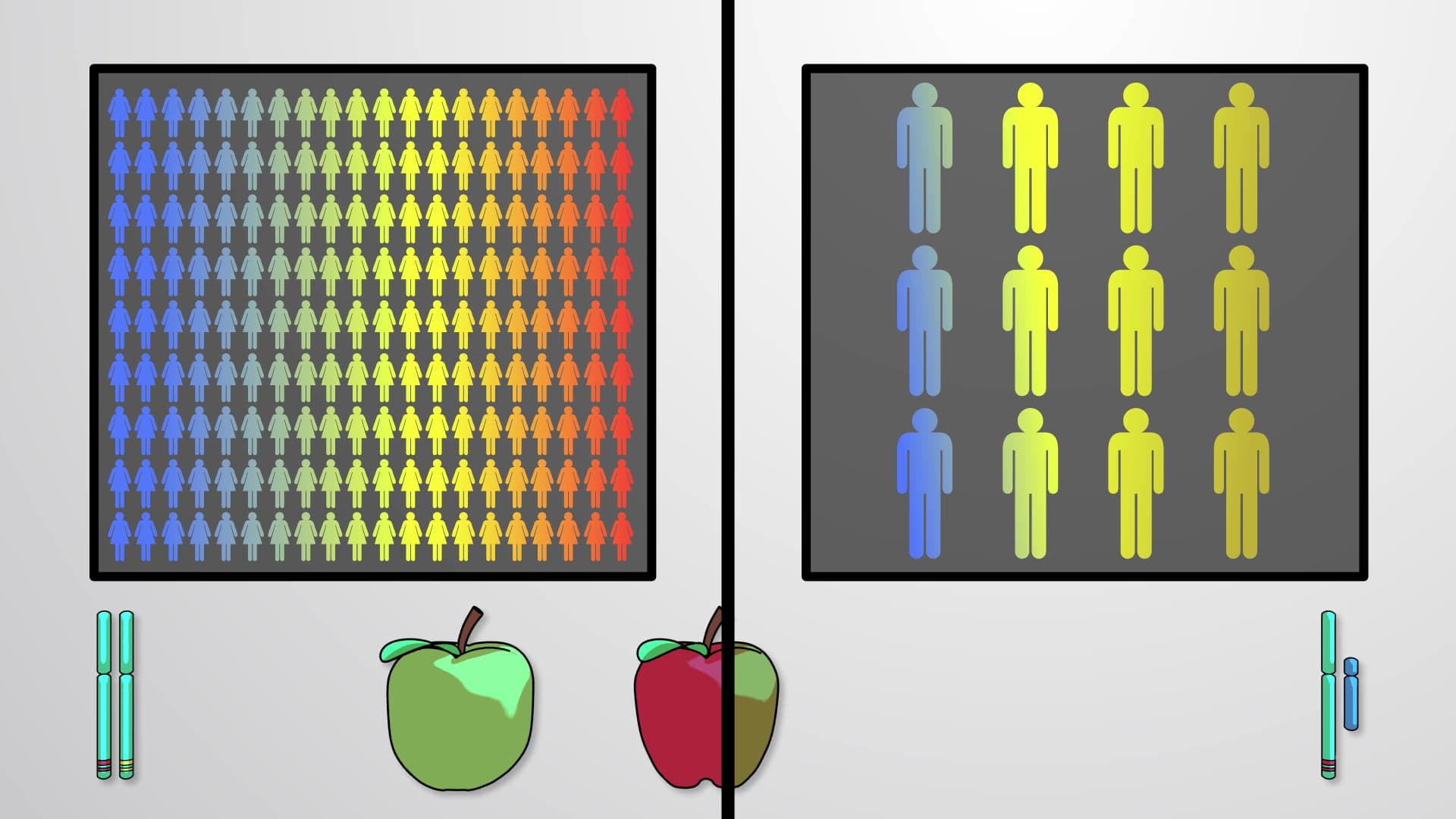
Modern science reveals that the nature nurture relationship isn't a simple either-or proposition. Instead, genes and environment engage in constant dialogue throughout our lives. Consider height, a trait that appears straightforward. While genes set our potential maximum height, environmental factors determine whether we reach that potential. The average height of American men increased from 5'6" in 1900 to 5'9" today-a change far too rapid for genetic evolution. This dramatic shift resulted from improved nutrition, better healthcare, and reduced childhood diseases.
Research from institutions like Stanford University and the National Institutes of Health demonstrates how chronic stress can suppress growth hormone production in children, leading to shorter adult stature even with adequate nutrition. Similarly, the Dutch Hunger Winter of 1944-1945 showed that maternal malnutrition during pregnancy affected not only immediate birth outcomes but also the health and metabolism of children decades later.
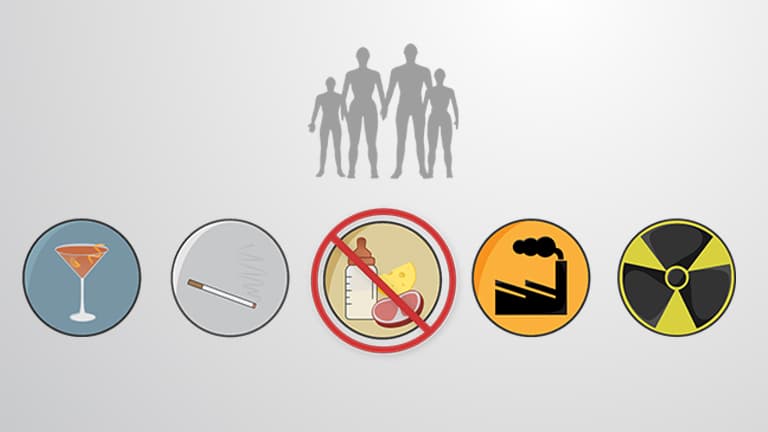
The nature and nurture concept explained has profound implications for American healthcare and education. In oncology, the BRCA1 and BRCA2 gene mutations dramatically increase breast cancer risk, but lifestyle factors like diet, exercise, and environmental toxin exposure significantly influence whether cancer actually develops. This understanding has revolutionized personalized medicine approaches at institutions like MD Anderson Cancer Center and Mayo Clinic.
For students preparing for the MCAT or AP Psychology exams, understanding epigenetics-how environmental factors can turn genes on or off-is increasingly important. These mechanisms help explain why identical twins can develop different diseases despite sharing identical DNA.
American educators increasingly recognize that learning abilities reflect both genetic predispositions and environmental opportunities. Students from enriched environments may overcome genetic learning challenges, while those with strong genetic potential may underperform without proper support. This understanding drives evidence-based interventions in schools nationwide, from early childhood nutrition programs to stress-reduction techniques that optimize learning conditions.
Related Micro-courses