Loading subject page…

- Biology
- Classical and Modern Genetics
- Non-nuclear Inheritance
Micro-course: Classical and Modern Genetics
1,347,746 views
Learn key concepts and earn your certificate.


Non-nuclear Inheritance

00:00
01:29
Video Summary: What Is Non Nuclear Inheritance
Ever wonder why children sometimes inherit their mother's metabolic disorders but never their father's? Non nuclear inheritance explains this fascinating genetic phenomenon where traits are passed down exclusively through the maternal line. Unlike nuclear DNA from both parents, mitochondrial DNA in your cells comes only from your mother's egg, creating unique inheritance patterns seen in conditions like Leber hereditary optic neuropathy, which affects vision in some American families. Watch the full video on JoVE Coach to master this concept with expert-led visuals and step-by-step explanations.
- Understand what is non nuclear inheritance and how it differs from traditional Mendelian genetics
- Identify the cellular organelles responsible for non nuclear inheritance patterns in eukaryotic cells
- Analyze why mitochondrial and plastid DNA follow maternal inheritance in most organisms
- Compare the structure and copy number of cytoplasmic DNA versus nuclear chromosomes
- Evaluate how random segregation of organelles during cell division affects trait transmission
- Apply non nuclear inheritance concepts to predict inheritance patterns in genetic counseling scenarios
- Recognize clinical examples of mitochondrial disorders that demonstrate maternal inheritance
- Explore the evolutionary implications of cytoplasmic genetic systems in plants and animals
Understanding What is Non Nuclear Inheritance
Non nuclear inheritance represents a fundamental departure from the classical genetics principles taught in most high school biology courses. While Mendel's laws govern nuclear DNA inheritance, cytoplasmic genetic elements follow entirely different rules that often surprise students encountering them for the first time on AP Biology exams or college genetics courses.
Cellular Basis of Cytoplasmic Genetics
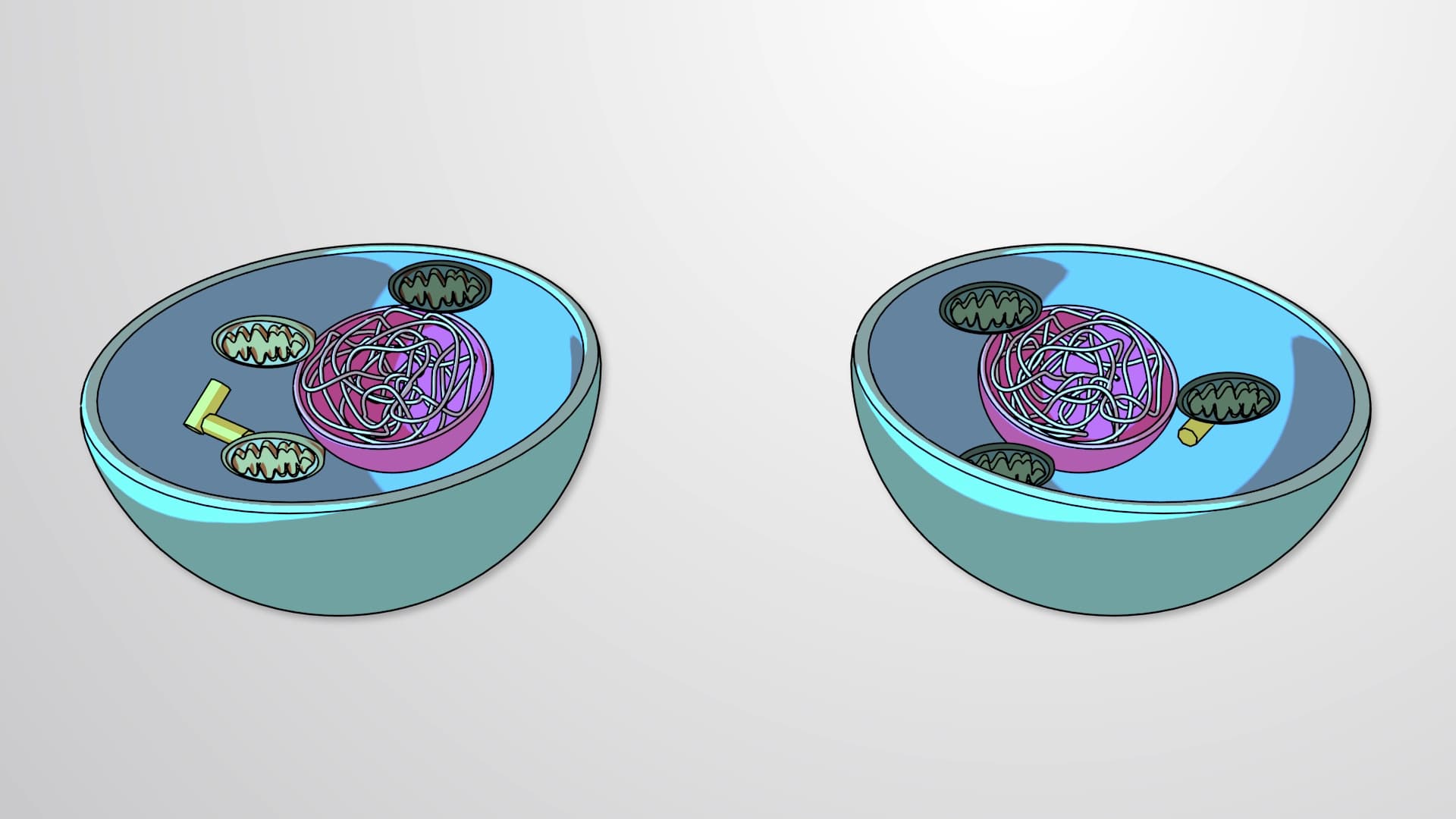
The foundation of non nuclear inheritance lies within specialized organelles that maintain their own genetic systems. Mitochondria, present in virtually all eukaryotic cells, and plastids found in plant cells, each contain circular DNA molecules reminiscent of bacterial chromosomes. This similarity reflects their evolutionary origin through endosymbiosis, a concept frequently tested on MCAT biology sections.
Unlike nuclear chromosomes, which exist in pairs, these organelles contain hundreds to thousands of identical DNA copies. During cell division, organelles distribute randomly between daughter cells, creating the unpredictable inheritance patterns that distinguish cytoplasmic genetics from nuclear inheritance. Students preparing for college genetics exams should note this random segregation as a key distinguishing feature.
Maternal Inheritance Patterns in Medical Practice
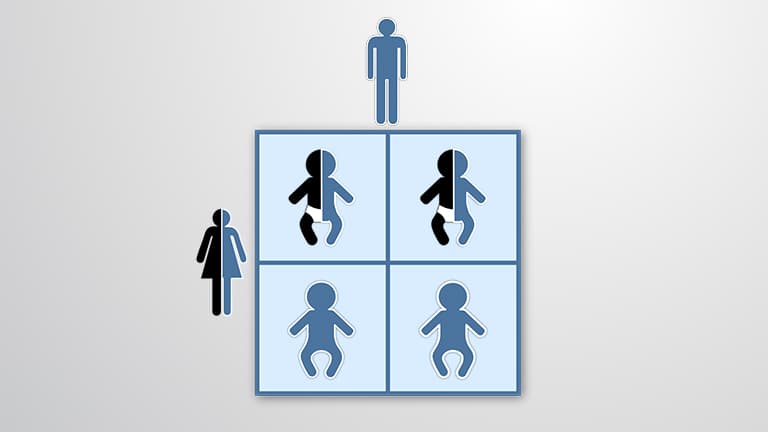
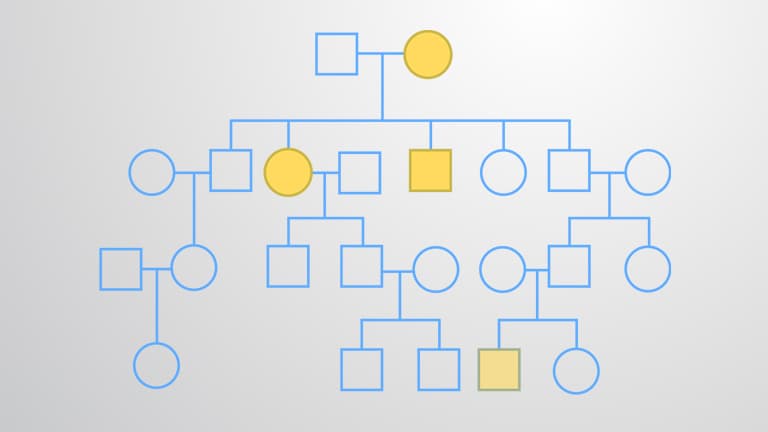
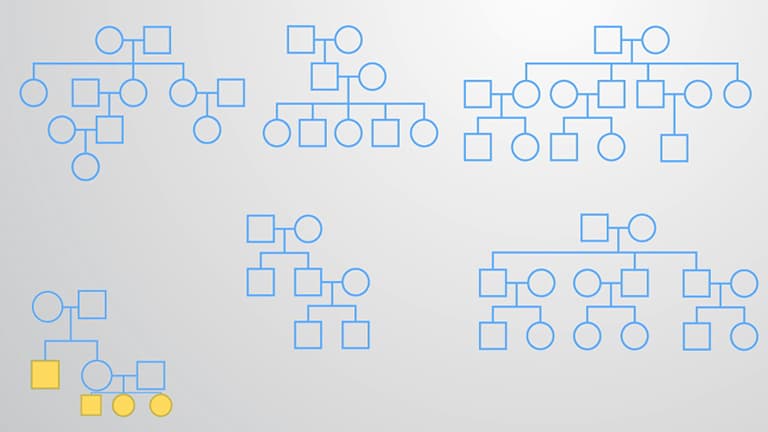
The most clinically significant aspect of non nuclear inheritance occurs during sexual reproduction. Since egg cells contribute virtually all cytoplasm to the developing zygote, while sperm contribute primarily nuclear DNA, mitochondrial inheritance follows a strict maternal pattern. This creates distinctive family pedigrees that genetic counselors at institutions like the Mayo Clinic use to diagnose mitochondrial disorders.
Consider Leigh syndrome, a severe neurological condition affecting approximately 1 in 40,000 American newborns. Families affected by this mitochondrial disorder show clear maternal inheritance-affected mothers can pass the condition to all their children, but affected fathers cannot transmit the disease to any offspring.
Plant-Specific Non Nuclear Traits
In plants, plastid inheritance controls various observable characteristics beyond the typical green chloroplast pigmentation. Variegated leaf patterns, where sections appear white or yellow due to plastid mutations, demonstrate non nuclear inheritance in action. Agricultural programs at land-grant universities like Cornell and UC Davis study these patterns to understand crop breeding limitations, since valuable plastid-encoded traits cannot be introduced through traditional pollen-based hybridization techniques.
Frequently Asked Questions
Non nuclear inheritance refers to the transmission of genetic traits through DNA located in cellular organelles like mitochondria and chloroplasts, rather than through chromosomes in the cell nucleus. Unlike nuclear genes that come from both parents, these organellar genes typically pass from mother to offspring only, since egg cells contribute most of the cytoplasm during fertilization while sperm contribute mainly nuclear DNA.
AP Biology frequently includes questions about maternal inheritance patterns, asking students to analyze pedigrees showing mitochondrial disorders or predict offspring outcomes. College genetics courses often test the random segregation concept through problems involving variegated plant crosses. The MCAT may present clinical scenarios requiring students to distinguish between nuclear and cytoplasmic inheritance patterns in genetic counseling contexts.
MCAT biology sections commonly feature passages about mitochondrial diseases, asking test-takers to analyze inheritance patterns, predict recurrence risks, or explain why certain genetic disorders affect only maternal lineages. Questions may also explore the evolutionary implications of organellar genetics or compare the molecular structures of nuclear versus mitochondrial DNA.
Leber hereditary optic neuropathy affects vision in young adults and follows strict maternal inheritance, with notable cases documented in families across the United States. MELAS syndrome (mitochondrial encephalomyopathy with lactic acidosis and stroke-like episodes) represents another example where American medical centers like Johns Hopkins track multi-generational maternal transmission patterns for research and treatment development.
Absolutely not-while the concept initially seems complex, it follows logical patterns once students grasp the basic principle of organellar DNA location and random distribution. High school students successfully master this topic in honors biology and AP courses nationwide. The key is understanding that these organelles act like tiny bacteria living inside cells, each with their own genetic instructions.
Focus on the "mother's gift" concept-mitochondria come from mom's egg, creating the maternal inheritance pattern that distinguishes cytoplasmic from nuclear genetics. Practice drawing pedigrees showing affected mothers passing traits to all children, while affected fathers transmit nothing. Create flashcards comparing nuclear (biparental) versus cytoplasmic (maternal) inheritance characteristics for quick review before AP or college exams.
Students should investigate population genetics and molecular evolution, since mitochondrial DNA serves as a powerful tool for tracing human migration patterns and evolutionary relationships. Advanced topics include heteroplasmy (cells containing both normal and mutated organellar DNA) and threshold effects in mitochondrial diseases, concepts that appear in upper-level college courses and medical school curricula.
Related Micro-courses