Loading subject page…

- Biology
- Classical and Modern Genetics
- X-Inactivation
Micro-course: Classical and Modern Genetics
1,347,746 views
Learn key concepts and earn your certificate.





X-Inactivation

00:00
01:58
Video Summary: What Is X Inactivation
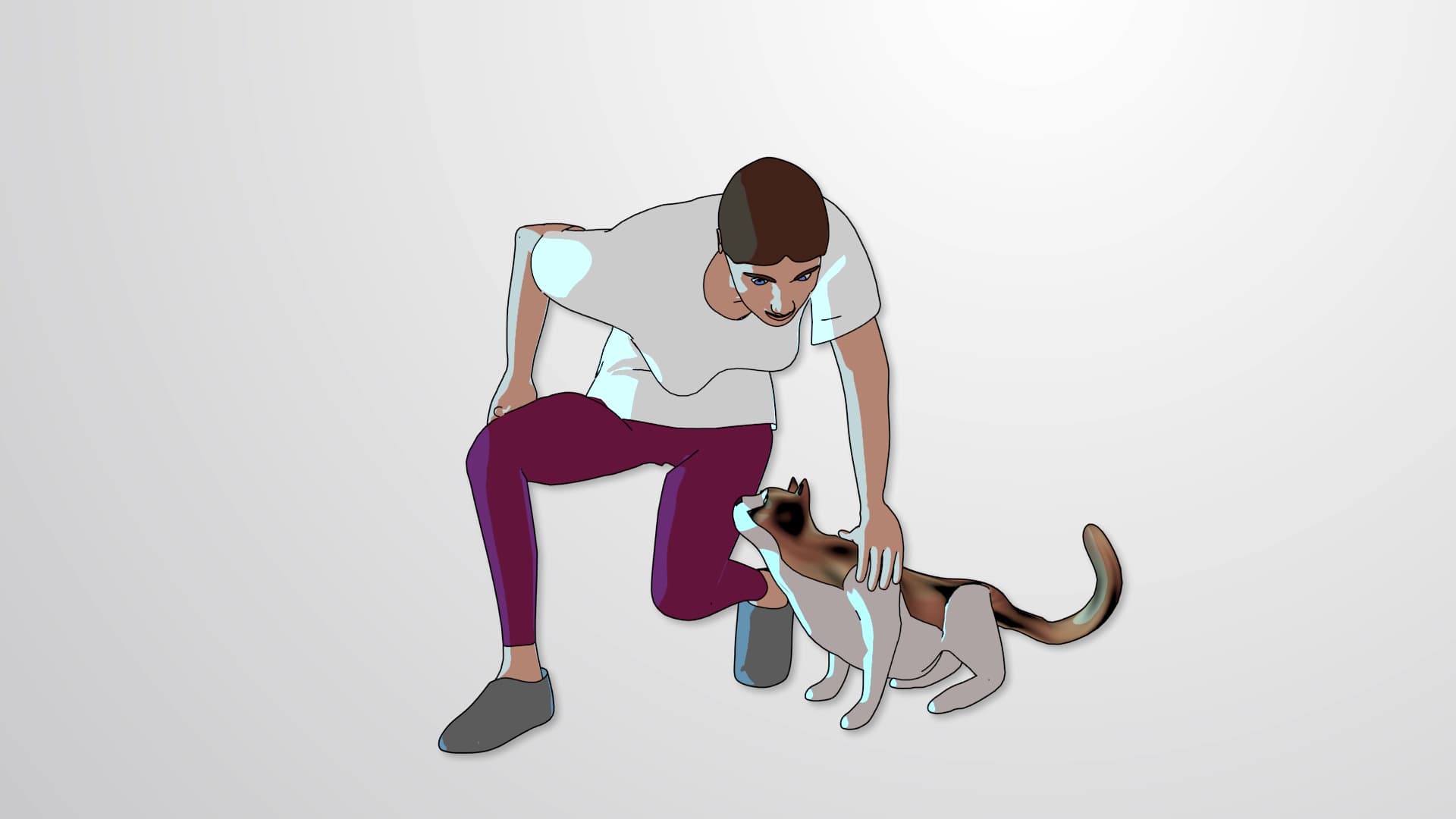
Ever wonder why calico cats are almost always female? X inactivation is the fascinating genetic process that creates this pattern by randomly silencing one X chromosome in female cells during early development. This mechanism prevents gene overdose in mammals with two X chromosomes, forming a compact structure called a Barr body. The process involves key regulatory genes like XIST and TSIX working together to ensure proper gene expression balance. Watch the full video on JoVE Coach to master this concept with expert-led visuals and step-by-step explanations.
- Understand what is X inactivation and why it's essential for female mammalian development
- Identify the molecular players involved, including XIST, TSIX, and the X inactivation center
- Analyze how random chromosome silencing creates mosaic gene expression patterns
- Compare active and inactive X chromosomes at the structural and functional levels
- Evaluate the role of Barr bodies in maintaining stable gene silencing throughout cell divisions
- Apply X inactivation principles to explain real-world phenomena like calico cat coat patterns
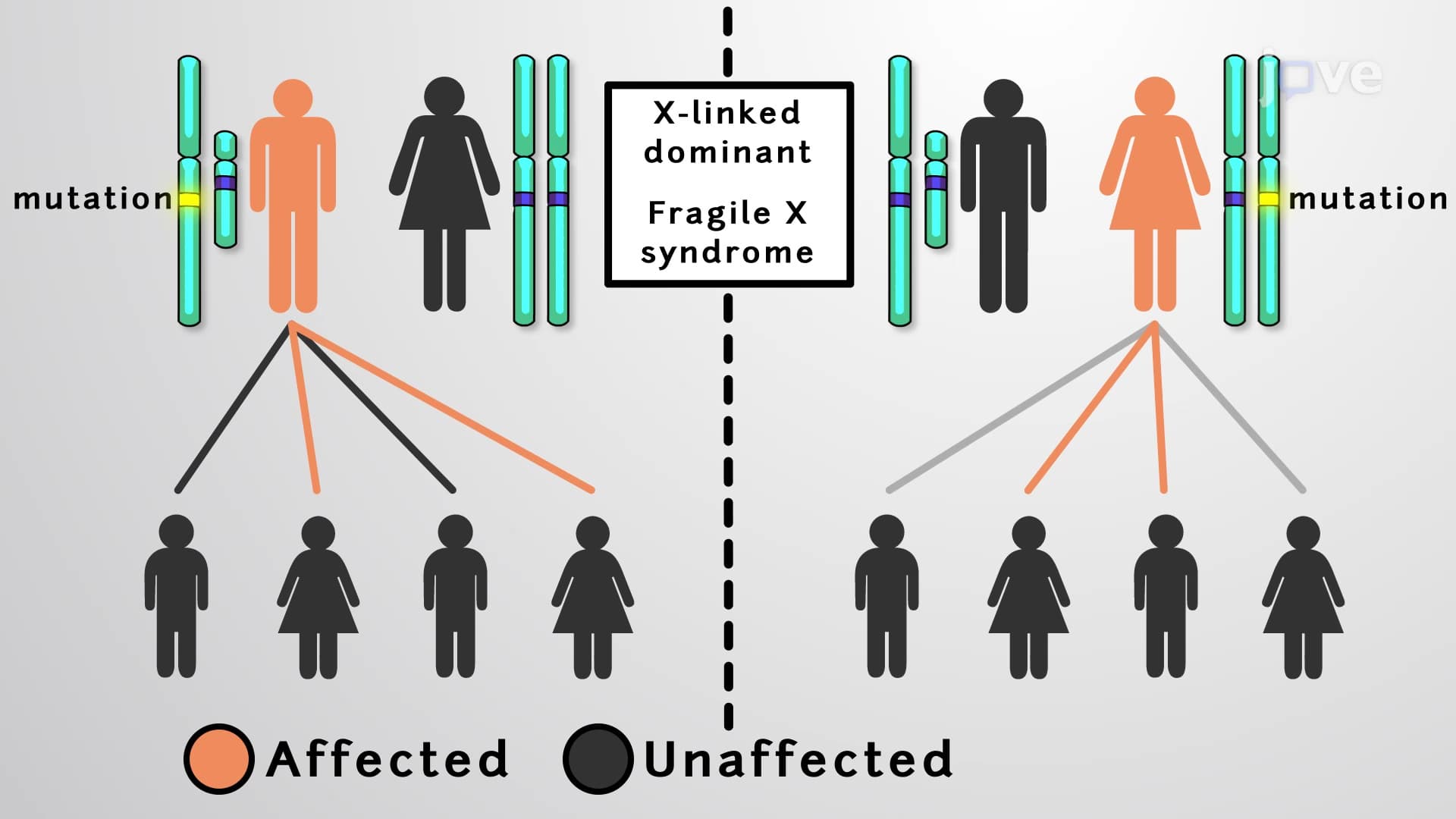
- Recognize the clinical significance of X inactivation in X-linked genetic disorders
- Explore how epigenetic modifications maintain long-term chromosome silencing
Understanding X Inactivation Fundamentals
X inactivation represents one of nature's most elegant solutions to gene dosage problems. In female mammals, having two X chromosomes could lead to dangerous overexpression of X-linked genes. This process ensures that females, like males with only one X chromosome, express X-linked genes at appropriate levels. The mechanism occurs early in embryonic development and affects every female cell, making it crucial for understanding genetics in AP Biology and college-level courses.
The Molecular Machinery Behind X Inactivation
The X inactivation center serves as mission control for this complex process. Located near the middle of each X chromosome, it houses XIST (X-inactive specific transcript) and TSIX genes that work as molecular switches. XIST produces long non-coding RNA that coats the chromosome destined for inactivation, while TSIX acts as a protective factor on the active chromosome. This intricate regulatory network appears frequently on the MCAT and advanced genetics exams, where students must understand both the initiation and maintenance phases.
Formation and Significance of Barr Bodies
The condensed, inactive X chromosome forms a distinctive structure called a Barr body, named after Canadian geneticist Murray Barr. This heterochromatin structure remains transcriptionally silent and replicates during cell division, ensuring the inactivation pattern persists throughout an organism's lifetime. Medical students studying for the USMLE often encounter Barr body identification as a diagnostic tool for certain chromosomal conditions.
Clinical and Real-World Applications
X inactivation creates fascinating real-world examples that make genetics tangible. Beyond calico cats, human females show mosaic patterns in X-linked traits. Women carrying mutations for color blindness may have patches of retinal cells with normal vision alongside affected areas. This concept helps explain why some genetic disorders affect females less severely than males, a principle essential for understanding inheritance patterns in clinical genetics courses and professional healthcare examinations.
Frequently Asked Questions
X inactivation is the random silencing of one X chromosome in female mammalian cells to prevent gene overexpression. This process creates a Barr body and ensures females have the same level of X-linked gene expression as males. It occurs during early embryonic development and remains stable throughout life.
The MCAT frequently tests X inactivation in genetics passages, focusing on XIST/TSIX mechanisms and clinical applications. AP Biology emphasizes the process as an example of gene regulation and epigenetic inheritance. Students should understand both the molecular details and real-world consequences like mosaic expression patterns.
These regulatory RNAs represent key molecular players that professors love to test. XIST initiates inactivation while TSIX prevents it, creating a balanced system. Understanding their complementary roles helps you tackle exam questions about chromosome dosage compensation and epigenetic regulation mechanisms.
The orange/black fur color gene is X-linked, so females with two different color alleles express different colors in different body regions. Random X inactivation creates patches where either the orange or black allele is active. Males, having only one X chromosome, show uniform color and cannot be calico.
Not at all! While the molecular details are complex, the basic concept builds on simple genetics principles you already know. Focus on understanding why dosage compensation is necessary and how random inactivation creates mosaic patterns. The clinical examples make the concept more relatable and memorable.
Create a flowchart showing the process from X inactivation center activation through Barr body formation. Practice explaining real examples like calico cats and human genetic mosaicism. Focus on understanding the "why" behind each step rather than just memorizing terminology.
X inactivation demonstrates key epigenetic principles like heritable gene silencing and chromatin modification. After mastering this concept, explore DNA methylation, histone modifications, and genomic imprinting. These mechanisms share similar regulatory strategies and often work together in gene expression control.
Surprisingly, no! Some genes escape X inactivation and remain active on both chromosomes, particularly those with Y chromosome counterparts. This selective inactivation pattern is important for understanding why some X-linked conditions still affect females, despite having two X chromosomes.
Related Micro-courses