Loading subject page…


628,008 views
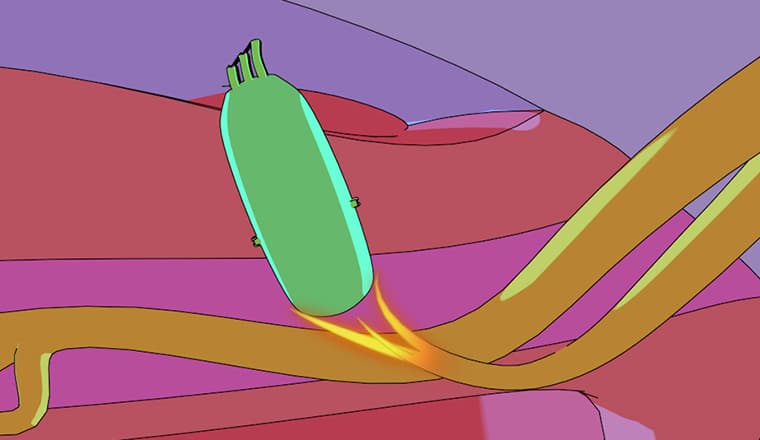

Video Summary: What are Hair Cells
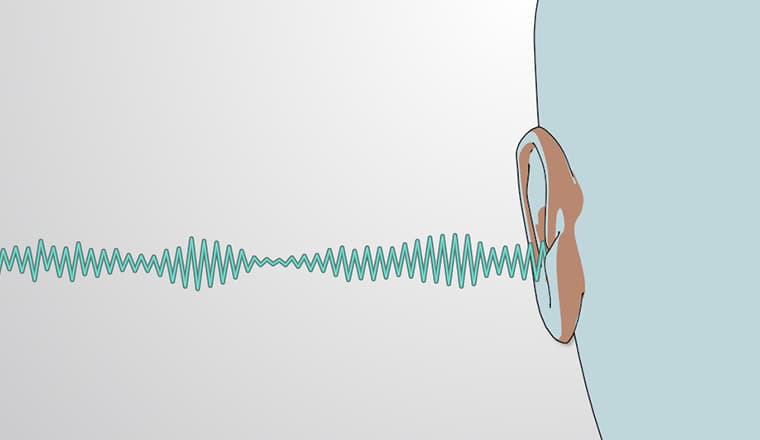
Ever wonder how your ears convert sound waves into the music you hear during a school concert? Hair cells are the microscopic sensory receptors in your inner ear that make hearing possible by transforming mechanical sound vibrations into electrical signals your brain can interpret. These specialized cells, found in the cochlea, use tiny hair-like projections called stereocilia to detect sound waves and generate neural impulses. Watch the full video on JoVE Coach to master this concept with expert-led visuals and step-by-step explanations.
Hair cells represent one of biology's most elegant examples of mechanotransduction-the conversion of mechanical energy into electrical signals. Located within the cochlea of the inner ear, these specialized sensory cells serve as the primary interface between the physical world of sound waves and the neural networks that create our perception of hearing. Understanding hair cell biology is fundamental for students studying sensory physiology, neuroscience, and audiology.
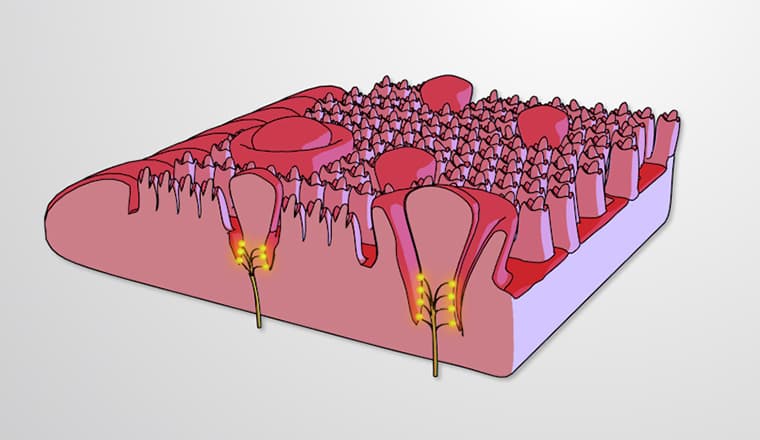
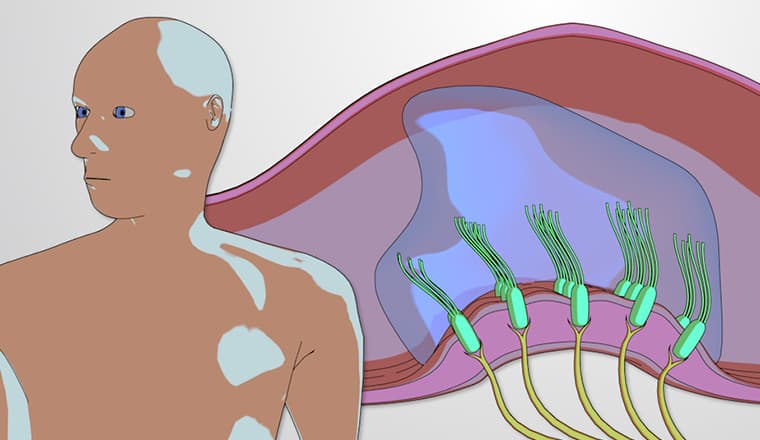
Each hair cell features a distinctive crown of stereocilia-modified microvilli that project from the cell's apical surface. These stereocilia are arranged in a precise staircase pattern, graduating from shortest to tallest, with each adjacent pair connected by protein filaments called tip links. This architectural precision is crucial for function; the stereocilia must maintain their height gradient and interconnections to properly respond to sound-induced vibrations. The tallest stereocilia may connect to a single true cilium called a kinocilium in some hair cell types, though this structure is lost in mature mammalian cochlear hair cells.
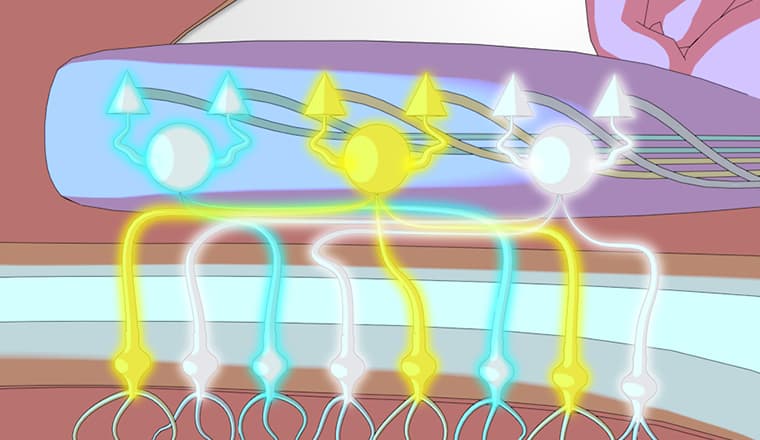
The magic of hearing begins when sound waves cause the basilar membrane beneath hair cells to vibrate. This movement creates a shearing force that bends the stereocilia. When stereocilia bend toward the tallest member of the bundle, tip links stretch and mechanically open cation channels at the stereocilia tips. This allows potassium ions-abundant in the surrounding endolymph-to rush into the cell, causing depolarization. The resulting voltage change opens voltage-gated calcium channels, triggering neurotransmitter release onto auditory nerve fibers. Conversely, bending toward the shortest stereocilia closes these channels, hyperpolarizing the cell and reducing neurotransmitter release.
Hair cell function appears frequently on standardized exams including the MCAT, AP Biology, and college physiology courses. Students should understand that hair cell damage-whether from loud noise exposure, ototoxic medications, or genetic factors-represents a major cause of hearing loss in Americans. Unlike some sensory cells, mammalian hair cells cannot regenerate once damaged, making hearing protection crucial. This concept connects to broader themes in cellular biology, including membrane potential, ion channels, and synaptic transmission that appear across multiple exam formats.
Related Micro-courses