Loading subject page…

- Biology
- Sensory Systems
- Thermosensation
Micro-course: Sensory Systems
628,008 views
Learn key concepts and earn your certificate.
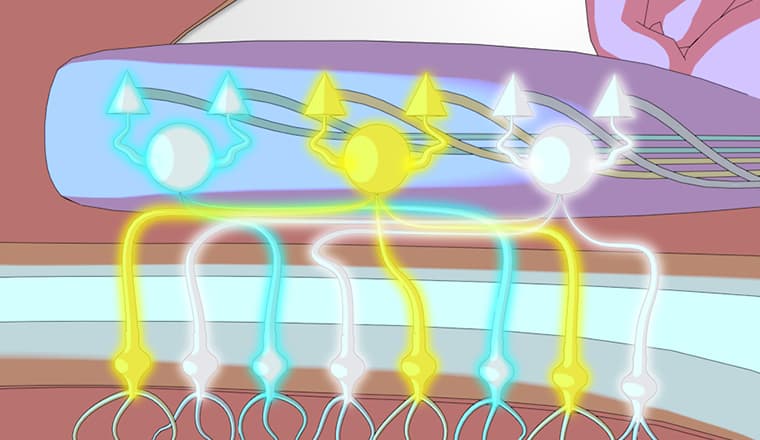

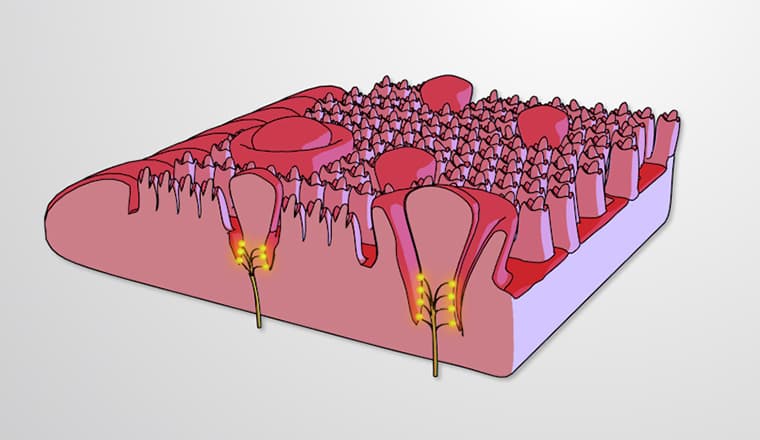
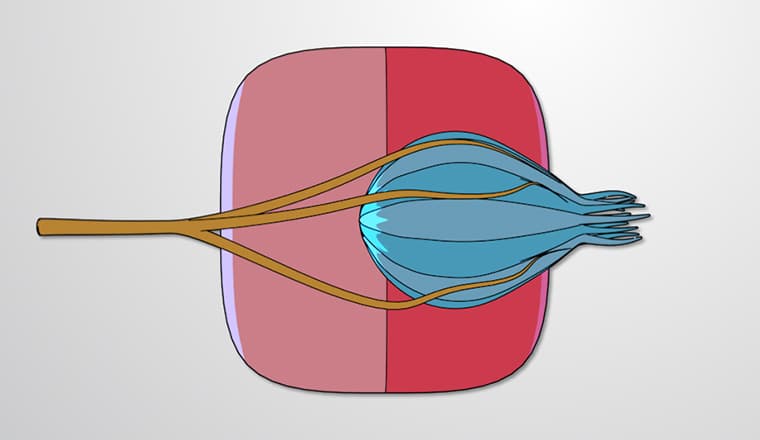
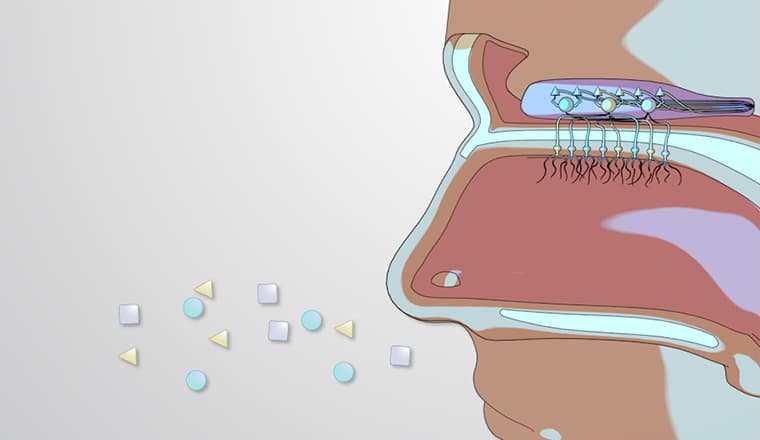
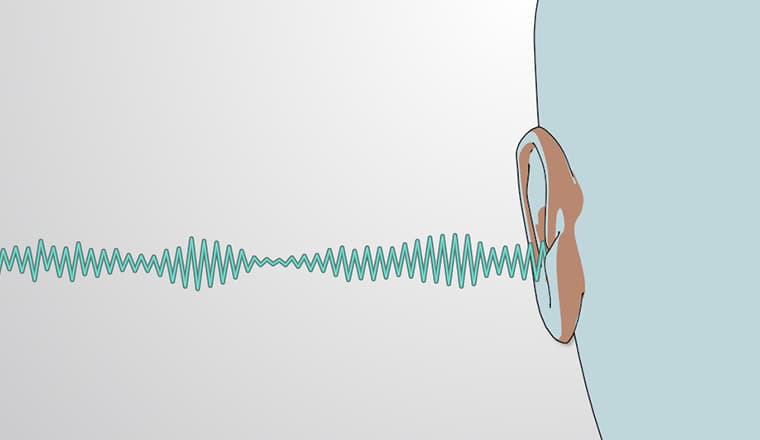
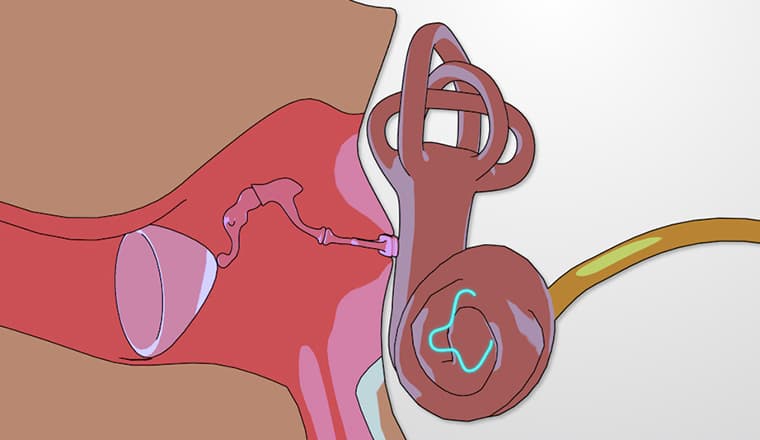
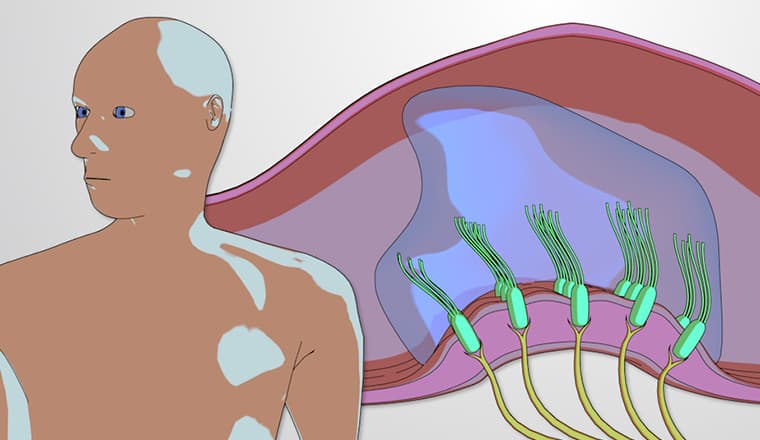
Thermosensation

00:00
01:43
Video Summary: What Is Thermosensation
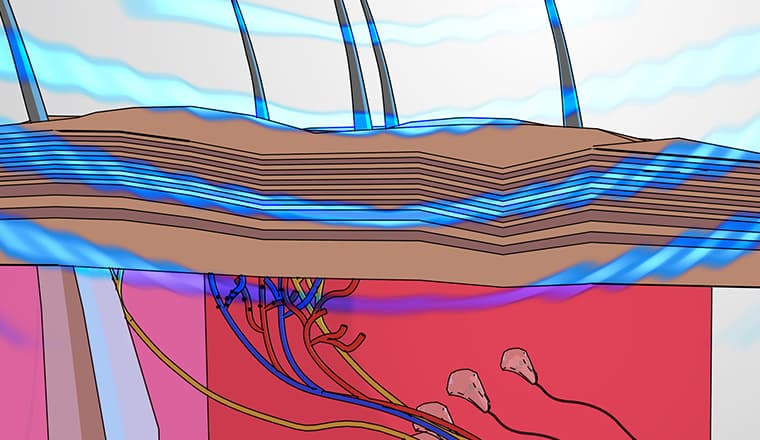
Ever wonder why touching a hot stove triggers instant pain, but stepping into a cold Minnesota winter takes time to register? Thermosensation is your body's sophisticated temperature detection system that protects you from thermal damage while helping maintain homeostasis. Specialized receptors in your skin, like TRPV1 channels that respond to both heat and spicy capsaicin from jalapeño peppers, convert temperature changes into electrical signals your brain can interpret. This complex neural pathway explains why different temperatures feel distinct and why thermal pain exists as a protective mechanism. Watch the full video on JoVE Coach to master this concept with expert-led visuals and step-by-step explanations.
- Understand thermosensation as the physiological process by which organisms detect and respond to temperature changes in their environment
- Identify the key molecular components, including TRP ion channels, thermoreceptors, and specialized nerve fibers that enable temperature perception
- Analyze the neural pathways that carry thermal information from peripheral receptors to brain processing centers via the spinal cord
- Compare innocuous and noxious temperature processing, distinguishing between comfortable warmth/coolness and painful thermal stimuli
- Evaluate the role of different fiber types (C-fibers and A-delta axons) in transmitting thermal information at varying speeds
- Apply knowledge of thermosensitive receptors like TRPV1 to explain why capsaicin creates a burning sensation without actual heat
- Recognize the clinical significance of thermosensation in diagnosing neurological conditions and understanding pain disorders
- Explore the evolutionary advantages of having separate warm and cold detection systems for survival and homeostasis
Understanding Thermosensation: The Body's Temperature Detection System
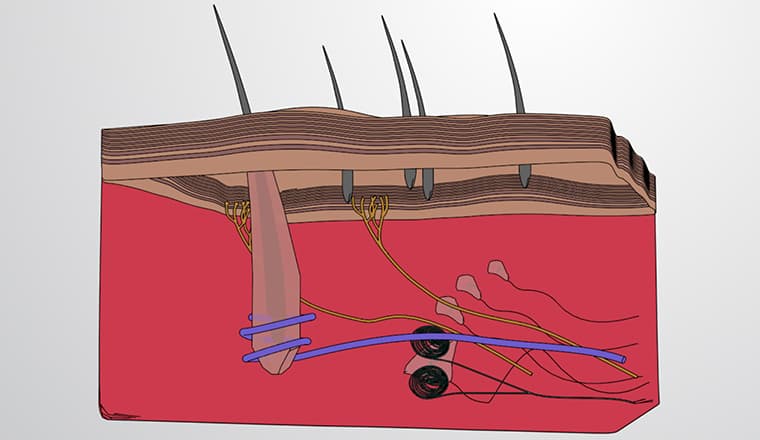
Thermosensation represents one of the most crucial sensory modalities for human survival, enabling us to detect environmental temperature changes and respond appropriately. This sophisticated biological system operates through specialized molecular machinery embedded in our skin's free nerve endings, creating a protective early-warning system against thermal damage.
Molecular Mechanisms: TRP Channels and Temperature Detection
The foundation of thermosensation lies in the transient receptor potential (TRP) family of ion channels. These remarkable proteins function as biological thermostats, each tuned to specific temperature ranges. The TRPV1 receptor, discovered first among heat-sensitive channels, activates at temperatures exceeding 42°C (108°F), the threshold where heat becomes potentially damaging.
What makes TRPV1 particularly fascinating is its dual sensitivity: it responds not only to noxious heat but also to capsaicin, the compound that makes Carolina Reaper peppers burn your tongue. This explains why eating spicy food creates a "hot" sensation despite no actual temperature increase. For students preparing for the MCAT or AP Biology exams, understanding this molecular specificity demonstrates how evolution has created highly specialized detection systems.
Neural Pathways: From Skin to Brain Processing
Temperature information travels through distinct neural highways depending on the type of thermal stimulus. Innocuous temperature (comfortable warmth or coolness) travels via small, unmyelinated C-fibers that conduct signals relatively slowly. However, cold detection gets additional fast-track processing through myelinated A-delta axons, explaining why you feel cold water's initial shock almost instantly.
Noxious temperature information, the painful heat from touching a stovetop or extreme cold from dry ice, uses both C-fibers and A-delta axons but doesn't separate into distinct hot and cold pathways. This convergence explains why extreme cold can feel "burning."
Clinical Applications and Exam Relevance
For pre-med students studying for the MCAT, thermosensation concepts frequently appear in neuroscience and physiology sections. Understanding the decussation (crossing over) of thermal pathways in the spinal cord before reaching the hypothalamus is crucial for neurological diagnosis questions. The separation of processing centers, orbital frontal cortex for comfortable temperatures versus anterior cingulate cortex for painful thermal stimuli, demonstrates how the brain prioritizes threat detection.
Healthcare professionals use thermosensation testing to diagnose conditions like diabetic neuropathy or multiple sclerosis, where patients lose temperature sensitivity in affected areas. This makes thermosensation knowledge essential for NCLEX and USMLE preparation.
Frequently Asked Questions
Thermosensation is the biological process by which your body detects temperature changes through specialized receptors in the skin. These TRP ion channels convert thermal energy into electrical signals that travel via nerve fibers to your brain for processing. The system includes both comfortable temperature detection and painful thermal warning systems to protect against tissue damage.
MCAT questions often focus on TRP channel mechanisms, neural pathway organization, and clinical applications of thermosensation dysfunction. AP Biology exams typically test understanding of sensory transduction, homeostasis connections, and evolutionary advantages of temperature detection. Practice identifying the molecular basis of capsaicin sensitivity and pathway decussation patterns.
Absolutely, thermosensation is a core topic in neurophysiology and sensory system units. Expect questions about TRP channel types, fiber classification (C-fibers vs A-delta), and brain processing centers. Many professors emphasize clinical correlations like testing for diabetic neuropathy or understanding why certain injuries affect temperature sensation.
Emergency room physicians use temperature sensation testing to assess spinal cord injuries, while neurologists evaluate thermosensation to diagnose peripheral neuropathies. Physical therapists incorporate temperature therapy (heat/cold packs) based on thermosensation principles, and anesthesiologists must understand thermal pathway disruption during regional anesthesia procedures.
Not at all, while the molecular details are sophisticated, the core concepts build logically from basic cell biology and nervous system principles. Start with understanding that specialized proteins detect temperature, then learn how nerve fibers carry this information to the brain. The capsaicin example makes the molecular mechanisms much more relatable and memorable.
Create a concept map connecting TRP channels → nerve fiber types → spinal cord processing → brain regions. Use real examples like touching hot surfaces or eating spicy food to cement molecular mechanisms. Practice drawing the pathway from skin receptors to cortical processing, and memorize which fiber types carry different temperature information at what speeds.
Build on this foundation by studying other somatosensory modalities like mechanosensation (touch and pressure) and nociception (pain processing). Explore thermoregulation and homeostasis to understand how temperature detection connects to physiological responses. Advanced students should investigate sensory integration and how the brain combines thermal information with other sensory inputs.
Related Micro-courses
11 Concepts
6 Concepts
8 Concepts