Loading subject page…


440,300 views


Video Summary: What are Retrovirus Life Cycles
Why does HIV remain so difficult to eliminate from infected patients? Retrovirus life cycles involve a unique reverse transcription process that permanently integrates viral DNA into the host cell's genome, making complete removal nearly impossible. Unlike typical viruses, retroviruses like HIV convert their RNA genome into DNA using reverse transcriptase, creating a permanent "provirus" that hijacks cellular machinery. Understanding what are retrovirus life cycles is crucial for comprehending how diseases like HIV and HTLV persist in patients. Watch the full video on JoVE Coach to master this concept with expert-led visuals and step-by-step explanations.
Retrovirus life cycles represent one of the most fascinating and medically significant viral replication strategies in biology. Unlike conventional viruses that follow the central dogma of molecular biology (DNA → RNA → protein), retroviruses literally reverse this process, earning their name from this backward transcription mechanism. This unique approach allows retroviruses like HIV, HTLV-1, and HTLV-2 to establish persistent infections that current medicine cannot completely eliminate.
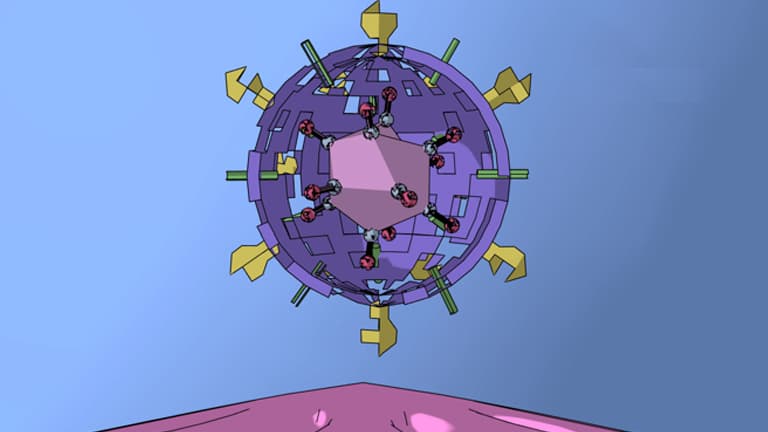
The retroviral infection process begins when the virus recognizes specific receptor proteins on target cells. HIV, for instance, binds to CD4 receptors on T-helper cells, macrophages, and dendritic cells. After membrane fusion and viral entry, the most critical step occurs: reverse transcription. The viral enzyme reverse transcriptase converts the single-stranded RNA genome into complementary DNA (cDNA), then synthesizes the second DNA strand to create double-stranded viral DNA. This process occurs in the cell's cytoplasm and represents a complete reversal of normal cellular transcription, which moves from DNA to RNA in the nucleus.
Once formed, the viral DNA travels to the nucleus where another viral enzyme, integrase, cuts the host cell's chromosomal DNA and inserts the viral genetic material. This integrated viral DNA, called a provirus, becomes a permanent fixture in the host cell's genome. Unlike other viral infections that can be cleared by destroying infected cells, the provirus remains dormant in the host DNA, ready to reactivate when cellular conditions favor viral replication. This mechanism explains why HIV-positive patients require lifelong antiretroviral therapy rather than short-term treatment courses.
Understanding retrovirus life cycles biology explained is essential for pre-med students preparing for the MCAT, AP Biology students studying molecular biology, and college undergraduates in microbiology courses. The topic frequently appears in exam questions about viral pathogenesis, gene regulation, and therapeutic interventions. Modern HIV treatments like reverse transcriptase inhibitors (AZT, efavirenz) and integrase inhibitors (raltegravir) directly target specific steps in the retroviral life cycle, demonstrating the practical importance of understanding these molecular mechanisms.
Related Micro-courses