Loading subject page…


641,506 views

Video Summary: Acid Base Strengths and Dissociation Constants Explained
Ever wonder why stomach acid (hydrochloric acid) can dissolve metals while vinegar (acetic acid) can't? The secret lies in acid base strengths and dissociation constants, fundamental concepts that determine how completely acids and bases break apart in water. From understanding why antacids neutralize stomach pain to predicting chemical reactions in your AP Chemistry lab, mastering Acid Base Strengths And Dissociation Constants Explained reveals the quantitative backbone of acid-base chemistry. Watch the full video on JoVE Coach to master this concept with expert-led visuals and step-by-step explanations.
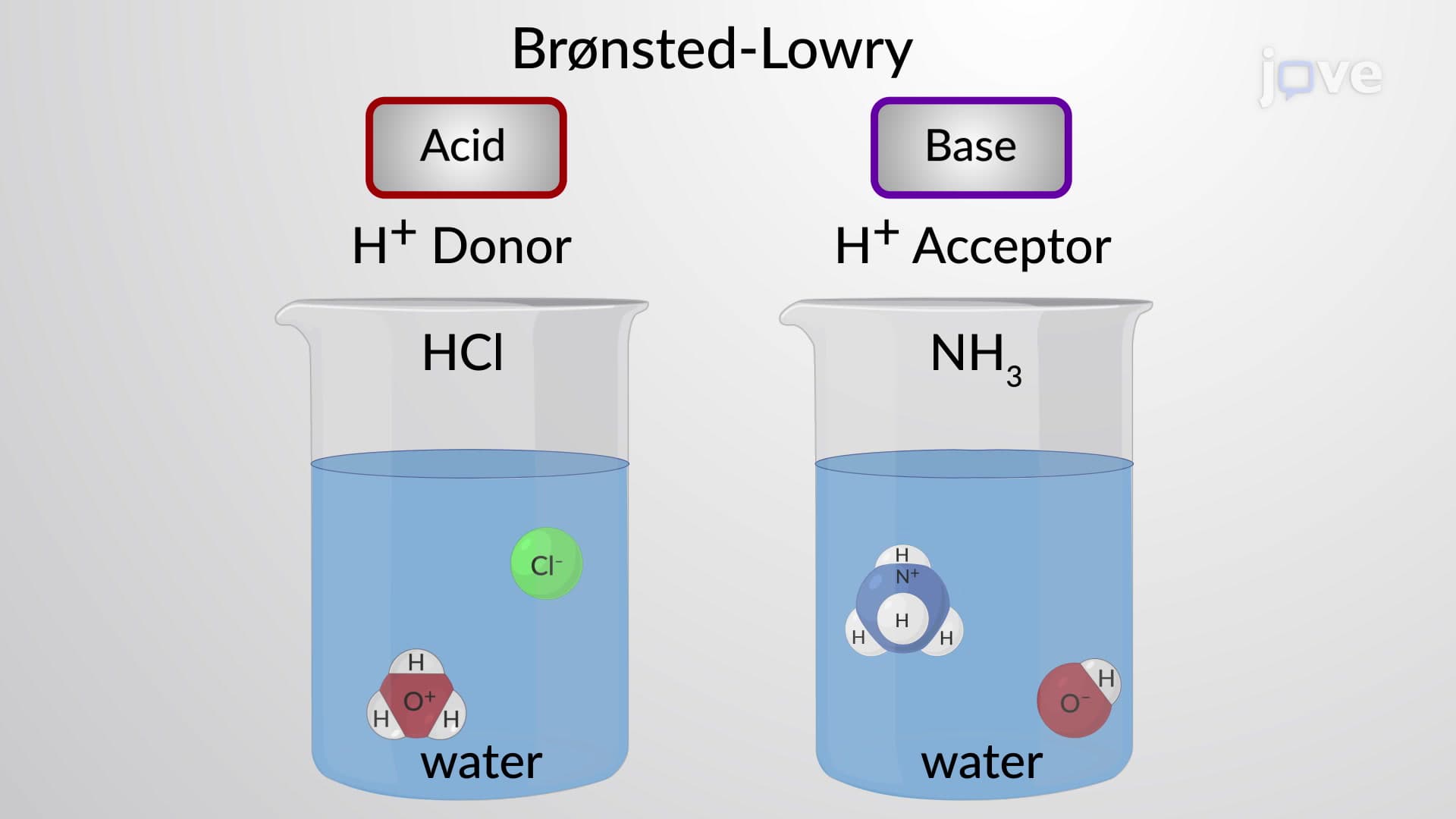
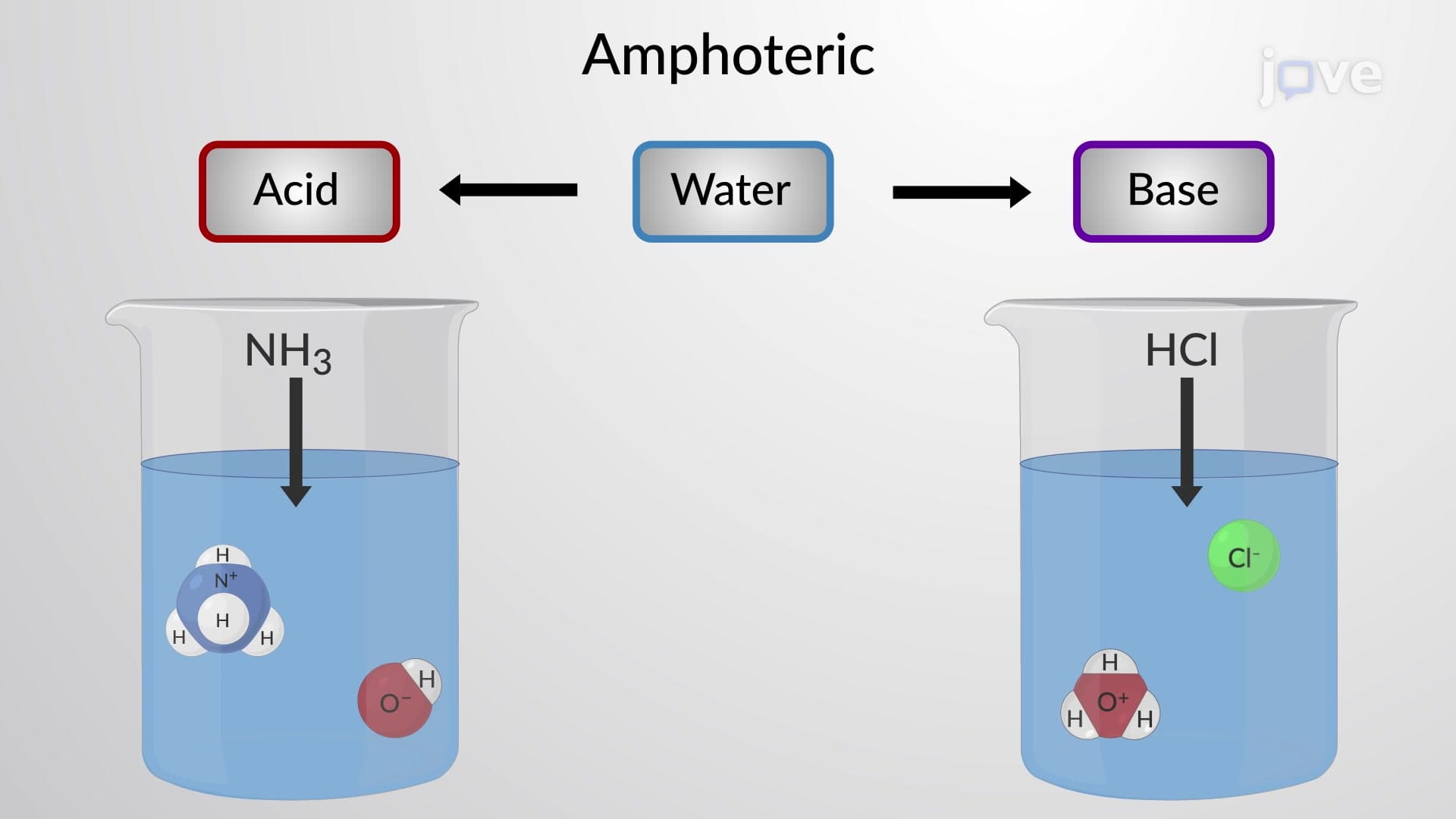
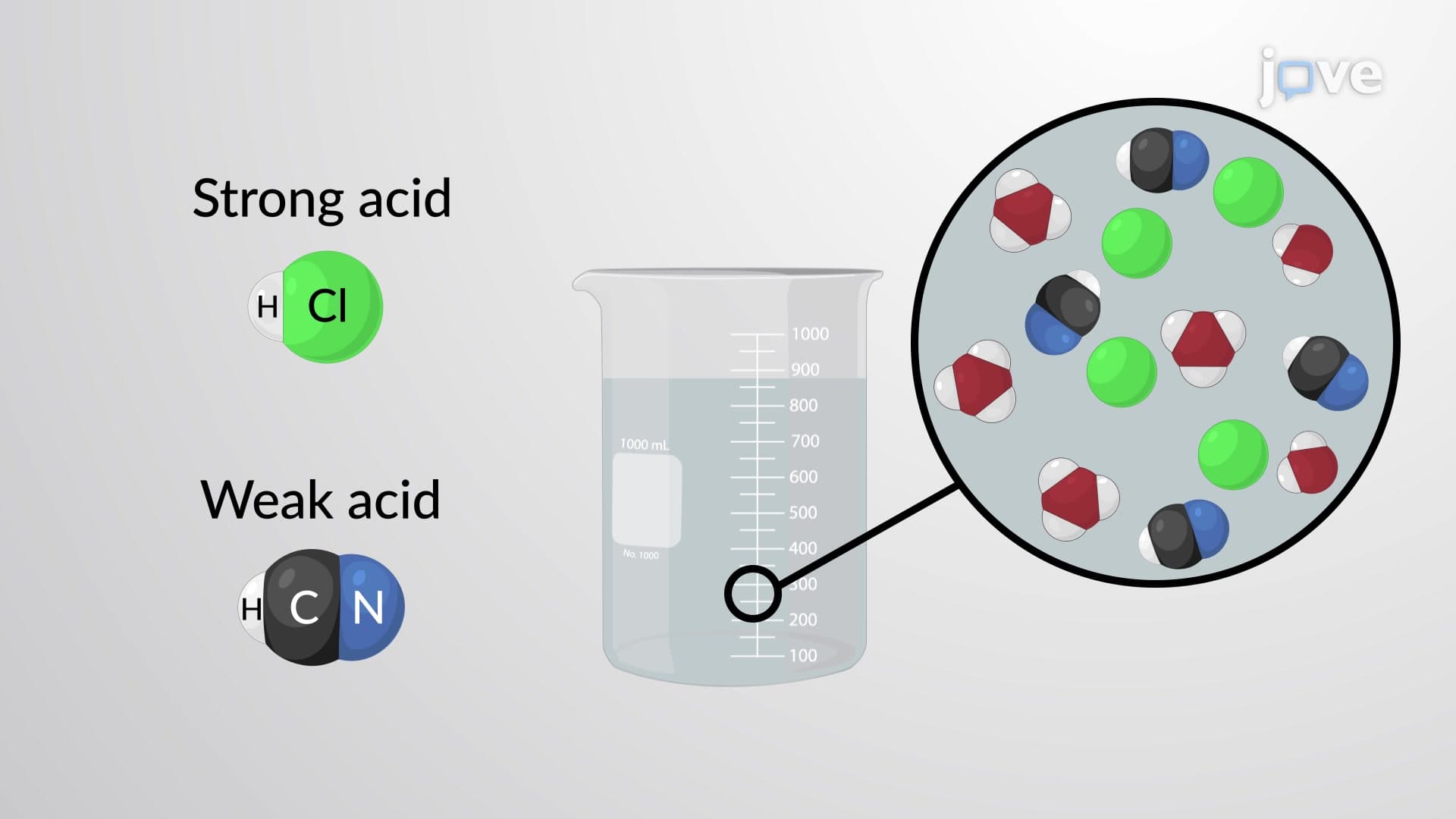
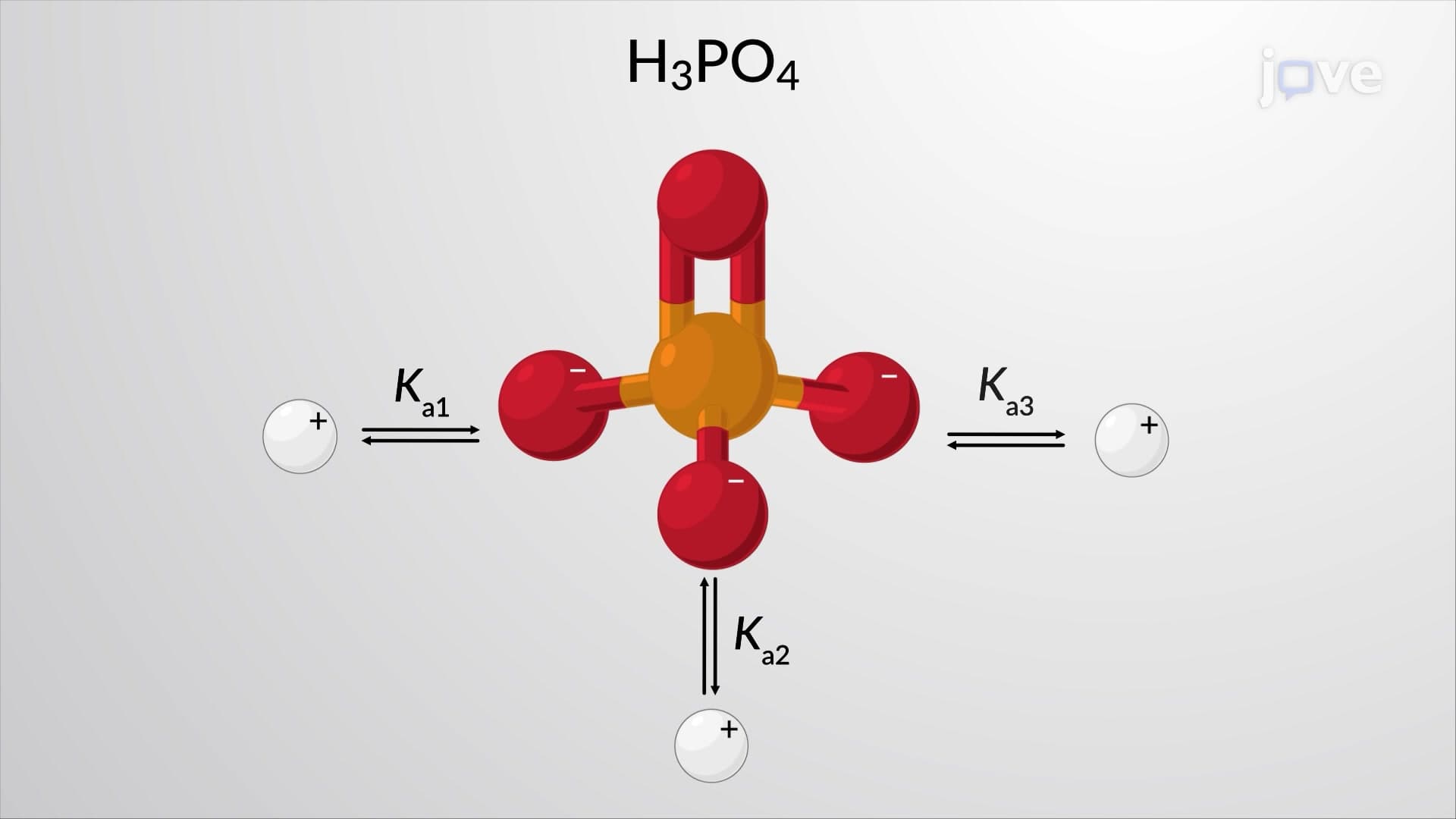
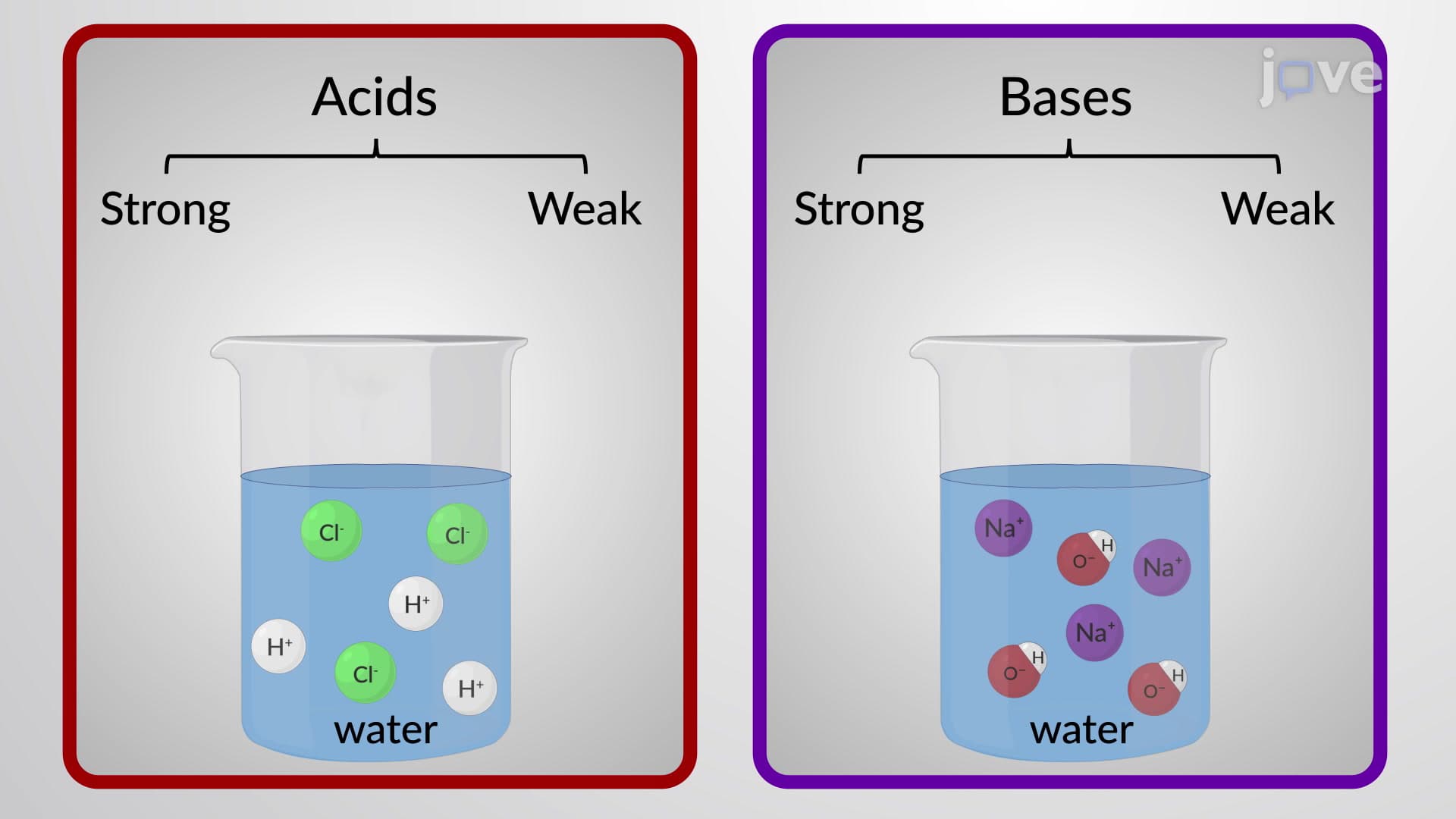
The strength of acids and bases isn't just about concentration, it's about their inherent ability to donate or accept protons. While only seven strong acids (including HCl, HNO3, and H2SO4) and a handful of strong bases (like NaOH and KOH) exist, the vast majority of acid-base chemistry involves weak acids and bases that only partially dissociate in aqueous solutions.
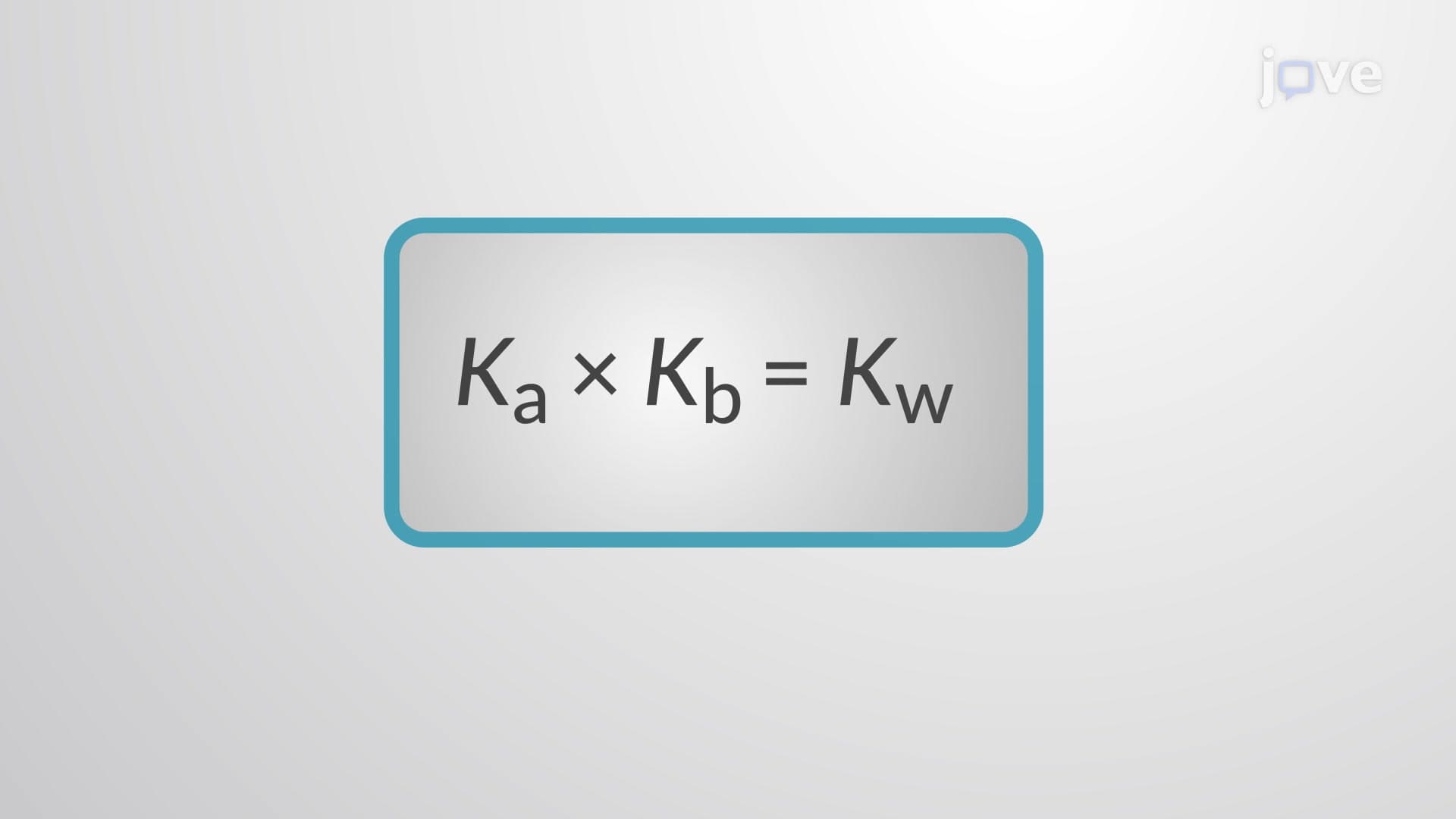
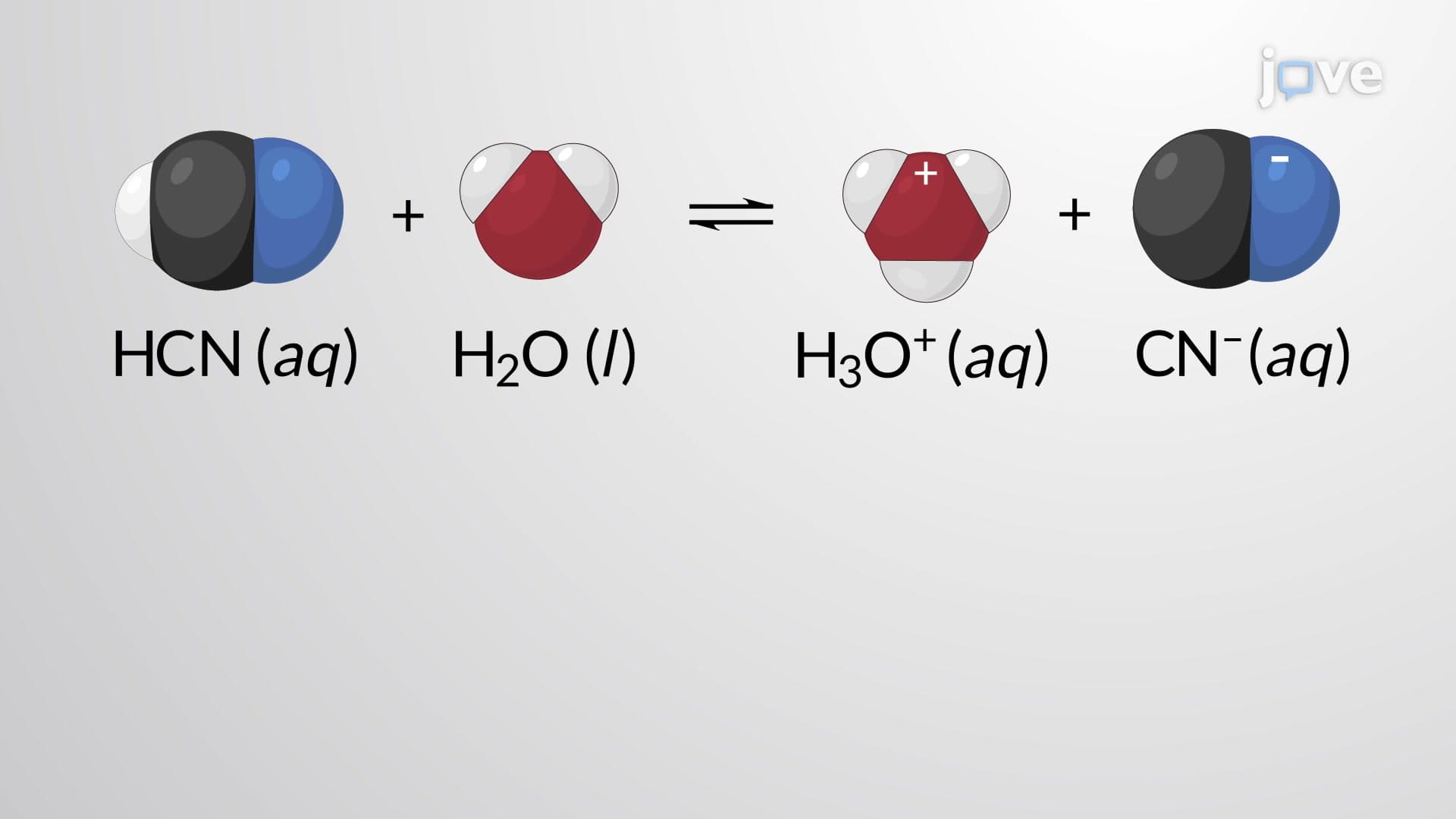
The acid dissociation constant (Ka) provides a quantitative measure of acid strength. For a generic weak acid HA dissociating in water: HA + H2O ⇌ H3O+ + A-, the Ka expression becomes Ka = [H3O+][A-]/[HA]. Since water's concentration remains essentially constant, it's omitted from the equilibrium expression.
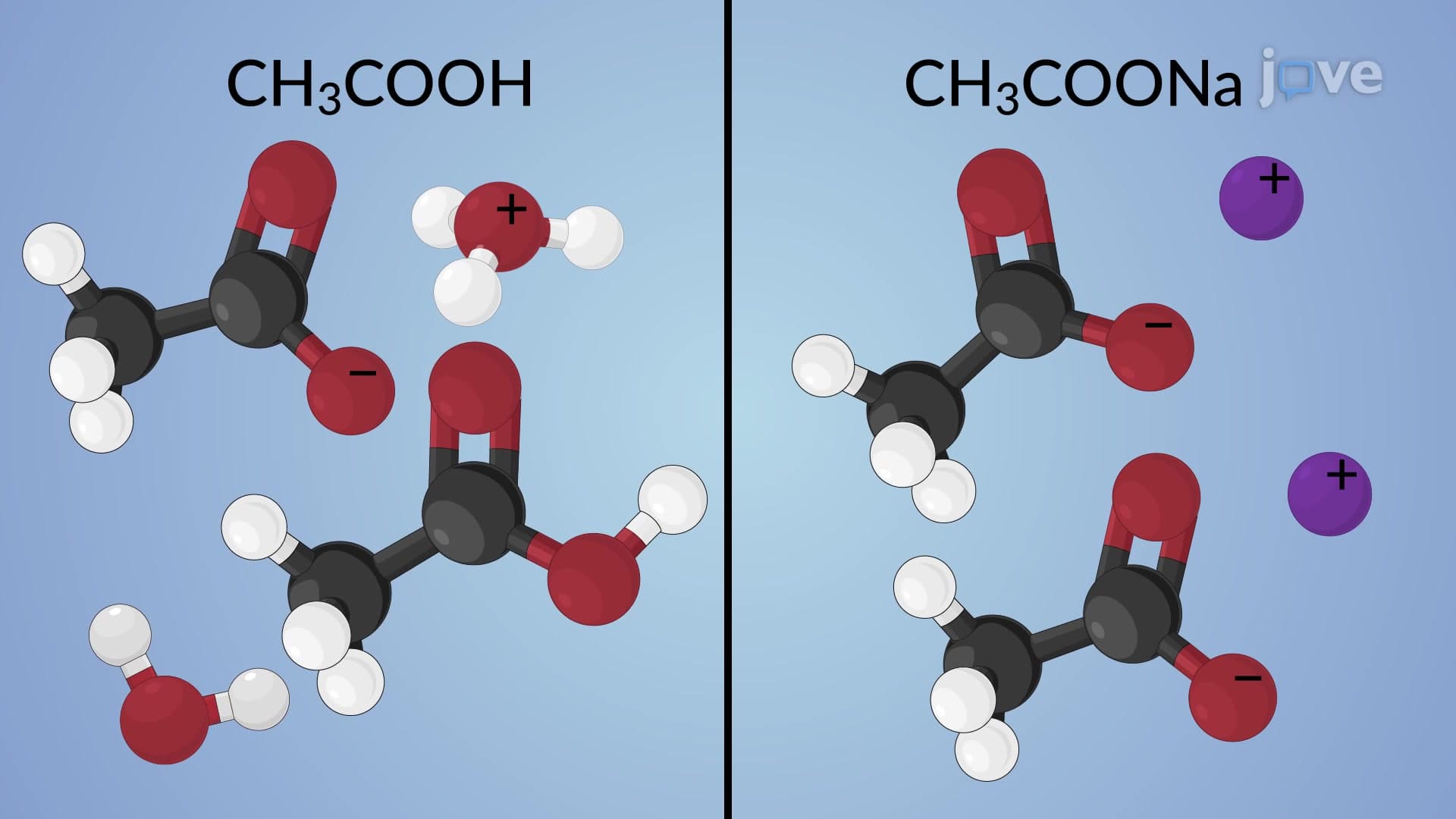
Consider the difference between acetic acid (Ka = 1.8 × 10^-5) found in vinegar and formic acid (Ka = 1.8 × 10^-4) used in textile processing. Formic acid's larger Ka value indicates it's ten times stronger than acetic acid, explaining why it's more corrosive and requires careful handling in industrial applications.
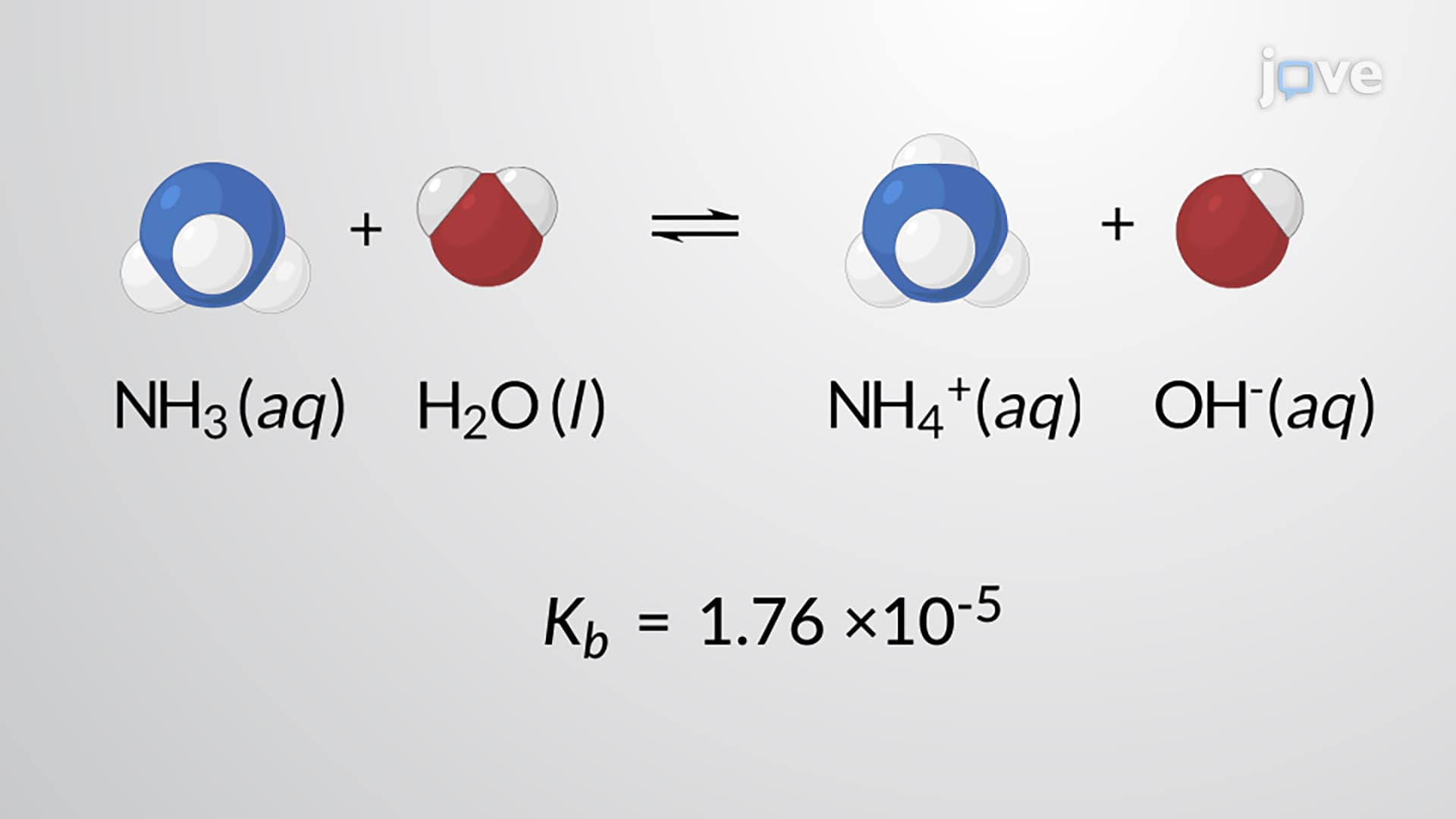
Similarly, the base dissociation constant (Kb) quantifies base strength. For a weak base B accepting a proton: B + H2O ⇌ BH+ + OH-, the expression becomes Kb = [BH+][OH-]/[B]. Ammonia (Kb = 1.8 × 10^-5), commonly used in household cleaners, demonstrates moderate base strength, while methylamine (Kb = 4.4 × 10^-4) shows significantly stronger basic properties.
Percent ionization offers another perspective on acid-base strength, calculated as (ionized concentration/initial concentration) × 100%. This measurement proves especially valuable in AP Chemistry calculations and MCAT preparation, where students must predict solution behavior. For instance, a 0.1 M acetic acid solution shows only 1.3% ionization, while 0.1 M hydrochloric acid ionizes 100%, highlighting the dramatic difference between weak and strong acids.
Understanding these concepts proves crucial for success in college-level chemistry courses, where buffer calculations, titration curves, and pH predictions all rely on dissociation constant relationships. Students preparing for the MCAT will encounter these principles in both general chemistry and biochemistry contexts, particularly when analyzing enzyme function and metabolic pathways.
Related Micro-courses