Loading subject page…

- Chemistry
- Acids and Bases
- Bronsted-Lowry Acids and Bases
Micro-course: Acids and Bases
641,500 views
Learn key concepts and earn your certificate.



Bronsted-Lowry Acids and Bases

00:00
02:58
Video Summary: Bronsted Lowry Acids and Bases Explained
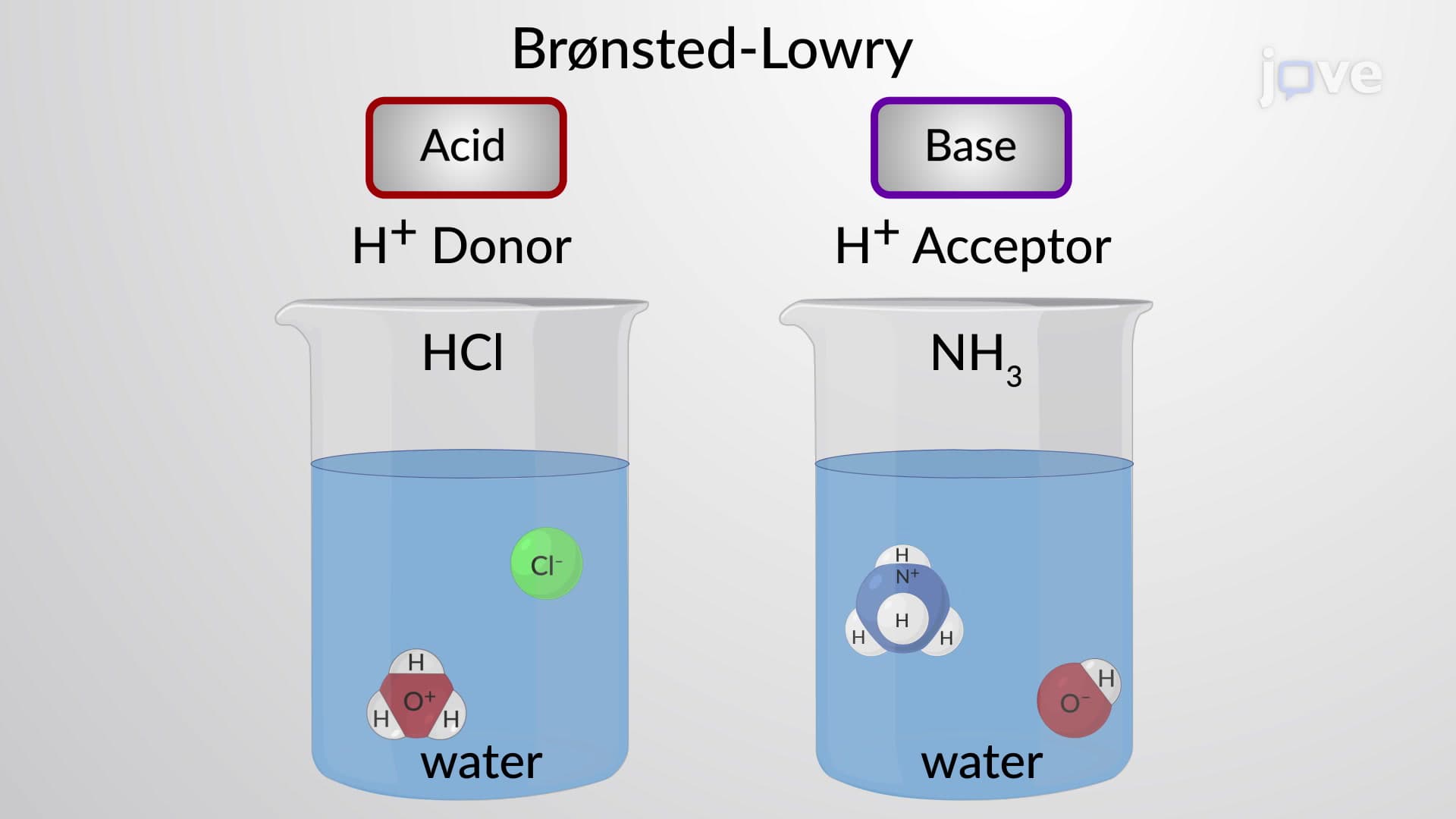
Ever wonder why household vinegar can clean mineral deposits while baking soda neutralizes odors? Bronsted Lowry acids and bases explain these everyday chemical interactions through proton transfer, going beyond simple water-based definitions. Unlike Arrhenius theory, this framework describes how acetic acid in vinegar donates protons while ammonia in cleaning products accepts them, even in non-aqueous solutions. Watch the full video on JoVE Coach to master this concept with expert-led visuals and step-by-step explanations.
- Understand the fundamental principles of Bronsted Lowry acids and bases and how they differ from Arrhenius definitions
- Identify proton donors (acids) and proton acceptors (bases) in chemical reactions
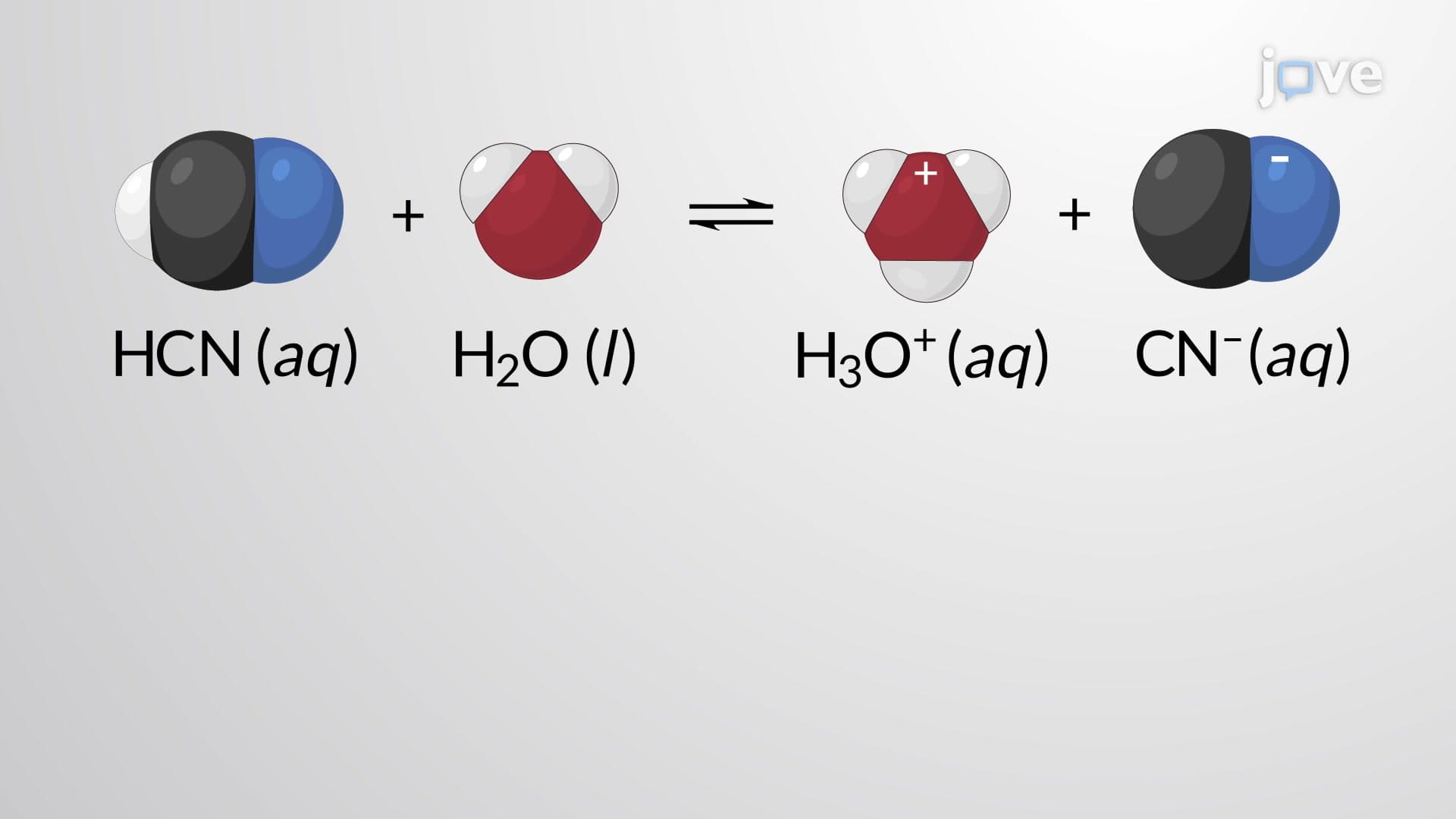
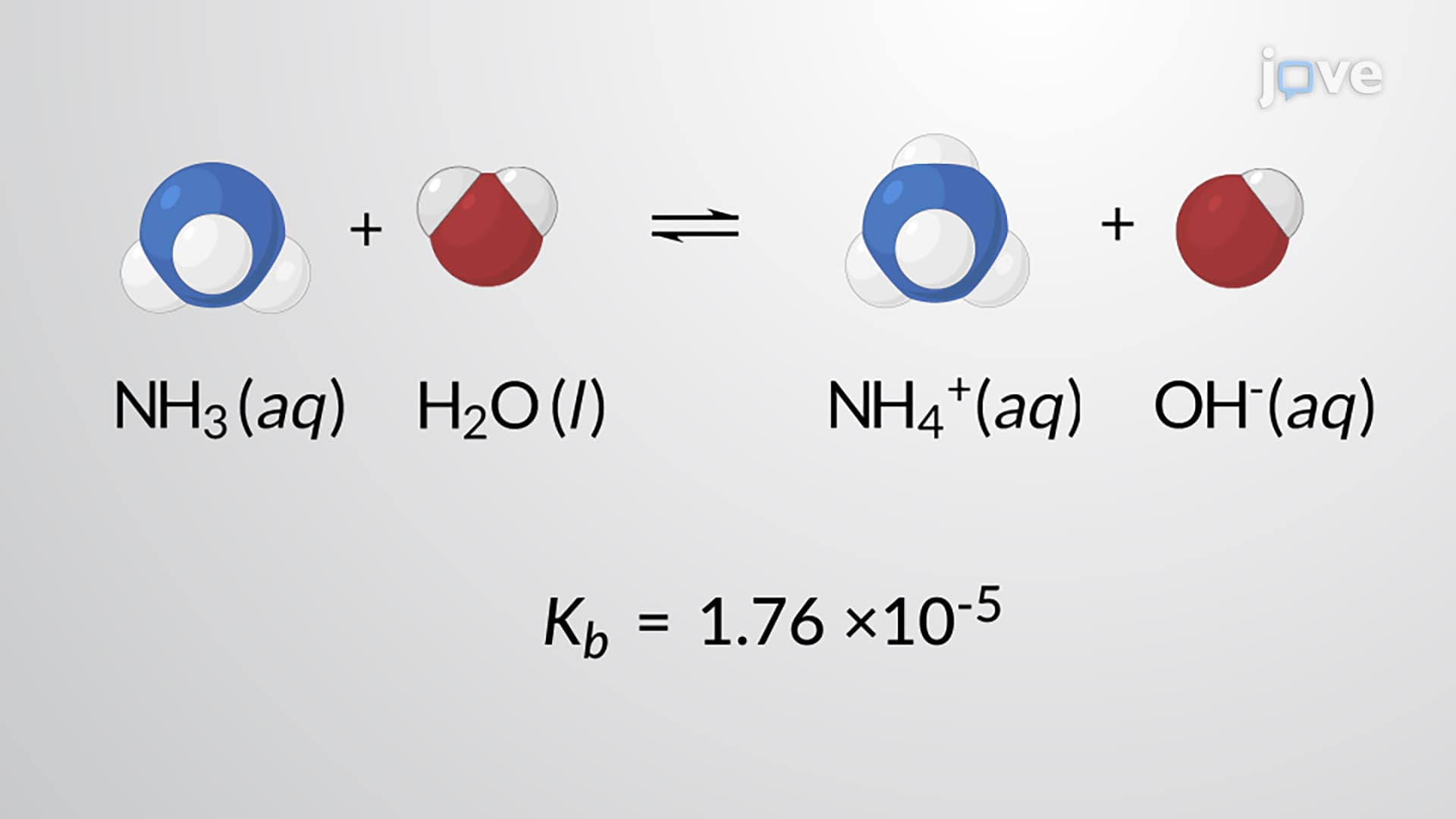
- Analyze conjugate acid-base pairs and predict their relative strengths
- Compare the limitations of Arrhenius theory with the broader applicability of Bronsted-Lowry theory
- Evaluate acid and base strength relationships using proton transfer tendencies
- Apply conjugate acid-base concepts to predict reaction directions and equilibrium positions
- Recognize real-world examples of Bronsted-Lowry acid-base reactions in biological and industrial systems
- Explore the inverse relationship between acid strength and conjugate base strength
Understanding Bronsted Lowry Acids And Bases Theory
The Bronsted Lowry acids and bases concept revolutionized our understanding of acid-base chemistry by focusing on proton (H⁺) transfer rather than just aqueous solutions. Developed by Johannes Brønsted and Thomas Lowry in 1923, this theory defines acids as proton donors and bases as proton acceptors, expanding beyond the water-dependent Arrhenius model.
Proton Transfer Mechanisms and Conjugate Pairs
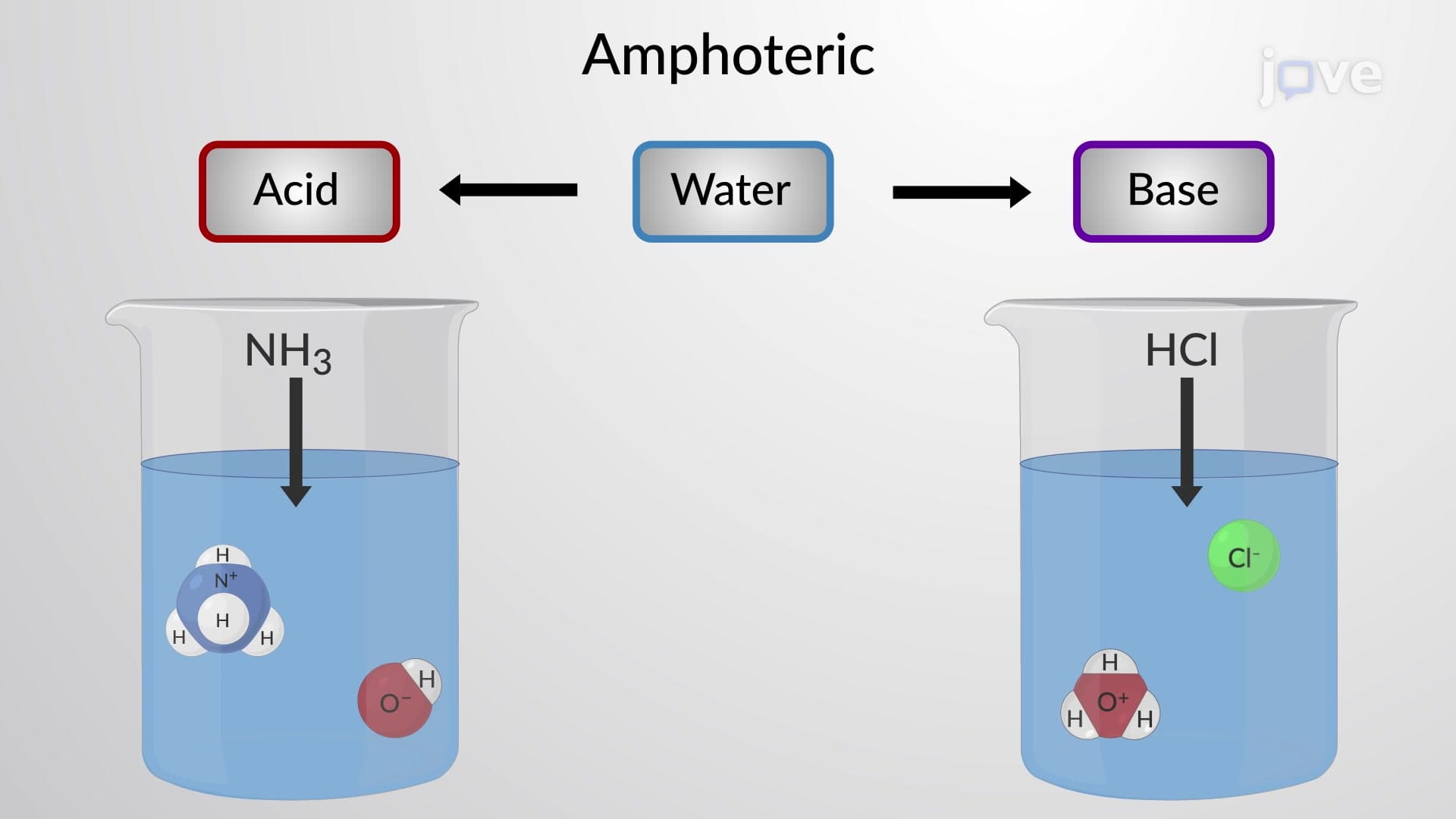
In Bronsted-Lowry theory, every acid-base reaction involves two conjugate pairs. When hydrochloric acid (HCl) dissolves in water, HCl donates a proton to H₂O, forming H₃O⁺ (hydronium ion) and Cl⁻. Here, HCl and Cl⁻ form one conjugate pair, while H₂O and H₃O⁺ form another. This concept appears frequently on AP Chemistry exams, where students must identify these pairs and predict reaction outcomes.
Pharmaceutical companies rely heavily on this principle when formulating medications. For instance, aspirin (acetylsalicylic acid) acts as a Bronsted-Lowry acid in biological systems, donating protons to various acceptor molecules, affecting drug absorption and efficacy.
Acid-Base Strength Relationships
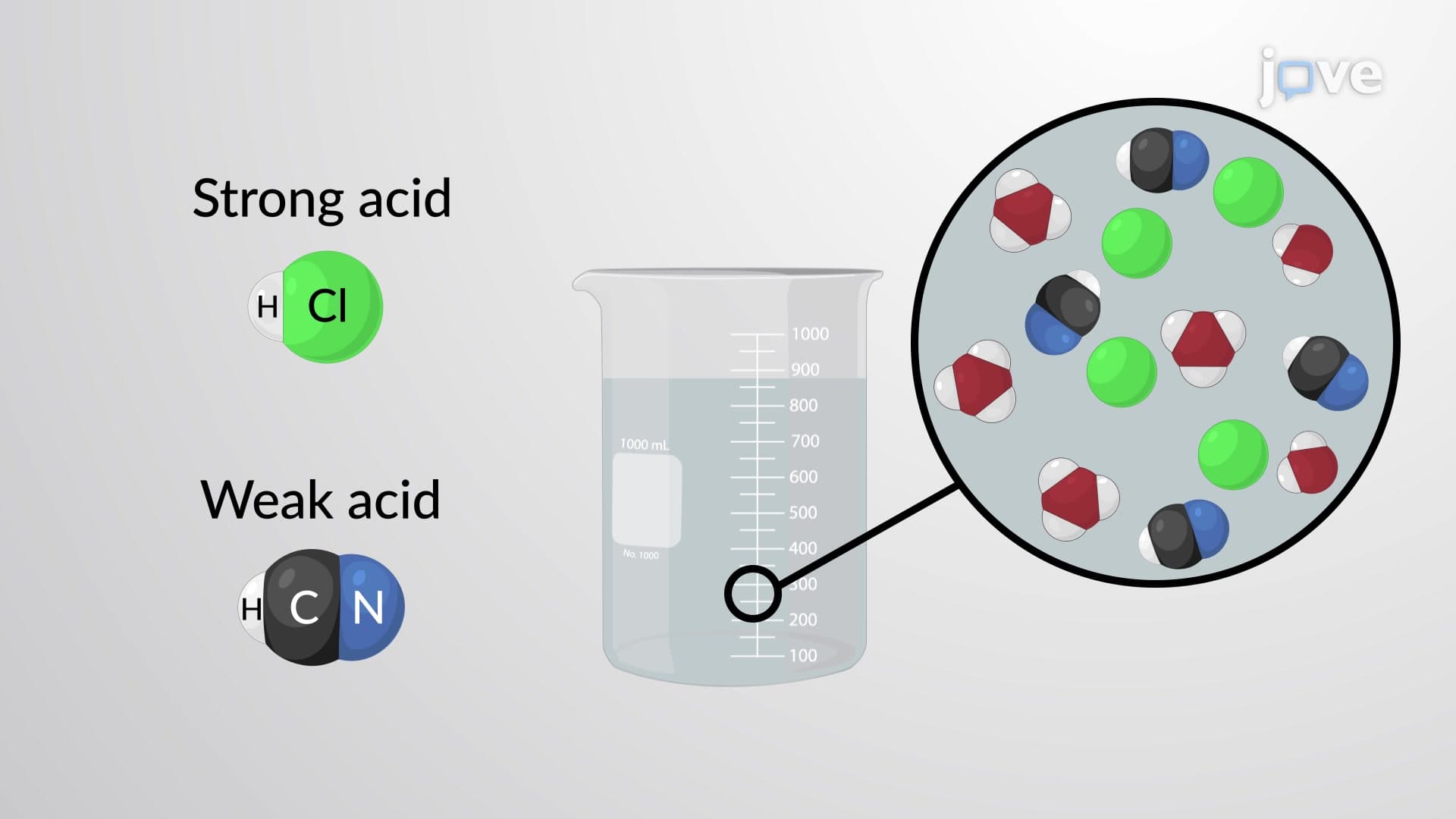
The strength of Bronsted-Lowry acids and bases follows an inverse relationship with their conjugates. Strong acids like sulfuric acid (H₂SO₄) completely ionize, producing extremely weak conjugate bases. Conversely, weak acids like acetic acid (CH₃COOH) partially dissociate, creating moderately weak conjugate bases that can still accept protons.
This relationship is crucial for understanding buffer systems in human blood, where carbonic acid (H₂CO₃) and bicarbonate ion (HCO₃⁻) maintain physiological pH. Medical schools emphasize this concept in biochemistry courses, as acid-base imbalances can indicate serious health conditions.
Real-World Applications and Exam Relevance
College-level chemistry courses extensively cover Bronsted-Lowry theory because it explains diverse phenomena from protein folding to environmental chemistry. The EPA uses these principles when analyzing acid rain formation, where sulfur dioxide acts as a precursor to sulfuric acid in atmospheric reactions.
Students preparing for the MCAT encounter numerous passages involving amino acid behavior, where different functional groups can act as either proton donors or acceptors depending on pH conditions. Understanding conjugate relationships helps predict protein structure and enzyme activity.
Frequently Asked Questions
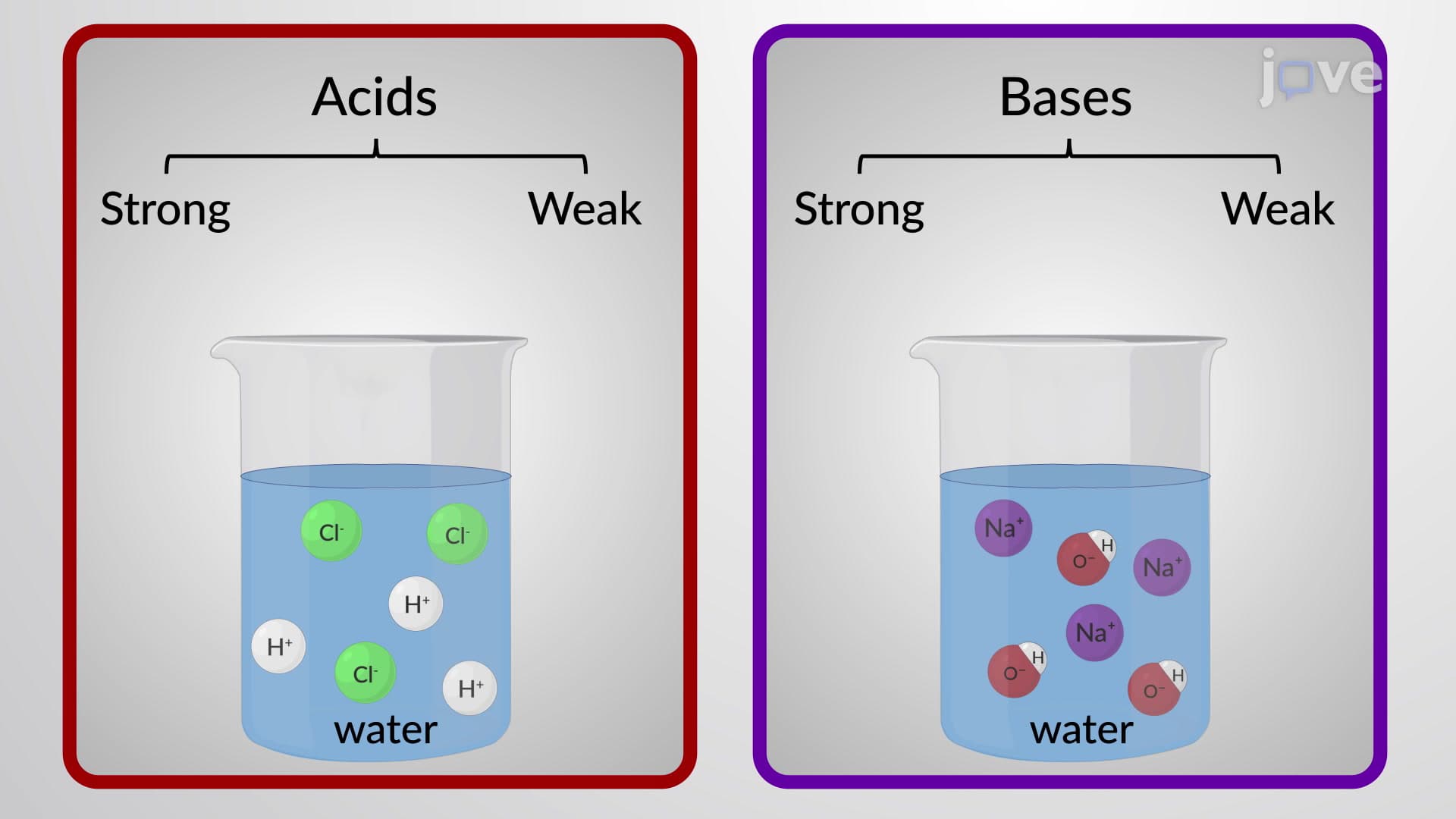
Bronsted-Lowry theory defines acids as proton donors and bases as proton acceptors, regardless of solvent. This broader definition explains acid-base behavior in non-aqueous systems and includes bases without hydroxide ions, unlike the water-limited Arrhenius model.
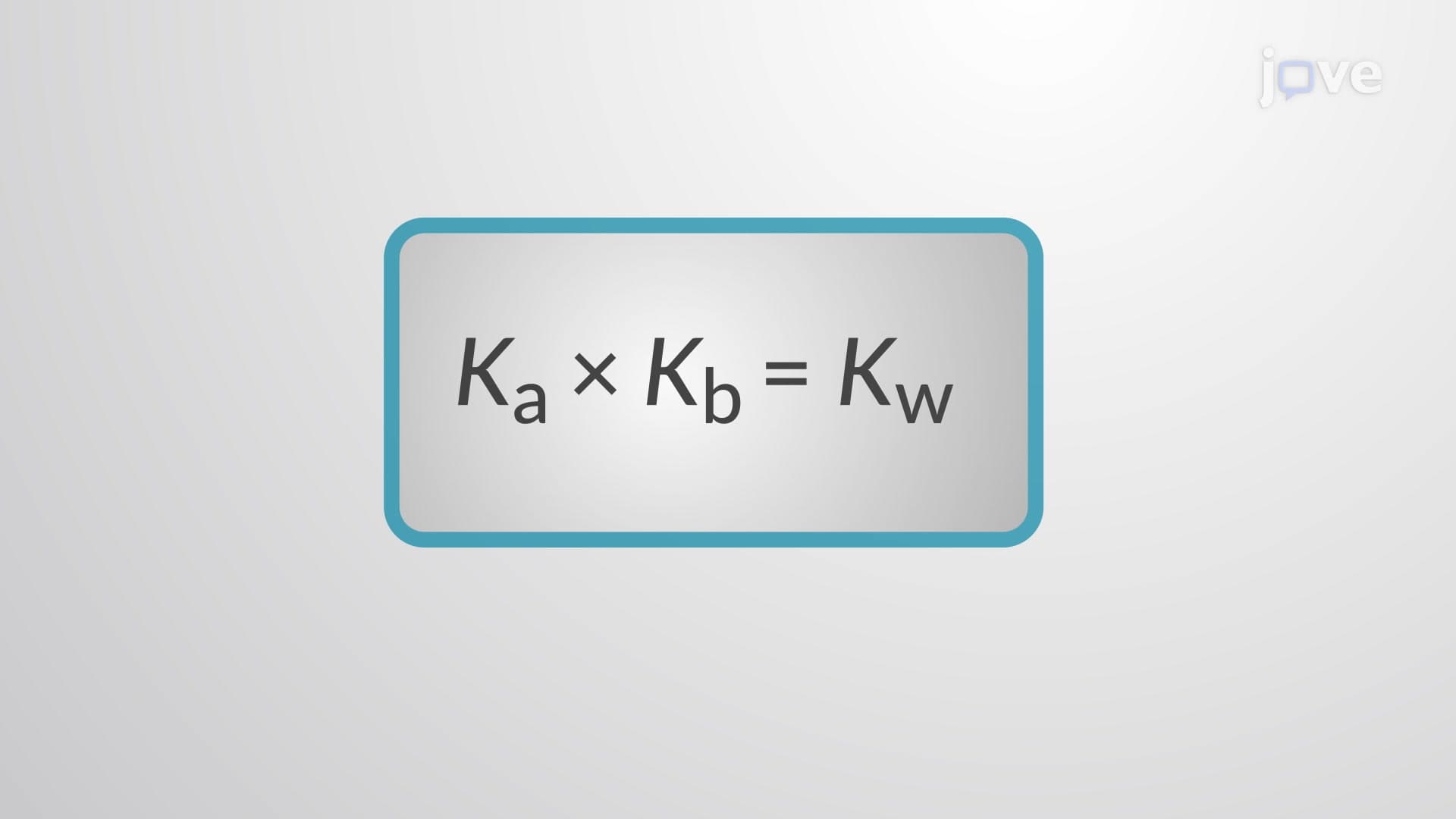
AP Chemistry frequently tests conjugate pair identification, strength predictions, and equilibrium calculations. Students must recognize proton transfer reactions, predict reaction directions based on relative acid/base strengths, and solve problems involving Ka and Kb relationships.
Absolutely. The MCAT extensively covers acid-base chemistry in biological contexts, including amino acid behavior, enzyme mechanisms, and physiological buffer systems. This knowledge is essential for passages involving biochemistry and general chemistry sections.
Antacid medications showcase these principles perfectly. Calcium carbonate in Tums acts as a Bronsted-Lowry base, accepting protons from stomach acid (HCl), neutralizing excess acidity and providing relief from heartburn through proton transfer reactions.
Not with proper foundation. If you understand basic chemical bonding and can identify hydrogen atoms in molecular formulas, you can master this concept. The proton donor/acceptor framework is actually more intuitive than memorizing specific ion formations.
Practice drawing reaction mechanisms showing proton transfer arrows. Create flashcards pairing common acids with their conjugate bases. Focus on recognizing patterns: remove H⁺ from acid to find its conjugate base, add H⁺ to base to find its conjugate acid.
Buffer systems rely entirely on conjugate acid-base pairs maintaining equilibrium. The phosphate buffer system (H₂PO₄⁻/HPO₄²⁻) in cells exemplifies this, where each species can either donate or accept protons depending on cellular conditions, maintaining optimal pH for enzymatic reactions.
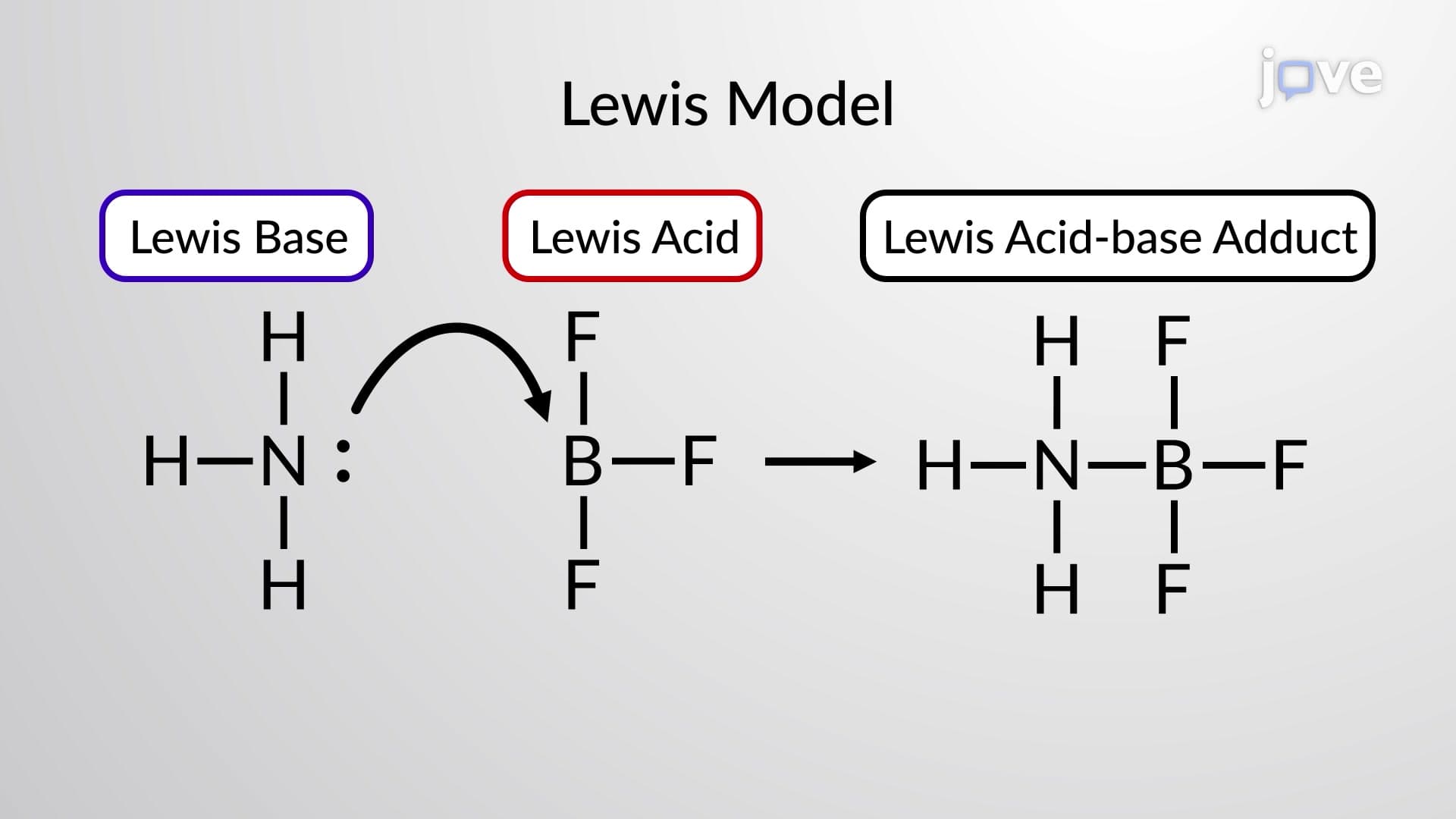
Progress to Lewis acid-base theory for electron pair interactions, then explore advanced topics like acid-base titrations, buffer calculations, and polyprotic acid systems. These concepts build directly on Bronsted-Lowry foundations and appear in upper-level chemistry courses.
Related Micro-courses