Loading subject page…

- Chemistry
- Acids and Bases
- Determining the pH of Salt Solutions
Micro-course: Acids and Bases
641,500 views
Learn key concepts and earn your certificate.
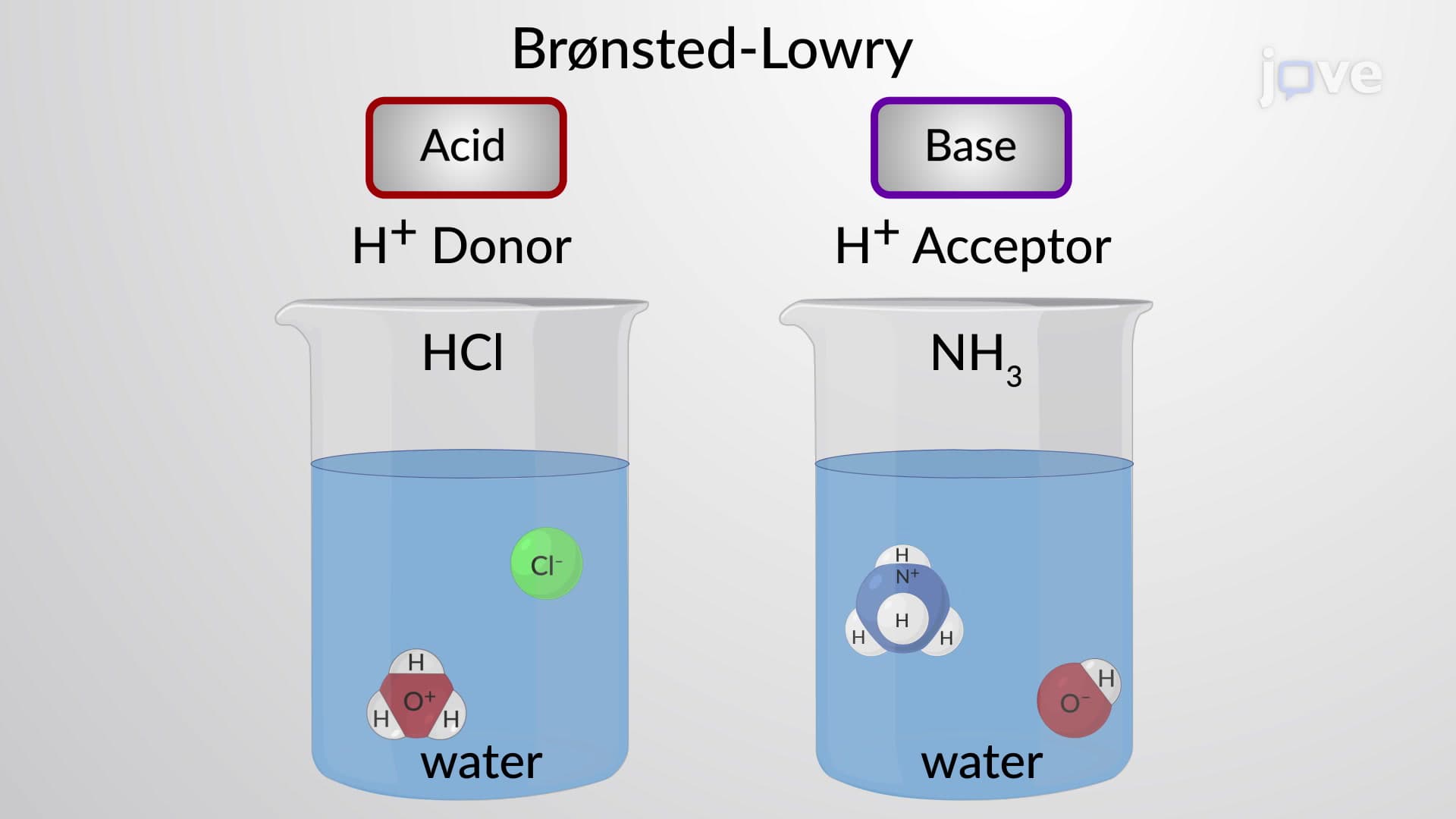

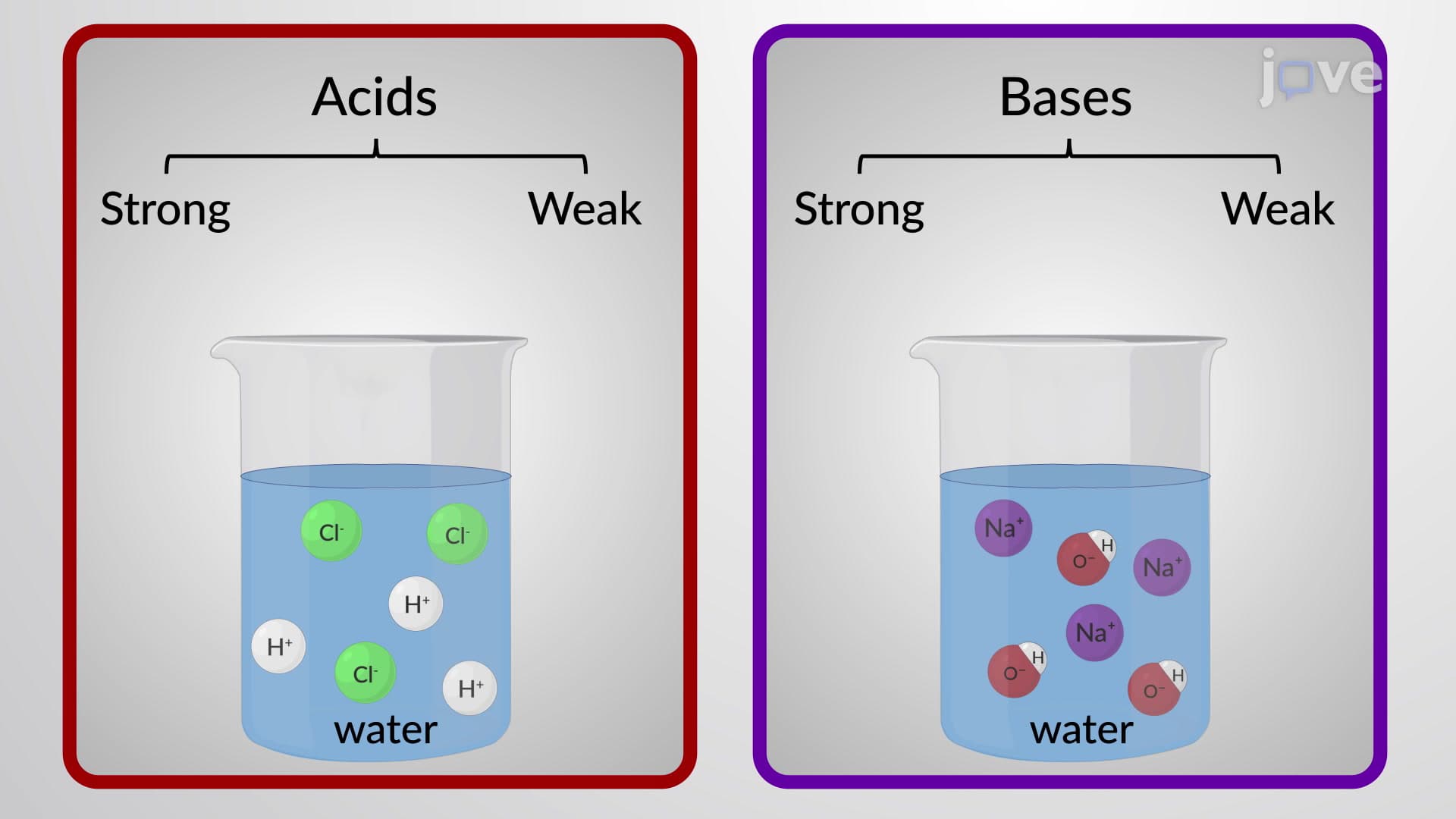
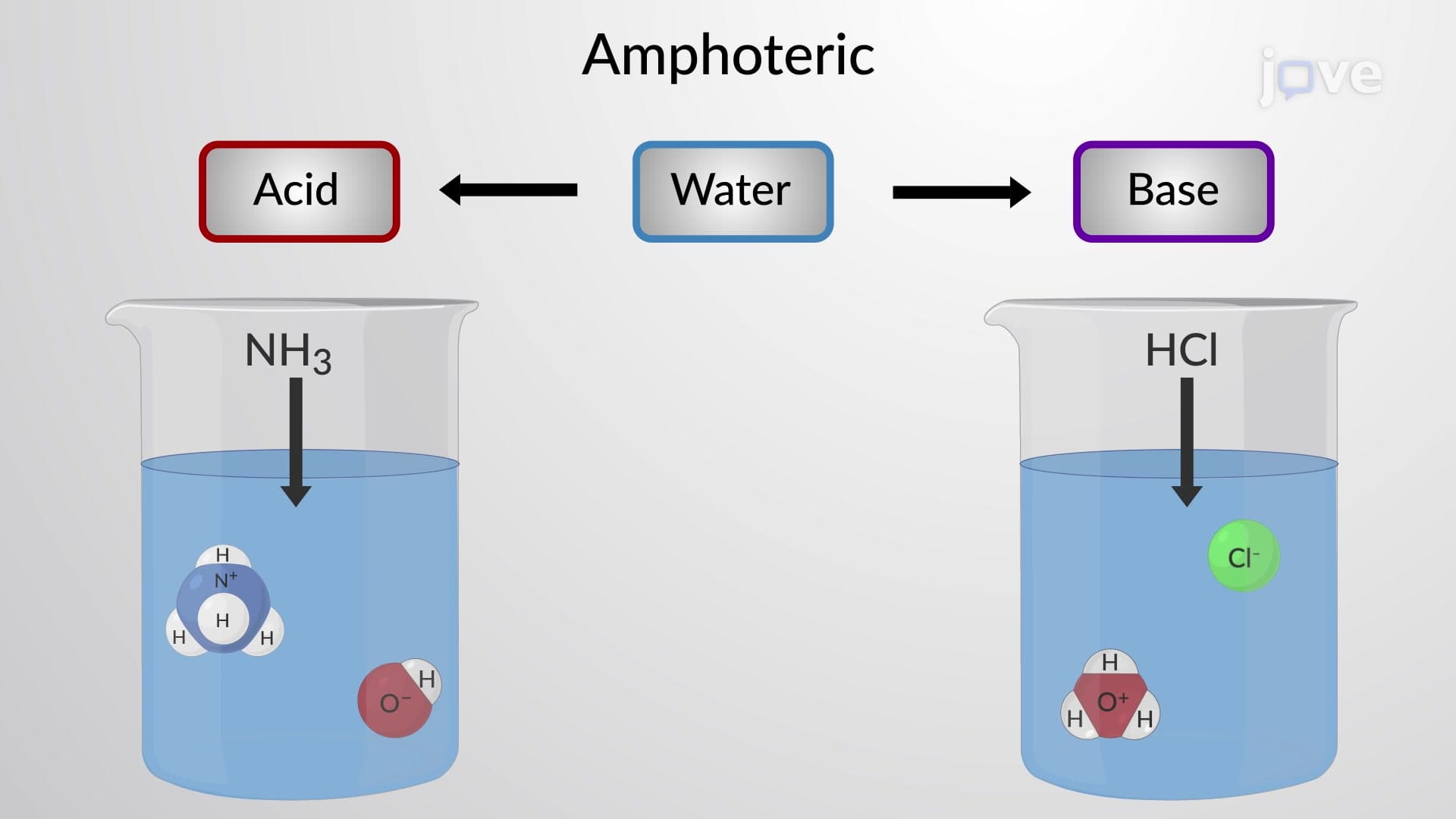
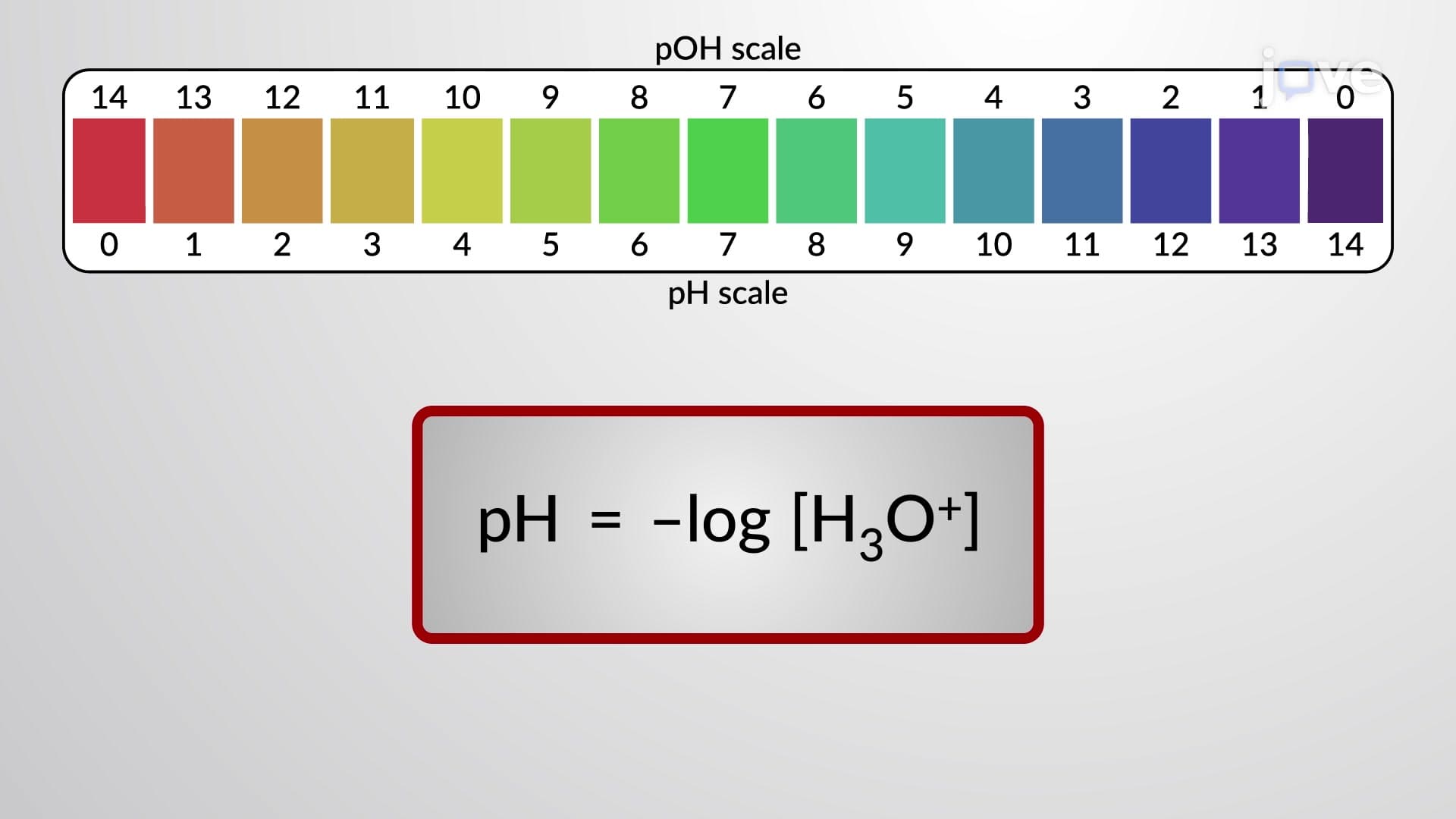
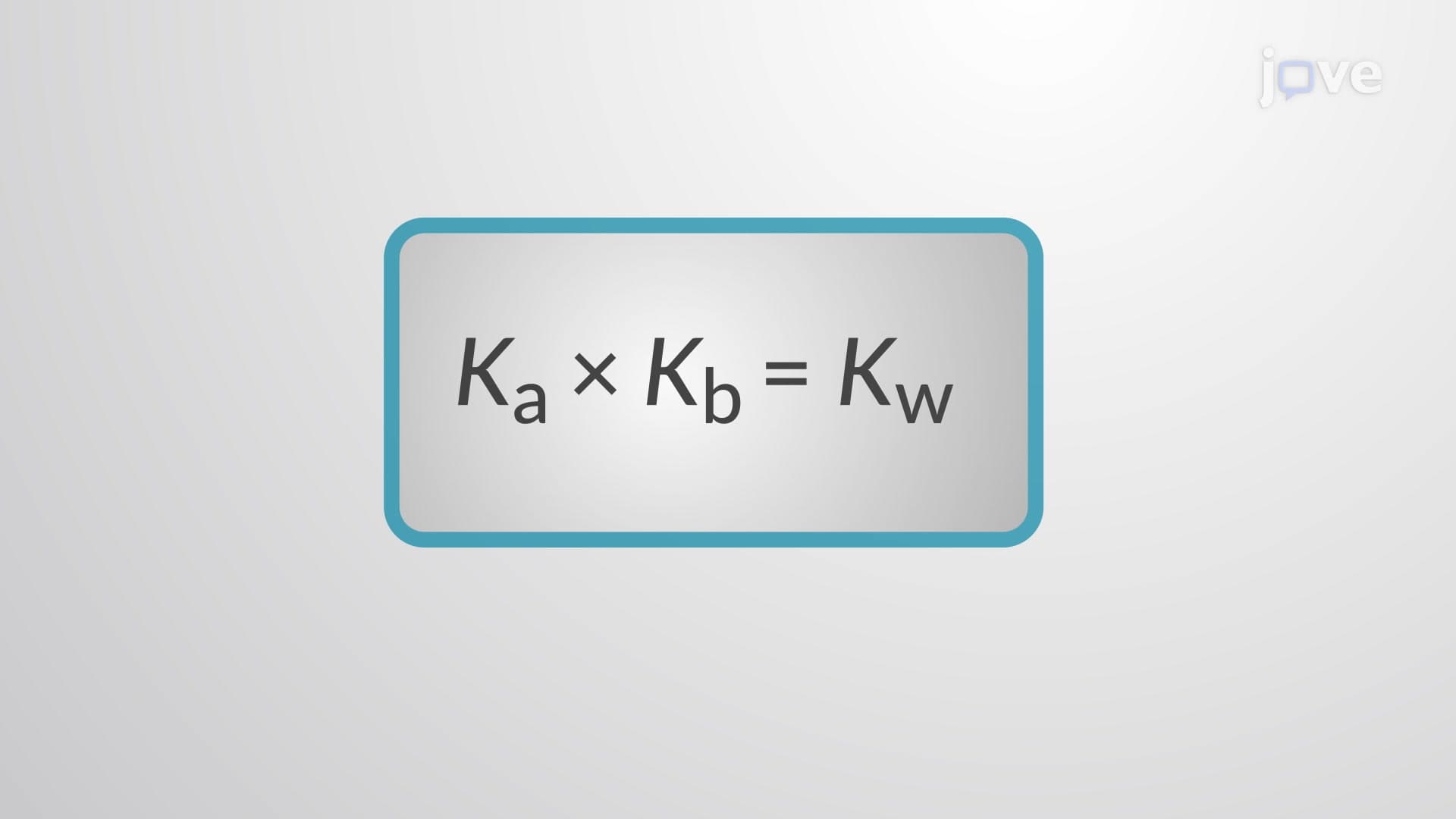

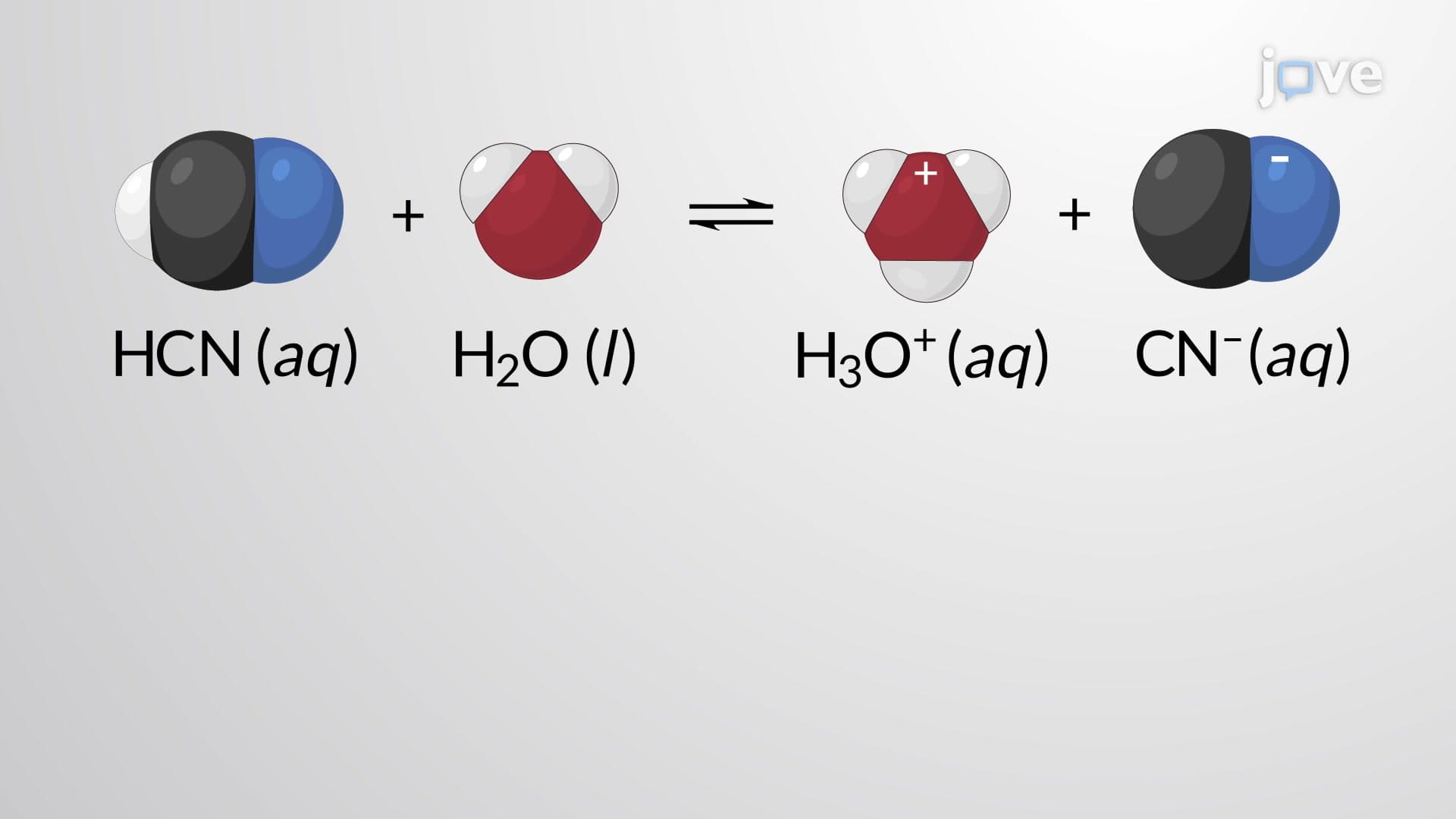
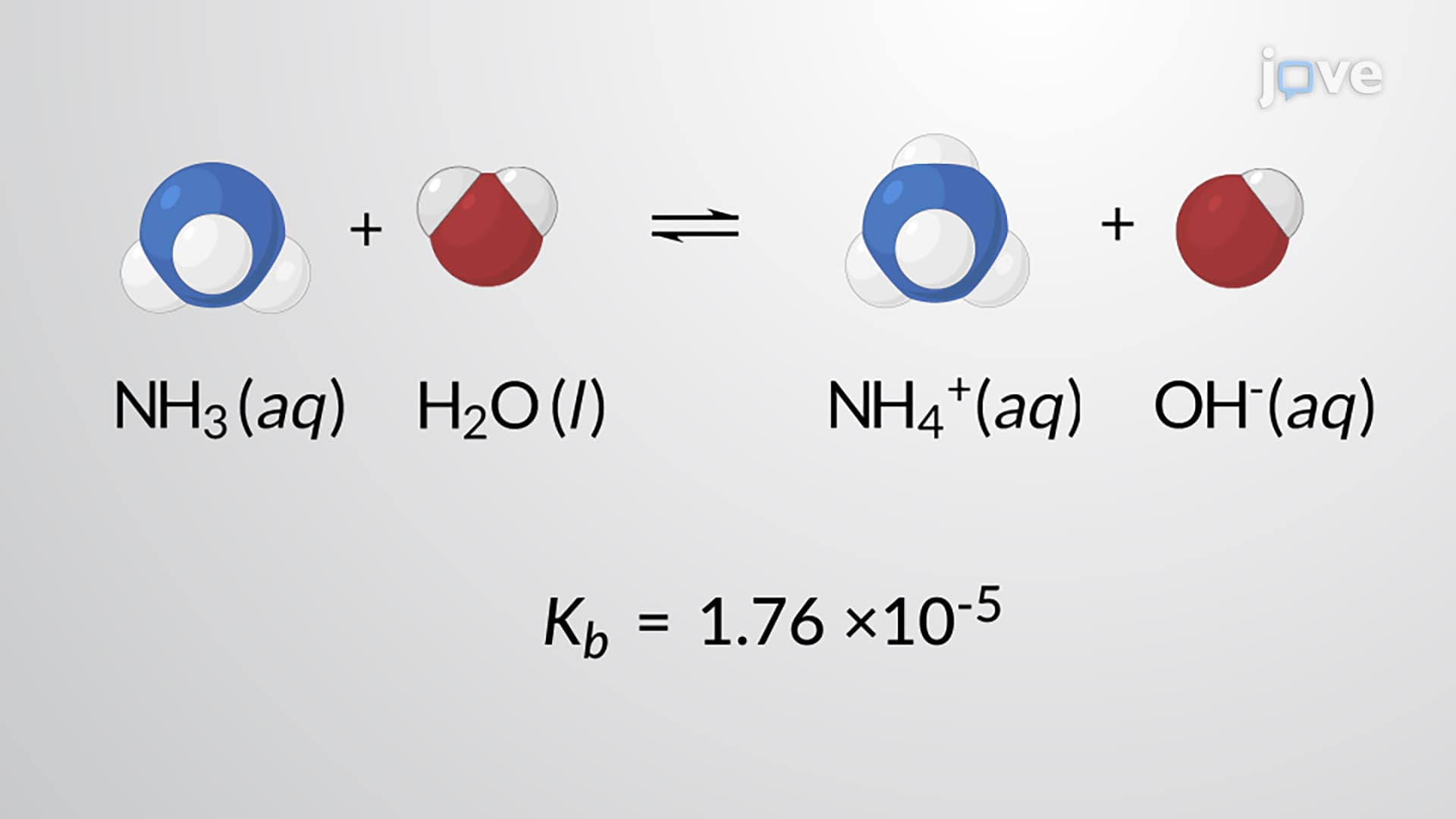

Determining the pH of Salt Solutions

00:00
04:08
Video Summary: Determining the Ph of Salt Solutions Explained
Ever wonder why table salt doesn't change water's pH, but baking soda makes it basic? Determining the pH of salt solutions depends on analyzing the individual ions and their acid-base properties. For instance, sodium acetate used in food preservation creates basic solutions because acetate ions accept protons from water molecules. Understanding this concept helps predict whether dissolved salts will create acidic, neutral, or basic environments. Watch the full video on JoVE Coach to master this concept with expert-led visuals and step-by-step explanations.
- Understand the fundamental principles of determining the pH of salt solutions by examining cation and anion properties
- Identify which salts form neutral solutions (strong acid + strong base counterions) versus acidic or basic solutions
- Analyze how weak acid and weak base counterions compete to determine overall solution pH
- Compare Ka and Kb values to predict whether solutions containing both acidic and basic ions will be acidic, neutral, or basic
- Apply ICE table methodology to calculate exact pH values for salt solutions containing acidic or basic ions
- Evaluate the role of dissociation constants in determining equilibrium concentrations and final pH
- Recognize common salt examples and their pH behavior in aqueous solutions
- Explore the relationship between Kw, Ka, and Kb in pH calculations for salt hydrolysis reactions
Understanding the pH of Salt Solutions: Beyond Simple Dissolution
Determining the pH of salt solutions requires analyzing how dissolved ions interact with water molecules. Unlike pure water's neutral pH of 7, salt solutions can create acidic, basic, or neutral environments depending on their ionic composition. This concept appears frequently on AP Chemistry exams and college general chemistry courses, making it essential for students pursuing STEM careers.
Neutral Salt Solutions: The Strong-Strong Combination
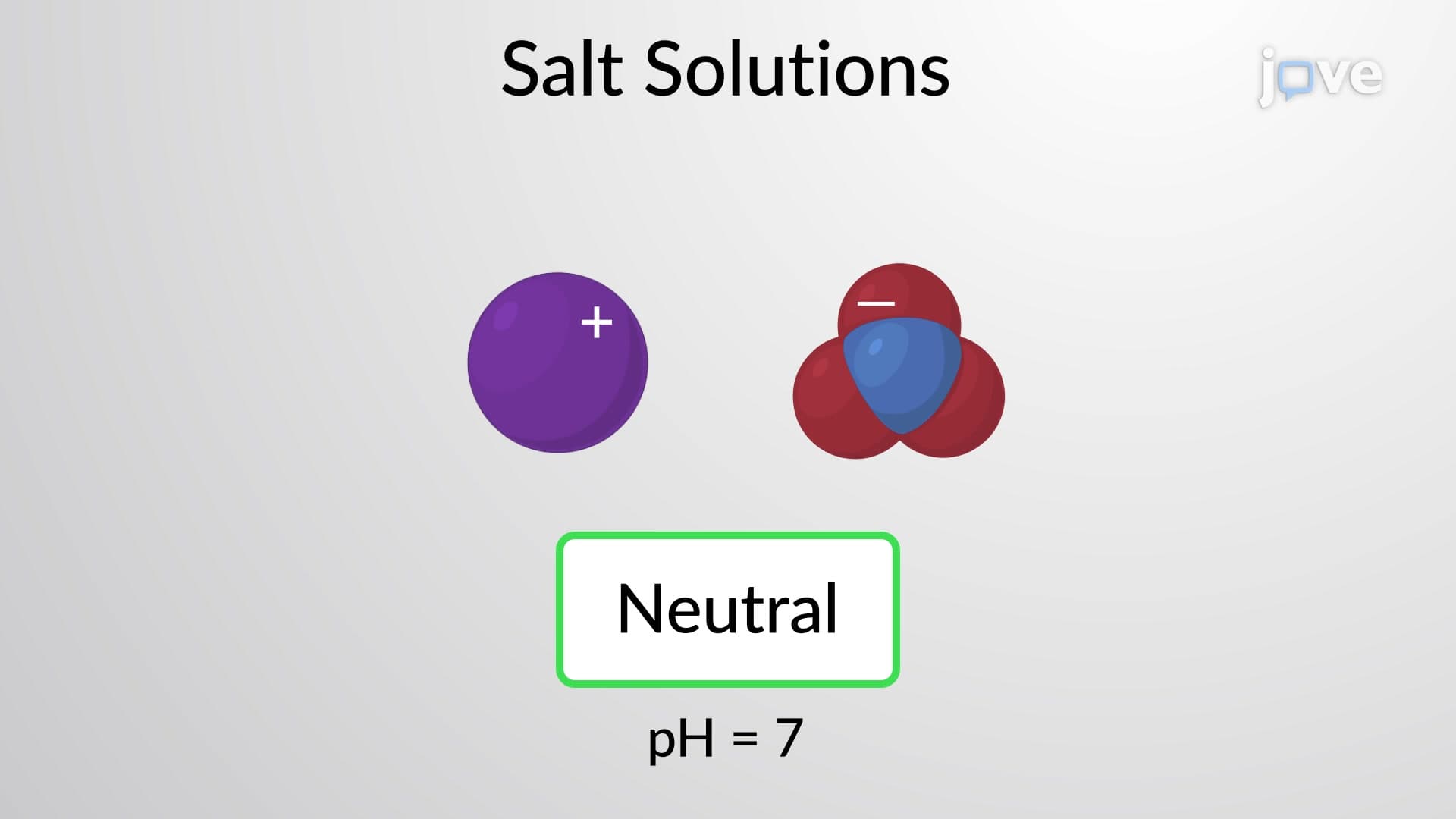
Salts formed from strong acid and strong base counterions produce neutral solutions with pH = 7. Common examples include sodium chloride (table salt), potassium nitrate (fertilizer component), and calcium sulfate (found in gypsum). These ions are "spectator ions" that don't undergo hydrolysis reactions with water molecules. Understanding this principle helps students predict behavior of everyday chemicals and industrial compounds used throughout the United States.
Acidic Salt Solutions: When Cations Donate Protons
Solutions become acidic (pH < 7) when containing cations that are conjugate acids of weak bases. Ammonium salts exemplify this behavior-ammonium chloride, commonly used in batteries and as a flux in soldering, creates acidic solutions because NH4+ ions donate protons to water molecules. This hydrolysis reaction produces hydronium ions, lowering the solution's pH. Students encounter these calculations on MCAT practice tests and college organic chemistry exams.
Basic Salt Solutions: Anions as Proton Acceptors
Basic solutions (pH > 7) result from anions that are conjugate bases of weak acids. Sodium acetate, used in food preservation and buffer systems, demonstrates this principle. Acetate ions accept protons from water molecules, generating hydroxide ions and increasing pH. This concept connects to biochemistry applications, as acetate buffers maintain pH stability in biological systems studied in pre-med coursework.
Calculating Exact pH Values: The ICE Table Approach
For precise pH determination, students use ICE (Initial, Change, Equilibrium) tables combined with dissociation constants. The relationship Ka × Kb = Kw (1.0 × 10^-14 at 25°C) allows calculation of unknown equilibrium constants. This mathematical approach appears on standardized exams and requires understanding logarithmic relationships between pH, pOH, and ion concentrations-skills that transfer to advanced chemistry and biochemistry courses.
Frequently Asked Questions
Determining the pH of salt solutions involves analyzing how dissolved salt ions interact with water to create acidic, basic, or neutral environments. This concept is crucial for understanding buffer systems, industrial processes, and biological pH regulation. It's a fundamental topic in general chemistry that connects acid-base theory with real-world applications.
AP Chemistry frequently tests this concept through multiple-choice questions about predicting pH trends and free-response problems requiring ICE table calculations. Students must identify ion types, apply Ka/Kb relationships, and calculate exact pH values. The exam emphasizes both conceptual understanding and quantitative problem-solving skills.
The MCAT tests salt hydrolysis concepts through passage-based questions and discrete problems involving biological buffers and physiological pH regulation. Focus on understanding acetate, phosphate, and bicarbonate systems commonly found in human physiology. Practice identifying dominant species at different pH ranges and buffer capacity calculations.
Municipal water treatment facilities use sodium carbonate to raise pH in acidic water supplies, while aluminum sulfate lowers pH in basic water. Swimming pool maintenance relies on sodium bicarbonate and calcium hypochlorite to maintain proper pH balance. These applications demonstrate how salt chemistry directly impacts public health and safety across the United States.
This concept builds logically on acid-base fundamentals taught in chemistry courses. Start with identifying strong versus weak acids and bases, then learn to recognize their conjugate pairs. The mathematical calculations use basic algebra and logarithms typically covered in pre-calculus. With consistent practice, most students master these concepts successfully.
Create a systematic approach: first identify ion types, then determine which ions affect pH, finally set up ICE tables for quantitative problems. Practice with diverse salt examples and memorize common Ka and Kb values. Use flashcards for ion classification and work through progressively challenging problems from textbooks and past exams.
Explore buffer systems and their capacity calculations, which directly apply salt hydrolysis principles. Study polyprotic acid systems like phosphoric acid, common in biochemistry. Advanced topics include pH indicators, titration curves, and solubility equilibria-all building on the foundation of ion behavior in aqueous solutions.
Related Micro-courses