Loading subject page…

- Chemistry
- Acids and Bases
- Ions as Acids and Bases
Micro-course: Acids and Bases
641,500 views
Learn key concepts and earn your certificate.

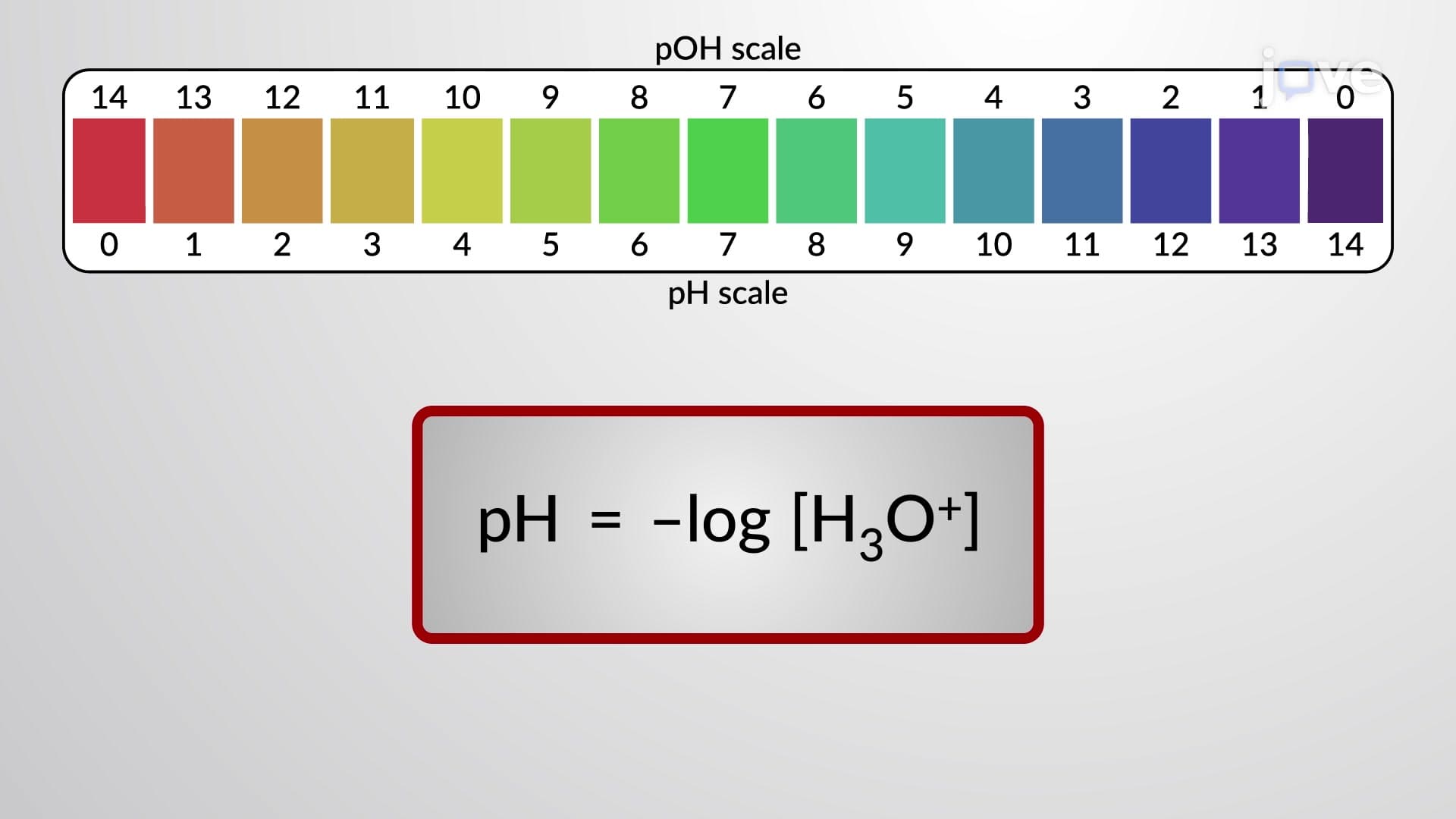
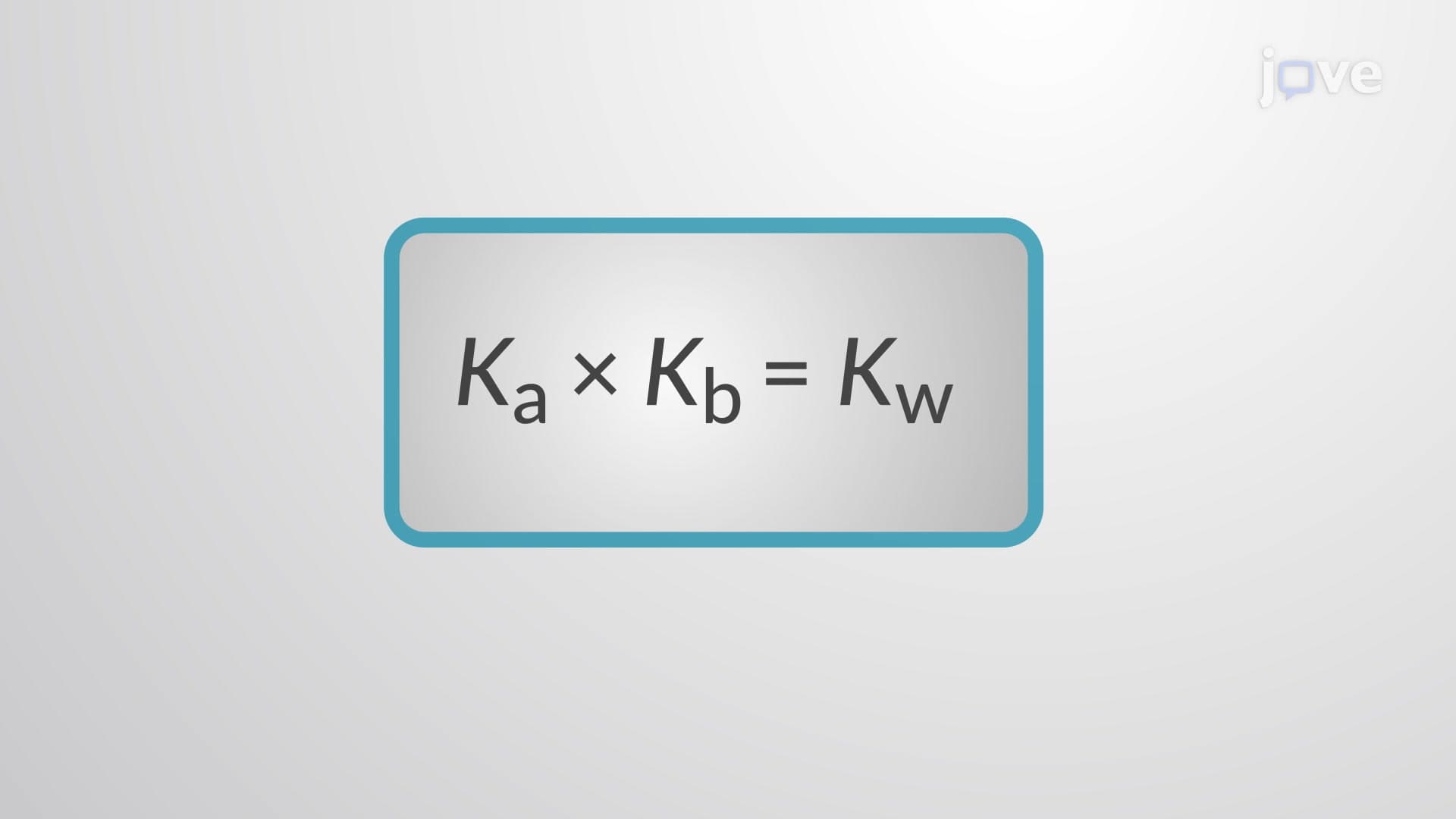

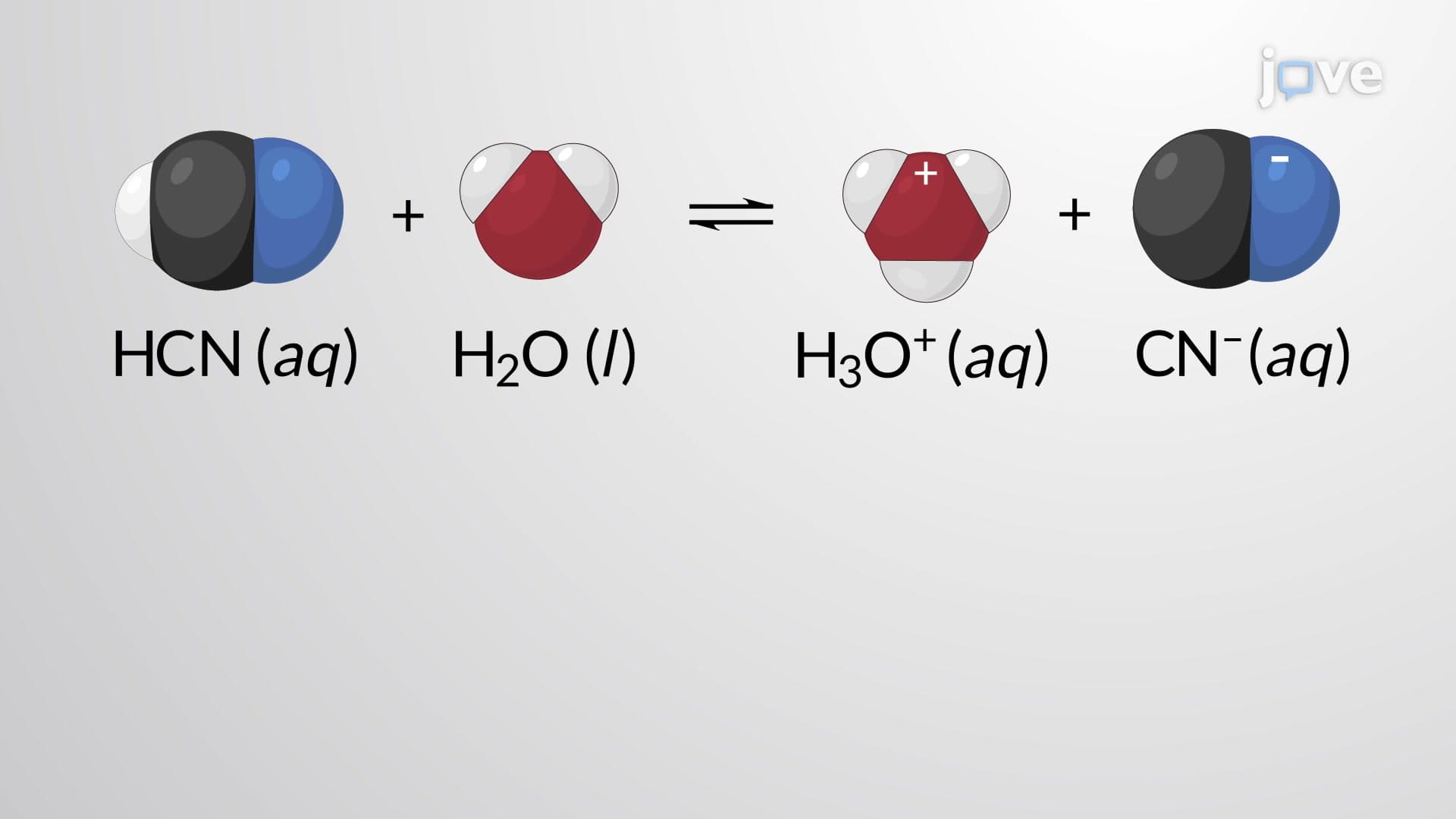
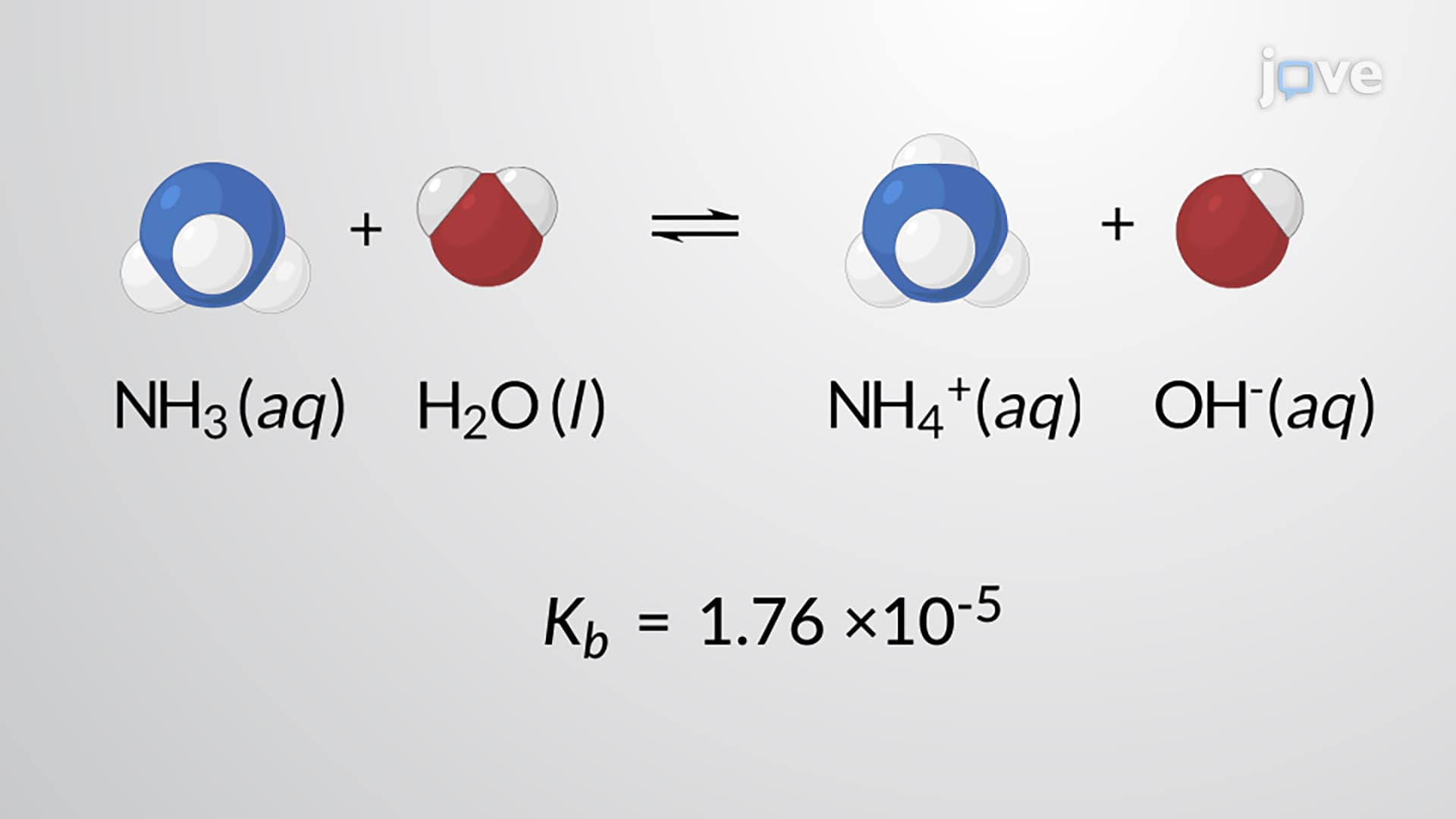
Ions as Acids and Bases


00:00
02:54
Video Summary: Ions as Acids and Bases Explained
Ever wonder why table salt dissolves harmlessly in water while Alka-Seltzer fizzes and changes the pH? The secret lies in understanding ions as acids and bases-not all dissolved ions behave the same way in water. Some ions remain neutral, while others can donate or accept protons, dramatically affecting solution pH. Consider how aluminum chloride used in antiperspirants creates acidic conditions on your skin. Watch the full video on JoVE Coach to master this concept with expert-led visuals and step-by-step explanations.
- Understand how ions as acids and bases determine the pH of salt solutions through their ability to donate or accept protons
- Identify which anions act as weak bases by recognizing conjugate bases of weak acids like acetate and fluoride
- Analyze why cations from weak bases, such as ammonium ions, behave as weak acids in aqueous solution
- Compare the behavior of ions from strong versus weak acids and bases to predict solution neutrality
- Evaluate the acidity of small, highly charged metal ions like Al³⁺ and Fe³⁺ based on charge density principles
- Apply conjugate acid-base relationships to predict whether salt solutions will be acidic, basic, or neutral
- Recognize how hydrolysis reactions of ions affect the pH of everyday solutions and laboratory preparations
- Explore the quantitative aspects using Ka and Kb values to determine the strength of ionic acids and bases
Understanding Ions As Acids And Bases Fundamentals
When ionic compounds dissolve in water, the resulting ions don't always remain spectators. The behavior of these ions as acids and bases depends entirely on their origin and chemical structure. This concept bridges the gap between simple acid-base theory and real-world solution chemistry, making it essential for students preparing for AP Chemistry exams and college-level general chemistry courses.
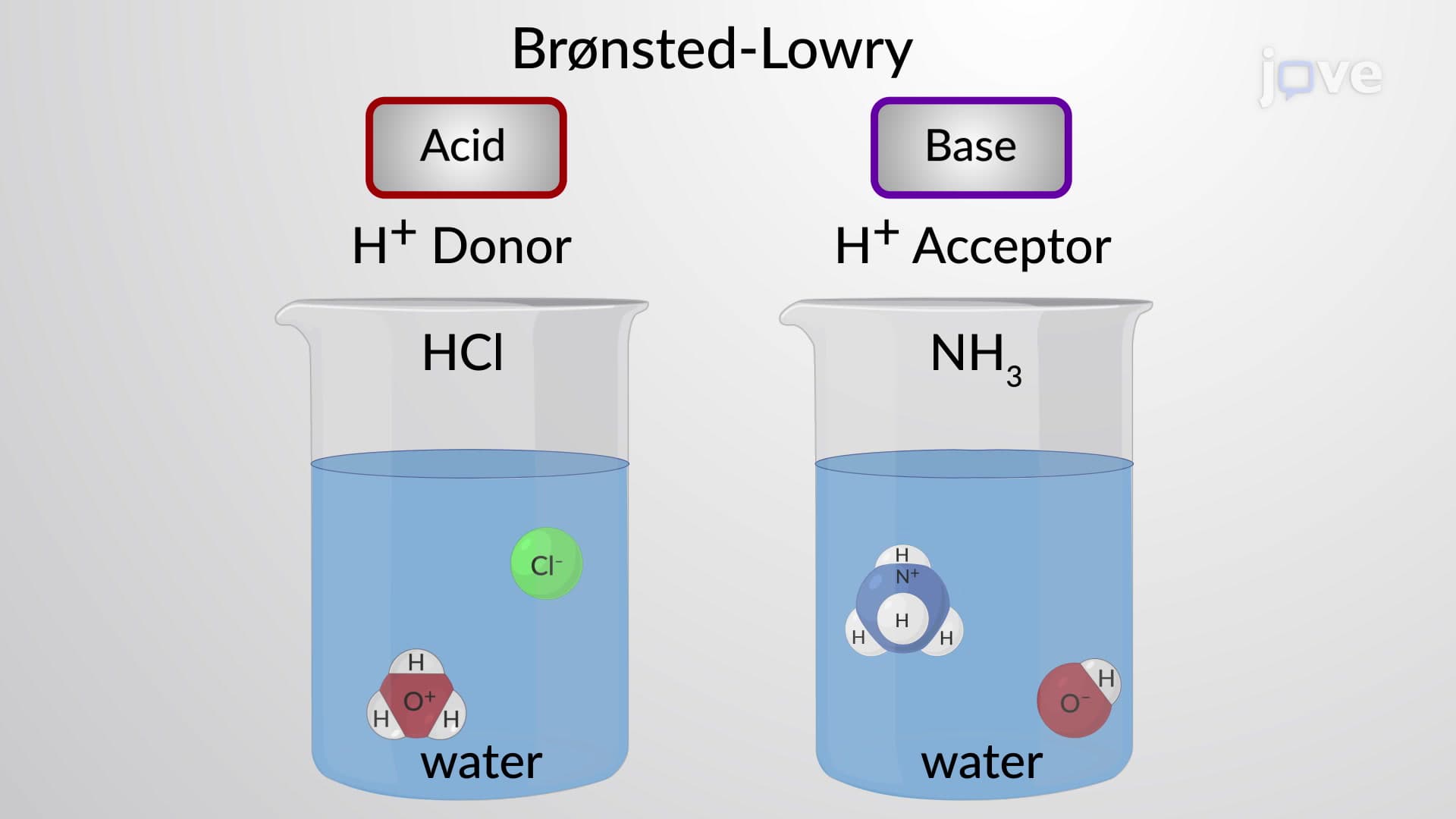
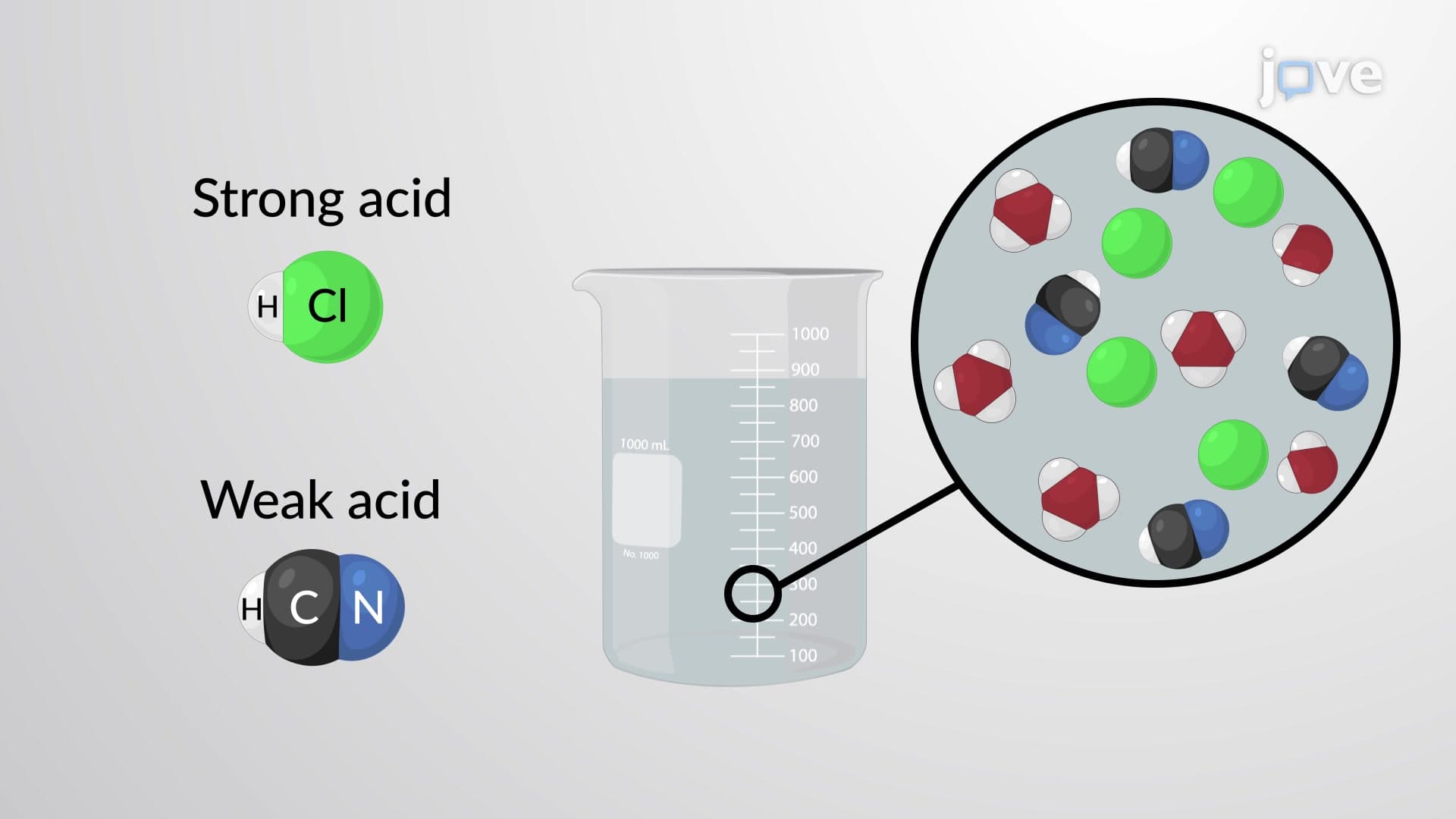
The key principle revolves around conjugate acid-base pairs. When a strong acid like HCl dissociates, its conjugate base (Cl⁻) is extremely weak-so weak it cannot accept protons from water. Conversely, when weak acids dissociate, their conjugate bases retain some ability to accept protons, making them basic in solution.
Anion Behavior: From Neutral Spectators to Active Participants
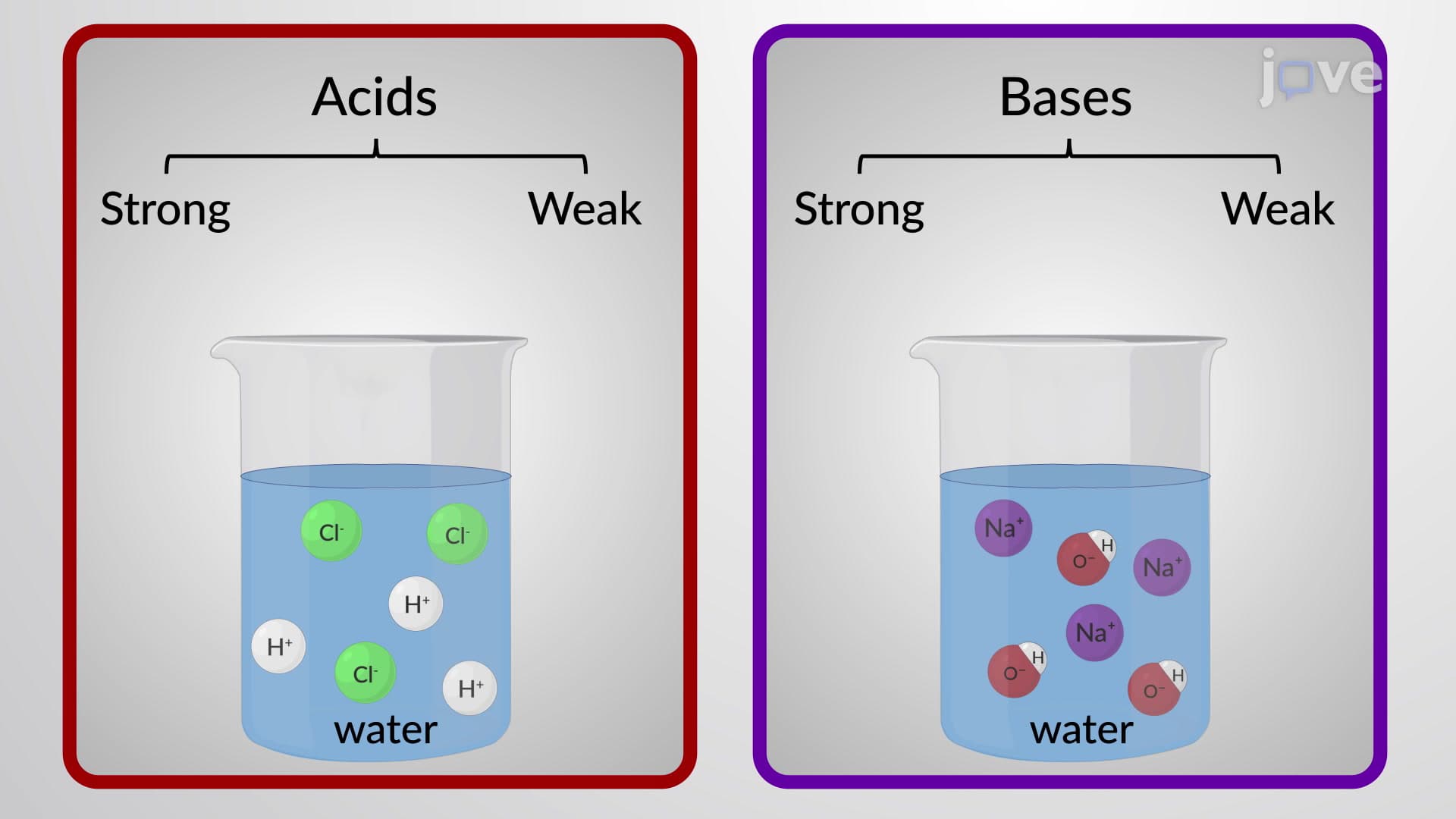
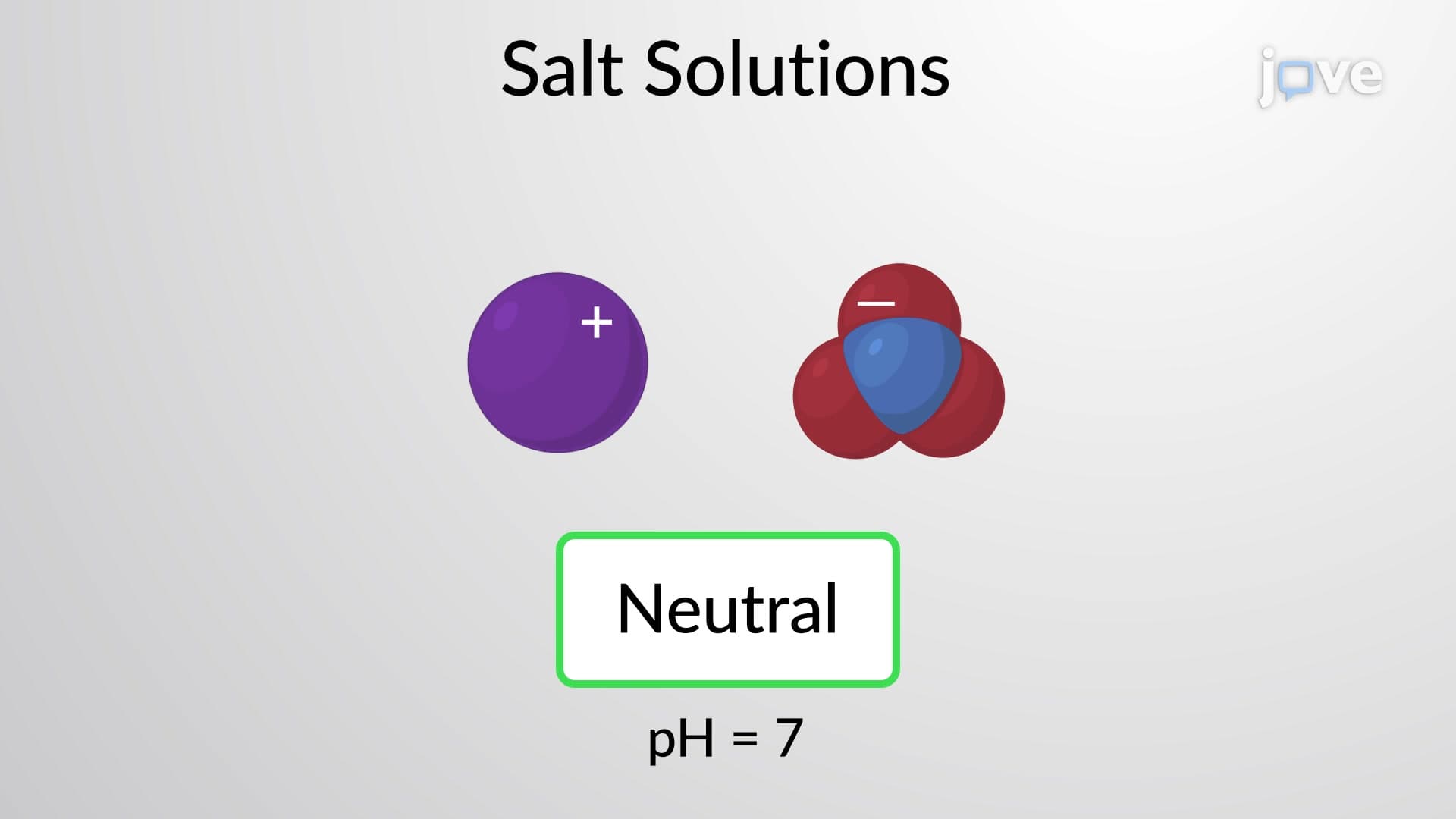
Anions derived from strong acids behave as neutral spectators in aqueous solutions. Chloride ions from NaCl, nitrate ions from AgNO₃, and sulfate ions from Na₂SO₄ fall into this category. These ions lack the thermodynamic drive to interact with water molecules beyond simple solvation.
However, anions from weak acids tell a different story. Acetate ions (CH₃COO⁻) from sodium acetate can accept protons from water, generating hydroxide ions and making the solution basic. This principle explains why sodium acetate solutions used in biochemical buffers maintain pH above 7. Similarly, fluoride ions from sodium fluoride exhibit basic behavior, which is why fluoride toothpastes often have a slightly basic pH.
Cation Chemistry: Beyond Simple Dissolution
Cations present equally fascinating behavior patterns. Simple metal ions from strong bases, like Na⁺ and K⁺, remain pH-neutral because they cannot donate or accept protons. These ions explain why NaCl solutions used in IV fluids maintain physiological pH.
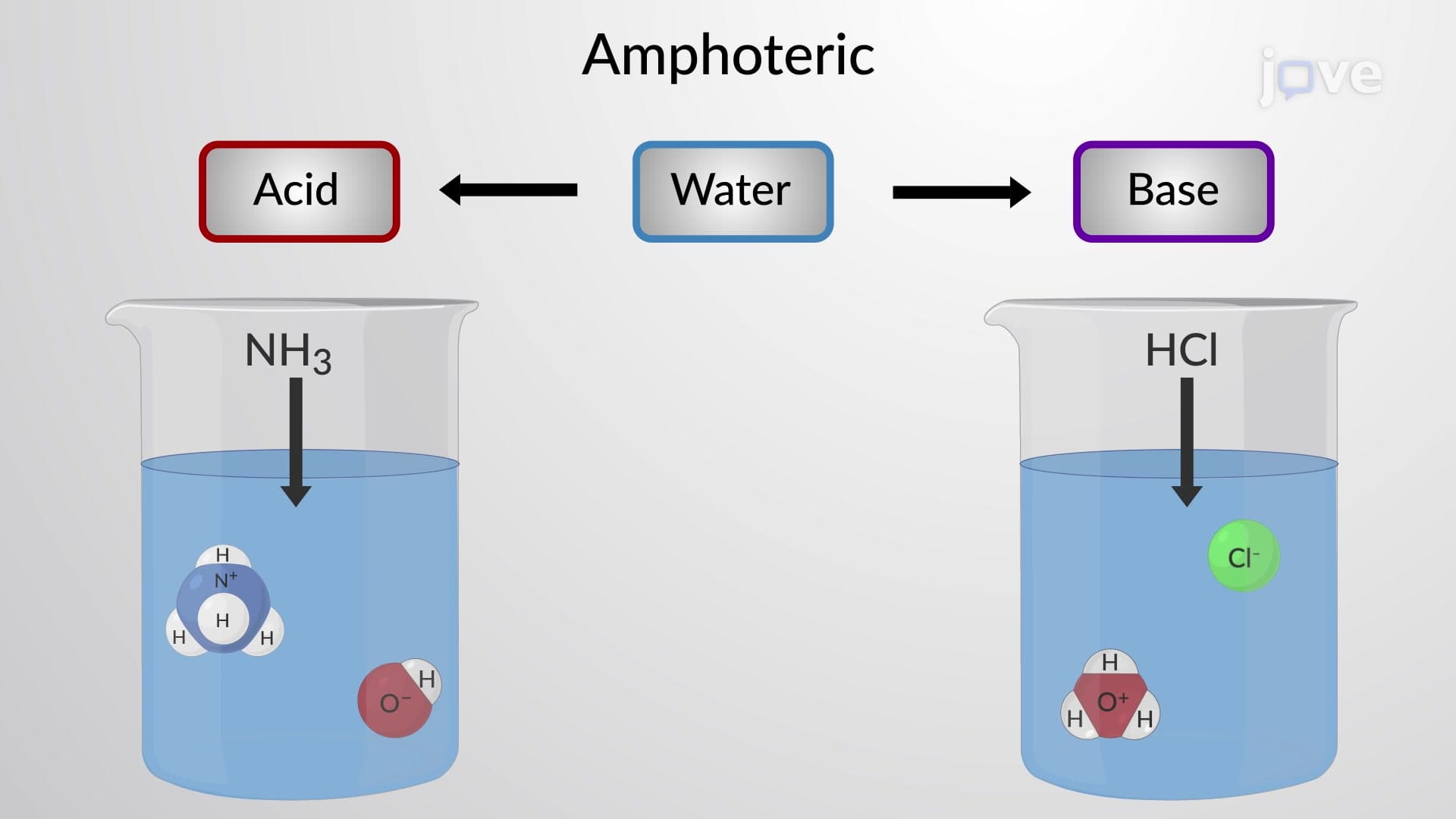
Ammonium ions (NH₄⁺) represent the classic example of acidic cations. As the conjugate acid of weak base ammonia, NH₄⁺ readily donates protons to water, creating acidic solutions. This property makes ammonium salts valuable as pH adjusters in agricultural fertilizers and laboratory applications.
Metal Ion Hydrolysis: Advanced Acid Behavior
Small, highly charged metal ions demonstrate sophisticated acid behavior through hydrolysis reactions. When Al³⁺ or Fe³⁺ ions dissolve, they coordinate with water molecules, forming complex ions like [Al(H₂O)₆]³⁺. These hydrated complexes then donate protons from coordinated water molecules, generating H₃O⁺ ions and lowering solution pH.
The relationship between charge density and acidity strength becomes crucial here. Fe³⁺ with its higher charge density exhibits stronger acidity (Ka = 6.3 × 10⁻³) compared to Ni²⁺ (Ka = 2.5 × 10⁻¹¹). This principle explains why iron(III) chloride solutions used in water treatment create highly acidic conditions, while nickel(II) sulfate solutions remain nearly neutral.
Frequently Asked Questions
Ions as acids and bases describes how dissolved ions can donate or accept protons in aqueous solution, affecting pH. Unlike molecular acids and bases, ionic behavior depends on the strength of the parent compound-ions from weak acids/bases retain acidic or basic properties, while ions from strong acids/bases remain neutral. This concept explains why salt solutions don't always have neutral pH.
These concepts frequently appear as multiple-choice questions about salt solution pH and free-response problems involving buffer calculations. AP Chemistry emphasizes predicting solution pH from salt composition, while the MCAT focuses on biological applications like amino acid behavior at different pH levels. Students typically see 3-5 questions per exam involving ionic acid-base behavior.
Focus on common examples: acetate and fluoride ions (basic), ammonium ions (acidic), and small metal ions like Al³⁺ and Fe³⁺ (acidic). Remember that ions from strong acids (Cl⁻, NO₃⁻, SO₄²⁻) and strong bases (Na⁺, K⁺, Ca²⁺) are always neutral. Most college exams provide Ka and Kb tables for calculations, but recognizing patterns saves valuable time.
This knowledge explains everyday phenomena like why baking soda (sodium bicarbonate) creates basic solutions for cleaning, why aluminum-based antiperspirants feel acidic on skin, and how water treatment facilities use aluminum sulfate to adjust pH. In healthcare, it explains why certain medications affect body pH and how IV fluids maintain proper blood chemistry.
Not at all-this concept builds logically on basic acid-base theory that students learn in chemistry fundamentals. Start with strong versus weak acids and bases, then apply conjugate pair relationships to predict ion behavior. Visual aids showing molecular interactions and practice with common household examples make the concept accessible to Grade 10-12 students.
Create a systematic approach: first identify ion sources (strong vs. weak acid/base), then determine which ions affect pH, and finally set up equilibrium expressions using provided Ka or Kb values. Practice with mixed salt solutions like NH₄Cl (acidic cation + neutral anion) and sodium acetate (neutral cation + basic anion) to build pattern recognition skills.
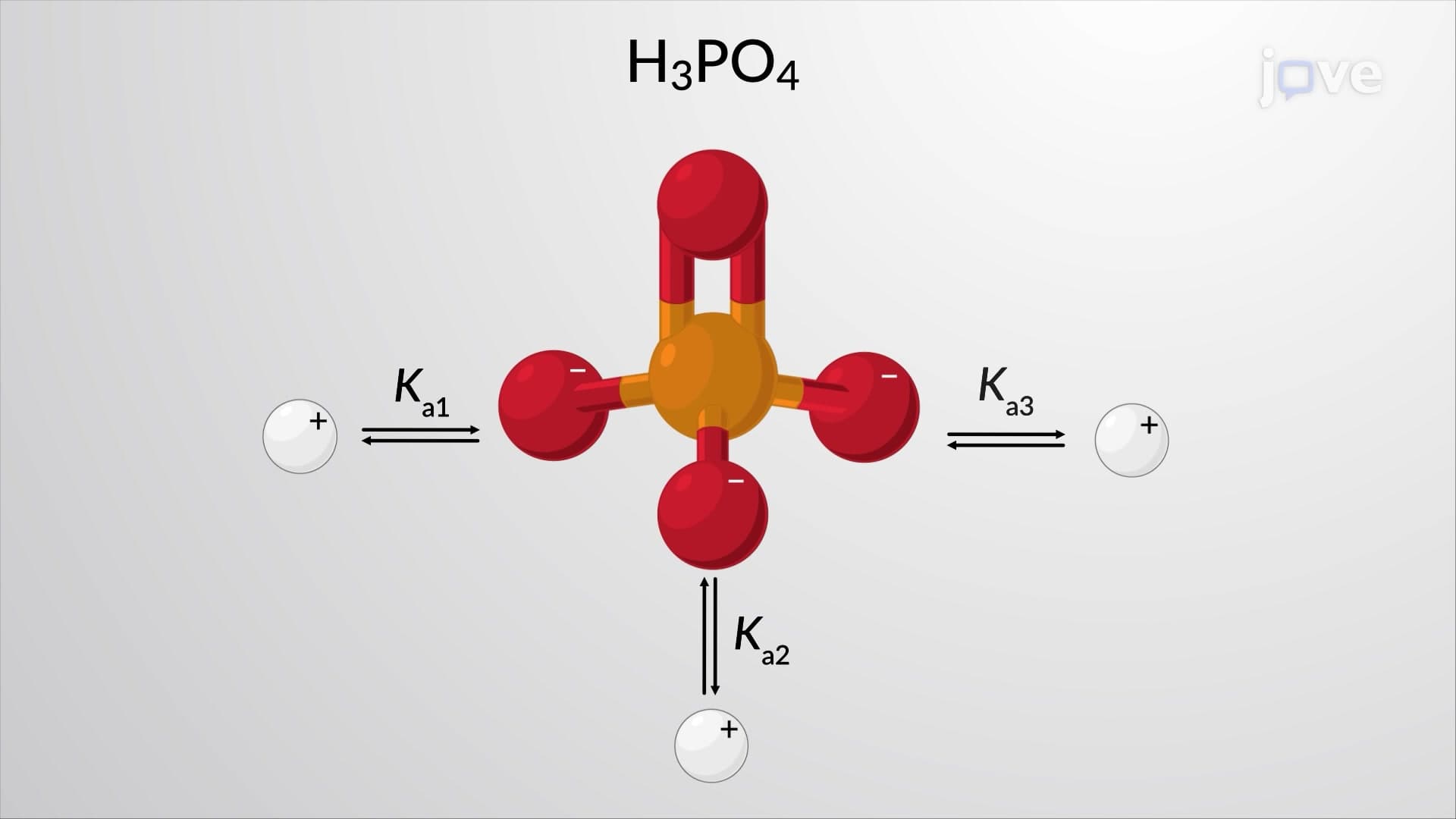
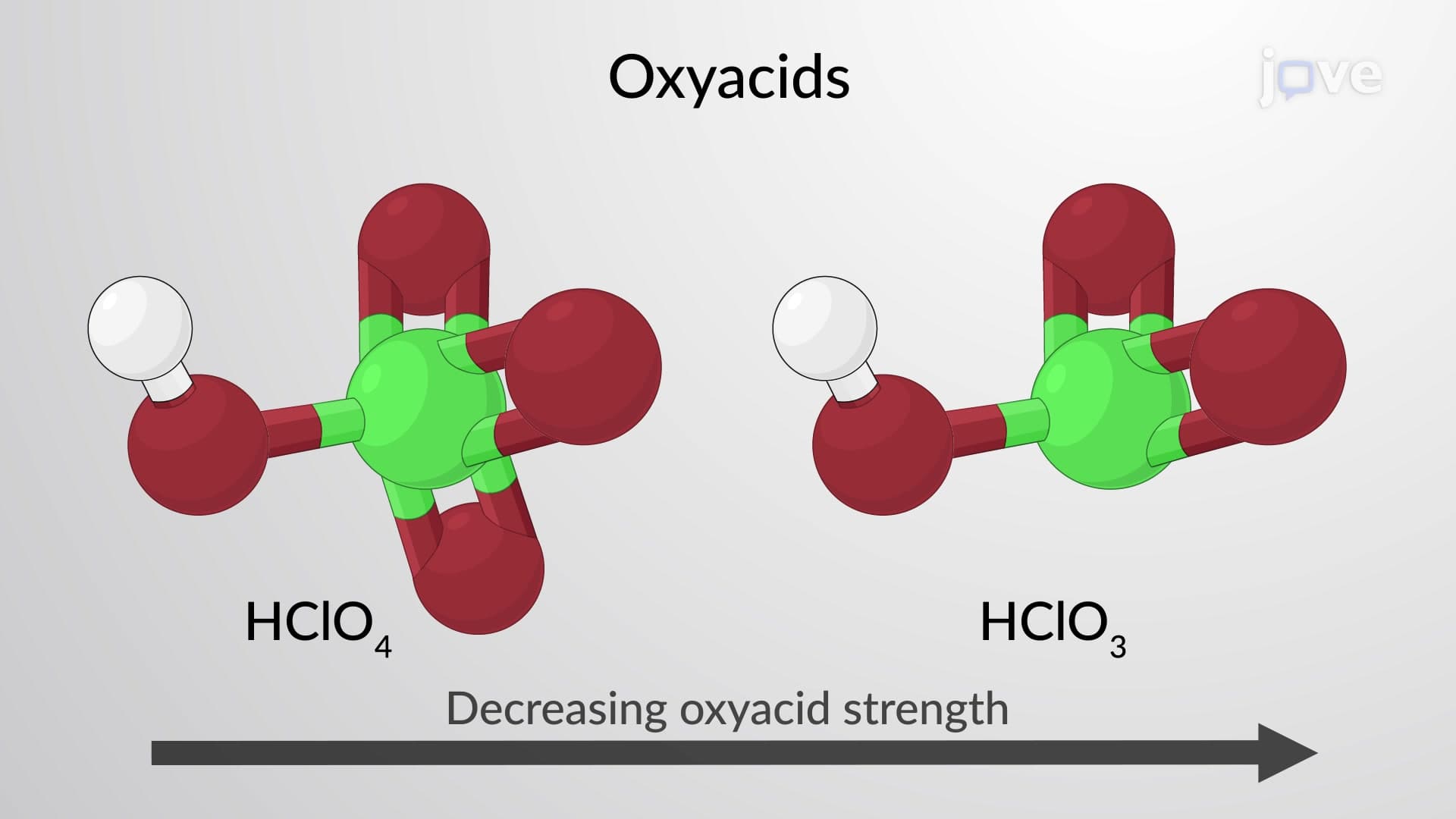
Progress to buffer systems, which rely heavily on ionic acid-base principles, then explore polyprotic acids and amphoteric substances. Advanced students should examine coordination complex chemistry and how ligand field effects influence metal ion acidity. These topics integrate beautifully with biochemistry and environmental chemistry applications.
Related Micro-courses