Loading subject page…


641,510 views

Video Summary: Relative Strengths of Conjugate Acid Explained
Ever wonder why some antacids work better than others? The relative strengths of conjugate acid pairs determine how effectively medications neutralize stomach acid. When aspirin (acetylsalicylic acid) dissolves in your stomach, its conjugate base strength directly impacts how much it irritates your digestive system. Understanding Relative Strengths of Conjugate Acid Explained reveals the mathematical relationship between Ka and Kb values that governs these everyday chemical interactions. Watch the full video on JoVE Coach to master this concept with expert-led visuals and step-by-step explanations.
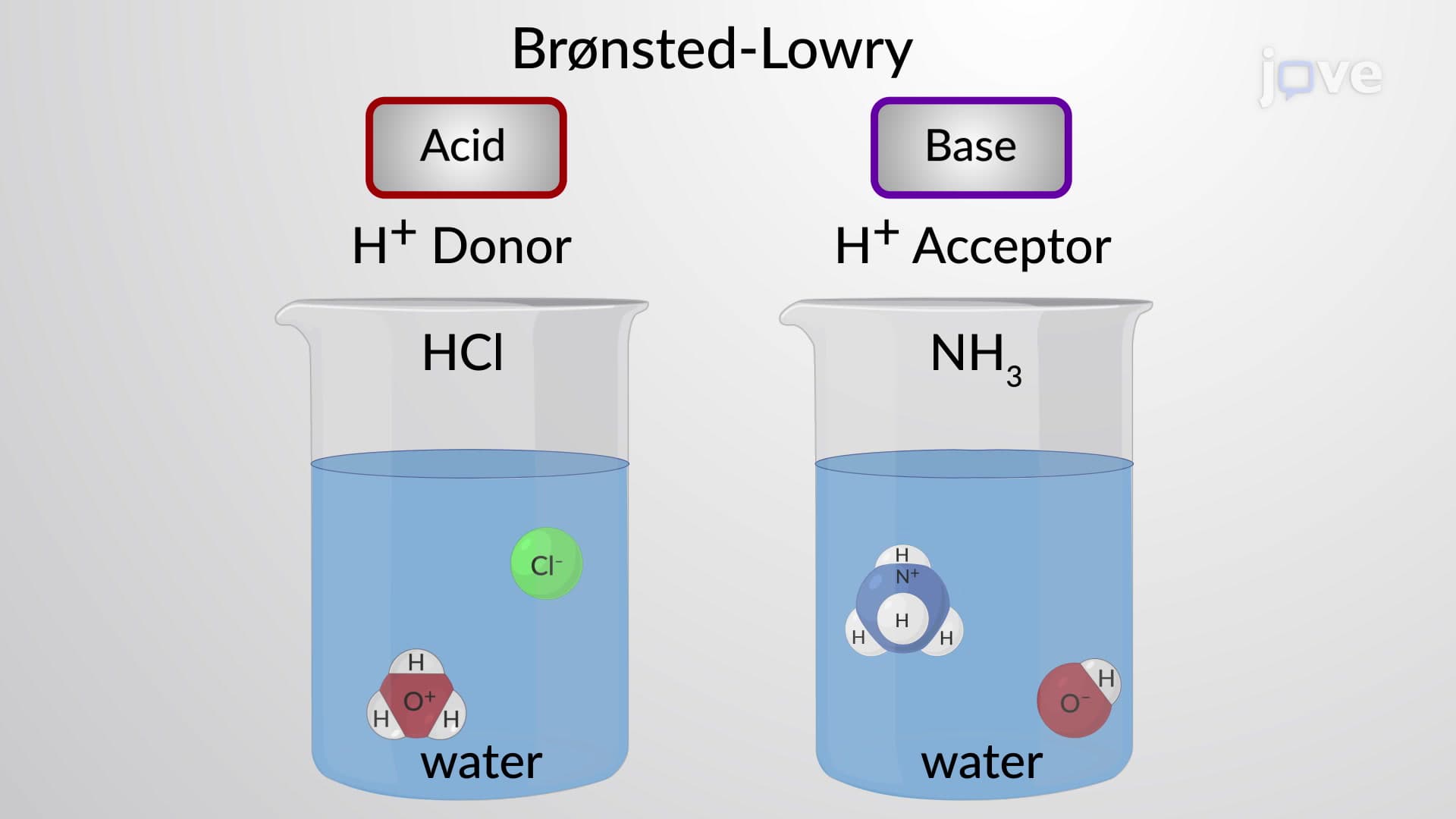
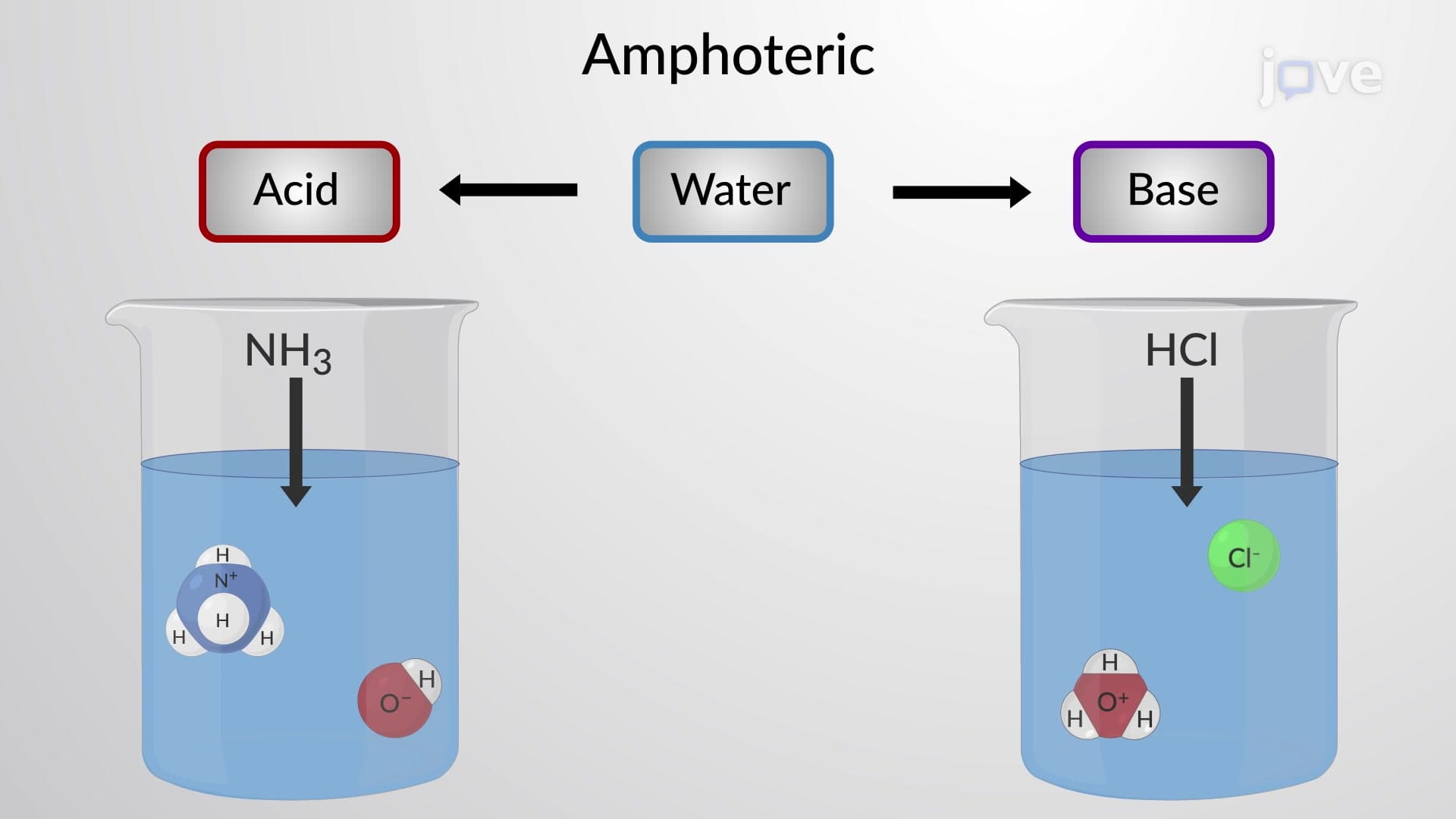
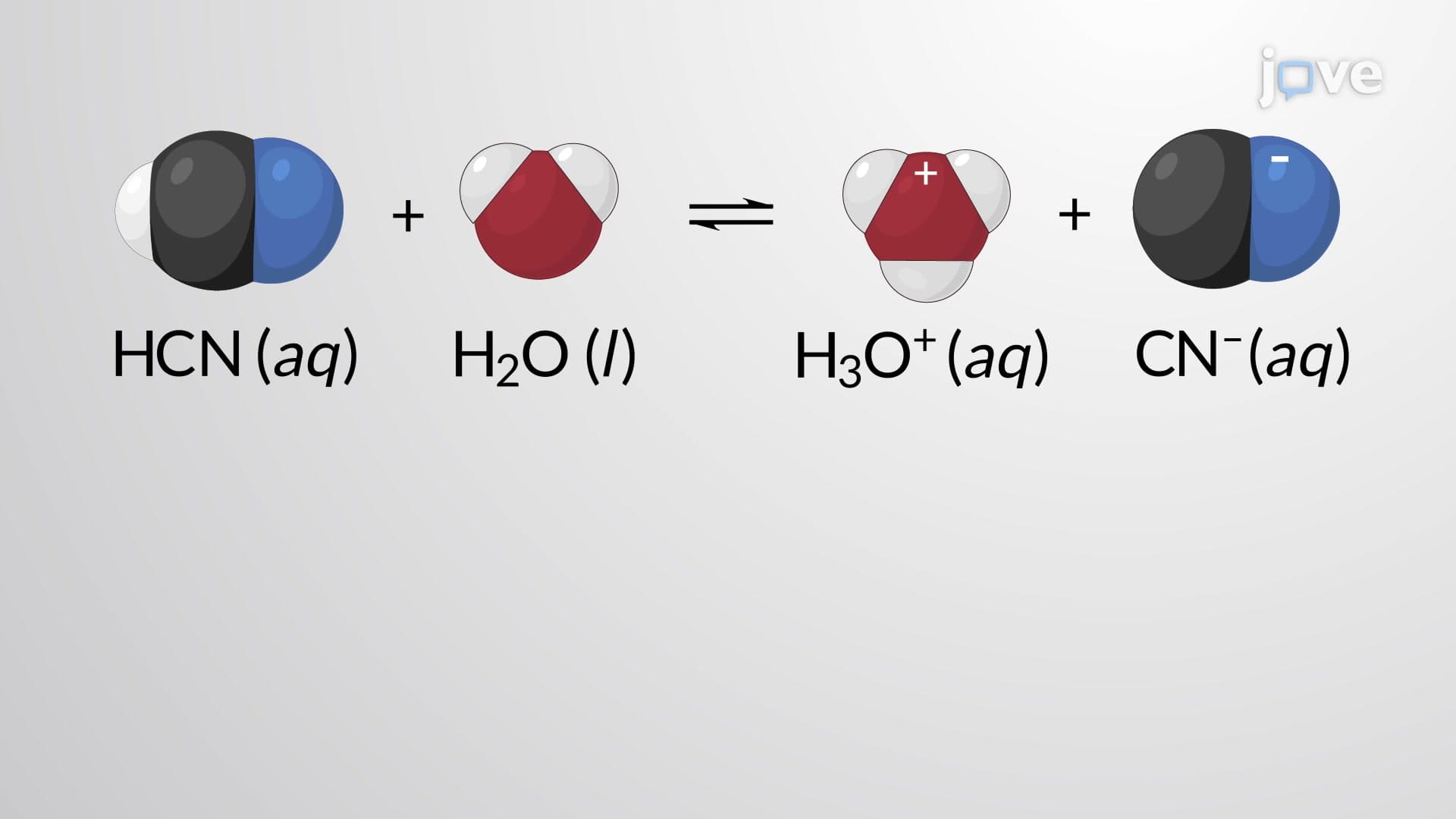
The relative strengths of conjugate acid systems form the foundation of acid-base chemistry, governing everything from drug metabolism to environmental pH control. This fundamental relationship demonstrates that when an acid becomes stronger, its conjugate base must become proportionately weaker, maintaining chemical equilibrium in aqueous solutions.
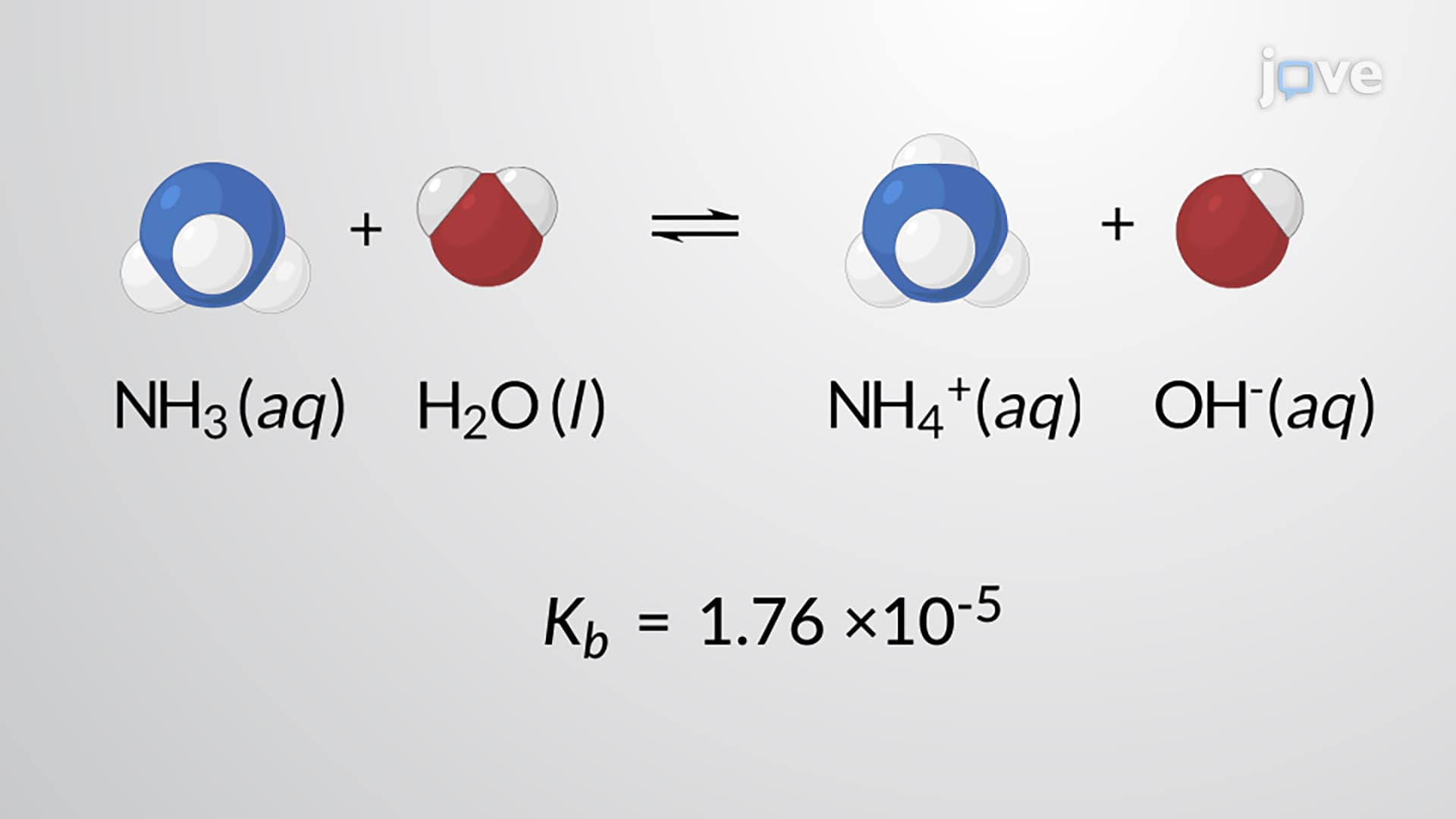
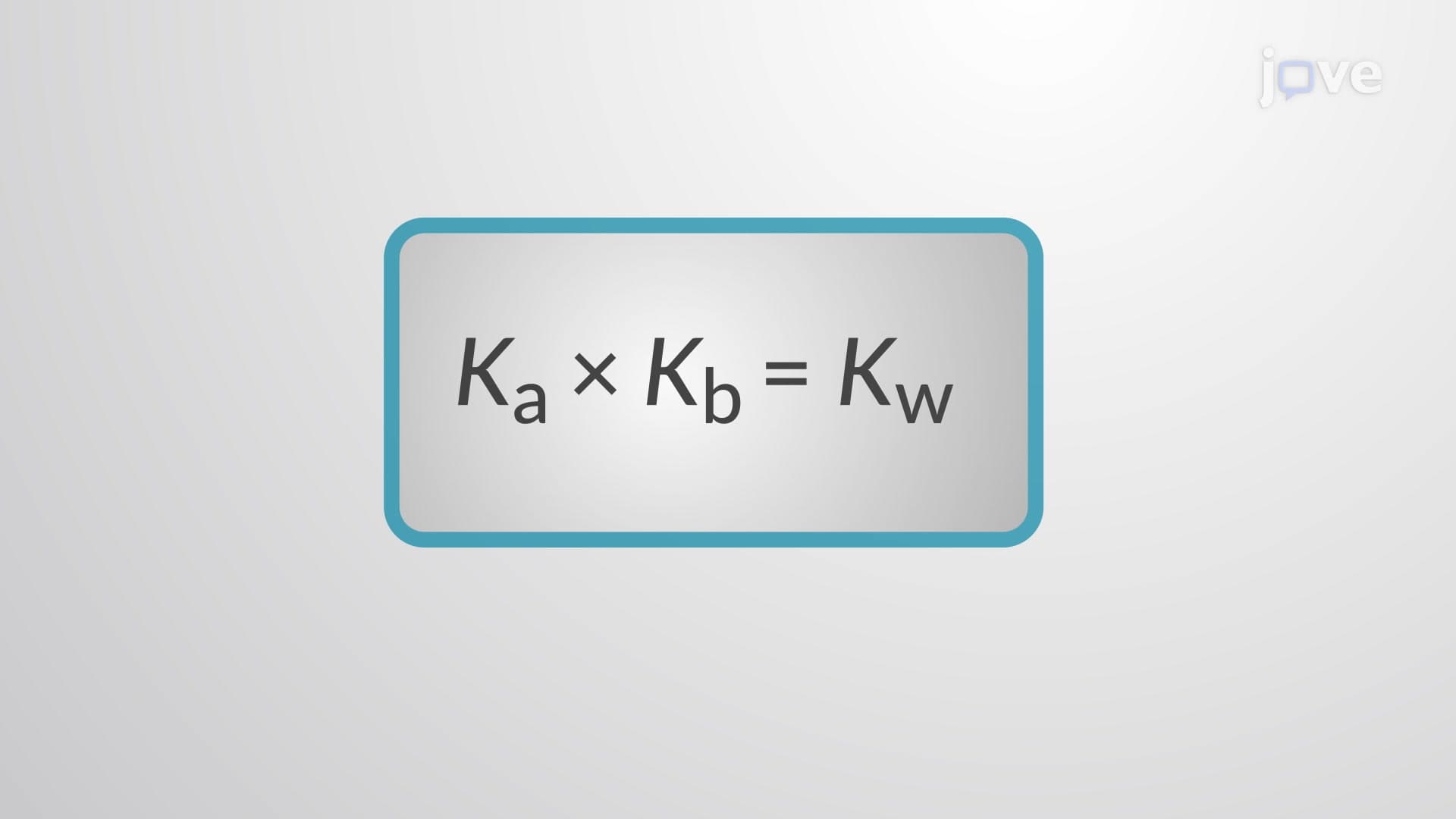
The quantitative relationship between conjugate pairs follows a precise mathematical rule. For any weak acid HA, the acid dissociation constant Ka multiplied by the base dissociation constant Kb of its conjugate base A⁻ always equals the water dissociation constant Kw (1.0 × 10⁻¹⁴ at 25°C). This inverse proportionality means stronger acids (higher Ka) automatically produce weaker conjugate bases (lower Kb).
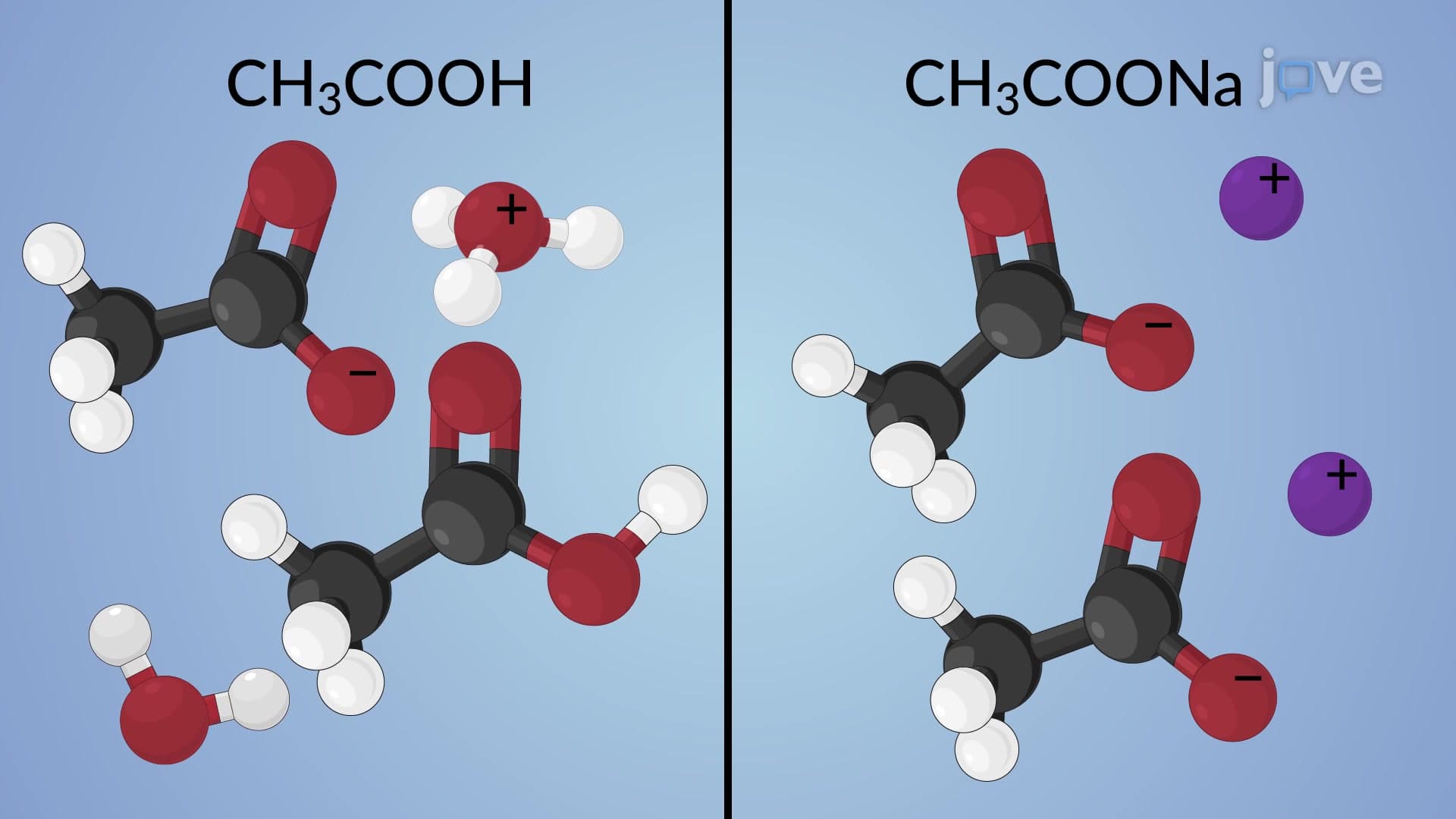
Consider acetic acid (CH₃COOH), commonly found in vinegar. With Ka = 1.8 × 10⁻⁵, its conjugate base acetate ion has Kb = 5.6 × 10⁻¹⁰. This weak conjugate base explains why acetate buffers work effectively in biological systems, including human blood pH regulation.
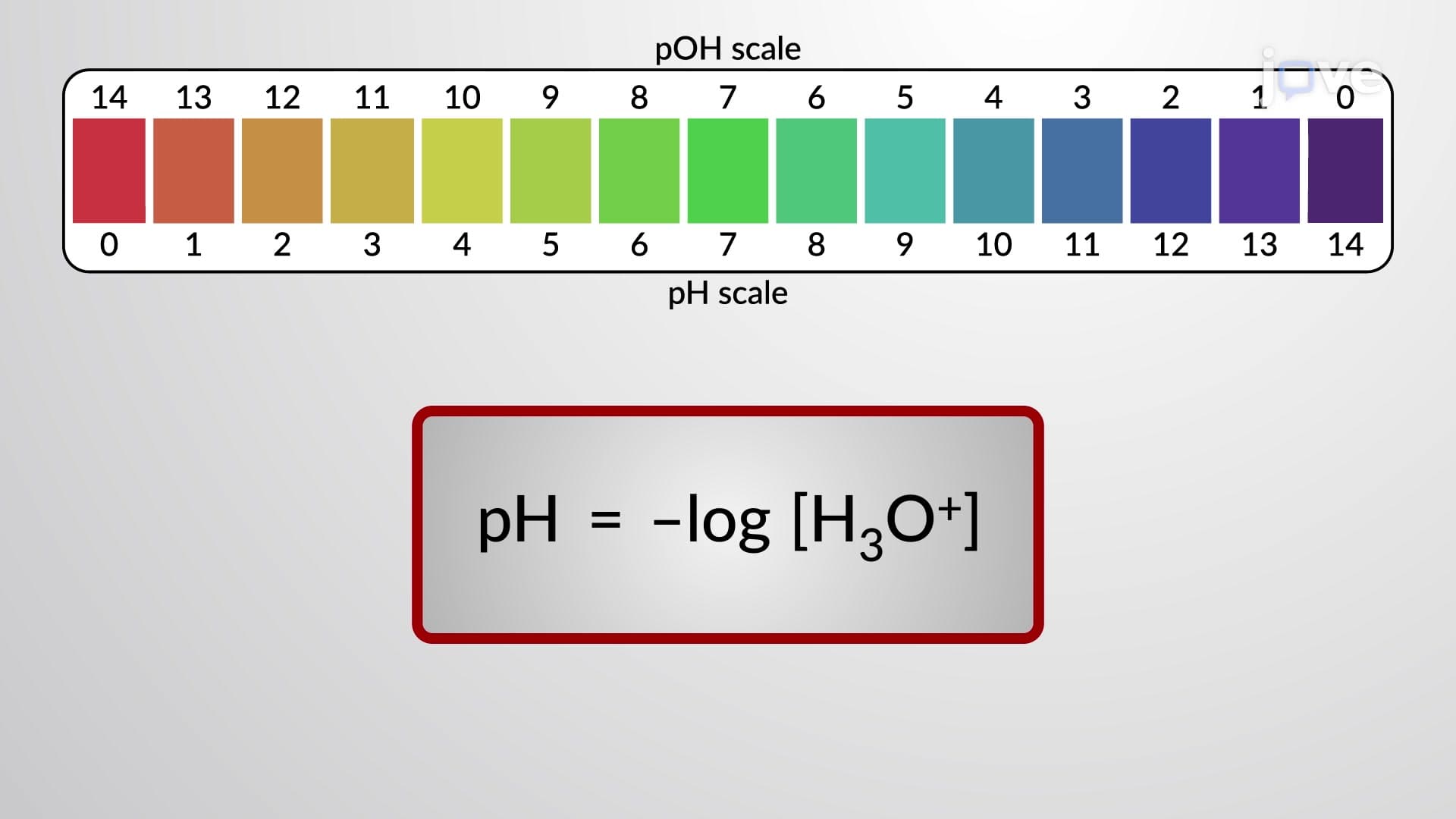
The logarithmic scale simplifies comparisons: pKa + pKb = 14. Lower pKa values indicate stronger acids, while lower pKb values indicate stronger bases. This concept appears frequently on AP Chemistry exams and MCAT questions, where students must predict relative strengths or calculate unknown constants.
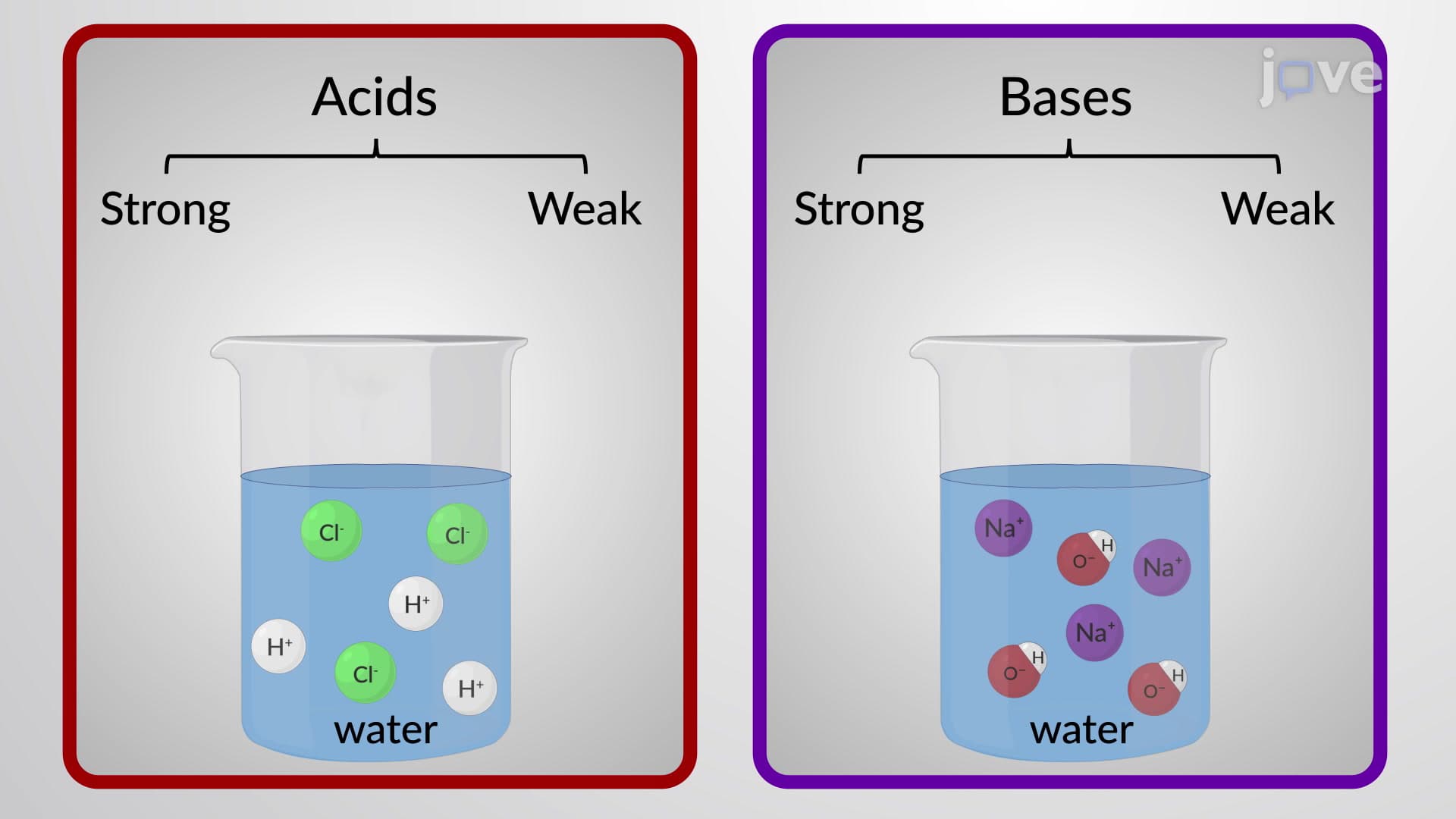
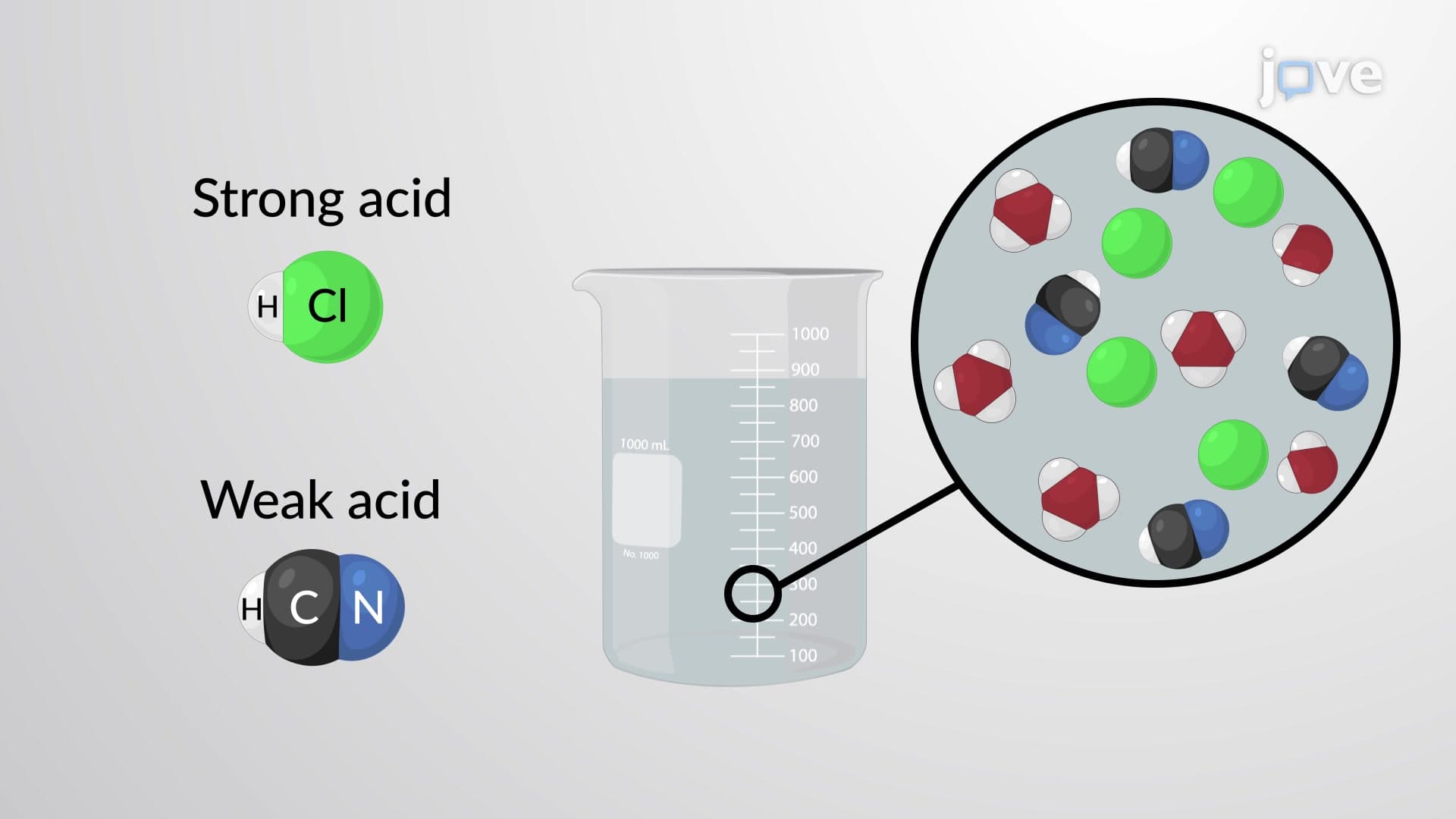
For example, comparing common acids: hydrochloric acid (pKa ≈ -7) versus carbonic acid (pKa = 6.4). The dramatic difference explains why HCl completely dissociates while carbonic acid remains largely molecular in solution, affecting everything from industrial processes to oceanic carbon cycling.
Understanding conjugate pair relationships helps pharmaceutical chemists design better medications. Aspirin's pKa of 3.5 affects its absorption rate in different body regions. The stomach's acidic environment (pH ≈ 1.5) keeps aspirin largely in its molecular form, enabling absorption, while the more basic small intestine (pH ≈ 8) favors the ionic conjugate base form.
Environmental scientists use these principles when studying acid rain effects. Sulfurous acid (H₂SO₃) from industrial emissions has a relatively strong conjugate base, affecting soil pH and plant nutrient availability across affected regions.
Related Micro-courses