Loading subject page…

- Chemistry
- Acids and Bases
- Weak Acid Solutions
Micro-course: Acids and Bases
641,500 views
Learn key concepts and earn your certificate.

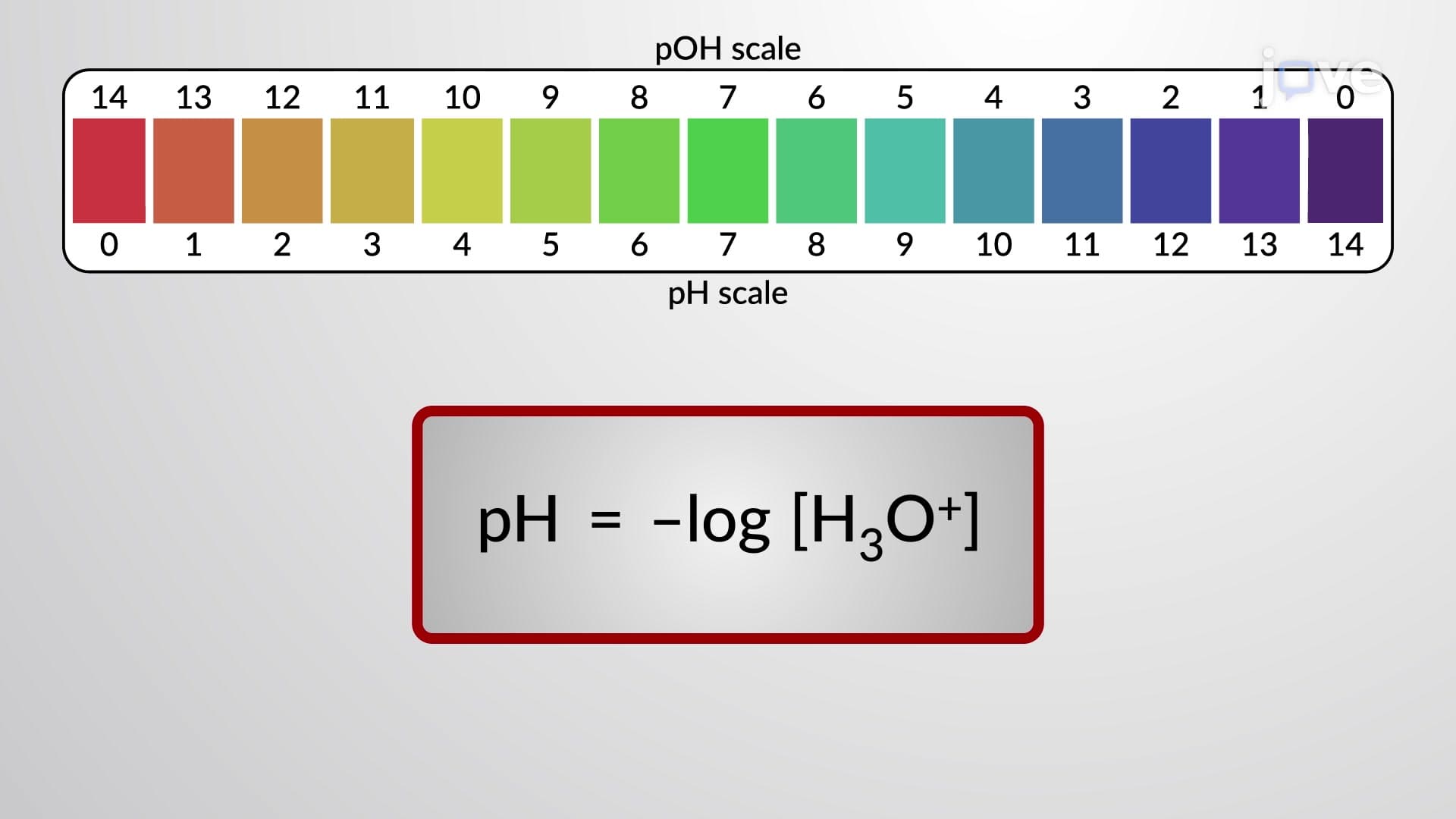
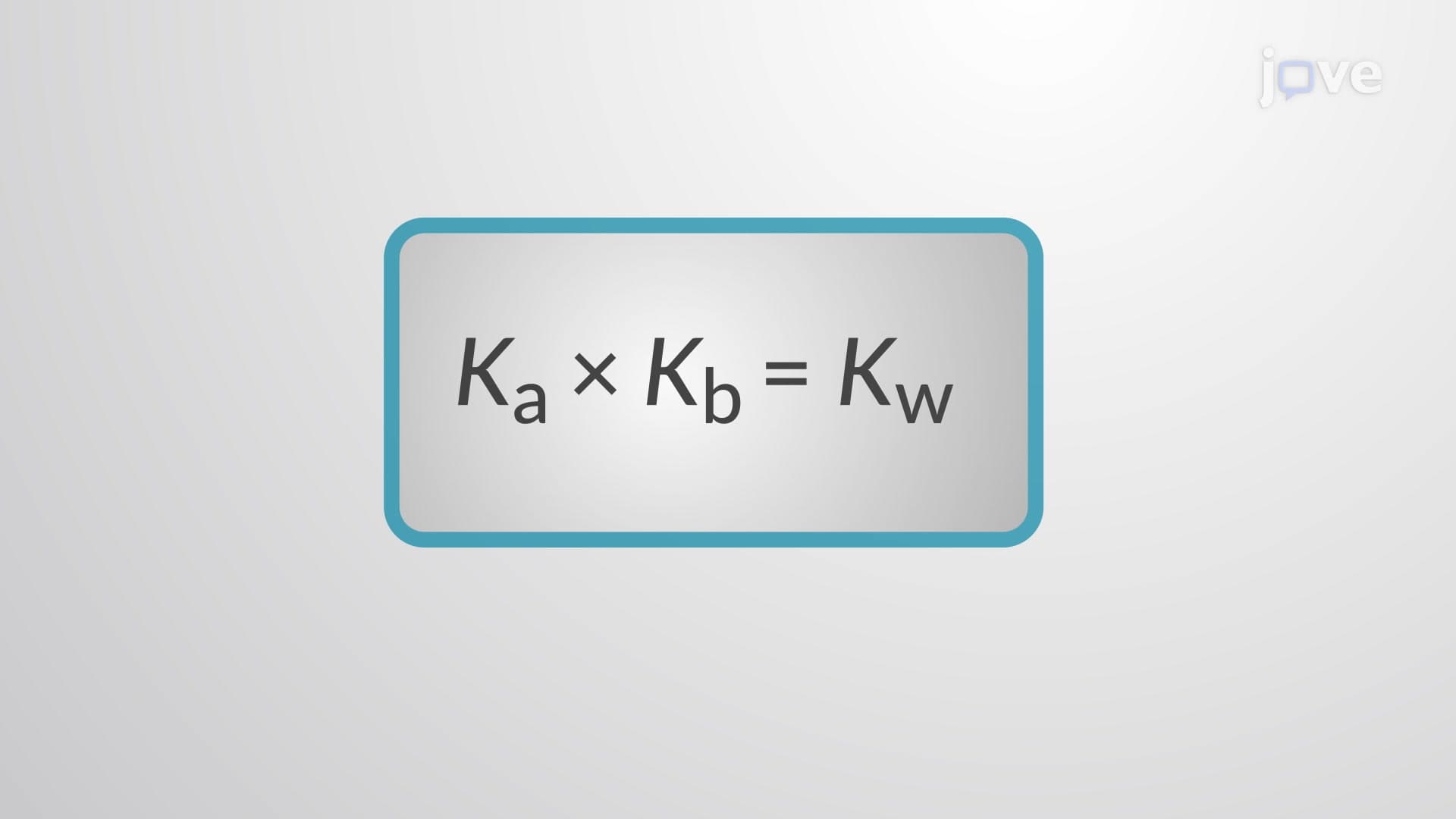

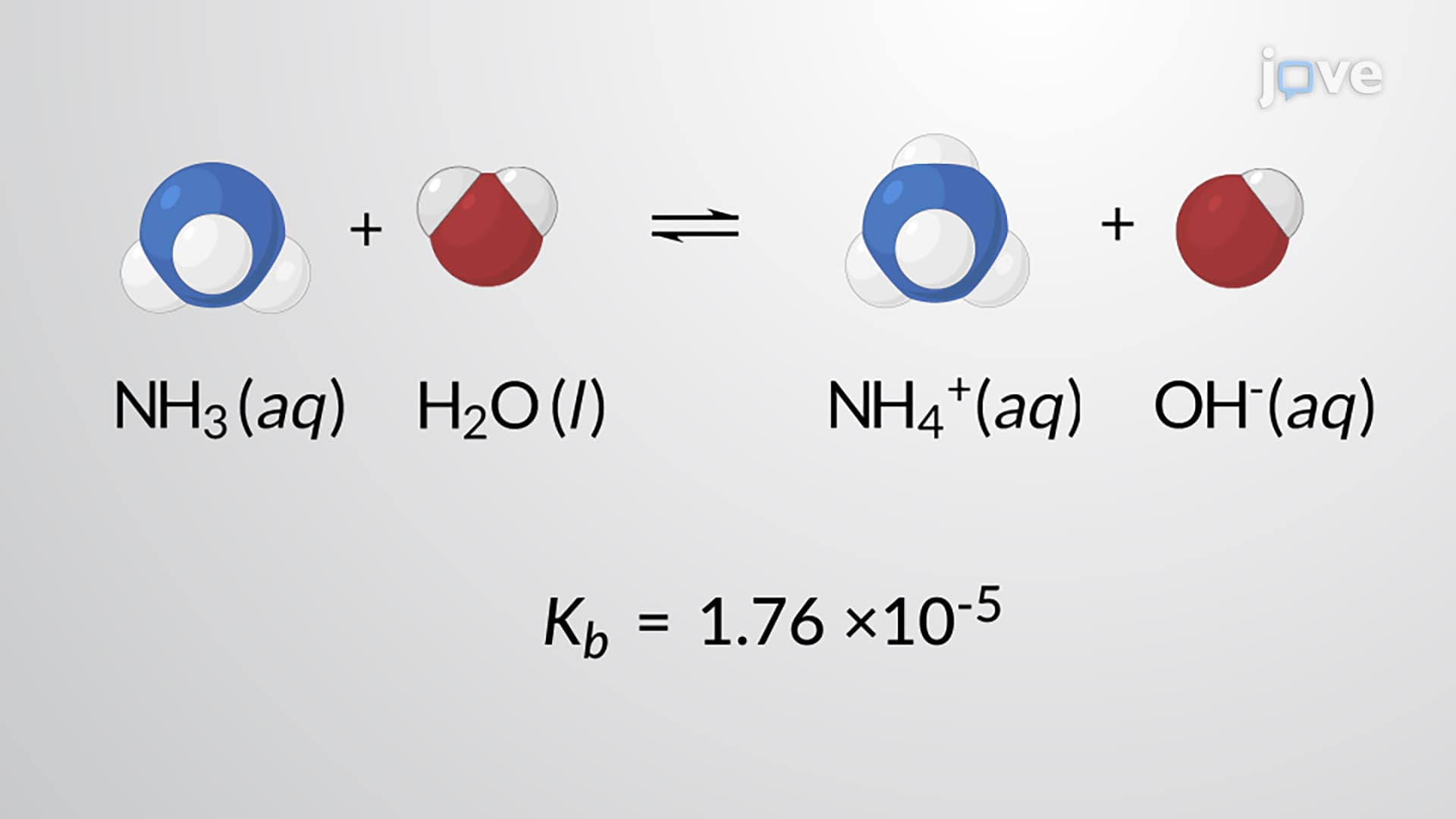
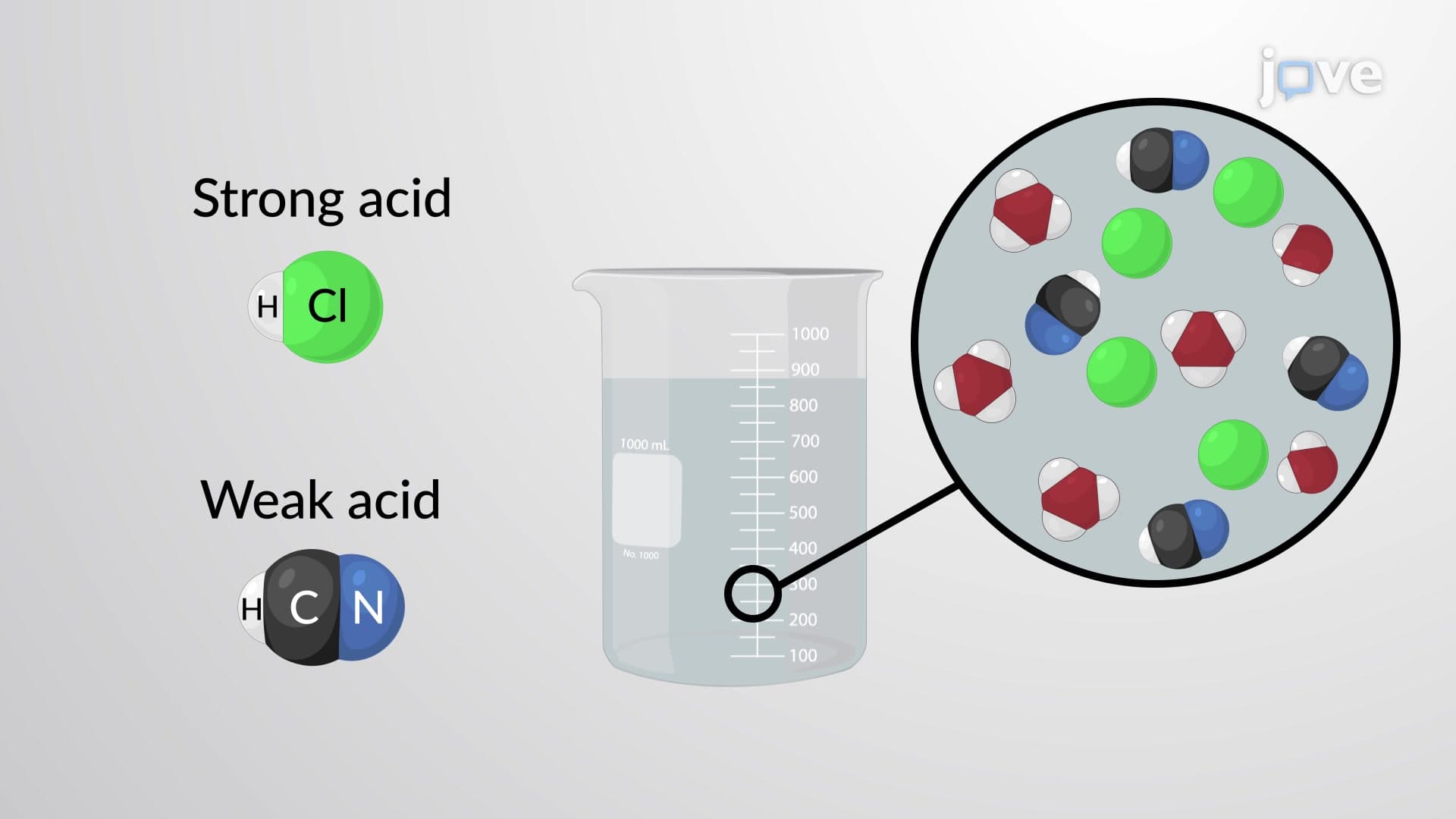

Weak Acid Solutions

00:00
04:02
Video Summary: What are Weak Acid Solutions
Ever wonder why lemon juice stings a cut but doesn't dissolve your teeth like battery acid? Weak acid solutions like citric acid in citrus fruits only partially release hydrogen ions, making them far less corrosive than strong acids. Unlike hydrochloric acid in your stomach, which completely dissociates, what are weak acid solutions reveals how these compounds maintain equilibrium between ionized and non-ionized forms. Watch the full video on JoVE Coach to master this concept with expert-led visuals and step-by-step explanations.
- Understand what are weak acid solutions and how they differ from strong acids through partial dissociation in aqueous environments
- Identify the key characteristics of weak acids using acid dissociation constants (Ka) and equilibrium expressions
- Apply ICE table methodology to calculate hydronium ion concentrations and pH values for weak acid solutions
- Analyze the relationship between Ka values and acid strength to predict solution behavior
- Evaluate when approximation methods are valid for solving weak acid equilibrium problems
- Calculate pH from hydronium concentration and determine Ka values from experimental pH data
- Recognize real-world examples of weak acids and their applications in biological and industrial systems
- Compare the dissociation patterns of different weak acids and their relative strengths
Understanding What Are Weak Acid Solutions
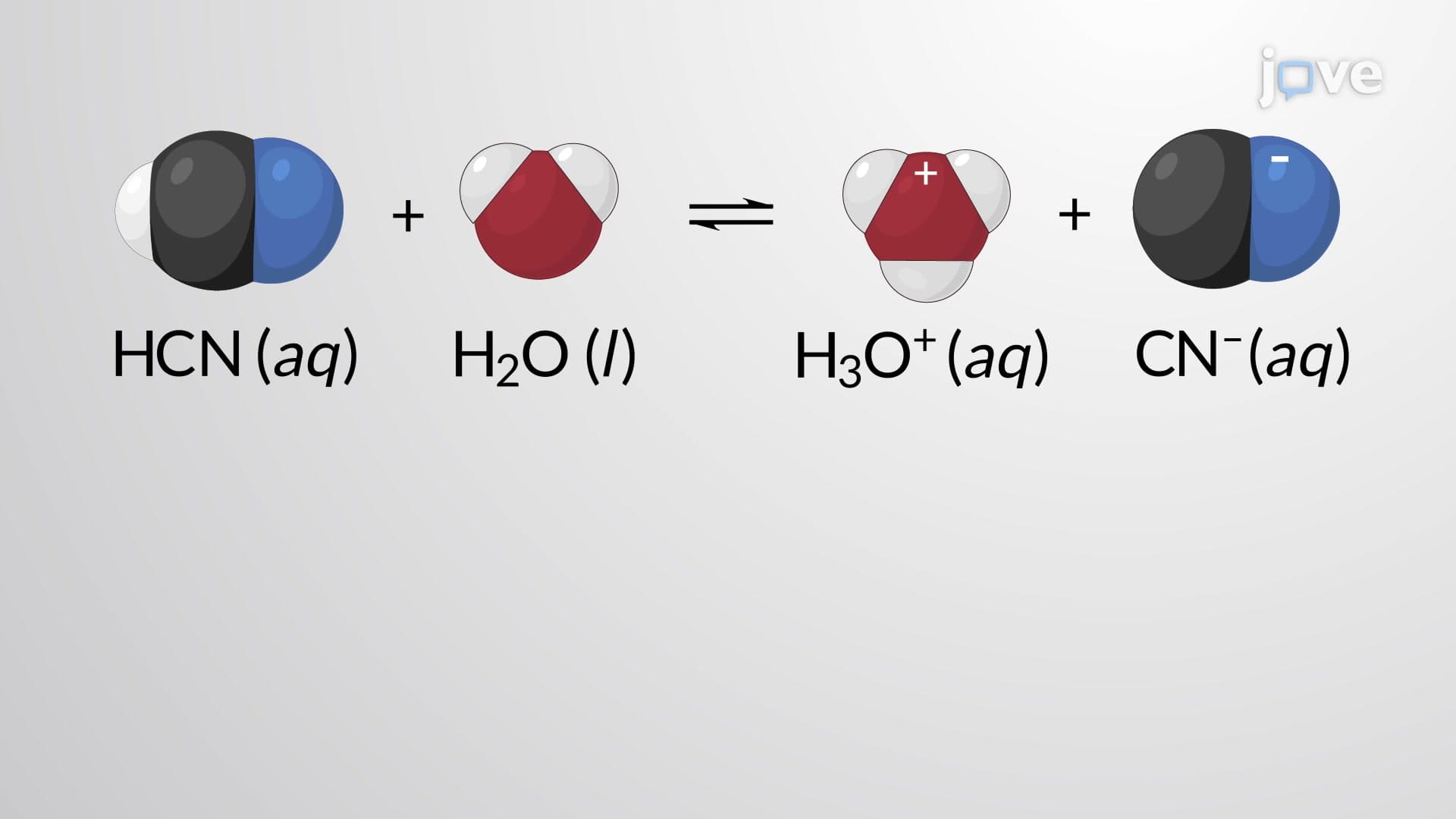
Weak acid solutions represent one of the most fundamental concepts in acid-base chemistry, distinguished by their incomplete ionization in water. Unlike strong acids that dissociate completely, weak acids establish dynamic equilibrium between their molecular and ionic forms. This partial dissociation is quantified by the acid dissociation constant (Ka), which varies dramatically among different weak acids-from acetic acid (Ka = 1.8 × 10⁻⁵) to hydrocyanic acid (Ka = 4.9 × 10⁻¹⁰).
Types of Weak Acid Solutions in Practice
Types of weak acid solutions encompass a vast array of compounds encountered in daily life and laboratory settings. Carboxylic acids like acetic acid (vinegar) and formic acid (ant venom) represent common organic weak acids. Inorganic examples include hydrofluoric acid (used in glass etching) and carbonic acid (formed when CO₂ dissolves in water, creating carbonated beverages). Each type exhibits unique Ka values and dissociation patterns, making them suitable for specific applications in pharmaceuticals, food preservation, and industrial processes.
Calculating pH and Concentrations
The mathematical treatment of weak acid solutions overview involves sophisticated equilibrium calculations using ICE (Initial, Change, Equilibrium) tables. For a weak acid HA dissociating into H⁺ and A⁻, the equilibrium expression Ka = [H⁺][A⁻]/[HA] governs the system. When solving these problems, the approximation method (assuming x << initial concentration) proves valid when dissociation is less than 5% of the original concentration. This approach streamlines calculations while maintaining accuracy-crucial for AP Chemistry and college-level quantitative analysis.
Real-World Applications and Exam Relevance
Understanding weak acid solutions proves essential for pre-med students preparing for the MCAT, where acid-base equilibria constitute approximately 15% of the General Chemistry section. These concepts also appear frequently on AP Chemistry exams, particularly in free-response questions requiring multi-step calculations. In clinical settings, weak acids like ascorbic acid (vitamin C) and amino acids play crucial roles in biological buffering systems. Environmental science applications include acid rain formation through weak carbonic acid and soil pH management in agriculture across the American Midwest.
Frequently Asked Questions
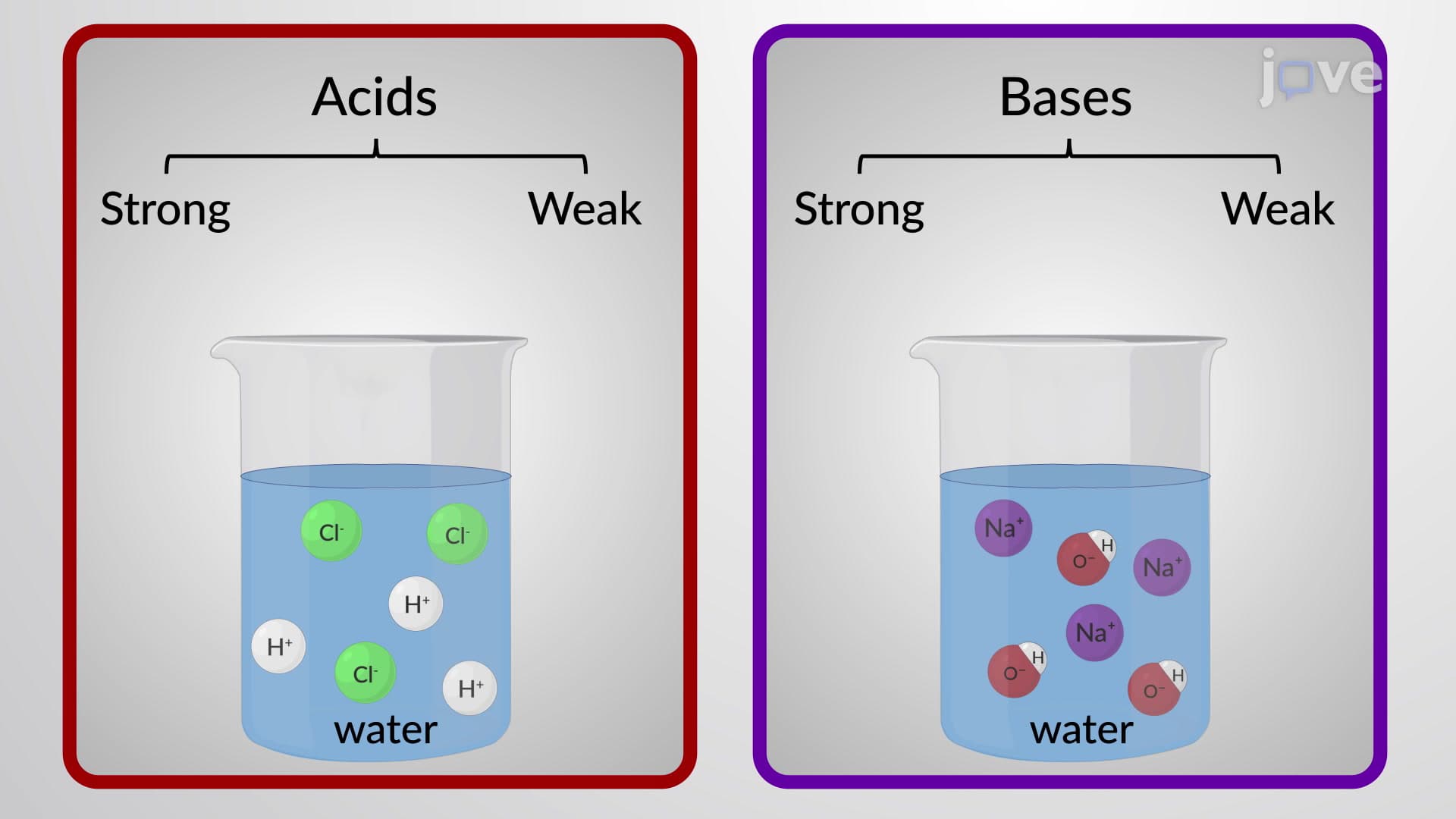
Weak acid solutions only partially dissociate in water, maintaining equilibrium between molecular and ionic forms, while strong acids completely ionize. This partial dissociation means weak acids have higher pH values and lower conductivity than strong acids at the same concentration. The extent of dissociation is governed by the acid's Ka value-smaller Ka indicates weaker acid strength.
AP Chemistry frequently tests weak acid calculations through equilibrium problems, pH calculations, and buffer system questions. Students must master ICE table construction, approximation methods, and Ka calculations. Recent exams have featured weak acids in titration problems and as components of buffer solutions, often worth 7-10 points on the free-response section.
The MCAT emphasizes physiologically relevant weak acids like carbonic acid (blood pH regulation), amino acids (protein structure), and fatty acids (membrane composition). Test-takers should understand Henderson-Hasselbalch calculations, buffer capacity, and how weak acid-base pairs maintain biological pH. These concepts appear in both General Chemistry and Biological Sciences sections.
The food industry extensively uses acetic acid solutions for preservation and flavoring-from pickle brines in Heinz factories to vinegar production in California's Napa Valley. Pharmaceutical companies like Pfizer utilize weak organic acids as active ingredients and pH adjusters in medications. The semiconductor industry in Silicon Valley employs dilute hydrofluoric acid solutions for silicon wafer etching.
Basic algebra and logarithms are sufficient for most weak acid problems at the high school and introductory college level. The key is understanding equilibrium concepts rather than complex mathematics. Students comfortable with solving quadratic equations and using scientific notation will find these calculations manageable with practice.
Focus on understanding relative acid strengths rather than memorizing exact values. Remember that acetic acid (Ka ≈ 10⁻⁵) is stronger than hydrocyanic acid (Ka ≈ 10⁻¹⁰), and use mnemonic devices linking acid names to their approximate Ka magnitudes. Most exams provide necessary constants, so emphasis should be on problem-solving methodology.
Weak acid solutions form the foundation for understanding biological buffers like the bicarbonate system in human blood. The equilibrium principles you learn here directly apply to buffer capacity calculations and Henderson-Hasselbalch equations. This knowledge becomes crucial for advanced topics in biochemistry, physiology, and environmental chemistry courses.
Healthcare professionals use this knowledge for understanding drug pH, blood gas analysis, and metabolic disorders. Environmental scientists apply these concepts to acid rain effects and water treatment systems. Chemical engineers in pharmaceutical and food industries rely on weak acid principles for process optimization and quality control throughout American manufacturing sectors.
Related Micro-courses