Loading subject page…

- Chemistry
- Chemical Equilibrium
- Le Chatelier's Principle: Changing Temperature
Micro-course: Chemical Equilibrium
457,403 views
Learn key concepts and earn your certificate.

Le Chatelier's Principle: Changing Temperature
00:00
02:19
- Understand how Le Chatelier's Principle Changing Temperature Explained predicts equilibrium shifts when thermal energy is added or removed from chemical systems
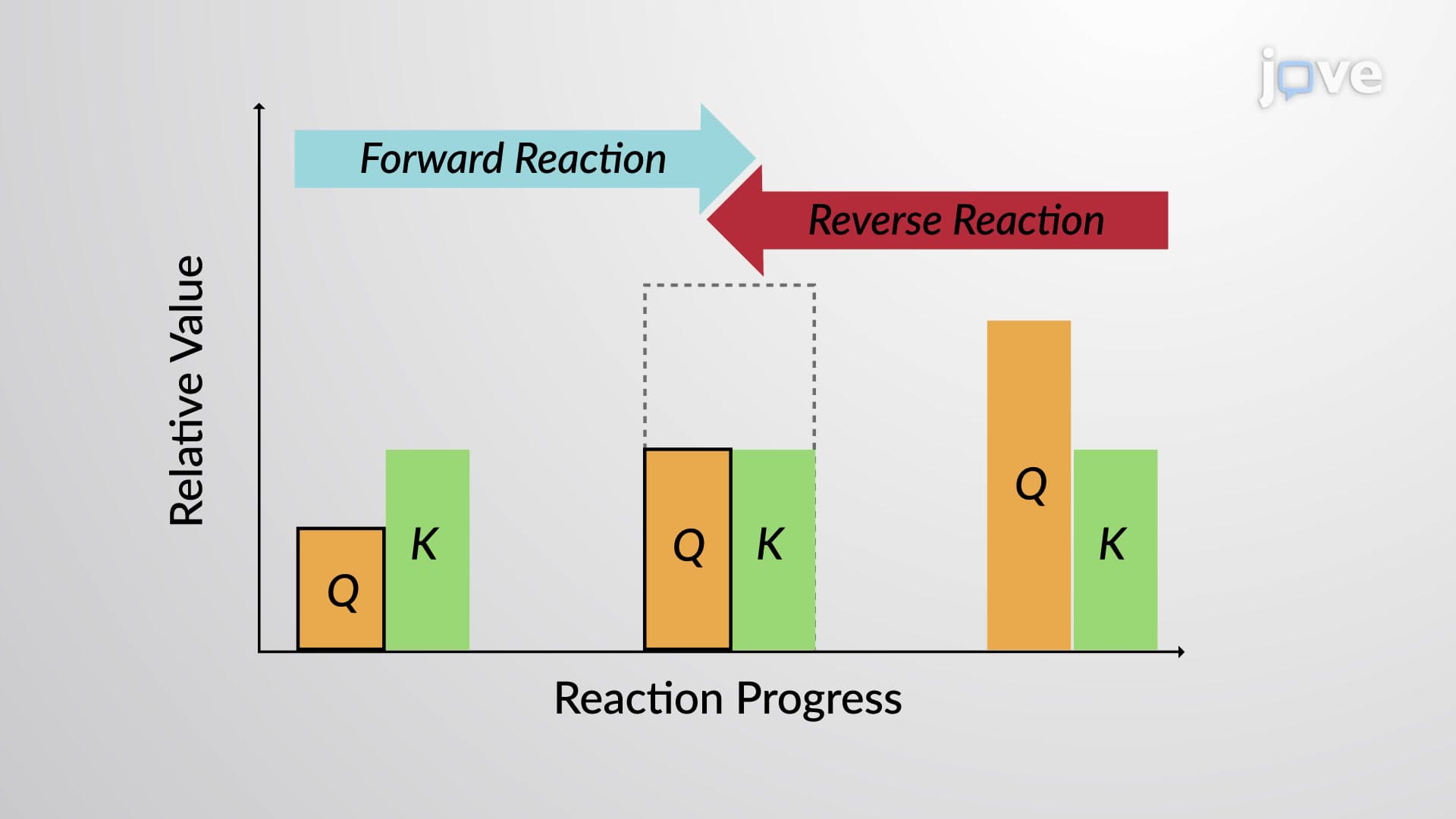
- Identify the key difference between temperature effects (which change K values) and concentration/pressure effects (which only shift equilibrium position)
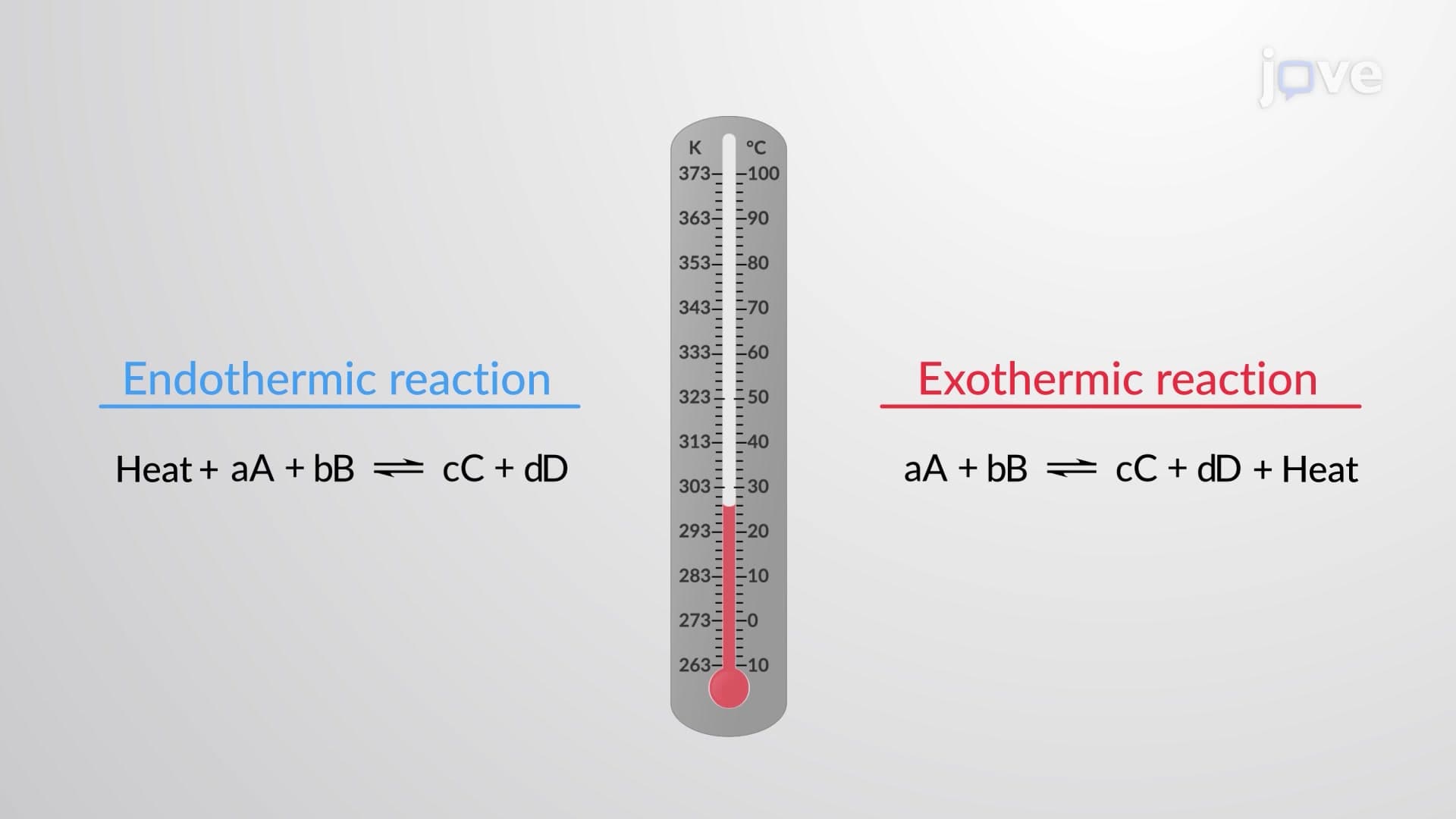
- Analyze endothermic reactions where increased temperature shifts equilibrium toward products by treating heat as a reactant
- Compare exothermic reactions where increased temperature shifts equilibrium toward reactants by treating heat as a product
- Evaluate equilibrium constant changes: K increases with temperature for endothermic reactions, decreases for exothermic reactions
- Apply temperature-based predictions to real chemical processes like industrial synthesis and pharmaceutical manufacturing
- Recognize how cooling effects create opposite shifts: favoring reactants in endothermic systems and products in exothermic systems
- Explore the relationship between reaction enthalpy (ΔH) and temperature sensitivity in equilibrium systems
Understanding Le Chatelier's Principle Changing Temperature Effects
Le Chatelier's principle changing temperature represents one of the most powerful tools for predicting how chemical equilibrium systems respond to thermal stress. Unlike changes in concentration or pressure that merely shift equilibrium positions, temperature changes actually alter the equilibrium constant (K) value itself, making temperature effects fundamentally different and more complex.
Temperature Effects on Endothermic Reactions
In endothermic reactions, heat absorption drives the forward reaction, making thermal energy behave like a reactant. Consider the industrial decomposition of limestone (calcium carbonate) in cement manufacturing: CaCO₃(s) + heat → CaO(s) + CO₂(g). When kiln temperatures increase, le chatelier's principle changing temperature tutorial logic predicts the equilibrium shifts right, producing more lime (CaO) and carbon dioxide. The equilibrium constant K increases because higher temperatures favor the heat-absorbing forward reaction.
This principle appears frequently on AP Chemistry exams, where students must predict that heating endothermic systems increases product formation. College general chemistry courses emphasize how industrial processes like ammonia synthesis use controlled heating to optimize yield in endothermic steps.
Temperature Effects on Exothermic Reactions
Exothermic reactions release heat, making thermal energy behave like a product. The Contact process for sulfuric acid production exemplifies this: 2SO₂(g) + O₂(g) → 2SO₃(g) + heat. When temperatures rise, how le chatelier's principle changing temperature works shows equilibrium shifting left toward reactants, reducing SO₃ production. Industrial plants must balance temperature carefully—too hot reduces yield, too cold slows reaction rates.
Understanding le chatelier's principle changing temperature concept helps explain why pharmaceutical companies use controlled cooling in exothermic drug synthesis reactions to maximize product formation while maintaining safe reaction conditions.
Real-World Applications and Exam Relevance
Le chatelier's principle changing temperature study guide material frequently appears on MCAT General Chemistry sections, testing students' ability to predict equilibrium shifts in biological systems. Body temperature regulation involves equilibrium shifts in oxygen-hemoglobin binding, where fever conditions affect oxygen transport efficiency.
College organic chemistry courses apply these principles to understanding reaction selectivity, where temperature control determines which products predominate in competing reaction pathways.
Frequently Asked Questions
Le Chatelier's principle changing temperature describes how equilibrium systems respond to thermal stress by shifting to counteract temperature changes. Unlike other stresses, temperature changes alter the equilibrium constant K value itself. In endothermic reactions, heating shifts equilibrium toward products, while in exothermic reactions, heating shifts toward reactants.
AP Chemistry frequently tests temperature effects through equilibrium shift predictions and K value changes. Students must identify whether reactions are endothermic or exothermic, then predict how heating or cooling affects product formation. Free response questions often combine temperature effects with industrial process optimization scenarios.
Yes, MCAT General Chemistry sections regularly include Le Chatelier's principle temperature problems, especially in biological contexts. Expect questions about enzyme activity, oxygen transport, and metabolic pathway regulation where temperature changes affect equilibrium positions in physiological systems.
Temperature changes actually modify the equilibrium constant K value, while concentration changes only shift the equilibrium position without changing K. This fundamental difference means temperature effects are permanent (at that temperature), while concentration effects can be reversed by returning to original conditions.
Major US chemical companies like DuPont and Dow Chemical apply these principles in ammonia synthesis, petroleum refining, and pharmaceutical manufacturing. Steel production in facilities across Pennsylvania and Indiana uses temperature-controlled reactions for optimal iron extraction from ore.
Not at all! The key is remembering that heat acts like a reactant in endothermic reactions and like a product in exothermic reactions. Once you visualize heat as part of the chemical equation, predicting shifts becomes straightforward using basic Le Chatelier logic.
Practice identifying endothermic vs. exothermic reactions first, then work through heating/cooling scenarios systematically. Create a simple chart showing temperature increase/decrease effects for both reaction types. Focus on problems that combine multiple stresses—temperature plus concentration or pressure changes.
Next, explore reaction kinetics and how temperature affects reaction rates through the Arrhenius equation. Then study thermodynamics concepts like Gibbs free energy and how it relates to equilibrium constants at different temperatures. Advanced topics include enzyme kinetics and temperature-dependent biological processes.
Related Micro-courses


Related Subjects

Analytical Chemistry16 micro-courses
›