Loading subject page…

- Civil Engineering
- Fluid Statics
- Pressure Variation in a Fluid at Rest
Micro-course: Fluid Statics
7,629 views
Learn key concepts and earn your certificate.



Pressure Variation in a Fluid at Rest
00:00
01:11
- Understand what is pressure variation and how it relates to fluid mechanics in static equilibrium conditions
- Identify the key factors that influence pressure changes in fluids, including depth, density, and atmospheric pressure
- Analyze the mathematical relationship between pressure head and vertical distance in fluid columns
- Apply pressure variation principles to calculate pressure differences at various depths below a fluid surface
- Recognize how atmospheric pressure serves as a reference point for determining absolute pressure in fluid systems
- Evaluate real-world scenarios where pressure variation affects engineering design and safety considerations
- Explore the connection between pressure variation and hydrostatic pressure in both natural and artificial fluid systems
- Compare pressure variations in different types of fluids and understand how density affects these relationships
Understanding What is Pressure Variation in Fluid Systems
Pressure variation describes how pressure changes throughout a fluid system, particularly with respect to vertical position or depth. This fundamental concept in fluid mechanics explains why pressure increases as you move deeper into any fluid, whether it's water in a lake, oil in a storage tank, or even air in our atmosphere. The variation occurs because each layer of fluid must support the weight of all the fluid above it, creating a systematic increase in pressure with depth.
The Physics Behind Pressure Head and Depth Relationships
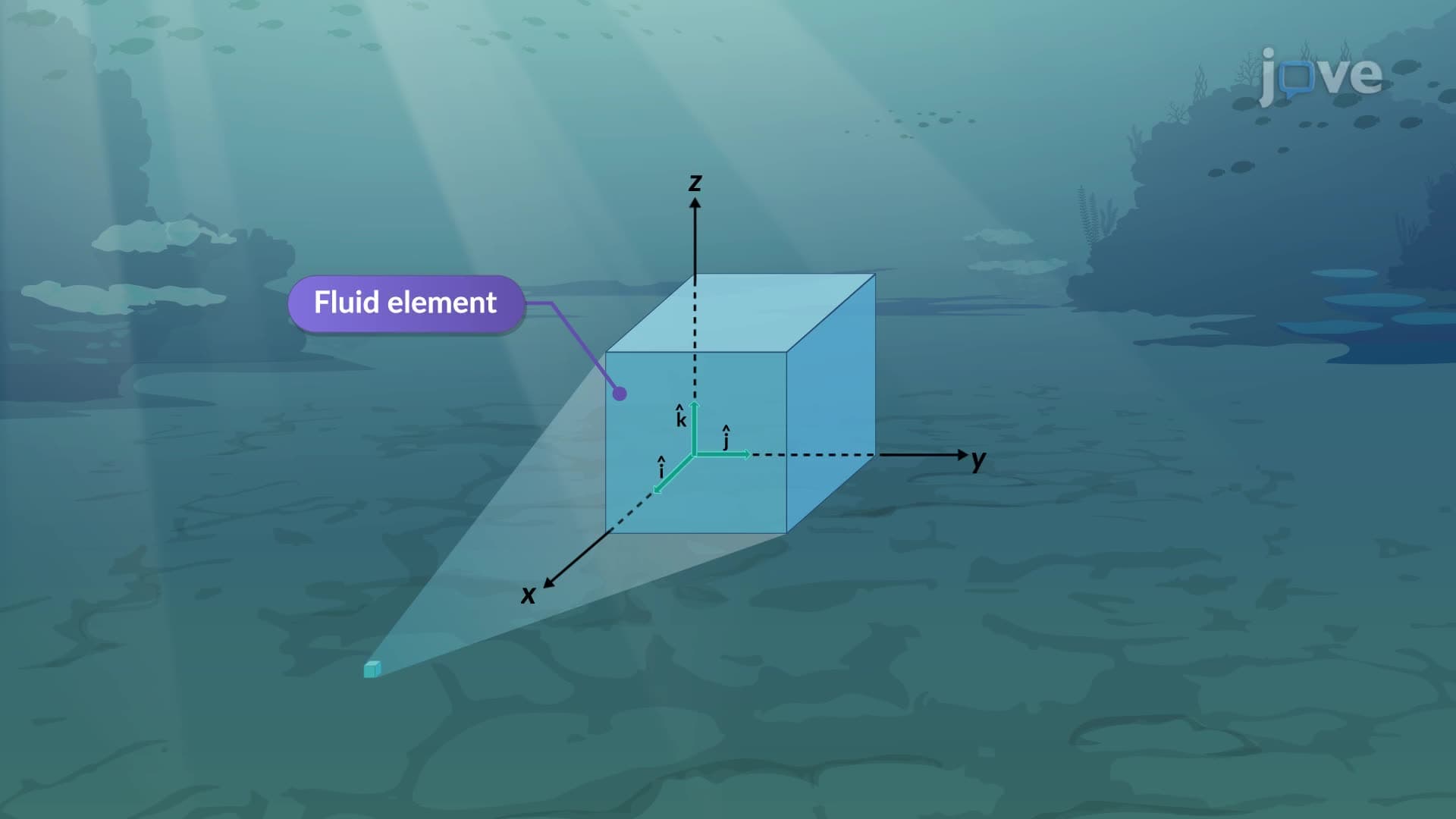
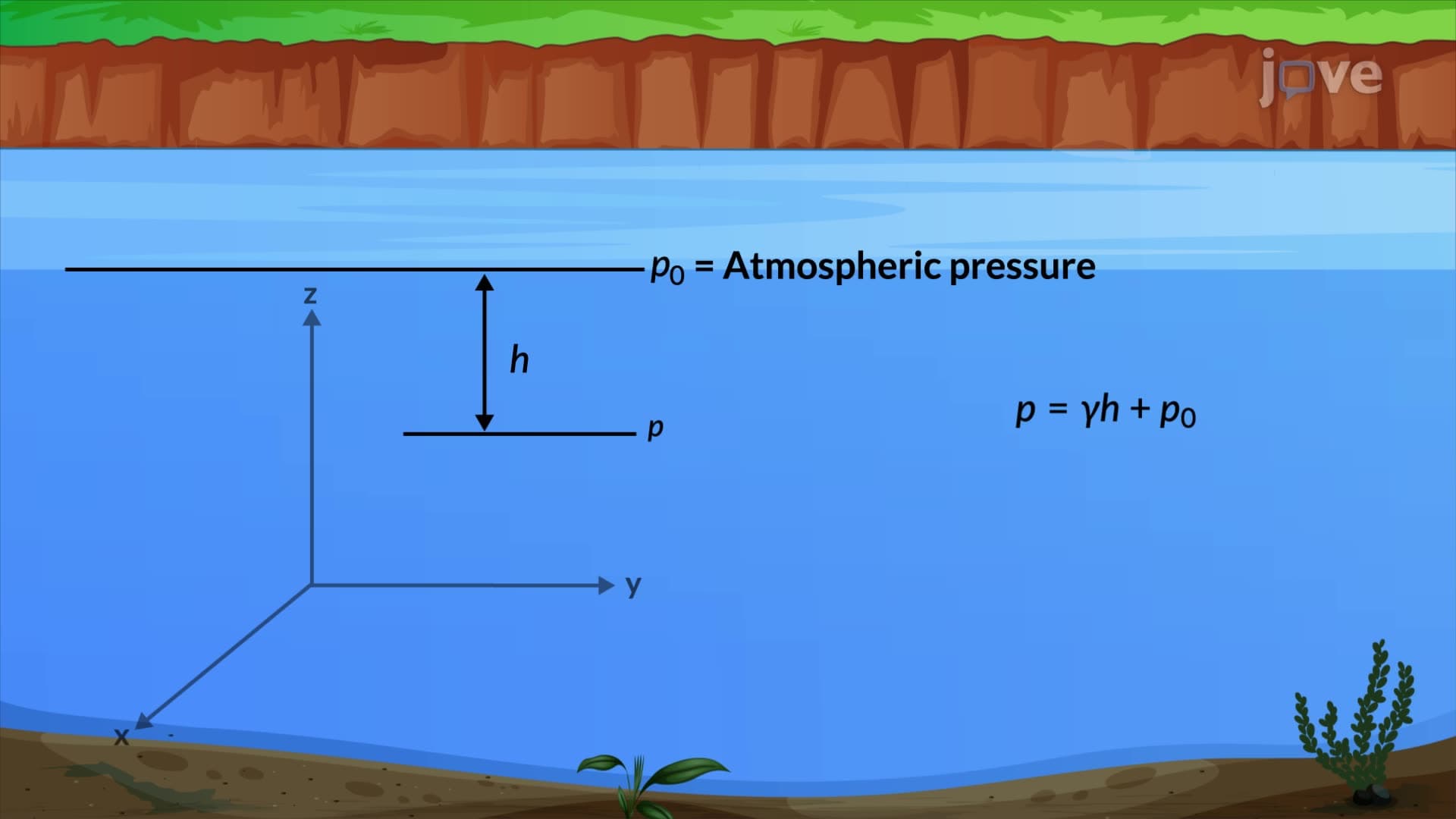
When examining pressure variation in detail, we must consider the concept of pressure head. Pressure head (h) represents the vertical distance that contributes to pressure difference between two points in a fluid. For a fluid at rest, the pressure difference between two levels equals the product of fluid density, gravitational acceleration, and the height difference. This relationship forms the foundation for understanding hydrostatic pressure in engineering applications.
In practical terms, for every foot of water depth, pressure increases by approximately 0.433 psi (pounds per square inch). This pressure variation concept applies directly to water tower design, where engineers must account for pressure differences between the tank and various distribution points throughout a municipal water system.
Atmospheric Pressure as the Reference Point
Understanding pressure variation requires recognizing atmospheric pressure's role as a baseline. At sea level, atmospheric pressure equals approximately 14.7 psi or 1 atmosphere. When calculating absolute pressure at any depth below a fluid surface, we add the atmospheric pressure to the pressure created by the fluid column above that point. This principle explains why pressure gauges in swimming pool filtration systems read higher at deeper sampling points.
Real-World Applications in US Industries
Pressure variation basics apply across numerous American industries. In petroleum engineering, companies like ExxonMobil must account for pressure variations when designing offshore drilling platforms in the Gulf of Mexico. The pressure at 5,000 feet below sea level exceeds surface pressure by over 2,000 psi, requiring specialized equipment and safety protocols.
Similarly, the Federal Aviation Administration (FAA) requires pilots to understand pressure variation effects on aircraft cabin pressure and altimeter readings. As aircraft climb to 35,000 feet, atmospheric pressure drops significantly, necessitating pressurized cabins for passenger safety.
For students preparing for AP Physics exams or college engineering courses, mastering pressure variation concepts provides essential groundwork for advanced fluid mechanics topics like Bernoulli's equation and fluid flow analysis.
Frequently Asked Questions
Pressure variation is the systematic change in pressure throughout a fluid system, typically increasing with depth due to gravitational effects. It occurs because each layer of fluid must support the weight of all fluid layers above it, creating higher pressure at greater depths. This fundamental principle governs everything from water distribution systems to atmospheric pressure changes with altitude.
Both exams frequently test pressure variation through hydrostatic pressure calculations and conceptual questions about fluid systems. AP Physics may ask you to calculate pressure at specific depths in tanks or reservoirs, while the MCAT often includes pressure variation in biological contexts like blood pressure or diving physiology. Practice problems typically involve applying the formula P = P₀ + ρgh to solve for unknown pressures or depths.
The essential formula is P = P₀ + ρgh, where P is absolute pressure, P₀ is atmospheric pressure, ρ is fluid density, g is gravitational acceleration, and h is depth. For pressure difference calculations, use ΔP = ρgh. Remember that ρ for water is approximately 1000 kg/m³ or 62.4 lb/ft³, and atmospheric pressure equals 101,325 Pa or 14.7 psi.
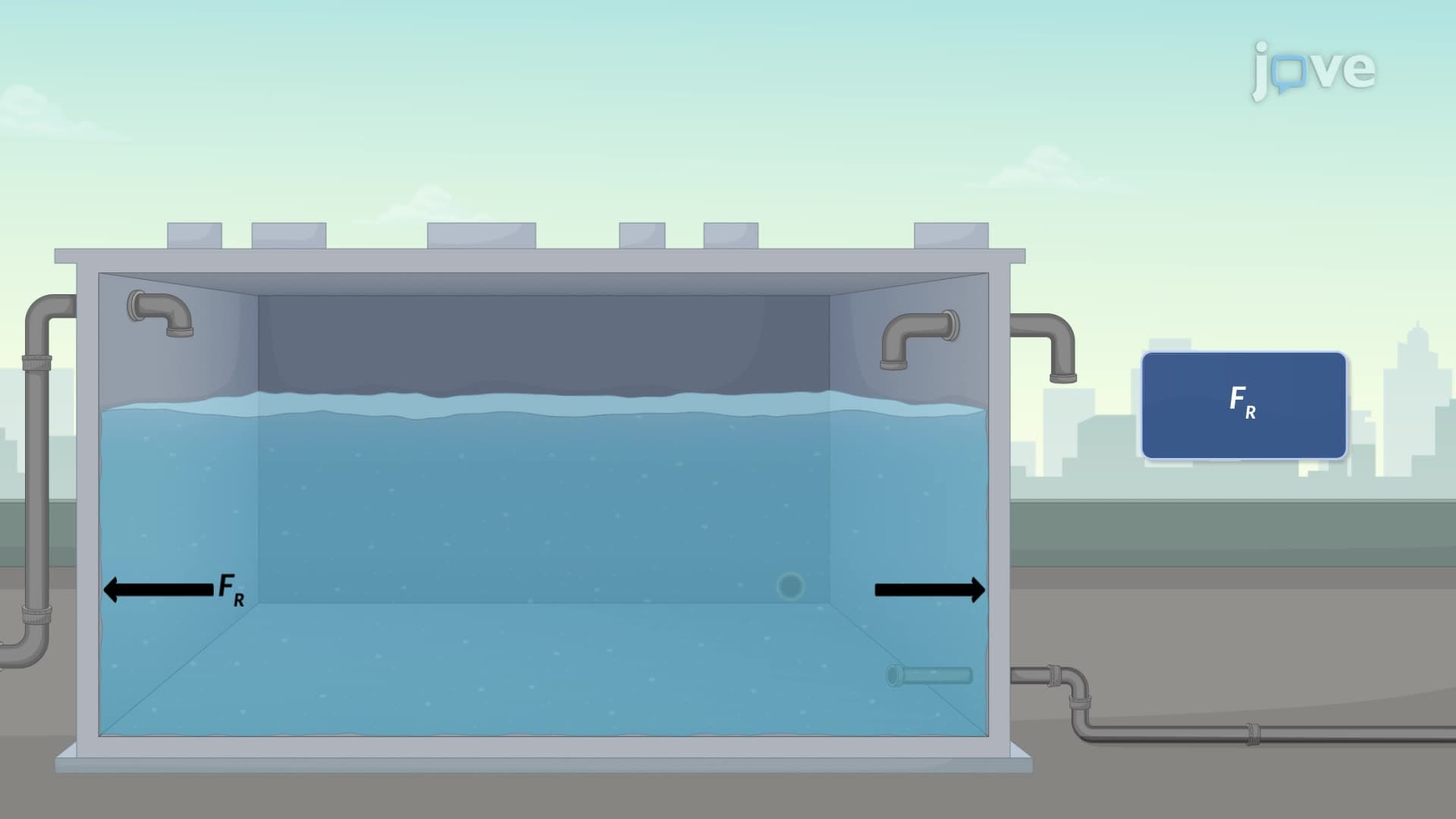
Engineers designing water towers for cities like Chicago must account for pressure variation to ensure adequate water pressure at different elevations throughout the distribution network. Similarly, structural engineers designing dams calculate pressure variation to determine the immense forces acting on dam walls, which increase dramatically toward the base due to greater water depth.
Pressure variation concepts are very accessible with the right approach and don't require advanced mathematics beyond basic algebra. The key is visualizing how fluid weight creates pressure and connecting this to familiar experiences like ear popping or swimming pool pressure. Start with simple examples and gradually work toward more complex applications.
Focus on understanding the conceptual relationship between depth and pressure first, then practice applying the fundamental formula P = P₀ + ρgh to various scenarios. Create a formula sheet with common fluid densities and work through problems involving different fluids like water, oil, and mercury. Time yourself solving problems to build speed for exam conditions.
Build on pressure variation by exploring dynamic fluid systems, including Bernoulli's equation for flowing fluids and the continuity equation for fluid flow. These concepts extend static pressure analysis to moving fluids and form the foundation for advanced engineering applications in aerodynamics, hydraulics, and biomedical engineering.
Related Micro-courses


Related Subjects

Electrical Engineering33 micro-courses
›