Loading subject page…

- Civil Engineering
- Introduction to Surveying
- Errors and Mistakes in Surveying
Micro-course: Introduction to Surveying
2,456 views
Learn key concepts and earn your certificate.


Errors and Mistakes in Surveying

00:00
01:19
Video Summary: What are Errors and Mistakes
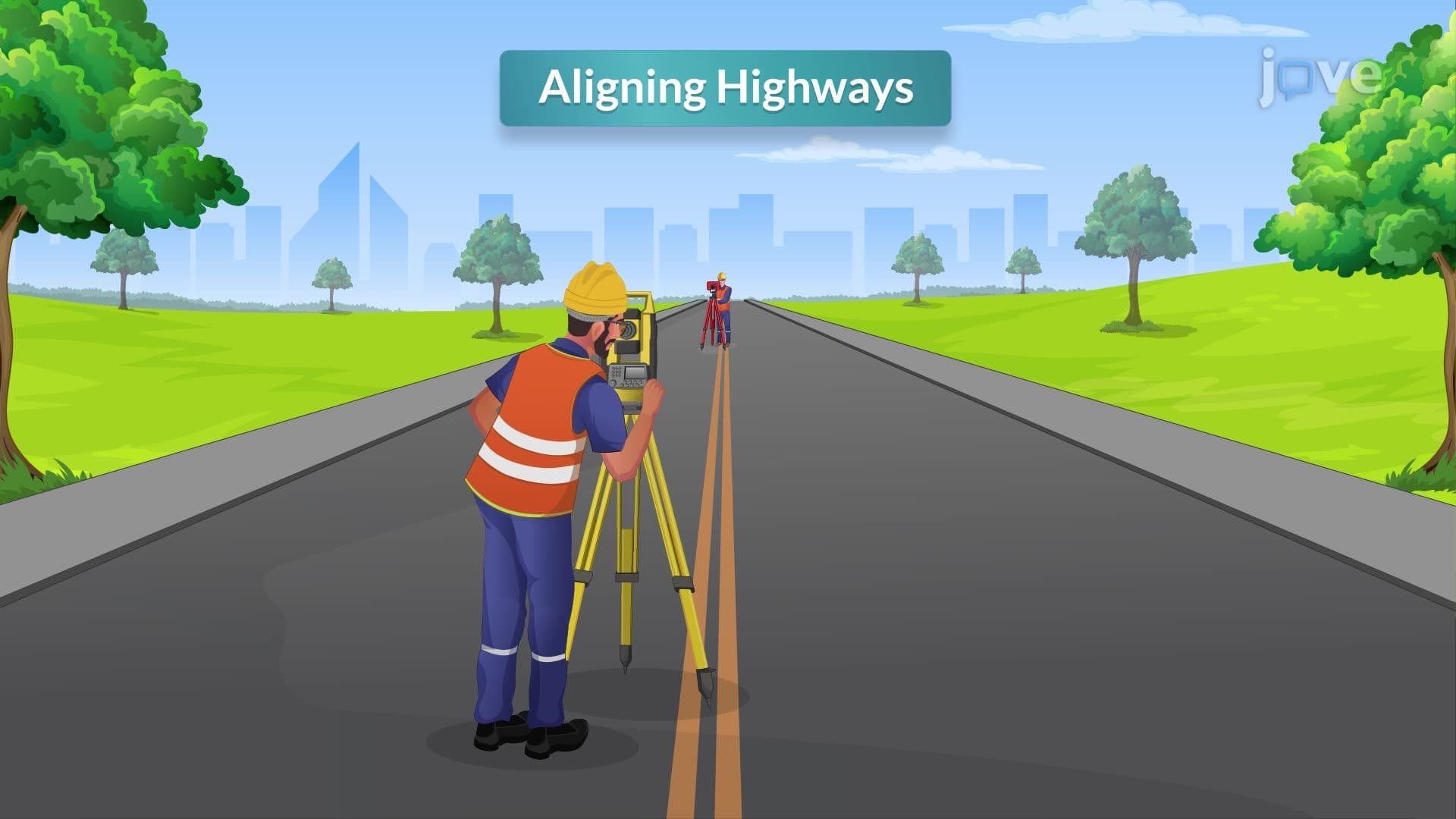
Did you know that even professional surveyors working on major US infrastructure projects like the Golden Gate Bridge expansion must account for steel measuring tapes expanding up to several millimeters on hot summer days? Understanding distance measurements by taping requires mastering what are errors and mistakes-two distinct sources of measurement deviation that can impact everything from property boundaries to construction accuracy. Personal errors occur when surveyors estimate fractional scale readings, while instrumental errors arise from equipment imperfections and natural errors stem from environmental conditions. Watch the full video on JoVE Coach to master this concept with expert-led visuals and step-by-step explanations.
- Understand what are errors and mistakes in surveying and distinguish between these two fundamental sources of measurement deviation
- Identify the three main categories of errors: personal errors from human limitations, instrumental errors from equipment flaws, and natural errors from environmental factors
- Analyze how temperature variations affect steel tape measurements during distance measurements by taping procedures
- Compare the difference between systematic errors (consistent deviations) and random mistakes (inconsistent human oversights)
- Evaluate the impact of equipment wear and calibration issues on measurement accuracy in professional surveying
- Apply error correction techniques to improve precision in field measurements and data recording
- Recognize common sources of mistakes such as misreading scales, recording wrong values, and calculation errors
- Explore how understanding measurement uncertainty principles applies to engineering and construction projects
Understanding What Are Errors And Mistakes in Surveying Context
Distance measurements by taping form the foundation of accurate surveying, but achieving precision requires understanding the fundamental difference between errors and mistakes. An error represents a systematic deviation from true values caused by inherent limitations in measurement systems, while a mistake results from human inattention or carelessness. This distinction proves crucial for students preparing for AP Physics exams or college-level engineering coursework, where measurement uncertainty concepts frequently appear.
Personal Errors in Distance Measurements by Taping
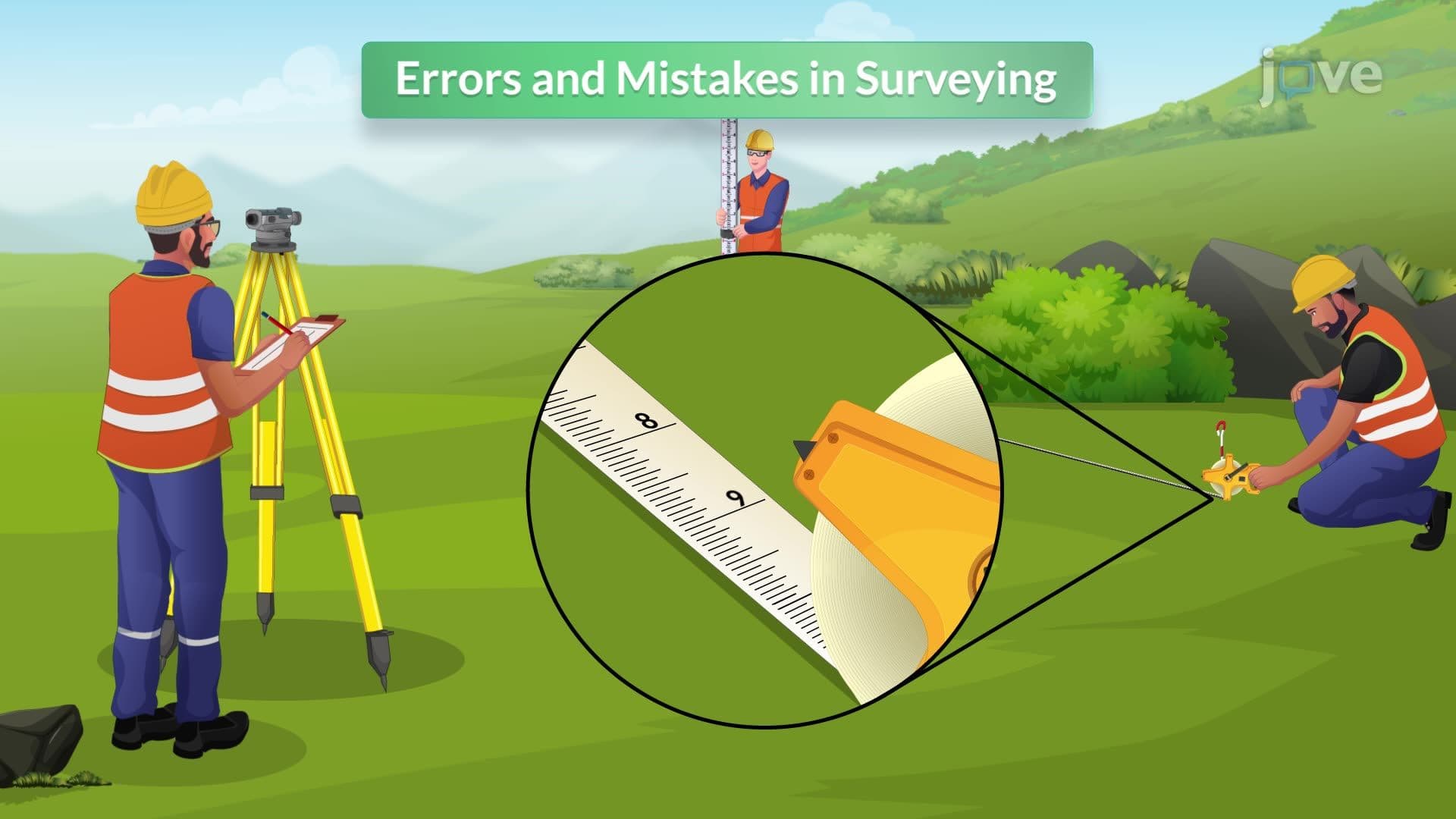
Personal errors occur due to human sensory limitations when conducting distance measurements by taping. When a surveyor estimates fractional parts of scale divisions, they inevitably introduce small deviations-sometimes reading slightly high, sometimes low. These errors follow statistical patterns and can be minimized through proper training and technique refinement. For instance, the US Geological Survey trains field technicians to use consistent reading methods, such as always estimating to the nearest tenth of a scale division using the same visual approach.
Instrumental Errors and Equipment Limitations
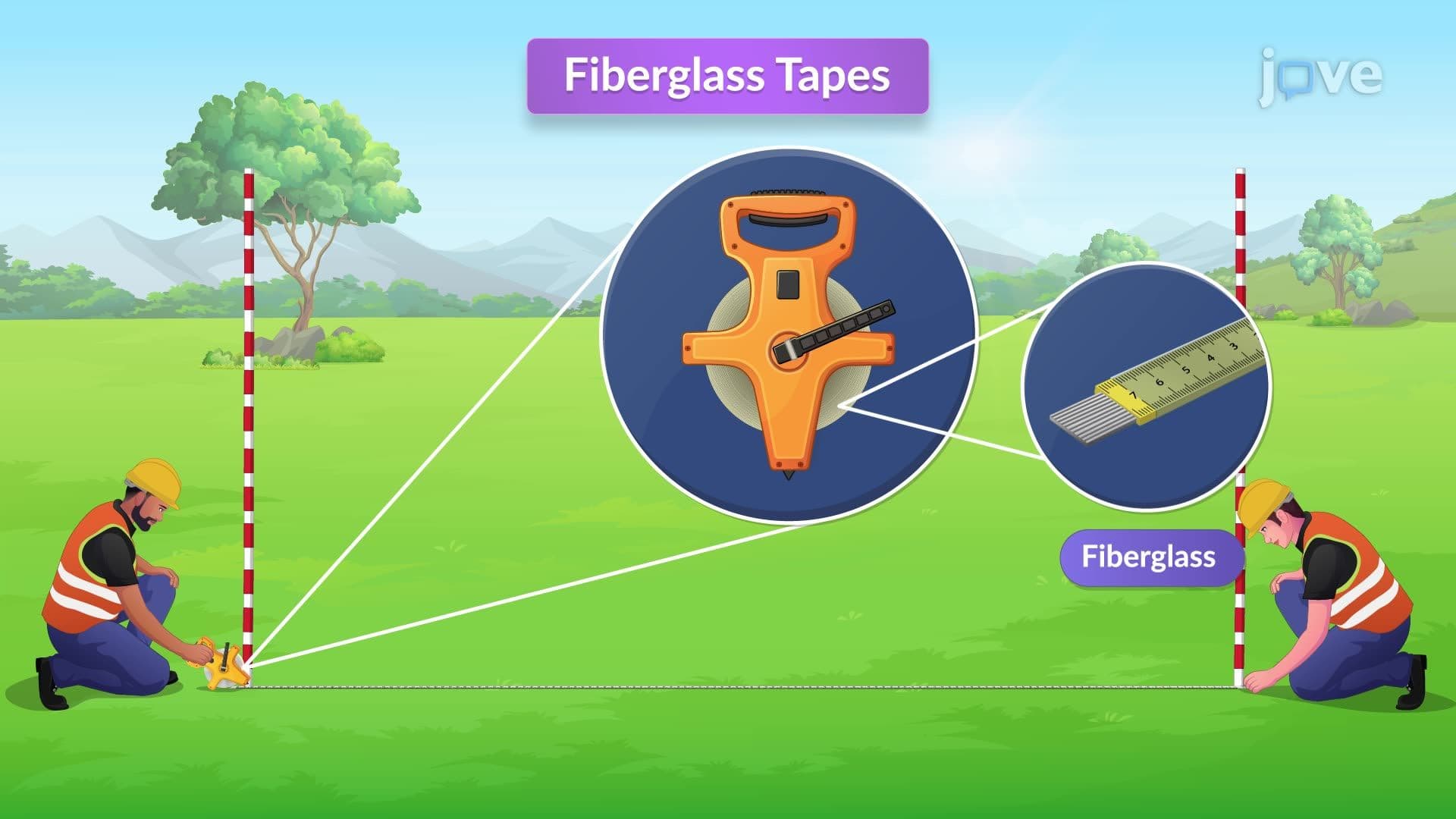
Instrumental errors arise from imperfect equipment manufacturing and maintenance conditions. Steel measuring tapes cannot be manufactured with perfect graduations, and mechanical components experience wear over time. The National Institute of Standards and Technology (NIST) establishes tolerance standards for surveying equipment used in federal projects, recognizing that some level of instrumental error remains unavoidable. Regular calibration against certified standards helps quantify these systematic deviations, allowing surveyors to apply appropriate corrections.
Natural Environmental Errors
Natural errors result from environmental factors affecting measurement equipment and conditions. Temperature changes cause steel tapes to expand or contract according to thermal expansion coefficients-approximately 0.0000065 per degree Fahrenheit for steel. During summer surveying projects in states like Arizona or Texas, temperature corrections become essential for accurate distance measurements by taping. Wind can cause tape sag or movement, moisture affects electronic equipment, and magnetic variations influence compass readings. Understanding these natural error sources helps students tackle complex surveying problems on standardized tests and prepares them for real-world engineering challenges where environmental compensation proves critical for project success.
Frequently Asked Questions
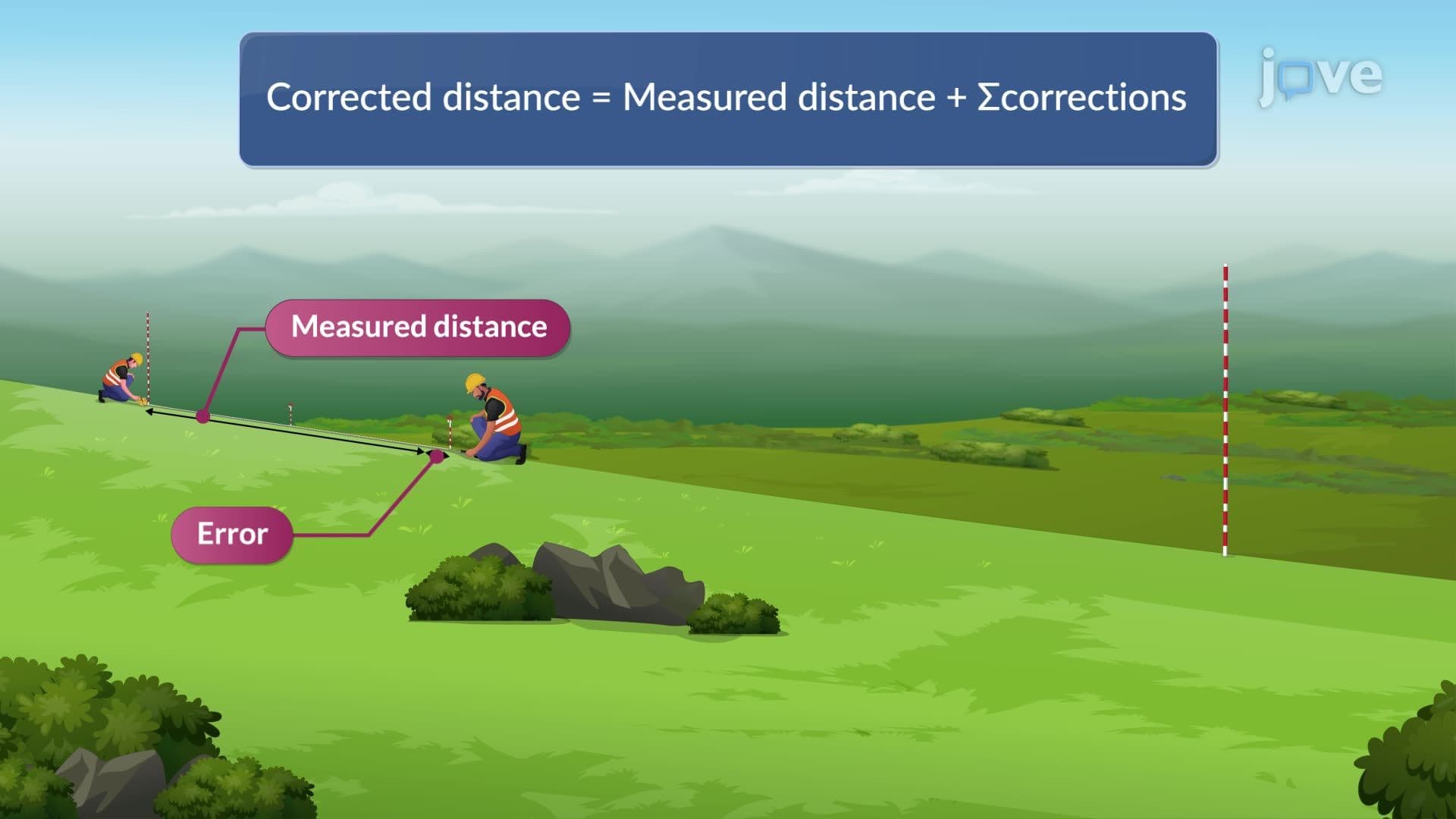
Errors are systematic deviations from true values caused by equipment limitations, human sensory constraints, or environmental factors, while mistakes are random deviations caused by human carelessness or inattention. Errors follow predictable patterns and can often be corrected mathematically, whereas mistakes are unpredictable oversights like misreading numbers or incorrect calculations. Both affect measurement accuracy but require different correction approaches.
These concepts frequently appear in measurement uncertainty questions, error propagation calculations, and experimental design problems on AP Physics C and college-level courses. Students might encounter problems calculating temperature corrections for steel tapes, analyzing systematic vs. random error sources, or determining measurement precision requirements. Understanding error types helps solve complex physics lab scenarios and engineering design challenges.
Common exam questions include calculating thermal expansion corrections for measuring tapes, identifying error sources in field measurements, and determining measurement precision requirements for construction projects. Students may need to distinguish between systematic errors requiring corrections versus random mistakes requiring repeated measurements, or analyze how environmental conditions affect measurement accuracy in practical surveying scenarios.
US construction projects like highway expansions, property boundary determinations, and building foundations rely on precise taping measurements with error correction protocols. Professional surveyors working on projects like the California High-Speed Rail system must account for temperature variations, equipment calibration, and environmental factors to maintain centimeter-level accuracy required by federal construction standards and local building codes.
Basic algebra and understanding of decimal measurements suffice for most distance measurements by taping applications. Students comfortable with temperature conversion, percentage calculations, and simple statistical concepts can master these principles. The mathematical complexity remains at high school level, making these concepts accessible for students in geometry, physics, or technical education programs.
Practice identifying error sources in measurement scenarios, work through temperature correction calculations, and understand the difference between precision and accuracy. Create flashcards distinguishing personal, instrumental, and natural errors, then solve practice problems involving real-world surveying situations. Focus on applying error correction principles rather than memorizing definitions.
These measurement principles extend into physics experiments, chemistry lab techniques, engineering design tolerances, and statistical analysis methods. Understanding systematic versus random errors proves essential for advanced coursework in experimental sciences, quality control engineering, and research methodology across STEM disciplines.
Explore error propagation in complex calculations, statistical analysis of measurement uncertainty, GPS surveying principles, and modern electronic distance measurement techniques. Advanced students might investigate least squares adjustment methods, coordinate geometry applications, and precision requirements for different engineering applications.
Related Micro-courses