Loading…
Loading video…

9,204 views
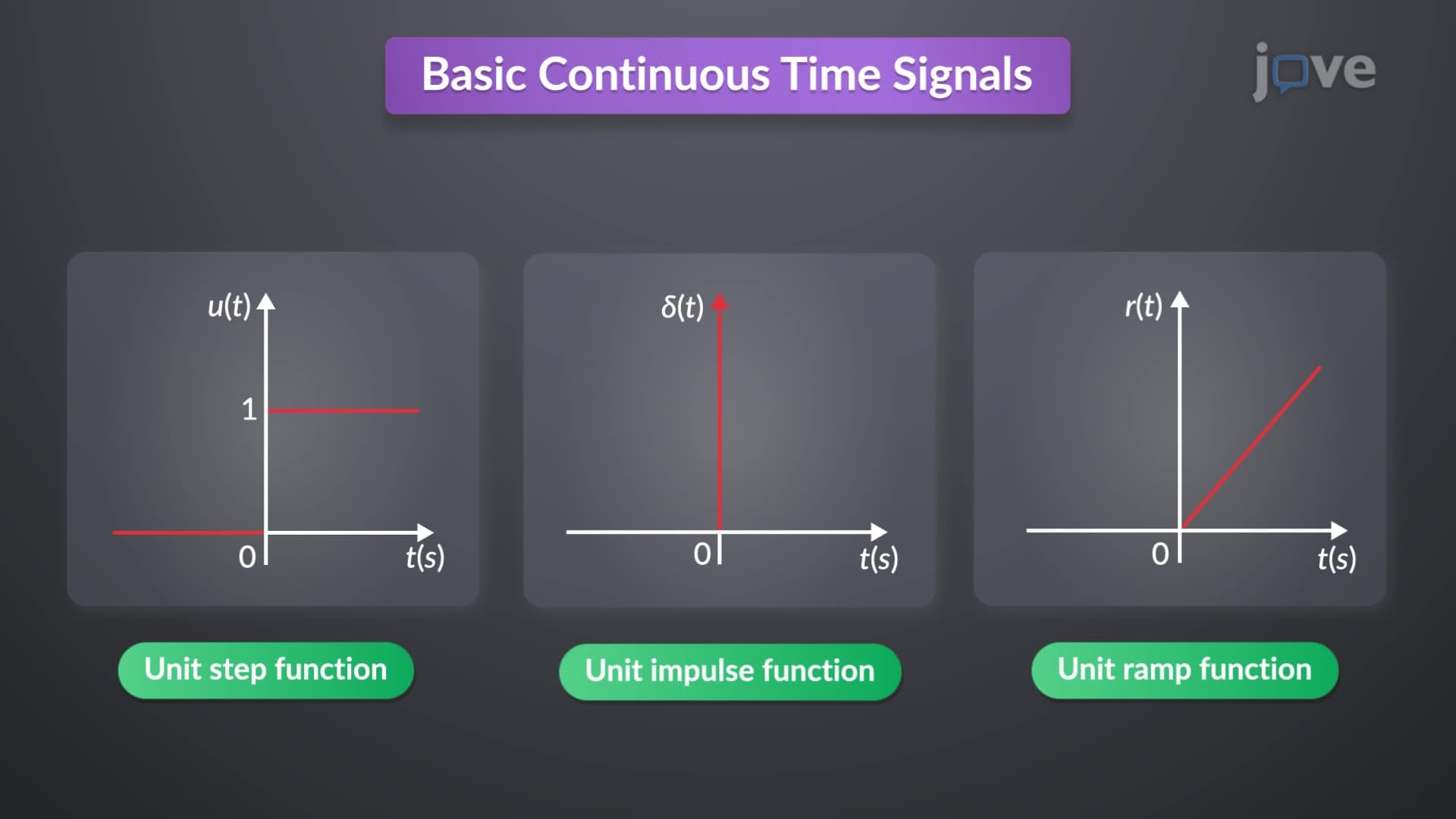
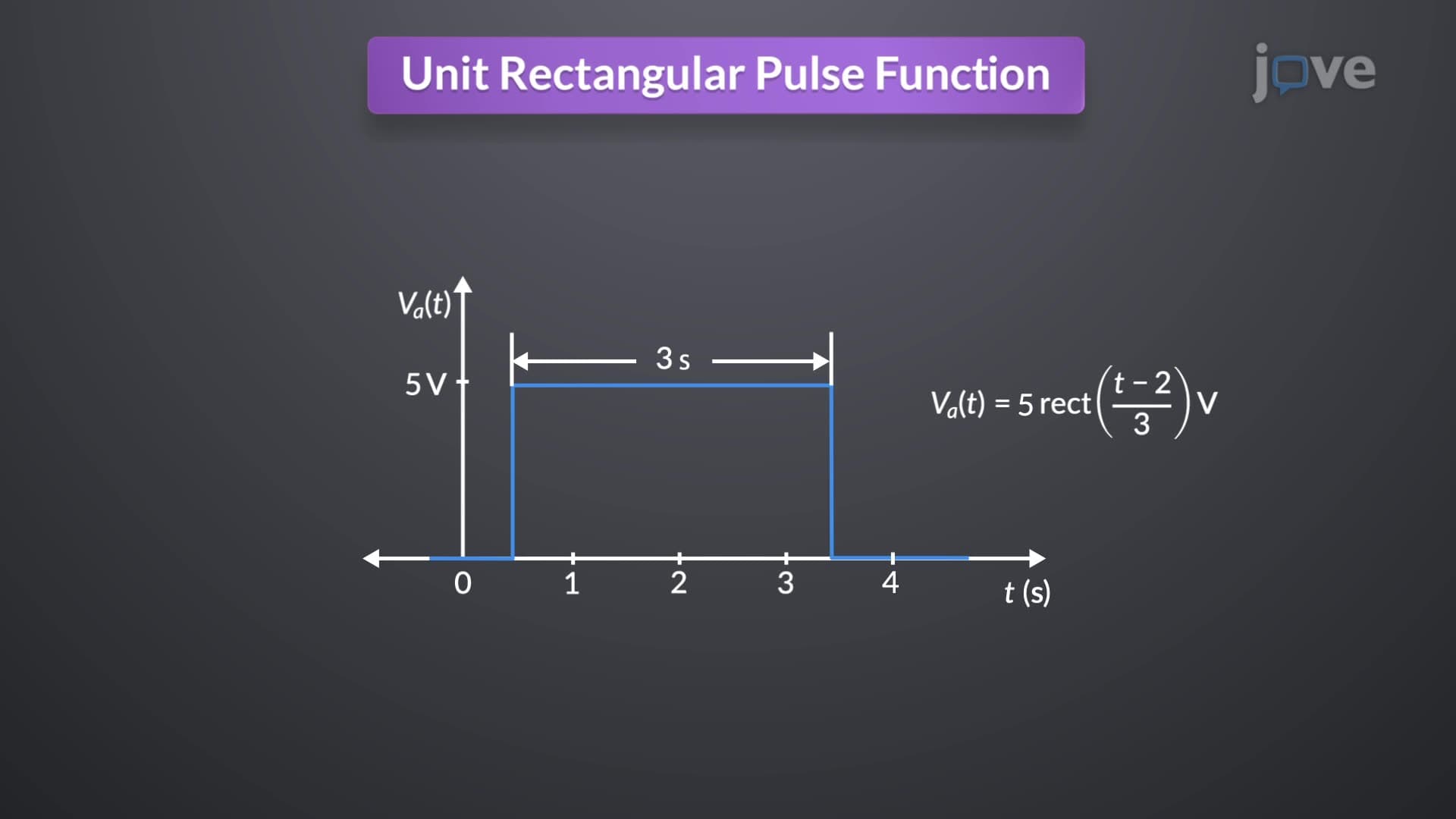
Ever wonder how your smartphone instantly responds when you tap the screen? The rectangular and triangular pulse function powers the digital signals behind this seamless interaction. Basic continuous time signals, including unit step, impulse, and ramp functions, form the mathematical foundation for everything from Tesla's autopilot systems to NASA's satellite communications. These singularity functions help engineers model abrupt changes in real-world systems, like the voltage spike when starting your car's engine. Watch the full video on JoVE Coach to master this concept with expert-led visuals and step-by-step explanations.
What are basic continuous time signals? These mathematical functions serve as the building blocks for advanced signal processing, forming the foundation that electrical and computer engineering students encounter in courses like ECE 201 at Purdue University or EECS 16A at UC Berkeley. The three fundamental singularity functions—unit step, unit impulse, and unit ramp—appear regularly on AP Physics exams and college-level circuits assessments.
The unit step function represents instantaneous transitions in real-world systems. Picture the moment you flip a light switch—the electrical current jumps from zero to its operating value instantly. Mathematically, this function equals zero for all negative time values and one for all positive time values, with a discontinuity at t = 0. This rectangular and triangular pulse function tutorial concept appears in control systems analysis, where engineers model sudden inputs like emergency brake activation in Ford's collision avoidance systems.
The derivative of the unit step function produces the unit impulse function, a theoretical construct representing infinitesimally short, high-amplitude pulses. While physically impossible, this function models real phenomena like lightning strikes or the brief pressure spike when NASA launches a Space Shuttle. The impulse function's most valuable property is sampling—when you integrate any function multiplied by an impulse, you extract the function's value at the impulse location. This rectangular and triangular pulse function concept enables digital signal processing in everything from Spotify's audio compression to medical MRI imaging.
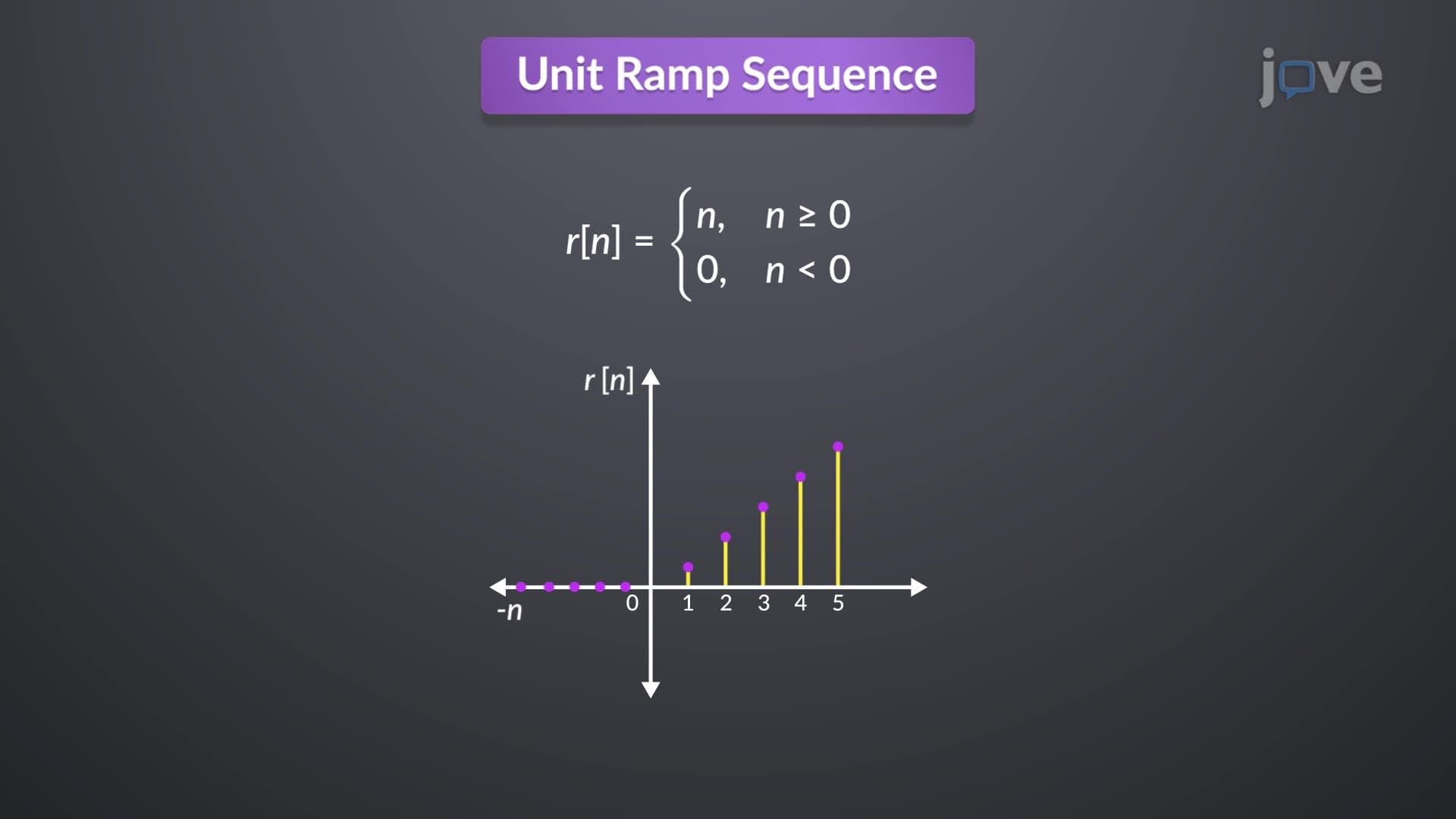
Integration of the unit step function yields the unit ramp function, which increases linearly for positive time values while remaining zero for negative time. This function models systems with constant growth rates, like the steady acceleration of a Tesla Model S during highway merging or the linear temperature rise in a thermostat-controlled heating system. Understanding how rectangular and triangular pulse function works becomes crucial when analyzing feedback control systems in aerospace applications.
These basic continuous time signals appear throughout American industry. Boeing uses step functions to model wing flap deployment, while Apple incorporates impulse responses in iPhone touch sensitivity calibration. Students preparing for the MCAT encounter these concepts in biomedical signal processing questions, particularly when analyzing ECG waveforms or neural spike trains.
Frequently Asked Questions
Basic continuous time signals are mathematical functions that form the foundation of signal processing and system analysis. They include unit step, impulse, and ramp functions that help engineers model real-world phenomena like electrical switches, mechanical shocks, and steady growth patterns in everything from smartphone touchscreens to automotive systems.
These functions commonly appear in AP Physics C: Electricity and Magnetism exams and college circuits courses like those at MIT or Stanford. Expect questions about sketching function graphs, calculating derivatives and integrals, and applying the sampling property of impulse functions in system analysis problems.
Yes, particularly in physics passages involving biomedical instrumentation or neural signal processing. The MCAT often tests your understanding of how these pulse functions relate to physiological measurements like ECG recordings or action potential modeling in neuroscience contexts.
These functions are essential in medical imaging and monitoring equipment used throughout US hospitals. MRI machines use pulse sequences based on these mathematical concepts, while cardiac pacemakers rely on controlled impulse functions to regulate heart rhythm effectively.
You only need basic calculus knowledge (derivatives and integrals) and comfort with graphing functions. Most high school students who've completed AP Calculus AB or college-level Calculus I can successfully master these concepts with proper study and practice.
Focus on understanding the physical meaning rather than rote memorization. Practice sketching each function, then work through how differentiation and integration transform one function into another. Create flashcards linking each function to real-world examples like car ignitions or light switches.
Remember that integrating any function f(t) multiplied by an impulse δ(t-a) always yields f(a). Practice with specific examples: if you integrate x² δ(t-3) from negative to positive infinity, the result is simply 3² = 9.
Progress to Fourier transforms, Laplace transforms, and frequency domain analysis. These concepts build directly on singularity functions and appear in advanced courses like Digital Signal Processing at schools like Georgia Tech or Carnegie Mellon University.
Related Micro-courses
Related Subjects
 Civil Engineering 30 micro-courses›Mechanical Engineering 28 micro-courses›