Loading subject page…

- Finance
- Behavioral Finance
- An Overview of Behavioral Aspects of Asset Pricing
Micro-course: Behavioral Finance
3,690 views
Learn key concepts and earn your certificate.

























An Overview of Behavioral Aspects of Asset Pricing


00:00
01:28
Video Summary: An Overview of Behavioral Aspects Explained
Market volatility in 2023 cost institutional investors billions as behavioral biases drove irrational decisions across major US portfolios. This overview behavioral aspects framework reveals how psychological factors systematically impact asset pricing and investment returns. Goldman Sachs research demonstrates that investor sentiment creates predictable patterns in small-cap and newly listed securities, while loss aversion explains why equity risk premiums remain persistently high. An Overview of Behavioral Aspects Explained provides finance professionals with actionable insights to recognize and mitigate these costly psychological influences in portfolio management and strategic decision-making. Watch the full video on JoVE Coach to master this concept with expert-led visuals and step-by-step explanations.
- Apply behavioral finance principles to identify sentiment-driven mispricing opportunities in small-cap and hard-to-value securities within your investment portfolio
- Evaluate the impact of external factors like weather patterns and market mood on collective investor behavior and subsequent asset performance
- Analyze underreaction and overreaction patterns following earnings announcements to time entry and exit strategies for equity positions
- Implement momentum and mean-reversion strategies by recognizing behavioral bias cycles in stock price movements
- Assess representativeness heuristic effects when clients overvalue prestigious company stocks that may underperform expectations
- Leverage loss aversion insights to structure client communications around equity risk premiums and volatility tolerance
- Identify when investor sentiment reaches extreme levels that historically predict lower subsequent returns in growth sectors
- Compare traditional asset pricing models with behavioral factors to enhance investment committee decision-making processes
Understanding the Overview Behavioral Aspects Framework
Corporate finance teams at companies like Apple and Microsoft increasingly rely on behavioral insights to time equity buybacks and dividend announcements. Traditional financial models assume rational market participants, but real-world investment decisions reveal systematic psychological patterns that create both risks and opportunities for business leaders.
Investor Sentiment and Market Inefficiencies
Behavioral research demonstrates that investor sentiment creates measurable pricing distortions, particularly in small-cap stocks and IPOs. During periods of high market optimism, companies like Beyond Meat and Peloton experienced dramatic overvaluations followed by sharp corrections as sentiment normalized. Finance professionals can identify these patterns by monitoring sentiment indicators alongside fundamental metrics.
The impact extends beyond individual securities. External factors including weather patterns, media coverage, and even sports outcomes influence collective investor mood. JPMorgan Chase's trading desks have documented how sunny weather in New York correlates with higher market returns, while gloomy conditions often coincide with selling pressure.
Behavioral Biases in Corporate Decision-Making
Underreaction and overreaction patterns create systematic opportunities for sophisticated investors. When companies like Netflix announce positive earnings surprises, stocks initially underreact as investors process new information slowly. This creates short-term momentum opportunities. However, subsequent overreaction often leads to long-term price reversals as initial optimism proves excessive.
The representativeness heuristic causes investors to overweight recent performance and company reputation. This explains why established brands like Coca-Cola or General Electric sometimes trade at premiums that their fundamentals don't justify. Portfolio managers who recognize this bias can identify when prestigious companies become overvalued relative to their growth prospects.
Loss Aversion and Risk Management
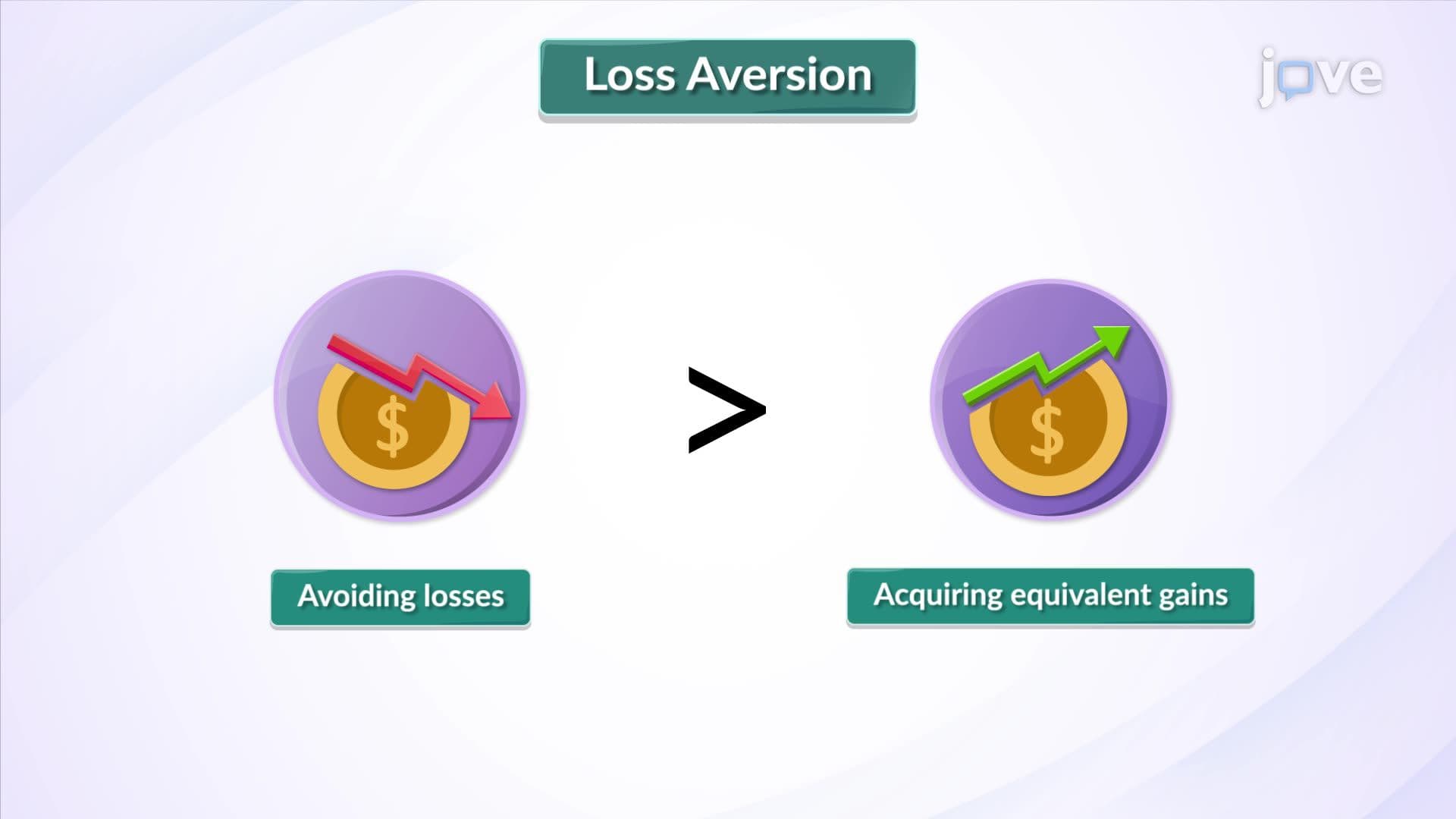
Loss aversion helps explain persistent equity risk premiums that traditional models struggle to justify. Investors demand higher expected returns from stocks because potential losses feel psychologically more significant than equivalent gains. This behavioral insight guides asset allocation decisions and client communication strategies for wealth management professionals.
Understanding these psychological influences enables finance teams to refine investment strategies, improve client outcomes, and make more rational capital allocation decisions in corporate environments.
Frequently Asked Questions
Behavioral aspects examine how psychological factors and cognitive biases systematically influence investment decisions and market pricing. This framework helps finance professionals understand why markets often deviate from theoretical efficient pricing models. It encompasses investor sentiment, loss aversion, representativeness heuristics, and reaction patterns that create predictable market inefficiencies.
Investment committees can use behavioral insights to identify when sentiment-driven mispricing creates opportunities or risks in their portfolios. For example, recognizing overreaction patterns after earnings announcements helps time position adjustments. Understanding representativeness bias prevents overweighting prestigious companies that may be overvalued relative to fundamentals.
Behavioral concepts prove most valuable when explaining market volatility, setting realistic return expectations, and addressing client emotional reactions during market stress. Loss aversion insights help communicate why equity risk premiums exist, while sentiment analysis explains short-term performance variations that may concern clients.
Corporate finance teams apply behavioral insights when timing equity buybacks, planning IPOs, or structuring investor communications. Understanding sentiment cycles helps optimize announcement timing, while recognizing investor biases guides how to frame financial results and strategic initiatives for maximum market impact.
Tesla's stock price movements exemplify behavioral finance principles in action. The company's shares often exhibit extreme sentiment-driven volatility, with Elon Musk's communications creating overreaction patterns. Traditional valuation models struggle to explain Tesla's pricing, but behavioral factors like representativeness bias and momentum effects provide better explanatory power for its market behavior.
While familiarity with basic finance principles helps, behavioral aspects concepts are accessible to any business professional making investment or strategic decisions. The psychological principles are intuitive, and practical applications focus on recognizing patterns rather than complex mathematical modeling. Most concepts can be applied immediately in portfolio reviews or strategic planning sessions.
Behavioral finance expertise differentiates professionals in investment management, corporate finance, and strategic planning roles. These skills enable better investment decision-making, more effective client communication, and improved risk management. As behavioral finance gains prominence in institutional investing, professionals with these competencies become increasingly valuable to employers.
Market microstructure and alternative risk models build naturally on behavioral finance foundations. Quantitative behavioral strategies, ESG investing psychology, and behavioral corporate finance represent advanced applications that combine psychological insights with sophisticated analytical techniques for institutional investment management.
Related Micro-courses

20 Concepts

18 Concepts

14 Concepts